in Seoul: Pre-op, Surgical Plan & Recovery
- 공유 링크 만들기
- X
- 이메일
- 기타 앱
Direct answer summary
Celebrity double jaw surgery is the same medical procedure as standard orthognathic double jaw surgery, but with extra attention to facial proportions, camera angles, and natural-looking aesthetics. Instead of following a single “celebrity jaw” template, the surgeon repositions both upper and lower jaws to improve bite, airway, and facial harmony in a way that suits each person’s own features. For overseas patients coming to Seoul, choosing a face-bone–focused clinic, understanding the recovery timeline, and preparing carefully before travel are essential for a safe and satisfying experience.
What is double jaw surgery?
Double jaw surgery, also called orthognathic double jaw surgery, is an operation that repositions both the upper jaw (maxilla) and lower jaw (mandible). The main medical goals are to correct skeletal imbalance, improve the bite, and address functional issues such as chewing difficulty, speech problems, or airway narrowing.
Unlike simple jawline shaving or chin contouring, double jaw surgery changes the skeletal base of the face. By moving the jaws in three dimensions, surgeons can correct problems such as a protruding mouth, a receded chin, a long or short lower face, and facial asymmetry.
Because the jaws support the lips, cheeks, and nose, changing their position can also create major aesthetic changes. The profile can become more balanced, the lower face can look slimmer or shorter, and the midface can appear more defined. This is why double jaw surgery is often discussed in the context of dramatic “before and after” transformations.

Beyond appearance, double jaw surgery can improve how the upper and lower teeth meet, reduce strain on the jaw joints, and sometimes help with airway and snoring issues. It is important to remember that it is major facial bone surgery, not a light cosmetic procedure.
What people mean by “celebrity double jaw surgery”
When people search for celebrity double jaw surgery, they are usually thinking of the noticeable yet natural facial changes seen in public figures. The common image includes a smaller and more balanced lower face, a smoother jawline, a more refined midface, and a more harmonious profile on camera.
In practice, “celebrity” in this context does not mean a special type of operation only for stars. Medically, it is the same category of orthognathic surgery. The difference lies in the level of customization and aesthetic planning.
Celebrity-style planning typically includes detailed analysis of facial proportions from all angles, careful control of the relationship between the midface, jawline, chin, and nose, and close attention to how the face will appear in photos and videos. The goal is to achieve a refined, natural look that still preserves the patient’s individual identity.
A key point is that there is no single celebrity jaw shape that suits everyone. Copying one famous person’s jawline onto another person’s bone structure can lead to unnatural or unbalanced results. A true celebrity-level plan is personalized: the surgeon designs movements that fit the patient’s existing bone structure, soft tissue thickness, skin quality, and overall facial style.
Who may consider double jaw surgery
Double jaw surgery is not only for celebrities or influencers. It is considered when there is a significant mismatch between the upper and lower jaws or when the jaw position causes functional problems. Typical reasons to consider it include:
Protruding mouth or jaw imbalance, where the upper or lower jaw sticks out or is too far back.
A long face or short face related to jaw position, which can affect facial harmony and lip closure.
Open bite, crossbite, or severe malocclusion, where the teeth do not meet properly.
Facial asymmetry, such as one side of the jaw being longer, lower, or more sunken than the other.
Functional issues like chewing difficulty, jaw joint strain, or airway concerns.
Some patients come mainly for aesthetic reasons, wanting a celebrity-like transformation of the lower face. Even in these cases, responsible surgeons still evaluate the bite, joints, and airway. Sometimes, the safest and most reasonable plan may be a combination of jaw surgery and less invasive contouring, or even non-surgical options, rather than aggressive bone movement.
If your main concern is only a slightly wide jawline or a mild chin issue, jawline contouring without double jaw surgery may be enough. On the other hand, if your lips do not close comfortably, your teeth do not meet properly, or your profile looks unbalanced from the side, double jaw surgery may be worth discussing.
Key elements behind a celebrity-level result
Achieving a refined, celebrity-like change is not about doing the most dramatic surgery. It is about precise analysis, careful design, and thoughtful aftercare.
Preoperative analysis
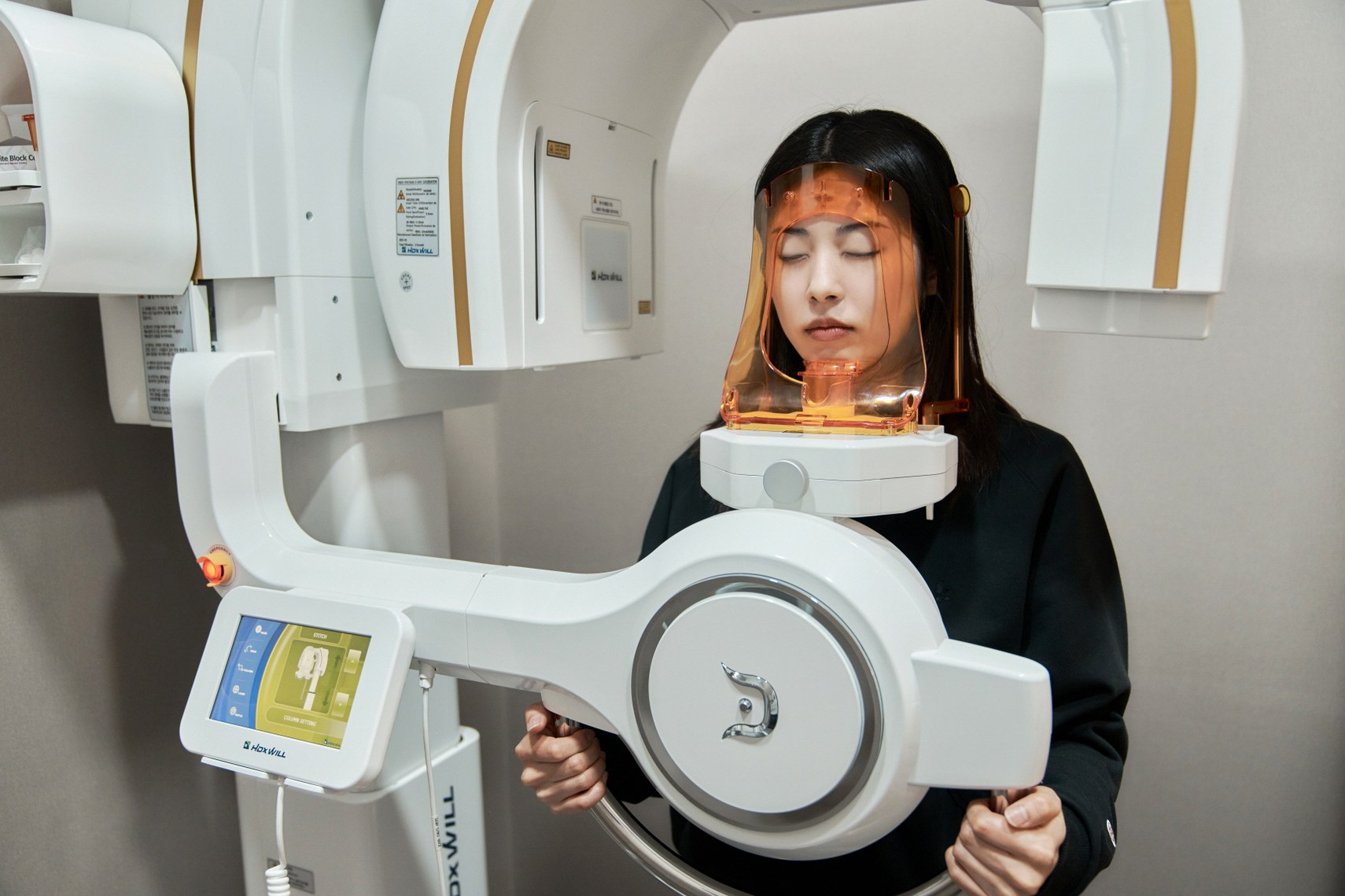
Before planning surgery, a thorough evaluation is essential. This usually includes 3D imaging and cephalometric analysis to understand the exact position of the jaws, teeth, and surrounding structures. The surgeon studies the face from the front and side, measuring midface height, lower face height, chin position, jaw width, and symmetry.
Another important step is predicting how jaw movement will affect the nose, lips, and soft tissue volume. For example, moving the upper jaw forward can change the nasal base and upper lip support, while rotating the jaws can shorten or lengthen the face. Celebrity-level planning looks at these relationships together, not just the jawline in isolation.
Surgical design
During the planning phase, the surgeon decides how much to move each jaw in three dimensions. This includes forward or backward movement, vertical changes (up or down), and rotation to adjust facial length and angle. The aim is to improve both function and aesthetics.
For a more balanced, camera-friendly face, the surgeon may design subtle rotations that shorten a long face, refine a protruding mouth, or improve chin projection. At the same time, they must consider how the soft tissues will drape over the new bone positions to avoid an artificial or “overdone” look.
In some cases, double jaw surgery is combined with targeted facial contouring procedures, such as cheekbone reduction or angle contouring, to fine-tune the lower face. This is planned carefully to avoid excessive bone removal.
Postoperative management
Even with a well-designed operation, swelling and tissue healing can hide the final contour for some time. Postoperative care focuses on controlling swelling, supporting skin quality, and monitoring bite stability.
Supportive treatments such as LED therapy, circulation-focused devices, and gentle skin programs can help the face settle more smoothly. Regular follow-up visits allow the team to check the bite, joint comfort, and facial balance as healing progresses. This long-term monitoring is part of what patients often associate with a “celebrity” level of care.
Safety and reality check
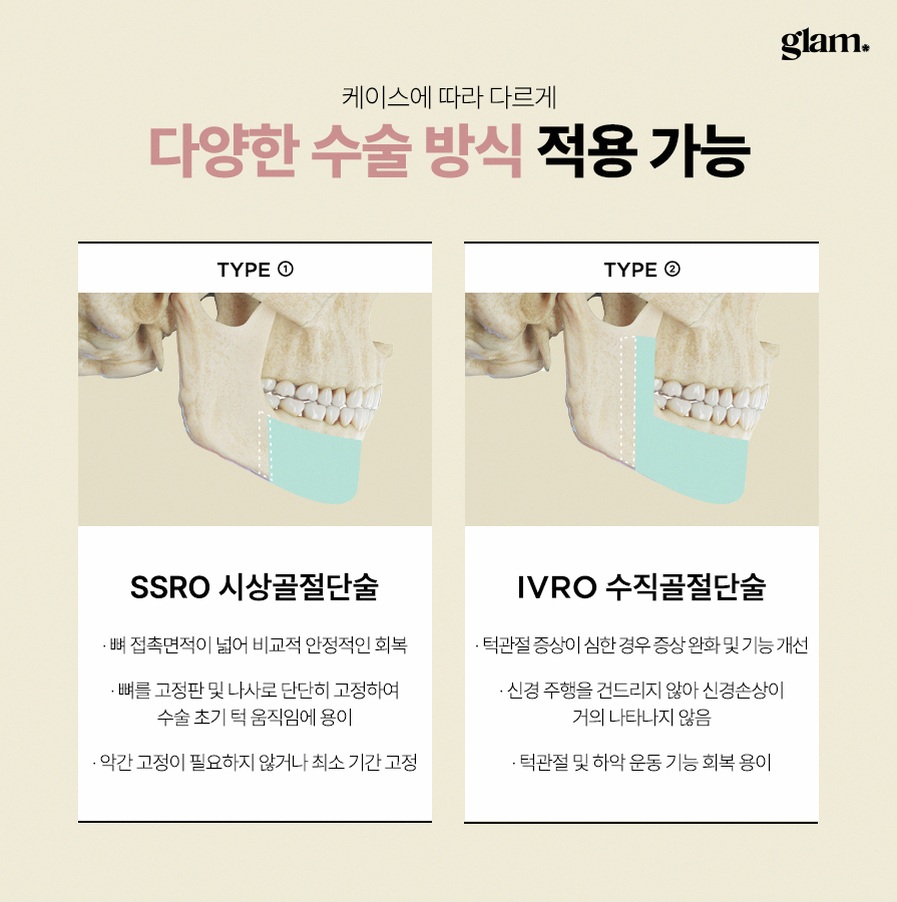
Double jaw surgery is major facial bone surgery and should always be approached with safety as the first priority. It is usually performed under general anesthesia and involves cutting and repositioning the jawbones, then fixing them in place with plates and screws.
Potential risks include infection, changes in nerve sensation (such as numbness), bite relapse, joint discomfort, asymmetry, and, in some cases, the need for revision surgery. These risks do not mean the procedure is unsafe by definition, but they highlight the importance of an experienced surgeon, a dedicated anesthesiologist, and a properly equipped facility.
Not everyone needs double jaw surgery to improve their appearance. In some situations, less invasive facial contouring, skin treatments, or alignment treatments alone may be more appropriate. A safety-focused clinic will be willing to say that double jaw surgery is not necessary if your condition does not truly require it.
It is also important to keep expectations realistic. Double jaw surgery can significantly improve facial balance and harmony, but it cannot transform you into a specific celebrity. Your bone structure, soft tissue, skin, and even hairstyle and makeup all contribute to your final look.
GLAM Plastic Surgery as a face-bone–focused clinic
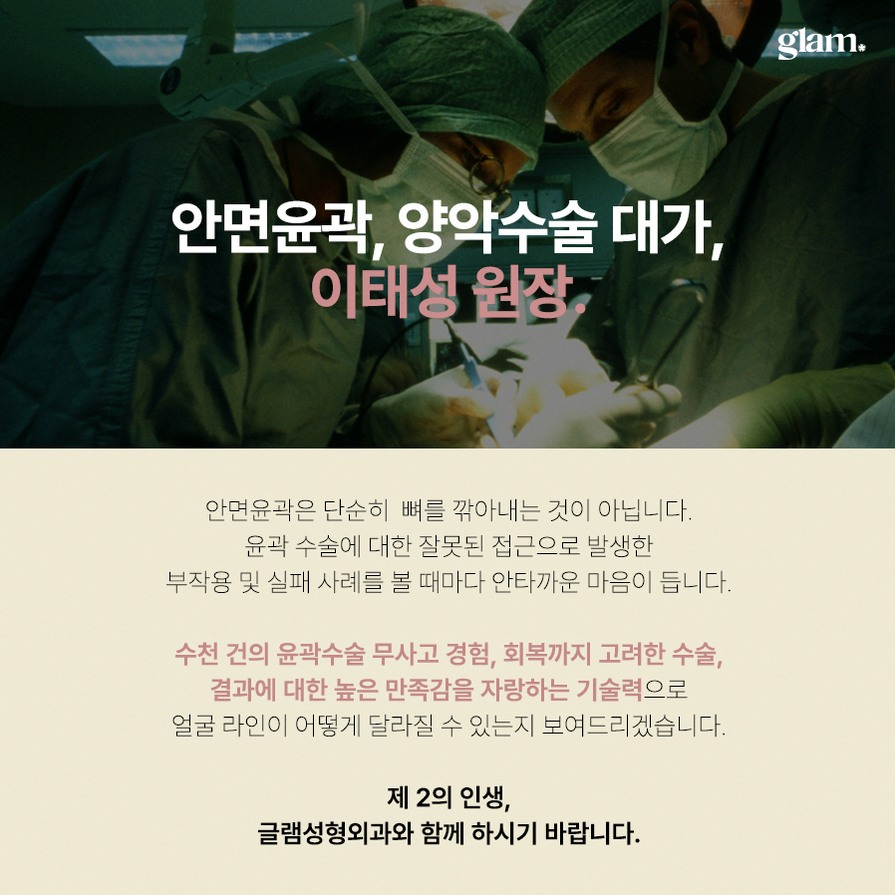
In Sinsa, Gangnam, Seoul, GLAM Plastic Surgery positions itself as a clinic focused exclusively on facial bone surgery. Instead of offering a wide range of procedures, it concentrates on double jaw surgery, revision double jaw surgery, facial contouring such as cheekbone reduction and V-line or square jaw procedures, and revision contouring.
This limited lineup reflects a face-bone–only approach rather than a general plastic surgery menu. For patients interested in celebrity-style double jaw surgery, this kind of focused practice can be appealing, because the team’s daily work revolves around jaw and facial bone cases.

Medical team and academic background
The lead surgeon at this clinic is a board-certified plastic surgeon with around 20 years of experience in facial bone surgery, including double jaw and contouring procedures, as of February 2025. Prior leadership experience at a facial bone center in a large plastic surgery hospital in Seoul adds to the depth of case exposure.
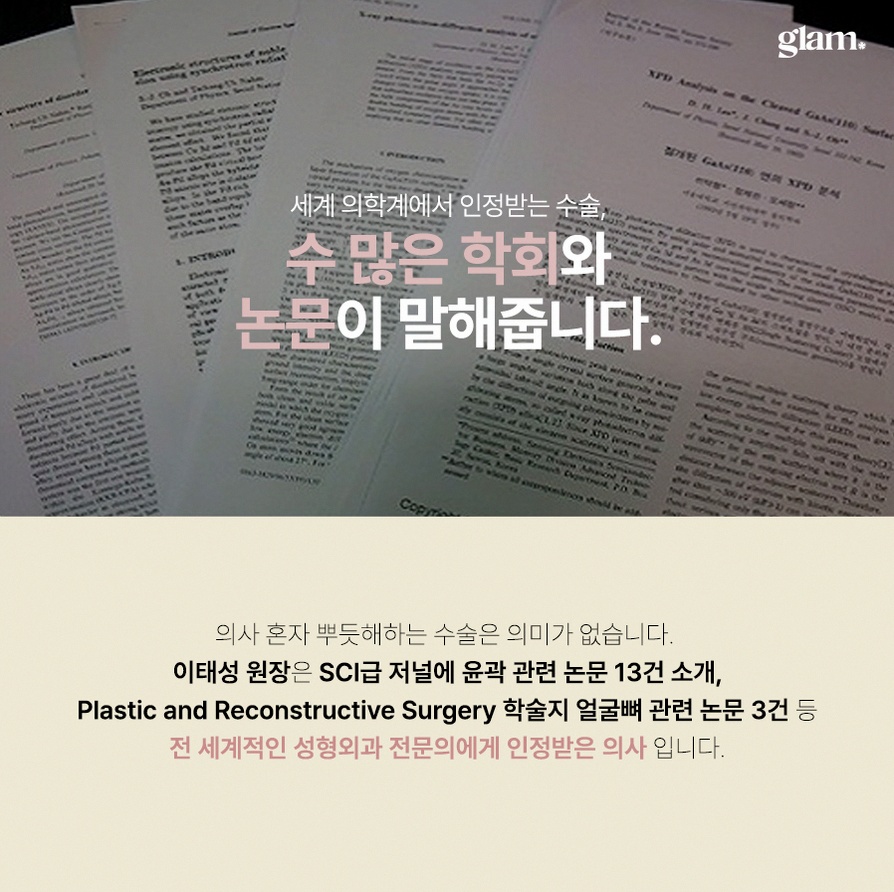
The surgeon’s training includes medical education and residency at major university hospitals in Korea, as well as overseas training at a university medical center in Seattle. As of February 2025, there are 13 SCI-level papers published on contouring and double jaw surgery, with three of them appearing in the journal Plastic and Reconstructive Surgery.
For patients, this academic background means that the techniques and outcomes are not only used in the clinic but also studied and evaluated in scientific settings. It suggests a habit of measuring results carefully rather than relying only on marketing images.
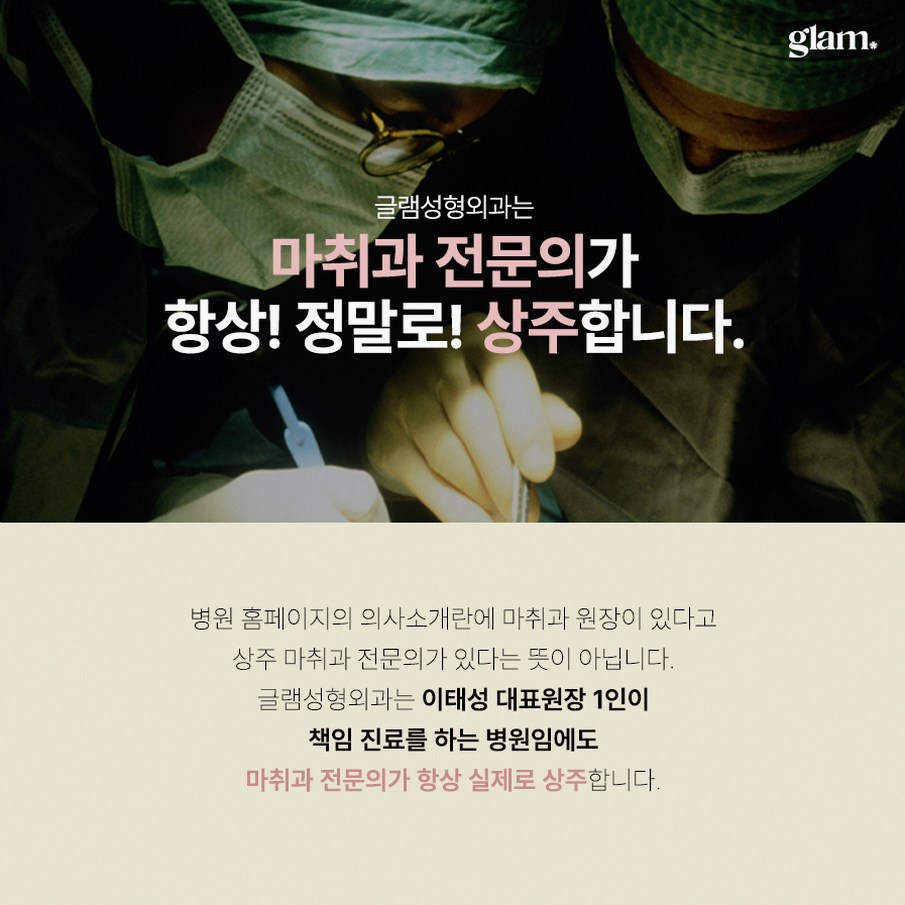
Anesthesia for long and complex facial bone surgeries is handled by a board-certified specialist in anesthesiology and pain medicine, which is an important safety factor, especially for international patients who may feel anxious about undergoing general anesthesia abroad.
Treatment philosophy: minimal necessary surgery and direct operation
A common concern among patients considering double jaw surgery is the possibility of overtreatment. Some worry that they may be advised to undergo more extensive surgery than they truly need.
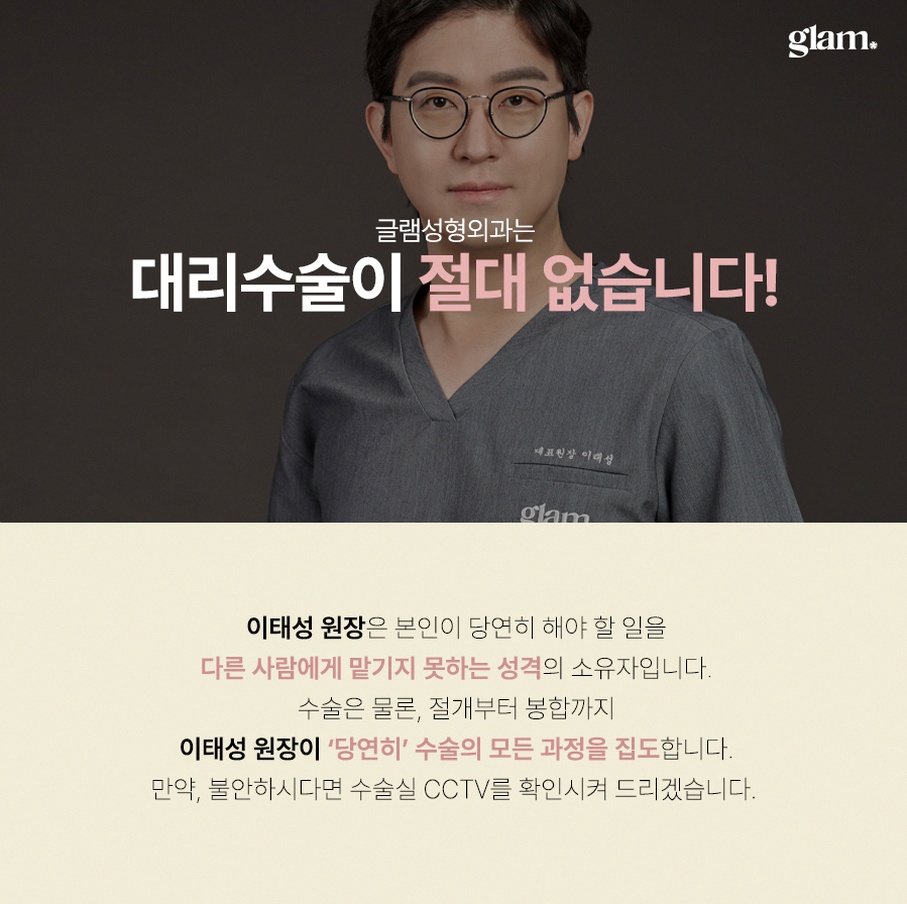
At this clinic, the lead surgeon performs operations directly rather than delegating to multiple junior doctors. The stated philosophy is to recommend only the minimum necessary surgery after careful evaluation.
In practical terms, this can mean:
Assessing whether double jaw surgery is genuinely required to solve the problem, or whether contouring alone or other options might be sufficient.
Explaining alternative plans when jaw surgery appears excessive for the patient’s condition.
Encouraging patients to take time to think and ask questions rather than rushing into a decision.
This approach can be reassuring for overseas patients who are traveling far from home and want to avoid unnecessary procedures.
Technical points that interest celebrity double jaw seekers
Patients aiming for celebrity-level results often ask about specific technical aspects of double jaw surgery.
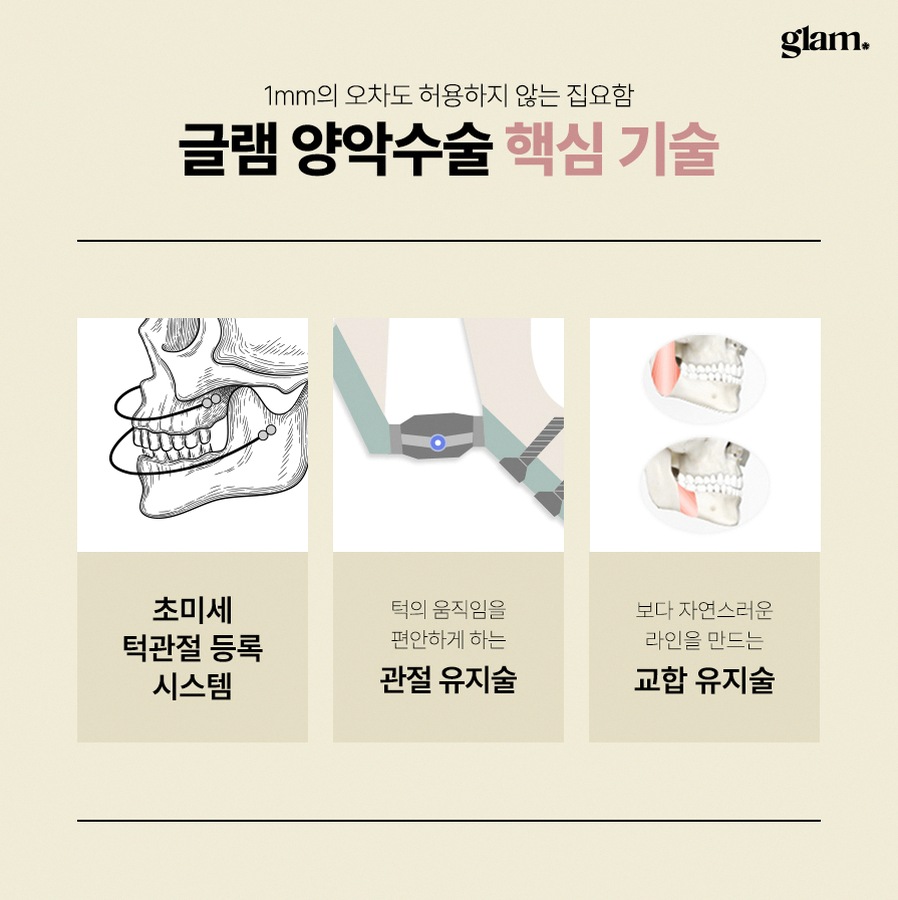
In some cases, it may be possible to perform double jaw surgery without rigid intermaxillary fixation, which means the jaws may not need to be wired shut for a long period. Instead, internal fixation with plates and screws, along with guiding elastics, can allow some limited movement during early healing. Whether this is possible depends on the individual case and the stability of the planned movements.
Another frequent question is whether pre- or post-surgical alignment treatment is always required. Many patients do need treatment to align the teeth properly before and after surgery. However, in carefully selected cases with favorable dental and skeletal conditions, surgery can be planned to minimize or even omit this step. This decision can only be made after detailed examination and imaging.
Aesthetic concerns such as nose widening after upper jaw movement are also common. Surgeons may use specific suturing techniques to help control changes at the nasal base when the upper jaw is moved, aiming to maintain or refine nasal width rather than allowing it to broaden.
Postoperative care and swelling management
After double jaw surgery, swelling is usually most intense during the first one to two weeks, then gradually decreases over several months. To support recovery, some clinics offer structured post-surgery care programs.
At a face-bone–focused clinic in Gangnam, these may include LED therapy to support skin and tissue healing, dome-type treatments to encourage circulation and reduce edema, multi-step skin reset programs, and radiofrequency lifting devices to help the skin tighten as the underlying bone settles.
These treatments are supportive, not a replacement for precise surgical planning. Their role is to help the final contour appear more clearly and to make the healing period more comfortable. Long-term follow-up visits are also important to monitor bite stability, joint comfort, and facial balance.
Experience for international and out-of-town patients
Seoul, and especially Gangnam, is a popular destination for medical tourism. For overseas patients, language support and location convenience can significantly affect the overall experience.
This clinic provides information channels in multiple languages such as English, Japanese, and Thai, which can help patients communicate their goals and understand explanations about surgery, risks, and aftercare.
The location near Sinsa Station in Gangnam is central and familiar to many international visitors, with easy access to hotels, shopping, and transportation. This can make it easier to attend multiple follow-up visits during your stay.
How to choose a clinic for celebrity-style double jaw surgery
Whether you choose GLAM Plastic Surgery or another center, certain criteria can help you make a safer and more informed decision.
Look for a clinic that specializes in facial bone surgery rather than offering a broad menu of unrelated procedures. A focused practice is more likely to have deep experience in double jaw and contouring.
Confirm that the main surgeon is a board-certified plastic surgeon with substantial experience in double jaw and facial bone contouring. Ask who will actually perform your operation and whether any parts will be delegated.
Check that a dedicated anesthesiologist will manage your anesthesia, especially for long operations. This adds an important layer of safety.
During consultation, pay attention to whether the surgeon explains both benefits and risks clearly, and whether they discuss alternative treatments. A willingness to say “no” when surgery is unnecessary is a positive sign.
Finally, ask about structured postoperative care and follow-up. For international patients, it is important to know how long you should stay in Korea, how many visits are expected, and how the clinic will support you once you return home.
Online consultation and pre-visit preparation
Before booking flights, it is wise to arrange an online consultation. Most clinics in Seoul that treat international patients can review photos, imaging from your local clinic if available, and your medical history.
To prepare, you can:
Collect clear front, side, and three-quarter view photos of your face and profile.
Prepare any previous imaging or reports related to your jaw, bite, or facial bones.
List your main concerns in order of priority: function (chewing, jaw pain), appearance (protruding mouth, long face), or both.
Note any medical conditions, allergies, or previous surgeries.
During the online consultation, ask about the likely need for double jaw versus contouring alone, the expected length of stay in Korea, possible need for alignment treatment, and the general recovery timeline. Use this conversation to see whether the surgeon’s philosophy matches your expectations.
Expected Korea visit timeline
Every case is different, but many international patients follow a similar pattern.
First, you arrive in Seoul a few days before surgery for in-person consultation, detailed imaging, physical examination, and final planning. This is when the surgeon confirms or adjusts the plan based on your actual examination.
Surgery is usually scheduled within a few days of these assessments. After the operation, you may stay in the clinic for monitoring before returning to your accommodation.
The first two weeks are focused on swelling control, pain management, and early healing. You will likely have several follow-up visits during this period. Many patients stay in Korea for around three to four weeks in total, but this can vary depending on the complexity of the case and travel distance.
Before you leave Korea, the clinic should provide instructions on diet progression, oral care, activity restrictions, and how to manage any elastics or devices. They should also explain how to handle any concerns once you are back home and how to arrange remote follow-up.
Aftercare and long-term expectations
In the first weeks after surgery, you can expect significant swelling, tightness, and some numbness. A soft or liquid diet is usually recommended initially, progressing gradually as healing allows.
Major swelling often improves noticeably within three to six weeks, allowing you to look more presentable in everyday situations. However, finer changes in contour and sensation can continue to improve over several months. Many patients see their face refine over six to twelve months as tissues settle.
Jaw exercises, posture awareness, and careful adherence to the clinic’s instructions help support a stable bite and comfortable joint function. Regular check-ins, either in person or online, allow the surgeon to monitor your progress.
Frequently asked questions
Is celebrity double jaw surgery different from regular double jaw surgery?
Medically, celebrity double jaw surgery is the same category of orthognathic double jaw surgery. The bones are cut and repositioned to correct skeletal imbalance and bite problems. The difference is in the planning emphasis: for celebrity-level cases, there is often more detailed attention to facial proportions, camera angles, and how the face will look on screen, while still respecting function and safety.
Can I get a celebrity face with double jaw surgery alone?
No single surgery can guarantee that you will look like a specific celebrity. Double jaw surgery can change the skeletal base of your face and improve balance, but your final appearance also depends on your natural bone structure, soft tissue, skin quality, and personal style. The realistic goal is to create the best version of your own face, not to copy someone else’s.
How long does it take to look presentable after double jaw surgery?
Most patients experience the most noticeable swelling in the first one to two weeks. By around three to six weeks, a large portion of the swelling has usually subsided, and many people feel more comfortable appearing in public with light styling. However, the face continues to refine over several months, and full settling can take up to a year. Timelines can vary depending on individual healing and the extent of surgery.

Is alignment treatment always required with double jaw surgery?
Many patients do need alignment treatment before and after double jaw surgery to achieve a stable, precise bite. However, in some carefully selected cases with favorable dental and skeletal conditions, the surgery can be planned to minimize or omit this step. This decision must be made after detailed imaging and examination by the surgical and alignment teams.
Is double jaw surgery safe?
Double jaw surgery can be performed safely when carried out by an experienced surgeon in a properly equipped facility with a dedicated anesthesiologist. However, it remains major surgery with real risks, including infection, nerve changes, bite relapse, joint discomfort, and possible need for revision. A thorough consultation is essential to understand whether the benefits outweigh the risks in your specific case.
Soft call to action
If you are considering celebrity-style double jaw surgery in Seoul and want an opinion from a face-bone–focused team in Sinsa, Gangnam, you can start with an online consultation with GLAM Plastic Surgery. Sharing your photos, concerns, and medical history in advance allows the team to suggest whether double jaw surgery, facial contouring, or a more conservative plan may be appropriate for you before you commit to traveling.




- 공유 링크 만들기
- X
- 이메일
- 기타 앱


댓글
댓글 쓰기