in Seoul: candidates, evaluation and surgical planning
- 공유 링크 만들기
- X
- 이메일
- 기타 앱
Direct answer summary
train on the joints and muscles, while also improving bite function and facial balance. However, it is not a universal cure for all TMJ disorders, and careful diagnosis, imaging, and individual planning are essential before deciding on surgery.
If you are considering coming to Seoul for TMJ-related double jaw surgery, this guide explains who may be a candidate, how the evaluation and planning are done, what to expect during a visit to Korea, and how a facial bone–focused clinic such as GLAM Plastic Surgery approaches this type of treatment.
Overview of double jaw surgery with TMJ in mind
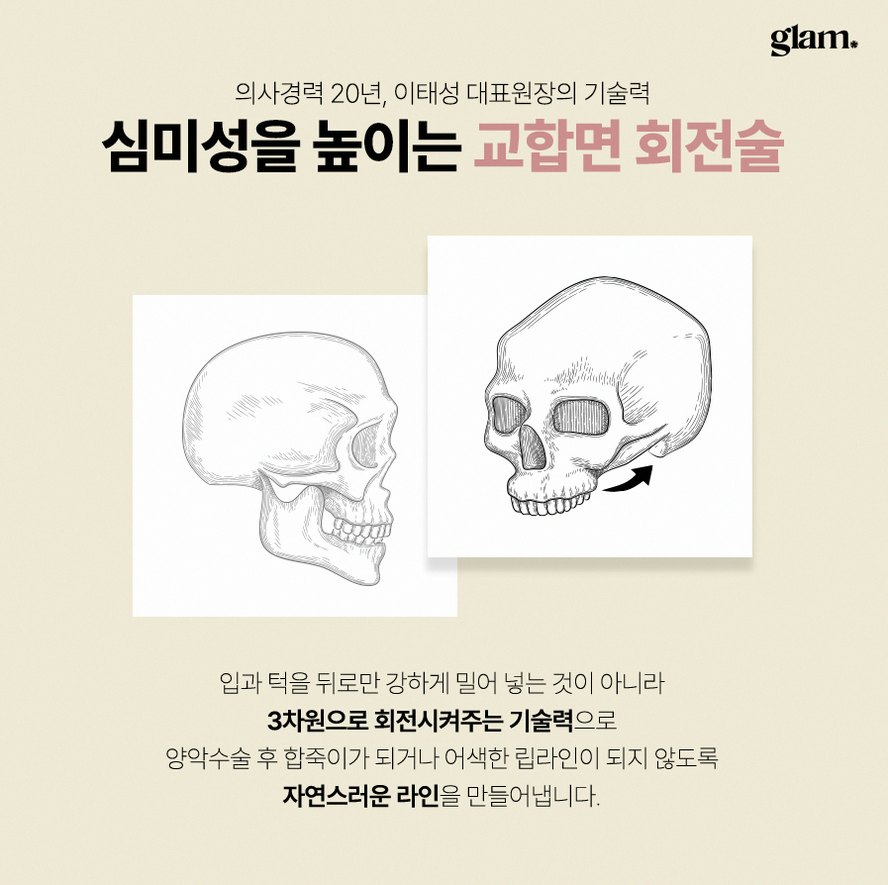
Double jaw surgery (orthognathic surgery) is a procedure that repositions both the upper jaw (maxilla) and lower jaw (mandible). The main goals are to correct skeletal discrepancies, create a more stable bite, and balance facial proportions.
When people search for double jaw surgery for TMJ, they are usually experiencing both bite problems and symptoms such as jaw clicking, pain near the ear, or difficulty opening the mouth. In most cases, TMJ-focused double jaw surgery does not mean operating directly on the joint itself. Instead, the surgeon plans the movement of the jaws while carefully considering the position of the joint head (condyle), the space inside the joint, and how the new bite will load the TMJ and surrounding muscles.
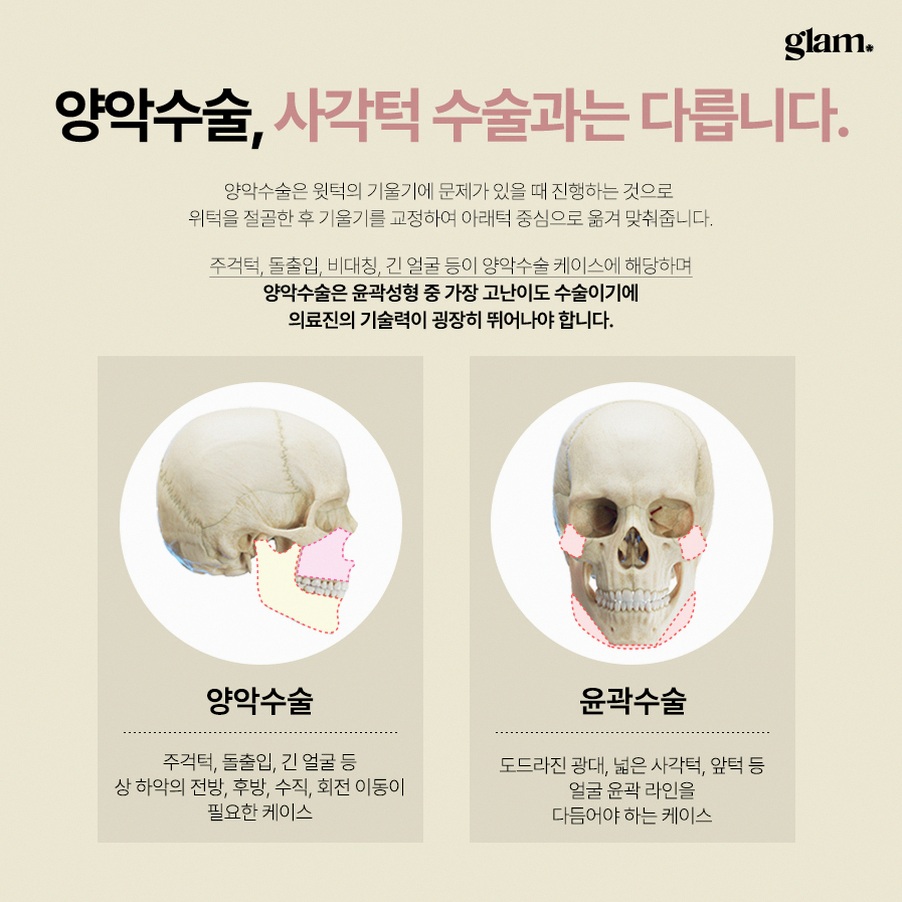
The aim is to achieve a jaw position that is structurally more stable and functionally less stressful for the joint, while also improving facial balance. Cosmetic change is often a side effect of correcting the skeleton, but the priority in TMJ-related cases is function and stability.
TMJ symptoms and jaw structure
Common TMJ-related complaints include jaw clicking or popping, pain around the ear or temple, difficulty opening the mouth wide, jaw locking, fatigue when chewing, headaches, and sometimes visible facial asymmetry. These symptoms can be related to the way the upper and lower jaws fit together.
When the jaws are significantly misaligned, the bite may not meet evenly. Examples include severe underbite or overbite, open bite where front teeth do not touch, long face patterns, or one side of the jaw being lower or more protruded than the other. These skeletal issues can lead to abnormal loading of the TMJ and imbalanced muscle activity. Over time, this may contribute to pain, noise, or functional limitation.
However, not all TMJ disorders are caused by jaw bone problems. Many people have TMJ symptoms related to stress, muscle tension, posture, or habits such as clenching and grinding. For these patients, conservative treatments such as splints, physical therapy, medication, and lifestyle changes are usually tried first.
Double jaw surgery is typically considered only when there is a clear structural cause that cannot be corrected by simple methods, and when the bite and jaw position themselves are part of the problem.
Who may consider TMJ-focused double jaw surgery
TMJ-related double jaw surgery is usually considered for patients who have both structural jaw problems and persistent TMJ symptoms.
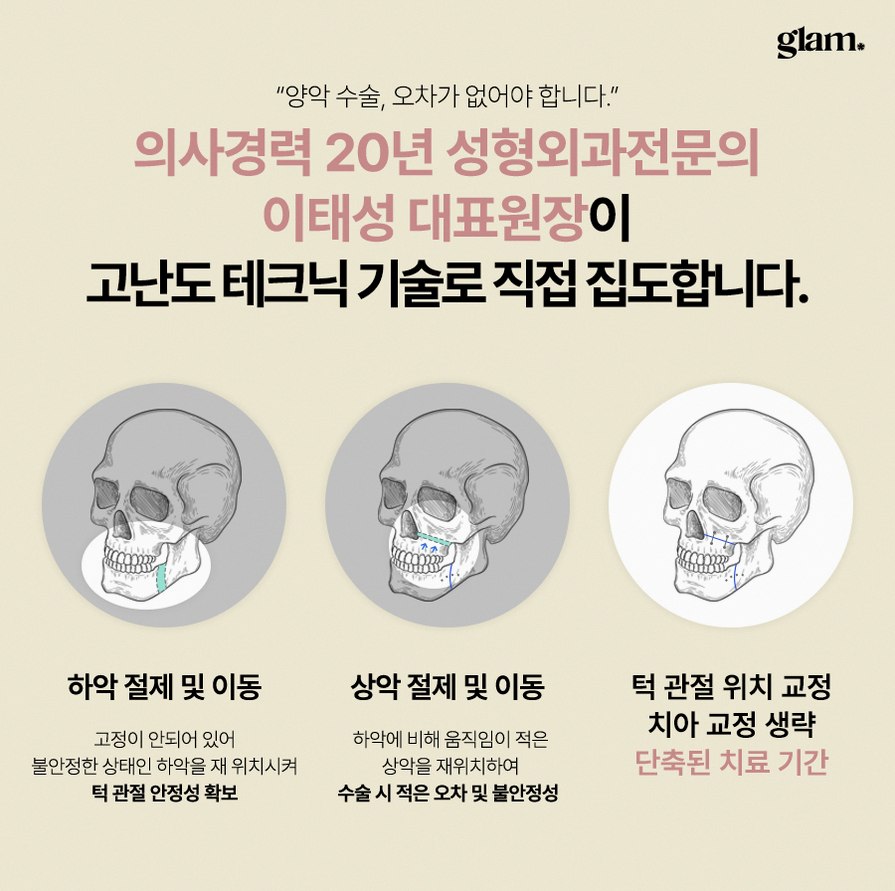
Typical candidates include people with:
Significant underbite, overbite, or open bite that cannot be corrected by simple measures
Noticeable facial asymmetry or a jaw that deviates to one side when opening
A long face pattern with difficulty closing the lips comfortably
Protruding or retruded jaws that cause functional bite problems
Along with:
Ongoing TMJ symptoms such as pain, noise, locking, or limited opening that are associated with their bite and jaw position
Symptoms that did not improve sufficiently with conservative care
In some cases, non-surgical treatments alone cannot place the jaws in a stable position. When the skeletal base is significantly off, it may not be possible to create a healthy, long-term bite without repositioning the jaw bones. In these situations, double jaw surgery can be part of a comprehensive plan to improve both function and appearance.
It is important to understand that surgery is not automatically recommended for every TMJ patient. The indication must be decided after a thorough evaluation by specialists who understand both jaw structure and joint function.
How TMJ-focused double jaw surgery is evaluated
At a facial bone–focused clinic, the evaluation for TMJ-related double jaw surgery usually follows several steps.
First, a detailed consultation is performed. You will be asked about the location and type of your pain, when it started, how long it lasts, whether you hear clicking or grinding sounds, and whether your jaw ever locks or feels stuck. Questions will also cover chewing difficulty, headaches, neck or shoulder tension, and any previous treatments you have tried.
Second, a clinical examination is done. The surgeon observes how wide you can open your mouth, whether the jaw deviates to one side when opening or closing, and how your teeth come together. Facial symmetry, chin position, and muscle tenderness around the jaw and neck are also checked.
Third, imaging is used to understand your bone structure and joint space. This may include facial bone X-rays, cephalometric analysis (side-view measurements of the skull), and 3D CT scans when needed. These images help the surgeon assess jaw position, asymmetry, and the relationship between the condyle and the joint socket.
Fourth, your bite and occlusion are analyzed, often in collaboration with a bite specialist. This step clarifies how much of the problem comes from tooth position and how much comes from the underlying jaw bones.
The TMJ status must be evaluated before planning double jaw surgery. The goal is to avoid worsening symptoms and, when possible, to reduce strain on the joints by creating a more stable jaw position.
Planning double jaw surgery with TMJ function in mind
When planning TMJ-focused double jaw surgery, the surgeon’s task is to reposition the jaws in a way that supports both a stable bite and a healthy joint environment.
Key planning points include:
Setting target jaw positions that allow the upper and lower teeth to meet evenly and stably
Considering the position of the condyle inside the joint socket, avoiding excessive forward or backward displacement that could overload the joint
Balancing left and right sides to reduce uneven loading on one TMJ
Coordinating soft tissue changes, such as chin and lip position, with the planned bone movements
In a clinic that specializes in facial bone surgery, the surgical plan is focused on skeletal balance and joint-friendly positioning rather than combining many unrelated cosmetic procedures. This can help keep the plan clear and centered on function.
An important principle is to minimize unnecessary procedures. The surgeon aims to perform only the movements and additional surgeries that are truly needed for stability and function, rather than adding extra steps that do not contribute to your health goals.
How double jaw surgery is performed
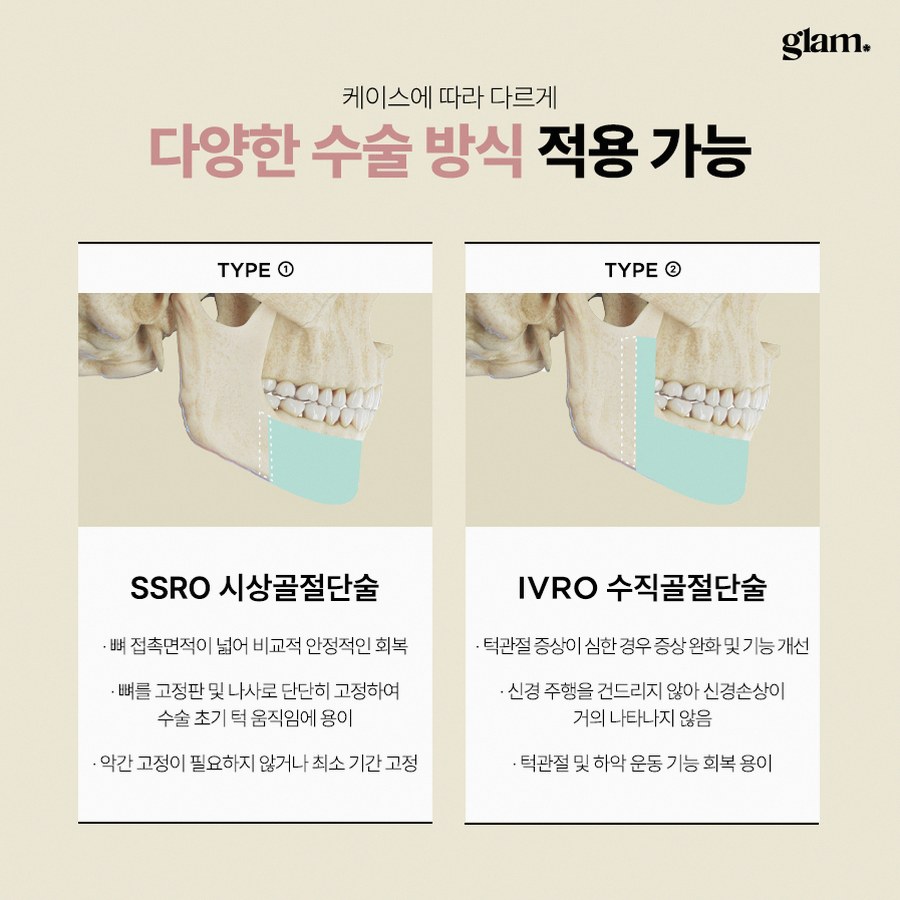
Double jaw surgery typically involves cutting and repositioning both the upper and lower jaw bones, then fixing them in their new positions with small plates and screws.
The operation is done under general anesthesia. Through incisions inside the mouth, the surgeon carefully separates the jaw bones, moves them to the planned positions, and secures them. In TMJ-related cases, extra attention is paid to how the condyles sit in the joint during fixation, to support a stable and balanced joint position.
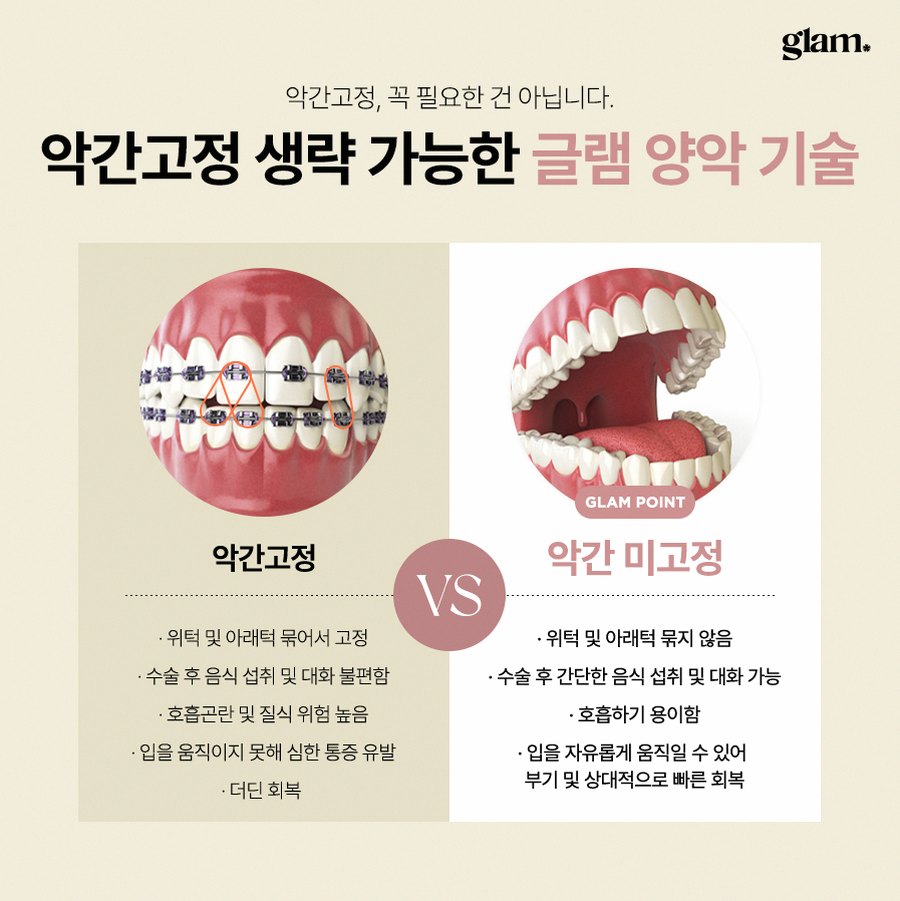
Modern approaches may offer some advantages in selected patients. For example, some cases may avoid long-term rigid jaw wiring, allowing earlier gentle mouth opening and easier breathing. In certain situations, pre-surgical bite correction can be shortened or partially integrated with the surgical plan. Special suturing techniques can be used to help reduce unwanted changes around the nose after moving the upper jaw.
These details depend on your individual diagnosis and bone structure. They are not the same for everyone and should be discussed directly with the surgeon during consultation.
Recovery and TMJ expectations after double jaw surgery
Recovery after double jaw surgery is a gradual process. Most patients experience the most swelling and discomfort in the first week. Swelling then slowly decreases over several weeks, with finer changes continuing for a few months. Bone healing typically takes several months to become solid.
A structured postoperative care program can support this period. At a facial bone–focused clinic, recovery care may include methods such as LED therapy, facial dome care, skin reset treatments, and radiofrequency lifting devices to help manage swelling and support skin condition. These are supportive measures; they do not replace the importance of precise surgery and proper healing, but they can make the recovery more comfortable.
Regarding TMJ symptoms, expectations should be realistic. Some patients experience noticeable improvement in pain, noise, and chewing function when their bite and jaw position are corrected. Others may find that symptoms improve only partially or fluctuate over time. In some cases, pre-existing joint damage, such as disc displacement or degenerative changes, limits how much improvement is possible.
Double jaw surgery is not a guaranteed cure for TMJ disorder. It is one part of a comprehensive approach for patients whose joint problems are closely linked to jaw structure. Long-term follow-up, adherence to postoperative instructions, and collaboration with bite and TMJ specialists remain important.
Safety, anesthesia, and risk management
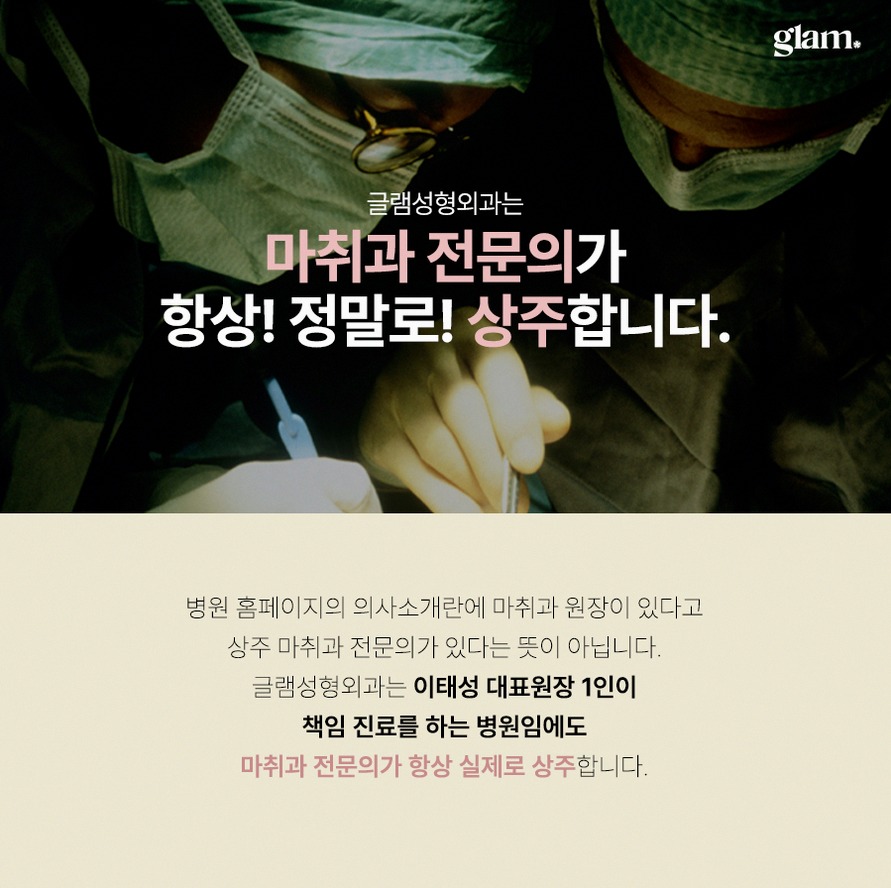
Double jaw surgery is a major operation, so safety and risk management are central. At a clinic like GLAM Plastic Surgery, a board-certified anesthesiology and pain medicine specialist manages general anesthesia, airway, and pain control throughout the procedure. This allows the surgeon to focus fully on the facial bones while anesthesia and vital signs are continuously monitored.
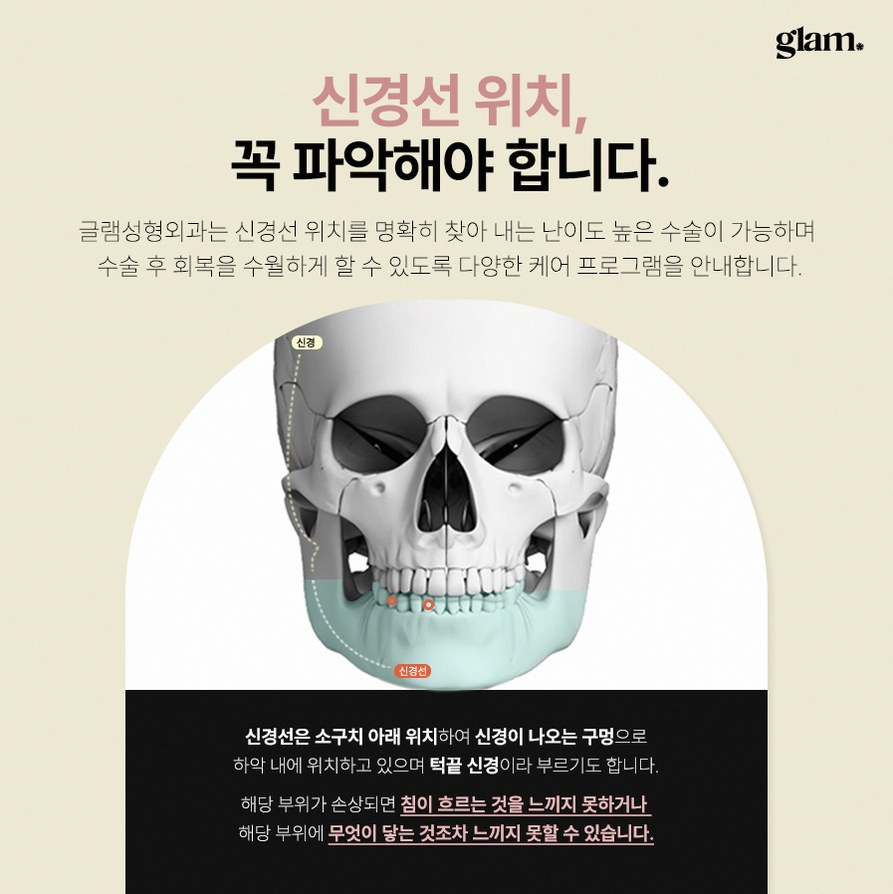
As with any major surgery, there are potential risks. These include bleeding, infection, changes in nerve sensation (such as numbness of the lips or chin), relapse of jaw position, residual asymmetry, and possible changes in TMJ symptoms. Some patients may experience temporary worsening of joint discomfort during the early healing period before stabilization.
Risk reduction strategies include thorough preoperative evaluation, precise imaging and planning, careful surgical technique, intraoperative monitoring, and structured postoperative follow-up. Patients are also guided on diet progression, mouth opening exercises, and general self-care to support healing.
How a facial bone–focused clinic in Seoul may help
The clinic described here is located on Dosan-daero in Gangnam, about 200 meters on foot from Sinsa Station Exit 1 in Seoul. It is a facial bone–focused center, meaning it concentrates only on facial bone surgery such as double jaw and facial contouring, rather than offering a wide range of unrelated procedures.
The representative director is a board-certified plastic surgeon whose training includes a medical degree and residency at major university hospitals in Korea, followed by fellowship experience in the United States. The surgeon has focused on facial bone surgery for many years, and as of February 2025 has published 13 SCI-level papers on contouring and double jaw surgery, including 3 in the journal Plastic and Reconstructive Surgery. These are objective indicators of long-term academic and clinical involvement in this field.
At this type of clinic, the representative surgeon performs the operations directly and emphasizes recommending only the minimum necessary surgery rather than over-treatment. A board-certified anesthesiologist is responsible for anesthesia and pain management. Postoperative care programs are structured to support swelling reduction and skin recovery after facial bone surgery.
Preparing for an online consultation from overseas
If you are an overseas patient considering TMJ-related double jaw surgery in Seoul, an online consultation is a practical first step.
To make this consultation more effective, it helps to prepare the following:
Clear description of your symptoms: when they started, what triggers them, and how they affect your daily life
Photos of your face from the front, side, and 45-degree angles with your teeth in a natural bite and also slightly open
Any previous imaging you have, such as X-rays or CT scans, if available
A summary of treatments you have already tried for TMJ symptoms, such as splints, physical therapy, or medication
Your medical history, including any chronic illnesses, allergies, or previous surgeries
During the online consultation, you can ask whether your jaw structure seems to be contributing to your TMJ symptoms, what additional tests would be needed in Seoul, and what kind of treatment plan might be considered. This step will not replace an in-person examination, but it can help you decide whether a trip to Korea for further evaluation is reasonable.
Expected visit timeline for surgery in Korea
Every case is different, but many international patients follow a similar overall timeline when they come to Seoul for double jaw surgery.
First 2–3 days: In-person consultation, detailed examination, imaging (X-rays, cephalometric analysis, 3D CT if needed), and finalization of the surgical plan. You may also meet with a bite specialist if coordination is required.

Surgery day: Hospital admission, preoperative preparation, surgery under general anesthesia, and immediate postoperative monitoring.
First week after surgery: Hospital stay or nearby accommodation with close follow-up visits. Swelling and discomfort are most intense in this period. You will usually be on a liquid or very soft diet.
Weeks 2–3: Gradual reduction of swelling, transition to a slightly less restricted soft diet if allowed, start of gentle mouth opening exercises, and participation in postoperative care sessions for swelling and skin.
Around 3–4 weeks: Many overseas patients are able to fly home, depending on individual healing and the surgeon’s assessment. Follow-up can then continue through online check-ins and collaboration with local providers if needed.
You should discuss your personal schedule, work or study commitments, and travel constraints with the clinic in advance so that a realistic plan can be made.
Aftercare and long-term follow-up
After returning home, long-term follow-up remains important. You may need periodic online consultations to review healing progress, bite stability, and TMJ symptoms. If bite correction is part of your plan, coordination with a local provider may be recommended.
You will receive instructions on diet progression, oral hygiene, mouth opening exercises, and general activity levels. It is important to follow these guidelines to support bone healing and joint adaptation.
TMJ symptoms may continue to evolve for months after surgery as the joints and muscles adapt to the new jaw position. Keeping a simple symptom diary, noting pain levels, noise, and function over time, can help you and your surgeon understand your progress.
Frequently asked questions
Can double jaw surgery cure TMJ disorder
Double jaw surgery can improve TMJ symptoms in some patients, especially when the joint problems are closely linked to jaw structure and bite. By repositioning the jaws into a more stable and balanced position, strain on the joints and muscles may be reduced. However, surgery does not guarantee complete elimination of TMJ problems. Pre-existing joint damage or other contributing factors may limit the degree of improvement. A careful evaluation is needed to estimate how much benefit surgery may realistically provide in your case.
How do I know if my TMJ symptoms are related to my jaw structure
Signs that your TMJ symptoms may be related to jaw structure include obvious bite problems, such as severe underbite, overbite, or open bite, visible facial asymmetry, and jaw deviation when opening your mouth. If you have tried conservative TMJ treatments without sufficient improvement, and your bite still feels unstable or uneven, structural factors may be involved. Imaging and a detailed examination by a facial bone specialist are necessary to confirm whether double jaw surgery should be considered.
Is double jaw surgery always necessary for TMJ problems
No. Many TMJ disorders can be managed with non-surgical methods such as splints, physical therapy, medication, and lifestyle changes. Double jaw surgery is usually considered only when there is a clear skeletal discrepancy and bite problem that cannot be corrected by simpler means, and when these structural issues are strongly linked to your TMJ symptoms. Even then, surgery is just one part of a broader management plan and must be decided individually.
What tests are needed before deciding on TMJ-related double jaw surgery
Before deciding on surgery, you will typically need facial bone X-rays, cephalometric analysis, and often 3D CT scans to assess jaw position and joint space. A clinical examination of jaw movement, bite pattern, and facial symmetry is essential. Bite analysis with a specialist may also be recommended. These tests help determine whether your TMJ symptoms are structurally driven and whether double jaw surgery is an appropriate option.
How long is recovery, and when can I chew normally again
Initial recovery, including major swelling and discomfort, usually takes several weeks. Most patients follow a liquid or very soft diet for the first few weeks, then gradually progress to a soft and then more normal diet over several months, according to the surgeon’s instructions. Full bone healing and adaptation of the joints and muscles can take several months. The exact timeline for returning to normal chewing varies by individual and should be discussed directly with your surgeon.

Will my face shape change a lot if the main goal is TMJ and bite improvement
Any double jaw surgery that repositions the jaws will affect facial appearance to some degree, because the upper and lower jaws support the lips, cheeks, and lower face. Even when the main goal is functional improvement, changes in profile, chin position, and facial balance are expected. During planning, the surgeon can aim for a natural, harmonious result while prioritizing joint-friendly jaw positions and a stable bite.
Is it possible to have double jaw surgery without long-term jaw wiring
In many modern cases, it is possible to avoid long-term rigid jaw wiring by using internal plates and screws to stabilize the bones. Some temporary elastic bands may still be used to guide the bite during early healing. Whether you can avoid extended jaw wiring depends on your specific bone movements, joint condition, and stability requirements. This can be clarified during your consultation.
Soft call to action
If you are an overseas patient experiencing both TMJ symptoms and significant jaw or bite problems and are considering evaluation in Seoul, you can start with an online consultation with GLAM Plastic Surgery. By sharing your symptoms, photos, and any existing imaging, you can receive an initial opinion on whether TMJ-focused double jaw surgery might be appropriate for you and what kind of visit schedule would be needed. Final decisions should always be made after in-person examination and imaging, but an online discussion can be a helpful first step in planning your care.




- 공유 링크 만들기
- X
- 이메일
- 기타 앱


댓글
댓글 쓰기