in Korea: timing, records, and clinic choice
- 공유 링크 만들기
- X
- 이메일
- 기타 앱

Direct answer summary
Facial contouring revision surgery is a secondary operation on the facial bones after a previous contouring procedure such as square jaw reduction, cheekbone reduction, or V-line surgery. It aims to improve shape, symmetry, and sometimes function when the first result is unsatisfactory. Because the bone has already been cut and healed once, revision is usually more complex and requires very detailed analysis and careful planning. For overseas patients considering coming to Korea, it is important to allow enough time after the first surgery, prepare records and images, and choose a clinic with focused experience in facial bone procedures.
Treatment overview: what is facial contouring revision surgery
Facial contouring revision surgery means operating again on the jawline, chin, or cheekbones after a previous bone-contouring surgery. The goal can be aesthetic, functional, or both. Some patients want a softer, more balanced face line; others need improvement in bite, joint comfort, or nerve-related symptoms.
Typical reasons people seek revision include persistent or new facial asymmetry, a jawline that still looks wide or bulky, or a face that appears too hollow or aged after over-resection. Some notice irregular bone edges or step-offs when touching the face or in photos. Others experience functional problems such as bite changes, chewing discomfort, temporomandibular joint pain, or numbness.
It is important to understand that not every dissatisfaction can or should be corrected with revision. Some issues relate more to soft tissue, aging, or individual expectations than to bone structure. A responsible surgeon will help you distinguish between what is structurally changeable and what is not.
Who may consider facial contouring revision surgery
Patients who may benefit from revision facial contouring usually fall into several groups.
One group includes those with persistent width or bulk at the mandibular angle after square jaw surgery. The lower face may still look wide or heavy from the front or three-quarter view, even though bone was removed.
Another group includes patients with over-resection. Their jaw or chin may look too narrow, too short, or collapsed, creating a gaunt, tired, or aged impression. In some cases, the lower face appears droopy because the soft tissue no longer has enough bony support.
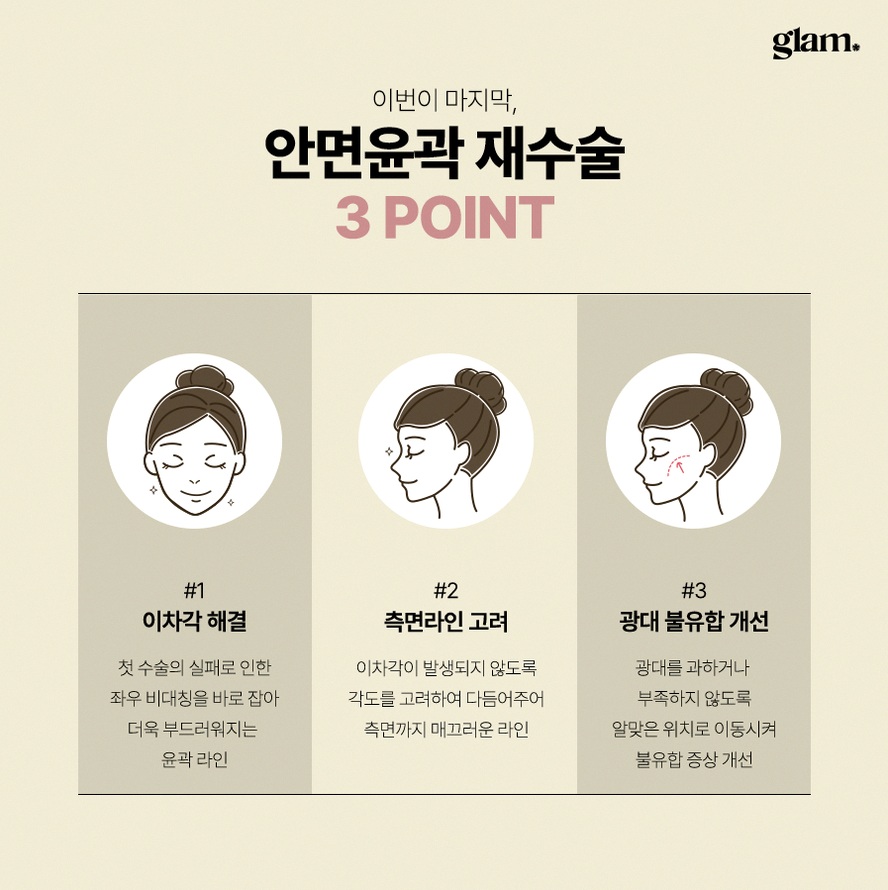
Many people seek revision because of asymmetry. This can involve one side of the jaw being longer, lower, or more angled than the other, or cheekbones that do not match in height or projection. Sometimes the asymmetry is subtle but very noticeable in selfies or under certain lighting.
Functional issues are another important indication. After previous contouring, some patients develop an uncomfortable bite, chewing difficulty, joint clicking or pain, or persistent numbness in the lower lip, chin, or cheek area. When imaging confirms structural changes that match these symptoms, revision may be considered.
However, some people are mainly concerned about minor irregularities or normal left–right differences that all faces have. In such cases, the risk of another bone surgery may be higher than the likely benefit. Careful consultation is needed to decide whether revision is appropriate.
When revision can be considered: timing and evaluation
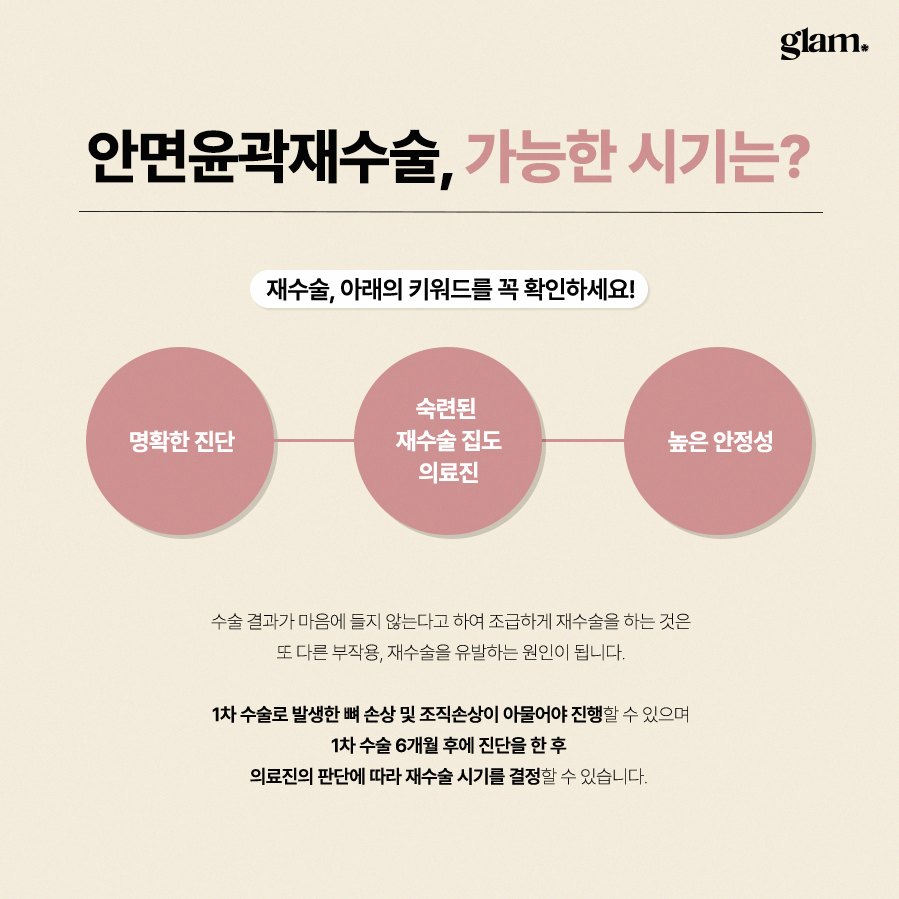
Most surgeons prefer to wait until the bone and soft tissue have stabilized before performing facial contouring revision surgery. In many cases, this means waiting at least 6 to 12 months after the first operation. During this time, swelling decreases, scar tissue matures, and the final contour becomes clearer.
Early revision may be considered if there is a serious complication, such as severe bite disturbance or unstable bone segments, but this is the exception rather than the rule. For most patients, patience during the first year is part of the process.
A proper evaluation for revision usually includes several steps. First is a detailed consultation about what surgery was done previously and what you dislike now. It is helpful to bring any operative records, pre- and post-operative X-rays, and photos if you have them.
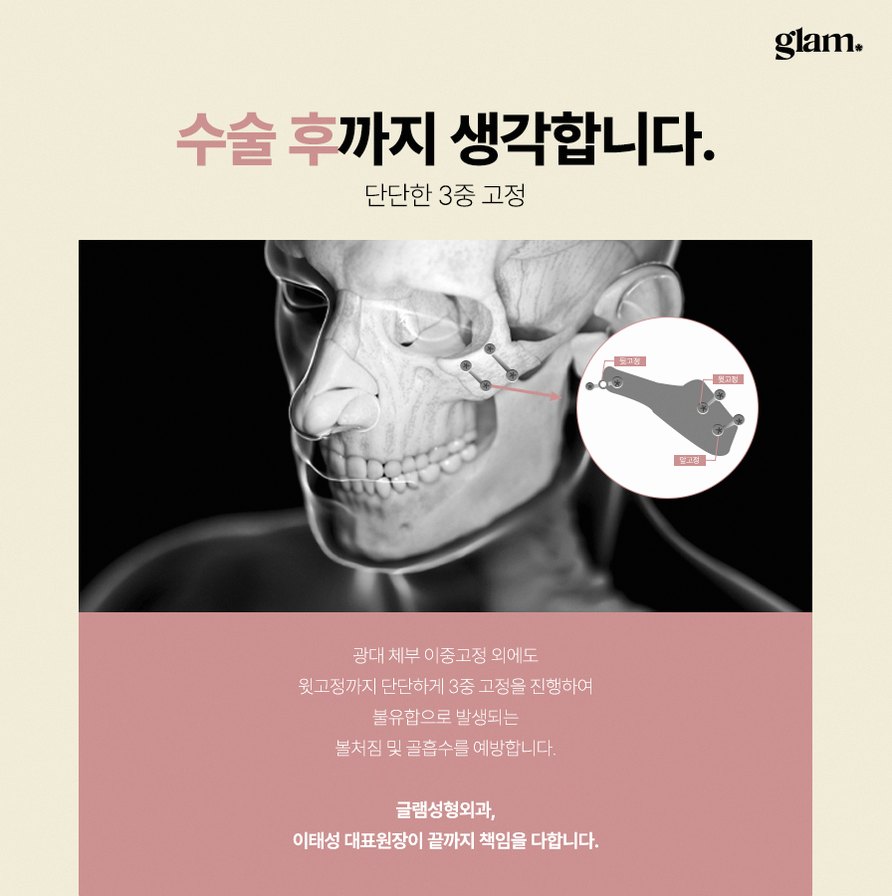
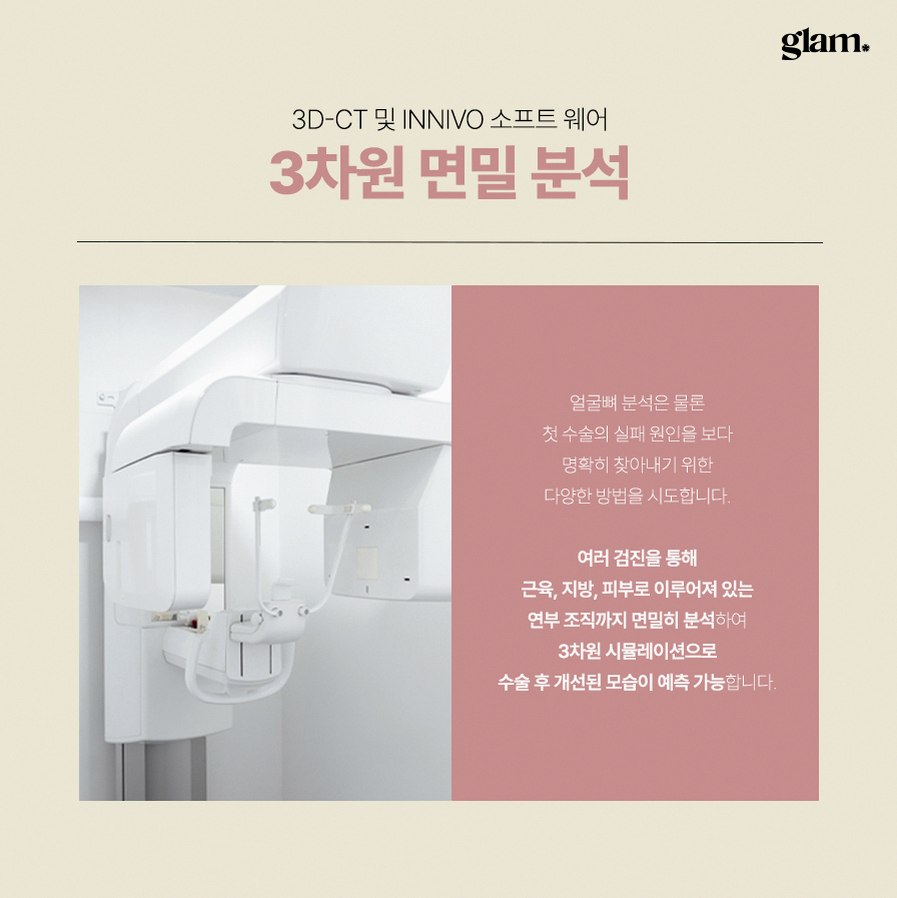
Next, new imaging is typically performed. This may include panoramic X-ray, facial CT, and cephalometric analysis. These studies help the surgeon understand the current bone shape, location of previous bone cuts, position of fixation plates or screws, and the course of important nerves.
The surgeon will also assess your bite, jaw joint function, and facial muscle balance. This functional evaluation is especially important if you have chewing discomfort, joint noises, or numbness.
Revision planning must be individualized. The technique used in your first surgery may not be suitable the second time. In some cases, the safest option is a limited adjustment rather than a large change. In others, combined procedures on the jaw and chin or cheekbones may be needed to restore harmony.
Types of facial contouring revision surgery
Jaw angle and square jaw revision
Jaw angle revision focuses on the lower border and angle of the mandible. For patients with residual width or bulk, the surgeon may refine the bone contour, smooth stepped areas, and adjust the angle line to create a more continuous curve.
If the first surgery left irregular or sharp bone edges, these can sometimes be smoothed to reduce visible or palpable deformities. When over-resection has occurred and the lower face looks droopy or hollow, options may include modifying the chin or carefully reshaping the remaining jawbone. Sometimes soft tissue procedures are combined, but the main emphasis is on restoring stable bony support.
Chin and V-line revision
Chin and V-line revision addresses issues such as a chin that is too long, too short, deviated to one side, or excessively pointy. Many previous V-line surgeries involve T-osteotomy or sliding genioplasty, which can be adjusted in a second operation.
Revision may involve repositioning the chin segment, reshaping it, or in some cases adding or preserving volume to avoid an over-sharpened look. The goal is to rebalance the relationship between the chin, jawline, lips, and nose so that the profile and frontal view appear more natural.
Cheekbone revision
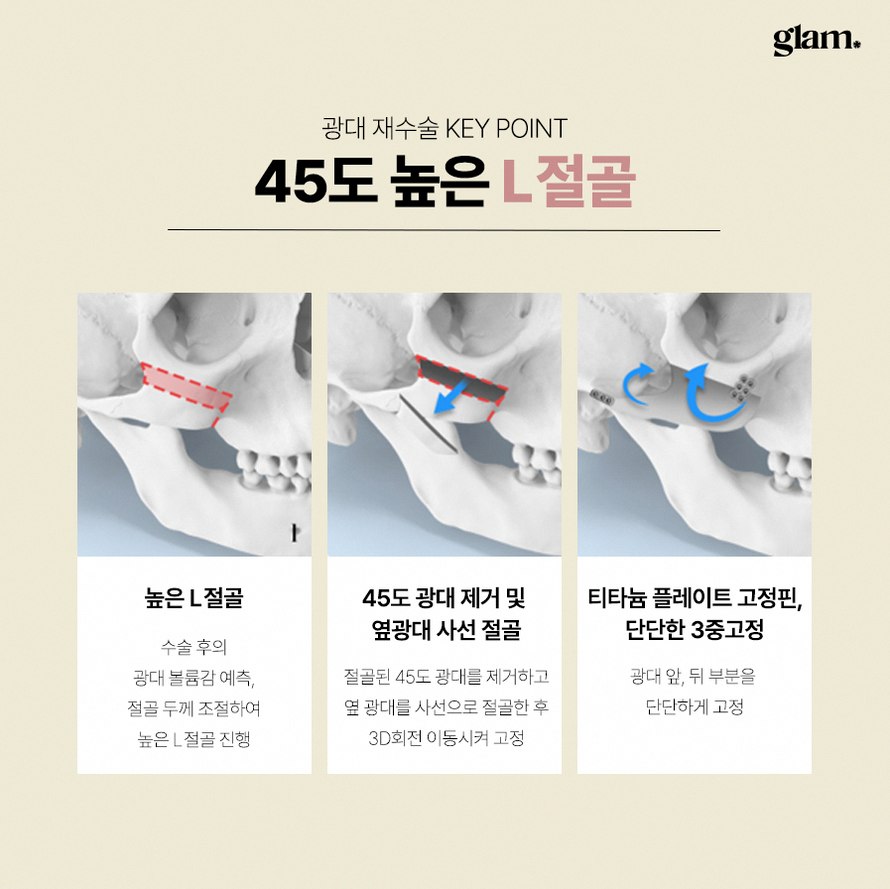
Cheekbone, or zygoma, revision is considered when the cheekbones still look wide from the front or side, or when the midface appears sunken or flat after excessive reduction. Some patients feel that their face looks tired or older because of a hollowed midface.
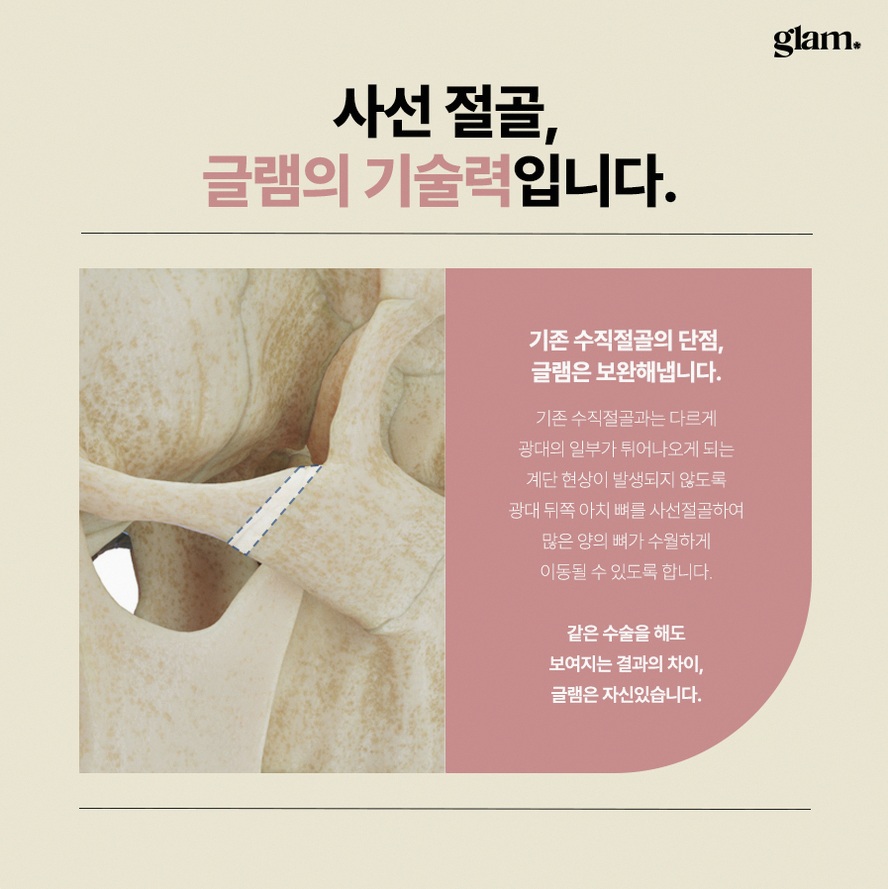
In revision, the surgeon may adjust the position of the zygomatic body and arch, correct rotation, or smooth step deformities where the bone was cut and fixed. Palpable or visible irregularities along the zygomatic arch can sometimes be improved by careful recontouring.
Combined revision
Many revision cases involve more than one area, such as cheekbone plus jawline, or jawline plus chin. Combined revision requires careful sequencing so that changes in one area do not create new disharmony in another.
For example, narrowing the jawline further without considering cheekbone width can make the midface look wider by comparison. Conversely, adjusting only the cheekbones without addressing a very long chin may not achieve the desired balance. A comprehensive plan that considers the entire face is essential.
Why revision is more complex than first-time contouring
Facial contouring revision surgery is generally more complex than primary surgery for several reasons. The anatomy has already been altered by previous bone cuts and fixation plates. This means the usual landmarks may not be in their original positions.
Scar tissue forms around the surgical area and can make dissection more difficult. Blood supply patterns may be changed, and the tissues can be less flexible. These factors can affect both the technical steps of surgery and the healing process.
Nerves may be closer to the bone surface or partially damaged from the first surgery. This increases the risk of additional nerve irritation or prolonged numbness. There is often less bone available to work with, especially if the initial reduction was aggressive.
Because of these challenges, the risks of revision can be higher. These include a greater chance of nerve injury or persistent numbness, and a possibility that perfect symmetry cannot be achieved. The realistic aim is improvement, not absolute perfection.
Recovery after revision may also be longer in some cases, with swelling that takes more time to settle. Clear communication about these points is important so that you can set appropriate expectations.
What to look for in a revision facial contouring clinic or surgeon
Revision facial contouring is a highly specialized field. When you are choosing a clinic, it can be helpful to look for a team that focuses mainly on facial bone surgery rather than offering a very broad range of unrelated procedures.
Clinics such as GLAM Plastic Surgery in Seoul’s Gangnam area, near Sinsa Station, position themselves around double jaw and facial contouring, including revision cases. A focused lineup can mean more concentrated experience with jaw and facial bone anatomy, and systems tailored to the specific risks and needs of bone surgery.
You may also want to review the lead surgeon’s background. Factors to consider include board certification in plastic surgery, long-term experience in facial bone surgery, and training at major university hospitals. Academic activity, such as multiple SCI-level publications on facial contouring and double jaw surgery, including in journals like Plastic and Reconstructive Surgery, suggests an evidence-based approach.
The presence of a dedicated anesthesiology specialist is another point to check. A full-time anesthesiologist can manage anesthesia and monitoring throughout the procedure, allowing the surgeon to focus fully on the operation. Membership in professional anesthesia and pain societies is one sign of formal training.
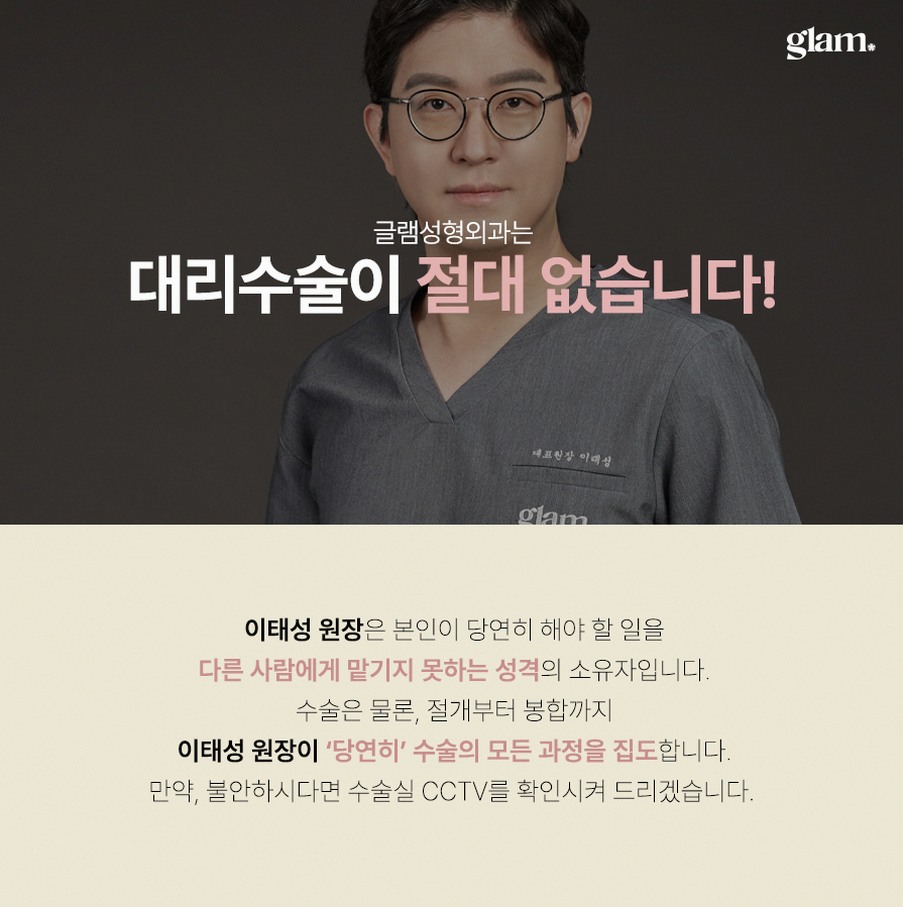
Some patients prefer a clinic structure with one main facial bone surgeon and one anesthesiology specialist rather than a large, anonymous team. A philosophy of proposing only the minimum necessary surgery can also be reassuring, especially if you are worried about overly aggressive or unnecessary revision.
Consultation and planning process for overseas patients
A thorough revision consultation should begin with listening to your story. The surgeon will want to know when and where your first surgery was done, what techniques were used if you know them, and how your face has changed over time.
You will be asked to clarify your main priorities. These might include symmetry, a softer line, more volume in certain areas, or functional improvement such as better bite or reduced discomfort. It is helpful to rank your concerns in order of importance.
Based on clinical examination and imaging, the surgeon should explain what is realistically achievable. This includes both the potential benefits and the limitations related to your bone condition, nerve status, and soft tissue.
Some clinics use imaging and 3D analysis to simulate possible changes. These tools can help you visualize directions of change, but they should be presented as guides rather than guarantees. Actual results can differ because of individual healing and tissue response.
Shared decision-making is important. The surgeon should explain the pros and cons of each option, including the option of not operating. You should feel free to ask detailed questions and take time before deciding on revision, especially if you are traveling from overseas.
Surgical approach and safety considerations
In facial contouring revision surgery, incisions are usually made inside the mouth where possible, to avoid visible scars. However, the exact approach depends on your previous surgery and current anatomy.
The surgeon must carefully dissect through existing scar tissue to protect nerves and blood vessels. Old fixation plates or screws may be removed or repositioned if they interfere with the new plan. Bone is then recontoured or repositioned to restore smoother lines and better facial balance.
Safety systems are an important part of modern revision surgery. These may include continuous monitoring by an anesthesiology specialist, comprehensive preoperative health evaluation, and detailed imaging to reduce unexpected risks.
After surgery, clinics often follow clear protocols for managing swelling, pain, and early complications. For overseas patients, it is particularly important to understand how emergency situations would be handled and how to reach the clinic if you have concerns after returning home.
Postoperative care and recovery
Recovery after revision facial contouring varies depending on the extent of surgery. Swelling and bruising are common and may be similar to or slightly more pronounced than your first operation. Initial swelling usually improves over a few weeks, but it can take several months for the final contour to become clear.
Temporary numbness or tightness is also common. In many cases, sensation gradually improves over time, but some residual changes may remain. Your surgeon should discuss this possibility with you in advance.
Some clinics offer structured aftercare programs aimed at supporting recovery. These may include LED therapy, facial dome treatments, or radiofrequency-based skin tightening to help with swelling and skin adaptation over the new bone contour. These methods are supportive and do not replace proper surgical technique.
Follow-up visits are important to monitor healing, nerve recovery, and bite function. For international patients, the clinic may schedule key follow-up appointments during your stay in Korea and then arrange online check-ins after you return home.
Patient selection and who should be cautious
Revision facial contouring is not automatically recommended for everyone who is unhappy with their result. Some issues improve naturally as swelling resolves and tissues settle, especially within the first year.
Mild asymmetries are normal in all faces and may not justify the risk of another bone surgery. In some cases, non-surgical options or minor soft tissue procedures may be more appropriate than full revision.
Psychological factors also matter. If your expectations are very high or you find yourself constantly focusing on small details, it may be helpful to consider counseling or to take more time before deciding on another operation. A good surgeon will take these aspects seriously.
Patients who may benefit most from revision are those with clear structural problems on imaging that match their visible concerns, and those with functional issues such as bite changes or persistent discomfort. It is also important that you understand the limitations and risks and have realistic expectations about the degree of improvement.
Online consultation and pre-visit preparation
For overseas patients, the process often begins with an online consultation. Most clinics will ask you to send recent photos from the front, oblique, and side views, both at rest and smiling. If possible, include photos from before your first surgery and shortly after it.
You should also prepare and send any medical records from your previous operation, including operative notes, X-rays, or CT scans. Even partial information can help the surgeon understand what was done.
Before your online consultation, it can be useful to write down your main concerns and questions. For example, you might ask how many revision cases the surgeon handles regularly, what imaging and analysis will be used, and what the main risks are in your specific case.
During the consultation, pay attention to how clearly the surgeon explains your situation and whether they discuss both benefits and limitations. Be cautious if anyone promises a perfect result or suggests rushing into surgery without adequate evaluation.
Expected Korea visit timeline for revision surgery
The exact schedule will vary by clinic and case, but many overseas patients follow a similar timeline.
First, you complete an online consultation and, if both sides agree to proceed, tentatively reserve a surgery date. Some clinics may request updated imaging when you arrive in Korea, even if you have previous scans.
You should plan to arrive in Seoul at least a few days before surgery for in-person consultation, examination, and imaging. This allows time to confirm the plan, review consent forms, and complete preoperative health checks.
After surgery, a stay of around two to three weeks in Korea is often recommended for initial recovery and follow-up visits. During this period, the clinic will monitor swelling, incision healing, and early functional recovery. If your case is more complex, a longer stay may be advised.
Before you return home, make sure you understand your medication schedule, dietary recommendations, oral hygiene instructions, and how to manage swelling. Also confirm how and when to send follow-up photos and how to contact the clinic if you have questions.
Practical checklist: questions to ask during a revision consultation
When you meet a surgeon in person or online, consider asking questions such as:
How many facial contouring revision surgeries do you perform each year, and what types are most common in your practice?
What imaging and analysis will you use to plan my surgery, and how will these results influence the surgical design?
In my specific case, what are the main risks, and how would you manage complications if they occur?
What degree of improvement do you think is realistic for me, and what aspects might not change even after revision?
How long should I plan to stay in Korea, and what kind of aftercare and follow-up will be provided during and after my stay?
Taking notes during the consultation can help you compare different opinions if you seek more than one assessment, which is often wise for complex revision cases.
Role of GLAM Plastic Surgery for overseas patients
GLAM Plastic Surgery is an example of a clinic in Seoul’s Gangnam area, near Sinsa Station, that focuses on facial bone surgery, including double jaw procedures and facial contouring revision. The lead surgeon has 20 years of experience in this field, and as of February 2025 has published 13 SCI-level papers on contouring and double jaw surgery, including three in Plastic and Reconstructive Surgery.
The clinic structure centers on one main facial bone surgeon and an anesthesiology and pain medicine specialist who oversees anesthesia and perioperative safety, allowing the surgeon to focus fully on the operation. Structured postoperative care programs are offered to support recovery and reduce swelling.
For overseas patients, the clinic provides online consultation and guidance on planning a visit to Korea, including suggested timelines and follow-up arrangements. While no clinic can guarantee specific outcomes, a focused team with long-term experience can help you make a more informed and cautious decision about revision.
Frequently asked questions
Is facial contouring revision surgery always possible if I dislike my result?
No, revision is not always the right answer. In some cases, your concerns may be related to temporary swelling, normal asymmetry, or soft tissue changes that do not require new bone surgery. A careful evaluation with imaging and physical examination is needed to decide whether structural revision is likely to help. Sometimes, the safest option is observation, minor non-bone treatments, or simply more time.
How long should I wait after my first facial contouring before considering revision?
Many surgeons recommend waiting at least 6 to 12 months after the initial surgery before considering revision, unless there is a serious complication. This waiting period allows swelling to resolve and the final contour to become clearer. It also gives bone and soft tissue time to stabilize, which is important for accurate assessment and safer planning.

Will revision surgery make my face perfectly symmetrical?
Perfect symmetry is rarely achievable, even in people who have never had surgery. The realistic goal of revision is improvement rather than perfection. Your surgeon should explain what kind of change is likely in your specific case and show you, using imaging and analysis, where improvement is possible and where limitations remain.
How long do I need to stay in Korea for facial contouring revision surgery?
For most overseas patients, a stay of about two to three weeks in Korea is recommended. This usually includes preoperative consultation and imaging, the surgery itself, and several follow-up visits to monitor early healing. More complex cases may require a longer stay. Before you book flights, confirm the suggested timeline with your chosen clinic.
Soft call to action for online consultation
If you are considering facial contouring revision surgery in Korea and are unsure whether it is appropriate for your situation, an online consultation can be a safe first step. By sharing your medical history, photos, and imaging, you can receive a more personalized assessment without immediate commitment.
Clinics such as GLAM Plastic Surgery offer structured online consultations for overseas patients, helping you understand your options, likely benefits, and potential risks. Taking time to gather information and compare professional opinions will support a more confident, well-informed decision about whether to proceed with revision and how to plan your visit to Seoul.




- 공유 링크 만들기
- X
- 이메일
- 기타 앱


댓글
댓글 쓰기