in Korea: Risks, Timing, Evaluation
- 공유 링크 만들기
- X
- 이메일
- 기타 앱
Direct answer summary
If you are unhappy with a previous cheekbone (zygoma) contouring surgery and are searching for revision options in Korea, revision cheekbone contouring is sometimes possible, but it is a high‑difficulty and high‑risk procedure. It requires a very detailed evaluation with 3D imaging, conservative planning, and a surgeon who focuses specifically on facial bone surgery. Not every case is suitable for revision, and in many situations the safest approach is to aim for balanced, natural correction rather than extreme slimming.
This guide explains what cheekbone contouring revision is, who may consider it, how it is evaluated and performed, what to expect when visiting Korea, and how to prepare for an online consultation with a facial bone specialist.
Overview of cheekbone (zygoma) contouring and revision
Cheekbone contouring, also called zygoma reduction, is a type of facial bone surgery that reshapes the cheekbone area. The goal is usually to reduce a wide or protruding midface, soften the side profile, and create a smoother transition from the front to the side of the face.
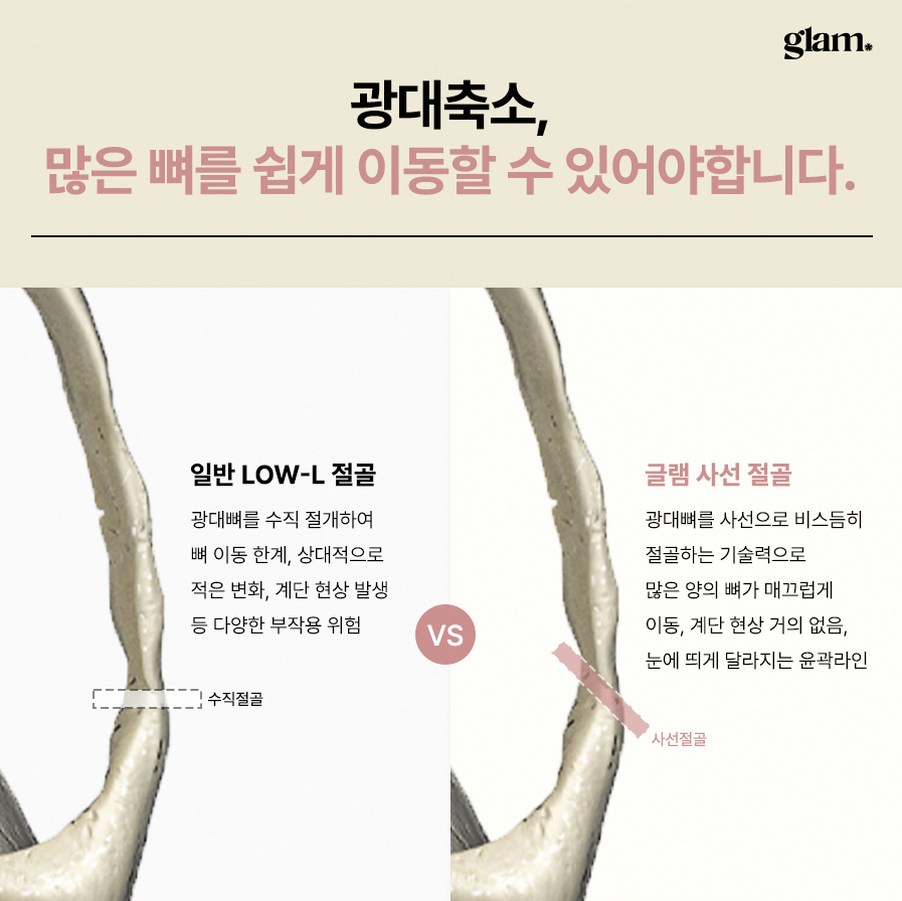
In a typical primary cheekbone contouring surgery, the surgeon cuts the zygoma (cheekbone) at specific points and then moves and fixes the bone in a new position. This may involve:
Cutting and moving the zygomatic arch (the side cheekbone) inward or outward.
Reducing or repositioning the zygomatic body (the front part of the cheekbone) to adjust projection.
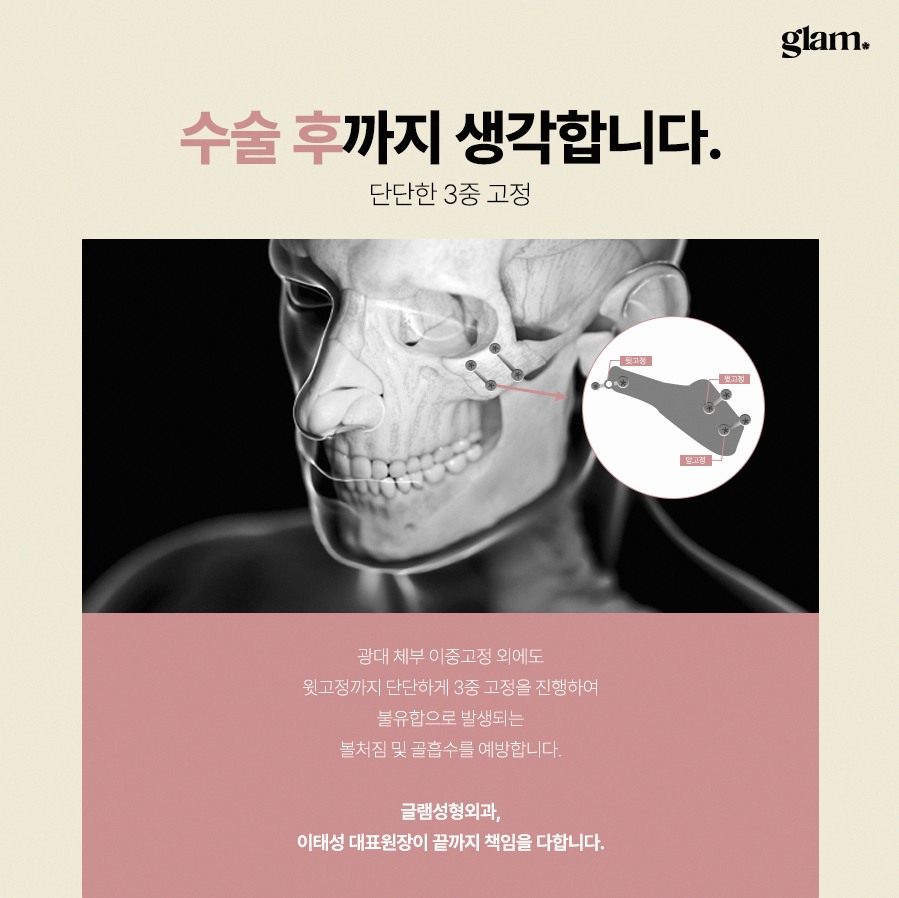
Fixing the bone segments with plates and screws so they heal in a stable position.
Revision cheekbone contouring means operating again on a cheekbone that has already been cut, moved, and healed. This is fundamentally different from first‑time surgery. The anatomy is changed, there is scar tissue, and fixation hardware may be present. The bone may be thinner or irregular, and the soft tissue (skin, fat, ligaments) may have lost some support or elasticity.
Because of this, revision zygoma surgery is more complex, carries higher risk, and must be planned much more cautiously than primary surgery.
Why some patients seek revision cheekbone contouring
People consider revision cheekbone contouring for several reasons, often a mix of shape and functional concerns.
Common shape‑related reasons include:
The face still looks wide from the front or at an angle, as if the cheekbones were not reduced enough.
Over‑reduction, where the midface looks flat, sunken, or older than expected.
Asymmetry between the left and right cheekbones.
An unnatural front view, where the cheeks look too hollow or the transition from the front to the side is sharp.
Step deformity, where you can see or feel a ridge or step at the cheekbone area.
Visible or palpable irregularities along the zygoma.
Soft‑tissue related reasons include:
Sagging cheeks after bone reduction.
Deepened nasolabial folds (smile lines) or marionette lines.
Hollowing under the eyes or in the midface.
Functional or sensory concerns can include:
Persistent pain or discomfort around the cheekbone.
Clicking or instability sensations.
Numbness or tingling in the cheek, upper lip, or under‑eye area.
Changes in bite or occlusion, especially if other facial bones were also operated on.
It is important to understand that not every case of dissatisfaction can or should be corrected with revision bone surgery. The current bone condition, the way the bone healed, the position of plates and screws, and the state of the soft tissue all influence whether revision is possible and safe.
When revision cheekbone contouring is considered
Revision zygoma surgery is usually considered when there is a clear structural problem with the cheekbone or its position, and when the potential benefits outweigh the risks.
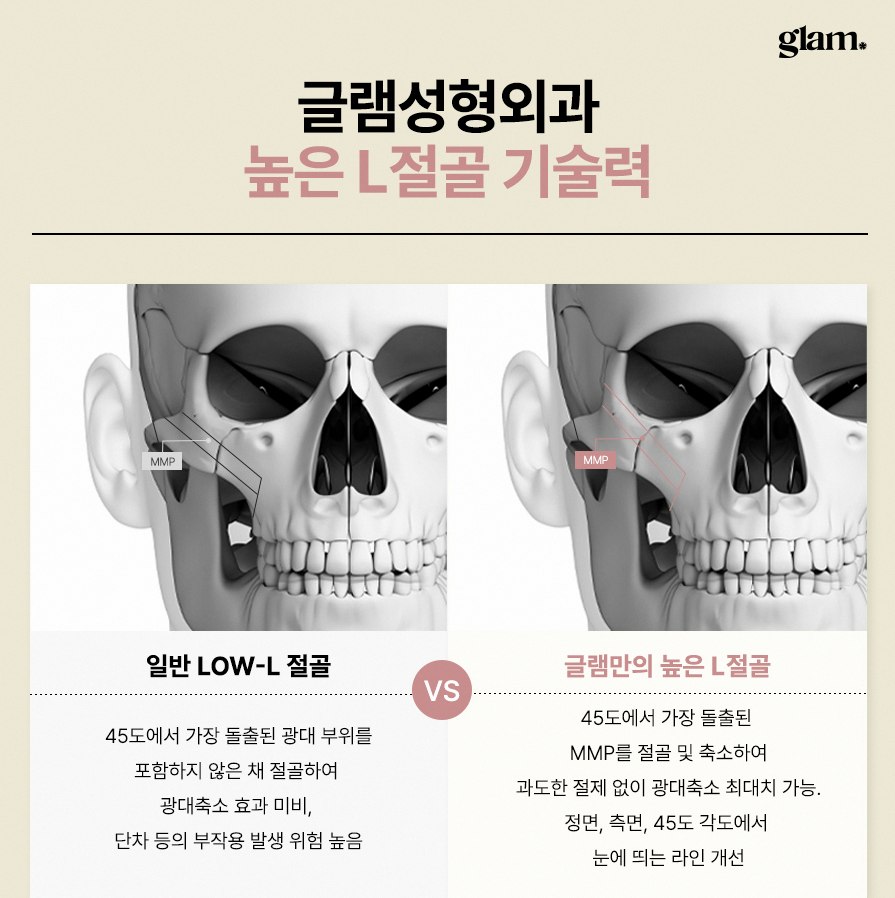
Situations where revision may be considered include:
Clear asymmetry between the left and right cheekbones that is visible in photos and confirmed on imaging.
Persistent protrusion or width despite previous surgery, where the bone was not sufficiently repositioned or reduced.
Over‑reduction leading to a hollow or aged appearance, where some projection or support could be restored through repositioning.
Malpositioned bone segments that healed in an unfavorable position.
Unstable or inadequate fixation that may cause movement or irregular healing.
Step deformity or obvious irregularities that can be smoothed or adjusted.
Situations where revision may not be appropriate, or must be approached very cautiously, include:
Severely thinned or weakened bone, where further cutting could risk fracture or instability.
Large bone defects or missing segments.
Very poor skin and soft‑tissue elasticity, where additional reduction would likely worsen sagging.
Unrealistic expectations, such as wanting an extremely narrow face that the bone and soft tissue cannot safely support.
Timing is also critical. Surgeons often recommend waiting at least 6 to 12 months after the first surgery before seriously planning revision. This allows:
Swelling to fully subside.
Bone to heal and remodel.
Soft tissue to settle into its new position.
In some cases, what looks like asymmetry or insufficient reduction at 2 or 3 months may improve significantly by 9 to 12 months. A careful surgeon will usually want to see stable, mature results before deciding on another bone operation.
Key pre‑operative evaluation points for revision zygoma surgery
Because revision cheekbone contouring is complex, pre‑operative evaluation is detailed and systematic.
Imaging and facial analysis
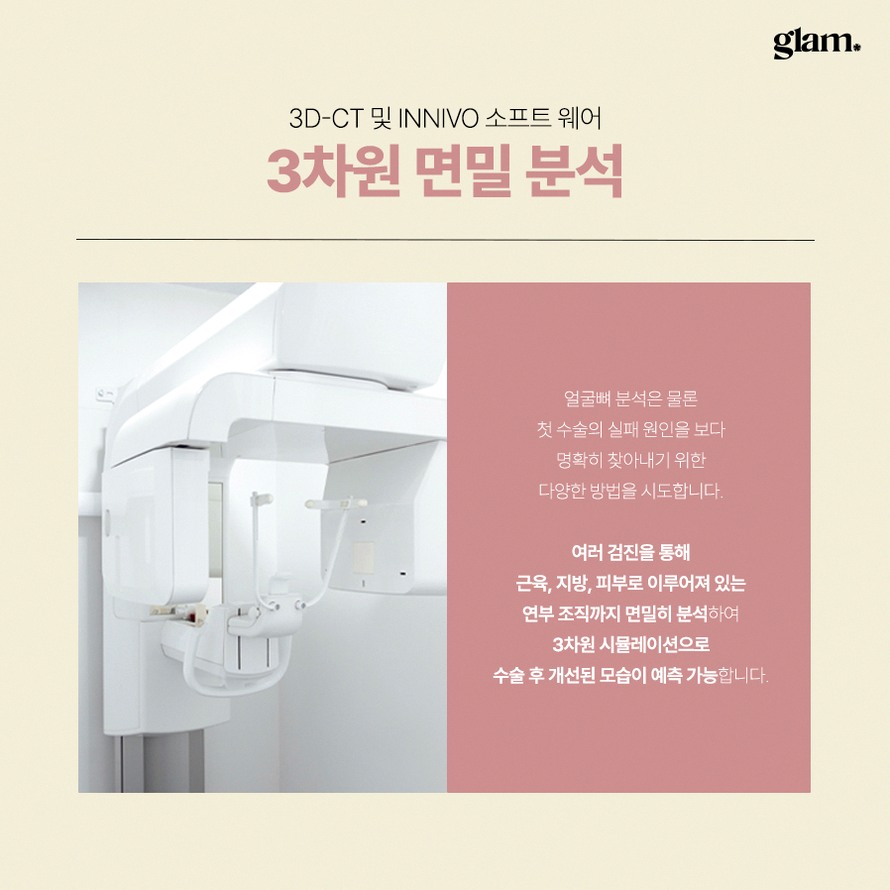
3D CT or similar imaging is essential in most revision cases. It helps the surgeon understand:
Where the original bone cuts were made.
How the bone segments have healed and remodeled.
The position and type of fixation plates and screws.
Bone thickness and quality.
The relationship between the cheekbone, maxillary sinus, and nearby nerves.
In addition to imaging, the surgeon will examine:
Facial symmetry from the front, 45‑degree angle, and side.
Width and projection of the midface.
Step deformities, irregularities, or palpable hardware.
Soft‑tissue issues such as sagging, volume loss, and skin elasticity.
Medical and surgical history
A thorough history is very important. You may be asked about:
The exact date and place of your previous surgery.
What technique was used, if you know (for example, where the cuts were made).
Any complications you experienced, such as infection, prolonged swelling, nerve symptoms, or sinus problems.
How long it took for swelling to settle and what changes you noticed over time.
If you have any records from your previous surgery, such as operative notes, CT scans, or X‑rays, they are extremely helpful. For international patients, sending these in advance for online consultation can save time and improve planning.
Risk assessment
The surgeon will carefully consider:
The proximity of the infraorbital nerve and other critical structures.
The condition of the maxillary sinus.
Bone thickness and whether it is safe to recut or move the bone.
The likelihood of achieving meaningful improvement without excessive risk.
A key point is that revision planning must be individualized. It is unsafe to simply repeat a standard primary cheekbone reduction plan on a face that has already undergone bone cutting and healing.
How revision cheekbone contouring differs from first‑time surgery
Revision zygoma surgery is technically more demanding than primary surgery for several reasons.
Technical challenges
Existing bone cuts and hardware: Plates and screws from the first surgery may block access or limit how the bone can be moved. They may need to be removed or replaced.
Altered anatomy: The bone may have healed in a new shape, with irregular edges or remodeled surfaces. Landmarks used in primary surgery may no longer be in their original positions.

Scar tissue and soft‑tissue changes: Internal scar tissue can make dissection more difficult and increase the risk of bleeding or nerve irritation. Soft tissue may be looser or thinner, which affects how the face will look after further bone changes.
Typical revision strategies
Depending on the problem, revision may involve:
Adjusting or repositioning previously moved bone segments to improve symmetry or width.
Correcting asymmetry by moving one side more than the other.
Smoothing step deformities or irregularities by trimming or reshaping bone.
In selected cases, partially restoring projection or support if over‑reduction has caused a hollow or aged look. This might involve repositioning the cheekbone segment or using structural methods to support the midface.
The goal in revision is rarely maximum reduction. Instead, the focus is on balance, natural contours, and structural stability.
Managing expectations and planning realistic goals
For patients who have already gone through one surgery and are disappointed, it is understandable to want a clear solution. However, realistic expectations are essential for safety and satisfaction.
Limits of bone reduction
Bone cannot be endlessly reduced. At some point, further cutting or narrowing may:
Weaken the bone and increase fracture risk.
Worsen soft‑tissue sagging.
Create an overly hollow or aged appearance.
A responsible surgeon will explain these limits clearly and may recommend a more conservative plan than you initially imagined.
Balancing aesthetics and support
Some common trade‑offs to consider include:
Accepting a slightly wider but more youthful and natural midface instead of an extremely narrow but hollow look.
Prioritizing smooth contours and symmetry over maximum slimming.
Focusing on the view that bothers you most (front, 45‑degree, or side) and planning around that priority.
In some cases, mild soft‑tissue sagging or hollowing may be better addressed with supportive procedures such as lifting or fat grafting, rather than more bone reduction. These are secondary options that can be discussed, but the main decision is whether further cheekbone bone work is truly necessary and safe.
Open communication
Before surgery, it helps to clearly describe:
Exactly what bothers you in the mirror and in photos.
Which angles you dislike most.
Whether your main concern is width, asymmetry, flatness, or irregularity.
Bringing printed photos, including pre‑ and post‑surgery images if available, can help the surgeon understand your concerns and set realistic goals with you.
Safety considerations in revision facial contouring
Because revision cheekbone contouring is often a long and complex procedure, safety systems are very important.
Anesthesia and monitoring
Most facial bone surgeries, especially revision cases, are performed under general anesthesia. This allows the surgeon to operate precisely while you are fully asleep and pain‑free.
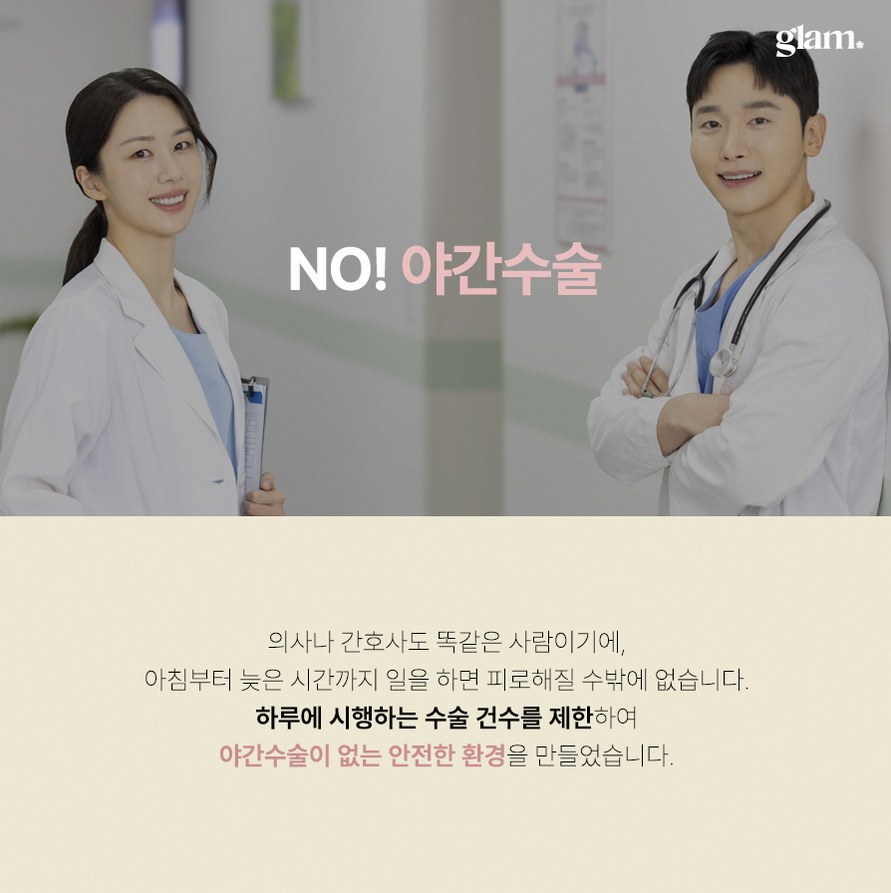
For these procedures, having a dedicated board‑certified anesthesiologist in charge of anesthesia and continuous monitoring is a significant safety factor. This specialist focuses solely on your airway, breathing, circulation, and depth of anesthesia throughout the operation, which is especially important for longer surgeries.
Intra‑operative safety
During surgery, key safety points include:
Protecting the infraorbital nerve and other sensory nerves.
Avoiding unnecessary damage to the maxillary sinus.
Ensuring stable fixation of bone segments to reduce the risk of movement or malunion.
Minimizing bleeding and carefully handling scar tissue.
Post‑operative safety
After surgery, close monitoring is needed for:
Bleeding or hematoma.
Infection around the incision sites or hardware.
Changes in sensation, such as numbness or tingling.
Bite or functional changes if other facial bones were involved.
Following post‑operative instructions is crucial. These may include:
Diet guidelines, especially if intraoral incisions were used.
Oral hygiene instructions to reduce infection risk.
Sleeping with your head elevated to reduce swelling.
Avoiding pressure or trauma to the cheek area.
Recovery and aftercare after revision cheekbone surgery
Recovery after revision cheekbone contouring is often slower than after first‑time surgery because of scar tissue and the complexity of the procedure.
Typical recovery timeline
While every patient is different, a general pattern may look like this:
First 1–2 weeks: Swelling and bruising are most noticeable. You may have discomfort when chewing and may need a soft diet if incisions are inside the mouth.
Weeks 3–4: Bruising usually improves significantly. Swelling gradually decreases, but the face may still feel stiff or tight.
1–3 months: Most people return to normal daily activities and work. Swelling continues to decrease, and the face looks more natural.
6–12 months: Final contour and subtle refinements become clearer as bone and soft tissue fully settle.
In revision cases, swelling and stiffness can last longer than in primary surgery. It is important to be patient and to attend scheduled follow‑up visits so the surgeon can monitor healing.
Pain and discomfort management
Pain is usually manageable with prescribed medications in the first days after surgery. Some patients experience numbness, tightness, or strange sensations as nerves recover; these often improve over time but can take months.
Non‑invasive recovery support
Some clinics offer post‑surgery care programs to support recovery, such as:
LED light therapy for swelling and skin condition.
Gentle facial care programs once incisions have healed.
Radiofrequency lifting or similar treatments to support skin tightening over time.
These methods are adjunctive comfort and recovery measures. They do not replace proper surgical technique or careful planning, but they can make the recovery period more comfortable and may help with swelling and skin tone.
Who may consider revision cheekbone contouring in Korea
International patients who may consider traveling to Korea for revision cheekbone surgery typically include those who:
Had cheekbone or facial contouring surgery elsewhere and are unhappy with the result.
Have clear asymmetry, persistent width, or obvious irregularities confirmed on imaging or by multiple consultations.
Have waited at least several months (often 6–12) after their original surgery.
Understand that revision is higher risk and are willing to accept a conservative, safety‑first plan.
Patients with very thin bone, severe soft‑tissue sagging, or unrealistic expectations may be advised against revision bone surgery and guided toward non‑surgical or soft‑tissue‑focused options instead.
Online consultation and pre‑visit preparation
For overseas patients, online consultation is usually the first step.
Documents and images to prepare
To make your online consultation more productive, it is helpful to prepare:
Clear photos of your face from the front, 45‑degree angles, and both sides, in good lighting.
Any pre‑surgery and post‑surgery photos you have.
Recent 3D CT or facial bone imaging, if available, preferably with the report.
Any operative notes or summaries from your previous surgery.
A short written summary of your concerns and goals.
Questions to consider asking
Before your consultation, you may want to write down questions such as:
Is my bone structure suitable for revision cheekbone surgery, based on my scans?
What are the main risks in my specific case?
What realistic changes can I expect from revision, and what cannot be changed?
How long should I stay in Korea for surgery and follow‑up?
What kind of anesthesia and monitoring will be used?
Using a checklist like this helps you compare different clinics and surgeons and focus on safety and planning, not only on before‑and‑after images.
Expected Korea visit timeline for revision cheekbone surgery
Although each clinic has its own system, a typical visit schedule for overseas patients might look like this:
Day 1–2: In‑person consultation, physical examination, and 3D CT imaging in Korea. Detailed discussion of the surgical plan, risks, and expected outcome.
Day 3–4: Surgery day, followed by recovery in the clinic or at your accommodation.
First week: One or more follow‑up visits to check swelling, wounds, and early healing. Suture removal if external incisions were used.
Second week: Additional follow‑up before you return home, including instructions for long‑term care and what to watch for.
Many patients stay in Korea for about 10–14 days for revision facial bone surgery, though this can vary depending on the complexity of the case and the surgeon’s protocol.
How to choose a clinic and surgeon for revision cheekbone contouring
When choosing a clinic for revision zygoma surgery, especially in an area like Sinsa Station in Gangnam, it is wise to look beyond marketing and focus on objective criteria.
Points to consider include:
Whether the surgeon focuses on facial bone surgery, such as double jaw and facial contouring, rather than offering every type of cosmetic procedure.
Board certification in plastic surgery and substantial experience specifically with facial bone and revision cases.
Use of 3D CT and objective planning tools.
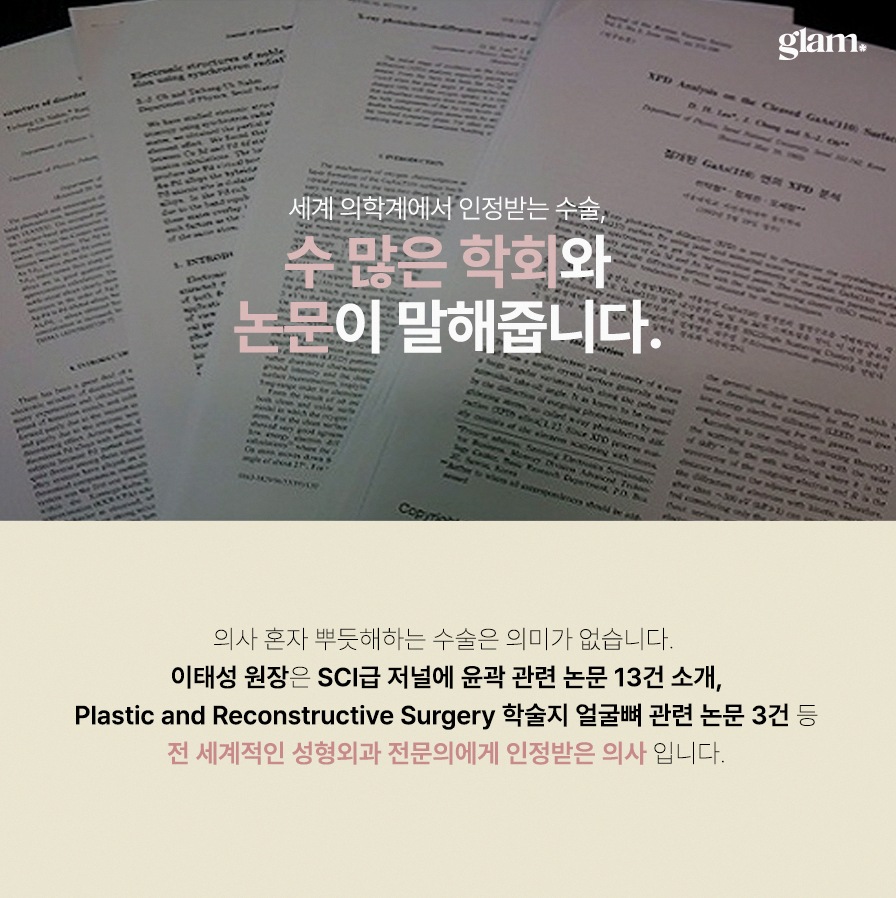
Involvement in academic research and publications in peer‑reviewed journals, which can indicate an evidence‑based approach.
Presence of a dedicated board‑certified anesthesiologist for anesthesia and monitoring.
Clear explanation of risks, limitations, and the possibility that the safest choice may be no surgery or a minimal procedure.
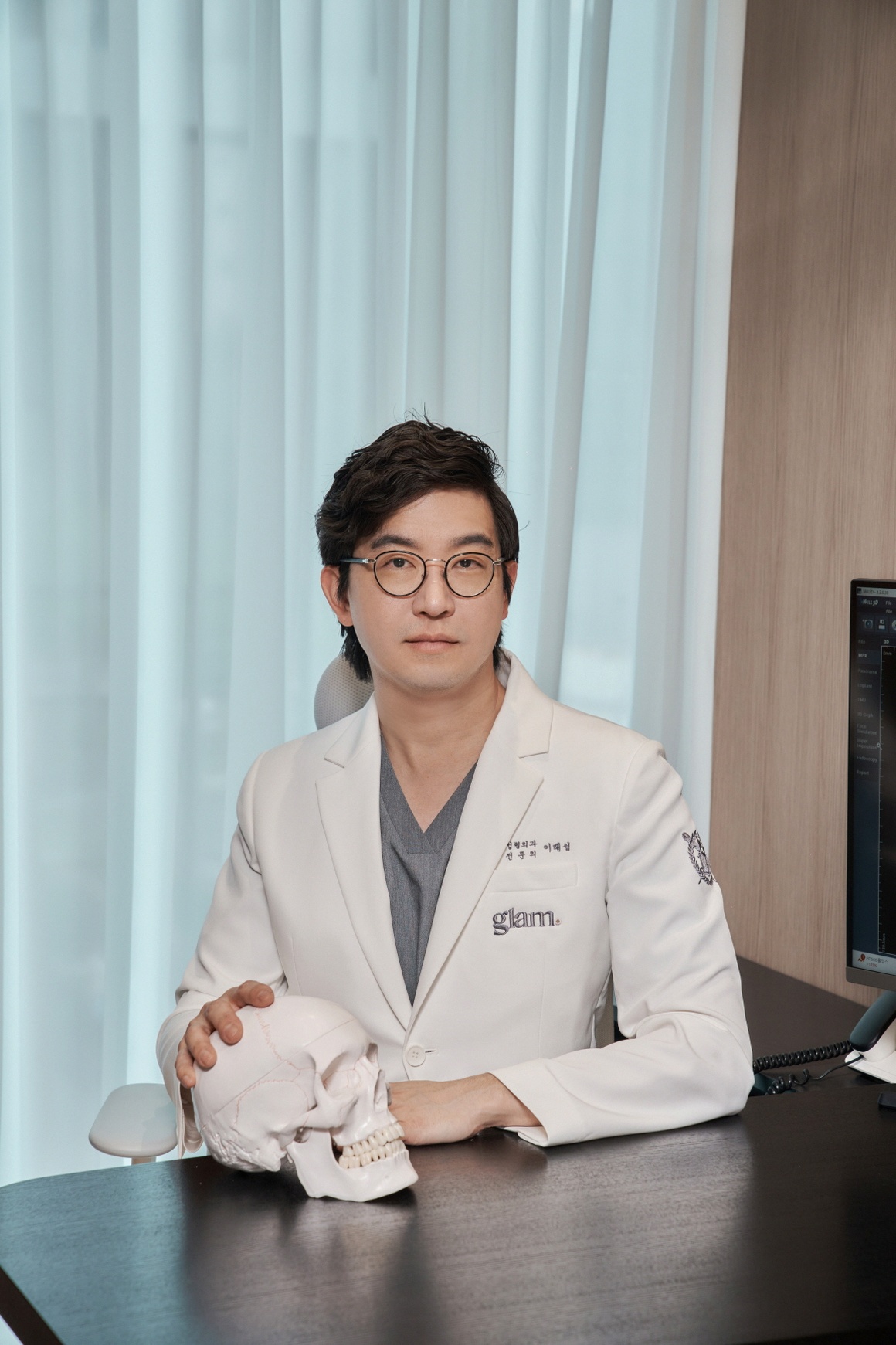
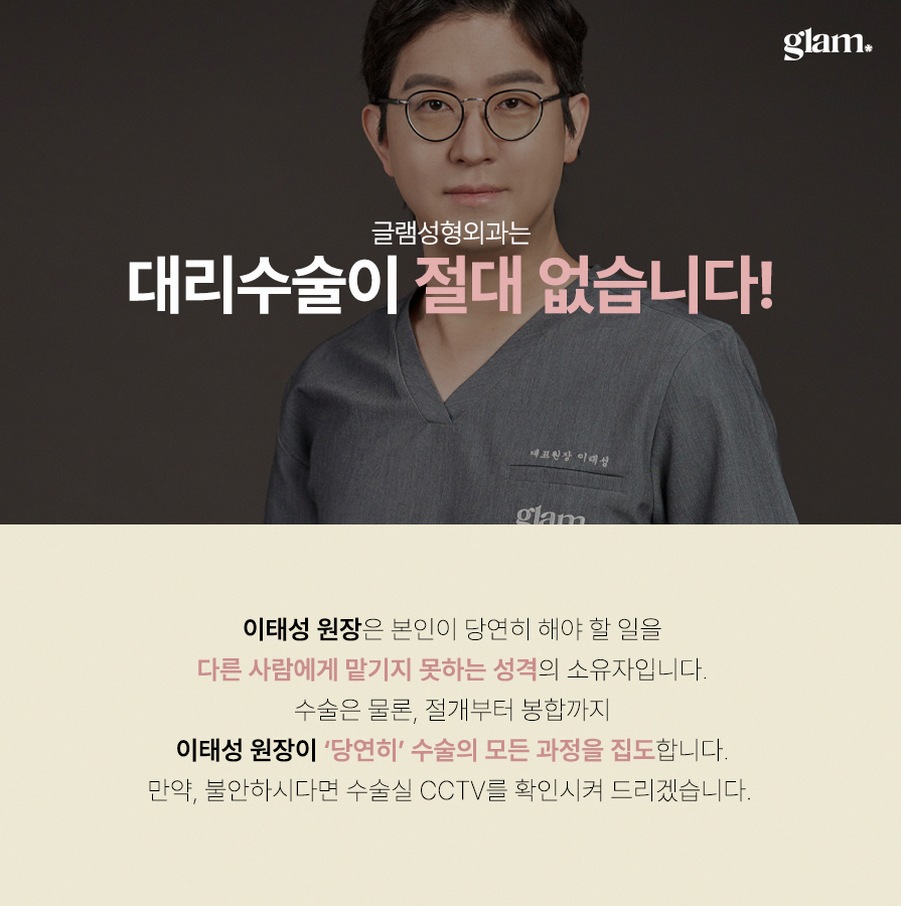
GLAM Plastic Surgery is a clinic in Seoul that focuses its lineup on double jaw and facial contouring rather than offering all cosmetic procedures. The lead surgeon is a board‑certified plastic surgeon with 20 years of experience in facial bone surgery as of February 2025, and multiple SCI‑level publications — including 13 papers as of February 2025, three of which were published in Plastic and Reconstructive Surgery. Surgeries are performed directly by the lead surgeon, and a board‑certified anesthesiologist (specialist in anesthesiology and pain medicine) manages anesthesia and monitoring, which is particularly relevant for complex revision bone cases. The clinic emphasizes recommending only the minimum necessary surgery, which can be reassuring for patients concerned about overtreatment.
FAQ about revision cheekbone contouring
Is revision cheekbone contouring always possible if I am unhappy with my first surgery?
No, revision is not always possible or advisable. Whether it can be done safely depends on your current bone structure, how the previous cuts healed, the position of plates and screws, bone thickness, and the condition of your soft tissue. In some cases, the risks of further bone surgery are too high compared with the potential benefit, and a responsible surgeon will explain this and suggest alternative approaches or observation.
How long should I wait after my first cheekbone surgery before considering revision?
In most cases, surgeons recommend waiting at least 6 to 12 months after your first cheekbone surgery before planning revision. This waiting period allows swelling to fully subside and bone and soft tissue to stabilize, so your true result can be evaluated. Early in the healing process, apparent asymmetries or irregularities may improve naturally, and operating too soon can increase risks and make planning less accurate.
Can revision surgery fix both asymmetry and sagging cheeks at the same time?
Sometimes, but not always. Revision cheekbone surgery can address structural issues like asymmetry, persistent width, or step deformity. However, sagging cheeks are often related to soft‑tissue support and skin elasticity, which may not fully improve with bone changes alone. In some cases, a combined approach is considered, where bone revision is done together with or followed by soft‑tissue procedures such as lifting or fat grafting. The exact plan depends on your anatomy and priorities.
Is revision more dangerous than first‑time cheekbone contouring?
Revision cheekbone surgery is generally considered higher risk than primary surgery. Scar tissue, altered anatomy, existing hardware, and thinner or irregular bone all add complexity. This is why detailed imaging, conservative planning, and a surgeon experienced in facial bone revision are so important. With careful selection and proper safety systems, many patients can undergo revision safely, but the risks must be discussed honestly.
Will I look very different, or can revision make only subtle corrections?
Both are possible, but in revision cases the goal is often balanced, natural correction rather than dramatic change. Some patients need only subtle adjustments to improve asymmetry or irregularities, while others may need more noticeable changes to width or projection. The achievable degree of change depends on your current bone structure, previous surgery, and safety limits. During consultation, your surgeon should explain what level of change is realistic in your case.

What tests or scans are usually needed before planning revision facial contouring?
A 3D CT scan of the facial bones is usually the most important test for planning revision cheekbone surgery. It shows the location of previous cuts, bone healing, plate and screw positions, bone thickness, and the relationship to nearby structures like the maxillary sinus and infraorbital nerve. Standard facial photos and a physical examination are also essential. In some cases, additional tests may be requested based on your medical history.
Soft call to action for online consultation
If you are considering revision cheekbone contouring in Korea and would like an opinion on whether your case is suitable and safe, arranging an online consultation with a facial bone specialist can be a practical first step. Sharing your photos, previous imaging, and surgical history in advance allows the surgeon to provide more specific guidance and to outline a realistic plan, including the likely stay in Seoul and recovery expectations.
Clinics such as GLAM Plastic Surgery that focus on facial bone surgery and use detailed imaging and conservative planning can help you understand your options clearly before you decide whether to travel. Whatever clinic you choose, prioritize safety, honest communication, and a surgeon who is willing to recommend only the minimum necessary surgery for your situation.




- 공유 링크 만들기
- X
- 이메일
- 기타 앱


댓글
댓글 쓰기