in Korea: Eligibility, Evaluation, What to Expect
- 공유 링크 만들기
- X
- 이메일
- 기타 앱

Can double jaw surgery help TMJ symptoms?
MJ symptoms and functional problems such as chewing difficulty, jaw fatigue, or jaw deviation. Careful evaluation and realistic expectations are essential.
This guide explains how double jaw surgery is used in TMJ-related cases, what to expect if you travel to Korea for treatment, and how a focused facial bone surgery clinic such as GLAM Plastic Surgery in Sinsa, Gangnam may approach planning and aftercare.
What is double jaw surgery in a TMJ context?
Double jaw surgery, also called orthognathic surgery, is a procedure that repositions both the upper jaw (maxilla) and lower jaw (mandible). The main goals are to correct skeletal malocclusion, facial asymmetry, and functional issues such as chewing, speech, and sometimes airway problems.
When TMJ is part of the picture, the focus is not only on facial shape. The surgical plan aims to place the jaws in a more stable, balanced position so that the bite is even and the joints are not overloaded. By improving the relationship between the upper and lower jaws, the muscles and joints can work in a more comfortable, physiologic range.
In other words, TMJ-focused double jaw surgery is about function first, aesthetics second. Facial balance is still considered, but the bite, joint loading, and long-term stability are central to the plan.
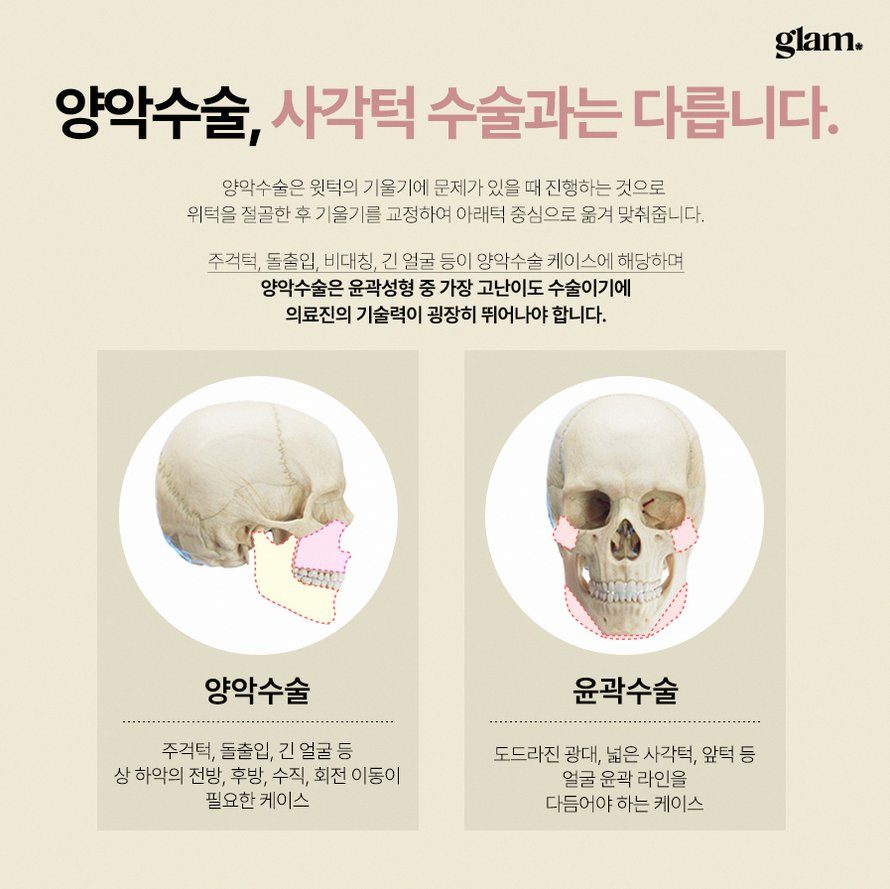
How jaw position and TMJ problems are related
The temporomandibular joints connect your lower jaw to the skull on both sides. They are influenced by your bite, jaw position, and muscle activity. When the jaws are misaligned, the joints and muscles often have to compensate.
Examples of how skeletal problems can affect the TMJ include:
A severe overbite or underbite can shift the condyles (the joint heads) into an unstable position in the joint sockets.
Facial asymmetry with a deviated chin can overload one joint more than the other.
An open bite or deep bite can cause uneven contact of the teeth, forcing the joints and muscles to work in an awkward way.
These situations may contribute to symptoms such as joint clicking or popping, pain in front of the ears, limited opening, jaw locking, and muscle tension or fatigue.
Double jaw surgery may help when these TMJ symptoms are driven mainly by skeletal misalignment and an unstable bite. By repositioning the jaws and creating a balanced occlusion, joint loading can become more even and the muscles can relax into a more natural pattern.
However, not all TMJ disorders are caused by bone position. Some are mainly muscular, inflammatory, or related to the joint disc. Many of these cases respond better to conservative treatments such as splints, physical therapy, medication, and lifestyle changes. For such patients, major surgery may not be necessary or beneficial.
It is also important to understand that TMJ symptoms can temporarily worsen right after double jaw surgery. Swelling, joint adaptation, and changes in muscle use may lead to stiffness or increased noise in the early phase. For many patients with skeletal-related TMJ problems, symptoms gradually improve over several months as healing and neuromuscular adaptation progress.
Double jaw surgery is therefore a potential option for selected TMJ patients, not a guaranteed solution or a first-line treatment for every TMJ problem.
Who may consider double jaw surgery for TMJ-related issues
TMJ symptoms alone are usually not an indication for double jaw surgery. Surgery is more often considered when there is a clear skeletal discrepancy together with functional complaints. Typical situations where double jaw surgery may be discussed include:
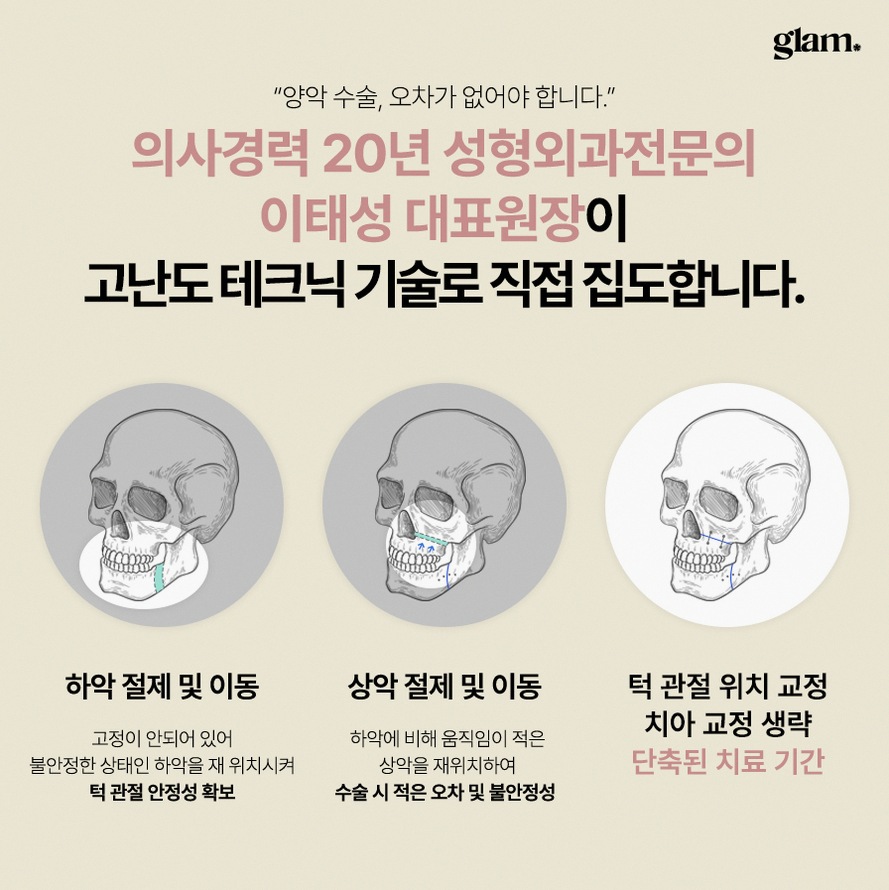
Severe skeletal malocclusion (class II or class III) with TMJ pain, noise, or frequent fatigue when chewing.
Facial asymmetry with chin deviation and one-sided TMJ overload, where one joint is more painful or noisy.
Open bite or deep bite that causes abnormal joint loading and cannot be stably corrected with conservative care.
Long-term use of splints or bite appliances and previous bite adjustments that have not been able to stabilize the occlusion.
Functional problems such as chewing difficulty, jaw fatigue, or frequent locking episodes combined with a noticeable skeletal jaw discrepancy.
In these cases, the question is whether correcting the jaw structure and bite can create a more stable environment for the TMJ. Even then, the goal is improvement and stabilization, not a promise of complete disappearance of all symptoms.
Pre-visit evaluation with a focus on TMJ
Before deciding on double jaw surgery in a TMJ patient, a detailed evaluation is essential. For overseas patients, much of the initial assessment can start online.
Key elements of the evaluation usually include:
History of TMJ symptoms
When did your jaw pain, noise, or locking start?
Is the pain constant or does it come and go?
Which movements or activities make it worse (chewing, yawning, stress, clenching)?
Have you had previous treatments such as splints, injections, or physical therapy, and how did you respond?
Clinical examination
Assessment of how wide you can open your mouth and whether the jaw deviates when opening or closing.
Palpation of the joints and surrounding muscles to check for tenderness.
Listening and feeling for joint sounds such as clicking, popping, or crepitus.
Dental and skeletal analysis
Bite records using impressions or digital scans.
X-rays such as cephalometric radiographs to analyze jaw position.
Facial photographs from multiple angles.
3D imaging when needed to understand asymmetry and complex movements.
TMJ imaging
Panoramic X-ray can give a general overview of the jaw joints.
CT scans may be used to assess bone shape and degeneration.
MRI is often considered when disc displacement, inflammation, or more advanced joint disease is suspected.
Discussion of conservative options
Review of what non-surgical TMJ treatments have been tried.
Consideration of whether further conservative care is still appropriate before surgery.
A crucial part of planning is distinguishing between reversible functional problems (where the joint structure is still relatively healthy) and advanced degenerative joint disease. In advanced degeneration, surgery may still be considered to improve function, but expectations for pain relief and long-term joint behavior need to be more cautious.
How surgeons plan double jaw surgery when TMJ is involved
When TMJ is a concern, the surgical plan must balance several factors: facial aesthetics, bite stability, airway, and joint health.
Important planning points typically include:
Setting a stable jaw position
The target position of the upper and lower jaws is chosen to create a balanced bite and a comfortable joint position. The surgeon considers how the condyles will sit in the joint sockets after surgery, not just how the face will look from the front.
Avoiding excessive stress on the joints
Large rotations or translations of the mandible can increase joint loading if not carefully planned. In TMJ-sensitive patients, surgeons may adjust the amount and direction of movement to protect the joints as much as possible.
Coordination with tooth alignment
Many patients need pre- or post-surgical tooth alignment to match the upper and lower arches. Some clinics use protocols that reduce or omit pre-surgical alignment in selected cases, focusing on post-surgical alignment instead. The decision depends on the individual bite pattern and the clinic’s approach.
Considering joint condition
If imaging shows disc displacement or degenerative changes, the surgeon may limit the extent of certain movements or modify the plan to reduce risk to the joints.
Early functional movement
Some clinics aim to minimize the time the jaws are tightly fixed together. Instead of prolonged wiring, they may use elastics and allow controlled movement earlier. This can support joint adaptation and patient comfort, but it depends on bone stability, fixation method, and the specific case.
What happens during double jaw surgery
While details vary by patient and surgeon, the general steps of double jaw surgery are similar.
Anesthesia
The procedure is performed under general anesthesia. An anesthesiology specialist monitors your vital signs and manages your airway throughout the operation.
Surgical access and bone cuts
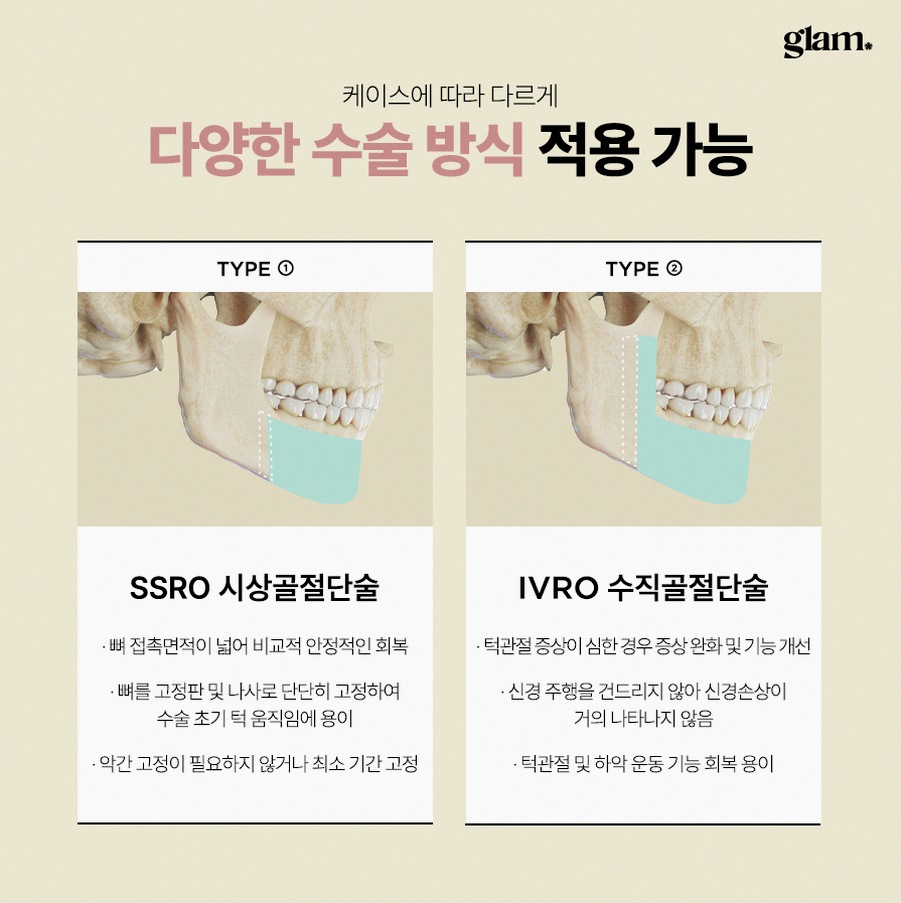
Incisions are usually made inside the mouth, so there are no visible external scars. The surgeon performs controlled cuts in the upper jaw and lower jaw bones to allow repositioning.
Repositioning and fixation
Using pre-planned guides and 3D simulations, the jaws are moved into their new positions. The bite is checked repeatedly to ensure it matches the planned occlusion. Plates and screws are used to fix the bones securely.
Guiding the bite
After fixation, temporary elastics or limited fixation may be used to guide the bite during early healing. The exact technique, including the amount of advancement, setback, or rotation, is tailored to your facial structure, bite, and TMJ status.
Postoperative course and TMJ changes
Recovery after double jaw surgery is a gradual process. For international patients, it is important to understand the typical timeline and what may happen with TMJ symptoms.
General recovery milestones
Swelling and discomfort are most noticeable in the first 1 to 2 weeks. Swelling then slowly decreases over several weeks.
You will usually start with a liquid or very soft diet, then move to soft foods, and eventually to normal chewing as your surgeon allows.
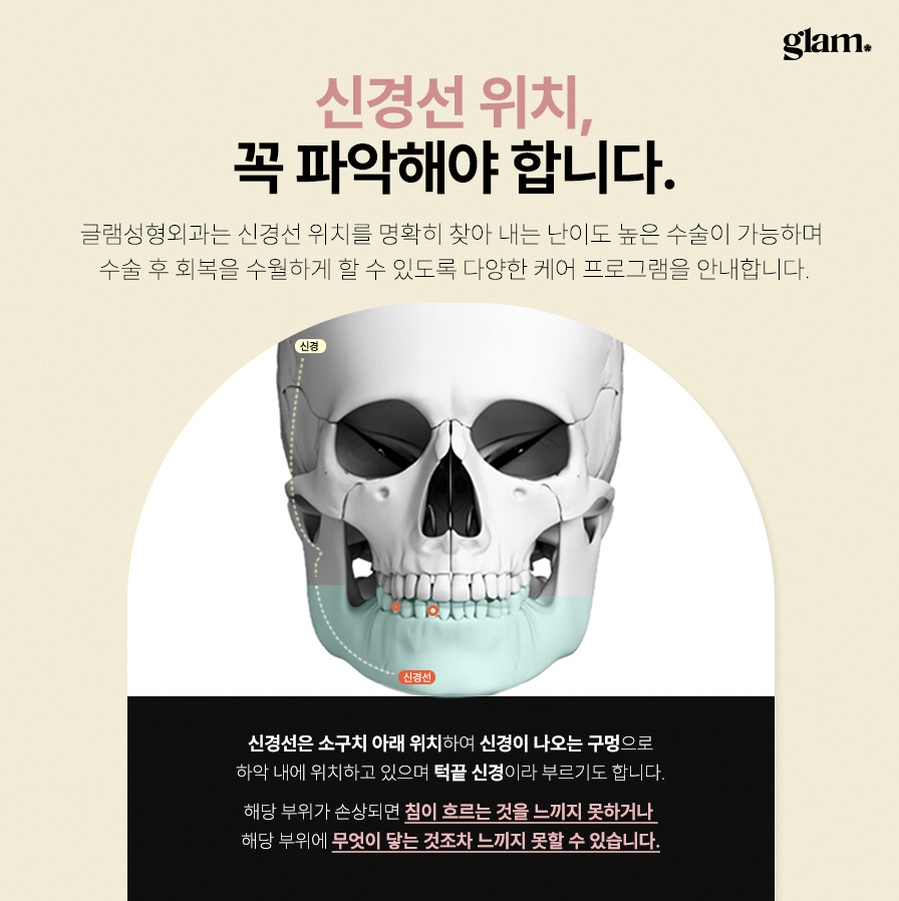
Numbness in the lips or chin area can occur and may take months to improve, depending on nerve recovery.
Jaw function and TMJ-specific changes
In the early period, stiffness and limited opening are common. This is due to swelling, muscle tightness, and the body’s protection response.
Joint noise or discomfort may temporarily increase as the joints adapt to the new position.
Over the following months, many patients whose TMJ symptoms were related to skeletal malocclusion experience gradual improvement as the bite stabilizes and muscles relax.
Some patients, especially those with pre-existing degenerative joint disease, may have persistent or new TMJ symptoms even after surgery. This possibility should be clearly discussed before you decide on the operation.

Jaw exercises and physiotherapy
Your surgeon may prescribe gentle opening exercises, side movements, and stretching at the appropriate time.
In some cases, physiotherapy or guided rehabilitation is recommended to restore range of motion and support joint adaptation.
Regular follow-up is important to monitor joint function, bite stability, and facial balance.
Risks and limitations of double jaw surgery for TMJ patients
Double jaw surgery is a major procedure, and like any operation it has risks. These include:
Bleeding or infection.
Changes in sensation, such as numbness or tingling in the lips, chin, or cheeks.
Relapse or partial movement of the jaws back toward their original position.
Residual asymmetry or need for revision surgery.
For TMJ specifically, limitations include:
No guarantee of complete pain relief or elimination of joint noise, even with a well-executed operation.
Pre-existing degenerative joint disease may continue to progress over time, although a more stable bite may slow overload.
In rare cases, TMJ symptoms can worsen or new symptoms can appear after surgery.
Because of these factors, it is important to have a thorough discussion of benefits, risks, and alternatives with a surgeon who routinely performs double jaw surgery and understands TMJ pathology.
How a focused facial bone surgery clinic may approach care
In Sinsa, Gangnam, Seoul, there are clinics that concentrate their practice on facial bone surgery such as double jaw and facial contouring. GLAM Plastic Surgery is one example of a clinic that limits its services to facial bone procedures rather than offering a wide range of other operations.
According to its own published information as of February 2025, the clinic operates with a system of one board-certified plastic surgeon and one anesthesiologist (specialist in anesthesiology and pain medicine), with the representative surgeon performing the facial bone operations. The surgeon is described as having around 20 years of experience in facial bone surgery and as an author or co-author of multiple SCI-level papers on contouring and double jaw surgery, including several in an international plastic surgery journal. This type of background can be one factor to consider when you compare options, although it does not guarantee any specific result.
Some differentiating approaches that such a focused clinic may use include:
Limiting practice to double jaw and facial bone procedures to maintain a concentrated case load.
Recommending only necessary procedures rather than combining many operations without clear indication.
Protocols that may include double jaw surgery without prolonged jaw wiring, potential reduction of pre-surgical tooth alignment in selected cases, and techniques aimed at reducing unwanted nasal widening after jaw movement.
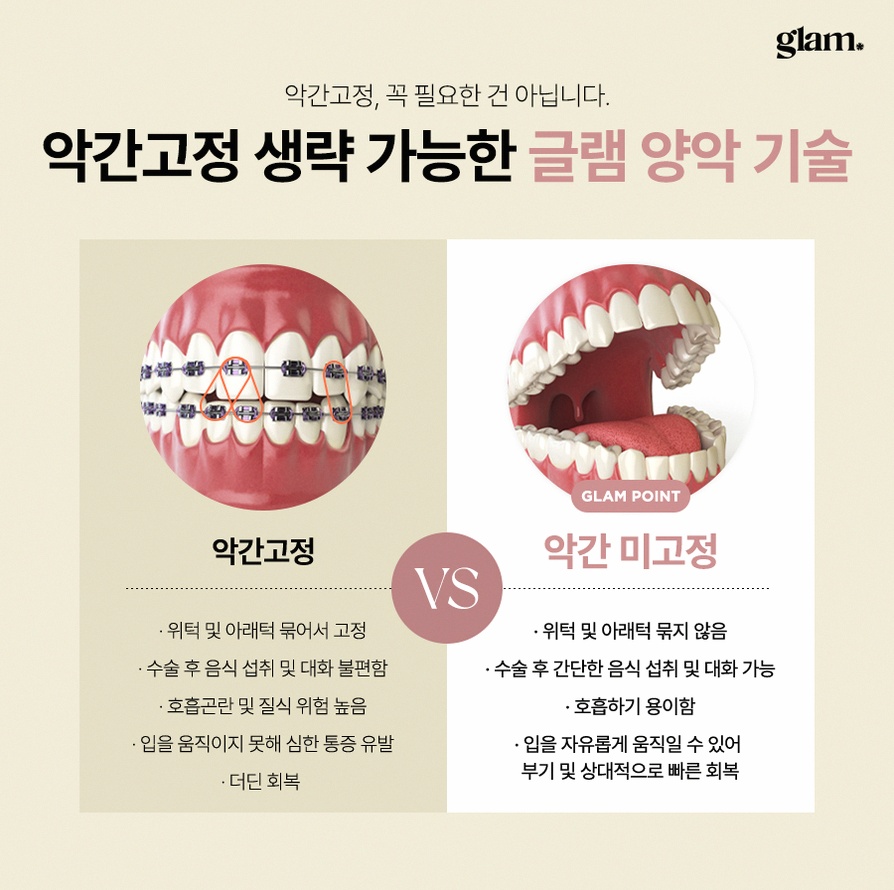
These are examples of how one specialized clinic may structure care. When you research clinics, it can be helpful to ask about their specific protocols and how they handle TMJ-related cases.
Preparing for an online consultation from overseas
Before you travel to Korea, an online or video consultation can help determine whether double jaw surgery is likely to be appropriate and what your visit might involve.
To make this consultation as productive as possible, prepare the following:
Recent facial photographs from the front, side, and 45-degree angles, with your teeth in normal bite and slightly open.
Bite photos showing how your upper and lower arches meet from the front and both sides.
Any existing X-rays or 3D scans, including cephalometric and panoramic images, if available.
TMJ imaging reports (CT or MRI) if you have them.
Records of previous treatments: splints, injections, physical therapy, or other interventions.
A written summary of your TMJ symptoms: pain level, noise, locking episodes, and how they affect daily life.
During the consultation, consider asking:
How do you think my current jaw position and bite are affecting my TMJ?
What specific jaw movements would you plan, and how might they change joint loading?
What are the realistic expectations for my TMJ symptoms after surgery?
How long should I stay in Korea for surgery and early follow-up?
How will communication and follow-up be handled once I return home?
Typical Korea visit timeline for double jaw surgery
Every clinic has its own schedule, but a common timeline for overseas patients might look like this:
Before arrival
Online consultation with review of photos and available imaging.
Preliminary treatment plan and estimated stay duration.
First 3 to 4 days in Seoul
In-person consultation and clinical examination.
Updated imaging (X-rays, 3D scans, TMJ imaging if needed).
Finalization of the surgical plan and necessary laboratory tests.
Surgery day
Admission to the clinic or hospital.
Double jaw surgery under general anesthesia.
Postoperative monitoring in the recovery area and ward.

First 1 to 2 weeks after surgery
Close monitoring of swelling, pain control, and early healing.
Guidance on diet, oral hygiene, and any elastics or fixation.
Initial jaw movement instructions when appropriate.
Total stay in Korea
Many overseas patients stay about 3 to 4 weeks after double jaw surgery to allow for early healing, suture checks, and initial adjustment of elastics. Your surgeon will advise the exact length based on your case and travel distance.
After you return home, online follow-up using photos, videos, and local imaging (if needed) can help monitor progress.
Aftercare and supportive treatments
Structured aftercare is especially important for TMJ-related double jaw surgery.
Key elements of aftercare include:
Regular follow-up visits during your stay in Korea to check joint function, bite, and healing.
Clear instructions on diet progression, from liquids to soft foods and then to more normal chewing.
Guidance on oral hygiene, including how to clean around plates, screws, and any elastics.
Jaw exercises and, when indicated, referral for physiotherapy to restore range of motion.
Some clinics also offer supportive treatments such as LED therapy, gentle facial care, or radiofrequency lifting devices to help manage swelling and support skin recovery. These are comfort and recovery aids, not replacements for proper surgical planning or TMJ management.
How to choose a clinic for TMJ-related double jaw surgery
When you are considering traveling to Korea for double jaw surgery related to TMJ, take time to compare clinics and surgeons.
Points to consider include:
Experience with double jaw surgery and TMJ
Does the surgeon routinely perform double jaw surgery?
Do they have experience managing patients with TMJ symptoms and joint imaging findings?
Approach to diagnosis and planning
Do they request detailed TMJ history and imaging when needed?
Do they explain how the planned jaw movements are expected to affect joint loading and symptoms?
Conservative treatment consideration
Do they review previous non-surgical TMJ treatments and discuss whether further conservative care is appropriate?
Or do they move to surgery without a balanced discussion of options?
Anesthesia and safety
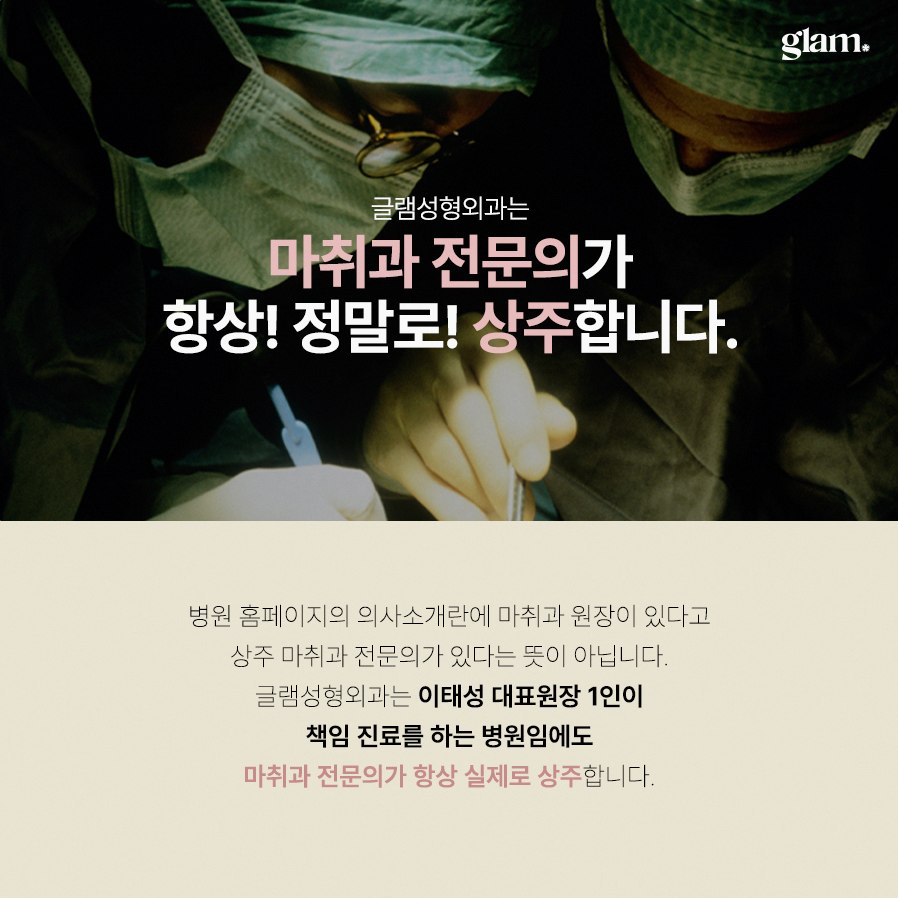
Is anesthesia provided by a qualified specialist?
Are there clear protocols for monitoring and emergency response?
Communication and follow-up
Is there a system for online consultations before and after surgery?
Is there staff who can communicate in your language or in English?
A clinic like GLAM Plastic Surgery, located near Sinsa Station Exit 1 in Gangnam, can be one option to explore if you are specifically interested in a practice that focuses on facial bone surgery. Regardless of which clinic you choose, prioritize safety, function, and long-term stability over short-term cosmetic changes.
Frequently asked questions about double jaw surgery for TMJ
Can double jaw surgery cure my TMJ completely?
Double jaw surgery can improve TMJ symptoms in patients whose problems are largely driven by skeletal misalignment and an unstable bite. Many such patients report reduced pain or noise over time. However, it is not possible to guarantee complete relief for every patient. Factors such as disc condition, degree of degeneration, muscle habits, and stress all influence long-term outcomes. It is better to think in terms of potential improvement and stabilization rather than a guaranteed cure.
How long will my TMJ feel worse after surgery?
It is common for joints and muscles to feel stiff or more uncomfortable in the first few weeks after double jaw surgery. Swelling, limited movement, and changes in bite all contribute to this. As swelling decreases and you gradually begin guided jaw exercises, most patients notice that stiffness and noise start to settle over several months. The exact timeline varies, and your surgeon will monitor your progress and adjust your rehabilitation plan as needed.
Do I need to stay in Korea for months after double jaw surgery?
Most overseas patients do not need to stay for months. A typical stay is around 3 to 4 weeks after surgery, long enough for early healing, removal of any external stitches, and initial adjustment of elastics or guides. After that, many follow-up checks can be done online with photos, videos, and local imaging if required. Your surgeon will give you a recommended minimum stay based on your specific case and travel distance.

If my TMJ imaging shows degeneration, is double jaw surgery still an option?
It can be, but the decision is more complex. When there is significant degeneration, surgery may help by improving bite stability and reducing uneven loading, but it cannot reverse existing joint damage. In such cases, expectations for pain relief must be cautious, and the risk of persistent or changing symptoms is higher. Detailed discussion with a surgeon experienced in both double jaw surgery and TMJ imaging is essential before making a decision.
A soft invitation for online consultation
If you are considering double jaw surgery for TMJ-related issues in Korea, an online consultation is a practical first step. By sharing your history, photos, and any existing imaging, you can receive an initial opinion on whether surgery is appropriate, what kind of movements might be needed, and how long you would need to stay in Seoul.
Clinics in Sinsa, Gangnam, such as GLAM Plastic Surgery, often have experience welcoming international patients and can guide you through planning, travel timing, and aftercare. Whichever clinic you choose, focus on clear communication, detailed evaluation, and a treatment plan that prioritizes your function, safety, and long-term joint health.




- 공유 링크 만들기
- X
- 이메일
- 기타 앱


댓글
댓글 쓰기