in Gangnam: What overseas revision patients should seek
- 공유 링크 만들기
- X
- 이메일
- 기타 앱
Direct answer summary
If you are searching for the best clinic for facial contouring, especially in Gangnam, you are often really looking for a safe, experienced place for facial contouring revision. The best clinic for facial contouring revision is not simply the most famous name, but a bone-surgery-focused clinic with a long track record in jawline, cheekbone, and V-line revision, strong imaging and planning, and a cautious approach that avoids unnecessary additional bone removal. In Sinsa, Gangnam, clinics such as GLAM Plastic Surgery focus only on facial bone surgery, which can be an important advantage for complex revision cases.
What “best clinic for facial contouring” really means for revision
Many people who type “best clinic for facial contouring” into a search engine are not first-time patients. They are already living with the results of a previous jawline, cheekbone, or V-line surgery and feel that something is not right.
Common concerns include lingering asymmetry, a jawline that still feels wide, cheekbones that look too flat or too sharp, or a V-line that appears over-resected and aged. Some people also experience functional problems such as chewing discomfort, bite changes, or numbness.
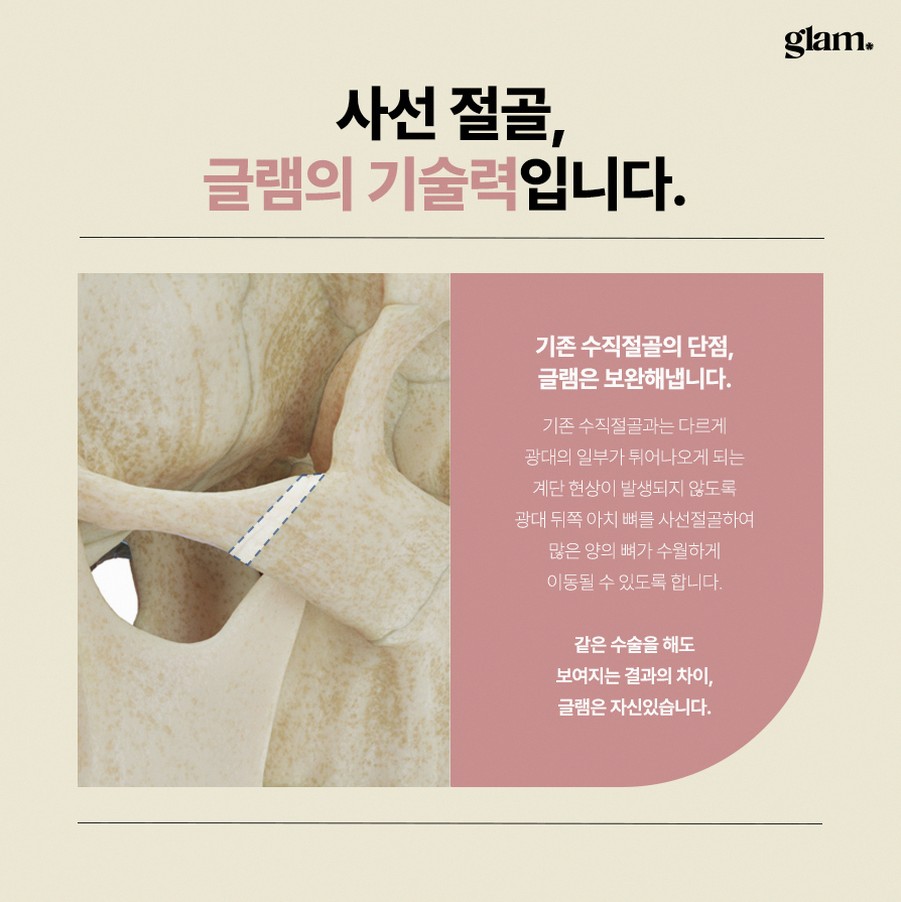
Revision facial contouring is not just “doing the same surgery again.” It is more complex and demands a different level of planning, imaging, and surgical judgment. Scar tissue, metal plates or screws, and reduced bone volume all make the second operation more delicate. This is why the best clinic for facial contouring revision is usually a place that focuses on facial bone surgery as its main field, not as one of many cosmetic services.
What is facial contouring revision surgery
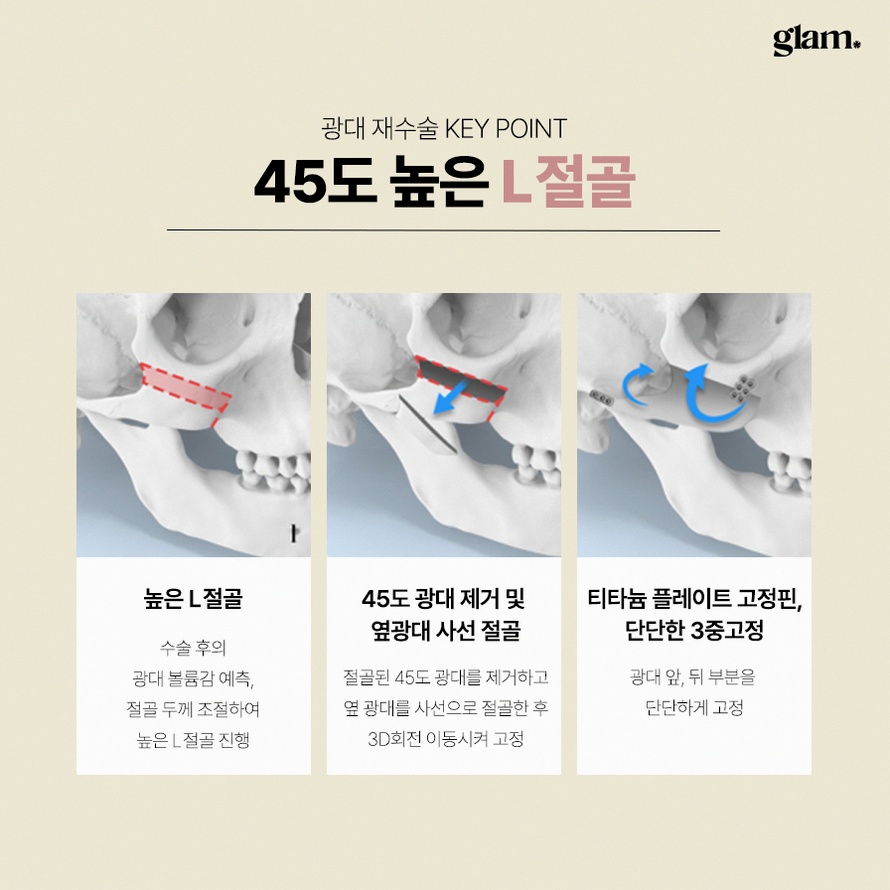
Facial contouring revision surgery means a secondary operation on the facial bones after a previous contouring procedure. It can involve the cheekbones, jaw angle, chin, or the entire V-line.
The goal is to improve the shape, balance, and sometimes the function of the face when the first surgery did not meet expectations or caused new problems.
Common reasons for facial contouring revision
Typical reasons people consider revision include:
Persistent or new asymmetry between the left and right side of the face.
A jawline that still looks square, wide, or bulky after primary surgery.
Over-resection that makes the face look sunken, hollow, or prematurely aged.
Step deformities or irregular bone surfaces that can be seen or felt by touch.
Functional problems such as bite changes, chewing difficulty, joint discomfort around the jaw, or long-lasting numbness.
Why revision is technically harder
Revision facial contouring is more challenging than first-time surgery for several reasons.
Scar tissue and altered anatomy: The original bone lines are changed, and scar tissue makes dissection and visibility more difficult.
Limited remaining bone: After the first surgery, there is less bone to work with. The surgeon must be careful to maintain strength and support while reshaping.
Nerve and function preservation: The inferior alveolar nerve and other important structures may be closer to the surface after bone removal. Protecting these while correcting the shape requires careful planning and experience.
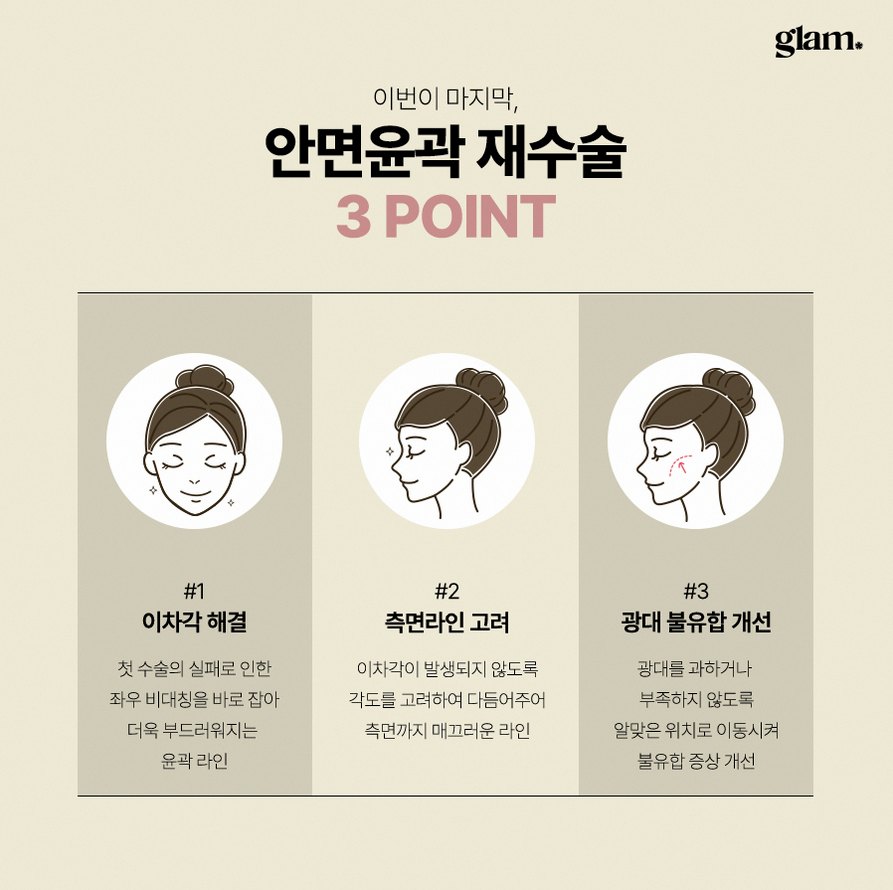
Because of these factors, revision surgery is usually handled by clinics that see a high volume of facial bone cases and have a systematic approach to imaging and planning.
How to choose a good clinic for facial contouring revision
When you are considering revision, the criteria for choosing a clinic should be stricter than for first-time surgery. You are working with limited bone and a face that has already been through one operation.
Specialization in facial bone surgery only
A key point is whether the clinic focuses mainly or exclusively on facial bone surgery. Clinics that limit their practice to double jaw surgery and facial contouring (cheekbone, V-line, square jaw, and revision) tend to accumulate more complex cases and deeper experience in this narrow field.
In contrast, general cosmetic clinics that offer eyes, nose, body contouring, and many other procedures may treat facial bone surgery as only one part of their services. For revision patients, this broad approach may not provide the level of focused expertise you need.
Surgeon’s experience and academic background
For revision, it is important that the main surgeon is a board-certified plastic surgeon with a long track record specifically in facial bone surgery. Years of experience in double jaw and contouring operations, including revision, matter more than the overall age or size of the clinic.
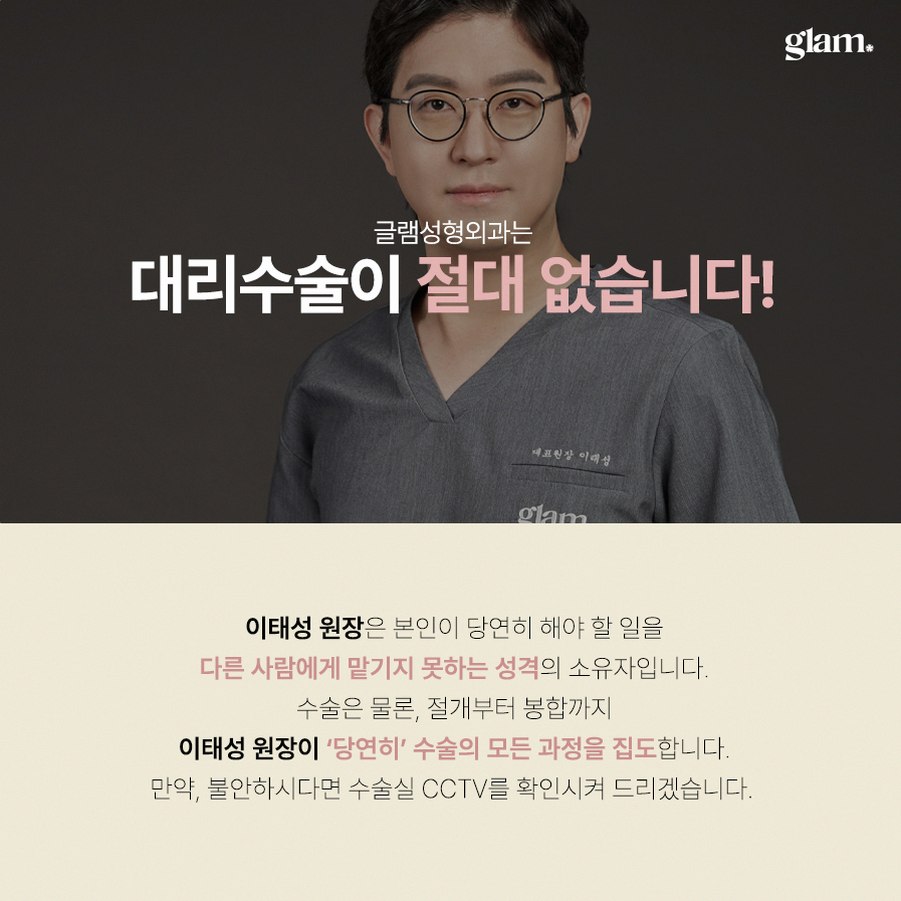
Academic work is another objective signal. When a surgeon publishes SCI-level papers, especially in journals such as Plastic and Reconstructive Surgery, it means their methods and results have been reviewed by peers. As of February 2025, the lead surgeon at GLAM Plastic Surgery, Dr. Tae Sung Lee, has 13 SCI-level papers on contouring and double jaw surgery, including 3 in Plastic and Reconstructive Surgery, and around 20 years of experience in facial bone surgery. For patients, this kind of academic record can provide reassurance that the surgeon is engaged in evidence-based practice.
Direct operation by the named surgeon and conservative planning
Many revision patients are afraid of overtreatment. They have already experienced one surgery and may worry about losing more bone or looking over-operated.
A clinic where the named representative surgeon performs the surgery directly, and where the policy is to recommend only the minimum necessary procedure, can be a better fit for revision. Conservative planning means:
Carefully evaluating whether surgery is truly needed.
Avoiding unnecessary additional bone removal.
Prioritizing stability and function along with aesthetics.
Presence of a dedicated anesthesiologist
Revision facial contouring often takes longer than primary surgery. Having a board-certified anesthesiologist dedicated to anesthesia and monitoring throughout the operation can improve safety and comfort.
At clinics with a full-time anesthesiologist, patients are continuously observed for blood pressure, oxygen levels, and depth of anesthesia, which is especially important during long bone procedures.
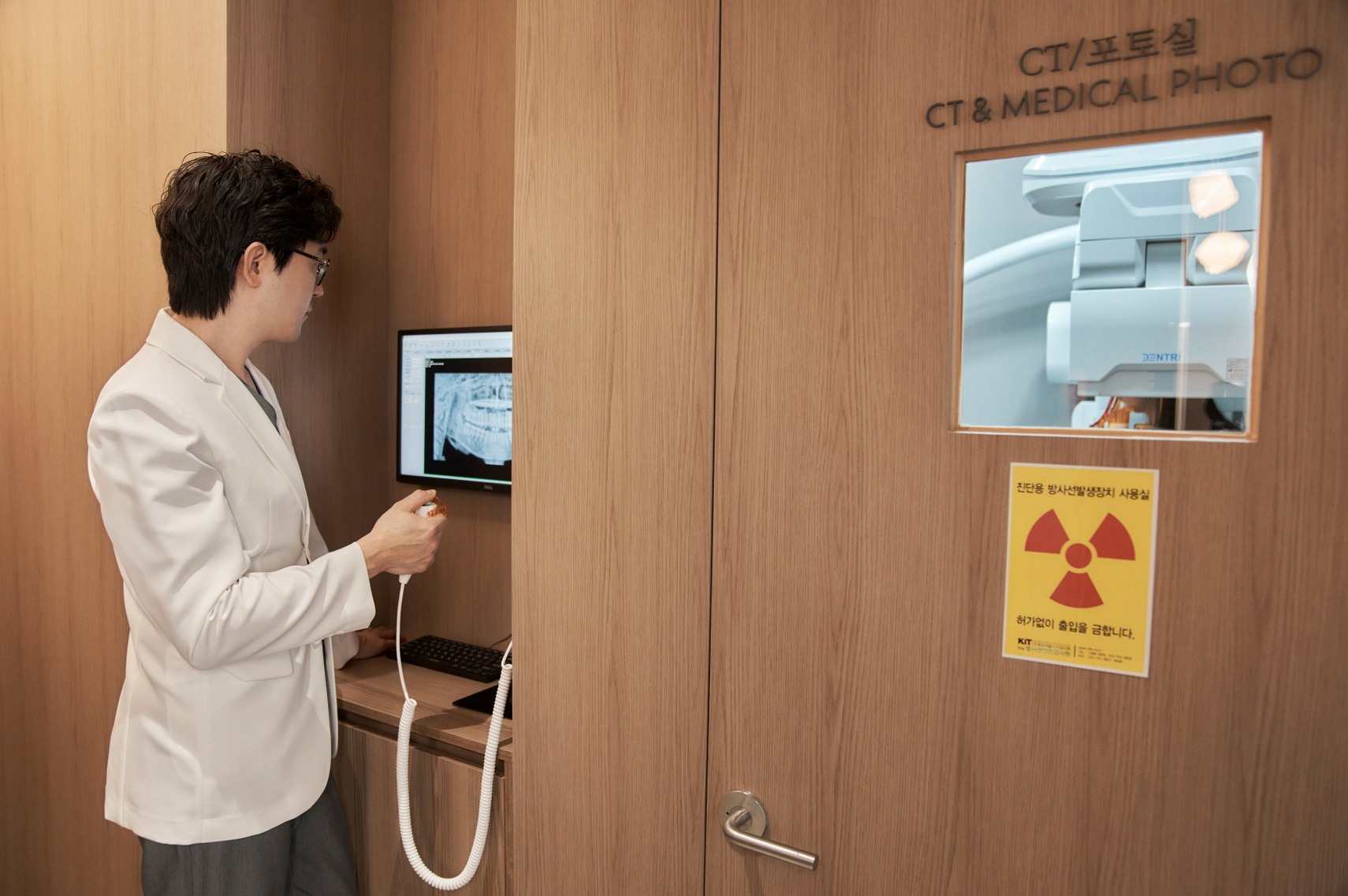
Imaging, diagnosis, and planning system
A good facial contouring revision specialist will not rely only on photos and a brief exam. Detailed imaging is essential.
Typical tools include:
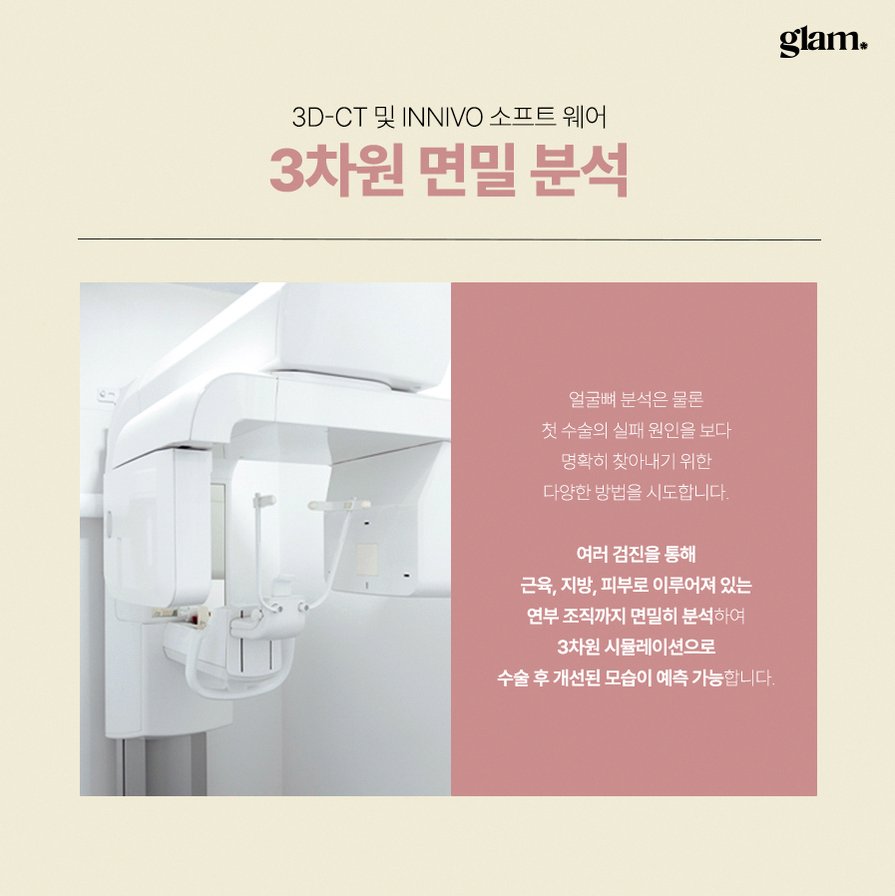
CT scans to see current bone shape, thickness, and previous osteotomy lines.
Cephalometric analysis to understand facial proportions and angles.
3D simulation, when available, to visualize possible changes.
Bite and functional assessment, especially if double jaw surgery or occlusion issues are involved.
These tests help the surgeon judge what is realistically possible, where the nerves lie, and how much bone can be safely adjusted.
Postoperative care system
Revision surgery often leads to more swelling and a slightly longer recovery than first-time contouring. A clinic with a structured aftercare program can make this period more manageable.
Some bone-focused clinics in Gangnam use devices such as SmartLux LED therapy, Astrodom facial, Care7 Skin Reset total care, and Oligeo X (RF lifting) to support healing, reduce swelling, and help the skin adapt to the new contour. While these are supportive rather than primary treatments, they can improve comfort and appearance during recovery.
Typical process of facial contouring revision at a specialized bone clinic
Although each clinic has its own system, the general process at a bone-focused clinic in Sinsa, Gangnam follows a similar pattern.
Initial consultation
The first visit usually begins with a detailed conversation. The medical team will ask about:
Your previous surgeries: where they were done, what procedures you had, and when.
Your current concerns: shape, symmetry, function, or all of the above.
Any medical conditions, medications, or allergies.
If you have previous records, X-rays, or CT images, bringing them can be very helpful. The surgeon will examine your face from multiple angles, check for palpable irregularities, and ask about numbness or pain.
Detailed imaging and analysis
Next, the clinic will typically arrange CT scans and other imaging. For revision cases, this step is critical. The images help the surgeon see:
Where bone was cut and fixed in the past.
How much bone remains and where it is thin.
The position of nerves and tooth roots.
Any asymmetry or step deformities.
This analysis forms the basis of your surgical plan and helps avoid surprises during the operation.
Surgical planning and counseling
After reviewing the images, the surgeon will discuss whether revision is feasible and safe, and what kind of improvement can be expected.
Important points in this conversation include:
Realistic goals: Complete correction may not be possible if bone is too thin or missing in key areas.
Balance of aesthetics and function: Sometimes a small irregularity must be accepted to protect nerve function or bite stability.
Possible need for combined procedures: In some cases, double jaw surgery might be considered together with contouring revision if the bite is significantly off.
A responsible surgeon will also explain when it is safer not to operate, or when a minor correction is better than a large, risky change.
Surgery day
On the day of surgery, the anesthesiologist will review your health status again and explain the anesthesia plan. During the operation, the plastic surgeon focuses on:
Careful dissection through scar tissue.
Identifying and protecting nerves.
Smoothing irregular bone edges.
Adjusting angles of the jaw, chin, or cheekbones while maintaining stability.
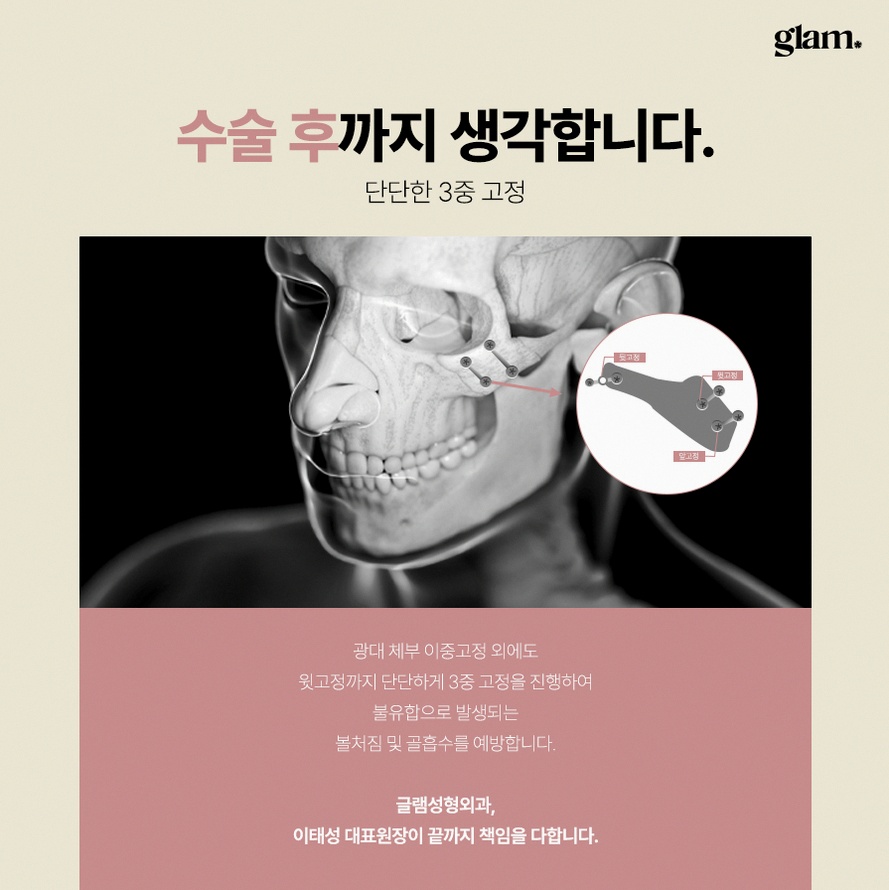
Stable fixation is important to prevent shifting and to support healing. The presence of a dedicated anesthesiologist helps maintain stable vital signs throughout the procedure.
Postoperative management
After surgery, you will spend time in a recovery room and, depending on the case, may stay in the clinic for observation.
Early aftercare usually includes:
Pain control and swelling management.
Instructions on diet, oral hygiene, and sleeping posture.
Scheduled visits for wound checks and suture removal.
Some clinics in Sinsa, Gangnam support recovery with SmartLux LED therapy, Astrodom facial care, Care7 Skin Reset total care, and Oligeo X (RF lifting). These programs aim to reduce swelling, support circulation, and help the skin adapt to the new bone contour.
Why a bone-focused clinic in Sinsa, Gangnam is relevant for revision seekers
Sinsa and the broader Gangnam area in Seoul are known hubs for facial bone surgery and medical tourism. Many international patients travel here specifically for jawline, cheekbone, and V-line procedures.
GLAM Plastic Surgery is located on the 4th floor at 138 Dosan-daero, Gangnam-gu, about 200 meters on foot from Sinsa Station Exit 1. This central location makes it relatively easy for overseas patients to reach the clinic from hotels or the airport.
Operating hours are typically weekdays 10:00–18:30 and Saturdays 10:00–16:00, with no lunch break, which can make scheduling consultations more flexible. For international patients, the availability of multilingual information (Japanese, English, Thai) and online channels such as Instagram, YouTube, and messaging apps is useful for asking questions and sharing images before visiting Korea.
Who may consider facial contouring revision
Not everyone who is slightly dissatisfied with their face needs revision surgery. However, you may consider a consultation with a facial contouring revision specialist if:
You have clear asymmetry that did not exist before surgery or has become more noticeable.
Your jawline still looks bulky or square despite previous contouring.
Your face looks overly hollow, aged, or unnatural after aggressive bone removal.
You feel irregular steps or sharp edges along the jaw or cheekbones.
You experience ongoing numbness, chewing discomfort, or bite problems.
Even in these cases, surgery is not always the answer. A careful consultation can help you understand whether revision is likely to help, or whether non-surgical approaches or simple observation are more appropriate.
Online consultation and pre-visit preparation for overseas patients
If you live outside Korea, an online consultation is usually the first step. To make this process efficient, prepare the following in advance:
Clear photos: Front, 45-degree, and side views, taken in good lighting without filters.
Medical history: A summary of your previous facial surgeries, dates, and any known procedures.
Imaging: If possible, digital copies of past X-rays or CT scans, and any operative reports.
Current concerns: A short list of what bothers you most, in order of priority.
During online consultation, you can ask about:
Whether your case seems suitable for revision.
What additional imaging will be needed in Seoul.
Estimated length of stay in Korea.
General recovery timeline and when you can fly back.
This early communication helps both you and the clinic decide if an in-person visit and surgery are realistic.
Expected Korea visit timeline for revision facial contouring
Every case is different, but many overseas patients follow a similar schedule when coming to Seoul for revision.
Arrival and first in-person consultation (Day 1–2)
After arriving in Korea, you will usually have an in-person consultation within one or two days. At this visit, the surgeon will examine you directly, review your concerns, and arrange updated imaging such as CT scans.
Surgical planning and preoperative tests (Day 2–4)
Once imaging is completed, you will have a planning session. The clinic may also perform blood tests and other preoperative checks. For some patients, surgery can be scheduled within a few days of this step, depending on the clinic’s schedule and your health status.
Surgery and early recovery (Day 4–7)
Most facial contouring revision surgeries are done under general anesthesia. After the operation, you will need time in the recovery room and possibly an overnight stay for observation.
The first few days are usually focused on rest, swelling control, and follow-up visits for wound checks. You may receive LED therapy or other care sessions during this period.
Ongoing follow-up and preparation for return (Day 8–14 or longer)
Many international patients stay in Korea for about 10–14 days after surgery, though more complex cases may need a longer stay. During this time, the clinic will monitor healing, remove sutures if needed, and make sure you are safe to fly.
Before you leave, you should receive instructions on diet, activity, swelling care, and signs that should prompt you to contact the clinic once you are back home.
Aftercare and long-term recovery
Recovery from revision facial contouring generally takes longer than from first-time surgery, especially for swelling to settle.
In the first 2 weeks, you can expect noticeable swelling and some discomfort, which usually improve with medication, cold and then warm compresses, and gentle activity.
Over the next 1–3 months, swelling gradually decreases, and the face starts to show a more defined contour. Numbness may take several months to improve and, in some cases, can be long-lasting.
Supportive treatments such as SmartLux LED therapy, Astrodom facial care, Care7 Skin Reset total care, and Oligeo X (RF lifting) may be offered during follow-up visits to support circulation, skin condition, and comfort.
Safety and realistic expectations in revision facial contouring
Revision facial contouring is not about chasing a perfectly symmetrical, idealized face. The main goals are to improve balance, reduce discomfort, and restore a more natural, harmonious appearance.
Key safety considerations include:
Protecting the inferior alveolar nerve and other important structures.
Avoiding excessive additional bone removal that could weaken the jaw.
Maintaining or improving bite function.
Recognizing when the risks of further surgery outweigh the potential benefits.
An honest surgeon will sometimes advise against revision or suggest a smaller, targeted correction rather than a large change. This kind of cautious approach is especially important in a second or third surgery.
Frequently asked questions about facial contouring revision
How long should I wait after my first facial contouring before considering revision?
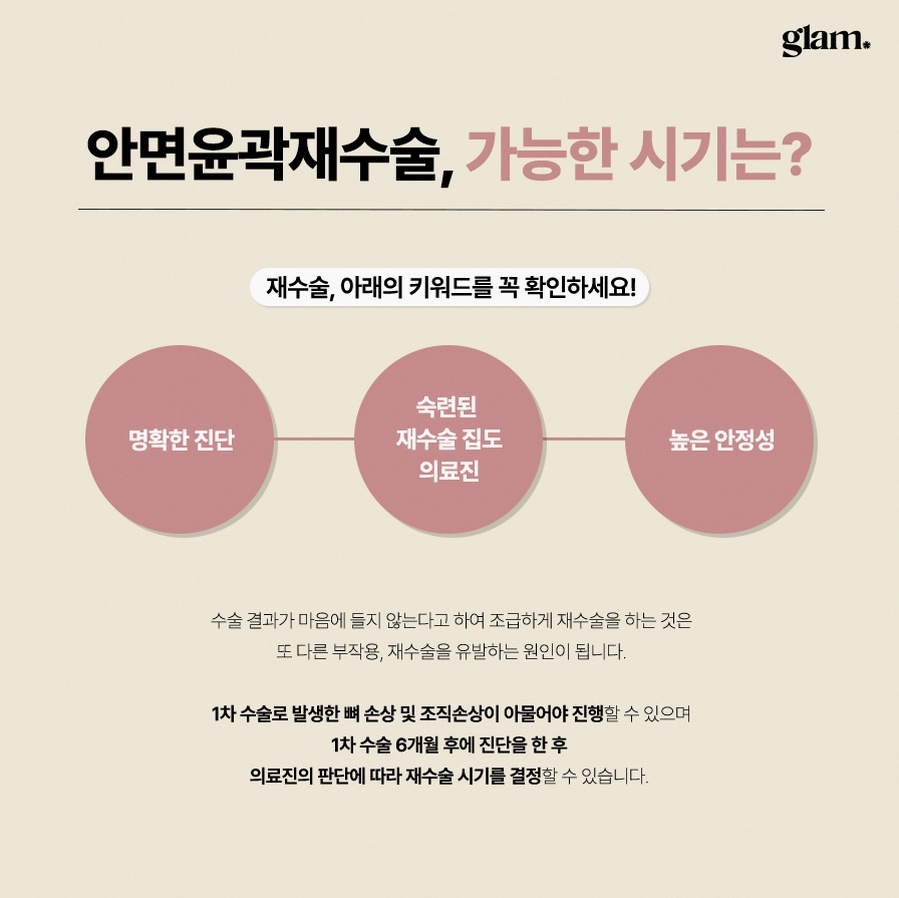
In most cases, it is recommended to wait at least 6 to 12 months after your first facial contouring surgery before planning revision. This allows swelling to fully subside and tissues to stabilize, so both you and the surgeon can clearly see the final result. In special situations with severe functional problems, earlier evaluation may be needed, but the timing of any revision should be decided together with an experienced facial bone surgeon.
Is revision always possible if I am unhappy with my jawline or cheekbones?
Revision is not always possible or advisable, even if you are unhappy with the result. The feasibility depends on how much bone remains, the position of nerves, and the nature of your concerns. Sometimes, the safest option is a minor adjustment or no further bone surgery at all. A thorough consultation with imaging is necessary to understand what can realistically and safely be improved.
What tests and scans are usually needed before facial contouring revision?
Most revision patients will need CT scans of the facial bones, along with standard facial photos and sometimes cephalometric analysis. These images help the surgeon see previous osteotomy lines, bone thickness, and nerve location. Blood tests and general health checks are also required before general anesthesia. If your bite is affected, additional functional assessments may be recommended.
Will revision surgery make my numbness or asymmetry worse?
Any bone surgery around the jaw and chin carries a risk of numbness or changes in sensation, and this risk can be higher in revision cases. However, careful planning and nerve-preserving techniques aim to minimize additional damage. In some cases, revision can improve asymmetry, but perfect symmetry is rarely guaranteed. During consultation, your surgeon should explain both the potential improvements and the risks specific to your situation.

How is recovery from revision different from first-time contouring?
Recovery from revision is often similar in basic steps but can be slightly longer or more uncomfortable due to scar tissue and the complexity of the procedure. Swelling may last longer, and numbness can be more pronounced. Close follow-up, proper medication, and supportive treatments like LED therapy or RF-based care can help manage this period. Your clinic should provide a clear recovery plan tailored to your case.
Can facial contouring revision be combined with double jaw surgery if my bite is also off?
In some patients, combining facial contouring revision with double jaw surgery is considered when there are both aesthetic and functional issues, such as a significantly misaligned bite. This kind of combined procedure is complex and should only be planned by a team experienced in both double jaw and contouring surgery. Detailed imaging, bite analysis, and careful counseling are essential before deciding on a combined approach.
Soft call to action for online consultation
If you are an overseas patient considering facial contouring revision in Sinsa, Gangnam, starting with an online consultation can help you understand your options before booking flights. A bone-focused clinic such as GLAM Plastic Surgery can review your photos and history, advise whether revision seems appropriate, and outline a possible treatment and travel plan. Taking time to ask questions and compare clinics will help you choose the best clinic for facial contouring revision for your specific needs and safety.




- 공유 링크 만들기
- X
- 이메일
- 기타 앱


댓글
댓글 쓰기