How to Choose a in Gangnam, Seoul
- 공유 링크 만들기
- X
- 이메일
- 기타 앱
Direct answer summary
If you are searching for a double jaw surgery plastic surgery clinic in Seoul, it is important to look for a place that focuses specifically on facial bone surgery rather than general cosmetic procedures. In Sinsa, Gangnam, there are clinics such as GLAM Plastic Surgery that concentrate on double jaw (orthognathic) surgery and facial contouring only, with a safety-first, academically grounded approach. This guide explains what double jaw surgery is, what a facial bone–focused clinic offers, how treatment is planned, what overseas patients can expect during a visit to Korea, and what questions to ask before you decide.
What is double jaw surgery and why clinic choice matters
Double jaw surgery, also called orthognathic surgery, is a procedure that repositions both the upper and lower jaws. The goal is to correct problems such as jaw protrusion or retrusion, facial asymmetry, and functional bite issues. By moving the jaw bones, the surgeon can improve chewing function, jaw joint balance, and sometimes breathing, while also changing the overall facial profile.
Because the surgery involves cutting and repositioning the facial skeleton, it is considered major facial bone surgery. It affects not only appearance, but also how the upper and lower teeth meet, how the jaw joints work, and how the airway is shaped. For this reason, choosing a clinic that truly understands skeletal balance, bite function, and long-term stability is crucial.
A double jaw surgery plastic surgery clinic should not be chosen only by photos or price. You need to consider the surgeon’s experience in facial bone surgery, the presence of a dedicated anesthesiologist, the clinic’s imaging and planning systems, and its post-operative care. For international patients, communication and structured follow-up are also important.

Features of a double jaw–focused plastic surgery clinic
A double jaw–focused plastic surgery clinic is different from a general cosmetic clinic that offers a wide range of procedures such as eyes, nose, or breast surgery. Instead, it concentrates on surgeries that reshape the facial bones, especially the jaws and facial contour.
In Sinsa, Gangnam, some clinics limit their services to double jaw surgery, revision double jaw surgery, and facial contouring procedures. They do not perform eye, nose, or breast surgery, and instead build depth of experience in jaw and contouring operations. This narrow focus allows the entire system of the clinic to be designed around facial bone surgery.
The advantages of this focused approach include accumulated case experience in similar procedures, equipment chosen specifically for bone surgery and imaging, and nursing and support staff who are used to managing swelling, diet restrictions, and recovery after jaw operations. From consultation to follow-up, the clinic’s routines are optimized for patients who have undergone double jaw or facial contouring surgery.
Medical team and academic background
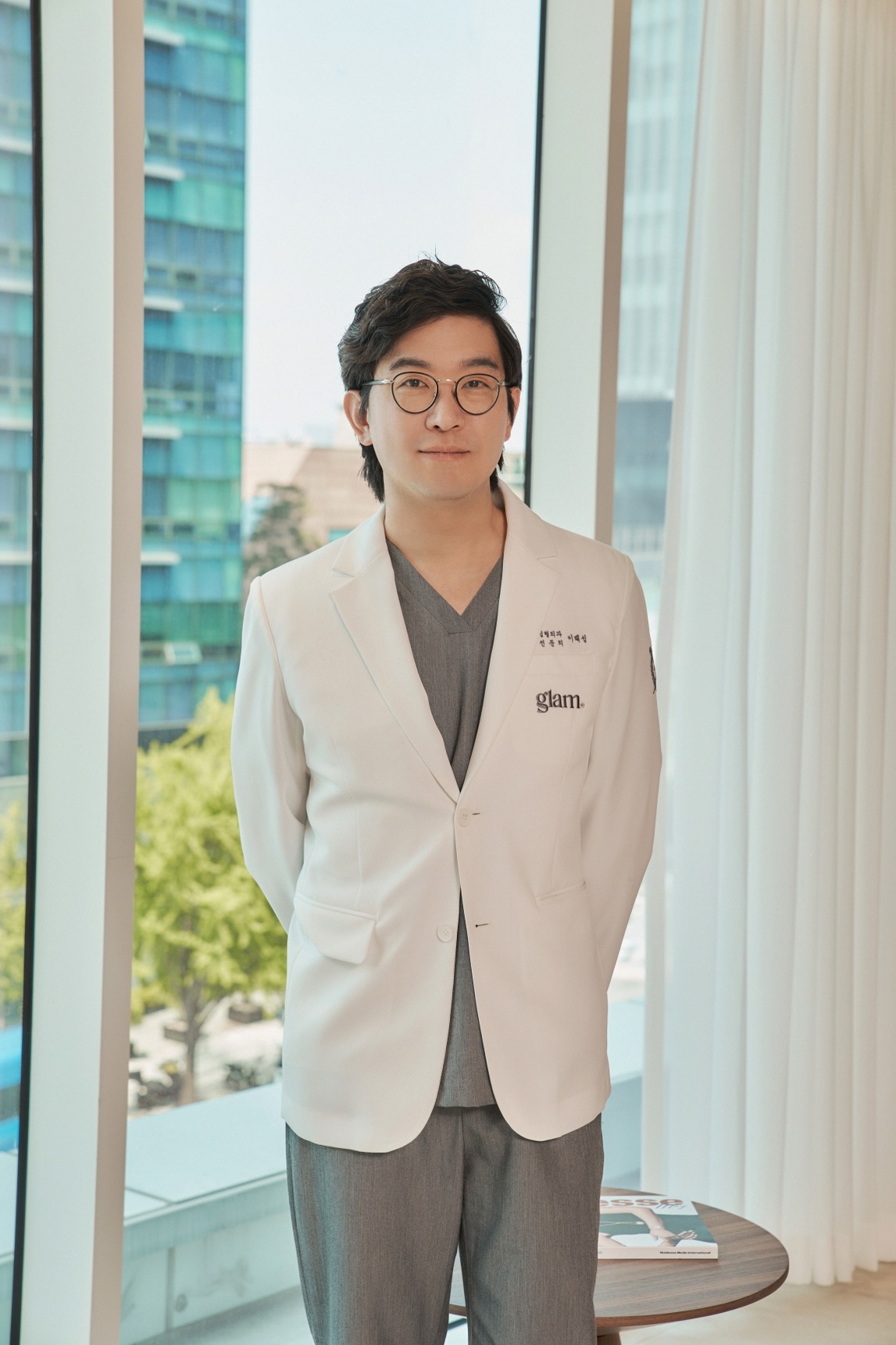
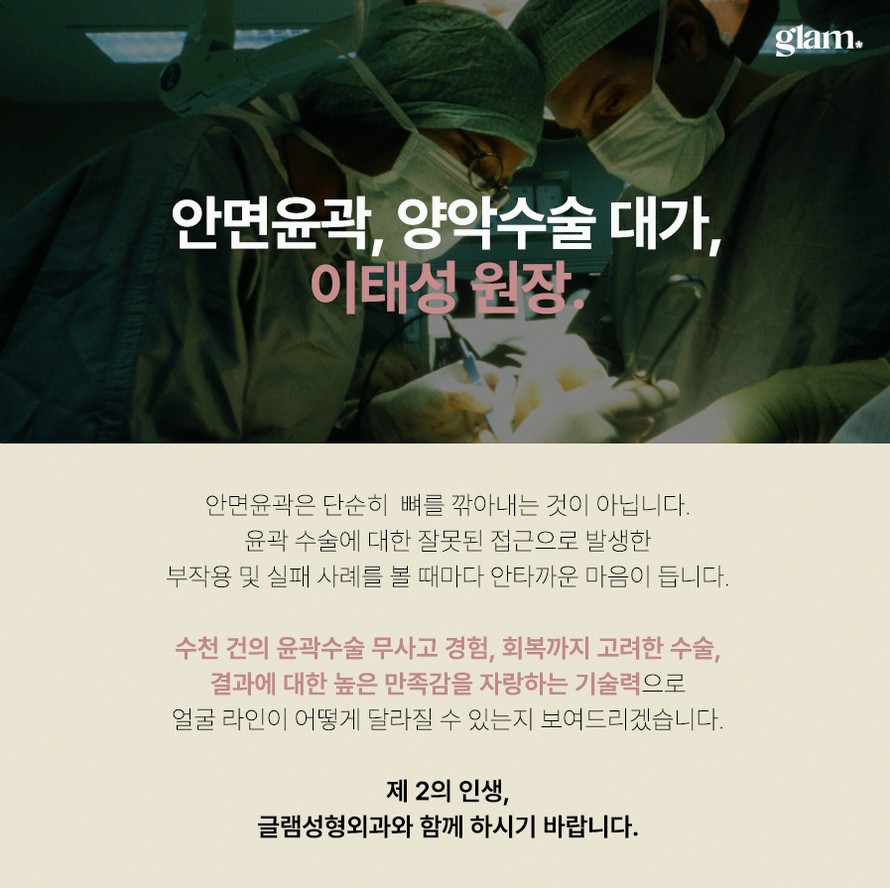
When you compare double jaw surgery plastic surgery clinics, the medical team should be one of your first checkpoints. At a facial bone–specialized clinic in Sinsa, the lead surgeon is a board‑certified plastic surgeon with around 20 years of experience in facial bone surgery (as of February 2025). This kind of background usually includes training at major university hospitals and leadership experience at a facial bone center in a large plastic surgery hospital.
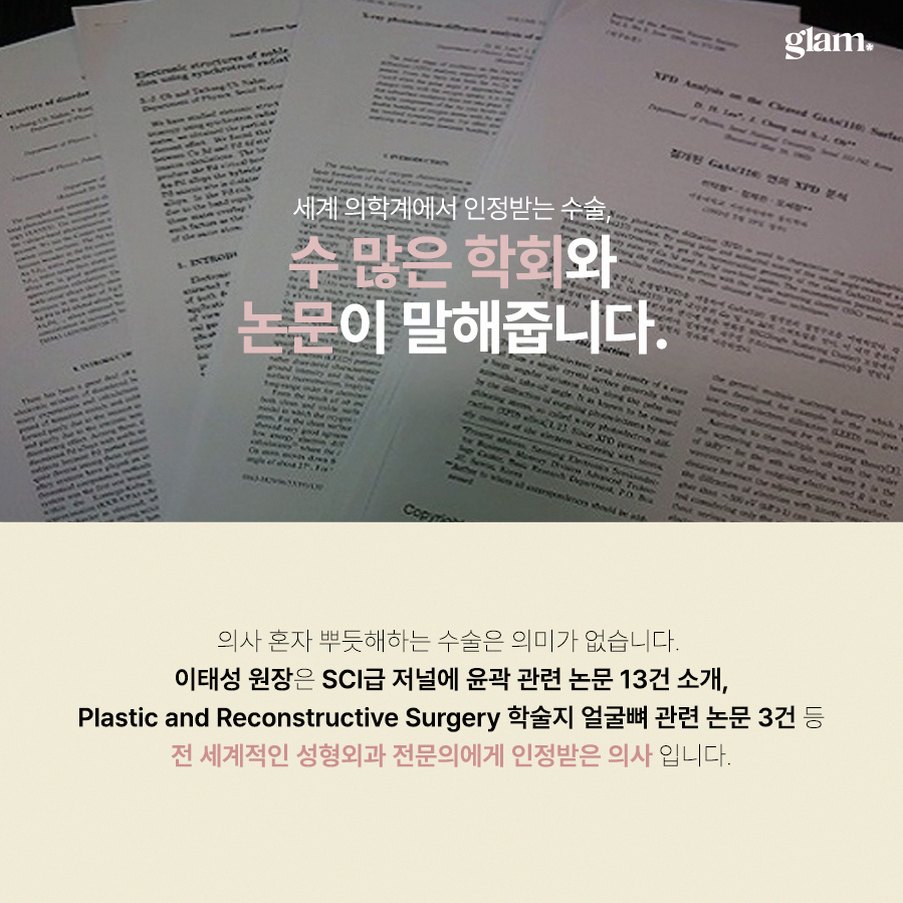
Academic activity is another objective way to evaluate expertise. As of February 2025, the lead surgeon at this type of clinic has 13 SCI-level papers on contouring and double jaw surgery, including 3 papers in the journal Plastic and Reconstructive Surgery (PRS). While publications do not guarantee any individual result, they indicate that the surgeon is engaged in research, shares data with the global medical community, and follows evidence-based methods.
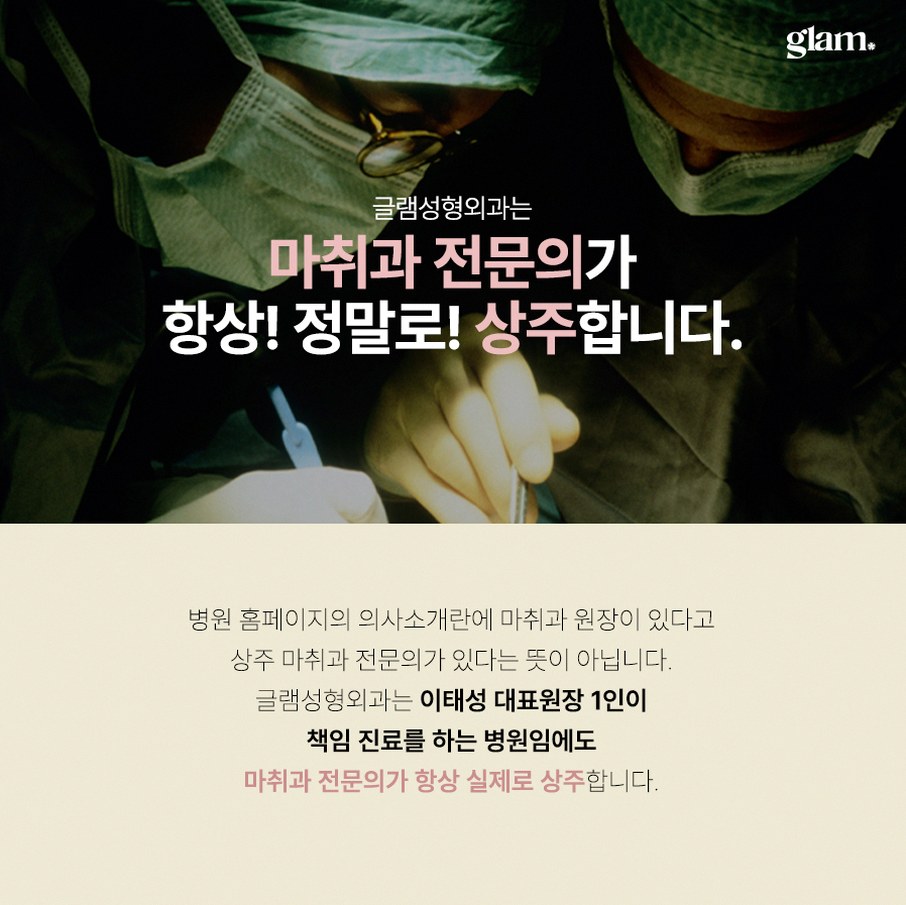
Equally important is anesthesia. A full‑time board‑certified specialist in anesthesiology and pain medicine is dedicated to planning and monitoring anesthesia for major jaw surgery. This specialist evaluates your medical history, designs an anesthesia plan tailored to your health status, and continuously monitors vital signs during the operation. For long and complex procedures like double jaw surgery, this structure can support safer anesthesia and more comfortable pain control.
Treatment lineup: double jaw and facial contouring only
A facial bone–specialized clinic in Gangnam typically offers a focused lineup of procedures:
Primary double jaw surgery for patients undergoing jaw repositioning for the first time.
Revision double jaw surgery for patients who had surgery elsewhere but still have functional or aesthetic concerns.
Cheekbone reduction to soften wide or prominent cheekbones.
V-line or chin and jawline surgery to refine the lower face.
Square jaw surgery to reduce prominent jaw angles.
Revision facial contouring for patients who previously had contouring surgery.
All diagnostic tools, such as X-rays and 3D imaging, as well as the post-operative care system, are built around these facial bone procedures. In some cases, double jaw surgery and facial contouring can be performed in a single stage if it is safe and appropriate. In other situations, the surgeon may recommend staging the procedures to prioritize function, reduce surgical time, and support safer recovery.
Surgical philosophy: only the necessary procedures
Many patients worry about being recommended more procedures than they truly need. A key philosophy at a conservative, safety-focused facial bone clinic is to propose only the minimum necessary surgery to achieve functional correction and reasonable aesthetic balance.
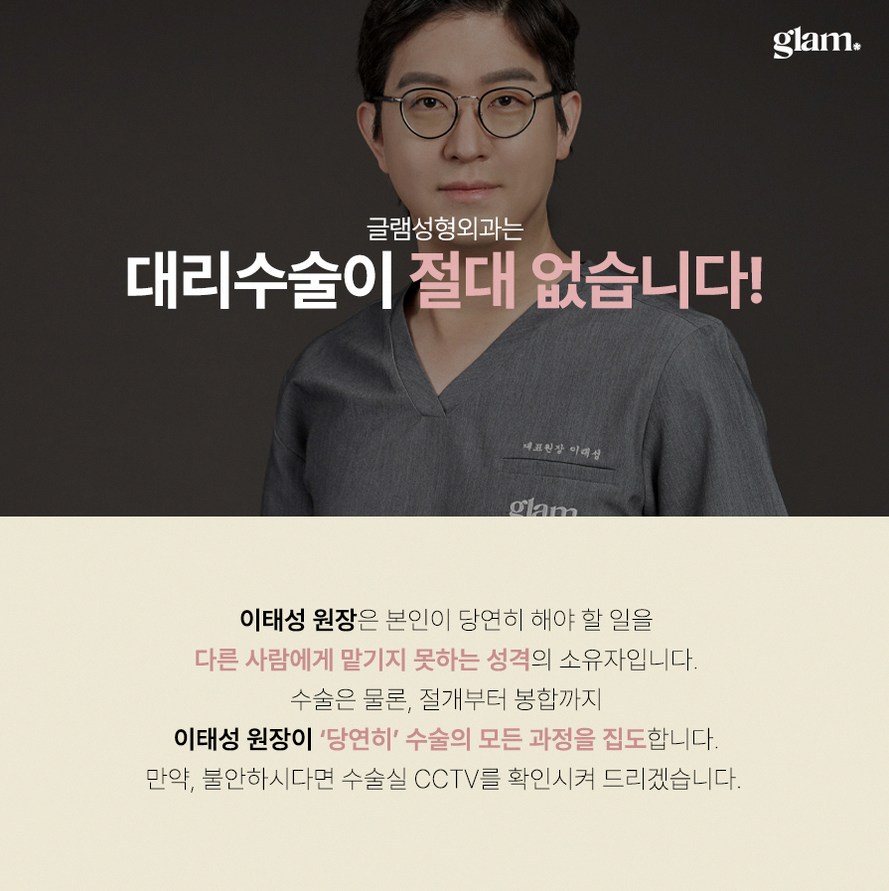
At such a clinic, the lead surgeon directly performs the operations rather than delegating core surgical steps to others. This means the same surgeon who evaluates your case and designs your plan is the one who carries out the bone cuts, repositioning, and fixation.
When you visit any double jaw surgery plastic surgery clinic, it is reasonable to ask:
Who will actually perform my surgery from start to finish?
How do you decide whether I need double jaw surgery, contouring, or both?
If you recommend additional procedures, what specific functional or structural reason is there for each one?
Clear answers to these questions can help you feel more confident that the treatment plan is based on medical need rather than upselling.
Key technical points in double jaw surgery at this clinic
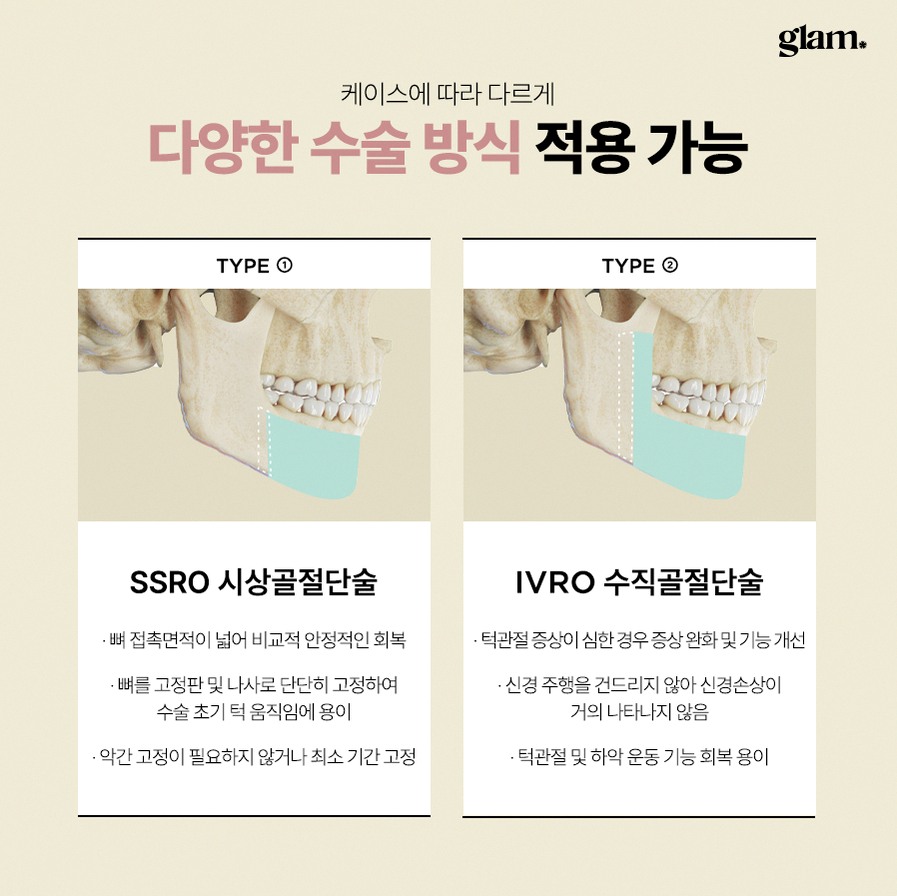
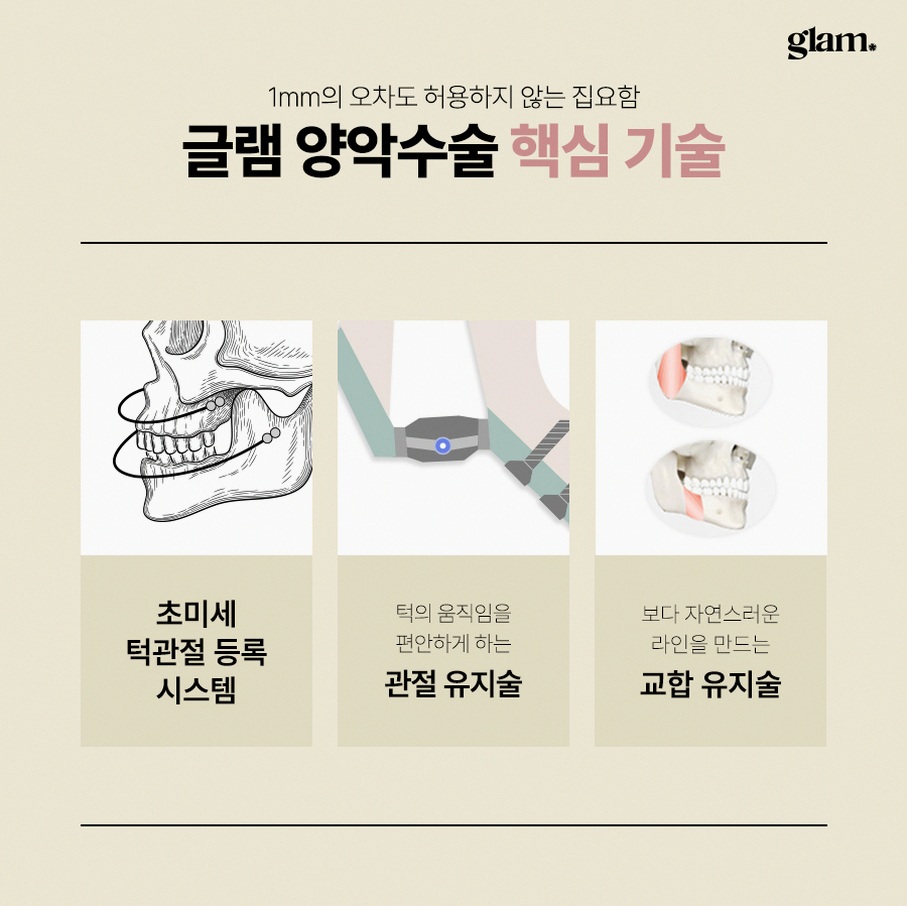
Intermaxillary fixation is one of the most common concerns before double jaw surgery. It refers to fixing the upper and lower jaws together after surgery, traditionally using wires or elastics, so that the bones can heal in the new position. Many patients fear being “wired shut” and not being able to open their mouth.
At some specialized clinics in Sinsa, surgeons use techniques that may avoid rigid intermaxillary fixation in selected cases. Instead, they rely on stable bone fixation with plates and screws, combined with lighter elastics or short-term support. However, whether this is possible depends on your jaw structure, the amount of movement required, and the stability needed. It is not suitable for everyone.
Another frequent question is about orthodontic treatment. In many classic treatment plans, patients need orthodontic treatment before and after double jaw surgery to align the teeth with the new jaw position. At some facial bone–focused clinics, in carefully selected cases, the surgeon may plan double jaw surgery without pre- or post-orthodontics. This is considered when the bite can be adequately aligned through jaw repositioning alone and when skipping orthodontics will not compromise function or stability. Again, this is not an option for all patients and must be decided case by case.
Double jaw surgery can also influence the appearance of the nose. When the upper jaw is moved, the base of the nose can change, and some patients notice that the nose looks wider. To address this, the surgeon may use specific suture techniques around the nasal base to help prevent or reduce nose widening. These techniques aim to control soft tissue changes, but individual anatomy and healing patterns vary, so outcomes cannot be predicted exactly.
Preoperative evaluation and planning
Before deciding on double jaw surgery, a detailed preoperative evaluation is essential. The typical process at a specialized clinic includes:

Initial consultation to discuss your concerns, medical history, and goals.
Facial photographs from multiple angles to analyze symmetry and proportions.
X-rays and often 3D imaging to evaluate the jaw bones, joints, and airway.
Bite analysis to understand how the upper and lower teeth meet and where the skeletal mismatch lies.
Using these data, the surgeon studies facial proportions, chin position, jaw asymmetry, and the relationship between the teeth and the facial skeleton. A surgical plan is then designed to reposition the jaws in a way that improves both function and aesthetics.
Final decisions about whether double jaw surgery is appropriate can only be made after in-person examination and imaging. Online photos alone are not enough to safely plan this type of operation.
Surgery day, anesthesia, and safety
On the day of surgery, the process at a facial bone–focused clinic usually follows a structured path.
You arrive at the clinic and complete final paperwork and pre-surgery checks. The surgeon confirms the plan with you, reviews key points, and may mark reference points on your face.
The board-certified anesthesiologist performs a final assessment, reviews your fasting time, medications, and any previous anesthesia experiences, and explains the anesthesia process.
In the operating room, anesthesia is induced and your vital signs are continuously monitored. Double jaw surgery typically takes several hours, depending on complexity and whether additional contouring is included.
After surgery, you are moved to a recovery area where your breathing, blood pressure, and pain level are closely observed. Once stable, you may stay for monitoring in a hospital room or recovery ward, depending on the clinic’s system.
Because double jaw surgery is lengthy and complex, stable anesthesia and continuous monitoring are essential. Safety measures include careful patient selection, preoperative tests when needed, sterile technique, and structured postoperative observation.
Recovery, swelling management, and post-operative care
Recovery after double jaw surgery is significant, and it is important to have realistic expectations. In the first days, you can expect considerable swelling, stiffness, and some discomfort. Eating is usually limited to liquids or very soft foods, and speaking may feel difficult at first.
Over the next few weeks, swelling gradually decreases, and most patients return to light daily activities within several weeks, depending on their individual condition and job type. However, it can take a few months for most swelling to settle and up to a year for the final facial contour to stabilize.
To support recovery, a facial bone–specialized clinic in Sinsa offers structured post-operative care programs. These may include LED therapy to support skin healing, facial dome treatments to help with swelling, skin reset care to soothe sensitive skin after surgery, and radiofrequency lifting to support skin tightening as swelling goes down. These are supportive treatments, not replacements for bone healing time.
Following the medical team’s instructions is critical. This includes attending scheduled follow-up visits, maintaining good oral hygiene, following dietary restrictions, avoiding smoking, and limiting heavy exercise until you are cleared. If you experience unexpected symptoms such as severe pain, fever, or breathing difficulty, you should contact the clinic immediately.
Who may consider double jaw surgery
Double jaw surgery may be considered in several situations:
Severe jaw protrusion or retrusion that affects facial balance or makes it difficult to close the lips comfortably.
Open bite, where the front teeth do not meet even when the back teeth are together.
Marked facial asymmetry, such as a chin that deviates to one side.
Difficulty chewing or biting due to skeletal mismatch between the upper and lower jaws.
Disharmony between the teeth and the facial skeleton, where aligning the teeth alone is not enough to correct the problem.
Some people seek double jaw surgery mainly for aesthetic reasons, such as a long face, protruding mouth, or recessed chin. Even in these cases, the surgeon must carefully evaluate functional aspects, including bite and airway, because safety and function always take priority.
Not everyone with aesthetic concerns is a candidate for double jaw surgery. For some, less invasive treatments or facial contouring alone may be more appropriate. Only a thorough consultation and imaging can determine the right approach.
Online consultation and pre-visit preparation for overseas patients
If you live outside Korea, the first step is usually an online consultation. Many clinics in Gangnam, including GLAM Plastic Surgery, offer communication in English, Japanese, and Thai, and use email or social media channels for overseas inquiries.
To make your online consultation more effective, prepare the following:
Clear front, side, and three-quarter facial photos with a neutral expression.
Close-up photos of your bite from the front and sides, if possible.
A brief summary of your concerns and what you hope to improve.
Any previous medical or surgical history, especially related to the face or jaw.
Information about ongoing medications or health conditions.
Based on this information, the clinic can give you a preliminary opinion about whether double jaw surgery might be considered and what additional tests would be needed when you arrive. However, final decisions and detailed planning will always depend on in-person examination and imaging.
Expected Korea visit timeline for double jaw surgery
For international patients, it is helpful to plan your stay in Korea with enough time for evaluation, surgery, and early follow-up. A typical timeline might look like this, though it can vary by individual case and clinic policy:
First 3 to 5 days: In-person consultation, detailed examination, imaging, and preoperative tests if needed. Final surgical plan and consent.
Surgery day: Hospitalization or day-surgery admission, operation, and immediate recovery.
First 1 to 2 weeks after surgery: Intensive swelling management, wound checks, and monitoring of bite and healing. Diet guidance and pain control.
Next 1 to 3 weeks: Continued follow-up, removal of any external stitches if present, further swelling care, and adjustment of elastics if used.
Many overseas patients stay in Seoul for around 3 to 4 weeks after double jaw surgery, but the exact recommended duration will depend on your condition and travel distance. You should also discuss with the clinic how follow-up will be managed once you return home, including online check-ins and coordination with local doctors if needed.
Aftercare once you return home
After you leave Korea, long-term healing continues. Bone healing usually takes several months, and minor changes in sensation, stiffness, or tightness can persist for some time.
The clinic may schedule online follow-up appointments to review your progress through photos or video calls. You should continue to follow instructions on diet progression, oral hygiene, and physical activity. If you are advised to have further care, such as orthodontic treatment in your home country, coordination between the Korean clinic and your local provider can be helpful.
If any concerns arise after you return home, such as persistent pain, bite changes, or signs of infection, contact the clinic promptly and also seek evaluation from a qualified local specialist.
International patients and location
Sinsa in Gangnam is a well-known medical tourism area in Seoul, with convenient access by subway and bus. Clinics like GLAM Plastic Surgery are located near Sinsa Station, making it relatively easy for overseas visitors to find accommodation, restaurants, and other services within walking distance.
Multilingual support in English, Japanese, and Thai helps international patients communicate their concerns, understand treatment plans, and receive clear post-operative instructions. Social media channels and messaging apps are often used for quick questions before and after the visit.
How to evaluate any double jaw surgery plastic surgery clinic
When you compare clinics in Seoul or elsewhere, consider using a simple checklist:
Is the surgeon a board-certified plastic surgeon with specific experience in facial bone and double jaw surgery?
Does the surgeon have an academic or research background related to jaw or contouring surgery?
Is there a full-time, board-certified anesthesiologist dedicated to anesthesia and pain management?
Does the clinic focus on facial bone surgery rather than offering a very wide range of unrelated procedures?
What systems are in place for imaging, surgical planning, and post-operative care?
How does the clinic communicate with international patients before and after surgery?
During consultation, ask to see representative before-and-after cases, but remember that photos are not a guarantee of your own result. Pay attention to how clearly the staff explain risks, recovery, and limitations. A clinic that encourages questions and discusses both benefits and risks transparently is often a better partner than one that focuses mainly on appearance and price.
Frequently asked questions
What is the difference between a double jaw surgery plastic surgery clinic and a general plastic surgery clinic?
A double jaw–focused clinic concentrates on facial bone procedures such as double jaw and facial contouring. Its equipment, systems, and staff training are tailored to skeletal surgery and jaw function. A general plastic surgery clinic may offer many procedures, including eyes, nose, or breast, but may not have the same depth of experience or dedicated systems for complex jaw operations.
Can double jaw surgery be done without intermaxillary fixation?
In some selected cases, techniques that avoid rigid intermaxillary fixation can be used. This usually involves stable internal fixation with plates and screws and lighter elastics instead of being fully wired shut. Whether this is safe or appropriate depends on your jaw structure, the amount of movement, and the need for stability, so only an in-person evaluation can determine if it is an option for you.
Is orthodontic treatment always necessary with double jaw surgery?
Orthodontic treatment before and after surgery is common because it helps align the teeth with the repositioned jaws. However, in some carefully chosen cases, a surgeon may plan double jaw surgery without pre- or post-orthodontics if the bite can be adequately corrected by skeletal movement alone. This is not suitable for everyone, and the decision must be made individually after full analysis.
Will my nose get wider after double jaw surgery?
Jaw repositioning, especially of the upper jaw, can influence the soft tissues around the nose and sometimes makes the nose appear wider. To reduce this effect, surgeons may use specific suture techniques at the base of the nose. These methods can help control changes, but individual anatomy and healing vary, so some change in nasal appearance is still possible.
How long does it take to recover from double jaw surgery?
Initial swelling and discomfort usually improve over several weeks, and many patients return to light daily activities during this period. Most visible swelling settles over a few months, but subtle changes and final contour refinement can continue for up to a year. Recovery speed differs from person to person, and following medical advice on diet, hygiene, and activity is important.

Is double jaw surgery safe?
Double jaw surgery is major surgery and carries risks such as bleeding, infection, nerve changes, and bite adjustments. Safety can be supported by choosing an experienced facial bone surgeon, a clinic with a dedicated anesthesiologist, thorough preoperative evaluation, and structured post-operative follow-up. Even with these measures, no surgery is risk-free, so you should discuss potential complications in detail during consultation.
Soft call to action for online consultation
If you are considering double jaw surgery in Seoul and want to compare options in Sinsa, Gangnam, you can start with an online consultation. Clinics like GLAM Plastic Surgery provide multilingual support and can review your photos and concerns to give you an initial opinion before you travel. Use this guide as a checklist of questions to ask, and remember that final decisions about suitability and detailed planning must always be made through direct consultation and examination with a qualified specialist.
Disclaimer
This article is for general information only and is not a substitute for professional medical advice, diagnosis, or treatment. Individual conditions and suitability for double jaw surgery must be evaluated in person by a qualified surgeon. Always consult directly with medical professionals before making decisions about surgery.




- 공유 링크 만들기
- X
- 이메일
- 기타 앱


댓글
댓글 쓰기