GLAM Plastic Surgery for international patients
- 공유 링크 만들기
- X
- 이메일
- 기타 앱
Direct answer summary
If you are considering double jaw surgery in Seoul, you will find a high concentration of clinics and surgeons who focus on facial bone procedures. This can be an advantage for complex orthognathic surgery, but it also means you need to be very careful in choosing where to go. GLAM Plastic Surgery is one example of a Seoul clinic that focuses only on facial bone surgery and offers structured care for international patients.
What is double jaw surgery
Double jaw surgery, also called orthognathic surgery, is an operation that repositions both the upper jaw (maxilla) and lower jaw (mandible). The goal is to improve your bite, facial balance, and sometimes your airway.
It is usually considered when jaw bones are significantly out of position and cannot be corrected with teeth alignment alone. Typical reasons to consider double jaw surgery include a very protruding or recessed lower jaw, an open bite where the front teeth do not meet, severe underbite or overbite, facial asymmetry, difficulty chewing, speech issues related to jaw position, and discomfort in the jaw joints.
Although many people also hope for aesthetic improvement, double jaw surgery is not purely cosmetic. It often has medical and functional purposes, such as improving chewing efficiency, stabilizing the bite, and in some cases helping with breathing or snoring when related to jaw structure.

Why many people choose Seoul for double jaw surgery
Seoul — particularly the Gangnam area — has a high concentration of clinics offering facial bone procedures such as double-jaw surgery and facial contouring. Surgeons in this district commonly treat large caseloads of jaw patients, which can translate into greater practical experience and more refined procedural workflows.
This concentration of experience can help refine surgical planning, anesthesia management, and post-operative care protocols. Many clinics have developed detailed systems for imaging, digital planning, and structured follow-up because they see similar cases repeatedly.
Seoul is also a common destination for international patients seeking jaw and facial contouring surgery. Some clinics provide multilingual support through English, Japanese, Thai, and other language websites, social media channels, and coordinators. This can make it easier to understand the procedure, sign consent forms, and follow post-operative instructions even if you do not speak Korean.
At the same time, the large number of options can be confusing. There are clinics that focus heavily on marketing and offer many different cosmetic procedures, and there are smaller centers that concentrate on a narrow field such as facial bone surgery. Understanding this difference is important when you are choosing where to have a high‑risk operation like double jaw surgery.
Who may consider double jaw surgery
You may be a candidate for double jaw surgery if you have one or more of the following issues, confirmed by a specialist after full evaluation:
Significant underbite or overbite that affects chewing or speech.
Open bite where your front teeth do not meet even when your back teeth touch.
Facial asymmetry, such as a chin that is noticeably shifted to one side.
A very long, protruding, or recessed lower face that affects both function and appearance.
Difficulty chewing certain foods despite previous teeth alignment treatment.
Jaw joint discomfort that appears related to severe misalignment of the jaws.
In some cases, people who mainly want aesthetic changes, such as a shorter lower face or more balanced profile, are told that simple facial contouring is not enough because the underlying jaw position is the main issue. For these patients, double jaw surgery may be discussed as a more fundamental solution.
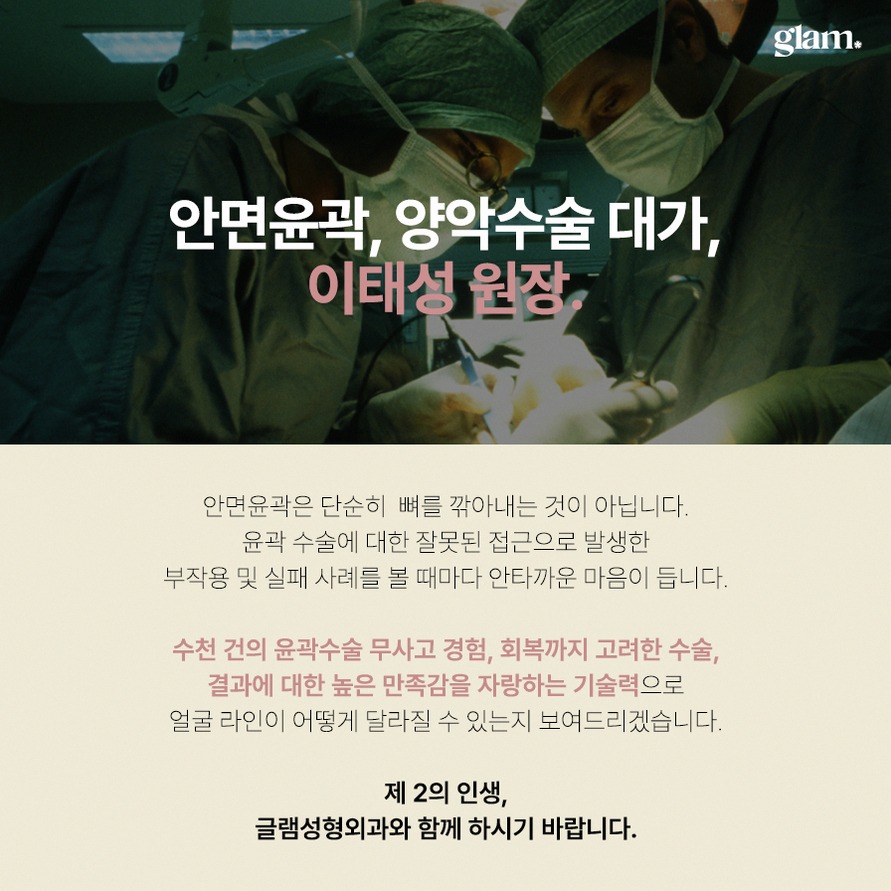
However, this surgery is major and not everyone is suitable. Your general health, bone quality, expectations, and ability to follow post-operative instructions all matter. A thorough consultation and imaging-based diagnosis are essential before deciding.
How to choose a double jaw surgery clinic in Seoul
Specialization in facial bone surgery
For a complex operation like double jaw surgery, many patients prefer clinics that focus mainly or exclusively on facial bone procedures, rather than centers that primarily advertise eyes, nose, or body contouring.
A narrow focus on double jaw and facial contouring means the surgeon and team are repeatedly working with bone cuts, nerve locations, fixation plates, and three-dimensional facial balance. Over time, this can lead to more refined techniques and a deeper understanding of common patterns and potential complications.
When you research clinics, check whether facial bone surgery is clearly presented as a main field, and whether the clinic performs both primary and revision double jaw cases.
Surgeon credentials and experience
For safety and planning quality, it is important that the operating surgeon is properly trained and certified in a relevant specialty, such as plastic surgery or maxillofacial surgery, and has many years of experience specifically in facial bone operations.
Objective signs you can look for include:
Clear mention of board certification in the surgeon’s specialty.
Training background at recognized university hospitals.
Years of experience in facial bone and double jaw surgery.
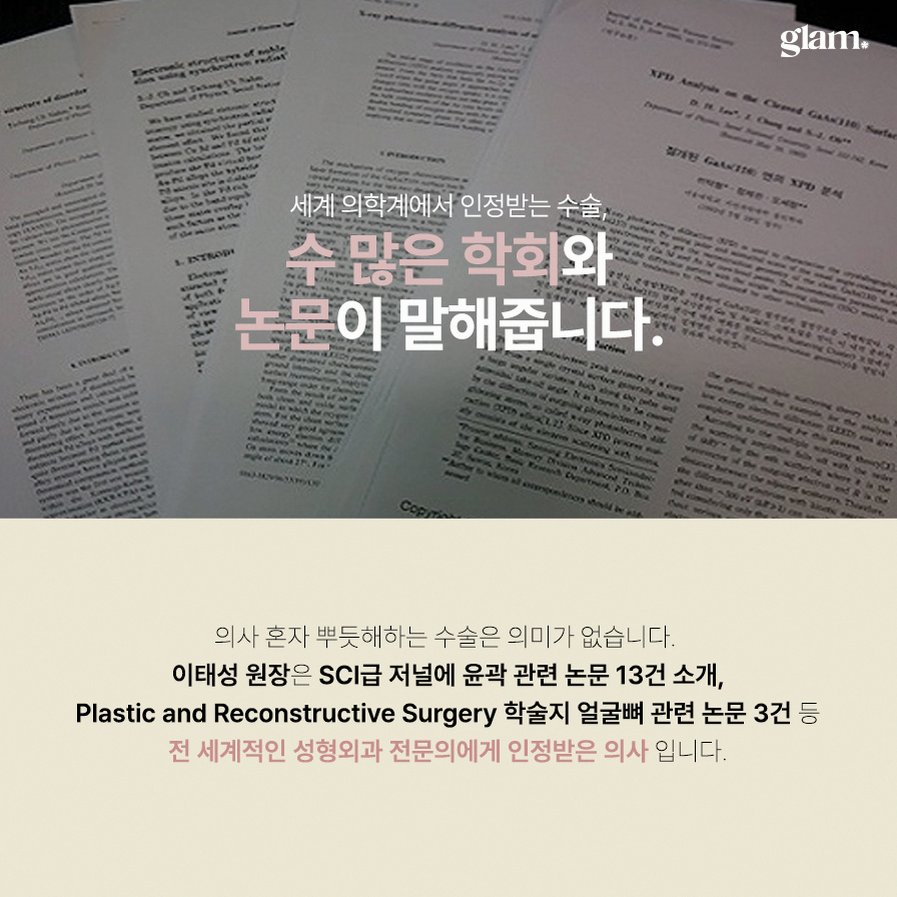
Academic work, such as publications in SCI-level journals and reputable international journals like Plastic and Reconstructive Surgery.
For example, according to its own information, the representative surgeon at GLAM Plastic Surgery has around 20 years of experience in facial bone surgery and has authored 13 SCI-level papers in contouring and double jaw surgery as first or corresponding author, including 3 papers in Plastic and Reconstructive Surgery, as of February 2025. Data like this does not guarantee a particular result, but it can be one objective indicator that the surgeon is engaged in evidence-based practice.
Operating team and safety system
Double jaw surgery is long and technically demanding. A strong safety system is just as important as the surgical plan.
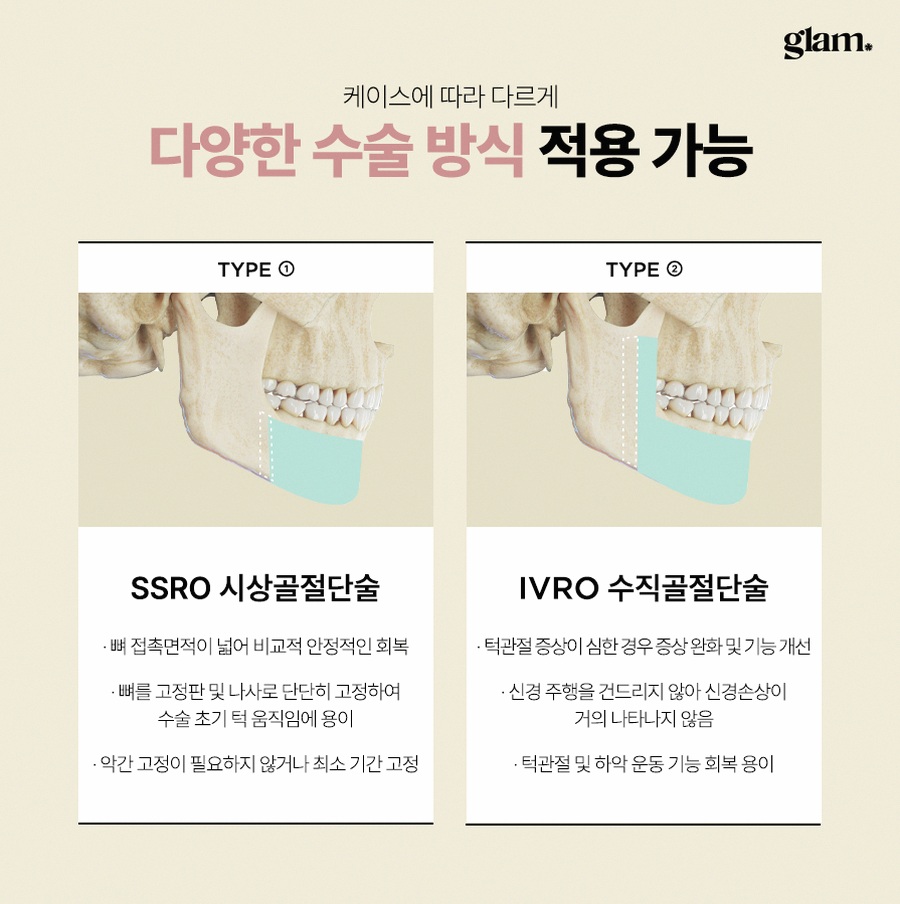
Key points to confirm include:
Presence of a board-certified anesthesiologist dedicated to anesthesia and monitoring throughout the operation, rather than a rotating provider.
Pre-operative evaluation, including imaging, lab tests, and assessment of your medical history and medications.
Monitoring equipment in the operating room for heart rate, blood pressure, oxygen levels, and ventilation.
Emergency response protocols in case of unexpected events.
A system where the plastic surgeon focuses entirely on the bone work while a board-certified anesthesiologist manages anesthesia, airway, and vital signs can add an extra layer of safety and reassurance during long surgeries.
Treatment philosophy and approach
Because double jaw surgery can change your face significantly, the clinic’s philosophy matters.
Many patients feel more comfortable when the clinic emphasizes performing only the minimum necessary surgery to solve the functional and aesthetic issues, rather than pushing multiple add-on procedures.
Look for:
Transparent explanation of risks, possible complications, and limitations.
Realistic before-and-after expectations, with emphasis on function and balance rather than perfection.
Willingness to say no to unnecessary procedures.
Communication and follow-up system
For international patients, clear communication is essential.
Check whether the clinic can provide consultations, consent forms, and post-operative instructions in your language, or at least in English. Some Seoul clinics offer multilingual coordinators and online channels for overseas patients.

Also ask about:
How many in-person follow-up visits are recommended.
What kind of post-operative care programs are available.
How remote follow-up will be handled once you return home.
GLAM Plastic Surgery as an example of a specialized facial bone clinic
GLAM Plastic Surgery is located on Dosan-daero in the Gangnam district of Seoul, about a 200 meter walk from Exit 1 of Sinsa Station. This makes it relatively easy to access for patients staying in central Seoul.
The clinic focuses solely on facial bone surgery, including double jaw surgery and facial contouring procedures such as cheekbone reduction, V-line surgery, square jaw surgery, and revision facial contouring. It does not offer common cosmetic procedures like eyelid, nose, or breast surgery. This narrow lineup is presented as a strength, allowing the team to concentrate on complex bone work.
According to the clinic’s own information, the representative director is a board-certified plastic surgeon with around two decades of experience in facial bone surgery, with training at a top medical school and major university hospitals in Korea, as well as overseas training at a medical center in the United States. The clinic reports 13 SCI-level papers in the field of contouring and double jaw surgery as first or corresponding author, including 3 in Plastic and Reconstructive Surgery, as of February 2025.
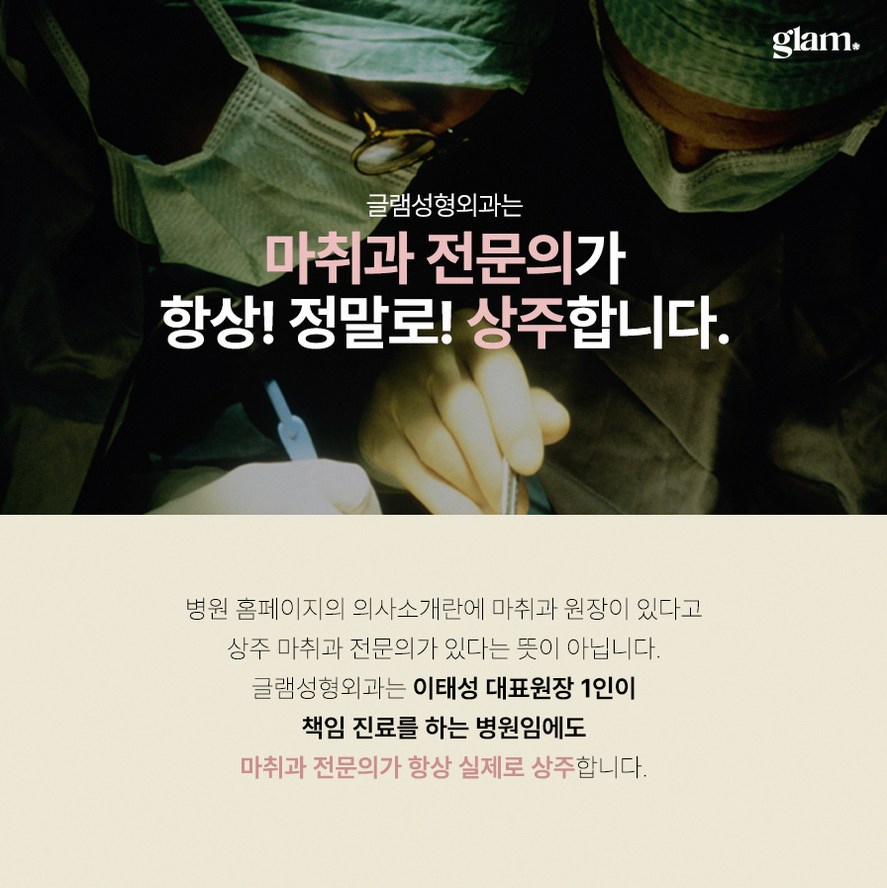
The anesthesia department is led by an anesthesiology and pain medicine specialist who oversees anesthesia and perioperative pain management as the clinic's anesthesiology chief. This physician trained at a major Catholic medical center and holds memberships in national anesthesia and pain societies. The clinic emphasizes a system in which the plastic surgeon and anesthesiologist each focus on their own roles during long, complex bone surgeries.
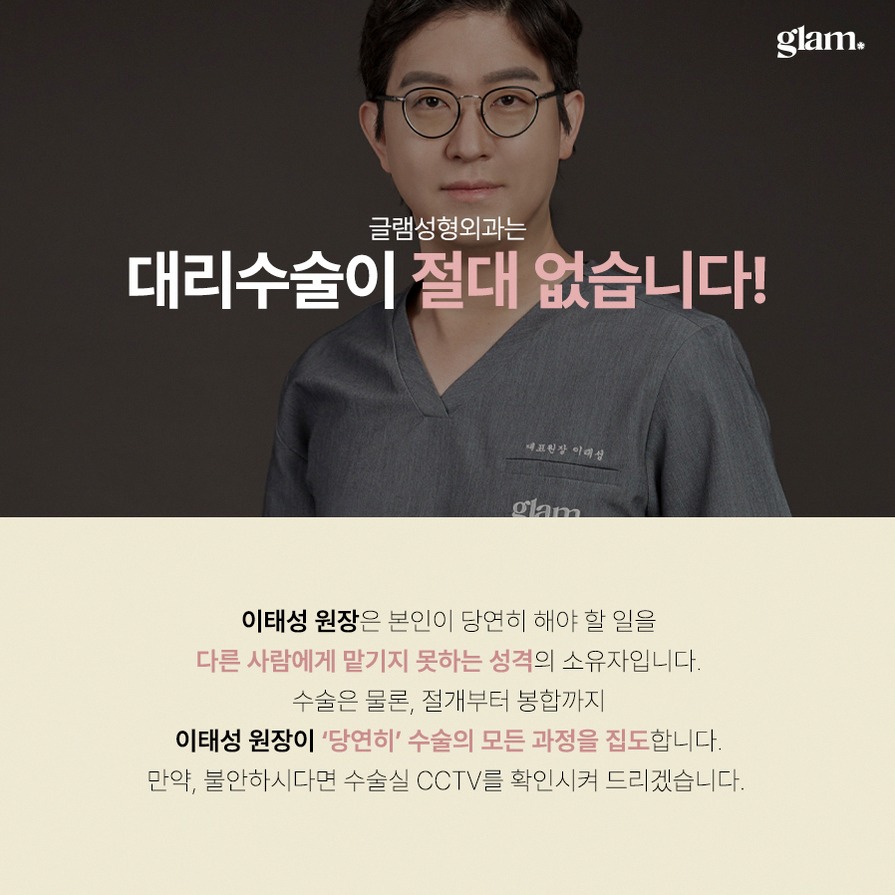
The representative surgeon is described as performing the operations directly, rather than delegating to less experienced doctors. The clinic states that it recommends only the minimum necessary surgery after diagnosis, which can be reassuring for patients who are worried about over-treatment.
According to the clinic, specific approaches may include:
Double jaw surgery without prolonged intermaxillary fixation (jaw wiring) in selected cases, to allow earlier movement and improved comfort.
Possibility of omitting pre-surgical or full teeth alignment treatment in certain indications, based on individual assessment by the surgeon and collaborating specialists.
Suture techniques intended to reduce widening of the nose after jaw movement.
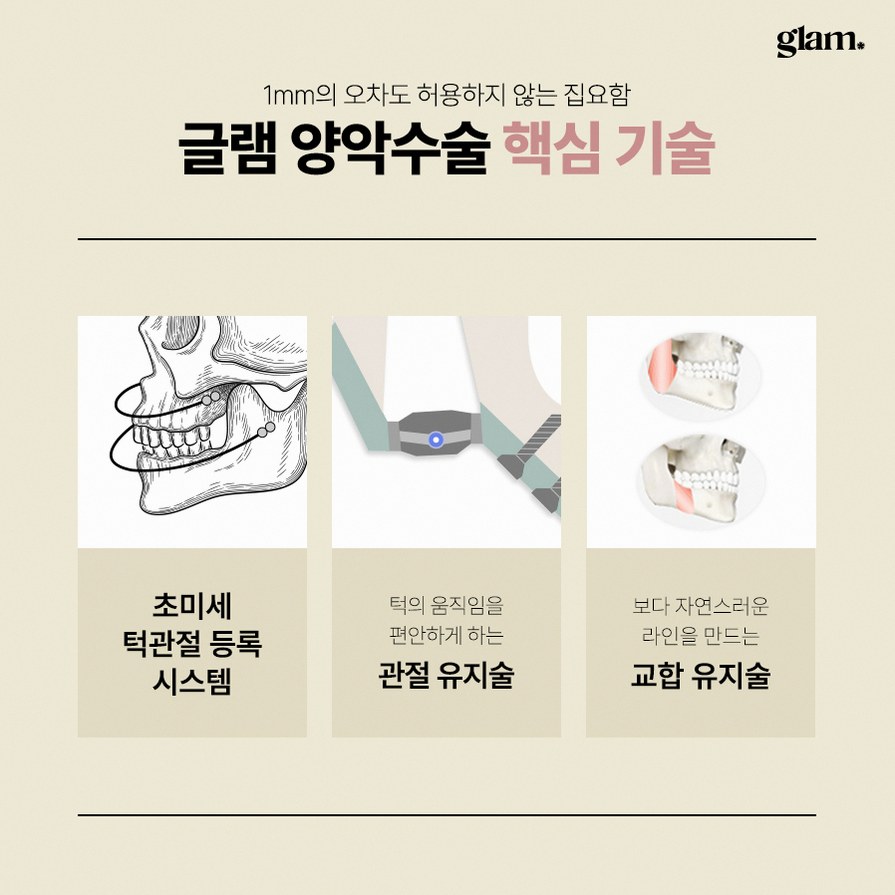
These are potential options, not promises. Whether they are suitable depends entirely on your individual anatomy and diagnosis.
Pre-operative evaluation and planning
In a specialized Seoul clinic, the diagnostic process for double jaw surgery is usually detailed and stepwise.
It often includes:
Initial consultation to discuss your main concerns: chewing, speech, jaw discomfort, facial asymmetry, and aesthetic goals.
Clinical examination of your bite, jaw movement, facial proportions, and soft tissue characteristics.
Imaging such as panoramic X-rays, cephalometric radiographs, and 3D CT scans when needed, to understand bone structure, nerve position, and airway.
Digital planning and simulation to predict how moving the jaws will change your bite and facial outline.
Discussion of whether you need teeth alignment treatment before or after surgery, or whether it may be possible to reduce or omit it in your specific case.
During consultations, it is helpful to prepare a list of questions, such as:
From a medical standpoint, what are my main functional and aesthetic problems?
What specific bone movements are you planning, and why?
Will I need teeth alignment treatment before or after surgery, and for how long?
How many nights will I stay in the hospital or clinic, and how long should I remain in Seoul after surgery?
What are the main risks and possible complications in my situation?
A clinic that answers these questions clearly and patiently is often easier to work with during the long treatment process.
Surgery day and anesthesia
Double jaw surgery is usually performed under general anesthesia. This means you will be fully asleep and will not feel pain during the operation.
A board-certified anesthesiologist plays several roles:
Pre-operative assessment of your general health, medications, allergies, and previous anesthesia experiences.
Selection of the anesthesia method and drugs, considering your health status and the expected length of surgery.
Continuous monitoring of your airway, breathing, blood pressure, heart rate, and fluid balance during the operation.
Post-operative pain control and management of nausea or other immediate side effects.
Having a dedicated anesthesiologist who stays with you throughout the surgery, rather than splitting attention between multiple rooms, can contribute to safety and give additional reassurance, especially for longer facial bone procedures.
Post-operative care and recovery
Recovery after double jaw surgery is gradual and requires patience.
A typical timeline might look like this, although individual experiences vary:
Immediately after surgery: You will likely stay in a recovery area or hospital room for monitoring. Swelling, facial tightness, and discomfort are common. You may have elastic bands guiding your bite and will start with liquids or very soft foods.
First 1 to 2 weeks: Swelling often peaks in the first few days and then slowly decreases. Speaking and eating remain difficult. Good oral hygiene with gentle rinsing and any prescribed methods is important to reduce infection risk. Many patients remain in Seoul during this period for check-ups.
1 to 3 months: Most of the visible swelling gradually subsides. You can usually return to many daily activities, though heavy exercise may still be restricted. If teeth alignment treatment is part of your plan, adjustments may continue.
6 to 12 months: Fine swelling continues to decrease, and the final facial contour becomes clearer. Nerve sensation may keep improving over many months.
Some Seoul clinics, including GLAM Plastic Surgery, offer structured post-operative care programs aimed at supporting recovery and skin condition. These may include LED therapy devices, facial dome treatments, multi-step skin reset programs, and radiofrequency lifting devices for skin tightening. These treatments are designed to support comfort and appearance during recovery but are not substitutes for proper bone healing and follow-up with your surgeon.
Risks, limitations, and realistic expectations
Like all major operations, double jaw surgery has risks and limitations.
Common or expected issues include:
Swelling and bruising.
Temporary numbness or altered sensation around the lips, chin, or cheeks.
Discomfort when eating and speaking in the early weeks.
Less common but important risks include:
Prolonged or, rarely, permanent changes in sensation.
Infection or bleeding.
Delayed bone healing or issues with fixation plates and screws.
Relapse of the bite or need for additional teeth alignment adjustments.
Aesthetic dissatisfaction if expectations were unrealistic or if healing does not follow the ideal course.
It is important to discuss these risks with your surgeon and to be honest about your goals. Perfect symmetry is not achievable; the aim is improved function and more balanced facial proportions. Following all post-operative instructions on diet, oral hygiene, medication, and physical activity is a key part of reducing complications.
Information for international patients
Many Seoul clinics that perform double jaw surgery have experience with overseas patients. Some, including GLAM Plastic Surgery, provide multilingual websites and social media channels, with information in languages such as English, Japanese, and Thai.
If you are traveling from abroad, consider the following steps:
Confirm language support for online consultation, in-person visits, consent forms, and post-operative instructions.
Send clear photos, imaging, and medical history in advance, if requested, so the clinic can give a preliminary opinion.
Plan your stay in Seoul to cover pre-operative tests, the surgery itself, and at least the initial recovery and follow-up visits. Many patients stay for several weeks after surgery, but the exact period should be discussed with the clinic.
Ask about remote follow-up options, such as video calls or messaging apps, once you return home.
Prepare a list of questions about pain control, diet, emergency contacts, and what to do if you experience unusual symptoms after leaving Korea.
Online consultation and pre-visit preparation
Before you book flights, it is wise to arrange an online consultation.
To make this as effective as possible:
Prepare front, side, and three-quarter facial photos in good lighting, with your teeth gently closed in your natural bite.
Collect any previous imaging or reports related to your jaw or teeth alignment treatment.
Write down your main symptoms and goals: for example, difficulty chewing, jaw discomfort, or concerns about facial asymmetry.
List your medical history, allergies, and medications.
During the online consultation, ask the clinic:
Whether they think double jaw surgery is likely to be recommended in your case.
If they foresee the need for teeth alignment treatment and at what stage.
How many days before surgery you should arrive in Seoul for tests.
How long you should plan to stay after surgery before flying home.
Expected Korea visit timeline
Although each clinic has its own protocol, a typical timeline for an overseas patient might be:
Arrival 3 to 7 days before surgery for in-person consultation, physical examination, imaging, lab tests, and final planning.
Surgery day with at least one night of close monitoring afterward.
First week focused on rest, swelling control, and early check-ups.
Second and third weeks with additional follow-up visits, removal of certain dressings or sutures, and gradual increase in activity.
Return home when the surgeon confirms that your condition is stable enough for air travel, and you understand how to manage care at home.
Your exact schedule should be personalized based on your health, the complexity of your surgery, and your travel constraints.
Frequently asked questions
Is double jaw surgery in Seoul only for cosmetic reasons
No. While many patients hope for aesthetic improvement, double jaw surgery is primarily about correcting jaw bone position to improve bite function, facial balance, and sometimes airway. It is often recommended when non-surgical methods alone cannot fix severe misalignment.
How long do I need to stay in Seoul for double jaw surgery
This varies, but many international patients stay for several weeks. You may arrive a few days before surgery for tests and planning, then remain in Seoul for at least 2 to 3 weeks afterward for early recovery and follow-up visits. Your clinic will advise you on a suitable schedule based on your case.
Can double jaw surgery be done without long-term jaw wiring
In some clinics and for selected patients, double jaw surgery can be performed using fixation plates and screws without prolonged jaw wiring. Short-term elastics may still be used to guide the bite. Whether this approach is appropriate for you depends on your specific anatomy and surgical plan and must be decided by your surgeon.

Will I always need teeth alignment treatment with double jaw surgery
Not always. Some patients require teeth alignment treatment before and after surgery, while others may only need it after surgery, and a small number may be able to reduce or omit it. This depends on the condition of your teeth, the severity of your bite problem, and the surgeon’s and collaborating specialists’ assessment. It is important not to assume you can skip teeth alignment treatment without a proper diagnosis.
Soft call to action
If you are seriously considering double jaw surgery in Seoul, take time to compare several clinics, focusing on facial bone specialization, surgeon experience, safety systems, and clarity of communication. A facial-bone–only center with a board-certified plastic surgeon, a dedicated anesthesiologist, and documented academic work can be a rational choice for patients who prioritize safety and evidence-based planning.
Clinics such as GLAM Plastic Surgery offer online consultations for overseas patients, which can help you understand whether double jaw surgery is appropriate for you and what your treatment journey in Seoul might look like. Before making any decision, discuss your individual situation with qualified medical professionals and choose the team that provides the clearest, most honest guidance rather than the most dramatic promises.




- 공유 링크 만들기
- X
- 이메일
- 기타 앱


댓글
댓글 쓰기