Facial contouring three‑jaw revision package price guide in Korea
- 공유 링크 만들기
- X
- 이메일
- 기타 앱
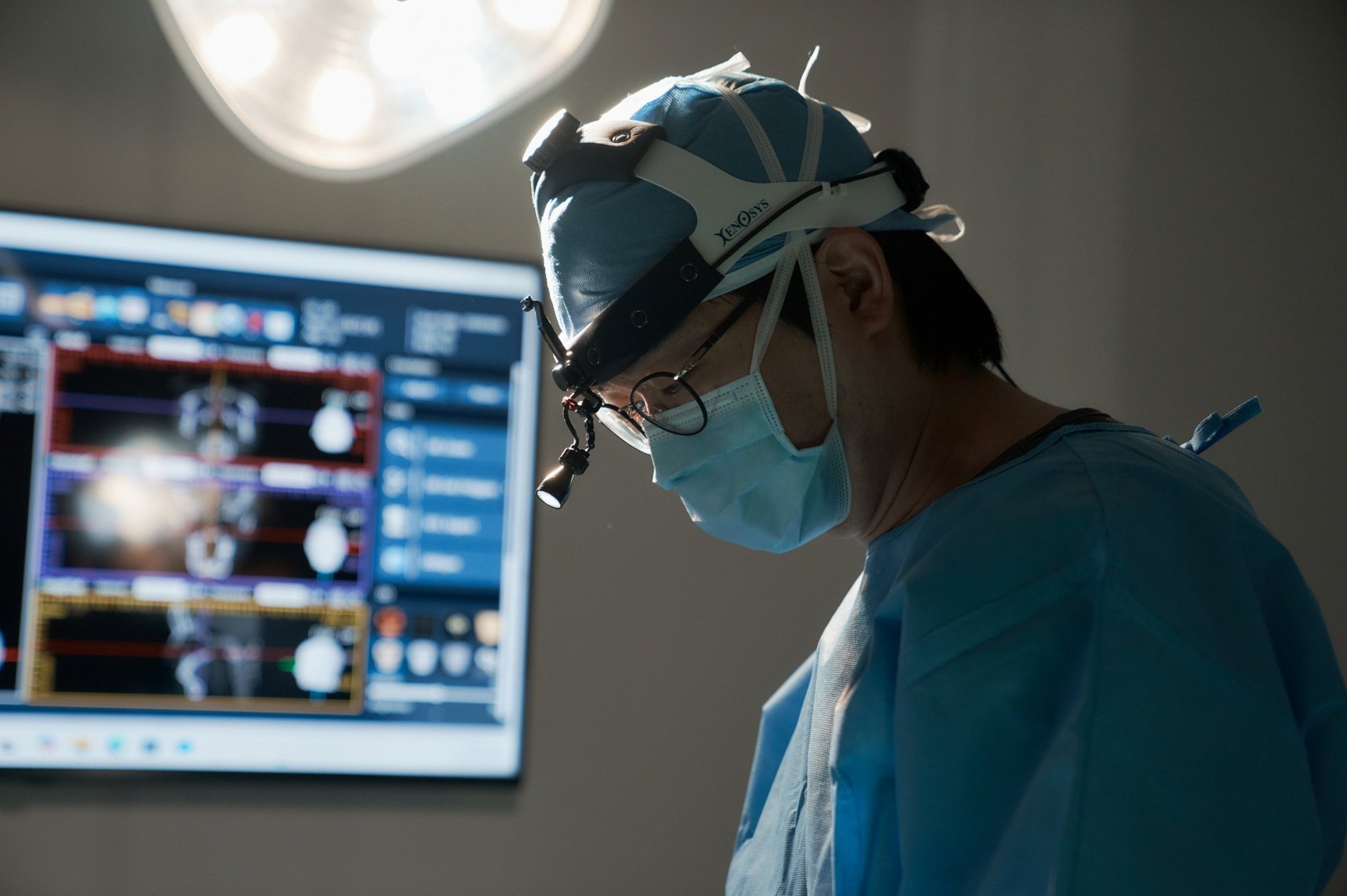
Direct answer: how much does a three‑area revision package cost?
When people search for facial contouring three‑jaw package price revision, they usually hope to see one clear number. In reality, revision facial contouring that includes cheekbone reduction, jaw angle reduction, and chin reshaping is highly individual, so there is no safe way to quote a single flat fee online.
As a general guideline, revision three‑area contouring is usually significantly more expensive than first‑time surgery. This is because the surgeon must work around previous bone cuts, plates and screws, scar tissue, and often correct asymmetry or functional issues. The price is influenced by how complex your case is, how long the operation is expected to take, and what is included in the package, such as imaging, anesthesia, hospitalization, and aftercare.
For international patients comparing clinics in Sinsa, Gangnam, and other parts of Seoul, the most realistic approach is to understand how the price is calculated, then request an individual quote after sharing your previous records and imaging.
Overview of revision three‑area facial contouring
In this context, a three‑area facial contouring package usually refers to surgery on all three key lower‑face and mid‑face bone areas at the same time:
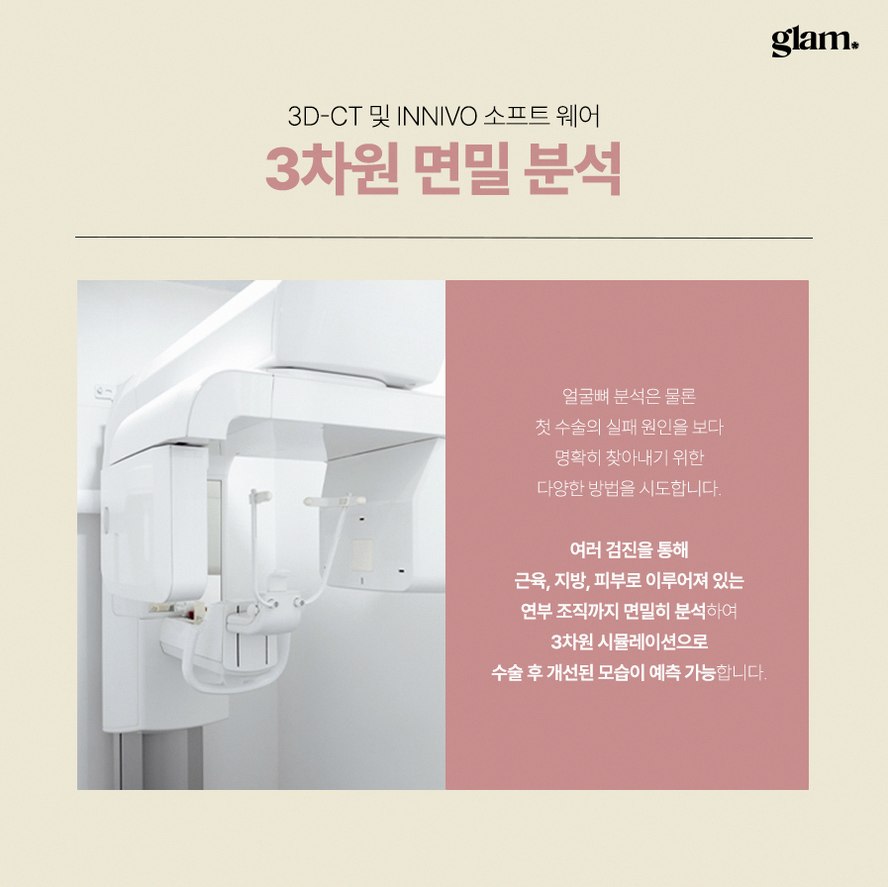
Cheekbone reduction: reshaping or repositioning the zygoma to reduce width or prominence.
Jaw angle reduction: contouring the back and side of the mandible to soften a square or bulky jawline.
Chin reshaping: modifying the front part of the mandible to adjust chin length, projection, or asymmetry.
In first‑time surgery, these procedures may be relatively straightforward, with planned osteotomy lines and predictable bone volume. In revision cases, however, the anatomy has already been changed. The surgeon may need to correct over‑resected bone, add volume or reposition segments, or refine areas that were under‑resected in the first operation.
Because the cheekbones, jaw angles, and chin all interact to create your overall facial balance, revising only one area sometimes makes the imbalance more obvious. This is why many revision patients are advised to consider all three areas together, even if the original problem seems to be only the jaw or only the chin.
Why revision is more complex than first‑time surgery
Revision facial contouring is not simply repeating the same operation. The surgeon must first understand exactly what was done before. This includes:
Existing osteotomy lines and bone defects.
Presence and position of plates and screws.
Areas of thin or weakened bone.
Changes in nerve position relative to the bone surface.
Scar tissue that makes dissection slower and more delicate.
Correcting asymmetry is often more challenging in revision surgery because the baseline is no longer a natural, untouched bone structure. The surgeon may need to rebuild proportions between the left and right sides, sometimes with limited remaining bone to work with. All of this adds time, planning, and technical difficulty, which is reflected in the package price.
Main factors that determine revision three‑area contouring price
Previous surgical method and current bone status
One of the biggest price drivers is what was done in your first surgery.
If the first operation involved only mild shaving, the bone structure may still be relatively intact. In such cases, revision may focus on smoothing irregularities or making moderate adjustments.
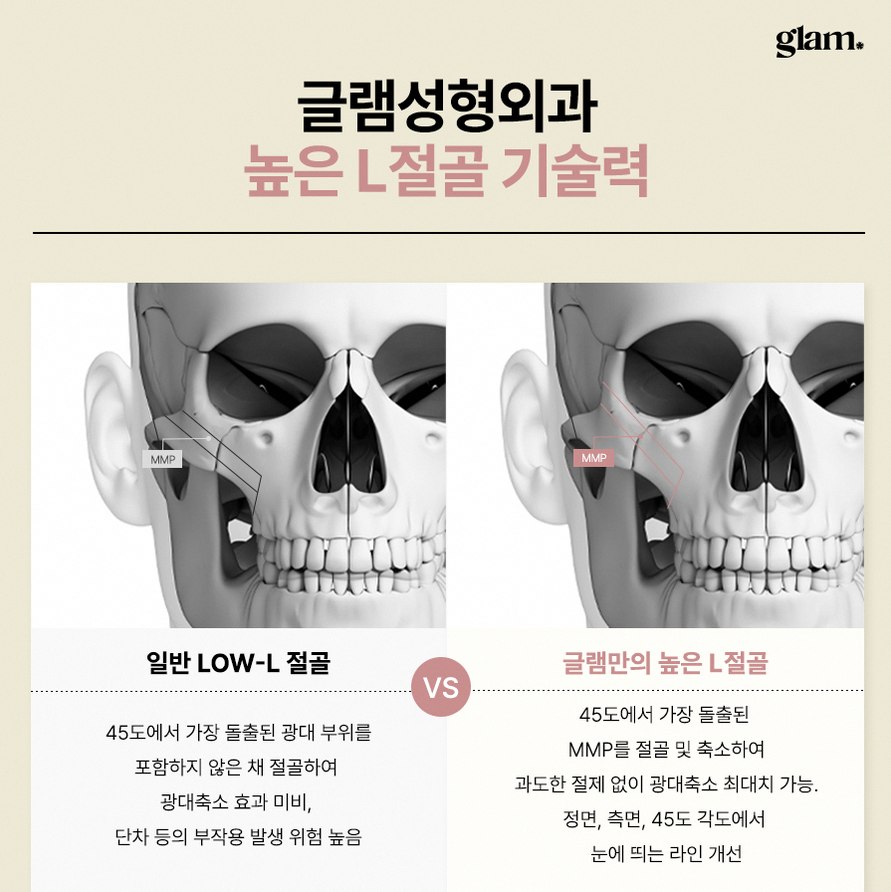
If full osteotomies were performed, especially for cheekbones and chin, the revision surgeon has to work with already cut and fixed segments. Correcting these can require more complex osteotomy designs and plate repositioning.
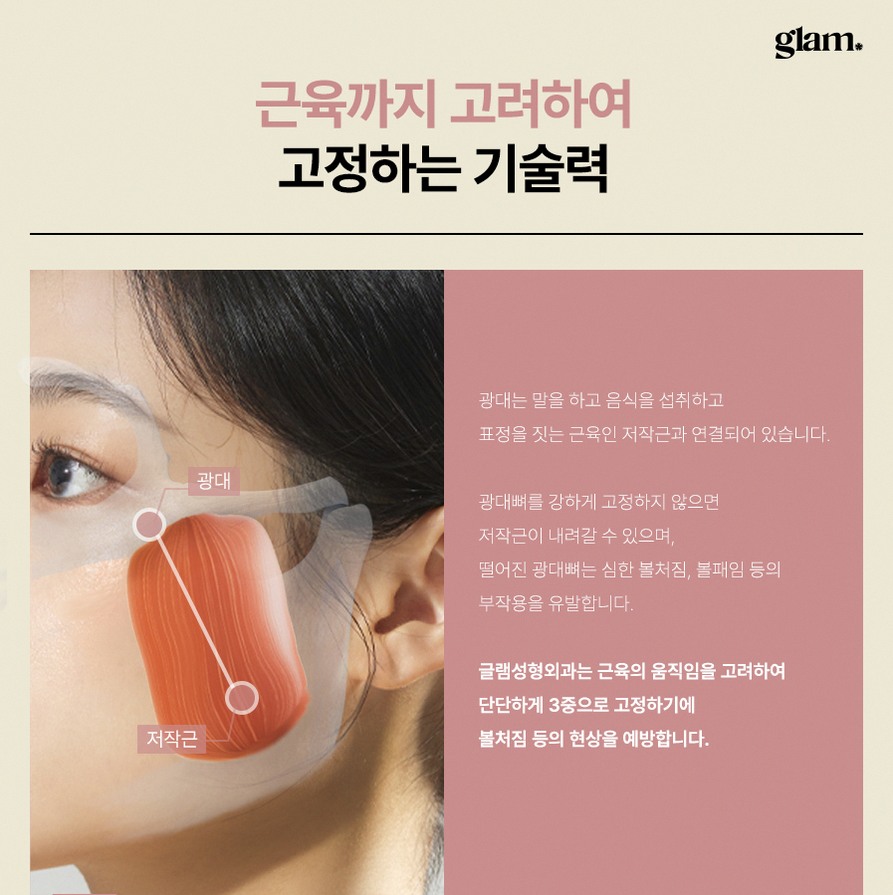
If multiple plates and screws are present, part of the operation may involve removing or changing them. Plate removal adds time and may require more extensive exposure of the bone.
If there is significant bone loss, over‑resection, or irregularity, the surgeon may need to prioritize structural safety over aggressive contouring. This can limit what is possible and may require more detailed planning.
Because of these variables, two patients both asking for “three‑area revision” can end up with very different surgical plans and prices.
Number of areas and type of correction
Even within the three‑area package, the exact work required in each area affects cost.
Cheekbone: Simple contour smoothing is very different from full repositioning of the zygomatic body and arch. Repositioning usually involves complex osteotomies, plate fixation, and careful control of facial width and projection.
Jaw angle: Some patients need only minor trimming of a remaining bony edge, while others need substantial reshaping of a bulky or asymmetric angle. If the previous surgery left irregular steps or asymmetry, more detailed sculpting is necessary.
Chin: Chin revision can involve shortening, lengthening, advancing, setting back, or rotating the chin segment. Correcting asymmetry or a “sliding” chin that has shifted can be technically demanding, especially when nerves are close.
The more areas that require full osteotomy and repositioning rather than simple shaving, the higher the overall difficulty and the higher the likely package price.
Imaging and diagnostic workup
Accurate pricing for revision three‑area contouring is not possible without detailed imaging. Most clinics that focus on facial bone surgery rely on:
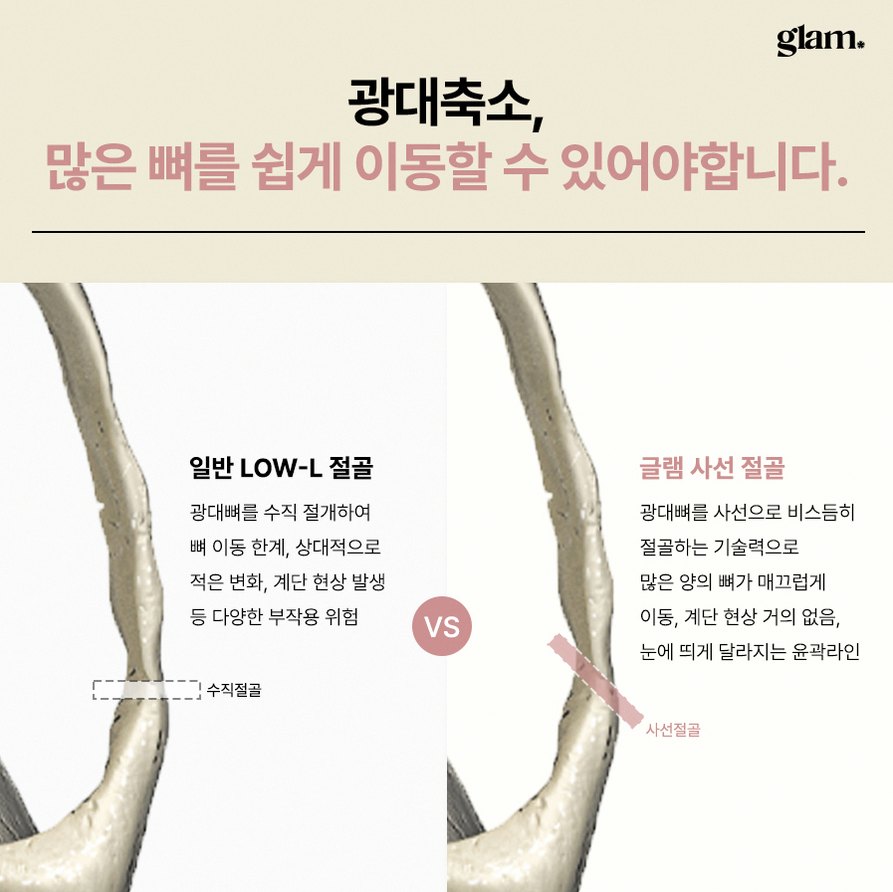
3D CT scans to visualize bone thickness, nerve canals, and previous osteotomy lines.
Cephalometric analysis to understand overall facial proportions and occlusion relationships.
Photographic analysis to link bone structure with external appearance.
These tests are not optional in revision cases. They are essential for safe planning and for deciding whether a three‑area approach is truly needed. Some clinics include imaging costs in the package price, while others charge separately. When comparing quotes, it is important to ask whether 3D CT and other tests are included.
Surgical time and difficulty
Revision surgeries usually take longer than first‑time operations. Scar tissue makes dissection slower, and the surgeon must proceed carefully around nerves and blood vessels that may no longer follow textbook positions.
Longer operating times increase costs because they require more use of the operating room, more staff time, and extended anesthesia. A complex three‑area revision may take several hours, especially when plates are removed or multiple asymmetries are corrected at once.
Anesthesia and safety system
For long facial bone operations, anesthesia is a major component of both safety and comfort. Some clinics have a dedicated board‑certified anesthesiologist present throughout the surgery, responsible for monitoring vital signs, adjusting anesthesia depth, and managing pain control.
This kind of system can increase the base cost of surgery but provides stability for lengthy revision cases. When you receive a quote, check whether anesthesia is included and whether a specialist anesthesiologist is in charge during the entire procedure.
Hospitalization and aftercare
Three‑area revision contouring often requires at least a short inpatient stay for monitoring, pain control, and early swelling management. The length of hospitalization and what is included will influence the package price.
Some clinics include structured aftercare programs in their revision packages, such as:
LED therapy to support healing.
Facial dome care to help manage swelling.
Total skin reset care to improve skin condition after surgery.
Radiofrequency lifting to assist with tissue tightening and lymphatic flow.
Other clinics may offer these as optional add‑ons. When you compare prices, always ask whether hospitalization, meals, nursing care, and aftercare sessions are included or billed separately.
Why you should not choose revision three‑area contouring by price alone
Revision facial contouring carries specific risks that are higher than in first‑time surgery. These can include:
Nerve damage leading to temporary or sometimes prolonged numbness.
Worsening asymmetry if bone segments are not repositioned accurately.
Structural weakness or contour collapse if too much bone was removed in the first surgery and not enough support remains.
Because of these risks, the cheapest quote is rarely the safest choice. It is more important to evaluate the surgeon’s experience in facial bone revision, their ability to interpret 3D imaging, and their willingness to recommend only the minimum necessary corrections.
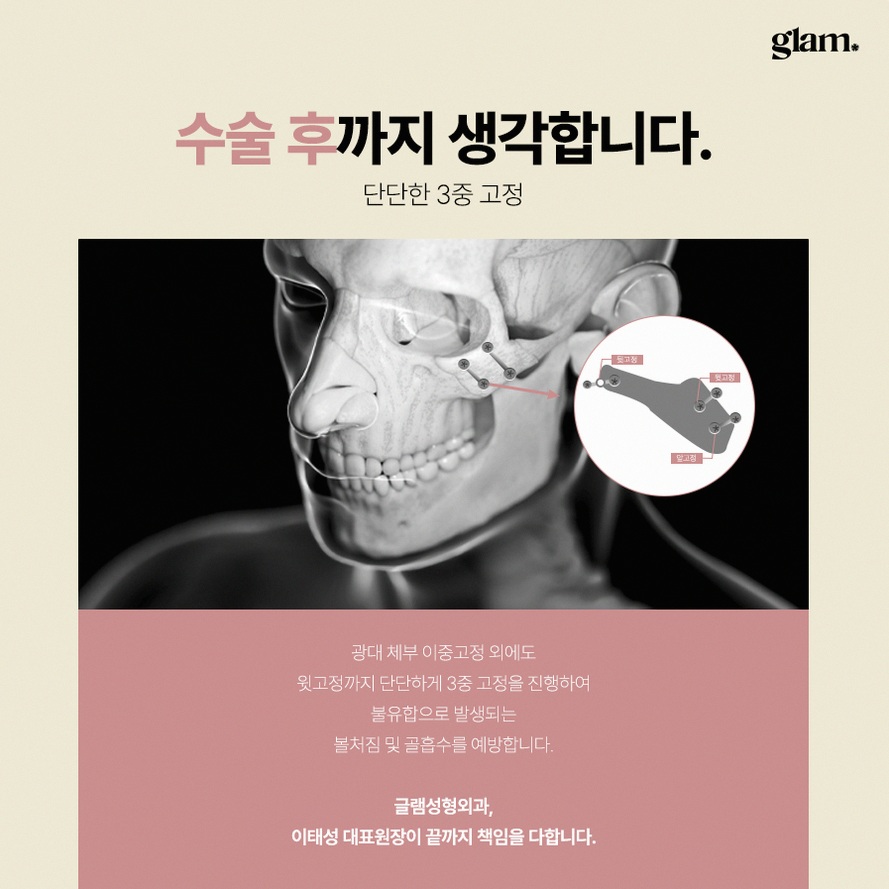
A surgeon with long‑term focus on facial bone surgery, supported by clinical research and publications, is more likely to base your revision plan on evidence and accumulated experience rather than trial and error. A clinic that limits its practice to double jaw and facial contouring, instead of offering every cosmetic procedure, may also have more standardized protocols for complex bone work.
Who may consider three‑area revision facial contouring
Three‑area revision is not for everyone. It may be considered in situations such as:
Persistent wide or prominent cheekbones after previous reduction surgery.
A square or bulky jawline that remains or has become irregular after jaw angle reduction.
A chin that looks too long, too short, too protruded, or deviated after previous reshaping.
Clear asymmetry between the left and right sides of the face that is related to bone position.
Functional concerns such as discomfort, bite changes related to previous contouring, or feelings of tightness.
Even if you feel unhappy with all three areas, a careful surgeon will first check whether revising all of them is truly necessary. In some cases, partial correction can provide enough improvement with less risk and lower cost.
How a facial bone–focused clinic approaches revision pricing
GLAM Plastic Surgery, located in Sinsa, Gangnam in Seoul about 200 meters from Sinsa Station Exit 1, is an example of a clinic that focuses only on facial bone surgery, including double jaw and facial contouring, with many revision cases.
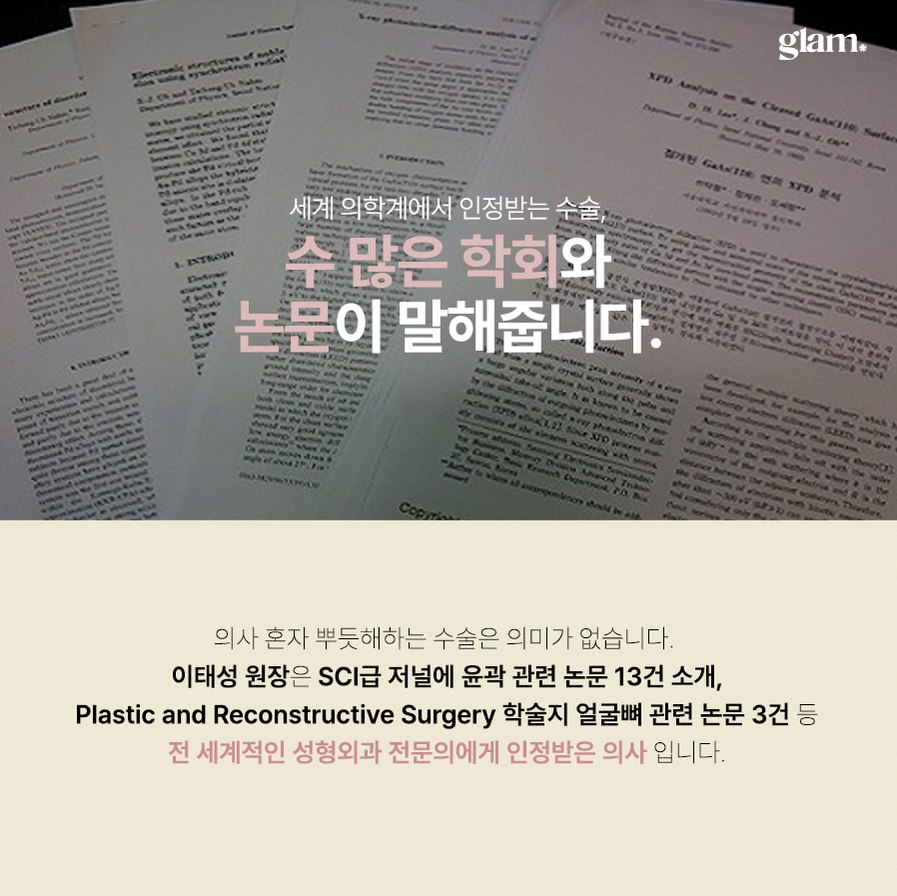
The medical staff structure includes one board‑certified plastic surgeon specializing in facial bone surgery and one board‑certified anesthesiologist responsible for anesthesia and pain management. The lead surgeon has around 20 years of experience in facial bone surgery and has published 13 SCI‑level papers on contouring and double jaw surgery as of February 2025, including three in the journal Plastic and Reconstructive Surgery. This kind of background supports an approach where revision plans are based on both clinical experience and research.
In such a setting, revision three‑area pricing is typically guided by the following principles:
No flat “one price fits all” fee for revision packages. Each quote is based on individual imaging and diagnosis.
Only the minimum necessary procedures are proposed, which can be reassuring for patients who worry about over‑treatment after a disappointing first surgery.
The price reflects not only the surgical act but also the safety system, anesthesia, possible hospitalization, and structured aftercare.
The focus is on long‑term stability and function, not just a short‑term change in appearance.
This example can help you know what to look for when you compare clinics in Korea or elsewhere.
Online consultation and pre‑visit preparation for overseas patients
If you live outside Korea, the first step is usually an online consultation. To receive a realistic assessment and a preliminary price range for three‑area revision, prepare the following in advance:
Clear front, 45‑degree, and side photos of your face in good lighting, without filters.
If possible, copies of your previous operative reports, including diagrams of bone cuts.
Any 3D CT or X‑ray images you have from before or after your first surgery.
A short summary of what you dislike now: for example, “left cheekbone still wide,” “jawline uneven,” “chin looks too long,” or “face feels asymmetric in photos.”
Information about any medical conditions, medications, allergies, or history of anesthesia problems.
During the online consultation, ask specifically whether the clinic has extensive experience with revision three‑area contouring, what imaging they will perform on arrival, and how they structure their package for overseas patients.
Expected Korea visit timeline for three‑area revision
Every clinic has its own schedule, but a typical timeline for international patients might look like this:
Day 1: Arrival in Seoul and initial in‑person consultation. 3D CT and other imaging are performed. The surgeon reviews your previous history, examines your face, and confirms whether three‑area revision is appropriate. A detailed surgical plan and final price are explained.
Day 2 or 3: Surgery day. You are admitted, undergo anesthesia, and the operation is performed. Depending on the clinic’s policy, you may stay in the hospital overnight for monitoring.
First week: Frequent follow‑up visits for wound checks, swelling management, and early aftercare such as LED therapy or facial dome care. Many patients stay in nearby accommodation in Sinsa or Gangnam for convenience.
Weeks 2–3: Continued follow‑up, removal of stitches if needed, and additional aftercare sessions such as total skin reset care or radiofrequency lifting, depending on your package.
After 3–4 weeks: Many overseas patients are able to return home, with ongoing swelling gradually improving over several months. Long‑distance follow‑up can be done via online consultations and shared photos.
Your exact stay may be shorter or longer depending on the complexity of your revision and your personal recovery. When planning flights and accommodation, always confirm the recommended minimum stay with the clinic.
Aftercare and recovery considerations
Recovery after three‑area revision is usually slower than after first‑time surgery because the tissues have already been operated on once. Common points to expect include:
Swelling: The first week is typically the most swollen. Swelling then gradually decreases over several weeks to months. Aftercare programs such as LED therapy, facial dome care, and radiofrequency lifting can support this process.
Numbness: Temporary numbness or altered sensation in the cheeks, lower lip, or chin area is common. It often improves with time but can take months.
Diet: Soft or semi‑liquid food is usually recommended in the early period, especially if jaw function feels stiff or uncomfortable.
Activity: Light walking is encouraged, but heavy exercise and contact sports are usually restricted for several weeks to protect the bones.
Your surgeon will provide detailed instructions tailored to your case. Following these carefully is just as important as the surgery itself for achieving a stable and safe outcome.
Questions to ask before deciding on a clinic
When you compare three‑area revision packages, do not look only at the headline price. Consider preparing a checklist of questions, such as:
How many revision three‑area contouring cases does the surgeon perform each year?
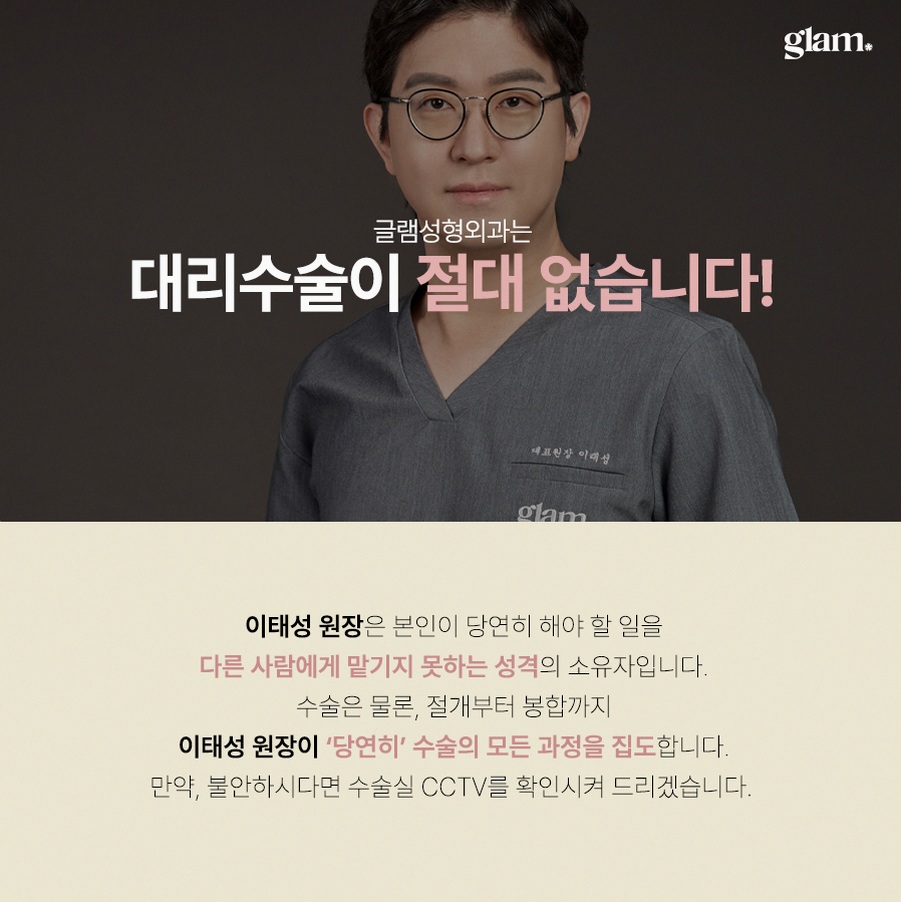
Will the lead surgeon perform my operation from start to finish, or will parts be delegated?
Is there a board‑certified anesthesiologist present throughout the surgery?
What imaging is included in the package price, and will I receive copies of my scans?
Does the package include hospitalization, meals, and nursing care after surgery?
Which aftercare treatments are included, and how many sessions are provided?
What is the recommended minimum stay in Korea, and how many in‑person follow‑ups will I have?

Having clear answers to these points will help you understand why one clinic’s package may be more or less expensive than another’s, beyond simple marketing.
FAQ about revision three‑area facial contouring price
Is revision three‑area facial contouring always more expensive than first‑time surgery?
In most cases, yes. Revision surgery is usually more expensive than primary surgery because it is more complex and time‑consuming. The surgeon must work around previous bone cuts, plates, screws, and scar tissue, and often needs more detailed imaging and planning. However, the exact difference in price varies widely depending on your individual case and the clinic’s system.
Can I revise only one or two areas instead of all three to reduce cost?
It is sometimes possible to revise only one or two areas, and this can reduce both risk and cost. However, whether this is advisable depends on your facial balance and the source of your dissatisfaction. A careful surgeon will analyze your 3D CT and photos to see if limited revision can achieve a harmonious result, or if leaving one area untouched would make asymmetry more noticeable.
How long should I wait after my first contouring surgery before considering revision?
In general, surgeons prefer to wait until swelling has largely resolved and the bone and soft tissues have stabilized. This often means at least 6 to 12 months after the first surgery, depending on the extent of the original procedure and your healing speed. An earlier consultation can still be helpful for planning, but the actual revision operation may be scheduled later for safety.

What kind of imaging is necessary before getting an accurate price quote?
For a precise surgical plan and accurate quote, 3D CT imaging is usually essential in revision three‑area contouring. It allows the surgeon to see previous osteotomy lines, plate positions, bone thickness, and nerve pathways. Cephalometric analysis and clinical photos are also important. Some clinics may give a rough range based on photos and history alone, but a final confirmed price is usually provided only after full imaging.
Soft call to action for online consultation
If you are considering revision facial contouring for cheekbones, jaw angles, and chin in Korea and want to understand a realistic package price, the safest next step is an individualized assessment. Clinics such as GLAM Plastic Surgery in Sinsa, Gangnam focus exclusively on facial bone surgery, with a dedicated facial bone surgeon and anesthesiologist working together on complex revision cases.
By sharing your previous records, photos, and any existing scans through an online consultation, you can receive a more accurate explanation of what kind of three‑area revision is possible for you, what the likely cost range would be, and how long you should plan to stay in Seoul. This approach allows you to make a calm, informed decision rather than choosing based on a single number seen online.




- 공유 링크 만들기
- X
- 이메일
- 기타 앱


댓글
댓글 쓰기