Facial bone surgery revision contouring in Seoul for overseas patients
- 공유 링크 만들기
- X
- 이메일
- 기타 앱
Direct answer summary
If you've already had jawline, cheekbone, or double-jaw surgery and are unhappy with the result, you may need revision facial contouring. This is a second (or later) operation on the facial bones to correct asymmetry, an unnatural shape, or functional problems (for example, bite issues). Because the bones were previously cut and healed, revision is usually more complex. It requires careful evaluation, realistic goals, and a surgeon who specializes in facial bone surgery.
Treatment overview: what is revision facial contouring surgery?
Facial bone surgery includes procedures that reshape the jawline, chin, and cheekbones to improve facial balance and profile. Common examples are cheekbone reduction, square jaw reduction, V-line surgery, and double jaw surgery.
Revision facial contouring surgery means operating again on these bones after a previous procedure. The aim may be to refine the shape, correct asymmetry, improve a jaw that still looks too wide or too sharp, or address functional issues such as bite problems or jaw joint discomfort.
Typical reasons people consider revision facial contouring include:
Asymmetry or imbalance that did not improve with time.
Over-resection of bone, where the face looks too narrow, hollow, or aged.
Under-resection, where the jaw or cheekbones still look too wide or prominent.
Sagging soft tissue or hollowed areas after aggressive bone reduction.
Functional issues such as malocclusion, difficulty chewing, or temporomandibular joint discomfort after double jaw or jawline surgery.
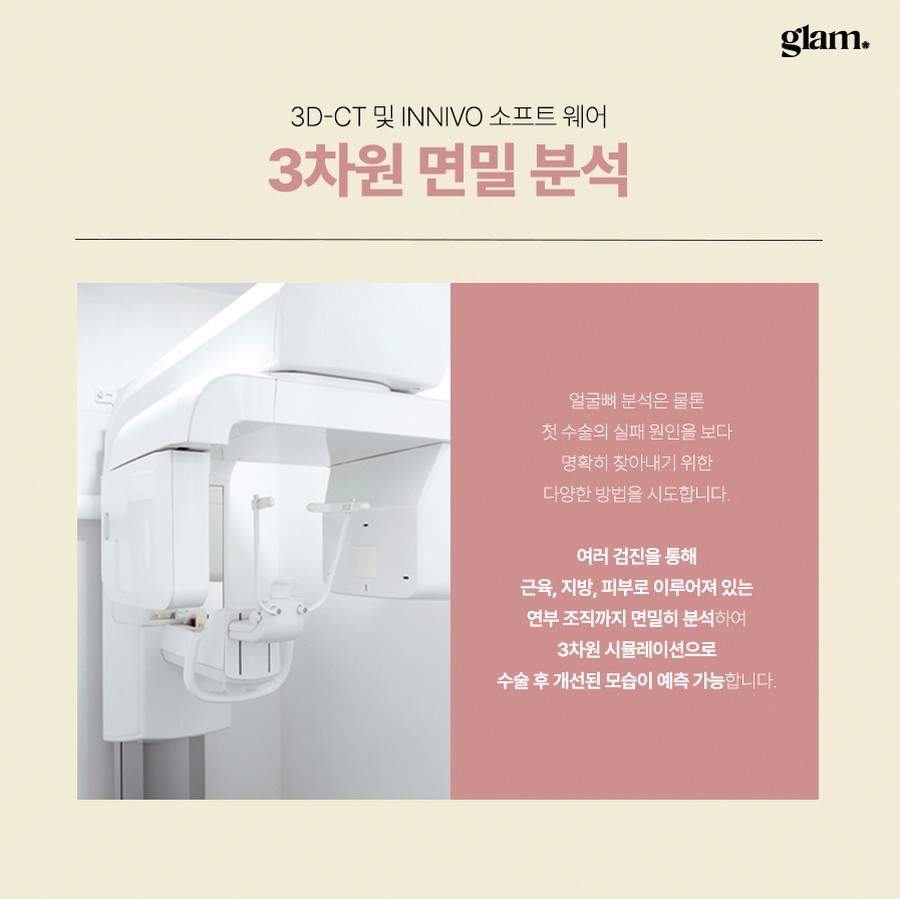
Revision surgery is different from primary facial bone surgery because the bone has already been cut, repositioned, and healed. Scar tissue, previous fixation plates or screws, and changes in soft tissue all make planning and execution more demanding.
Highly focused facial bone surgery center in Gangnam
Some centers in Seoul focus only on facial bone surgery rather than offering a wide range of cosmetic procedures. GLAM Plastic Surgery, located on the 4th floor on Dosan-daero in Gangnam about 200 meters on foot from Sinsa Station Exit 1, is an example of a clinic that limits its lineup to facial bone procedures: double jaw surgery, facial contouring (cheekbone reduction, V-line, square jaw), and revision surgery in these areas.
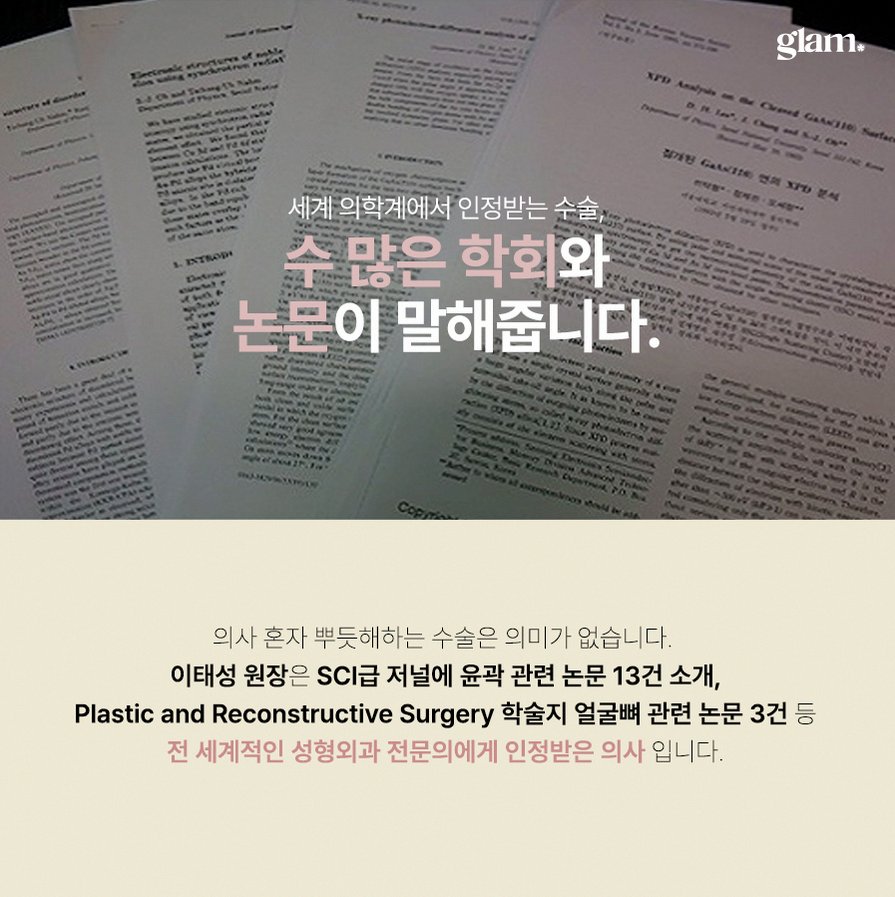
At such a focused center, the medical staff typically includes one board-certified plastic surgeon specializing in facial bone surgery and one board-certified anesthesiologist dedicated to anesthesia and pain management. The lead surgeon at this clinic has around 20 years of experience in facial bone surgery (as of February 2025) and, as of February 2025, has 13 SCI-level papers as first or corresponding author, including several in the journal Plastic and Reconstructive Surgery. This academic background can be reassuring for patients considering complex revision operations.
Who may consider revision facial bone surgery?
Revision facial contouring is not for everyone who simply dislikes their appearance after surgery. It is usually considered when there are clear structural or functional issues that are unlikely to improve with time or minor procedures.
Typical indications for revision include:
Persistent facial asymmetry: One side of the jaw or cheekbone is noticeably different from the other, and this has not improved with healing.
Jawline concerns after square jaw or V-line surgery: The jaw may still look too wide or masculine, or conversely too sharp, bumpy, or irregular.
Cheekbone problems: The cheekbones may remain too prominent, or the midface may appear sunken or flat after previous cheekbone reduction.
Chin shape issues: The chin may be too long, too short, or deviated to one side after V-line surgery or genioplasty.
Functional problems after double jaw or jawline surgery: Malocclusion, difficulty closing the mouth comfortably, jaw joint pain, or difficulty chewing.
At the same time, not every dissatisfaction requires another bone operation. In some cases, non-surgical or soft tissue procedures such as fat grafting, lifting, or skin-tightening treatments may be enough to soften edges or improve minor irregularities. A careful surgeon will usually recommend the minimum necessary intervention rather than immediately suggesting another major bone surgery.
How revision differs from primary facial bone surgery
In a first-time facial bone surgery, the surgeon works with untouched bone and soft tissue. In revision cases, the anatomy has already changed:
Bone has been cut, shaved, or moved, and then healed.
Scar tissue is present in the soft tissues.
Nerves and blood vessels may be closer to the surface of the bone or in slightly different positions.
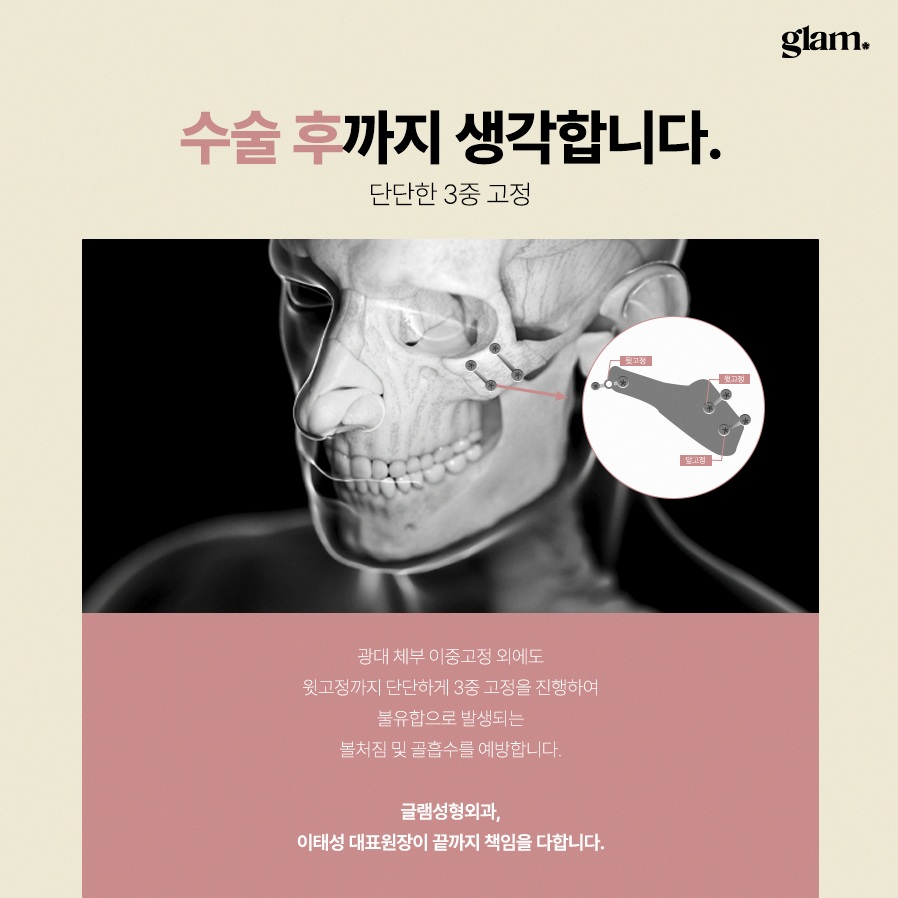
Fixation plates and screws may still be present.
Because of this, revision surgery often requires more detailed imaging, more time in the operating room, and more careful dissection. The goals are usually more specific and limited: correcting a particular asymmetry, smoothing a step deformity, or improving occlusion, rather than completely redesigning the face.
Key evaluation process before revision surgery
Before deciding on revision facial contouring, a thorough evaluation is critical. For overseas patients, part of this process often starts online and is completed in person in Seoul.
Typical preoperative evaluation includes:
Detailed consultation about the first surgery: You will be asked what procedures you had, when and where they were performed, and what your original concerns and goals were. If you have operative reports or previous imaging, these are very helpful.
Review of previous medical records and imaging: Old X-rays, CT scans, or photos can show how much bone was removed or moved, and how your face has changed over time.
New imaging studies: 3D CT scans and X-rays are usually taken to understand the current bone shape, thickness, nerve positions, and healing status. This is especially important in revision cases where the safety margin around nerves and roots is reduced.
Assessment of occlusion and jaw function: The surgeon will check how your upper and lower teeth meet, how your jaw moves, and whether there is pain or noise in the jaw joints.
Soft tissue evaluation: The quality and thickness of skin and soft tissue, areas of sagging, and hollowed regions are assessed to see whether bone changes alone can solve the problem.
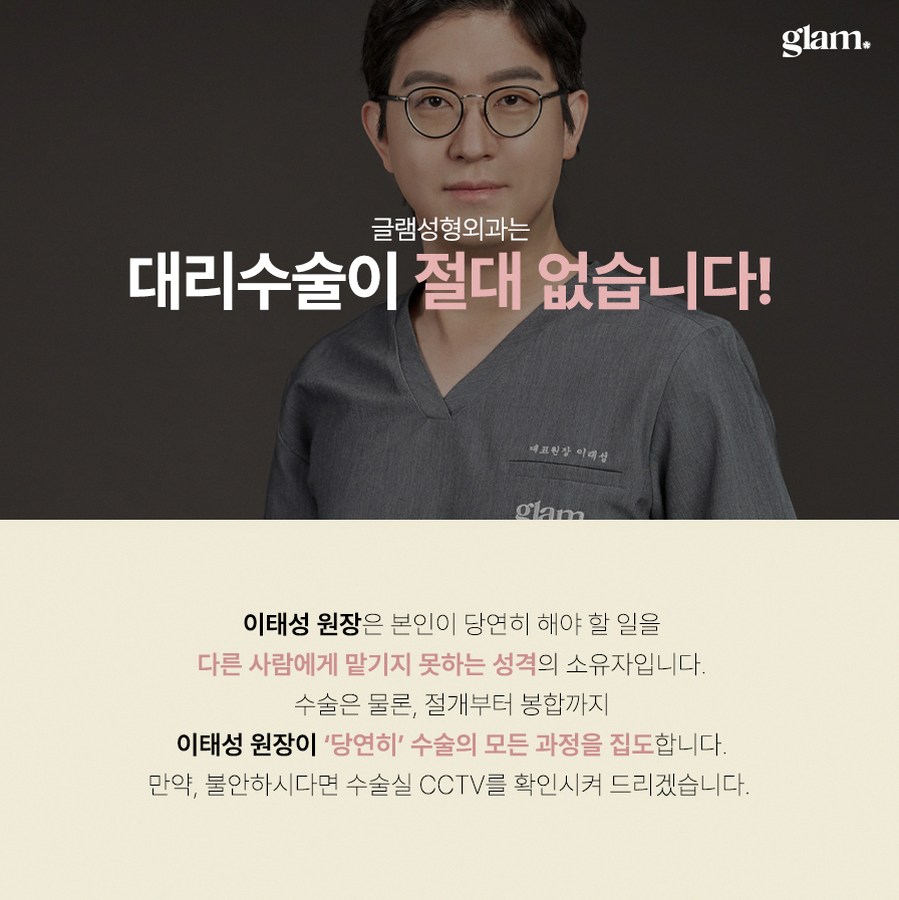
Revision surgery benefits from a surgeon who focuses specifically on facial bone surgery, because they must balance aesthetics and function. At some focused centers, the lead surgeon personally performs the surgery and is known for recommending only the minimum necessary procedures, which can be reassuring for patients who are worried about over-treatment.
Surgical strategies in revision facial contouring
The exact surgical plan depends on your individual anatomy and previous operations. However, there are common patterns in revision facial bone surgery.
Revision square jaw or V-line surgery
In revision of the lower jaw and chin, the surgeon may:
Adjust residual bone if the jaw still looks too wide.
Correct asymmetry by reshaping one side more than the other.
Smooth irregular edges or step deformities that can be felt or seen along the jawline.
Restore some volume or projection if too much bone was removed, sometimes by repositioning bone segments or using grafts.
The aim is to create a smoother, more balanced jawline while protecting important structures such as the inferior alveolar nerve.
Revision cheekbone surgery
For cheekbone revision, common goals include:
Repositioning or re-fixating cheekbones that were moved too far inward or downward.
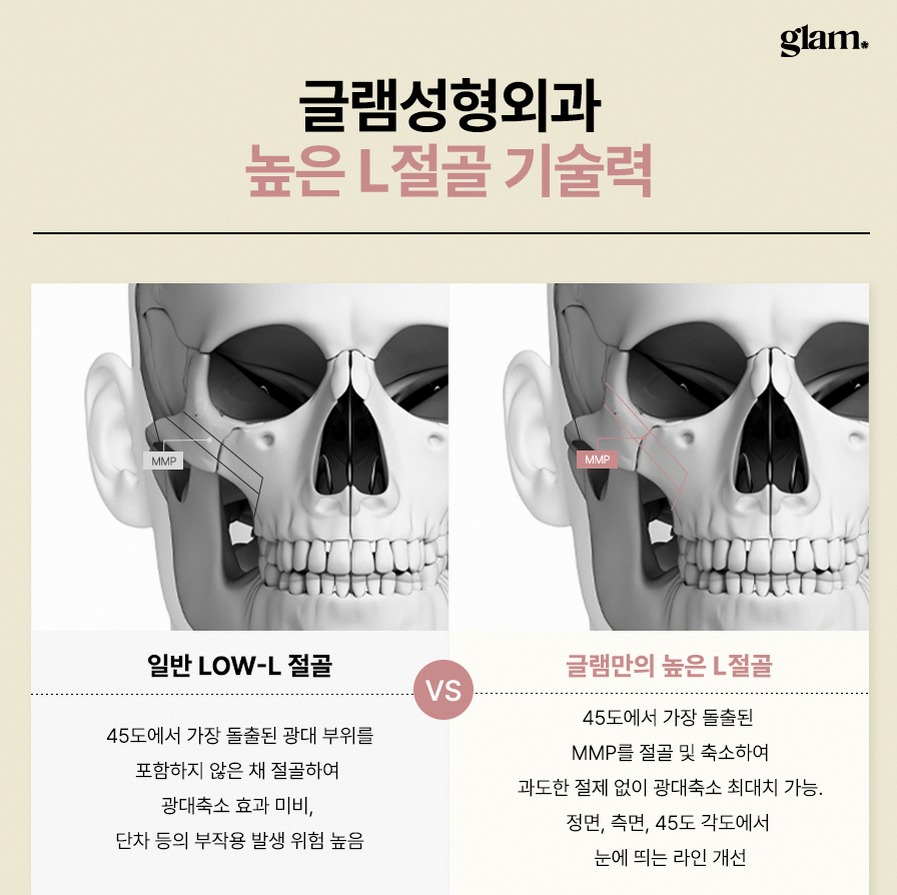
Correcting step deformities between the cheekbone and surrounding bones.
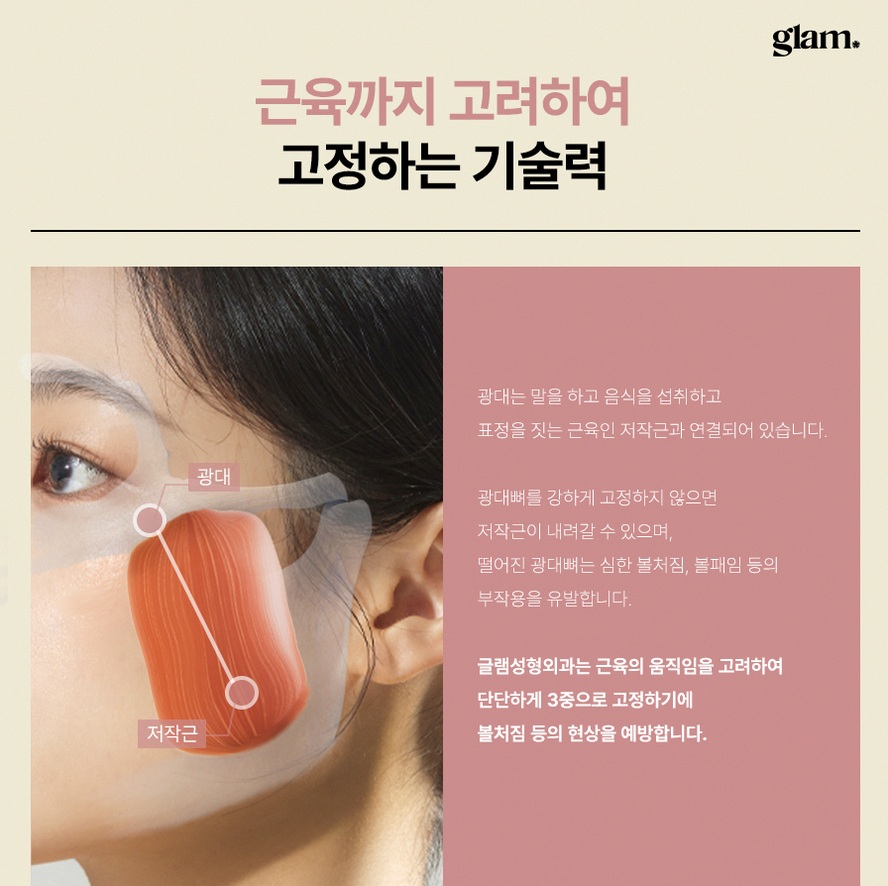
Addressing a flattened or sunken midface by adjusting bone position or combining bone work with soft tissue support.
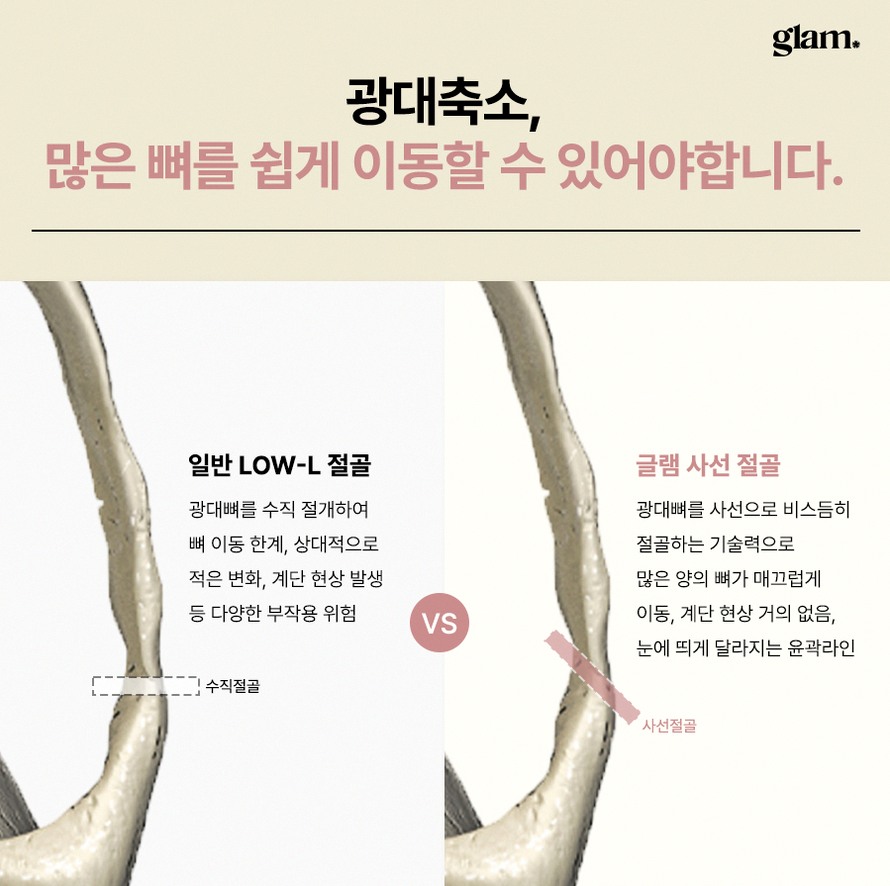
Because the cheekbone is closely related to the eye area and the maxillary sinus, precise imaging and careful planning are essential.
Revision double jaw surgery
Revision double jaw surgery is among the more complex facial bone procedures. It may be considered when there are ongoing functional issues or significant profile concerns after the first operation.
Typical goals include:
Re-aligning the upper and lower jaws to improve occlusion.
Correcting residual jaw protrusion or retrusion.
Improving facial balance between the midface and lower face.
Some centers aim to reduce patient discomfort by using techniques that avoid prolonged intermaxillary fixation (wiring the jaws together) when appropriate, but the exact method depends on your case and the surgeon’s judgment.
Across all revision procedures, the surgeon must respect the location of nerves, blood vessels, and any existing plates or screws. The goal is not simply to cut more bone, but to restore harmony between bone structure, soft tissue, and bite function.
Timing and candidacy for revision surgery
Timing is a key question for many patients who are unhappy after their first facial bone surgery.
General timing guidelines
In most cases, revision is considered only after sufficient healing from the first surgery. This often means waiting at least 6 to 12 months, sometimes longer. During this period, swelling continues to decrease, soft tissues settle, and minor asymmetries may improve on their own.
Early revision may be considered in special situations, such as severe functional problems, infection, or hardware issues. These decisions should be made by a specialist after careful examination.
Who may not be a good candidate?
Revision facial bone surgery may not be appropriate if:
You have unrealistic expectations, such as wanting a completely different face regardless of anatomical limits.
There are signs of body dysmorphic tendencies, where perceived defects are much greater in your mind than in reality.
You have uncontrolled systemic diseases, poor bone quality, or conditions that significantly increase surgical risk.
You are not able to follow postoperative instructions or attend necessary follow-up visits.
If you are unsure whether you truly need revision surgery, seeking more than one professional opinion can be helpful. Different surgeons may suggest different approaches, including non-surgical options.
Safety, anesthesia, and perioperative management
Revision facial bone surgery is often longer and technically more demanding than a first-time operation. For this reason, the anesthesia and perioperative system are very important.
Role of a dedicated anesthesiologist
A board-certified anesthesiologist focuses on:
Continuous monitoring of vital signs during long operations.
Tailored anesthesia plans based on your health, previous anesthesia experiences, and the expected length and complexity of surgery.
Airway management, which is particularly important in facial bone surgery.
Pain control during and after surgery, including strategies to reduce nausea and discomfort.
At clinics that specialize in facial bone surgery, such as GLAM Plastic Surgery, For patients traveling from abroad, knowing that anesthesia is managed by a dedicated specialist can help them feel safer about undergoing complex revision procedures.
Perioperative management
Before surgery, you can expect:
Preoperative tests such as blood work, ECG, and imaging.
Instructions on fasting, medications to stop, and postoperative care.
After surgery, you will be monitored for bleeding, airway stability, pain control, and early signs of complications. Clear communication with the medical team about your symptoms is important, especially in revision cases where swelling and discomfort may be more pronounced.
Postoperative care and swelling management
Recovery after revision facial bone surgery is similar in many ways to the first operation, but swelling and healing can sometimes take longer due to scar tissue and repeated dissection.
General recovery expectations
Swelling and bruising: These may be more noticeable and last longer than after your first surgery. It can take several weeks for major swelling to settle and several months for subtle changes to stabilize.
Numbness and tightness: Temporary numbness or tightness around the jaw, chin, or cheeks is common. Sensation usually improves over time, but some residual changes can remain.
Diet and activity: A gradual return to normal diet and activity is planned according to the type of surgery and your healing. Soft or liquid diets may be required for a period, especially after double jaw revision.
Supportive postoperative programs
Some clinics offer structured postoperative care programs to support recovery and help manage swelling. These may include:
LED therapy: Light-based treatments aimed at supporting circulation and healing.
Facial care programs: Gentle facial treatments to help skin and soft tissue recover.
Radiofrequency lifting devices: These can support skin tightening and help adapt soft tissue to the new bone structure.
These methods are supportive, not substitutes for proper surgery or medical treatment. They may help you feel more comfortable during recovery and may contribute to a smoother contour as swelling resolves.
Psychological aspects and setting realistic expectations
Facing a second facial bone surgery can be emotionally exhausting. Many patients feel regret, anxiety, or loss of trust after a disappointing first operation.
Clarifying your priorities
Before deciding on revision, it can help to write down your main priorities in order:
Is symmetry your top concern?
Do you mainly want a softer jawline or less prominent cheekbones?
Are you most bothered by functional issues such as bite problems or jaw pain?
Bringing this list to your consultation helps the surgeon understand what matters most to you and design a plan that targets your key concerns.
Realistic expectations
Revision surgery can often improve facial balance, correct obvious irregularities, and address functional problems. However, it cannot always restore your face to exactly how it was before any surgery. Bone that has been removed cannot always be fully replaced, and soft tissues may not behave exactly as they did before.
Honest communication with your surgeon is essential. A responsible surgeon will explain:
What can likely be improved.
What may not change significantly.
What new risks or trade-offs may appear with revision.
In many cases, the safest and most reasonable plan is the least aggressive one that still addresses your main issues.
Choosing a clinic for revision facial bone surgery
When you are considering revision surgery abroad, especially in a city like Seoul, it can be difficult to compare clinics. Instead of focusing only on photos or marketing phrases, consider the following points.
What to look for
Focused experience: A surgeon whose practice is concentrated on facial bone surgery and revision cases may be more familiar with complex anatomy and previous surgical changes.
Academic and clinical background: Long-term experience and peer-reviewed publications in facial bone surgery can indicate that the surgeon is engaged with evidence-based practice, not only trends.
Clear responsibility: It should be clear who will actually perform your surgery and who will be responsible for planning, operating, and follow-up.
Anesthesia system: The presence of a board-certified anesthesiologist for complex bone operations can add a layer of safety.
Transparent explanation of risks and alternatives: A trustworthy clinic explains not only the potential benefits, but also the risks, limitations, and the possibility that no surgery may be the best option.
The lead surgeon’s SCI-level publications in this field, including work in Plastic and Reconstructive Surgery, illustrate one way that some centers demonstrate their expertise.
Online consultation and pre-visit preparation for overseas patients
If you live outside Korea, your first step is usually an online consultation. Many facial bone surgery centers in Seoul support multiple languages such as Japanese, English, and Thai, and have dedicated channels for international patients.
Preparing for an online consultation
To make your consultation more productive, prepare the following:
Front, 45-degree, and side-view photos of your face in good lighting, without filters.
Any previous imaging (X-rays, CT scans) if available.
Operative reports or discharge summaries from your first surgery.
A written list of your main concerns and priorities.
Information about your medical history, medications, allergies, and previous anesthesia experiences.
During the online consultation, ask specific questions such as:
Do you think my concerns can be addressed with bone surgery, soft tissue procedures, or both?
What additional tests or imaging will I need in Seoul?
How long should I plan to stay in Korea for surgery and follow-up?
What are the main risks in my particular case?
Expected Korea visit timeline for revision facial bone surgery
Each clinic has its own schedule, but a typical timeline for overseas patients might look like this.
Before arrival
Online consultation and preliminary plan.
Tentative surgery date reservation.
Day 1–2 in Seoul
In-person consultation and examination.
3D CT, X-rays, and preoperative tests.
Finalization of the surgical plan and consent.
Day 3–4
Surgery day.
Postoperative monitoring in the clinic or recovery room.
First week after surgery
Regular check-ups for wound care, swelling assessment, and medication adjustments.
Guidance on diet, oral hygiene, and activity.
Second week and beyond
Removal of stitches if needed.
Additional postoperative care sessions such as LED therapy or facial care, if included.
Preparation for return travel once the surgeon confirms it is safe.
Many international patients stay in Korea for about 2 to 3 weeks after revision facial bone surgery, depending on the complexity of the procedure and their general health. You should discuss your individual schedule with the clinic in advance.

Aftercare once you return home
After you leave Korea, ongoing communication with the clinic remains important.
You may be asked to:
Send periodic photos to monitor swelling and symmetry.
Report any unusual symptoms such as fever, severe pain, or sudden changes in sensation.
Follow local medical advice if you need urgent care, while keeping the operating clinic informed.
A soft diet, good oral hygiene, and avoiding smoking and heavy alcohol intake are usually recommended for a period after surgery. Your surgeon will give detailed instructions tailored to your procedure.
FAQ about revision facial contouring and overseas treatment
How do I know if I really need revision facial contouring surgery or if non-surgical options are enough?
If your concerns are mainly about minor irregularities, mild soft tissue sagging, or small volume loss, non-surgical options such as fat grafting, lifting procedures, or skin-tightening treatments may be sufficient. However, if you have clear bone-related issues such as significant asymmetry, a jawline that is structurally too wide or too narrow, or functional problems like malocclusion or jaw pain, revision facial bone surgery may be necessary. A proper answer requires imaging and a consultation with a surgeon who can distinguish between bone and soft tissue causes.
How long should I wait after my first facial bone surgery before considering revision?
In many cases, surgeons recommend waiting at least 6 to 12 months after the first surgery before planning revision. This allows swelling to resolve and soft tissue to adapt, so you can see the true final result. Early revision may be considered for serious complications or severe functional problems, but this is decided on a case-by-case basis. During the waiting period, regular follow-up and conservative treatments may help manage symptoms.
Is revision facial bone surgery more dangerous than the first surgery?
Revision surgery is often more complex because of scar tissue, previous bone cuts, and existing plates or screws. This can increase technical difficulty and sometimes the risk of certain complications. However, with careful planning, detailed imaging, and an experienced facial bone surgeon working with a dedicated anesthesiologist, risks can be managed. It is important to have a clear discussion of potential complications and to compare them with the expected benefits in your specific case.
Will revision surgery completely fix asymmetry or functional problems?
Revision facial contouring can often improve noticeable asymmetry and address many functional problems, but complete correction is not always possible. Anatomical limits, previous bone removal, and soft tissue changes can restrict how far the surgeon can safely adjust the structures. A responsible surgeon will explain the likely degree of improvement rather than promising a perfectly symmetrical or completely problem-free result.
What kind of tests and imaging should I expect before revision?
You can usually expect 3D CT scans and standard facial X-rays to assess bone structure, nerve positions, and the status of previous cuts and fixation. Clinical photographs and bite analysis are also common. Blood tests and other preoperative evaluations help ensure your general health is suitable for surgery. These tests provide the information needed to design a safe and realistic surgical plan.

How long does swelling last after revision compared to the first surgery?
Swelling after revision facial bone surgery can be similar to or slightly longer than after your first operation. Major swelling often improves significantly within 2 to 4 weeks, but subtle changes and final contour can take several months to stabilize. Because of scar tissue, some patients feel that swelling is firmer or more persistent, which is why consistent follow-up and supportive care can be helpful.
Can international patients receive consultation and postoperative follow-up when traveling from abroad?
Many facial bone surgery centers in Seoul offer online consultations in multiple languages and have coordinators who assist international patients before and after travel. Initial assessments, planning, and many follow-up checks can be done via video calls, messages, and photo reviews. However, you will still need in-person visits for imaging, surgery, and early postoperative care. When choosing a clinic, ask specifically about their system for international follow-up and how they handle urgent questions once you return home.
Soft call to action
If you are considering revision facial contouring surgery after an unsatisfactory facial bone procedure and are exploring options in Seoul, arranging an online consultation can be a practical first step. By sharing your previous records, photos, and concerns, you can receive a more personalized opinion on whether revision is appropriate, what type of surgery might be needed, and how long you should plan to stay in Korea. Clinics such as GLAM Plastic Surgery that focus exclusively on facial bone surgery and support multiple languages may help guide you through this process in a structured and transparent way.




- 공유 링크 만들기
- X
- 이메일
- 기타 앱


댓글
댓글 쓰기