Choosing a Gangnam Clinic and Planning Your Stay
- 공유 링크 만들기
- X
- 이메일
- 기타 앱
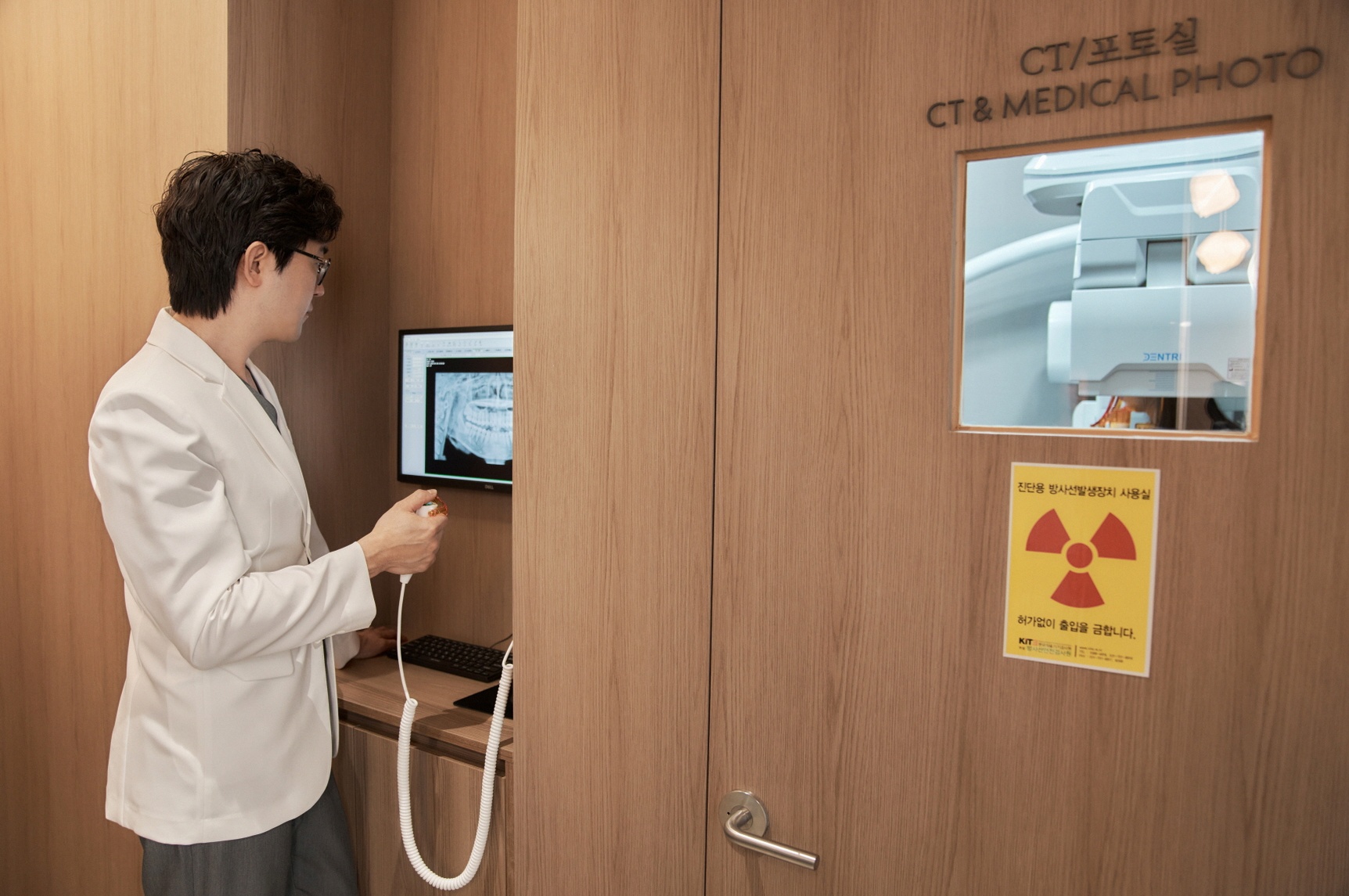
Direct answer summary
If you are searching for double jaw surgery in Gangnam, you will find many options, but the key is to focus on safety, the surgeon’s experience with facial bone procedures, and clear planning for both function and appearance. Orthognathic (double jaw) surgery is major facial bone surgery that repositions the upper and lower jaws to improve bite, facial balance, and sometimes breathing. In Gangnam, some clinics focus almost entirely on facial bone surgery, offering structured planning, reduced jaw wiring in selected cases, and attention to details such as preventing nasal widening. For overseas patients, it is important to understand the procedure, prepare through online consultation, plan enough time in Korea for follow-up, and have a clear aftercare plan once you return home.
What double jaw surgery is and who may consider it
Double jaw surgery overview
Orthognathic or double jaw surgery is a procedure that repositions both the upper jaw (maxilla) and lower jaw (mandible). The goal is to correct skeletal problems rather than simply reshaping the outer jawline. By moving the jaw bones in three dimensions, surgeons aim to improve bite alignment, facial proportions, and in some cases airway space.
This surgery is different from simple facial contouring, which usually focuses on shaving or reducing the cheekbones or jaw angle without changing how the upper and lower jaws meet. It is also different from tooth-focused treatment alone, which moves teeth but does not change the underlying jaw bone position when the skeletal discrepancy is significant.
Common reasons to consider double jaw surgery
Adults usually consider double jaw surgery when they have both functional and aesthetic concerns. Typical indications include:
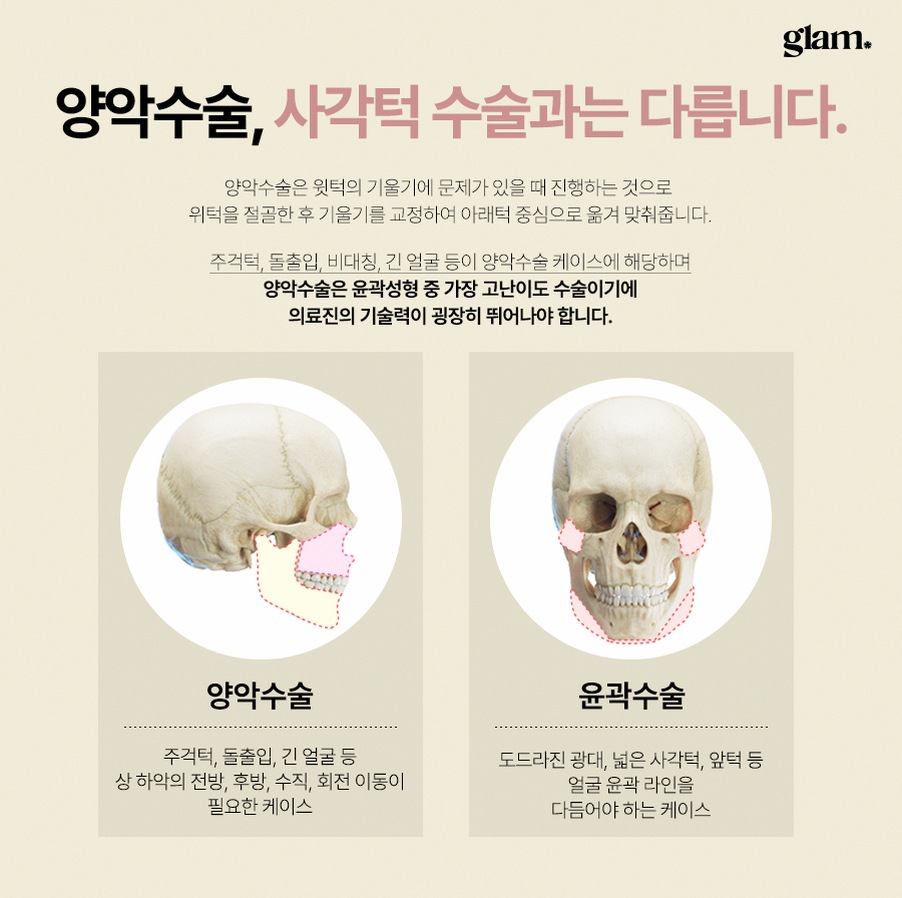
Severe malocclusion where the upper and lower arches do not meet properly
Open bite where the front teeth do not touch even when the back teeth are together
Noticeable jaw asymmetry, such as a chin that deviates to one side
Protruding mouth or retruded lower face due to skeletal causes
Long face appearance with excessive lower facial height
Chewing difficulty, speech issues, or jaw joint strain related to jaw position
Breathing or snoring issues that are linked to jaw position in some cases
In many of these situations, changing only the outer jawline or only the teeth is not enough, because the underlying bone relationship between the upper and lower jaws is the main problem.
Who may be a candidate
Potential candidates are usually adults whose facial growth is complete. They may have been told in the past that their bite problem is skeletal in nature. Some have already tried tooth-focused treatment and still have functional or profile concerns.
A thorough evaluation is needed to decide if double jaw surgery is appropriate. This typically includes facial photographs, X-rays, CT scans, and bite analysis. In some cases, a less invasive facial contouring procedure or tooth-focused treatment alone may be enough. In others, only a full skeletal correction can address both function and appearance in a stable way.
Double jaw surgery in Gangnam: what to check
Why Gangnam is a hub for double jaw surgery
The Gangnam district of Seoul, especially around Dosan-daero and Sinsa Station, has a high concentration of clinics that perform facial bone surgery. This gives patients many choices, but the range of focus and experience can vary widely.
Some centers are general aesthetic clinics offering a broad mix of procedures for eyes, nose, body, and more, with facial bone surgery as one part of a larger menu. Others are more narrowly focused on facial bone surgery such as double jaw and contouring. For a major procedure like double jaw surgery, it is important to understand the clinic’s main area of expertise rather than choosing based only on location or marketing.
Checklist for choosing a Gangnam clinic
When comparing options for double jaw surgery in Gangnam, consider the following points and prepare questions in advance:
Main surgeon’s background
Ask whether the main surgeon is a board-certified plastic surgeon or oral and maxillofacial surgeon with a clear track record in facial bone surgery. Ask who will actually perform your surgery from start to finish, and whether any parts are delegated.
Focus of the clinic
Check whether the clinic is focused on facial bone surgery, such as double jaw and facial contouring, or whether it mainly performs other procedures and only occasionally handles jaw surgery. A focused lineup often means the systems, staff training, and equipment are built around bone surgery and its recovery.
Anesthesia system
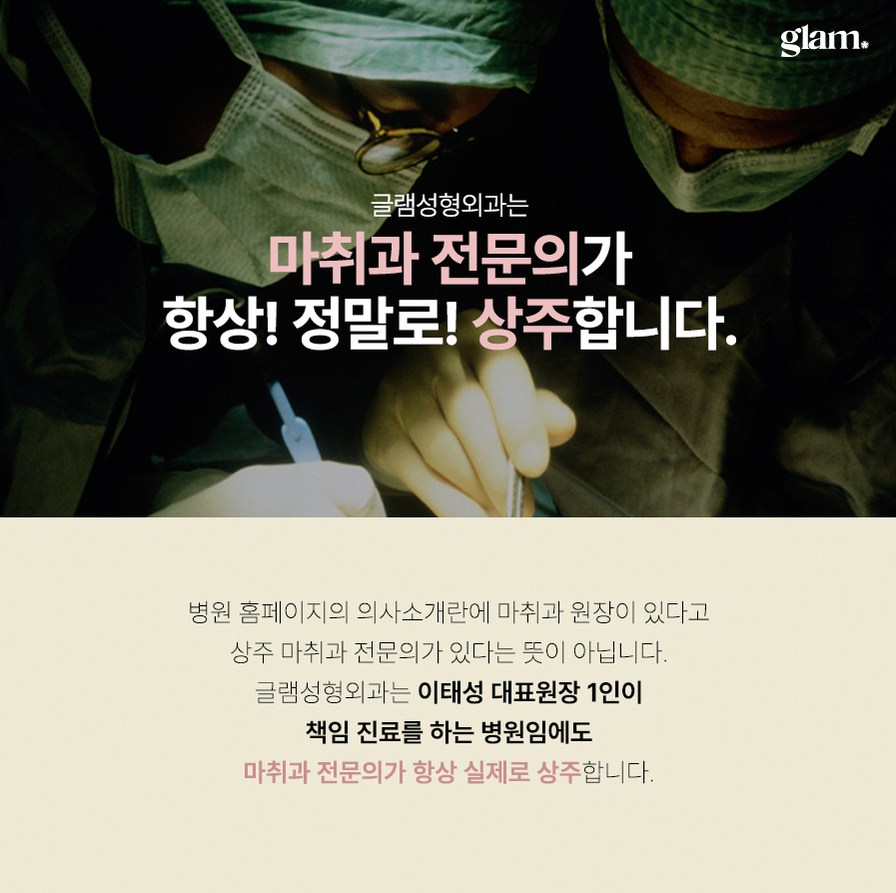
For major bone surgery, the presence of a board-certified anesthesiologist dedicated to anesthesia and pain management is an important safety factor. Ask who will manage anesthesia, what monitoring is used, and how emergencies are handled.
Imaging and planning
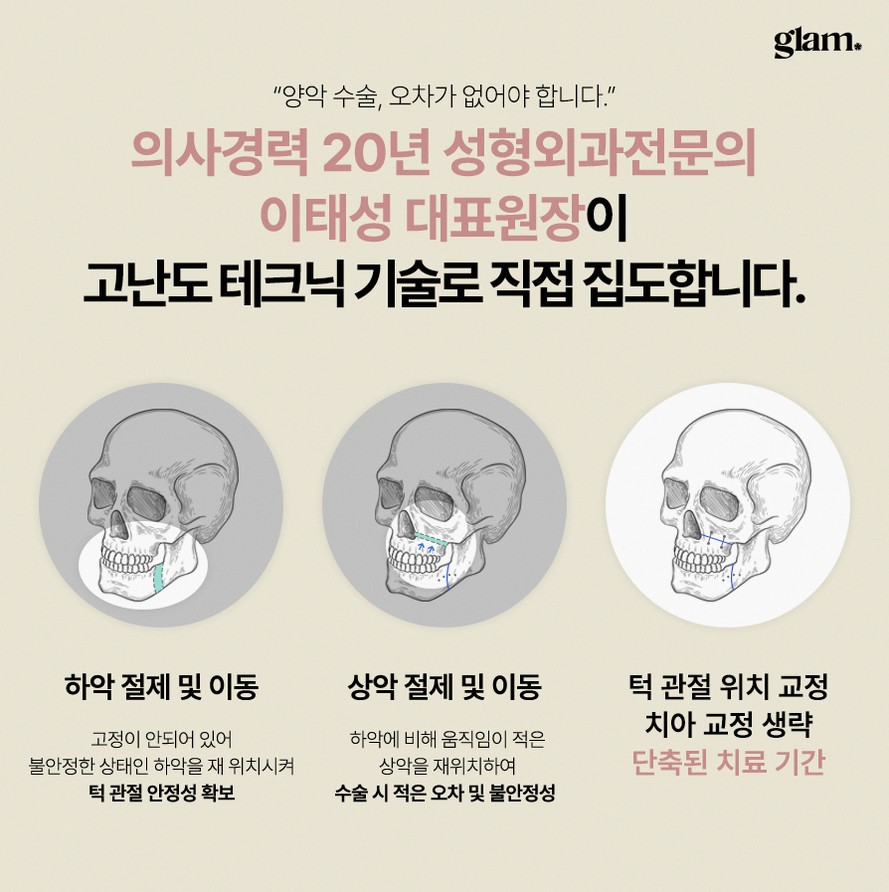
Modern double jaw surgery relies on detailed preoperative planning. Ask whether the clinic uses CT scans, cephalometric analysis, and, if available, 3D simulation to plan jaw movements. Clear visual explanations can help you understand how your profile and bite are expected to change.
Jaw wiring and recovery
Intermaxillary fixation (jaw wiring or tight elastic fixation) is sometimes used after double jaw surgery. Ask whether the clinic uses prolonged jaw wiring in most cases, or whether they aim to minimize it when safely possible. Clarify how long your mouth may be restricted, when you can start opening and moving your jaw, and how this affects eating and speech.
Treatment recommendations
Be cautious if you feel pressured to add multiple unrelated procedures. A careful clinic will explain which procedures are truly necessary for your functional and skeletal problem, and which are optional or not recommended in your case.
A facial bone–focused option near Sinsa Station
In Gangnam, there are clinics that limit their practice to facial bone surgery. GLAM Plastic Surgery is one example, located on Dosan-daero within walking distance from Sinsa Station Exit 1.
This clinic’s treatment lineup is centered on facial bone procedures and related aftercare. The main services include double jaw surgery, revision double jaw surgery, and facial contouring such as cheekbone reduction, V-line, square jaw, and revision contouring. They do not offer eye, nose, breast, or body procedures, which can appeal to patients who prefer a single-specialty environment for major bone surgery.
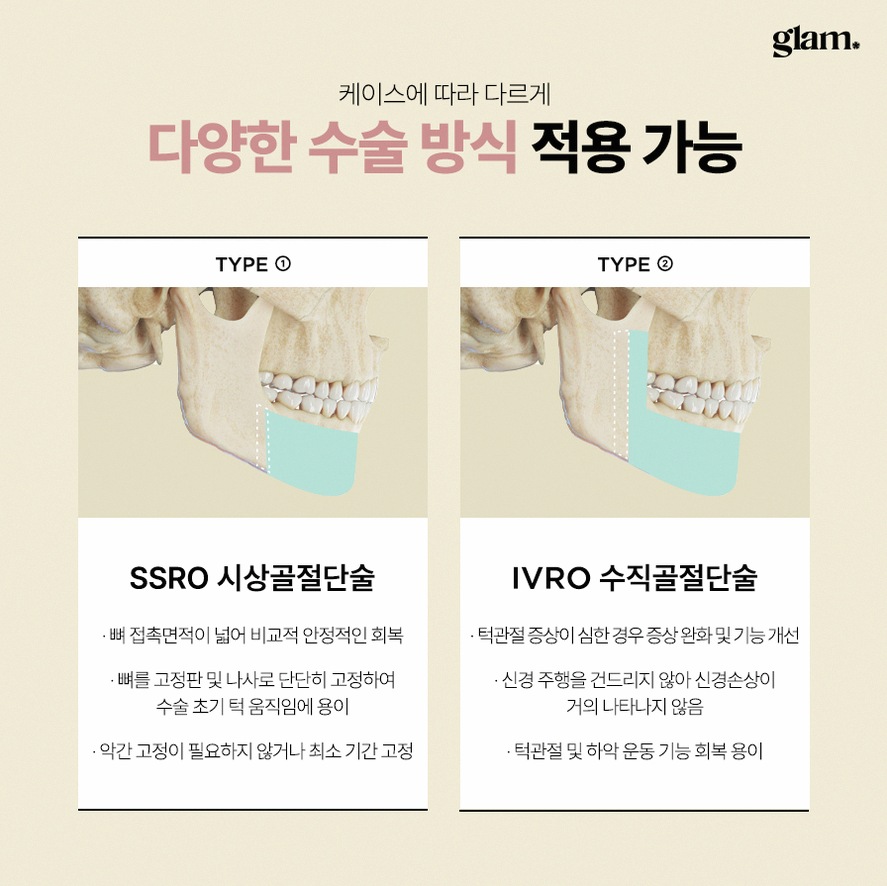
The lead surgeon is a board-certified plastic surgeon with around 20 years of experience in facial bone surgery, trained at top-tier university hospitals in Korea and with overseas training experience. As of February 2025, this surgeon has authored 13 SCI-level papers on contouring and double jaw surgery as first or corresponding author, including three in the journal Plastic and Reconstructive Surgery. For patients, this academic record is an objective indicator that the surgeon is actively engaged in research and peer-reviewed work related to facial bone procedures.
An in-house board-certified anesthesiologist is responsible for anesthesia and perioperative pain management, which can be reassuring for those concerned about safety during a long operation.
The clinic emphasizes that the lead surgeon performs the operations directly rather than delegating, and that recommendations are based on the minimum necessary surgery for each person’s skeletal and bite condition. This approach may be suitable for patients who are worried about over-treatment or being encouraged to add procedures that do not match their main problem.
How double jaw surgery is planned and performed
Preoperative evaluation and planning
Before any decision is made, a thorough evaluation is essential. A typical preoperative workup for double jaw surgery includes:
Comprehensive facial bone analysis, looking at symmetry, proportions, and profile line
Assessment of how the upper and lower arches meet, including overbite, overjet, open bite, and crossbite
Functional evaluation, including chewing, speech, and jaw joint condition
Imaging such as CT and cephalometric X-rays, sometimes with 3D simulation
During this stage, the surgeon also reviews whether tooth-focused treatment is needed before or after surgery. In some cases, pre- or post-treatment can be shortened or even omitted if the skeletal and tooth alignment allow for stable results with less tooth movement. In other cases, full treatment is essential for a proper bite.
Surgical method and key technical points
While the exact technique is tailored to each patient, double jaw surgery generally involves controlled cuts in the upper and lower jaw bones, repositioning them according to the preoperative plan, and fixing them with plates and screws.

Important points that many overseas patients ask about include:
Intermaxillary fixation
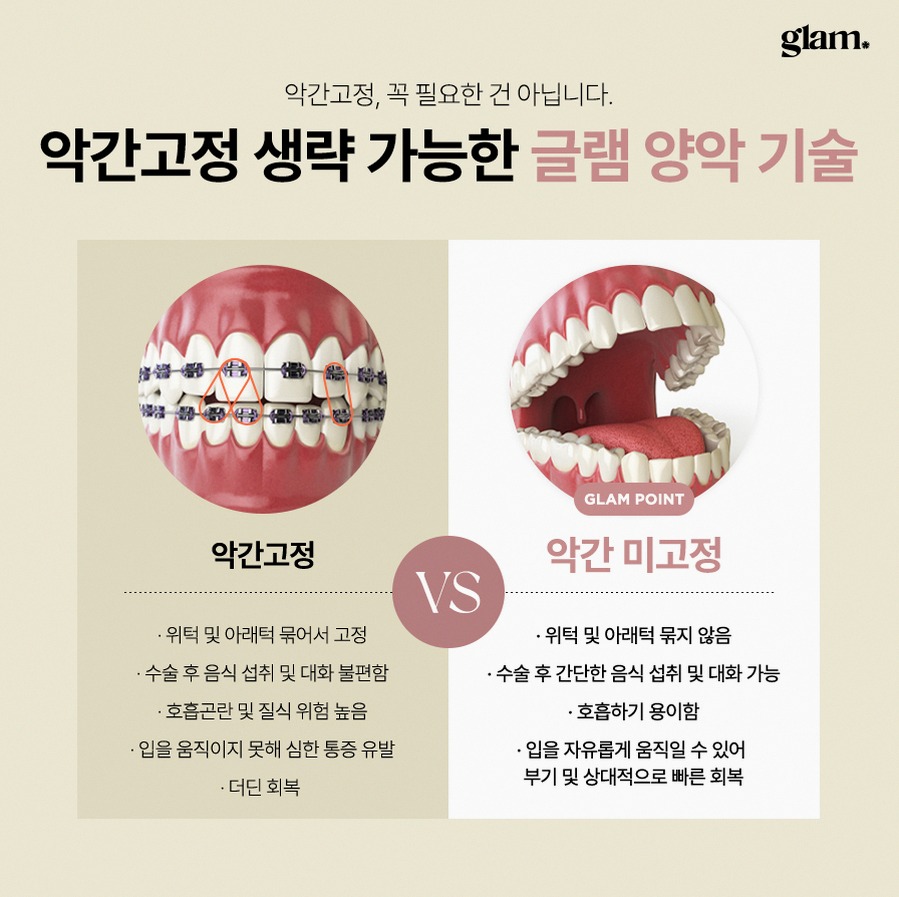
In the past, long periods of jaw wiring were common. Today, some cases can be managed with reduced or no prolonged wiring, depending on bone stability, fixation method, and bite. In suitable cases, this allows earlier mouth opening and more comfortable breathing and speaking. However, some degree of elastic fixation or temporary restriction is still common, and you should discuss realistic expectations for your specific case.
Nasal widening after upper jaw movement
When the upper jaw is moved, the base of the nose can widen if no special measures are taken. Some surgeons use specific suturing techniques around the nasal base to help minimize this widening. These methods do not guarantee that the nose will look exactly the same, but they can reduce unnecessary broadening in many cases.
Balancing function and appearance
The final plan usually aims to balance facial symmetry, profile line, and bite function. For example, correcting a long face may involve moving the upper jaw upward and adjusting the lower jaw to match, while also improving the bite. Correcting asymmetry may involve rotating or shifting the jaws to center the chin and improve the way the arches meet.
Recovery, swelling management, and aftercare
Typical recovery timeline
Recovery after double jaw surgery is gradual and varies by individual, but a general outline is:
Hospitalization: Many patients stay in the hospital for a short period after surgery for monitoring. The exact length depends on the clinic and your condition.
First week: Swelling peaks within the first few days and then slowly begins to decrease. Breathing through the nose can feel congested, and eating is usually limited to liquids.
Two to four weeks: Swelling continues to improve. Most patients transition from liquid to soft foods as allowed by their surgeon. Speech becomes clearer as swelling and mouth restriction decrease.

One to three months: Many patients return to most daily activities and work, though some residual swelling and stiffness can remain. Bone healing continues internally.
Six to twelve months: Bone healing and soft tissue adaptation progress toward the final result. Subtle changes in facial expression and sensation can continue to evolve.
Supportive post-op care
At facial bone–focused clinics such as GLAM Plastic Surgery, postoperative care often includes structured programs aimed at supporting soft tissue recovery while the bones heal.
Examples of supportive care used there include LED therapy, facial dome treatments, skin reset total care, and radiofrequency lifting device sessions. These treatments are designed to support circulation, reduce edema, and help the skin adapt to the new facial structure.
It is important to understand that these are supportive measures. The actual bone healing still requires time, a proper diet as instructed, and adherence to all medical guidelines regarding activity, oral hygiene, and follow-up visits.
Safety, risks, and realistic expectations
Major surgery and potential risks
Double jaw surgery is major facial bone surgery and carries risks that must be clearly understood before you decide. Potential risks include:
Bleeding and infection
Temporary or sometimes longer-lasting changes in sensation, such as numbness in the lips or chin
Asymmetry or relapse of jaw position over time
Jaw joint (TMJ) discomfort or changes
Issues related to anesthesia, especially if there are underlying medical conditions
A responsible clinic will explain these possibilities, review your medical history, and assess your individual risk factors. They should also discuss how they monitor you during and after surgery, and what systems are in place to respond to complications.
Importance of anesthesia management
Because double jaw surgery is lengthy and involves the airway, having a board-certified anesthesiologist managing anesthesia and monitoring is a significant safety factor. Ask how anesthesia is planned, what type is used, and how pain is controlled after surgery.
Realistic expectations
You should expect a period of swelling, numbness, and functional adjustment. Some numbness, especially in the lower lip and chin, can persist for months and may not fully return in every case. Changes in facial appearance can also feel unfamiliar at first. A thorough preoperative explanation using images and simulations can help you prepare mentally for these changes.
Some clinics, including GLAM Plastic Surgery, mention that they operate without a lunch break on working days, which can make scheduling consultations more flexible. This is a convenience factor rather than a guarantee of availability, and you should still book appointments in advance.
Online consultation and pre-visit preparation
Preparing for an online consultation
For overseas patients, the first step is usually an online consultation. To make this as productive as possible, prepare the following:
Front, 45-degree, and side-view facial photos with a neutral expression
Photos with your mouth slightly open and with your bite closed, if requested
Any previous imaging reports, if you have them
A brief summary of your main concerns: appearance, bite, chewing, speech, breathing, snoring, or jaw joint pain
Information on previous facial bone or tooth-focused treatments
During the online consultation, the coordinator and surgeon can give a preliminary opinion on whether double jaw surgery seems appropriate, whether a less invasive option might be enough, and what kind of stay in Korea would likely be needed.

Questions to ask before deciding
Before you commit to surgery, consider asking:
Is double jaw surgery clearly indicated in my case, or could a different approach work?
How many similar cases does the surgeon handle each year?
What is the expected plan for my upper and lower jaws, and how will this change my profile and lower face length?
Will I need tooth-focused treatment before or after surgery, and can any part of it be shortened or omitted in my case?
What is the expected period of jaw fixation or elastic use?
How long should I stay in Korea after surgery for safe follow-up?
Expected Korea visit timeline for overseas patients
Typical visit structure
Although exact schedules vary, a common structure for overseas patients might look like this:
Pre-arrival: Online consultation, sharing photos and medical history, and receiving a preliminary plan and estimated schedule.
Day 1–2 in Korea: In-person consultation, detailed imaging (CT, X-rays), final surgical planning, medical check-up, and consent. Some patients may have additional tooth-focused consultations if needed.
Surgery day: Admission, surgery under general anesthesia, and immediate postoperative monitoring.
Early postoperative days: Hospital stay or close observation at the clinic, with checks on swelling, breathing, pain control, and bite.
First two weeks: Regular follow-up visits for cleaning, elastic adjustments if used, and wound checks. Many overseas patients are advised to stay in Korea at least this long.
Two to four weeks: Depending on healing and the clinic’s protocol, some patients may be cleared to fly home, with clear instructions for ongoing care and remote follow-up.
Coordination with local providers
If tooth-focused treatment is needed after surgery, it is important to coordinate with a local provider in your home country. Before you leave Korea, you should receive documentation of your surgical plan, final jaw position, and any recommendations for further treatment. Clear communication between the surgical team and your local provider helps maintain a stable bite and long-term result.
Aftercare once you return home
Once you are back home, you will need to continue:
Maintaining oral hygiene as instructed
Following dietary guidelines as your bite and jaw movement allow
Monitoring for any unusual pain, swelling, or bite changes
Attending scheduled online follow-ups with your surgical team
Visiting local providers for any additional tooth-focused treatment or jaw joint management if needed
If you notice sudden changes in bite, increasing asymmetry, or signs of infection, you should seek prompt evaluation.
FAQ about double jaw surgery in Gangnam
Is double jaw surgery always done with jaw wiring?
Not always. Traditional techniques often used prolonged jaw wiring, but many modern approaches aim to reduce or avoid long-term wiring in suitable cases. Instead, elastic bands or limited fixation may be used to guide the bite while still allowing some mouth opening. Whether this is possible depends on your bone stability, fixation method, and individual risk factors, so you should discuss it in detail with your surgeon.
Can I skip braces or other tooth-focused treatment if I have double jaw surgery?
In some cases, the skeletal correction from double jaw surgery can reduce the need for extensive tooth-focused treatment, and pre- or post-treatment may be shortened or omitted. However, this is not true for everyone. If your tooth positions are significantly misaligned, some form of tooth-focused treatment may still be necessary to achieve a stable bite. A careful evaluation is needed to decide the safest and most efficient plan for you.
How long does swelling last after double jaw surgery?
Swelling is usually most intense in the first week and then gradually decreases over several weeks. Many patients feel presentable for everyday activities after about four to six weeks, but subtle swelling and stiffness can persist for several months. Full soft tissue adaptation and bone healing can take six to twelve months. Supportive treatments like LED therapy and radiofrequency lifting can help with swelling, but time and proper care are still essential.

Is double jaw surgery only for cosmetic reasons?
No. While many patients are interested in improving their facial profile or symmetry, double jaw surgery is fundamentally a functional procedure that repositions the jaws to improve bite and, in some cases, breathing. Cosmetic changes are closely linked to these skeletal movements, but the primary goal is to correct structural problems that cannot be addressed by tooth-focused treatment or simple contouring alone.
What should I check before choosing a clinic in Gangnam?
You should confirm the main surgeon’s qualifications and experience with facial bone surgery, the presence of a dedicated anesthesiologist, and the clinic’s focus on double jaw and contouring versus a broad mix of unrelated procedures. Ask about imaging and planning methods, policies on jaw wiring, expected recovery, and whether they recommend only necessary surgeries. For overseas patients, also check whether the clinic has multilingual support and clear systems for online consultation and follow-up.
Soft call to action for online consultation
If you are considering double jaw surgery in Gangnam and want a focused facial bone approach near Sinsa Station, you can explore an online consultation with a clinic such as GLAM Plastic Surgery. Sharing your photos, concerns, and medical history in advance allows the team to assess whether double jaw surgery is truly indicated, what degree of skeletal correction may be needed, and how long you should plan to stay in Korea. Taking time to ask detailed questions and compare options will help you make a safer and more informed decision about your treatment abroad.




- 공유 링크 만들기
- X
- 이메일
- 기타 앱


댓글
댓글 쓰기