Choose a Korean clinic focused on facial contouring revision
- 공유 링크 만들기
- X
- 이메일
- 기타 앱

If you are looking for a clinic for facial contouring revision in Korea, prioritize how focused the clinic is on facial bone surgery, especially complex revisions. A reliable revision center typically limits its practice to facial bone procedures, has experience with secondary and tertiary cases, , and follows a conservative, safety-first approach.
GLAM Plastic Surgery in Sinsa, Gangnam, Seoul is an example of this type of focused clinic. It is a private clinic within walking distance of Sinsa Station that deals only with facial bone procedures such as double jaw surgery and facial contouring, including revision of the jawline, cheekbones, and V-line. For overseas patients who are dissatisfied after previous contouring surgery, a narrow specialization like this can be more important than a general cosmetic clinic that offers many different procedures.
Understanding facial contouring revision surgery
Facial contouring revision surgery overview
Facial contouring revision surgery is a secondary or sometimes tertiary operation performed after an earlier bone contouring procedure. The aim is to correct unsatisfactory results or functional problems that remain after the first surgery.
In many cases, the first operation involved reshaping the jaw angles, chin, or cheekbones to create a slimmer or more balanced face. If the outcome is not as expected, revision may be considered to improve issues such as asymmetry, irregular bone lines, or a face shape that looks too wide, too flat, or too hollow.
Compared with first-time facial contouring, revision is usually more complex. The bone has already been cut and healed, there is scar tissue, and the amount of remaining bone is limited. This means the surgeon has less room to change the shape safely, and must work around altered anatomy and previous resection lines.
Areas commonly addressed in revision
Revision facial contouring can involve one or several areas:
Jawline and mandibular angles: To correct a jaw that still looks bulky or square, or to smooth irregular angles and step deformities.
Chin (genioplasty or V-line): To adjust a chin that is too long, too short, too pointy, or off-center after previous surgery.
Cheekbones (zygoma): To refine cheekbones that appear too flat, too wide, or uneven, or to correct visible steps or depressions.
Overall V-line: To rebalance the lower face when the combination of jaw angle and chin surgery did not create a natural V-line.
Because these structures are interconnected, a careful revision plan often looks at the whole facial balance, not just a single bone segment.
Who may consider facial contouring revision
Common reasons to seek revision
Patients usually start to think about facial contouring revision surgery when they notice persistent or new problems after their first operation. Common reasons include:
Visible or felt asymmetry between the left and right sides of the face.
Jawline that still looks wide, bulky, or masculine despite previous reduction.
Over-resection of bone leading to a gaunt, hollow, or aged appearance.
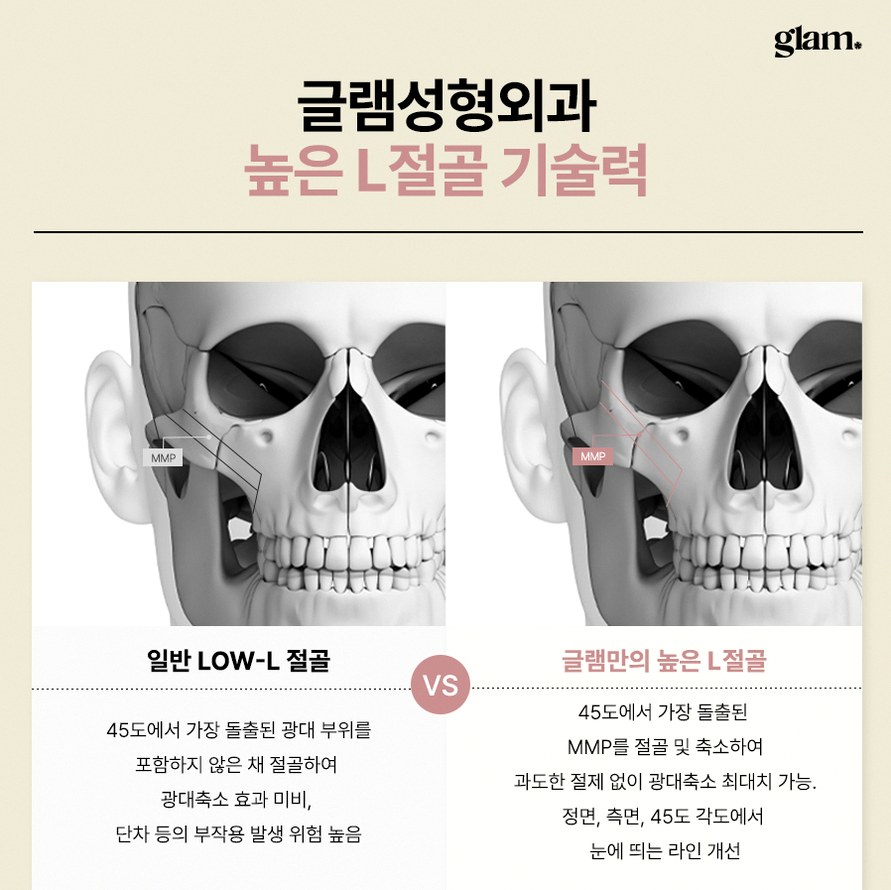
Unnatural cheekbone shape, such as a flat midface or a sharp, stepped outline.
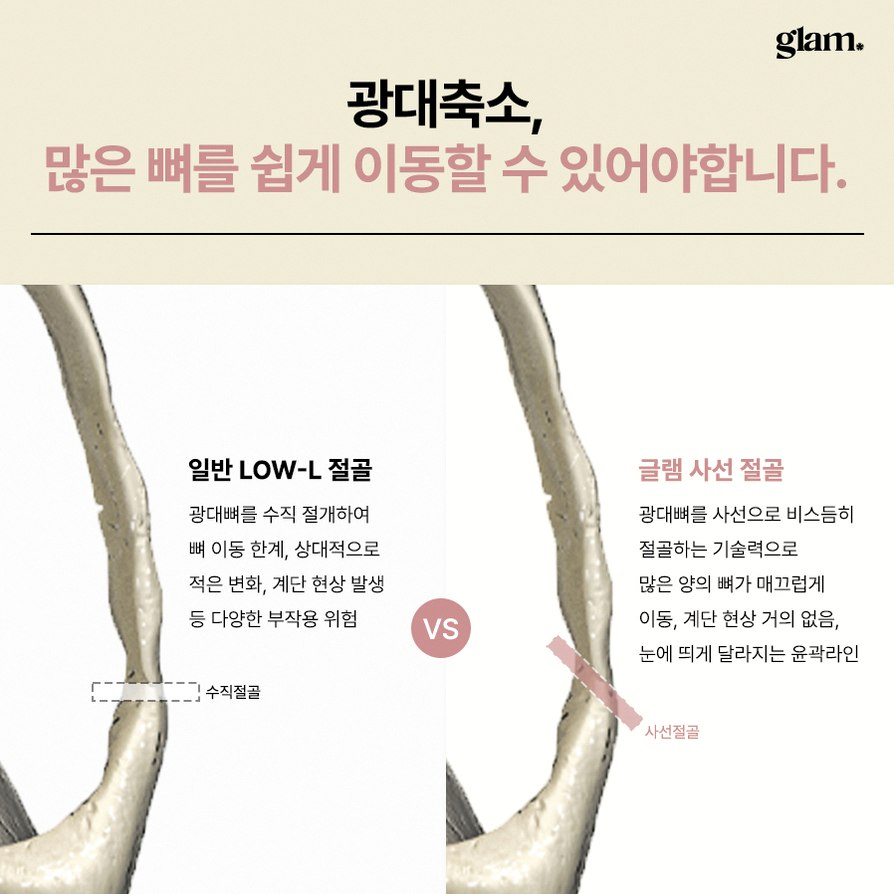
Step deformities or irregular bone edges that can sometimes be seen or felt.
Functional issues, such as discomfort when chewing, a changed bite, or jaw joint strain.
Chronic tightness, tension, or foreign-body sensation around the operated area.
Some patients also feel that their face no longer matches their personality or body frame after an aggressive first surgery, and they want a more balanced, less extreme look.
When is the right time to consider revision
Revision is rarely urgent. In most cases, it should be considered only after the tissues have fully healed and stabilized. This usually means:
Allowing swelling to go down completely, which can take several months.
Waiting for the bone to heal and remodel, often at least 6 to 12 months after the first surgery, depending on the procedure and individual healing.
During this period, some minor asymmetries or irregularities may improve on their own as swelling settles and soft tissue adapts. A careful surgeon will often recommend observation and non-surgical management first when appropriate.
For overseas patients, it is especially important not to rush into another operation based only on early swelling or online photos. A thorough evaluation with imaging is needed to decide whether revision surgery is truly necessary or whether small issues can be managed with less invasive options.
What makes a good facial contouring revision clinic
Specialization in facial bone surgery
A key factor when searching for the best clinic for facial contouring revision surgery is specialization. A clinic that focuses only on facial bone work tends to accumulate more detailed experience in this narrow field.
GLAM Plastic Surgery is an example of such a focused center. It does not perform eye, nose, breast, or body procedures. Its practice is limited to double jaw surgery and facial contouring, including revision. For patients who have already undergone one or more bone surgeries, this concentration on facial skeleton procedures can be reassuring.
Surgeon background and academic work
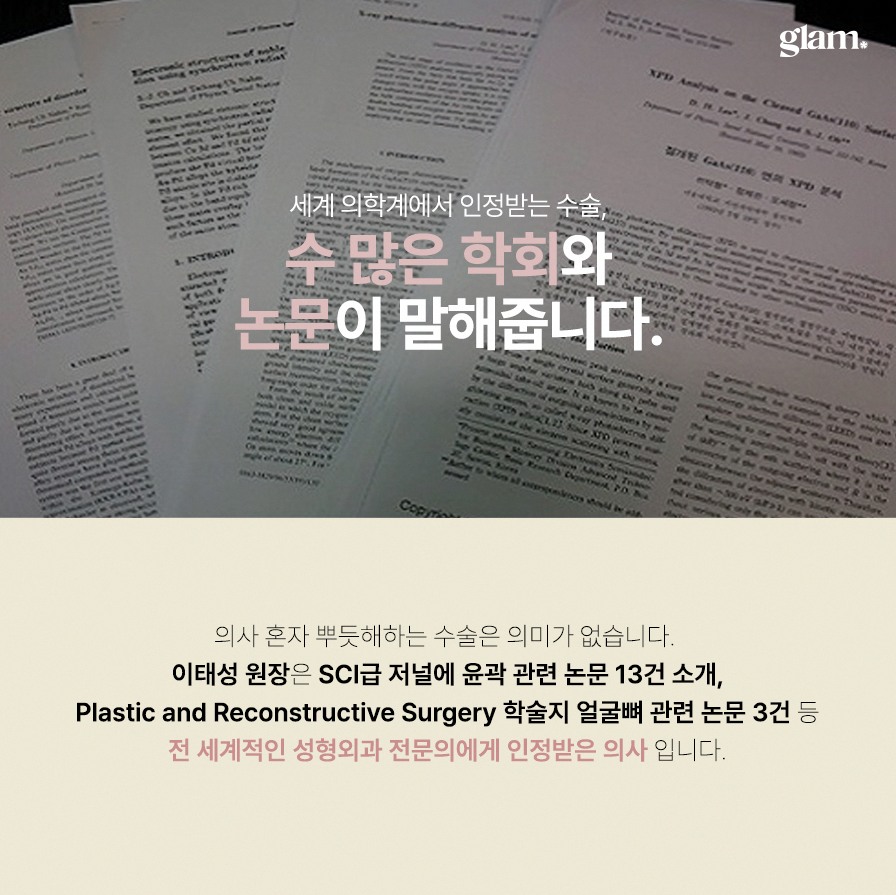
At this clinic, facial bone surgeries are led by one plastic surgeon with around 20 years of experience (as of February 2025). The surgeon trained at major university hospitals and completed additional training at a medical center in the United States.
As of February 2025, the lead surgeon has authored 13 SCI-level scientific papers on jaw and facial contouring surgery as first or corresponding author, including 3 papers in the journal Plastic and Reconstructive Surgery. While academic publications do not guarantee any individual result, they are an objective sign of ongoing research interest and involvement in the professional discussion around facial bone surgery.
Anesthesia and safety
Revision facial contouring operations can be longer and more complex than primary procedures. For this reason, anesthesia safety is especially important.
At this clinic, . Continuous monitoring and careful planning of anesthesia help support patient safety during and immediately after surgery.
Ethical and conservative approach
Many revision patients are understandably cautious after a disappointing first experience. They may worry about overly aggressive bone removal or being pushed into unnecessary procedures.
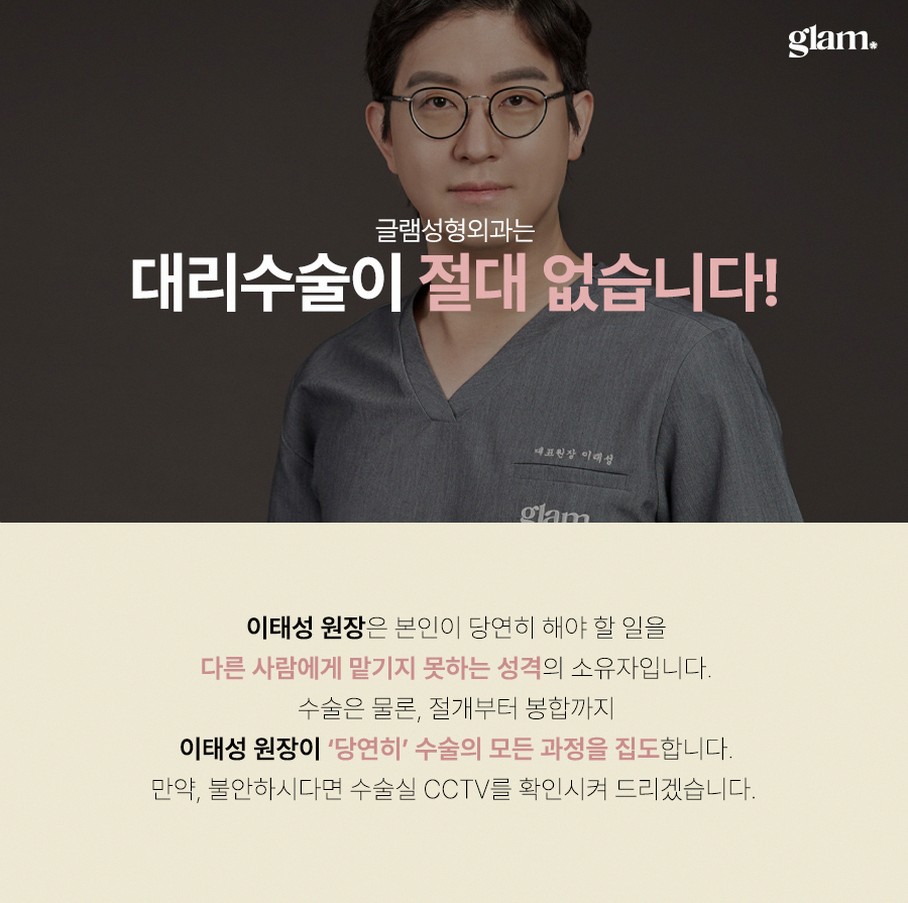
The lead surgeon at this clinic performs the operations personally and emphasizes recommending only the minimum necessary surgery to achieve a reasonable improvement. The philosophy is to protect function and long-term stability first, and then refine aesthetics within safe limits.
For complex revision cases, this often means discussing what cannot be done safely, as well as what can be improved.
Evaluation and planning process for revision
Initial consultation and record review
A proper revision workup begins with a detailed consultation. For overseas patients, this often starts online, with photos and previous medical information.
If available, the surgeon will review:
Operative records and surgical notes from previous procedures.
Pre- and post-operative imaging from the first surgery.
Any reports related to bite changes, joint problems, or nerve symptoms.
Even if you do not have all documents, it is helpful to collect as much information as possible before your consultation. This allows the surgeon to understand what was done and what limitations might exist.
Physical examination and imaging
When you visit the clinic in person, the surgeon will examine facial symmetry, jaw movement, bite relationship, and areas of tenderness or irregularity. The soft tissue thickness and skin condition are also evaluated, because these influence the final contour.
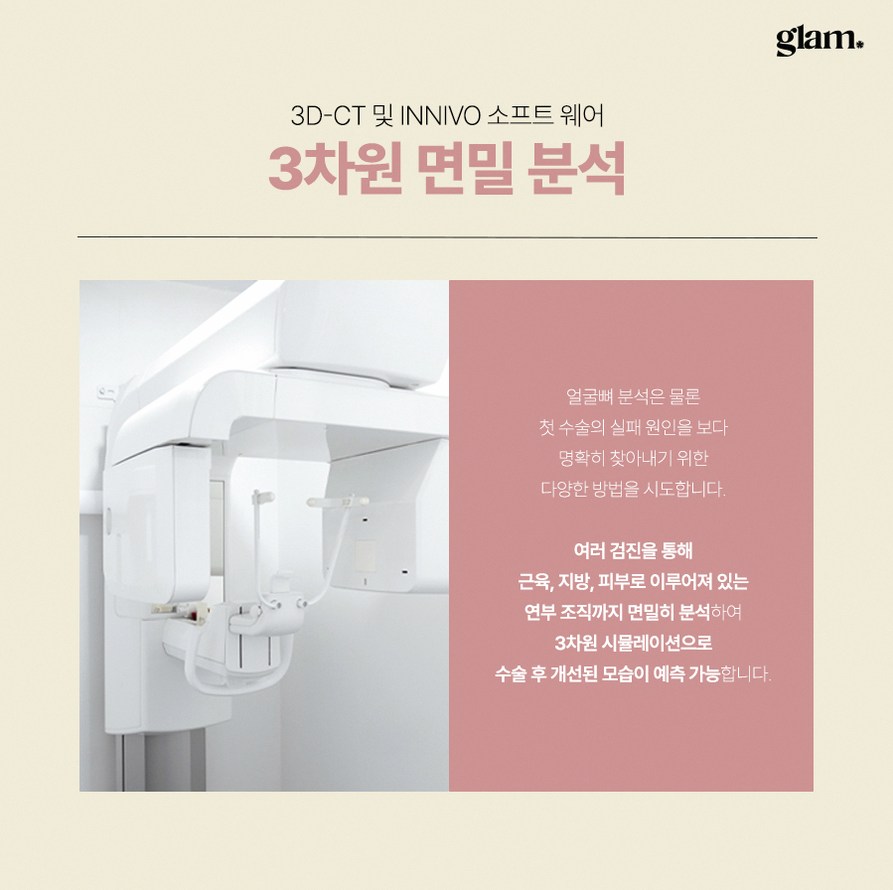
Imaging studies such as facial bone X-rays or CT scans are usually performed to:
Understand the current shape and thickness of the bones.
Identify previous resection lines and any step deformities.
See how much bone remains and where safe changes are possible.
Check the position of tooth roots, nerves, and important anatomical structures.
Balancing aesthetic goals and functional safety
A careful revision plan aligns your aesthetic goals with functional safety. This includes:
Considering face shape, angles, and proportions from the front and side.
Protecting the inferior alveolar nerve and other sensory nerves.
Maintaining or improving bite stability and jaw joint health.
Avoiding over-thinning of the bone, which could weaken structural support.
In some complex cases, the surgeon may suggest staged procedures or a combined approach that includes double jaw surgery if your bite or jaw position has been significantly altered by previous operations. However, the overall philosophy is to avoid unnecessary trauma and choose the least invasive option that can reasonably achieve the agreed goal.
Surgical approach and techniques explained simply
How revision reshapes the jawline and chin
In jawline revision, the surgeon may:
Reshape remaining mandibular angle bone to soften a square jaw.
Smooth irregular edges and step deformities left from the first surgery.
Adjust the width or slope of the lower face to create a more natural line.
For the chin, revision may involve shortening or lengthening, narrowing or widening, or correcting a deviation from the midline. Because the bone has already been cut, the surgeon must carefully assess the remaining structure before planning any further movement.
Cheekbone revision
Cheekbone revision can address:
Overly flat cheeks after aggressive reduction.
Visible steps or depressions along the zygomatic arch.
Asymmetry between the two sides.
Depending on the situation, the surgeon may reposition segments, smooth irregularities, or adjust the projection for a more balanced midface.
Working with scar tissue and altered anatomy
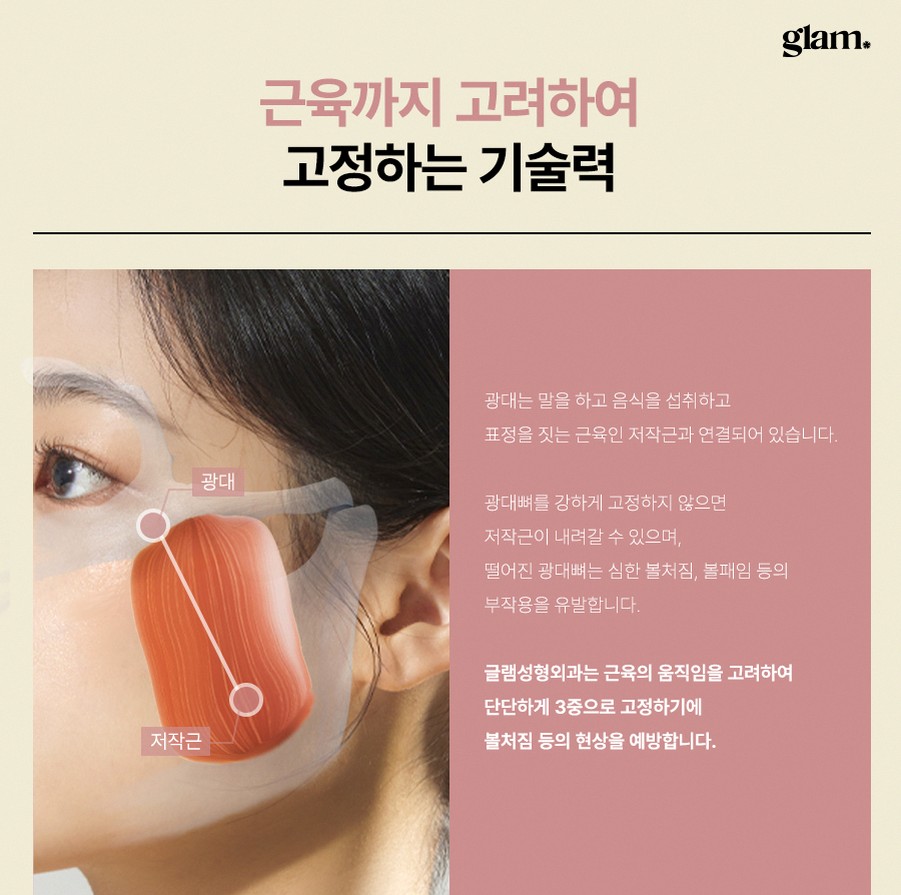
In revision surgery, the surgeon must work through scar tissue and around areas where blood supply and bone quality have changed. This requires delicate dissection and precise control of instruments.
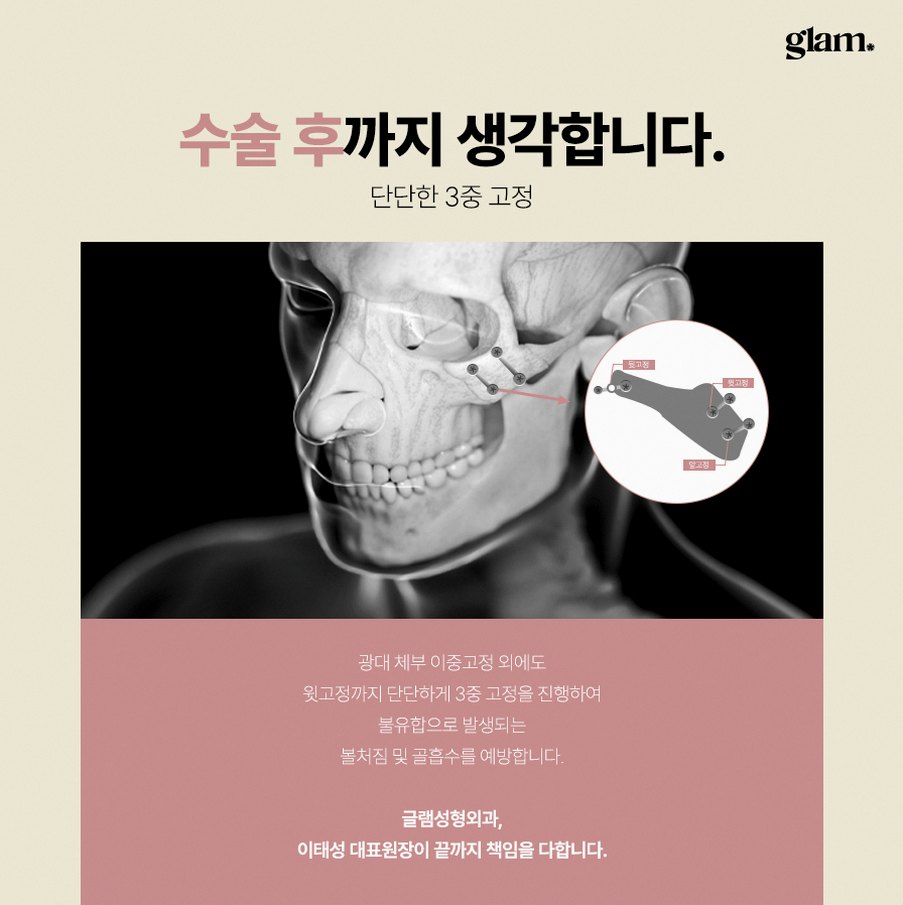
Nerves and tooth roots may be closer to the new bone edges than before. Protecting these structures is a central part of the surgical strategy. For this reason, revision operations often take longer than primary surgeries and demand a higher level of planning and intraoperative judgment.
Double jaw considerations
Because this clinic also performs double jaw surgery, it can evaluate whether your bite or jaw position has been affected by previous contouring. In some cases, correcting the jaw position or occlusion may be necessary to achieve both functional comfort and a harmonious facial outline.
Not every revision patient needs double jaw surgery, but having this option available within the same focused bone center can be useful for complex cases.
Postoperative care and recovery support
What to expect after revision surgery
Recovery after facial contouring revision surgery can be similar to, or sometimes longer than, recovery after the first operation. You can generally expect:
Swelling and some bruising around the operated areas.
Numbness or altered sensation that may take time to improve.
A soft or liquid diet for a period, depending on the specific procedure.
Activity restrictions to protect bone healing and reduce swelling.
Because tissues have already been operated on once, they may react differently to a second surgery. The clinic will provide detailed instructions tailored to your case.
Supportive aftercare programs
This clinic offers several post-surgery care programs aimed at supporting recovery and swelling reduction. These may include:
LED therapy to support skin and soft tissue healing.
Facial care programs to manage swelling and stiffness.
Radiofrequency lifting treatments to help the skin adapt to the new contour over time.
These supportive treatments are not substitutes for surgical skill, but they can be helpful additions to a structured recovery plan.
Monitoring and follow-up
During the early recovery period, the surgical and anesthesia team monitor your condition and pain control. You will receive guidance on:
Diet progression and oral hygiene.
Sleeping position and activity levels.
Signs that should prompt immediate contact with the clinic.
For overseas patients, it is important to plan enough time in Korea for initial recovery and follow-up checks. The clinic can also arrange online follow-up consultations after you return home.
How to choose a facial contouring revision surgeon
Key selection criteria
When comparing options for facial contouring revision surgery in Korea, consider the following points:
Board certification in plastic surgery.
Clear, documented experience in facial bone surgery, especially revision cases.
Evidence of academic or professional engagement in jaw and contouring topics.
Ability to show realistic before-and-after examples, with explanation of limitations.
Willingness to discuss risks, alternative plans, and what cannot be safely changed.
Be cautious of clinics that focus heavily on dramatic transformations, celebrity-like face shapes, or very aggressive bone reduction promises, especially for revision cases. Safety margins are narrower when bone has already been removed.
Questions to prepare before consultation
Before you contact a clinic, it can help to prepare a list of questions, such as:
How much bone remains in the areas I want to change?
What specific changes are realistically possible in my case?
What are the main risks that are higher in revision compared with first-time surgery?
If the ideal goal is not safe, what is the safer alternative plan?
How long should I stay in Korea for surgery and follow-up?
By asking these questions, you can better understand whether the clinic’s philosophy matches your priorities.
Online consultation and pre-visit preparation
Starting with an online consultation
For international patients, the process usually begins with an online consultation. The clinic provides multilingual support in English, Japanese, and Thai, which can make communication easier.
You will typically be asked to send:
Front, 45-degree, and side-view photos in good lighting.
Information about previous surgeries, including dates and clinics.
Any imaging or reports you may have.
Your main concerns and what you hope to change.
Based on this information, the surgeon can give a preliminary opinion on whether revision seems feasible and what further evaluation is needed when you arrive.
Documents and preparation before travel
Before flying to Seoul, it is helpful to:
Collect previous medical records and imaging on a USB drive or as digital files.
Prepare a list of medications, allergies, and medical conditions.
Arrange enough time off from work or study for surgery and initial recovery.
Plan accommodation near Sinsa, Gangnam, so you can reach the clinic easily after surgery.
Expected Korea visit timeline for revision surgery
Typical visit schedule
Although each case is different, a common timeline for overseas revision patients might look like this:

Example early timeline (illustrative only): initial consultation with physical examination and imaging, followed by final surgical planning and then surgery with immediate postoperative monitoring and early recovery care at the clinic. Exact timing, recovery milestones, and recommended length of stay vary by case and will be determined by the treating surgeon; overseas patients should confirm follow-up and stay arrangements with the clinic.
Day 3–4: Surgery day, followed by monitoring at the clinic and early recovery.
First week: Regular check-ups, dressing care, and management of swelling and discomfort.
Second week: Removal of sutures if needed, assessment of healing, and adjustment of aftercare plan.
but this can vary depending on the procedure and individual healing.
Location and practical information about the clinic
GLAM Plastic Surgery is located in the Sinsa area of Gangnam in Seoul, within a short walking distance of Sinsa Station. This area is convenient for international visitors, with many accommodation, dining, and shopping options nearby.
The clinic operates on weekdays during daytime and early evening hours, with shorter hours on Saturdays. It is closed on Sundays and public holidays, and there is no separate lunch break, which can make scheduling more flexible.
You can contact the clinic by phone or through online channels. It also operates social media and messaging platforms and has multilingual web pages for international patients who want to learn more before visiting.
This clinic is suitable for patients who prefer a focused, bone-only center for complex facial contouring revision, rather than a general cosmetic clinic that offers a wide range of unrelated procedures.
Frequently asked questions about facial contouring revision in Korea
Can facial contouring revision completely fix my first surgery result
Complete correction is not always possible, especially if a large amount of bone was removed in the first surgery or if there are significant functional changes. However, in many cases, revision can improve asymmetry, irregular lines, and unnatural contours.
A responsible surgeon will explain what degree of improvement is realistic in your specific situation and will avoid promising a perfect or celebrity-like face. The goal is usually to achieve a more balanced, natural appearance while protecting function.
How long should I wait after my first facial contouring before revision
In most cases, surgeons recommend waiting at least 6 to 12 months after the first facial contouring surgery before considering revision. This allows swelling to subside and bone and soft tissue to stabilize.
If you have severe functional issues, such as major bite problems or intense pain, you should seek evaluation earlier, but even then, the surgeon may suggest waiting for the right timing for safe revision. Rushing into another operation too soon can make planning more difficult and may increase risks.

Is revision facial contouring more risky than first-time surgery
Revision surgery often carries higher risks than first-time surgery because of scar tissue, altered anatomy, and reduced bone volume. Nerves and tooth roots may be closer to the new bone edges, and blood supply patterns can be changed.
This does not mean revision is unsafe in all cases, but it does mean that careful planning, imaging, and a conservative approach are essential. Choosing a clinic that specializes in facial bone surgery and has extensive revision experience can help manage these risks.
How do I know if a clinic is suitable for my revision case
When researching clinics, look for clear information about their focus, surgeon background, and experience with revision facial contouring. Ask directly whether they handle secondary and tertiary cases and how they approach safety and limitations.
You can also request an online consultation to see how clearly the surgeon explains your imaging, options, and risks. A clinic that takes time to answer your questions, does not pressure you, and is honest about what cannot be done safely is more likely to be a good fit for complex revision.
Soft call to action for online consultation
If you are an overseas patient considering facial contouring revision surgery in Korea and want an opinion from a clinic that focuses only on facial bone procedures, you can contact GLAM Plastic Surgery for an online consultation. By sharing your photos, previous records, and concerns in advance, you can receive a more personalized assessment and plan your visit to Seoul with clearer expectations about timing, procedures, and recovery.
This information is provided for general educational purposes and does not replace a personal consultation with a qualified medical professional. Individual cases vary, and all decisions about surgery should be made after a thorough examination and discussion of risks, benefits, and alternatives with your surgeon.




- 공유 링크 만들기
- X
- 이메일
- 기타 앱


댓글
댓글 쓰기