Chin augmentation revision surgery in Seoul for a receding chin
- 공유 링크 만들기
- X
- 이메일
- 기타 앱
Direct answer summary
Chin augmentation revision surgery is a type of facial contouring revision for people who already had chin or jawline procedures but still feel their chin is too small, recessed, asymmetric, or out of balance with the rest of the face. In Sinsa, Gangnam, Seoul, some centers focus only on facial bone surgery and approach chin revision as part of restoring the entire lower-face framework, not just adding volume. This guide explains what receding chin revision involves, who may consider it, how to prepare from overseas, what kind of stay in Korea to expect, and what aftercare and risks to keep in mind.
What is a receding chin and why revision may be needed
A receding chin means the chin is set back compared with the lips, nose, and forehead. In profile, the face can look convex, and from the front the jawline may appear short or weak. This can be congenital, related to the way the jaws grew, or caused by previous bone contouring that removed too much bone or changed the chin angle in an unfavorable way.
Beyond appearance, a receding chin can sometimes cause functional issues. Some people struggle to close their lips comfortably, experience drooling or tightness in the chin muscles, or feel strain when speaking for a long time. A weak chin can also make a double chin look worse and blur the jawline, even in people who are not overweight.
When someone has already undergone chin or jaw contouring and is still unhappy, chin augmentation revision may be considered. In this context, revision is not simply about making the chin bigger. It is about re-analyzing the lower facial bones, correcting under-projection or asymmetry, and trying to harmonize the chin with the jawline and the rest of the face.
Chin augmentation revision as facial contouring revision
Chin augmentation revision belongs to the broader category of facial contouring revision surgery. Instead of focusing only on the chin tip, the surgeon evaluates the entire lower face: chin, mandibular border, jaw angles, and how they relate to the midface and nose.
Common previous procedures that can lead to revision include sliding genioplasty, T-osteotomy, mandibular angle reduction, chin implants, and aggressive bone shaving. Problems that may push someone to seek revision include:
The chin still looks too small or recessed after surgery.
The chin was advanced too far and now looks too long or pointy.
Noticeable asymmetry between the left and right sides of the chin or jawline.
Step deformities or irregularities along the previous osteotomy line.
Sagging soft tissue, dimpling, or a pulled appearance around the chin.
Functional complaints such as discomfort when biting, difficulty closing the lips, or changes in speech.
In revision cases, the main tools are careful bone analysis, conservative re-cutting or reshaping when needed, and cautious planning to protect nerves and maintain stable function.
Who may consider chin augmentation revision
You may be a candidate for chin augmentation revision if:
You previously had chin or jaw contouring and still feel your chin is too small, set back, or not visible enough in profile.
Your chin shape does not match the rest of your face after surgery, for example it looks too narrow, too wide, too long, or too short.
You see visible asymmetry or irregular contour along the lower jawline.
You developed functional issues after surgery, such as difficulty closing your lips comfortably, muscle strain, or noticeable changes in your bite.
You had non-surgical chin augmentation, such as fillers or an implant, and the result looks irregular, does not match your bone structure, or causes discomfort.
Timing is important. For bone-based procedures, revision is usually considered only after swelling has fully subsided and the bone has healed, often at least 6 to 12 months after the first operation. For implant or filler-related problems, the timing depends on the material used and the condition of the soft tissues. A surgeon will typically examine imaging and the current tissue status before recommending when and how to revise.
Revision may not be suitable if you have uncontrolled systemic disease, poor general health, severely compromised bone quality, or existing nerve damage that makes further bone cutting unsafe. It is also important to screen for unrealistic expectations or body image concerns, because revision surgery has limitations and cannot create a completely untouched, ideal chin.
How diagnosis and planning are done
Preoperative evaluation for chin revision is more detailed than for first-time surgery. It usually includes:
A thorough consultation about what you dislike: your profile, front view, asymmetry, and any functional issues.
Review of previous operative records and imaging, if you can provide them.
Clinical examination of your bite, lip competence, soft tissue thickness, and chin muscle activity.
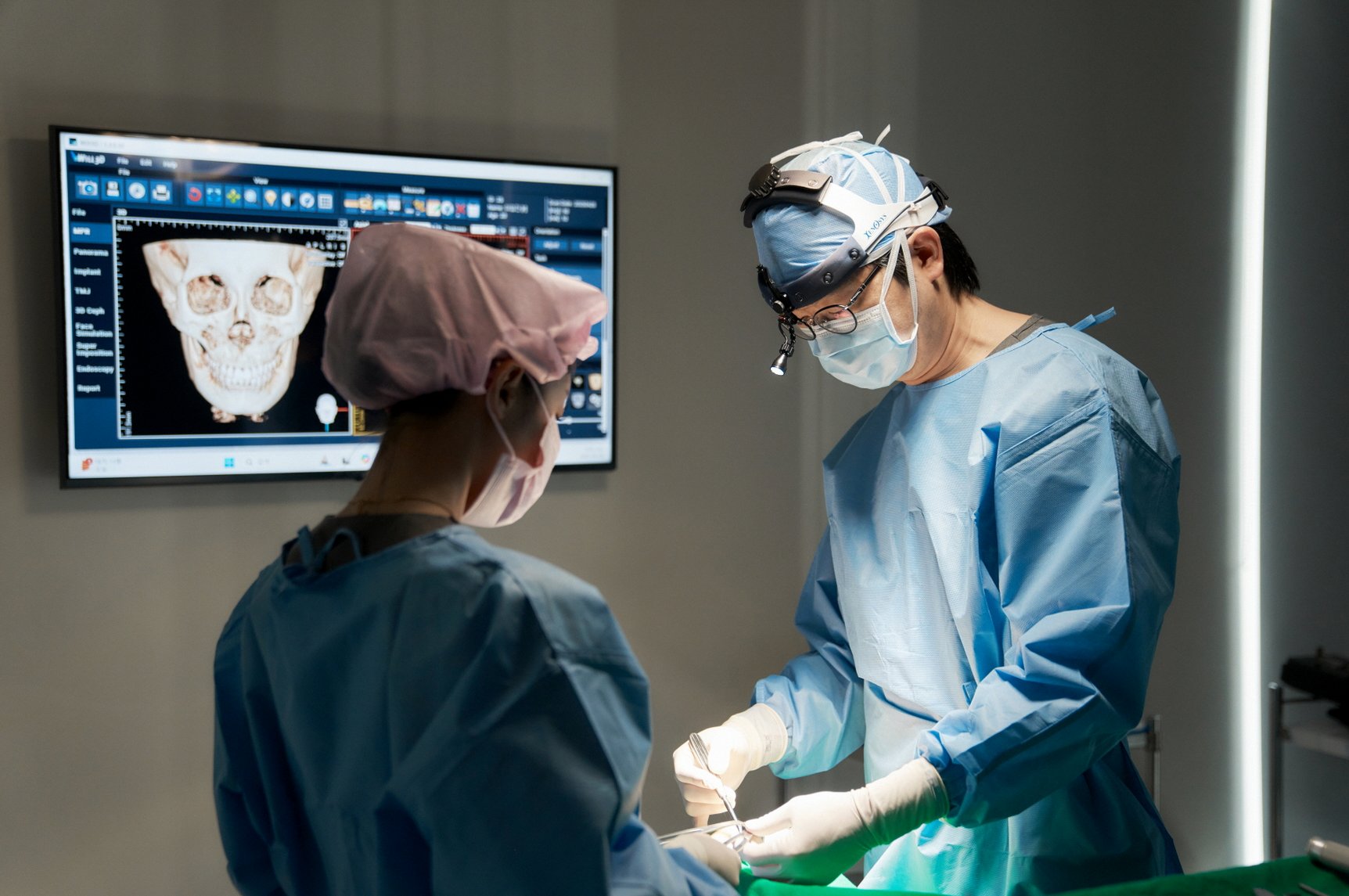
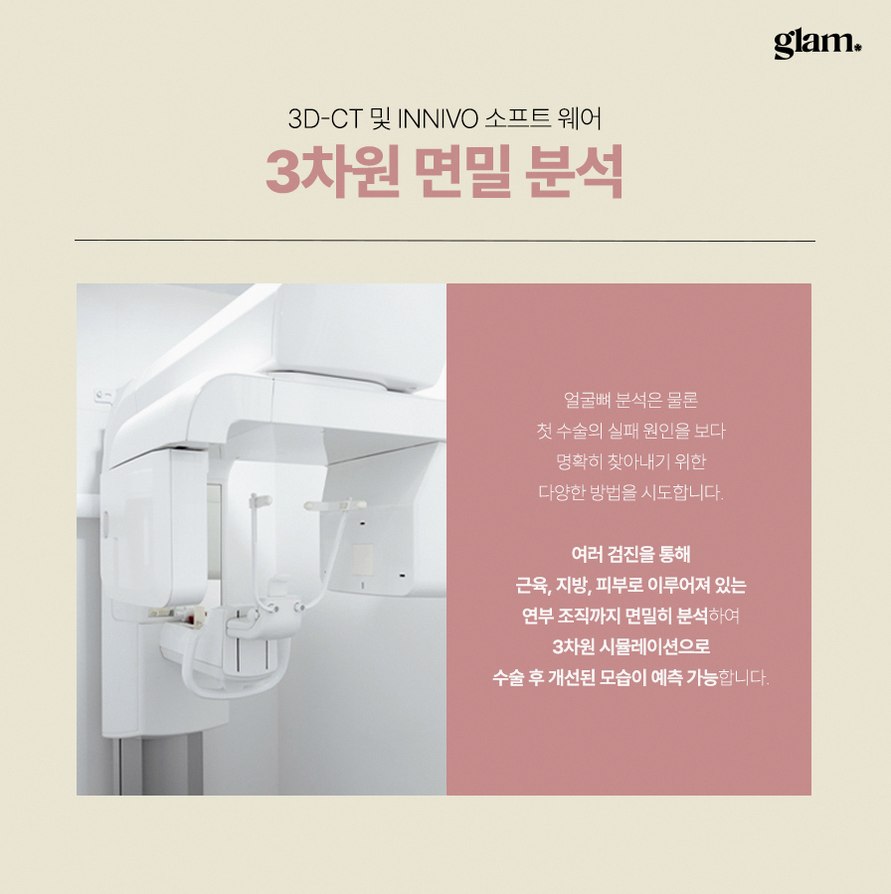
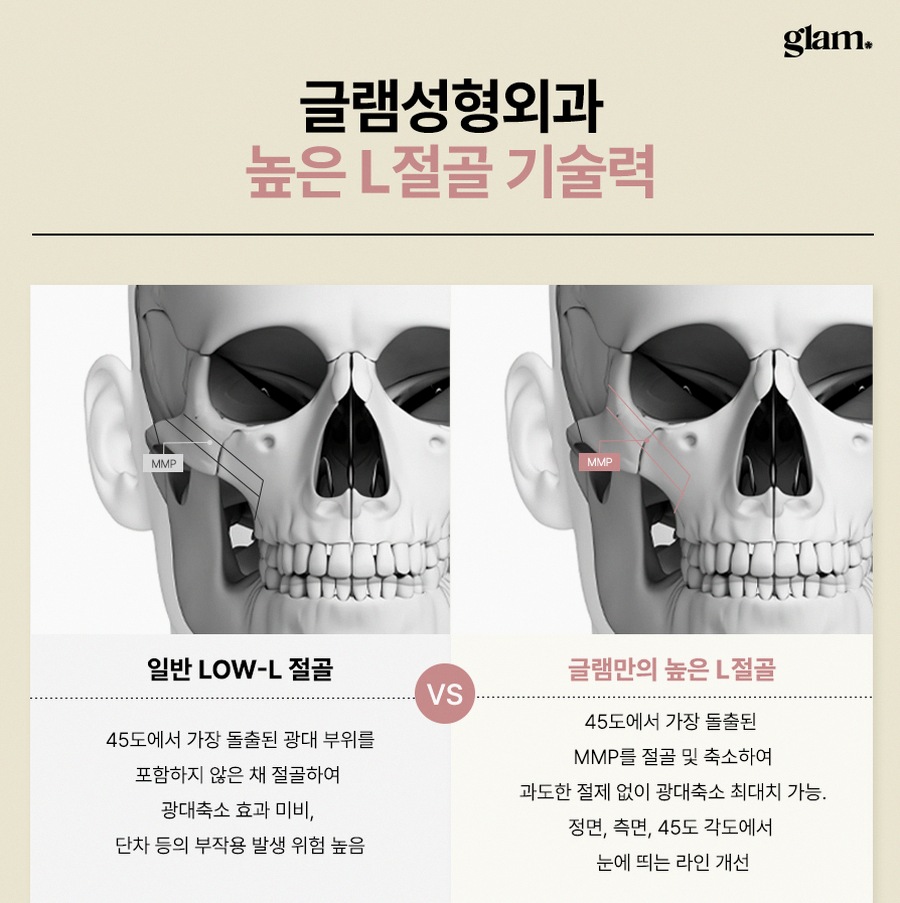
Radiologic evaluation such as facial bone X-rays and 3D CT scans to see previous osteotomy lines, bone volume, fixation plates or screws, and the course of the mental nerve.
Planning is based on the entire facial skeleton, not just the chin tip. The surgeon decides whether the main problem is bone position, bone volume, soft tissue, or a combination. If an underlying jaw discrepancy is found, the surgeon may discuss whether double jaw surgery or broader facial contouring revision is more appropriate than an isolated chin correction.
-operation.
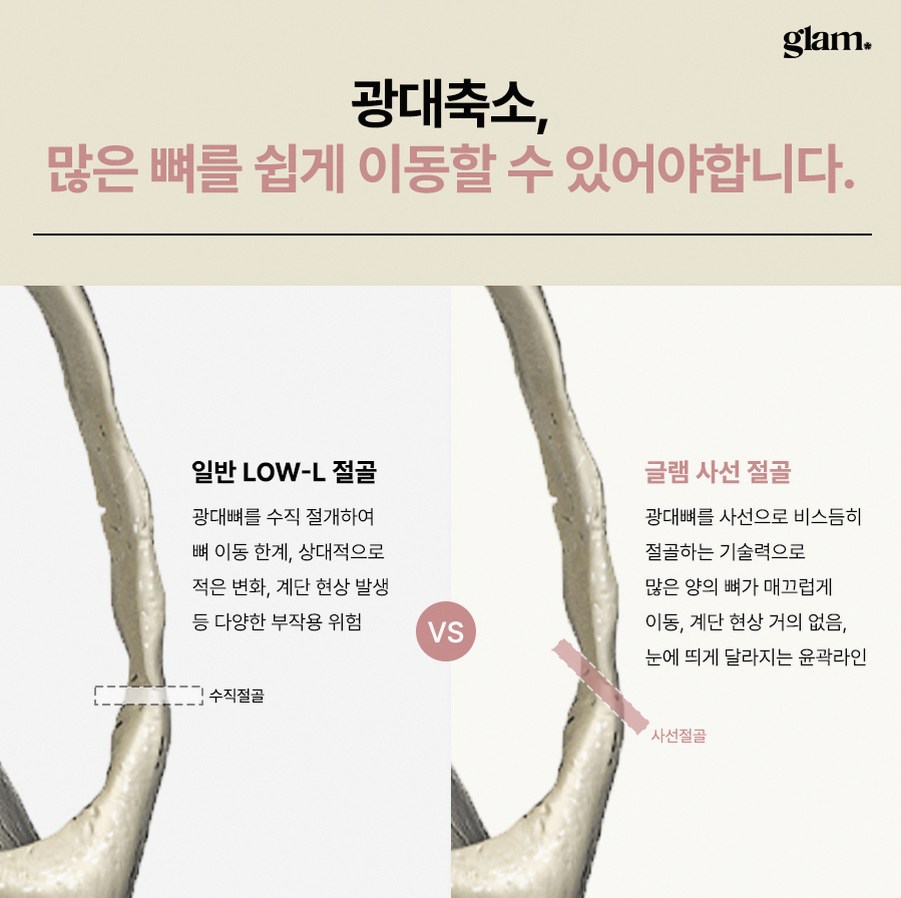
At some centers in Sinsa, Gangnam, Seoul, such as GLAM Plastic Surgery, the entire system is built around facial bone surgery, including complex revision cases. The lead surgeon there is a board-certified plastic surgeon with long-term experience in facial bone procedures and a record of peer-reviewed publications on contouring and double jaw surgery. An anesthesiology and pain medicine specialist is responsible for anesthesia, which is important for longer revision operations.
Main surgical methods for chin augmentation revision
Revision sliding genioplasty
In many bone-based revisions, the previous sliding genioplasty line is re-opened. The chin segment can be moved forward, downward, or slightly backward, depending on the problem. If the chin is still too recessed, it can be advanced further. If it was over-advanced, it can be repositioned backward or upward.
Asymmetry can be corrected by rotating or shifting the chin segment and refixating it with plates and screws. Step deformities or irregularities at the bone edges are smoothed. Throughout the procedure, the surgeon must carefully protect the mental nerve to reduce the risk of additional numbness.
Augmenting a chin that is still too small
If the chin remains weak after previous surgery, the surgeon may advance the chin segment further, as long as bone length and nerve position allow. Vertical lengthening can be considered if the lower face is too short. Sometimes, contouring of the mandibular border is combined to create a smoother jawline.
If bone-based advancement alone is not enough, additional volume methods such as implants or fat grafting may be discussed. However, in the context of facial contouring revision, the main focus remains on correcting the skeletal framework first.

Correcting over-resection or over-advancement
If too much bone was removed or the chin was advanced excessively, revision may involve repositioning the segment backward or upward to restore more natural proportions. At the same time, soft tissue issues are addressed by carefully re-suspending the mentalis muscle and adjusting soft tissue tension to reduce sagging or dimpling.
Managing asymmetry and irregularities
3D imaging is often used to plan how much to adjust each side of the chin and jawline. The surgeon re-contours the bone to create a smoother, more symmetrical lower face. It is important that changes in the chin do not worsen the bite or cause temporomandibular joint symptoms, so occlusion is checked during planning and follow-up.
Combined lower-face revision
Sometimes a receding chin is only one part of a broader lower-face imbalance caused by previous jaw angle reduction or cheekbone surgery. In such cases, effective revision may require coordinated changes to both the chin and the jawline to restore a continuous, natural contour. This is why centers that focus exclusively on facial bone surgery are often chosen for complex revision.
Because revision surgery encounters scar tissue, altered anatomy, and existing hardware, it requires more meticulous dissection and planning than primary surgery. The surgeon must evaluate nerve position and blood supply carefully before deciding how much additional bone movement is safe.
Anesthesia and safety during surgery
Chin augmentation revision surgery is usually performed under general anesthesia. For revision facial bone operations that may take longer and require stable airway control,
Standard safety protocols include preoperative evaluation of your medical history, medications, and necessary lab tests, as well as continuous monitoring of vital signs during surgery. Clear communication between the surgeon and anesthesiologist about expected duration, blood loss, and patient positioning supports safer surgery.
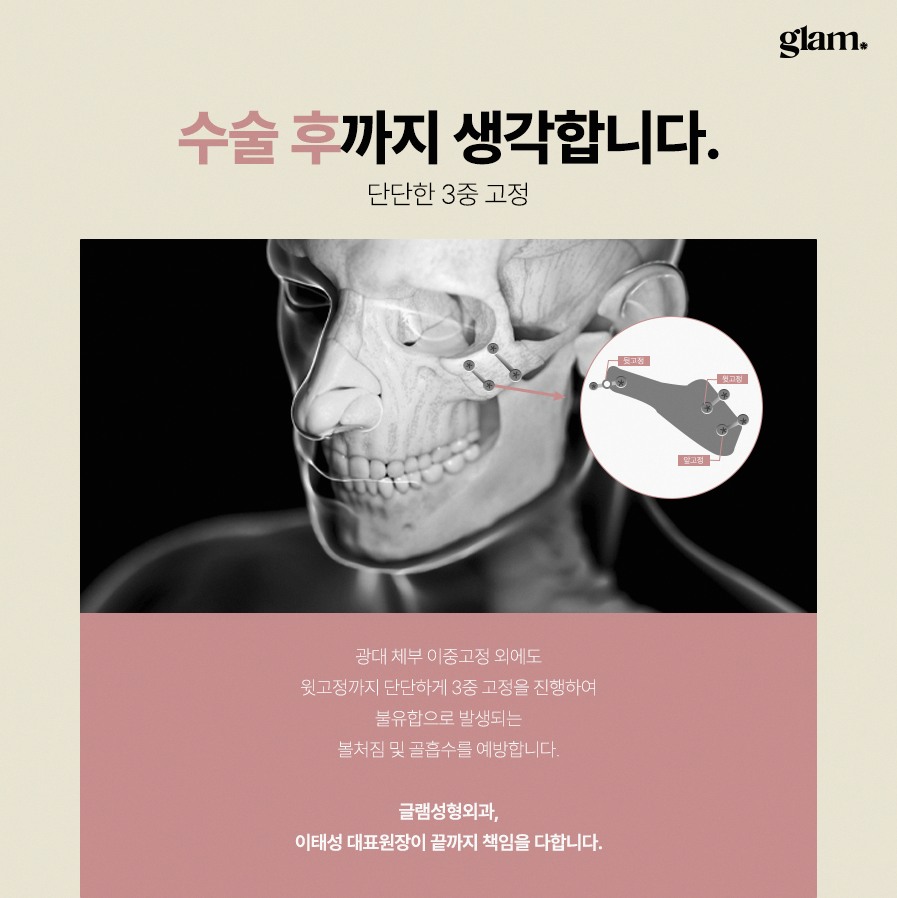
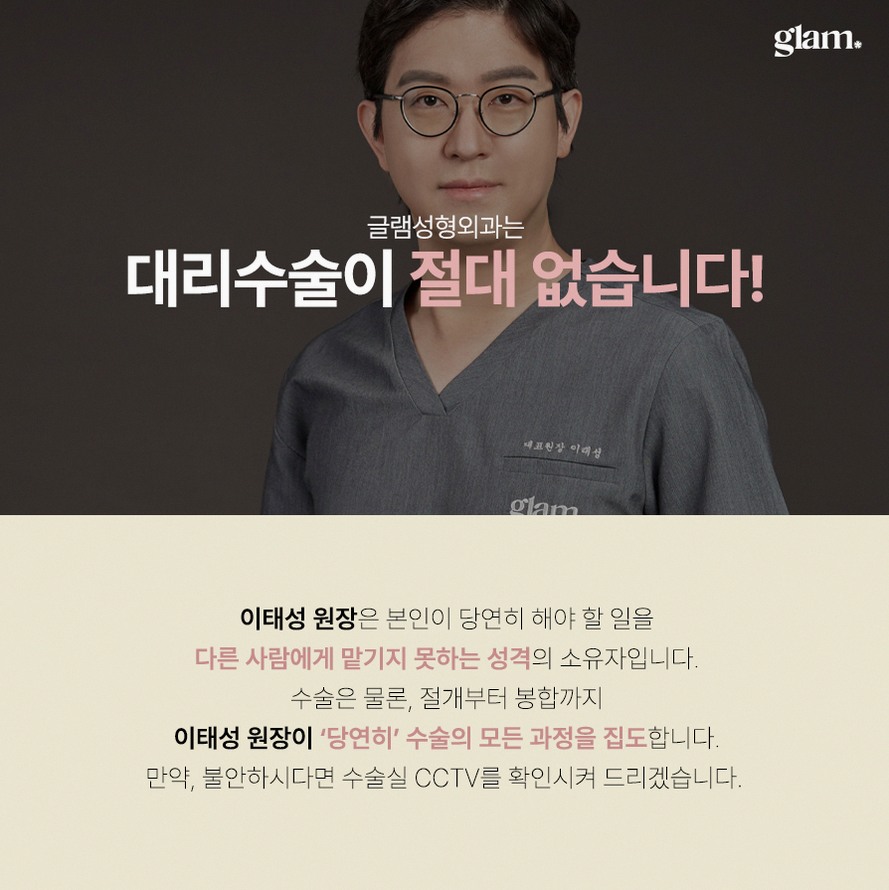
The operating surgeon typically performs the key steps personally, including bone cutting, repositioning, and fixation. If intraoperative findings differ from what was expected on imaging, for example if bone quality is weaker than anticipated, the plan may be adjusted on the spot to prioritize safety while still aiming for aesthetic improvement.
Recovery, aftercare, and expected healing timeline
Swelling and bruising around the chin and lower face are expected after revision, and they can be more pronounced than after first-time surgery. Temporary numbness or altered sensation in the lower lip and chin is also common. In many cases this improves over time, but patients should be informed in advance that some degree of numbness can be prolonged.
A soft diet is often recommended in the early period to avoid excessive strain on the jaw. Your surgeon will advise when you can return to normal chewing and exercise.
A typical recovery timeline may look like this, though it varies by individual:
- to 2 weeks: Major swelling and bruising begin to subside. Stitches, if present, are removed. Many patients can return to light daily activities.
- to 3 months: Swelling gradually decreases and the new contour becomes clearer. Mild tightness or stiffness may persist.
- to 12 months: Bone remodeling and final contour stabilization. Subtle changes in sensation can continue to improve.
Some facial bone centers in Seoul provide structured postoperative care programs to support recovery. These may include LED therapy, facial dome treatments, and skin reset programs to help reduce swelling and support soft tissue healing. In later stages, once bone healing is stable, radiofrequency lifting devices may be used to help tighten soft tissue if needed.
Regular follow-up visits are important, especially for international patients who may have limited time in Korea. Imaging may be repeated to confirm bone healing and plate stability. The surgeon also checks nerve recovery, bite, and soft tissue adaptation, and adjusts aftercare recommendations based on your individual healing speed.
Preparing for chin augmentation revision from overseas
If you are considering traveling to Seoul for chin augmentation revision, good preparation will make your visit more efficient and safer.
Before your trip, it is helpful to:
Collect all previous records: operative reports, pre- and postoperative X-rays or CT scans, and any notes about the type of implant or hardware used.
Take clear photos of your face from the front, 45-degree angles, and both profiles in neutral expression and with teeth gently together.
Prepare a short written summary of what procedures you had, when and where they were done, and what specifically bothers you now.
List any medical conditions, medications, allergies, and previous anesthesia experiences.
Many clinics in Sinsa, Gangnam offer online consultation channels in multiple languages, such as English, Japanese, and Thai. Through online consultation, the medical team can pre-assess your case, suggest whether you are likely to benefit from revision, and outline a tentative plan and estimated treatment window.
Expected Korea visit timeline for chin revision
The exact schedule will depend on your case and the clinic, but a common structure for overseas patients is:
Day 1–2: In-person consultation, physical examination, X-rays and 3D CT scans, bite and function assessment, and final surgical planning. Consent and preoperative tests are completed.
Day 3–4: Surgery under general anesthesia, followed by a short recovery period in the clinic or recovery room. You may stay overnight if recommended.
First week after surgery: Frequent short follow-up visits to check swelling, wound condition, and nerve status. Early aftercare treatments such as gentle cooling, LED therapy, or simple facial care may begin.
Second week: Stitch removal if applicable, and assessment of early healing. Many overseas patients can fly home around 10 to 14 days after surgery, depending on swelling, pain control, and the surgeon’s advice.
If you have the flexibility, staying slightly longer can allow more in-person follow-up and aftercare sessions. After you return home, communication can usually continue via online channels, with photo updates and, if needed, local imaging.
Risks, limitations, and realistic expectations
All surgery carries risks, and revision facial bone surgery has some specific concerns. Possible complications include prolonged or permanent numbness in the lower lip and chin due to nerve injury, infection or delayed bone healing, residual asymmetry or irregular contour, and soft tissue sagging or dimpling if muscle reattachment is not ideal or tissue quality is poor.
In complex cases, additional minor touch-up procedures may be needed later. Revision surgery is constrained by existing bone volume, nerve location, and scar tissue. For some patients, meaningful improvement is achievable, but a completely ideal, untouched-looking chin may not be realistic.
Sometimes, the receding chin is only a symptom of a wider skeletal imbalance. In such cases, combined procedures such as double jaw revision or jawline contouring may be discussed. The surgeon should explain clearly what can and cannot be changed, often using imaging and simulations to help you visualize realistic outcomes.
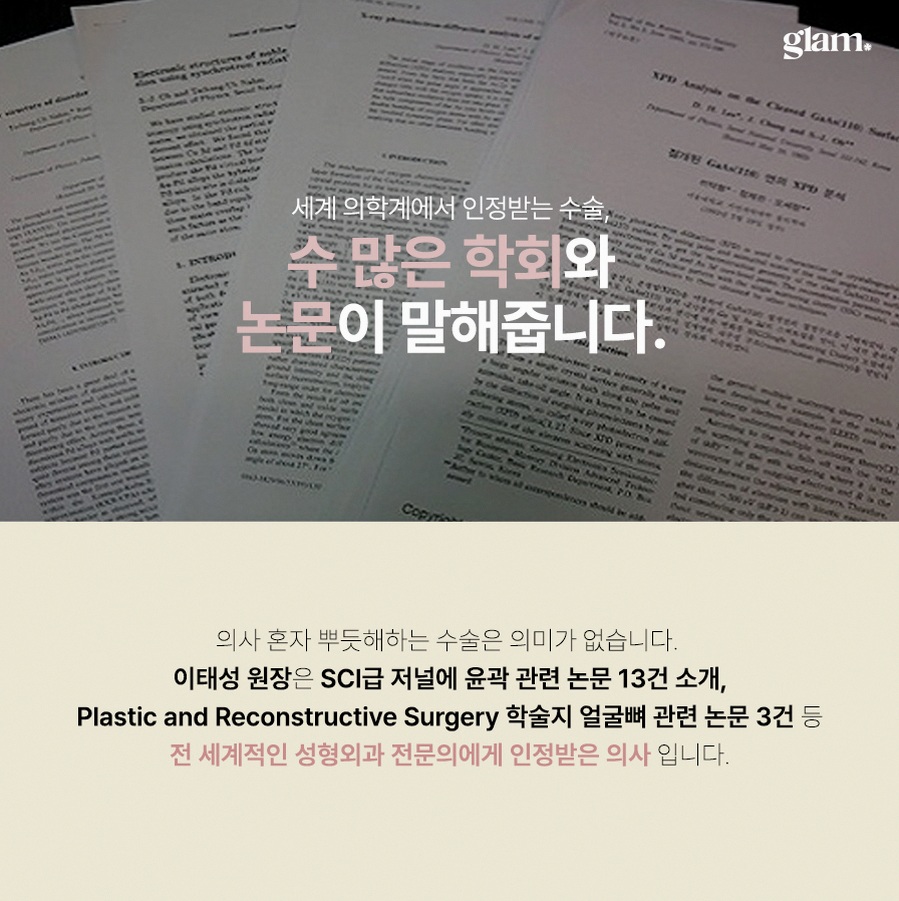
Ethically, many facial bone centers in Seoul emphasize proposing only the minimum necessary surgery based on objective analysis. Academic output, such as SCI-level papers in journals including Plastic and Reconstructive Surgery, is presented as evidence of systematic, research-based practice rather than as pure marketing.
Clinic and location context in Sinsa, Gangnam
Sinsa in Gangnam, Seoul, is a well-known area for facial bone surgery centers. GLAM Plastic Surgery is located on Dosan-daero within walking distance of Sinsa Station and focuses exclusively on facial bone surgery, including double jaw and facial contouring revision. It does not offer unrelated procedures such as eye, nose, or breast operations, which reinforces its specialized positioning.

For overseas patients, practical points such as weekday and Saturday clinic hours without a separate lunch break, and multilingual support in English, Japanese, and Thai, can make planning easier. Because the entire system is designed around facial bone operations, the clinic is equipped for detailed imaging, structured planning, and postoperative care tailored to revision contouring, including receding chin correction.
Frequently asked questions about chin augmentation revision
How is revision chin augmentation different from first-time chin surgery?
Revision chin augmentation is usually more complex than first-time surgery. The surgeon must work around scar tissue, previous osteotomy lines, and existing plates or screws. There is less freedom to move the bone because of nerve position and reduced bone volume. Planning focuses heavily on safety and realistic improvement rather than large, dramatic changes. Imaging and analysis of the full facial skeleton are particularly important to avoid creating new imbalances.
When is the right time to consider revision after a failed chin or jaw contouring procedure?
For bone-based procedures such as sliding genioplasty or jaw contouring, most surgeons recommend waiting at least 6 to 12 months before revision. This allows swelling to resolve and bone to heal fully, making it easier to judge the true result and plan safely. If the issue is related to an implant or filler, timing depends on the material and soft tissue condition. In any case, an early online consultation can help you understand whether it is better to wait or to act sooner.
Can a receding chin be corrected without touching the rest of the jaw in revision cases?
In some patients, yes. If the main issue is limited to the chin segment and the rest of the jaw and bite are harmonious, isolated chin revision may be enough. However, if previous surgery altered the mandibular border or jaw angles significantly, or if there is an underlying jaw discrepancy, focusing only on the chin can sometimes make the imbalance more obvious. A full facial bone analysis is needed to decide whether isolated chin revision or combined lower-face revision is more appropriate.

What should overseas patients prepare before coming to Seoul for chin revision?
Before traveling, gather all previous surgical records, including operative notes and imaging. Take clear, well-lit photos of your face from multiple angles and prepare a concise summary of your surgical history and current concerns. Make a list of questions about function, aesthetics, recovery time, and long-term expectations. Share this information during online consultation so the medical team can pre-plan your visit, advise on the length of stay, and schedule necessary imaging and tests.
Soft call to action
If you are considering chin augmentation revision surgery in Seoul and want a bone-focused opinion on your receding chin or previous contouring result, you can start with an online consultation. By sharing your photos, past records, and goals in advance, a facial bone surgery team such as the one at GLAM Plastic Surgery can assess whether revision is appropriate, outline potential options, and help you plan a safe and efficient treatment journey to Sinsa, Gangnam.




- 공유 링크 만들기
- X
- 이메일
- 기타 앱


댓글
댓글 쓰기