Cheekbone reduction surgery cost for revision contouring in Seoul
- 공유 링크 만들기
- X
- 이메일
- 기타 앱
Direct answer: what to expect for cheekbone reduction revision cost
For overseas patients, cheekbone reduction revision in Gangnam, Seoul is usually priced higher than first-time cheekbone surgery because it is more complex, takes longer, and often needs advanced imaging and careful reconstruction. Clinics rarely publish a fixed fee because the quote depends on how difficult your case is, whether bone grafts or hardware changes are needed, and if other facial contouring areas must be revised at the same time. In practice, you can expect revision cheekbone surgery to be noticeably more expensive than a primary operation at the same clinic, but an exact amount is only possible after in-person examination and 3D CT imaging.
This guide explains what you are actually paying for, why revision costs more, how a facial-bone-focused clinic in Sinsa, Gangnam approaches planning and pricing, and how to prepare as an international patient.
What cheekbone reduction and revision actually are
Cheekbone reduction overview
Cheekbone reduction is a facial contouring operation that reshapes and repositions the zygomatic bone and arch. The goal is to reduce lateral facial width and soften prominent cheekbones when viewed from the front and three-quarters angle. Surgeons usually make cuts at the front and side of the zygoma, move the bone inward and sometimes downward, and fix it with plates and screws so it can heal in a new position.
Revisional facial contouring explained
Revisional facial contouring means a second or later operation on the facial bones after a previous procedure such as cheekbone reduction, jaw angle reduction, or double jaw surgery. The purpose is to correct unsatisfactory shape, asymmetry, functional problems, or complications from the first surgery.
In the cheekbone area, revision may aim to:
Correct under-correction, where the face still looks wide or the cheekbones still appear prominent.
Improve over-reduction or unnatural flatness, when too much bone was moved or removed.
Address asymmetry between the left and right sides.
Smooth step deformities or irregularities along the zygomatic arch.
Improve persistent width or bulging in specific angles.
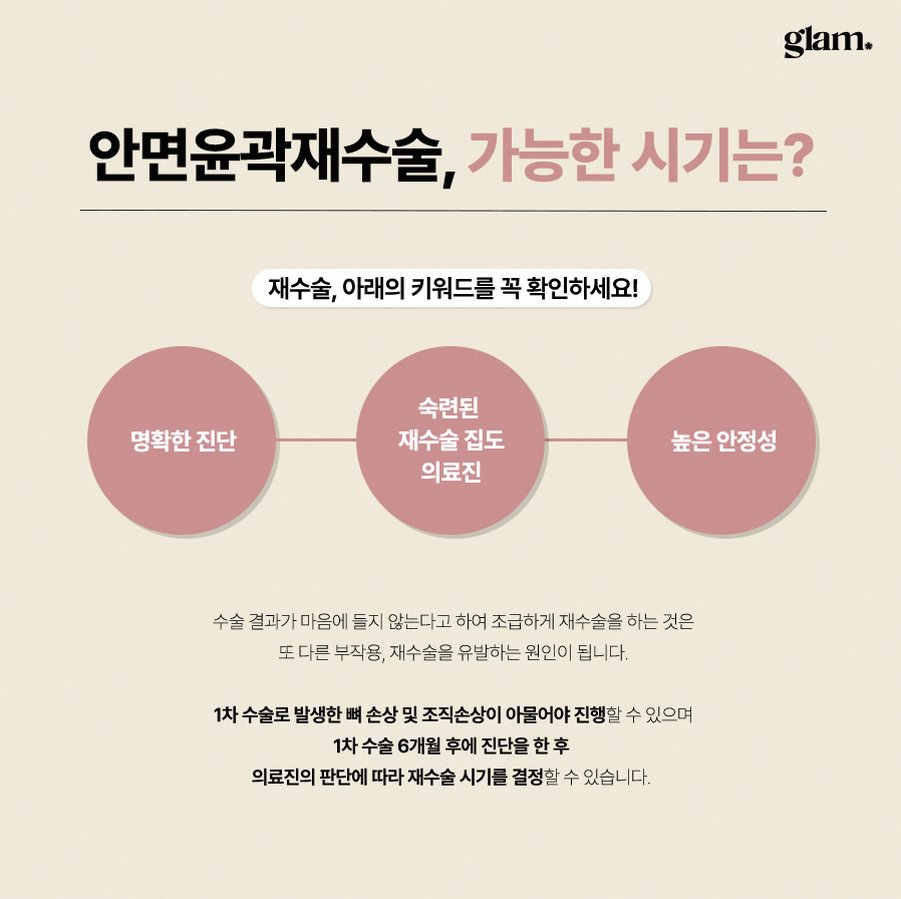
Why cheekbone reduction revision is more complex
Revision cheekbone surgery is rarely as simple as repeating the first operation. Common challenges include:
Scar tissue: Previous surgery leaves internal scarring, which makes dissection slower and riskier around nerves and blood vessels.
Altered anatomy: The original bone cuts, fixation plates, and screws change the normal landmarks surgeons use.
Bone healing issues: Some patients have malunion (healed in a poor position) or nonunion (bone not fully healed), which may require recutting, repositioning, or bone grafting.
Hardware problems: Existing plates and screws may need to be removed, replaced, or repositioned.
Soft tissue adaptation: The skin and soft tissues have already adapted to the first contour, so changes must be planned to avoid hollowness or sagging.
Because of this, revision usually requires detailed preoperative analysis with 3D imaging, careful planning to avoid nerve damage and functional problems, and often longer time in the operating room.
Who may consider cheekbone reduction revision
You might consider revision cheekbone surgery if you have one or more of the following after a previous facial contouring procedure:
Visible asymmetry between the left and right cheekbones.
Persistent facial width or a strong cheekbone line that still bothers you.
Unnatural flatness or a “sunken” look in the midface.
Step deformities or a visible edge along the zygomatic arch.
Chewing discomfort, joint symptoms, or bite changes related to cheekbone position.
Numbness or strange sensations that may be associated with bone or hardware position.
Not everyone is a good candidate. Bone quality, nerve status, overall health, and the details of your first operation all influence what is realistically possible. A key part of consultation is understanding how much improvement can be achieved without compromising bone stability or nerve safety.
How cheekbone reduction revision cost is structured
Why exact prices need a consultation
Unlike simple procedures with standard fees, cheekbone revision is highly individualized. The surgeon must see your face, review your previous records, and study 3D CT scans to understand:
Where and how the bones were cut.
How they healed and where plates and screws are located.
Whether there are asymmetries, malunions, or nonunions.
If other areas (jaw angle, chin, or double jaw) are contributing to your concern.
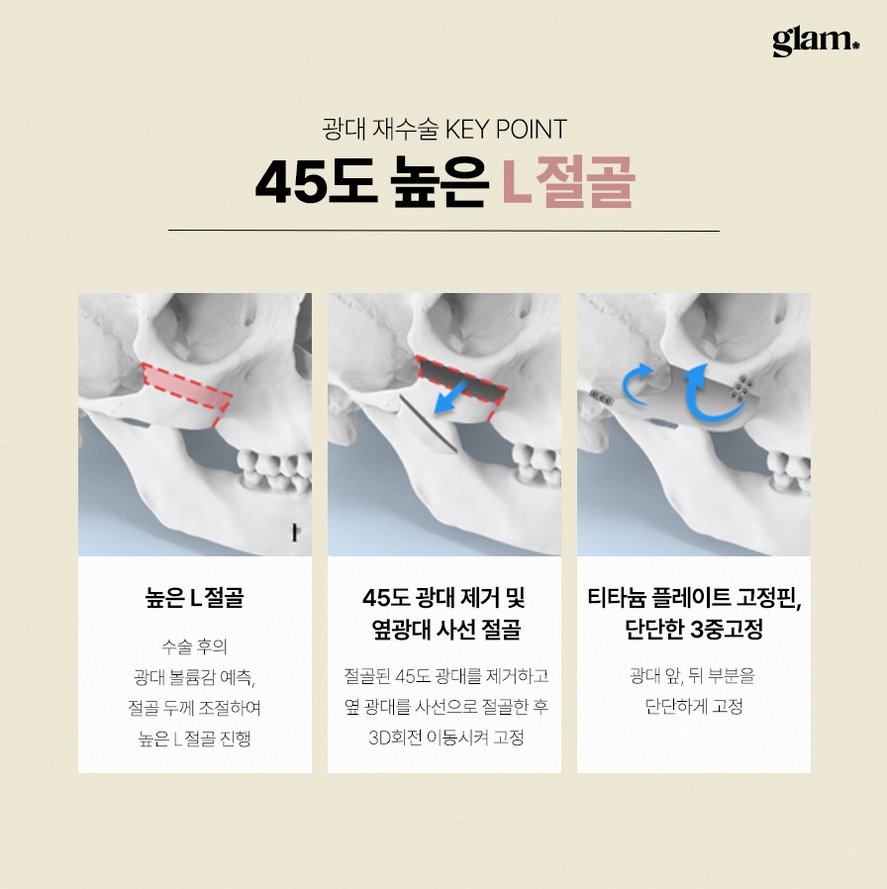
Only after this analysis can a clinic give a realistic quote. Online estimates based only on photos are usually rough ranges and may change after imaging.
Key cost drivers for cheekbone reduction revision
Case complexity
Simple revision: Minor asymmetry or small contour corrections, with well-healed bone and minimal hardware issues. These cases may require shorter operating time and fewer additional materials.
Complex reconstruction: Malpositioned bones, severe asymmetry, irregular bone edges, or problems with previous plates and screws. If there are nerve symptoms, bite problems, or joint discomfort, planning and surgery become more time-consuming, and costs increase.
Extent of surgery
Is the revision limited to the cheekbone, or will it be combined with jaw angle, chin, or double jaw revision? Combined contouring is more invasive, takes longer, and requires more postoperative care, so it is priced higher than isolated cheekbone work.
If bone grafts are needed to restore volume or stability, or if multiple plates and screws must be removed and replaced, material and operating room costs also rise.
Preoperative diagnostics and planning
Most revision cases require:
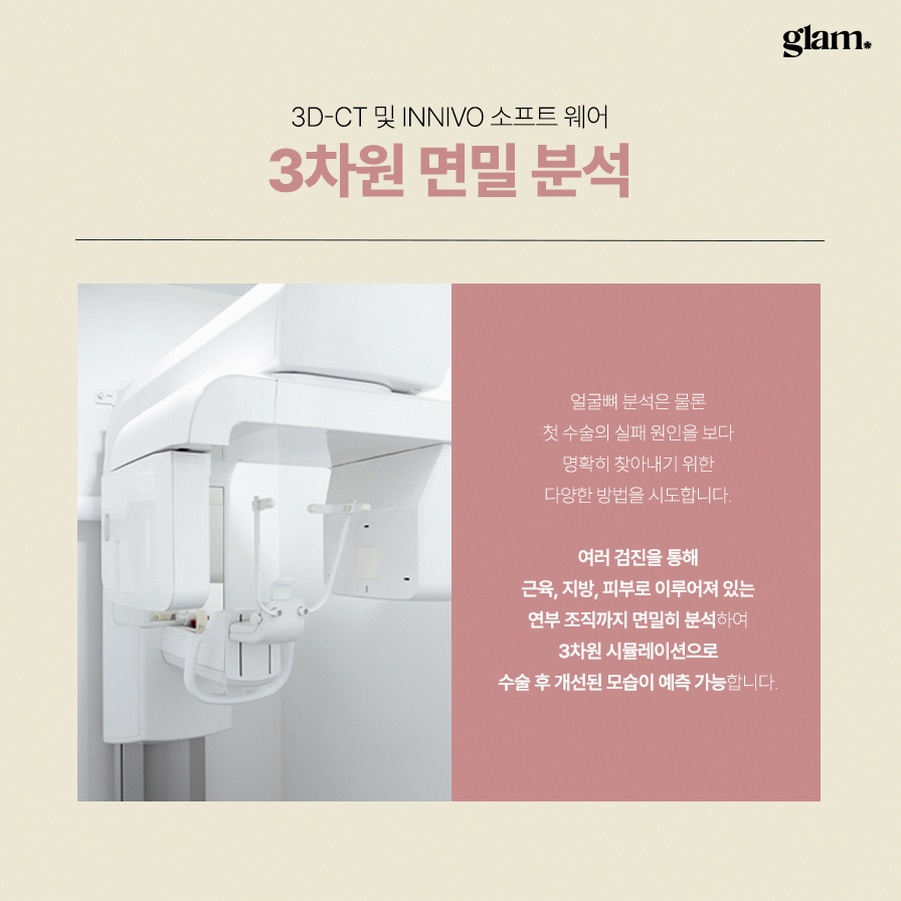
3D CT scans to evaluate bone cuts, healing, and hardware.
Cephalometric analysis and facial photographs.
Simulation planning to predict changes in width and contour.
Some patients, especially those with medical conditions, need additional lab tests and medical clearance. These diagnostic steps are usually included in the overall fee or listed as separate items, depending on the clinic.
Anesthesia and operating room
Cheekbone revision is almost always performed under general anesthesia. The cost includes:
An anesthesiologist responsible for anesthesia and pain management.
Anesthesia drugs and monitoring equipment.
Operating room time, which increases with case complexity.
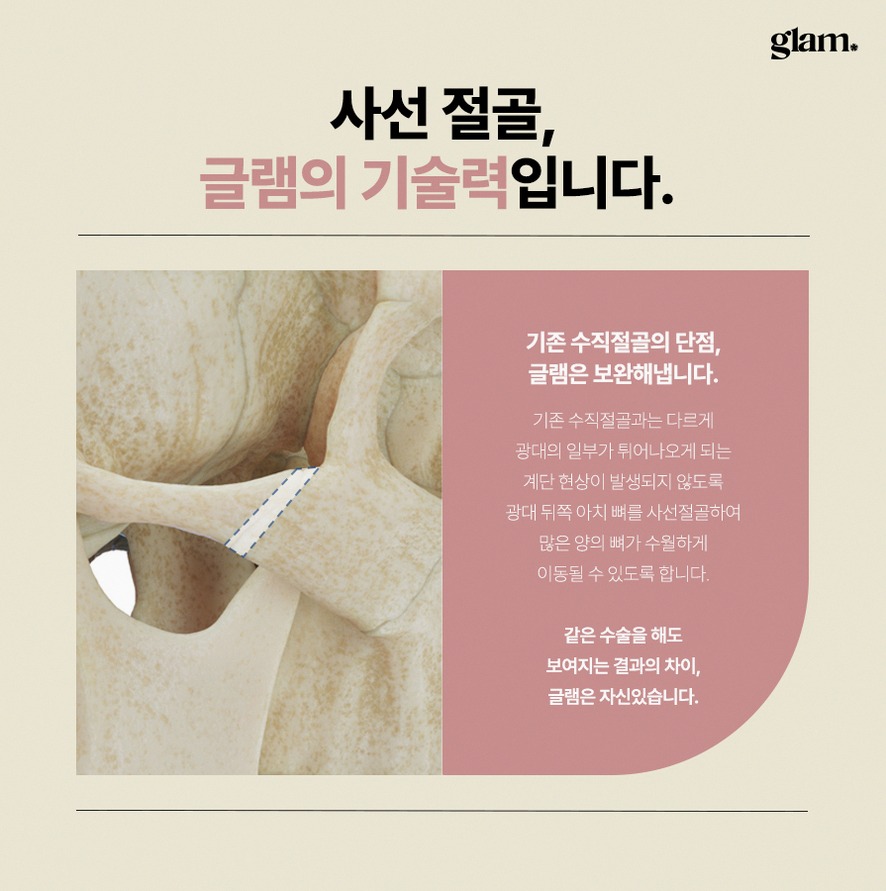
Longer, more complex revision surgeries cost more simply because they occupy the operating room and anesthesia team for more hours.
Surgeon’s expertise and academic background
Revision facial contouring is technically demanding and carries higher risk than primary surgery. Fees usually reflect the surgeon’s level of experience with facial bone operations and their academic background, such as peer-reviewed publications in contouring and double jaw surgery. This kind of evidence-based approach can be especially important in revision cases where precise planning and conservative judgment are crucial.
Postoperative care
Aftercare is another component of cost. For facial bone surgery, follow-up care often includes:
Regular postoperative visits to check healing.
Imaging to confirm bone position and union.
Swelling management programs such as LED therapy, facial dome treatments, skin reset care, or radiofrequency lifting.
Some clinics bundle these services into the surgery fee, while others charge separately for certain programs. Clarifying this in advance helps you compare quotes accurately.
Facility type and location
Clinics in central Seoul, especially in the Sinsa area of Gangnam, often have higher base costs due to facility standards, staffing, and location. A clinic that focuses exclusively on facial bone surgery, such as double jaw and contouring, may invest more in imaging, planning software, and dedicated systems, which can influence pricing but also support complex revision work.
Why revision cheekbone surgery usually costs more than primary surgery
There are several reasons revision cheekbone surgery is usually more expensive than first-time surgery at the same clinic:
Scar tissue and altered anatomy: Dissection is more difficult and time-consuming, and the risk around nerves and vessels is higher.
Existing plates and screws: Hardware may need to be removed or repositioned, adding steps and time.
Irregular bone edges or healing problems: Malunion or nonunion may require recutting, grafting, or more complex fixation.
More detailed imaging and planning: Revision often needs additional scans, simulations, and careful intraoperative decision-making.
Higher responsibility and expectations: Revision patients often come with both aesthetic and functional concerns, and the margin for error is smaller.
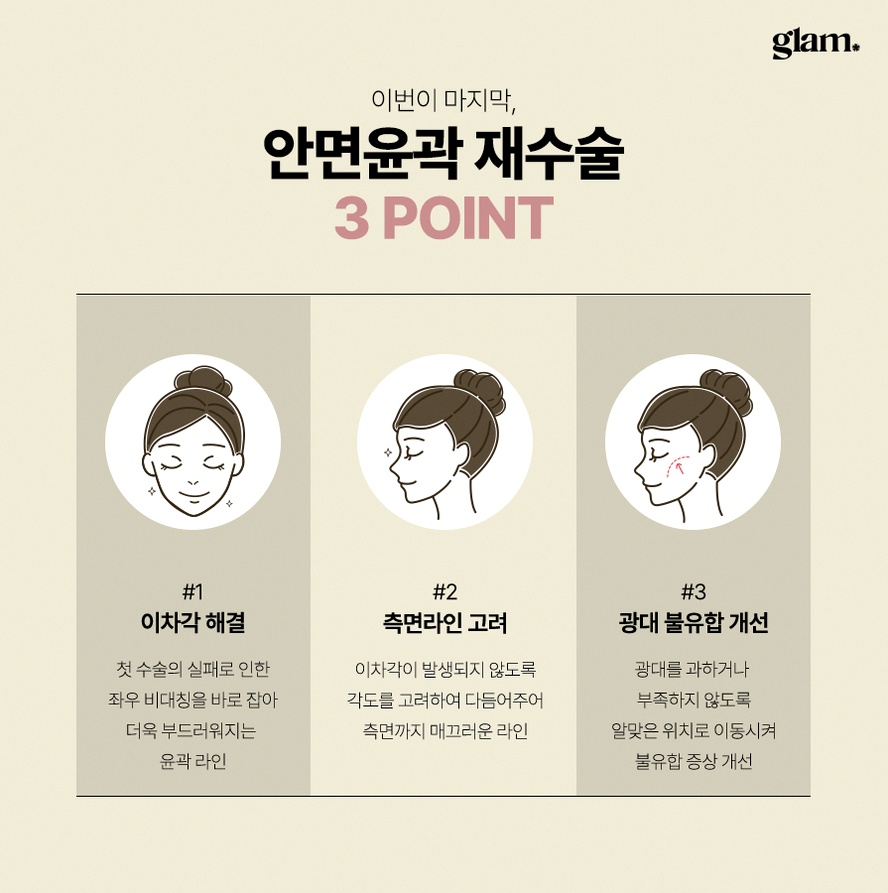
While it is natural to focus on price, revision facial contouring should prioritize safety, predictability, and the surgeon’s specific experience with facial bone revisions. Choosing based only on the lowest fee can increase the risk of needing yet another revision later.
How a facial-bone-focused clinic in Sinsa, Gangnam approaches revision
Clinic context
On Dosan-daero in Sinsa, Gangnam, about 200 meters from Sinsa Station exit 1, there are clinics that focus only on facial bone surgery, including double jaw and facial contouring such as cheekbone reduction and revision contouring. They do not offer eye, nose, or breast surgery lines, which allows their systems and staff training to center on bone surgery.
At GLAM Plastic Surgery, for example, ebruary 2025). A board-certified specialist in anesthesiology and pain medicine is in charge of general anesthesia and perioperative safety.
This type of single-focus environment can be reassuring for patients facing complex revision, especially when the stated philosophy is to recommend only the minimum necessary surgery rather than aggressive over-treatment.
International patient readiness
Many facial contouring clinics in Sinsa and Gangnam offer multilingual communication channels in languages such as English, Japanese, and Thai, and maintain social media accounts to share case information and educational content. For overseas patients, this can make pre-visit consultation smoother and help bridge time zone and language gaps.
Preparing for online consultation and pre-visit evaluation
What to prepare before contacting a clinic
To get a meaningful opinion and a realistic cost range online, prepare the following if possible:
Previous medical records from your first cheekbone or facial contouring surgery.
Operative notes or a summary of what was done.
Pre- and postoperative imaging, especially CT scans.
Recent facial photographs from front, 45-degree, and side views in neutral lighting.
If you do not have your records, you can usually request them from your previous clinic or hospital. Even partial information can help the new surgeon understand your case better.
Key topics to discuss during online consultation
When you contact the clinic, be ready to explain:
What you dislike most about your current cheekbone area: width, height, asymmetry, flatness, or irregular contour.
Any functional issues: chewing discomfort, joint symptoms, numbness, or bite changes.
Your priorities: for example, is symmetry more important than maximum reduction, or are you mainly focused on softening a specific angle.
Your schedule for visiting Korea and how long you can stay.
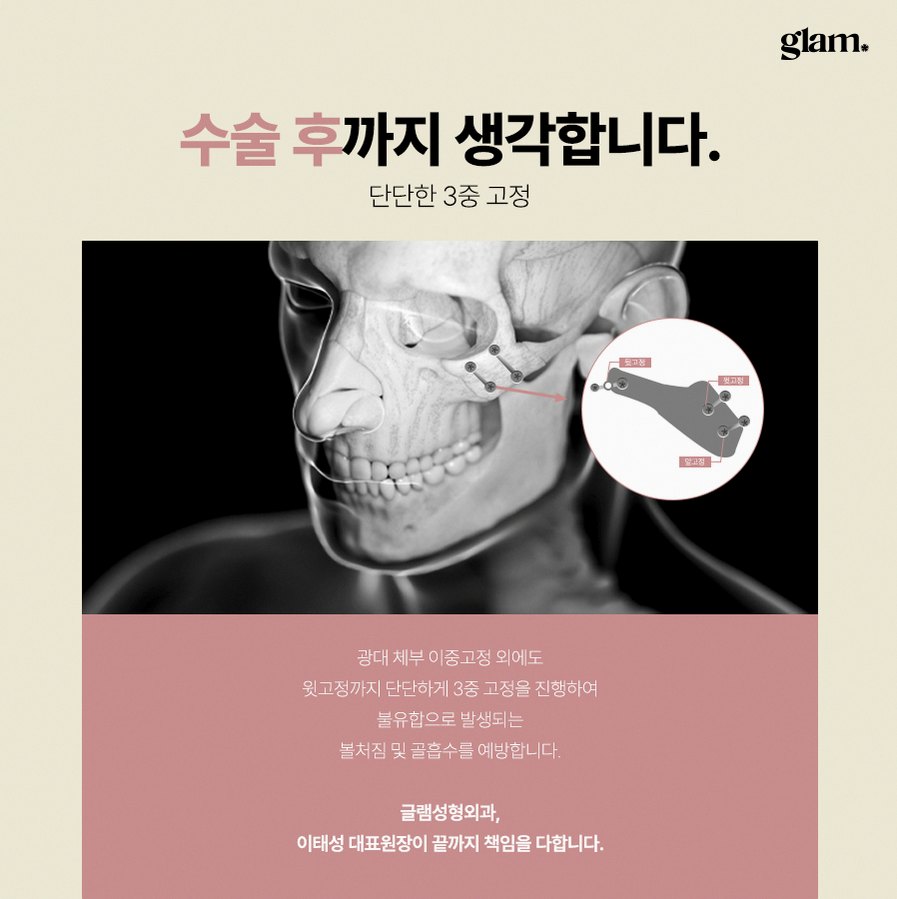
Ask clearly whether the surgeon expects revision to be limited to the cheekbone or if combined contouring (jaw angle, chin, or double jaw) might be recommended. This has a big impact on both surgical risk and cost.
Experience-based checklist before you decide
Before you choose a clinic for cheekbone revision, it helps to compare the following points, not just the quoted fee:
How many facial bone revision cases the surgeon handles and whether they personally perform the operation from start to finish.
What imaging and planning systems are used (3D CT, simulations, cephalometric analysis).
Whether a dedicated anesthesiologist is present for general anesthesia.
What is included in the price: imaging, anesthesia, hospitalization or day-stay, postoperative visits, and swelling management programs.
The clinic’s approach to conservative vs. aggressive bone removal and whether they are willing to say no to unnecessary procedures.
You can write down questions such as:
Is my case simple or complex, and why?
What are the main risks in my specific situation?
What changes are realistically possible, and what is not advisable?
If I combine cheekbone revision with another area, how does that change the plan, recovery, and cost?
Expected Korea visit timeline for overseas patients
Typical visit schedule
Although exact schedules vary, a common timeline for international patients undergoing cheekbone revision in Seoul might look like this:
Day 1–2: In-person consultation, facial photographs, 3D CT scan, and detailed examination. Discussion of surgical plan, risks, and cost. Preoperative lab tests if needed.
Day 3–4: Surgery under general anesthesia. Some clinics keep patients for several hours of observation or an overnight stay depending on the case.
First week after surgery: Frequent follow-up visits for wound checks, swelling assessment, and early care. Initial swelling and bruising are most noticeable during this period.
Second to third week: Stitches removal if applicable, continued swelling reduction, and possible start of LED therapy, facial dome care, or radiofrequency lifting programs.
After three to four weeks: Many patients can return to desk work or lighter activities, though residual swelling and stiffness may continue for several months.
Minimum stay and travel planning
For revision cheekbone surgery, it is generally safer to plan a stay of at least two to three weeks in Korea, especially if you are traveling from far away. This allows time to manage early healing, handle any unexpected issues, and attend key follow-up visits.
You should avoid scheduling long flights too soon after surgery, as swelling and discomfort can be worsened by travel. Always discuss your travel dates with the surgeon and anesthesiologist during planning.
Aftercare and recovery expectations
Early postoperative period
Right after surgery, you can expect:
Swelling and bruising around the cheeks and possibly under the eyes.
Tightness or mild pain, usually controlled with prescribed medication.
Temporary numbness in parts of the cheek or upper lip area.
The clinic will provide instructions on mouth care, sleeping position, cold or warm compresses, and activity restrictions. Following these guidelines closely helps reduce complications and supports smoother healing.
Swelling management and skin adaptation
Many facial bone clinics in Gangnam offer postoperative programs such as:
LED therapy to support healing.
Facial dome treatments to gently manage swelling.
Skin reset care and radiofrequency lifting to help the skin and soft tissues adapt to the new bone contour.
Ask whether these are included in the surgery package or charged separately, and how many sessions are recommended for revision cases.
Long-term healing
Bone healing and final contour take time. While most visible swelling improves within a few weeks to a couple of months, subtle changes can continue for six months or longer. Nerve symptoms, if present, may take months to stabilize.
Regular follow-up imaging may be recommended to confirm bone union and hardware position, especially in complex revisions. Staying in touch with the clinic by online consultation after you return home can help monitor your progress.
Safety, risks, and how clinics reduce them
Main risks of cheekbone reduction revision
Like all facial bone surgery, cheekbone revision carries potential risks, including:
Nerve injury leading to temporary or permanent numbness.
Asymmetry or contour irregularities if bone healing is not ideal.
Nonunion or malunion of bone segments.
Infection or problems related to plates and screws.
Worsening of functional issues such as chewing discomfort or bite changes if planning is inadequate.
Risk reduction strategies
Clinics that focus on facial bone surgery typically aim to reduce these risks by:
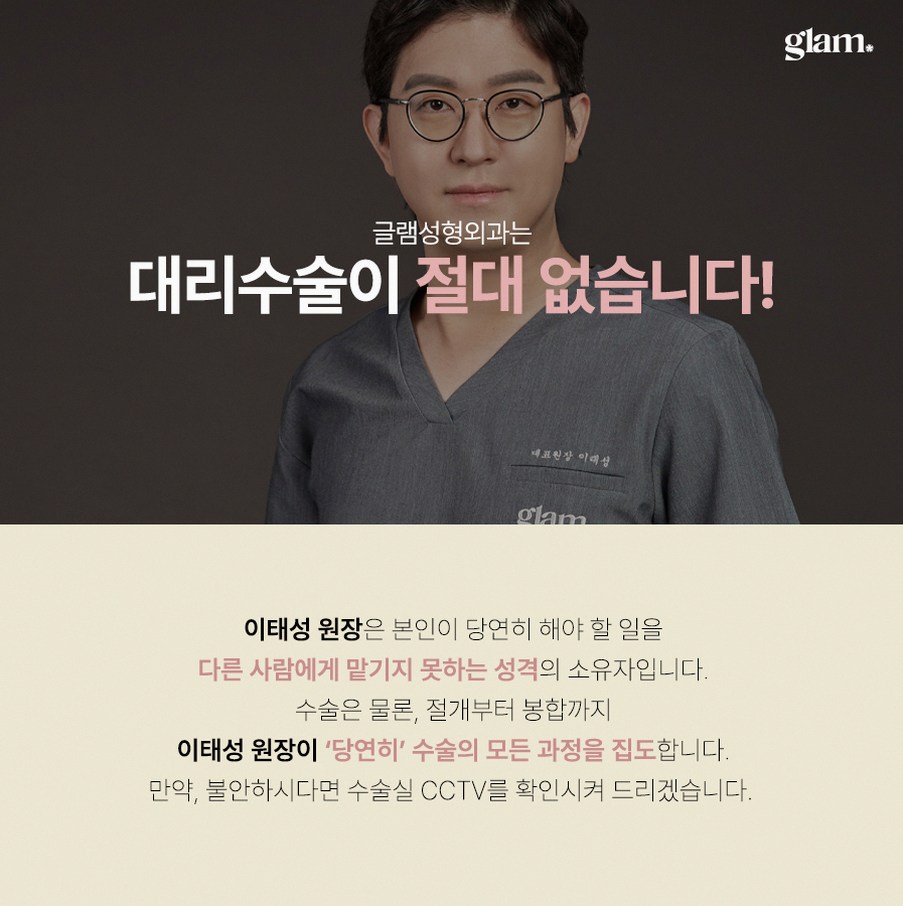
Having a board-certified plastic surgeon with long-standing experience in facial bone operations perform the surgery directly.
Ensuring continuous presence of a board-certified anesthesiologist during general anesthesia.
Using thorough preoperative imaging and conservative, stepwise planning rather than overly aggressive bone removal.
Communicating clearly about the limitations of revision surgery and, when needed, recommending staged approaches instead of trying to fix everything at once.
Pricing FAQ for cheekbone reduction revision
Why is cheekbone reduction revision usually more expensive than first-time surgery?
Revision surgery is more complex because of scar tissue, altered anatomy, existing plates and screws, and possible bone healing problems. It often requires longer operating time, more detailed imaging and planning, and more intensive postoperative follow-up. All of these factors increase the overall cost compared to a primary cheekbone reduction.
What is typically included in the quoted price for revision cheekbone surgery?
Most clinics include the surgeon’s fee, anesthesia, operating room use, basic preoperative tests, and standard postoperative visits in the main quote. Some also include 3D CT imaging and a set number of swelling management sessions, while others list these as separate items. When you receive a quote, ask for a breakdown so you know exactly what is covered.
Can I get an exact price quote online with only photos, or is 3D imaging required?
Photos alone are usually not enough for an exact price, especially for revision. They can help the clinic give a rough range and decide whether you are a potential candidate, but a precise quote almost always requires in-person examination and 3D CT imaging to see the bone cuts, healing, and hardware. Expect any online estimate to be subject to change after full evaluation.
Does combining cheekbone revision with jawline or chin revision significantly change the cost?
Yes. Combining areas means a longer operation, more complex planning, and a more involved recovery, so the cost is higher than cheekbone revision alone. However, doing combined surgery in one session may sometimes be more efficient than separate operations in terms of total recovery time and repeated anesthesia. This decision should be based on safety, your anatomy, and your goals, not only on price.

Is choosing the lowest price safe for revision cheekbone surgery?
For revision facial contouring, choosing solely based on the lowest fee can be risky. Because the anatomy is already altered and the margin for error is smaller, surgeon experience, imaging systems, anesthesia safety, and postoperative support are crucial. It is better to compare what is included in the price, the surgeon’s specific revision experience, and the clinic’s systems than to focus only on the number.
How does having a dedicated anesthesiologist affect safety and cost?
This adds to the cost but is an important safety factor, especially for longer and more complex revision cases. Many patients consider this an essential part of their decision-making rather than an optional extra.
Soft call to action for overseas patients
If you are considering cheekbone reduction revision in Seoul and want to understand your likely cost and options, an online consultation is a practical first step. Preparing your previous records, imaging, and clear photos will help the surgical team assess your situation and explain whether revision is appropriate, what kind of changes are realistic, and how your individual factors might influence the fee.
Clinics such as GLAM Plastic Surgery in Sinsa, Gangnam, which focus on facial bone surgery and support international patients through multilingual channels, can guide you from initial online inquiry through planning your trip, surgery, and follow-up. Wherever you choose to go, prioritize clear communication, safety systems, and realistic planning over price alone when making your decision about revision cheekbone surgery in Korea.




- 공유 링크 만들기
- X
- 이메일
- 기타 앱


댓글
댓글 쓰기