Checklist: Surgeon, Anesthesiology, and Recovery Care
- 공유 링크 만들기
- X
- 이메일
- 기타 앱

Direct answer summary
If you are searching for a double jaw surgery hospital in Seoul, focus first on specialization and safety, not on price or advertising. For this major facial bone operation, you should look for a center that concentrates on double jaw and facial contouring, is led by an experienced plastic surgeon with a strong academic background in facial bone surgery, and is supported by a dedicated anesthesiology specialist. GLAM Plastic Surgery near Sinsa Station in Gangnam is an example of this type of focused facial bone center, and this guide will explain how to evaluate similar hospitals and prepare for treatment as an overseas patient.
What a Double Jaw Surgery Hospital Actually Does
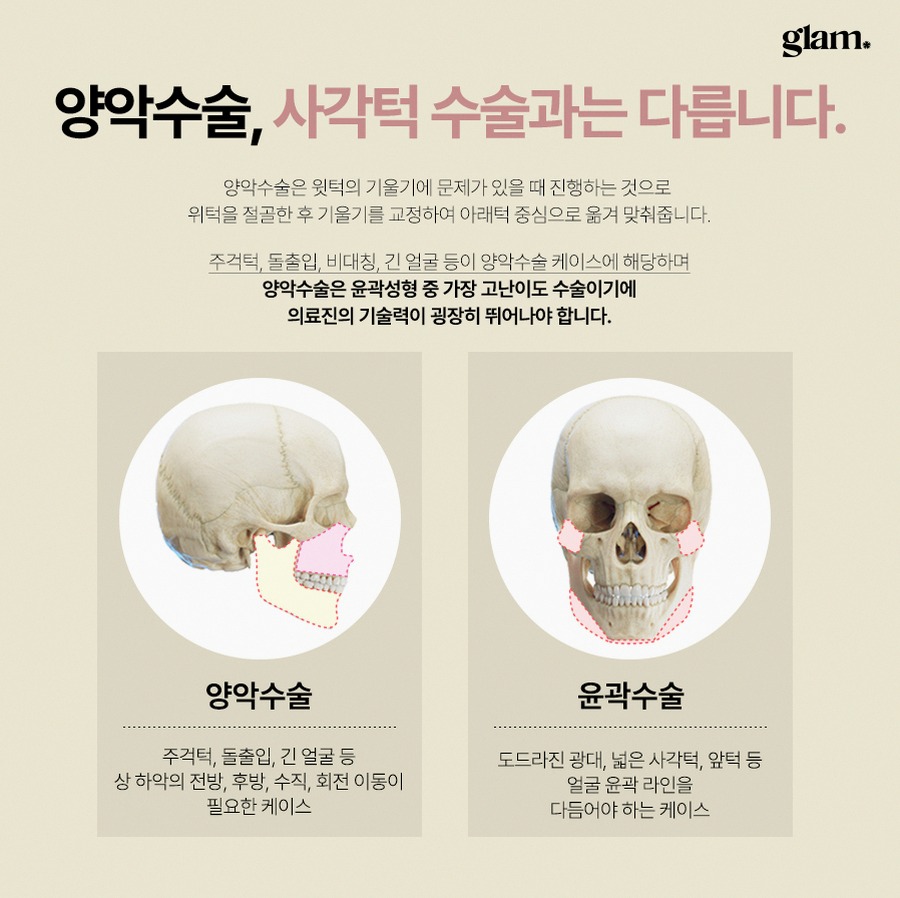
Double jaw surgery, also called orthognathic surgery, is an operation that repositions both the upper jaw (maxilla) and the lower jaw (mandible). The main goals are to improve bite function, facial balance, and sometimes breathing, while also considering aesthetic harmony.
People usually consider a double jaw surgery hospital when they have one or more of the following issues: a protruding mouth, facial asymmetry, an open bite, a receding chin, or difficulty chewing and closing the lips comfortably. In some cases, sleep-related breathing problems or jaw joint strain can also be related to jaw position.
In Korea, many patients are also interested in double jaw surgery for aesthetic reasons such as a smaller-looking face, a more defined jawline, or better side profile. However, a safe hospital will always prioritize function and long-term stability first, then refine the aesthetic plan around that.
Why a Facial Bone–Only Center Is Different
In Seoul, many plastic surgery clinics offer a wide range of procedures: eyelid surgery, nose reshaping, breast surgery, body contouring, and more. Double jaw surgery may be only one of many services, and the team, equipment, and protocols are spread across many different areas.
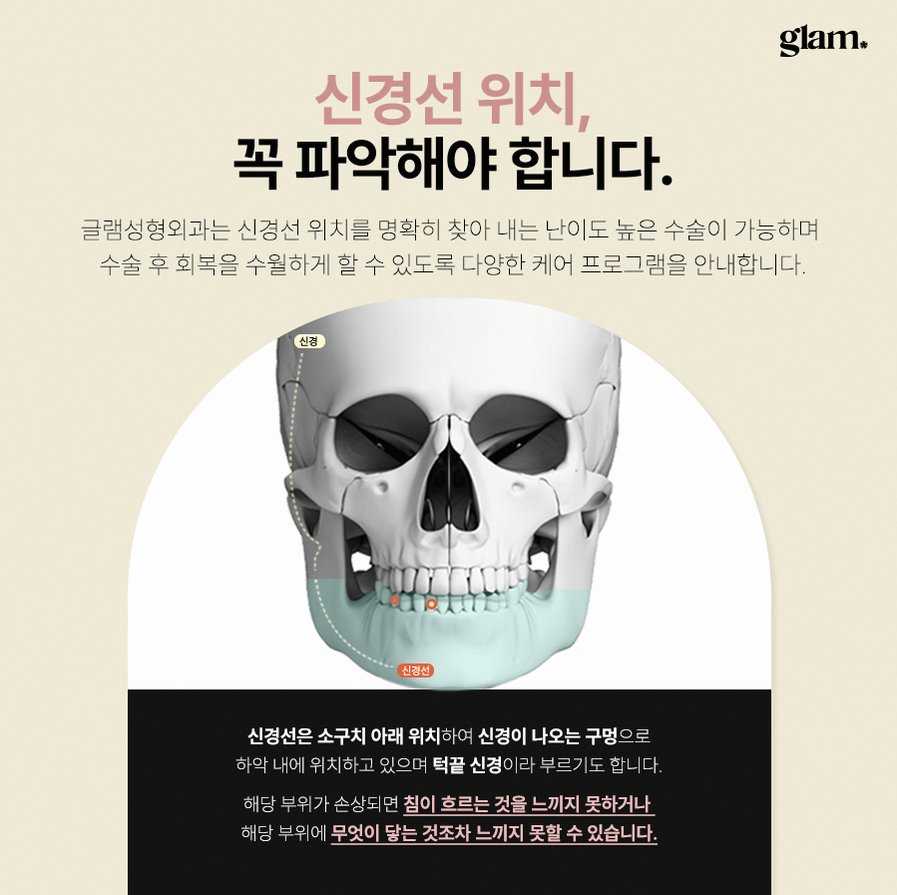
A facial bone–only center is different. Its entire system is built around operations such as double jaw surgery, cheekbone reduction, V-line surgery, square jaw reduction, and revision facial contouring. This single-focus lineup means the medical staff frequently handle similar bone cases, which helps them refine techniques for nerve protection, bone fixation, and swelling control.
GLAM Plastic Surgery is an example of this type of focused center. It is not a general plastic surgery clinic; it limits its services to double jaw surgery and facial contouring. The internal systems, from imaging and surgical planning to post-operative care, are all designed around facial bone procedures rather than a mix of unrelated cosmetic treatments.
For international patients, this kind of specialization can provide reassurance that the clinic’s experience and protocols are concentrated on the specific surgery you are considering.
Treatment overview: double jaw and related facial bone surgery
A specialized double jaw surgery hospital usually offers a comprehensive facial bone program, including:
Double jaw surgery (orthognathic surgery)
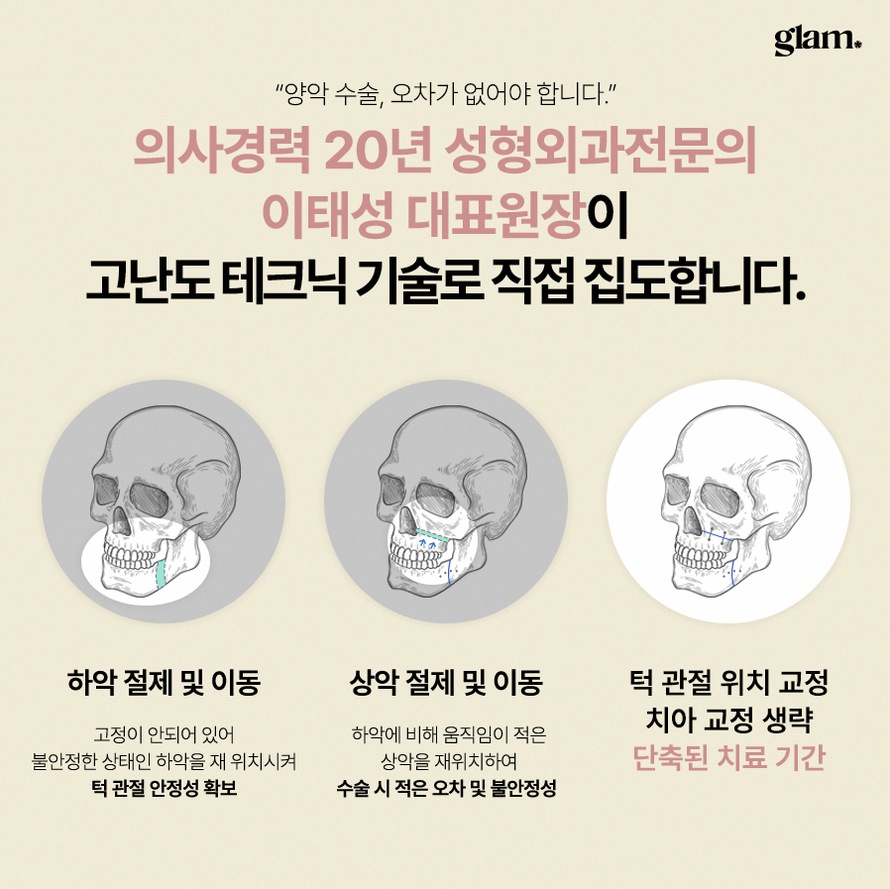
Repositioning of the upper and lower jaws to correct bite problems, facial asymmetry, protrusion, or a receding lower face. The surgeon plans bone cuts and movements in three dimensions to improve both function and facial harmony.
Revision double jaw surgery
Some patients come after previous jaw surgery performed elsewhere, with remaining asymmetry, bite problems, or dissatisfaction with facial shape. Revision cases are more complex and require careful analysis of existing bone position, plates, and scar tissue.
Cheekbone reduction
This procedure reduces prominent cheekbones that create a wide or angular midface. It is often considered together with double jaw surgery for patients who want a more balanced facial width.
V-line and square jaw reduction
These surgeries reshape the lower jaw angle and chin line to create a smoother, more tapered jawline. At a facial bone–focused center, these are planned together with double jaw surgery so that the bite, chin position, and jaw angle all match the new facial proportions.
Revision facial contouring
For patients with previous cheekbone or jaw contouring, revision surgery may address irregularities, asymmetry, or functional issues. This requires detailed imaging and a conservative approach to avoid over-thinning or weakening the bone.
Who may consider a double jaw surgery hospital
You may consider consulting a double jaw surgery hospital if you recognize one or more of these situations:
You have a long-standing bite problem such as difficulty closing your teeth together, an open bite, or significant overbite or underbite.
Your face looks noticeably asymmetrical in photos, especially in the lower third of the face.
Your mouth protrudes even when your teeth are not large, or your chin looks very receded compared with your nose and lips.
You have trouble chewing certain foods, or your jaw muscles feel easily tired.
You have already had facial bone surgery and are still concerned about function or appearance.
However, not everyone with these concerns automatically needs double jaw surgery. A responsible hospital will use detailed imaging and bite analysis to decide whether double jaw surgery is truly indicated, or whether milder options or limited contouring may be enough.
Surgeon credentials you should check
The operating surgeon is the most important factor when choosing a double jaw surgery hospital. When you research clinics in Seoul, consider the following points:
Board certification in plastic surgery
Check that the surgeon is a board-certified plastic surgeon. This indicates formal training and qualification in plastic and reconstructive surgery, including facial bone procedures.
Long-term focus on facial bone surgery
Look for a surgeon whose main clinical focus has been facial bone surgery for many years, rather than one who mainly performs soft-tissue cosmetic procedures and occasionally does jaw surgery.
Academic track record
An objective way to assess expertise is academic output. For example, the chief surgeon at GLAM Plastic Surgery has 13 SCI-level papers as of February 2025, including three published in the journal Plastic and Reconstructive Surgery. Publications in high-impact journals suggest that the surgeon’s techniques and research have been peer-reviewed by international experts.
Leadership roles and training background
Experience leading a facial bone center at a larger hospital or clinic, and training at reputable medical schools and teaching hospitals, are additional indicators that the surgeon has been trusted with complex cases and has taught or supervised other doctors.
These objective criteria are more reliable than marketing phrases like “famous doctor” or “celebrity surgeon”. When in doubt, ask the clinic to provide a list of the surgeon’s publications and positions, and take time to review them.
Safety system: anesthesiologist and operating protocols
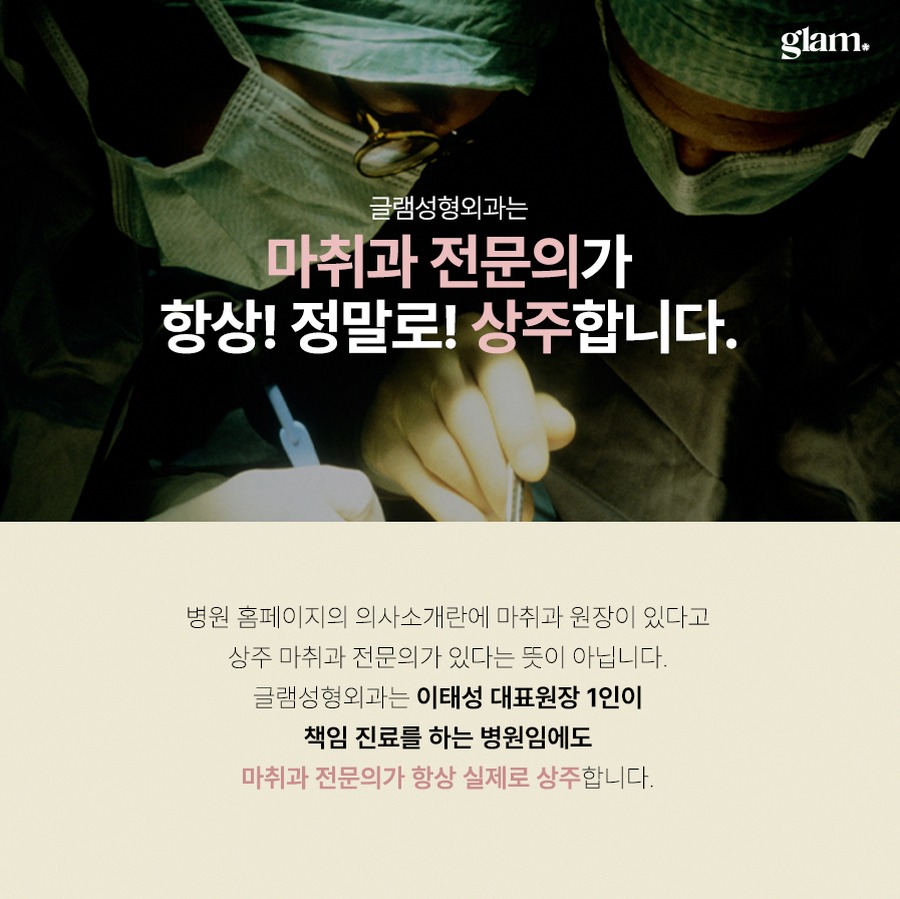
Double jaw surgery is a long and complex operation that requires general anesthesia. For this reason, the presence of a dedicated anesthesiology specialist is a key safety factor.
A full-time board-certified anesthesiologist focuses on:
Pre-anesthesia evaluation, checking your medical history, medications, and test results.
Choosing the safest anesthesia method and drugs for your condition.
Continuous monitoring of vital signs during surgery, including blood pressure, heart rate, oxygen saturation, and breathing.
Adjusting anesthesia depth and fluids in real time to keep you stable.
Managing pain control and nausea immediately after surgery.
Some clinics rely on visiting or non-specialist staff for anesthesia. In contrast, GLAM Plastic Surgery operates with one plastic surgery specialist and one specialist in anesthesiology and pain medicine as a stable team for facial bone surgery. For overseas patients, this structure can be reassuring because it means there is a dedicated expert focusing solely on your anesthesia and safety throughout the procedure.
When you compare hospitals, ask directly whether they have a full-time anesthesiologist, and whether that doctor will be present for the entire duration of your surgery.
Conservative planning: only the surgery you really need
Many patients worry about being pushed into more surgery than they actually need, especially when they travel from overseas and feel pressure to decide quickly. A trustworthy double jaw surgery hospital will follow a conservative, needs-based philosophy.
This means:
Recommending double jaw surgery only when objective measurements show that jaw repositioning is truly necessary for function and balance.
Avoiding unnecessary additional contouring procedures if your bone structure does not require them.
Explaining when a simpler procedure could address your main concern, even if it is less profitable for the clinic.
At GLAM Plastic Surgery, the chief surgeon performs the operations directly and emphasizes conservative planning rather than high-volume surgery. This kind of approach can reduce the risk of over-reduction of bone, long-term weakness, or an overly artificial look.
When you attend consultations, pay attention to whether the surgeon explains both what they recommend and what they do not recommend, and why. Clear reasoning and willingness to say “no” to unnecessary procedures are good signs.
Key technical points: fixation, orthodontics, and nose shape
Double jaw surgery involves several technical decisions that affect your comfort and final result. When comparing hospitals, ask about these topics.
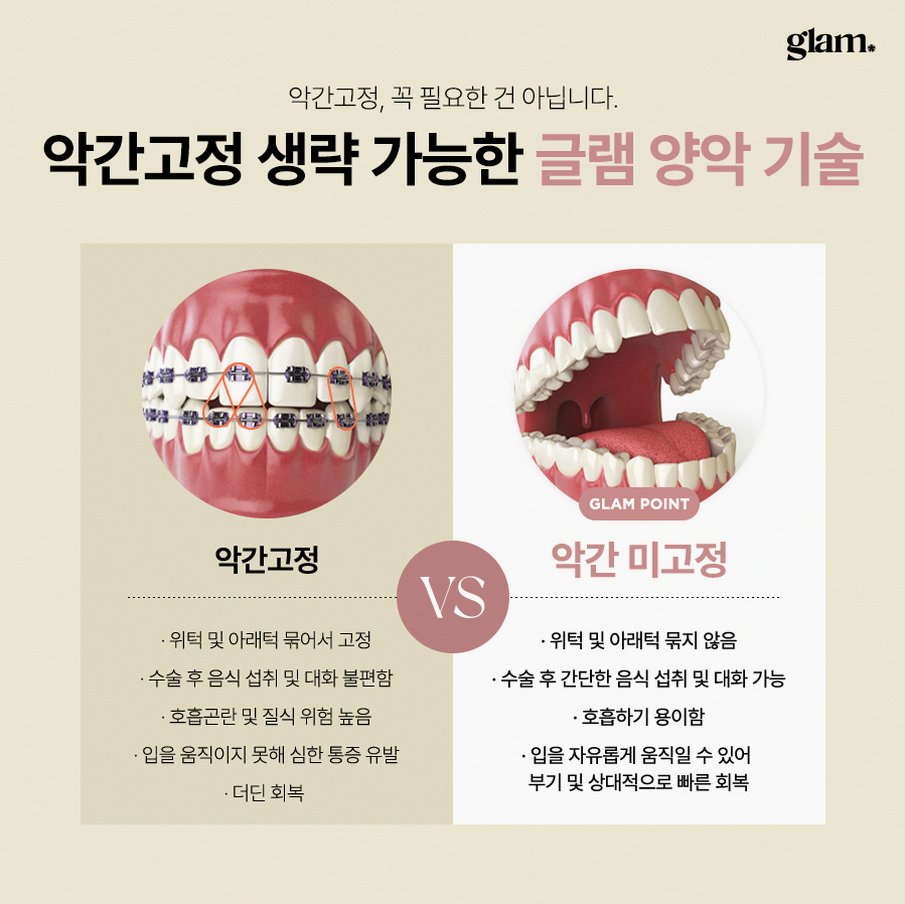
Intermaxillary fixation (jaw wiring)
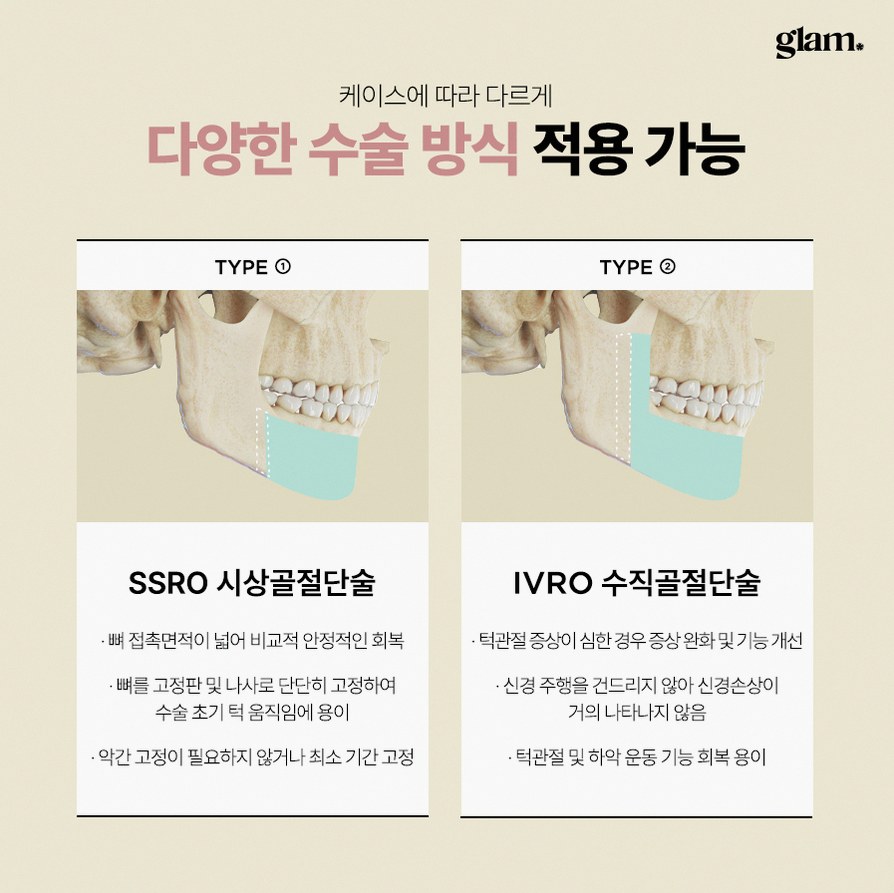
Traditional double jaw surgery often used intermaxillary fixation, where the upper and lower jaws are wired or tightly rubber-banded together for a period after surgery. This can make speaking and eating very difficult.
Some modern techniques allow double jaw surgery without long-term intermaxillary fixation in suitable cases. The surgeon uses stable bone fixation with plates and screws so that the jaws do not need to be wired shut for weeks. You may still have temporary elastic bands, but the level of restriction can be much lighter.
Whether this is appropriate for you depends on your bone quality, the amount of movement required, and the surgeon’s protocol. Ask the hospital how they manage fixation and what you can expect in terms of jaw movement after surgery.

Role of orthodontic treatment
In many cases, double jaw surgery is combined with orthodontic treatment to fine-tune tooth alignment before and after surgery. However, in some situations, pre-treatment can be simplified or even omitted if the jaw movement itself corrects much of the bite problem.
A specialized double jaw surgery hospital will explain:
Whether you need full orthodontic treatment.
If you can have surgery-first planning.
How long any orthodontic phase is expected to last.
This decision must be personalized after a thorough bite and imaging analysis.
Nasal widening after upper jaw movement
When the upper jaw is moved, the base of the nose can change shape, sometimes leading to nasal widening. Experienced facial bone surgeons use specific suturing and soft-tissue techniques around the nose base to minimize these changes.
During consultation, ask how the surgeon manages the nose area during double jaw surgery, and whether they have strategies to reduce unwanted nasal widening.
Post-operative care for swelling and recovery
Recovery support is another important difference between general clinics and specialized double jaw surgery hospitals. After facial bone surgery, structured post-op care can help manage swelling, bruising, and skin condition.
Typical recovery programs may include:
LED therapy
Light-based treatments that can support skin healing and help reduce inflammation and bruising.
Facial dome treatments
Gentle treatments using a dome device to create a controlled environment around the face, often used to support circulation and comfort.
Total skin reset care
Cleansing and soothing care for sensitive post-surgery skin, helping to keep the skin surface clean and comfortable while you are swollen.
Radiofrequency lifting
Low-level radiofrequency treatments can support skin tightening and lymphatic flow, which may help with swelling reduction and skin firmness as you heal.
At a focused facial bone center, these programs are integrated into the overall treatment plan as recovery support, not as separate cosmetic upsells. They do not replace proper medical follow-up but can make the healing period more manageable.
Step-by-step: what to expect at a double jaw surgery hospital
Initial online consultation
As an overseas patient, your first contact is usually online. You may be asked to send facial photos from the front, 45-degree angle, and side, along with information about your bite, previous treatments, and medical history.
The clinic will use this information to give a preliminary opinion on whether double jaw surgery seems appropriate, what additional imaging will be required in Seoul, and a rough idea of the visit schedule.
In-person consultation and diagnostic workup
Once you arrive in Korea, you will have an in-person consultation. This typically includes:
Detailed discussion of your functional symptoms and aesthetic goals.
Physical examination of your face and jaw movement.
Imaging such as X-rays, CT scans, or 3D scans.
Bite analysis and facial proportion assessment.

The surgeon will then explain whether double jaw surgery is truly indicated, whether any facial contouring procedures are recommended, and how orthodontic treatment fits into the plan.
Treatment planning
At a specialized double jaw surgery hospital, planning is done in three dimensions. The surgeon may use 3D models or software to simulate jaw movements and predict changes in facial balance.
You should receive an explanation of:
The planned jaw movements.
Whether intermaxillary fixation will be used and for how long.
Expected changes in facial shape.
Risks and possible complications.
Estimated recovery timeline.
Surgery day
On the day of surgery, you will meet the anesthesiologist again for final checks. In a center with a dedicated anesthesiology specialist, this doctor will stay with you throughout the operation, managing anesthesia and monitoring your condition.
After surgery, you will wake up in a recovery area where your vital signs are monitored. The medical team will check your breathing, pain level, and swelling, and guide you on how to position your head and how to manage any elastic bands or light fixation.
Post-operative follow-up and recovery programs
In the days and weeks after surgery, you will have scheduled follow-up visits. These may include:
Wound checks and suture removal.
Imaging to confirm bone position.
Adjustments to elastic bands.
Introduction of LED therapy, facial dome treatments, total skin reset care, and radiofrequency lifting at appropriate stages.
The clinic will also guide you on diet progression, oral hygiene, sleep position, and when you can safely fly home.
Expected Korea visit timeline for overseas patients
The exact schedule varies, but a typical visit for double jaw surgery might look like this:
Day 1–2: In-person consultation, imaging, and preoperative tests.
Day 3–5: Surgery day, followed by one or more nights of close observation.
Week 1–2: Frequent follow-up visits for swelling checks, wound care, and early recovery programs.
Week 3–4: Continued follow-up, possible removal of any remaining sutures, and gradual return to more normal activities.
Some patients may be able to fly home around two to three weeks after surgery, depending on their condition and the surgeon’s advice. Always confirm your individual timeline with the hospital, and avoid booking non-refundable flights before your surgical plan is finalized.
Online consultation and pre-visit preparation
Before you travel, it is helpful to prepare the following for online consultation:
Clear photos of your face from the front, both sides, and 45-degree angles.
Photos showing your bite from the front and sides while gently closing your teeth.
A brief summary of your main concerns, both functional and aesthetic.
Information about any previous facial bone or jaw surgery.
A list of your medical conditions, medications, and allergies.
Many clinics in Gangnam, including GLAM Plastic Surgery, provide English, Japanese, and Thai web pages and have channels for international patients. This can make it easier to communicate your questions and understand explanations.
Checklist for choosing a double jaw surgery hospital in Seoul
When comparing hospitals, use this practical checklist:
Is the clinic focused on facial bone surgery, or is double jaw just one of many unrelated procedures?
Is the operating surgeon a board-certified plastic surgeon with documented experience and SCI-level publications in facial bone surgery?
Is there a full-time board-certified anesthesiologist on staff who will manage your anesthesia from start to finish?
Are you being offered only the minimum necessary surgery, with clear explanations and alternatives, or pushed into multiple procedures without solid reasons?
Does the clinic provide structured post-op care programs for swelling and recovery, and a clear follow-up schedule?
Is the location convenient, for example near Sinsa Station in Gangnam, and does the clinic offer language support for international patients?

If a clinic cannot clearly answer these questions, consider it a sign to keep looking.
Soft call to action for online consultation
If you are considering double jaw surgery in Seoul and want a facial bone–focused approach, you can start with an online consultation at a clinic like GLAM Plastic Surgery. Sharing your photos and concerns in advance allows the team to assess whether double jaw surgery seems appropriate and what kind of visit schedule would be realistic for you.
Take your time, compare several hospitals, and choose the one that offers transparent explanations, strong surgeon credentials, a dedicated anesthesiology specialist, and a structured recovery plan. Double jaw surgery is a major decision, and the right double jaw surgery hospital should make you feel informed, respected, and safe at every step.




- 공유 링크 만들기
- X
- 이메일
- 기타 앱


댓글
댓글 쓰기