3: Sinsa (Seoul) revision — why no flat fee
- 공유 링크 만들기
- X
- 이메일
- 기타 앱
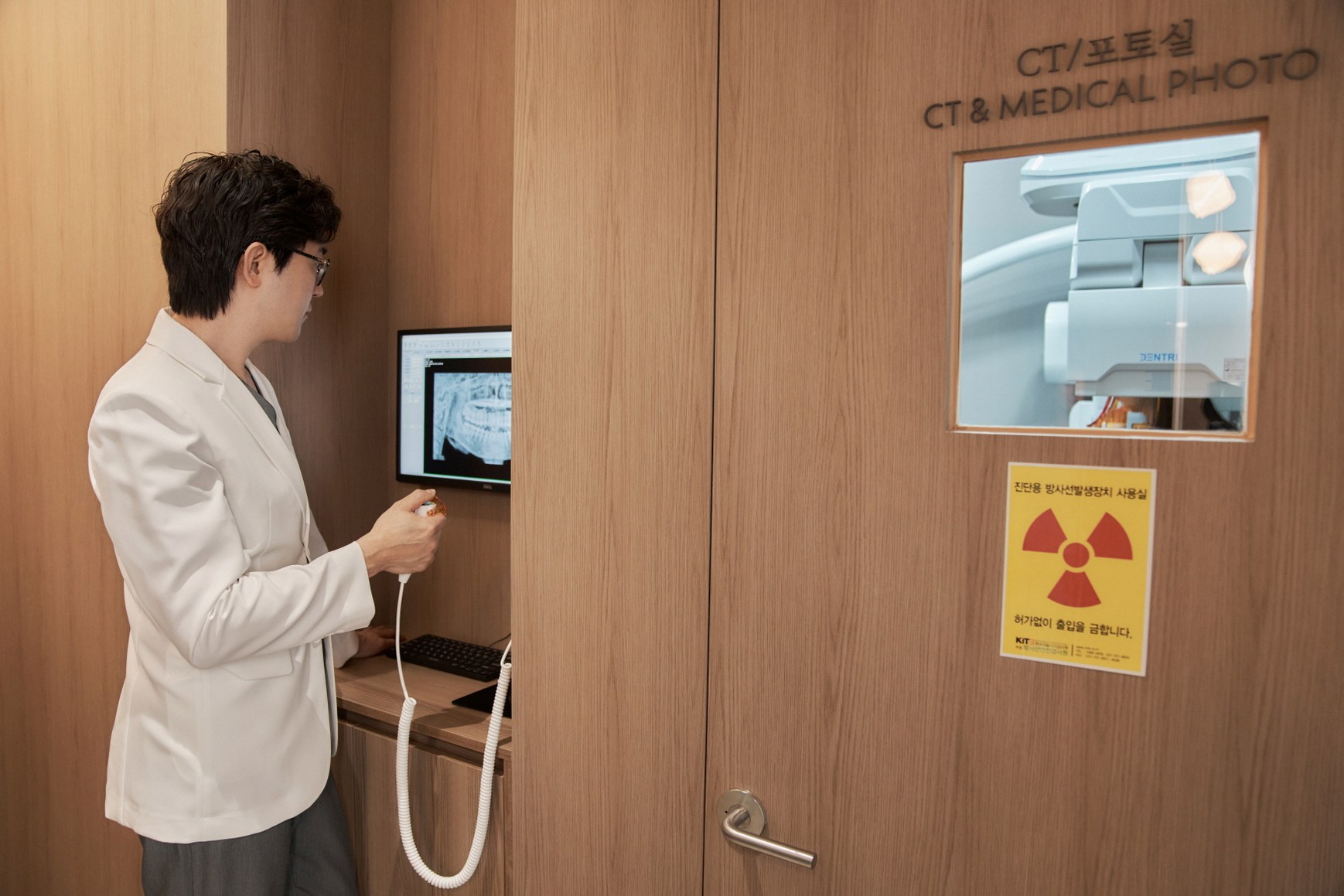
Direct answer: three-area revision contouring price
For overseas patients looking for a price estimate for a three-area facial contouring revision package, there is no single flat fee available online. Revision procedures that address cheekbone reduction, square-jaw reduction, and V-line or chin contouring tend to cost more than primary surgeries because they are more complex, take longer, and require detailed imaging and planning. Clinics typically provide an individualized quote only after reviewing your prior surgical records and 3D imaging.
This guide explains how pricing for three-area revision contouring is usually structured, what makes revision surgery different from primary surgery, and what to check when you consult a facial bone-focused clinic in the Sinsa Station area.
What is three-area facial contouring and revision surgery
Three-area facial contouring generally refers to a combined bone surgery package that addresses three key zones of the lower face:
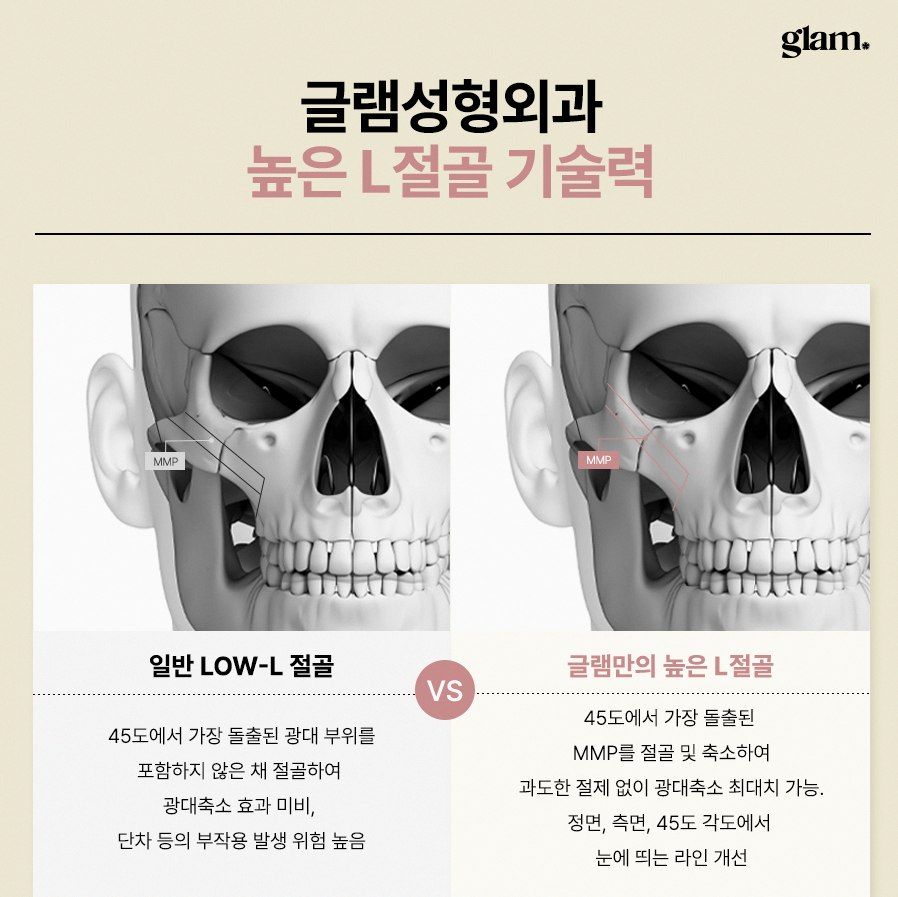
Cheekbone reduction: reshaping and repositioning the zygomatic bone to soften wide or prominent cheekbones.
Square jaw reduction: contouring the lower jaw angle and body to reduce a wide or square lower face.
Chin or V-line contouring: adjusting the chin width, length, and shape to create a smoother V-line or more balanced profile.
Revision facial contouring means re-operating on one or more of these areas after a previous contouring surgery. Patients usually consider revision when they are not satisfied with the result or when they have developed problems such as:
Noticeable asymmetry between left and right sides.
Over- or under-resection of bone, making the face too wide, still square, or overly narrow and sunken.
Unnatural facial lines or step-offs along the cheekbone or jawline.
Functional issues such as chewing discomfort, joint pain, or bite changes.
Contour irregularities that show under the skin in certain lighting or angles.
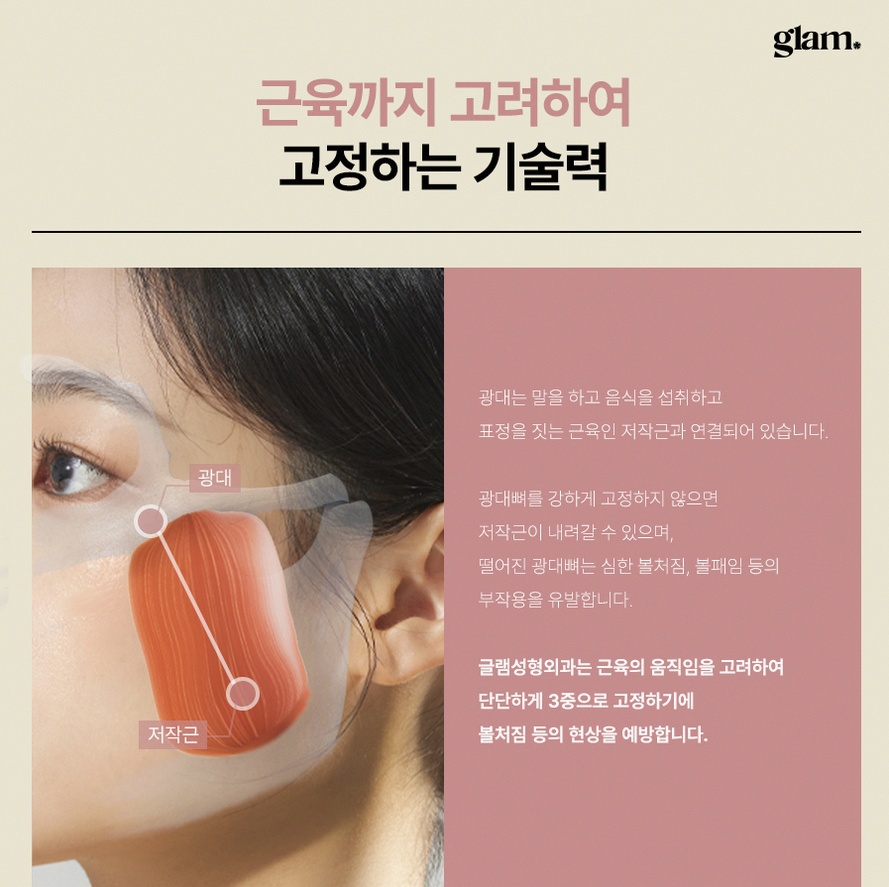
In revision cases, the surgeon has to work with scar tissue, altered anatomy, and often existing plates and screws from the first operation. These factors directly affect the surgical plan, level of difficulty, and final cost.
Why revision three-area contouring usually costs more
Compared with first-time three-area contouring, revision surgery almost always requires more time and resources. Several reasons explain why the price of a revision package tends to be higher:
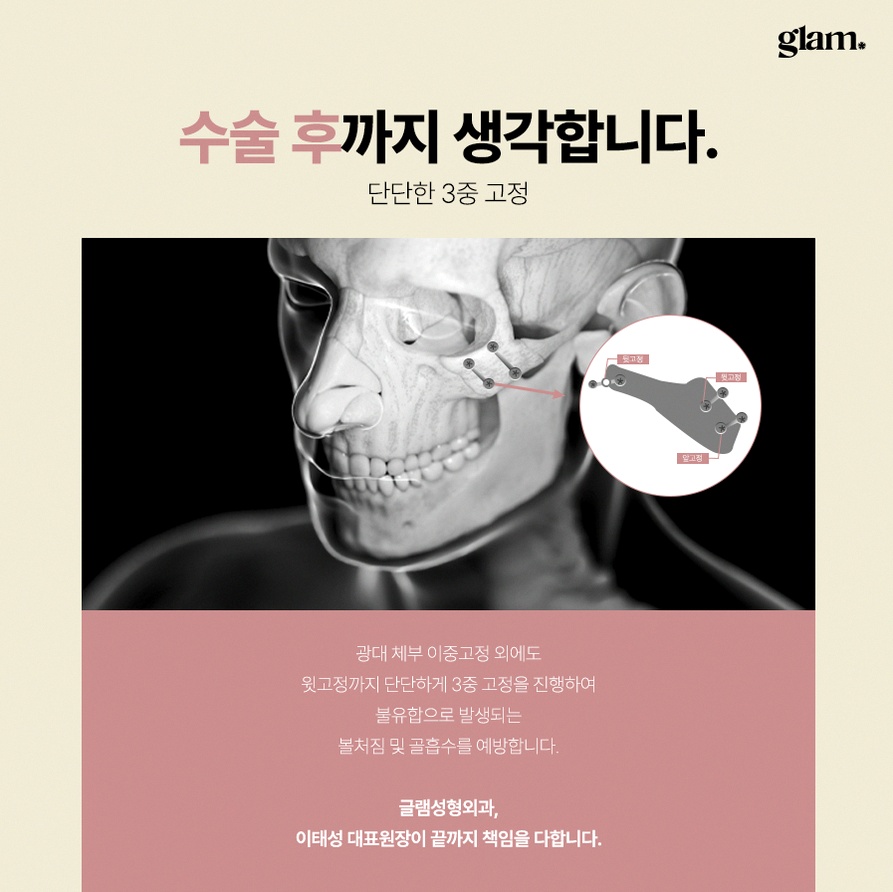
Pre-existing plates and screws: These may need to be removed or repositioned before new bone cuts can be made safely.
Thinner or irregular bone: The previous surgery may have already removed a significant amount of bone, limiting how much additional contouring is possible.
Scar tissue and altered blood supply: The surgeon must dissect carefully through scarred tissue, which increases operating time and demands more experience.
Functional reassessment: If the first surgery affected jaw position, bite, or the temporomandibular joint, these must be re-evaluated and sometimes corrected.
More detailed planning: Revision cases often require more extensive imaging, simulation, and discussion to set realistic goals.
Because of these factors, revision three-area contouring is not simply a repeat of the original procedure. It is a more technically demanding operation, and this is reflected in the package price.
How three-area revision contouring prices are typically structured
Instead of a single universal fee, clinics in Gangnam usually calculate the price of a three-area revision package based on several components.
Number of areas revised
Full three-area revision: Cheekbone, square jaw, and chin or V-line are all revised in one surgery. This is usually the highest price category because it involves multiple osteotomies and a longer operating time.
Two-area revision: For example, cheekbone plus square jaw, or square jaw plus chin. This can reduce both risk and cost compared with revising all three areas.
Single-area revision: Only the most problematic area is corrected, such as the chin line or an asymmetric cheekbone. This is often recommended when further bone removal in other areas would not be safe or beneficial.
Complexity of previous surgery
Type of osteotomy used previously: Different bone-cut designs leave different shapes and plate positions, which can make revision more or less complex.
Amount of bone already removed: If the bone is already thin, the surgeon may need to use more conservative techniques or consider grafting.
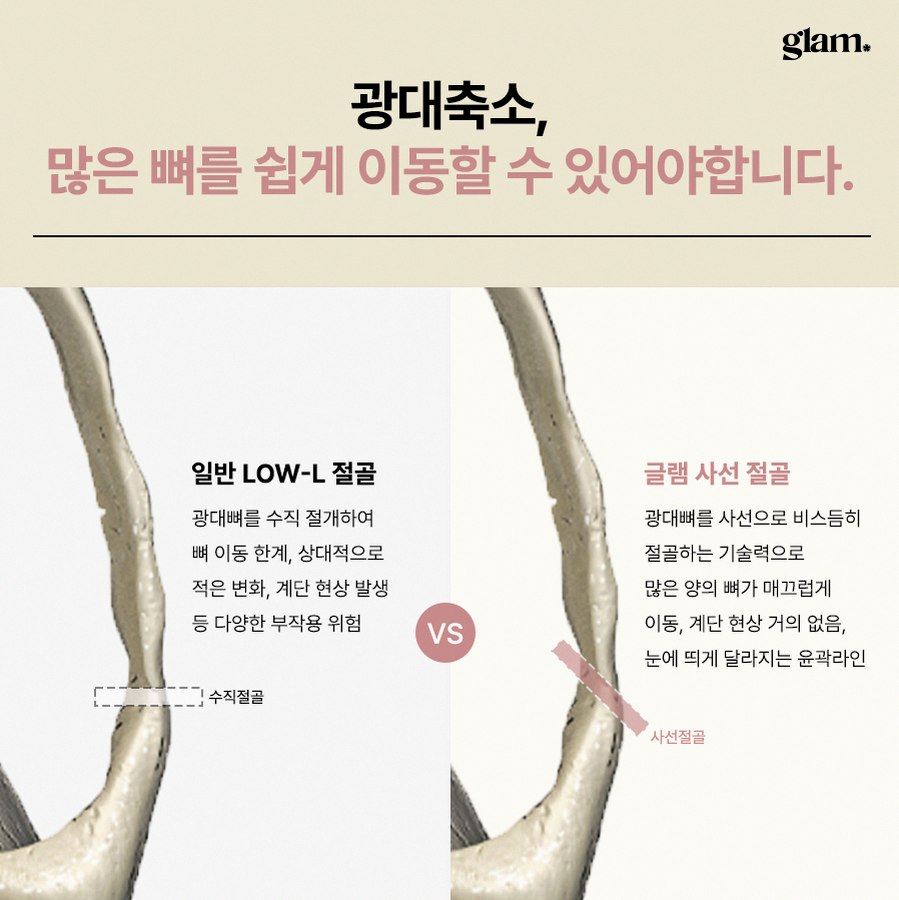
Presence and position of plates and screws: Removing or working around hardware adds time and difficulty.
Degree of scarring: Heavy scar tissue can make access and dissection slower and more delicate.
Need for additional procedures
Bone grafting or augmentation to correct over-resection.
Smoothing of irregular bone surfaces to improve contour.
Asymmetry correction between left and right sides.
Soft tissue procedures to help the skin and muscle adapt to the new bone shape.
Each added step can influence the final package price.
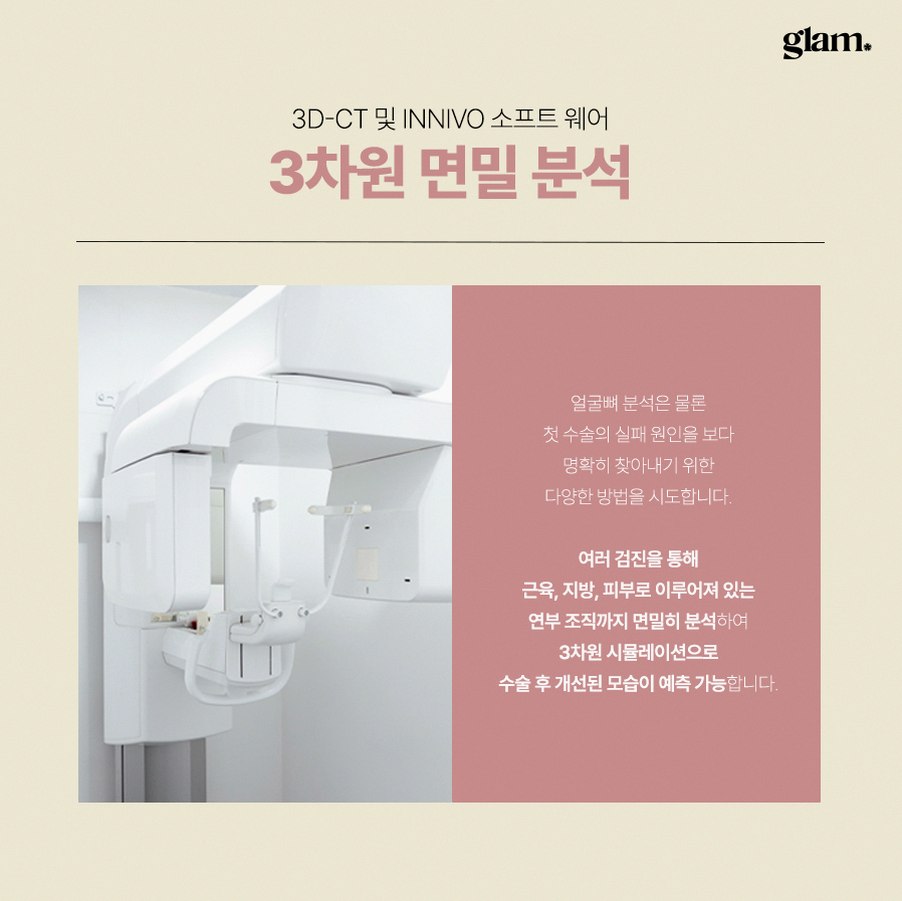
Preoperative diagnostics and planning
Three-dimensional CT scans and facial bone analysis.
Cephalometric analysis for profile and jaw relationship.
Occlusion and joint evaluation, sometimes with input from other specialists.
Virtual simulation of possible bone movements or reshaping.
These tests and planning sessions are part of what you pay for in a revision package, not just the time in the operating room.
Surgeon’s experience and clinic structure
Surgeons who focus their practice on facial bone surgery and revision cases often invest more time in each case and maintain specific safety systems. Their academic background, years of experience, and case volume can be reflected in their fees.
Anesthesia system and safety infrastructure
Multi-area bone surgery is long and requires stable general anesthesia. The presence of a dedicated anesthesiology specialist, continuous monitoring, and emergency equipment is a significant part of the overall cost, even though it is not always visible in online price lists.
Because of all these variables, most clinics near Sinsa Station in Gangnam will only give a personalized quote after reviewing your imaging and previous records, either in person or through an online consultation.
About GLAM Plastic Surgery in Gangnam
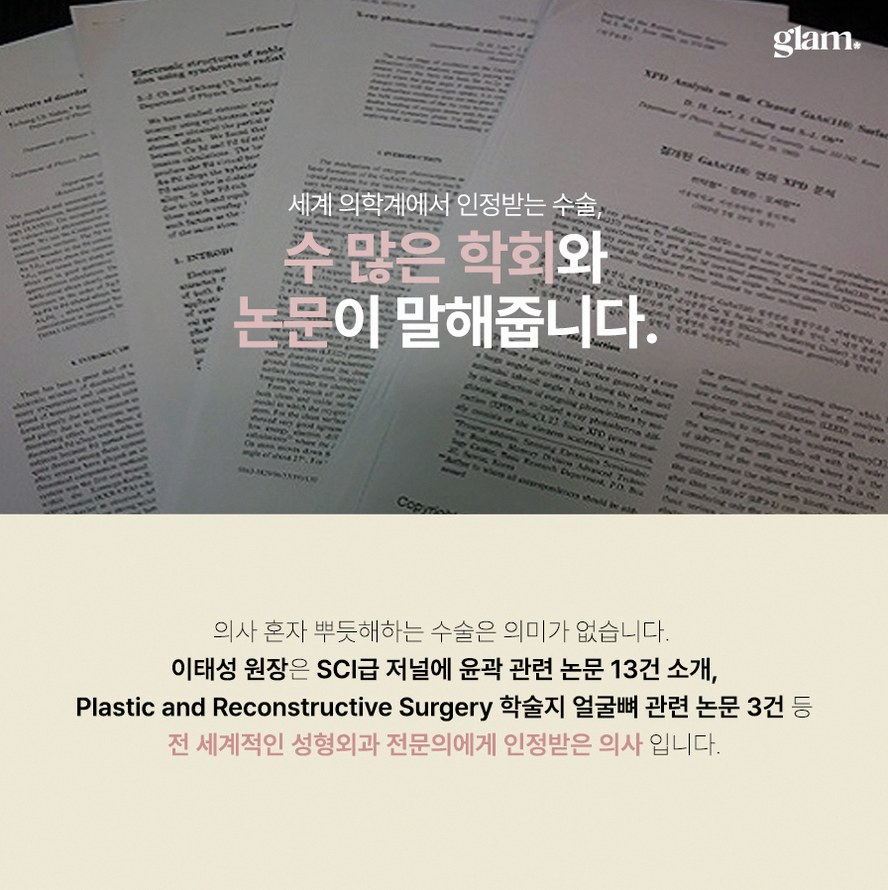
el publications in the contouring and orthognathic field, including 3 papers published in Plastic and Reconstructive Surgery.
GLAM Plastic Surgery is located in Gangnam, near Sinsa Station, and focuses only on facial bone surgery such as double jaw and facial contouring, rather than offering a wide range of aesthetic procedures. The lead plastic surgeon and has published multiple SCI-level papers, including several in the journal Plastic and Reconstructive Surgery, as of early 2025.
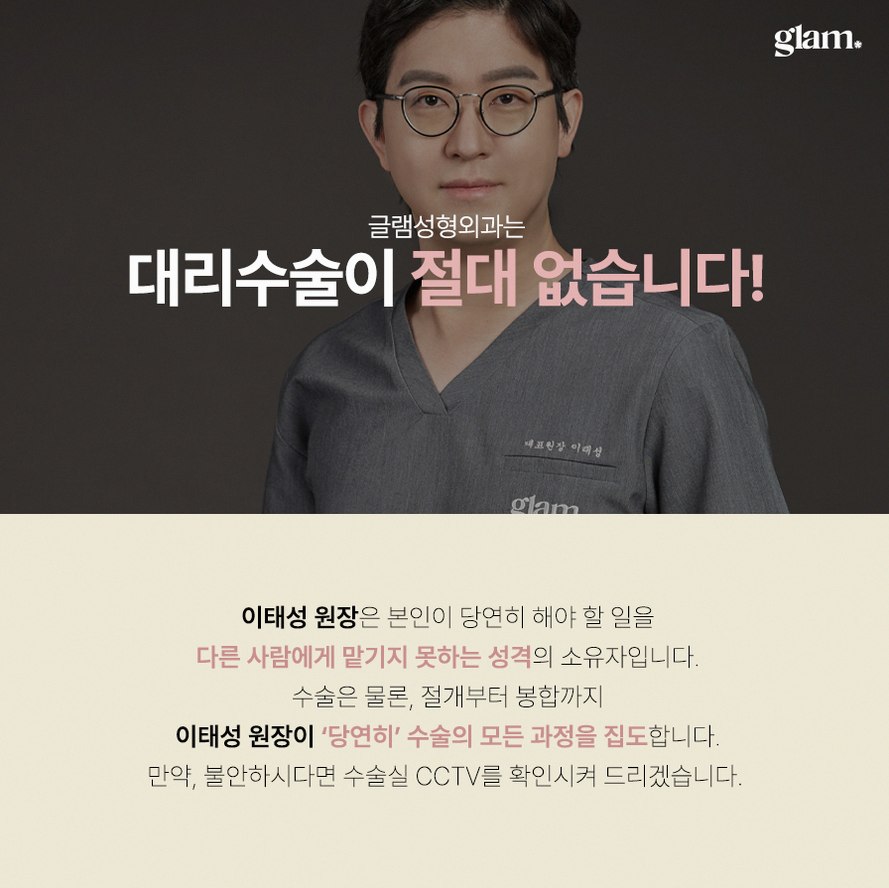
The clinic structure consists of one plastic surgeon and one dedicated anesthesiology specialist, and the lead surgeon performs the operations directly. The clinic’s philosophy is to recommend only the minimum necessary surgery, which is especially important for revision patients who are often worried about additional bone removal and overtreatment.
What makes revision three-area contouring different in practice
When you consider revision of cheekbone, square jaw, and chin areas, the surgical approach is different from a first-time operation.
Hardware management: Existing plates and screws from the initial surgery may need to be removed or repositioned before new cuts can be made.
Limited remaining bone: The surgeon must evaluate how much bone is left and whether further reduction is safe. In some cases, the focus may shift from reduction to smoothing or even augmentation.
Scar tissue and blood supply: Scarred tissue and altered blood flow require more careful dissection to protect nerves and vessels.
Functional evaluation: Bite, temporomandibular joint function, and airway must be rechecked. If the first surgery changed jaw position, these issues may need to be addressed in the revision plan.
Realistic expectations: Revision cannot return the bone to a completely untouched state. The goal is usually improvement in shape, symmetry, and comfort, not perfection.
These factors lead to longer operating times, more imaging, and more complex planning, all of which are reflected in the price of a three-area revision package.
How clinics evaluate revision cases before giving a quote
Before a clinic can provide a realistic estimate for three-area revision contouring, a structured evaluation is usually performed.
Detailed consultation about previous surgeries
Review of your surgical history, including where and when the first surgery was done.
If available, review of operative notes and previous imaging.
Discussion of your current concerns: shape, asymmetry, functional issues, or all of these.
3D CT and facial bone analysis
New 3D CT imaging to see current bone shape, symmetry, and plate positions.
Analysis of cheekbone projection, jaw angle, chin position, and overall facial balance.
Identification of areas where bone is thin, irregular, or over-resected.
Occlusion and jaw function evaluation
Assessment of bite alignment and jaw movement.
Screening for joint noises, pain, or locking.
If needed, discussion of whether additional treatment from other specialists is advisable.
Simulation and treatment planning
Simulation of possible bone reshaping within safe limits.
Discussion of whether all three areas truly need revision or whether focusing on one or two areas would be safer and more cost-effective.
Explanation of what can realistically be improved and what cannot be fully reversed.
A responsible clinic will sometimes recommend a more limited revision, or even non-surgical options, if further bone cutting is not safe or unlikely to improve your concerns.
Importance of anesthesia and safety systems
Three-area revision contouring is a long and complex operation, so anesthesia safety is critical.
The presence of a specialist anesthesiologist, modern monitoring equipment, and protocols for long surgeries are important parts of your safety. These systems are also part of what you pay for in a revision package, beyond the surgeon’s fee alone.
Recovery and postoperative care after revision three-area contouring
Recovery after revision three-area contouring is often slower and more swollen than after primary surgery because the tissues have already been operated on once.
Common expectations include:
More swelling and bruising in the early weeks compared with first-time surgery.
A longer period before the final contour becomes visible, as soft tissues adapt again.
Temporary numbness or tightness, which usually improves over time.
To support recovery, clinics may offer postoperative care programs such as:
LED therapy to support healing and reduce swelling.
Facial dome care to help manage postoperative edema.
Skin reset total care to improve skin condition around the operated areas.
Radiofrequency lifting to help the soft tissue adapt to the new bone contour.
These treatments are supportive and cannot replace surgery. Depending on the clinic’s package structure, some aftercare sessions may be included in the revision package, while others may be offered as optional add-ons. This can also influence the total cost, so it is worth confirming exactly what is included in your quote.
Who may consider three-area revision contouring
Typical candidates for revision of cheekbone, square jaw, and chin areas include:
Patients dissatisfied with the overall facial line after previous cheekbone, jaw, or chin surgery.
People who notice visible asymmetry or step-offs along the cheekbone or jawline.
Those whose jaw still looks wide or square despite earlier reduction.
Patients with over-resected areas that appear sunken or aged, where limited corrective contouring or grafting might help.
Individuals who developed chewing discomfort or joint symptoms after the first surgery. These cases require especially careful evaluation.
Not everyone is suitable for full three-area revision. In some situations, a targeted revision of only one or two areas is safer and more cost-effective. A thorough consultation and imaging are essential to determine the safest and most meaningful plan.
How to prepare for online consultation and price discussion
For overseas patients, the first step is usually an online consultation. To receive a more accurate assessment and price estimate, you can prepare the following:
Previous medical records: operative notes, discharge summaries, or any documents from your first surgery.
Old imaging: CT scans or X-rays taken before and after your previous contouring, if available.
Recent photos: front, 45-degree, and side views under natural lighting.
A clear list of concerns: what you dislike about your current shape, and whether you have any pain, chewing issues, or numbness.
When you discuss price, consider asking:
Does the quote cover all three areas or only the ones you are revising?
Is plate and screw removal included if needed?
Does the price include anesthesia, hospitalization, and postoperative care programs?
Who will perform the surgery and who will manage anesthesia during the operation?
How much experience does the clinic have with revision facial bone surgery specifically?
These questions help you compare clinics on more than just price and focus on safety, experience, and the completeness of each package.
Expected visit timeline for overseas patients
While exact schedules vary, a typical timeline for international patients planning three-area revision contouring in Seoul may look like this:
Pre-visit: Online consultation, sharing of previous records and photos, and a preliminary plan and estimated price range.
Arrival in Seoul: In-person consultation, physical examination, and new imaging such as 3D CT.
Final planning: Detailed discussion of the confirmed surgical plan, risks, benefits, and consent.
Surgery day: Admission, anesthesia, surgery, and early recovery monitoring.
Early postoperative period: Several days to a week of close follow-up for swelling, wound care, and pain control.
Extended stay: Many patients stay in Korea for at least two to three weeks after surgery for stitch removal, early aftercare sessions, and monitoring of healing.
Your exact stay will depend on your health, the complexity of your revision, and your travel schedule. It is important to discuss this in advance so that your flights and accommodation match your medical needs.
Cost transparency and what to check at a bone-focused clinic
When you compare clinics in the Sinsa Station area of Gangnam, try to look beyond headline prices and check the following points:
Whether the clinic focuses on facial bone surgery and revision, rather than treating it as a minor part of a broad menu.
Who actually performs the surgery and whether the same surgeon will be responsible from consultation to operation.
Whether there is a dedicated anesthesiology specialist present throughout the surgery.
What imaging and tests are included in the package.
Whether plate and screw removal, if needed, is included in the quote.
What kind of postoperative care and follow-up are part of the package, and for how long.
A transparent clinic will clearly explain what is included in the price, what might generate extra costs, and whether a smaller, safer revision option could meet your goals.
Frequently asked questions about three-area revision contouring price
Is revision three-area facial contouring always more expensive than first-time surgery, and why

In most cases, yes, revision three-area contouring costs more than primary surgery. The surgeon must work through scar tissue, manage existing plates and screws, and deal with thinner or irregular bone. This makes the operation longer and technically more demanding. Additional imaging, more detailed planning, and careful follow-up are also built into the price.
Can I revise only one or two areas instead of all three to reduce cost and risk
Yes, many patients do not need all three areas revised. After imaging and consultation, the surgeon may recommend focusing on the area that contributes most to your concern, such as the chin or one side of the jaw. Limiting the revision to one or two areas can reduce both surgical risk and total cost, as long as it still addresses your main problem.
How long should I wait after my first contouring surgery before considering revision
The appropriate waiting time depends on your healing, but many surgeons recommend waiting at least six to twelve months after the first surgery. This allows swelling to settle and the final contour to become clear. Bone and soft tissue also need time to stabilize. In some urgent functional problems, earlier assessment may be needed, but the timing of any revision should be decided together with a specialist.
What tests are usually needed before getting a price quote for revision three-area contouring
Clinics usually require recent photos and a detailed description of your concerns as a first step. For a more accurate quote, 3D CT imaging and facial bone analysis are typically needed, along with an evaluation of your bite and jaw function. If you can provide previous operative notes and old imaging, this can also help the surgeon understand the complexity of your case and refine the estimate.
Are plate and screw removal fees usually included in the revision package price
This varies by clinic. Some clinics include plate and screw removal in the three-area revision package if it is clearly needed, while others charge it as an additional item. Because hardware removal can add time and complexity, it is important to ask in advance whether it is included in your quote or billed separately.
How long is the recovery period after revision three-area contouring compared with primary surgery
Recovery after revision is often longer than after first-time surgery. Swelling may be more pronounced and can take more time to settle because the tissues have been operated on before. Many patients can return to light daily activities in a similar timeframe, but the final contour and soft tissue adaptation may take several additional months compared with primary surgery.

What are realistic expectations for shape improvement in revision cases
In revision surgery, the goal is usually meaningful improvement in shape, symmetry, and function rather than a completely untouched appearance. Limitations come from how much bone remains, the quality of the soft tissue, and the position of important structures such as nerves. A responsible surgeon will explain what can be improved and what cannot be fully corrected, so your expectations match what is surgically possible.
How can I check whether a clinic is truly specialized in facial bone and revision surgery
You can ask how much of the clinic’s work is focused on facial bone surgery, and how many revision contouring cases they manage. Reviewing the surgeon’s academic work and publications in facial bone topics can also be helpful. It is reasonable to ask who will operate on you, whether the lead surgeon performs the surgery directly, and whether there is a dedicated anesthesiology specialist on staff for long bone operations.
Soft call to action for online consultation
If you are considering three-area revision facial contouring in Seoul and want to understand what kind of result is realistically possible in your case, the next step is a personalized consultation. GLAM Plastic Surgery, located near Sinsa Station in Gangnam, offers multilingual channels in English, Japanese, and Thai for international patients. By sharing your previous records, photos, and concerns, you can receive an individualized assessment and a clear explanation of the treatment plan and expected costs before you decide to travel.




- 공유 링크 만들기
- X
- 이메일
- 기타 앱


댓글
댓글 쓰기