3: How Seoul three-part revision fees are calculated
- 공유 링크 만들기
- X
- 이메일
- 기타 앱

Direct answer: how three-part revision facial contouring costs are decided
For overseas patients searching for the cost of three-part facial contouring revision in Korea, it is important to know that a precise fee cannot be given safely by email or message alone. Revision surgery that combines cheekbone reduction, jaw angle reduction, and chin or V-line contouring is complex bone surgery, and the price depends on how many areas truly need to be re-operated, how your bones were cut the first time, how much bone remains, and whether plates or screws must be removed. Most responsible clinics will only give a detailed quote after full imaging and in-person evaluation, but this guide explains how the cost is usually structured and what to ask before you travel.
GLAM Plastic Surgery in the Sinsa Station area of Gangnam, Seoul focuses on facial bone surgery such as double jaw and contouring, and offers revision planning for international patients who are considering three-part facial contouring revision.
What three-part facial contouring revision usually means
When people talk about three-part facial contouring, they usually mean a set of three bone procedures designed to slim and balance the lower and mid-face.
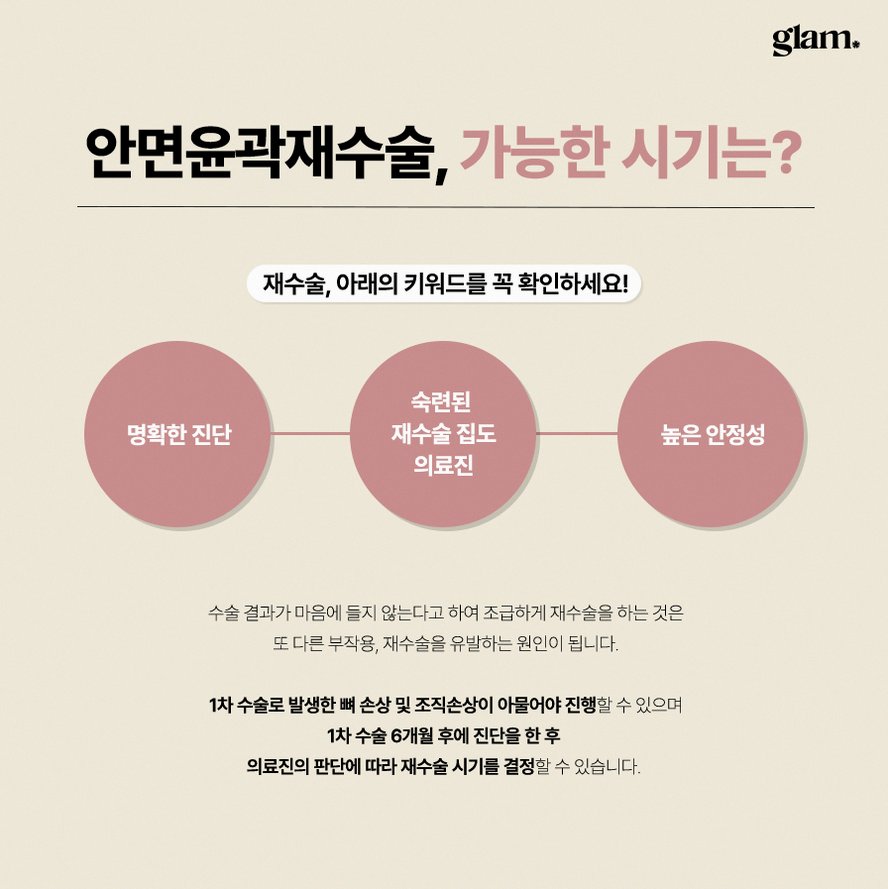
Cheekbone reduction
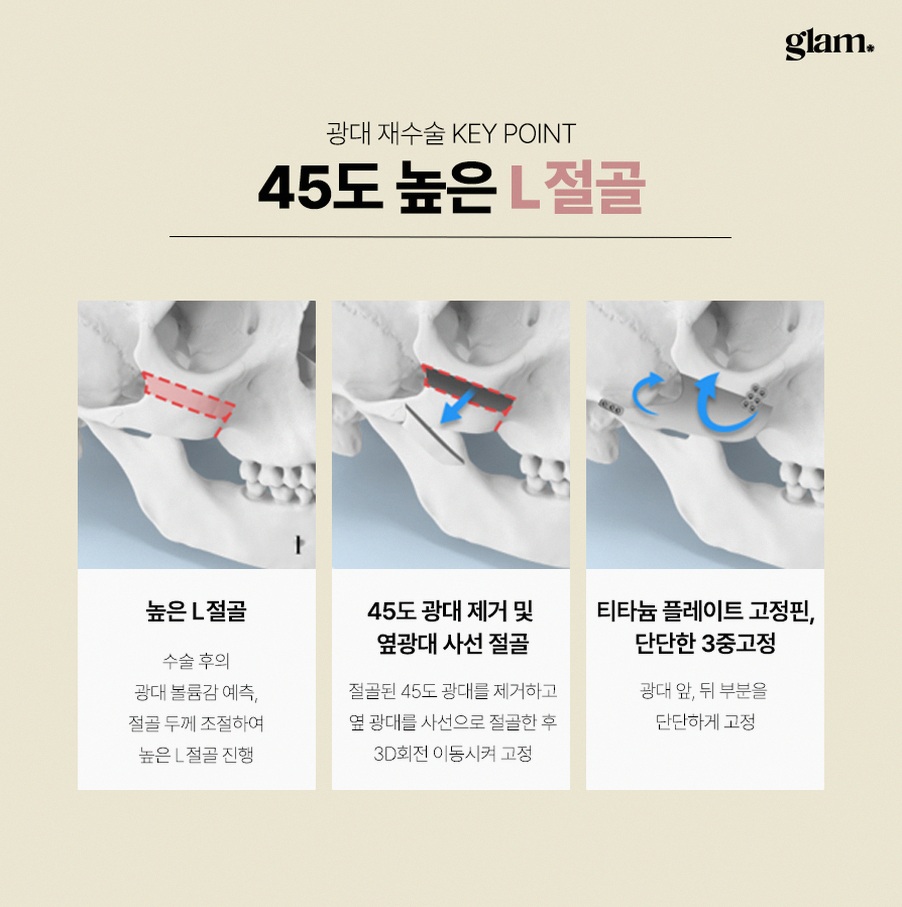
This often includes lateral cheekbone reduction, which addresses the width seen from the front and three-quarter view, and sometimes front cheekbone reduction to soften prominent zygomatic arches. In revision cases, surgeons may need to correct step deformities, asymmetry, or a hollowed look if too much bone was removed or shifted previously.
Jaw angle reduction
Jaw angle reduction, sometimes called square jaw surgery, reshapes the back and sides of the lower jaw. In primary surgery, this may involve shaving or cutting the mandibular angle. In revision, the surgeon may need to smooth irregular cuts, adjust an overly straight or overly curved angle, or address asymmetry between the right and left sides.
Chin or V-line contouring
Chin reshaping or V-line contouring focuses on the front part of the lower jaw. It can involve narrowing a wide chin, shortening a long chin, or adjusting projection. In revision, the challenge is often to correct a chin that is too pointy, too short, or off-center, while respecting how much bone remains and the position of the nerves.
Not every revision requires all three areas
Even if your first operation was a three-part contouring set, revision does not always mean repeating all three segments. Sometimes only the cheekbones need correction, or only the chin, or a combination of two areas. This is one of the main reasons why a fixed, flat three-part revision price is not realistic for many patients. The final plan, and therefore the cost, should match which areas truly need surgical correction.
Why revision facial contouring is more complex than first-time surgery
Revision facial contouring is not just a repeat of the first operation. The anatomy has already been changed, and this adds several layers of difficulty that influence both safety and cost.
Altered bone shape and anatomy
The original bone cuts, amount of bone removed, and the way the segments healed can all change the current shape of your cheekbones, jaw angles, and chin. The surgeon must understand exactly where the previous cuts were made and how the bone has remodeled over time. This often requires detailed CT scans and X-rays.
Scar tissue and soft tissue changes
Inside the mouth and around the bone, scar tissue forms after the first surgery. This makes dissection more difficult and can increase operating time. Soft tissue such as muscles and skin may also have sagged or adapted to the new bone shape, which can affect how the face will look after further bone changes.
Nerve proximity and higher risk of numbness
The inferior alveolar nerve in the lower jaw and branches of the facial nerve are critical structures. After previous surgery, their relative position to the bone and any plates or screws may have changed slightly. This means revision surgery must be planned with extra care to minimize additional numbness or weakness, and this careful work usually takes more time.
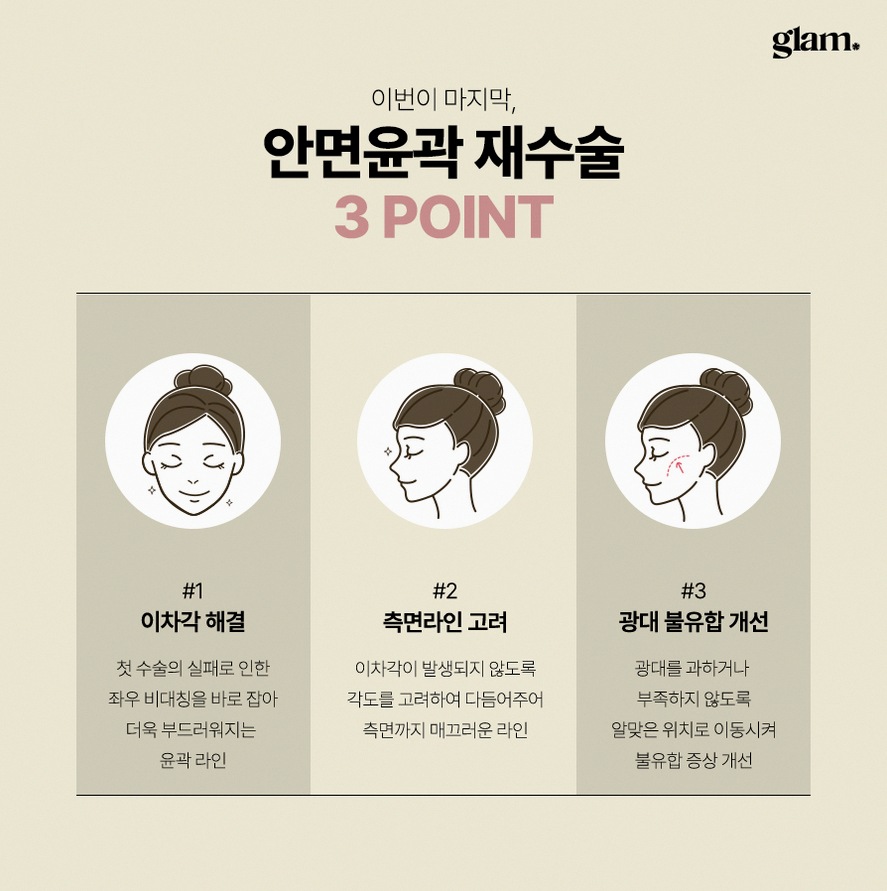
Correcting asymmetry and over or under resection
Many patients seek revision because of asymmetry, irregular edges, or dissatisfaction with how much bone was removed. Correcting asymmetry is more complex than simply making both sides smaller. The surgeon may need to add bone grafts, reposition segments, or carefully shave one side more than the other while protecting function. All of this increases the planning and operating time compared with a straightforward primary contouring.
Limits due to remaining bone
In some cases, the first surgery removed a large amount of bone. During revision, there may be limits on how much more can be safely reduced without compromising strength, nerve safety, or dental function. Sometimes the plan must shift from further reduction to reshaping, smoothing, or even adding support. These limits can change the surgical design and therefore the fee.
How the cost of three-part revision facial contouring is structured
Because of these factors, reputable clinics do not post a one-size-fits-all price list for revision three-part contouring. Instead, they consider several components when preparing a quote.
Number of areas revised
If only one area, such as the chin, needs revision, the fee will naturally differ from a full three-area revision involving cheekbones, jaw angles, and chin. Many patients come in asking for three-part revision, but after imaging and consultation, the surgeon may recommend focusing on one or two key areas for safety and cost-effectiveness.
Difficulty level and previous surgery method
The method used in your first surgery matters. For example, the type of cheekbone osteotomy, the pattern of jaw angle resection, and whether the chin was cut as a T-genioplasty or another design all affect how difficult it is to revise. More complex corrections, such as fixing step deformities or significant asymmetry, usually involve higher fees because they require more detailed planning and longer operating times.
Need for hardware removal or bone grafting
If you have plates, screws, or other hardware from your first surgery, the surgeon may need to remove or reposition them. This adds time and complexity. In some cases, bone grafts or other materials may be needed to restore contour or support. These additional steps are part of the cost structure.
Operating time and anesthesia
Revision three-part contouring often takes longer than primary surgery. Longer operating time and anesthesia time are major components of the fee. Clinics that use a dedicated board-certified anesthesiologist, especially for long revision cases, include this safety resource in the overall cost.
Hospital stay, post-operative care, and follow-up
Your quote may include hospitalization for one or more nights, post-operative medications, and scheduled follow-up visits. Some clinics also include certain aftercare treatments in the base fee, while others offer them as optional add-ons. All of these details affect the final amount you pay.
Why revision usually costs more than primary three-part contouring
In summary, revision three-part facial contouring often costs more than a first-time procedure because it typically requires:
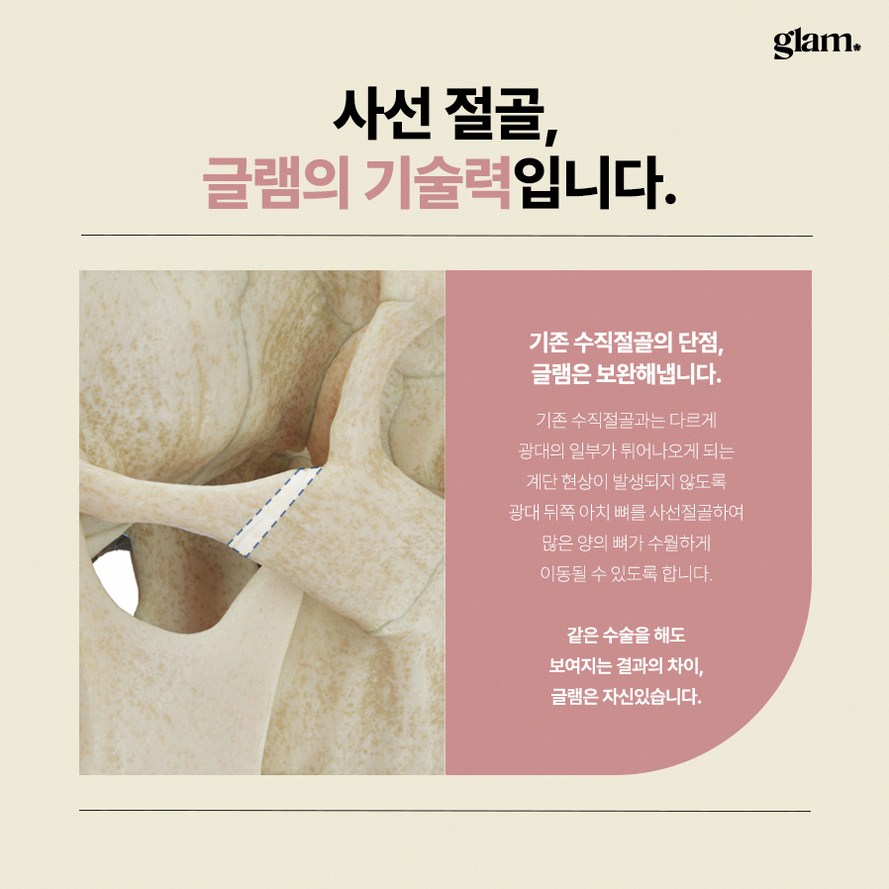
More detailed imaging and planning time
More complex surgical techniques and careful dissection through scar tissue
Longer operating and anesthesia time
Possible hardware removal or bone grafting
Closer follow-up and monitoring
For this reason, very low package prices for revision three-part contouring should be approached with caution. Individualized pricing that reflects your specific bone condition is usually safer than a flat, low-cost package.
Evaluation and consultation process before quoting a fee
A careful preoperative evaluation is essential before any responsible clinic will discuss an exact cost for revision facial contouring.
Medical and surgical history
During consultation, you will be asked about your general health, medications, and previous surgeries. If you have operative reports, previous CT scans, or X-rays from your first facial contouring, it is helpful to bring or send them in advance.
Physical examination
The surgeon will examine your facial symmetry, jawline, cheekbone width, chin position, and soft tissue condition. Bite alignment and mouth opening may also be checked, especially if you have any functional concerns.
Imaging studies
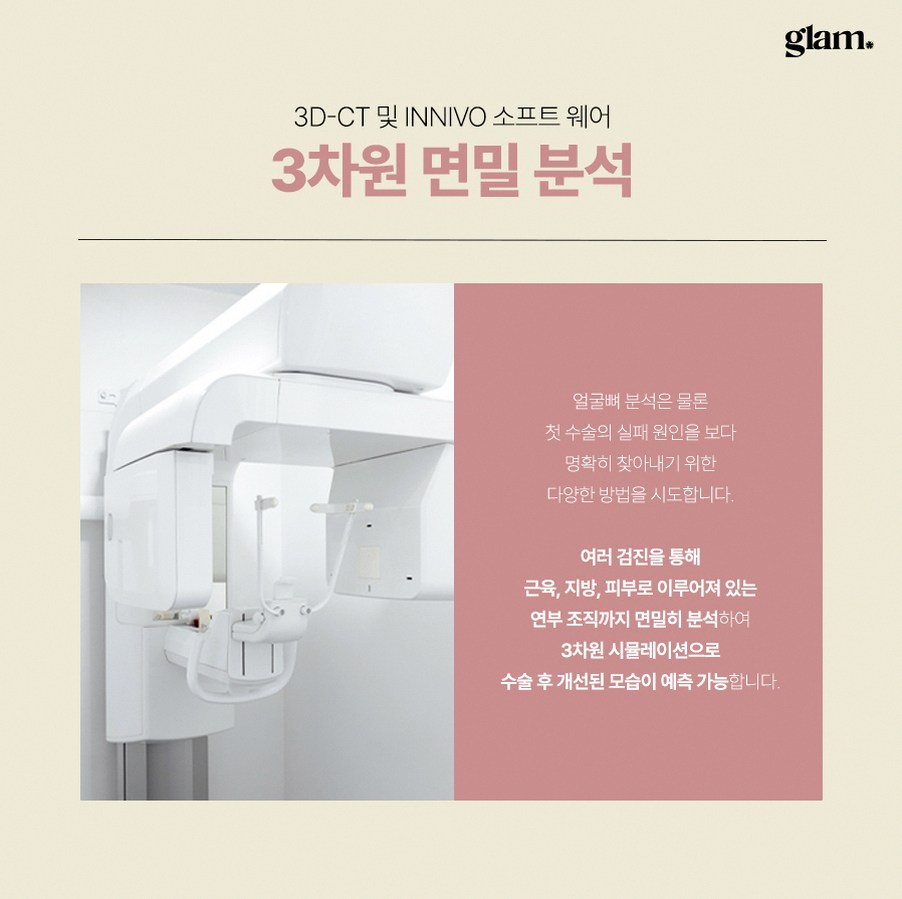
CT scans and X-rays are usually required to see the exact position of previous bone cuts, remaining bone volume, and any plates or screws. These images are critical for deciding whether all three areas should be revised or whether a more limited, safer approach is better.
Discussion of dissatisfaction points
You will have a chance to explain what bothers you most: for example, one cheekbone looking higher or wider, a jawline that feels uneven, a chin that is too sharp or too short, or sagging in the lower face. Clarifying your priorities helps the surgeon design a plan that focuses on what matters most to you, instead of simply repeating a three-part set.
Only after this full evaluation can a realistic surgical plan and cost estimate be provided. A responsible clinic will avoid promising a fixed three-part revision price without this information.
Surgical approach and safety in three-part revision
Revision three-part contouring is usually performed under general anesthesia.
Typical incision sites
Most incisions are made inside the mouth to access the cheekbones, jaw angles, and chin. In some cases, small external incisions near the sideburn or behind the ear may be needed for cheekbone or jaw angle work, especially when hardware must be removed.
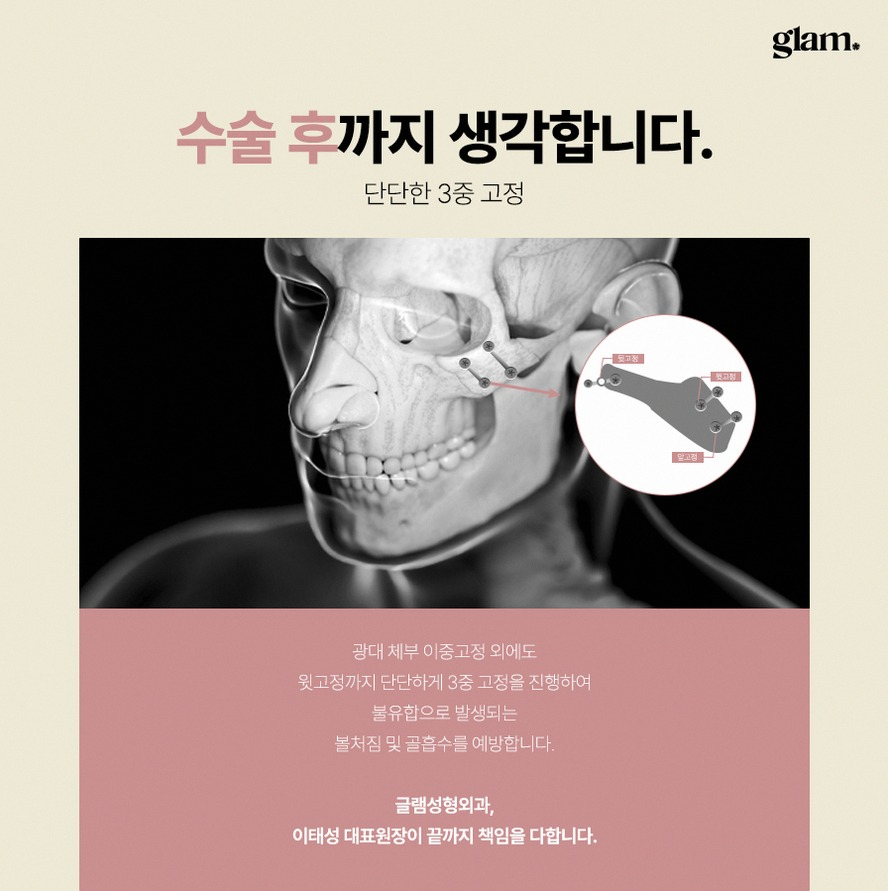
Bone reshaping and hardware management
The surgeon may remove or adjust previous bone cuts, smooth irregular edges, and reshape the bone to improve symmetry and contour. If plates and screws are present, they may be removed or repositioned as needed. In certain cases, bone grafts or other materials can be used to correct depressions or provide support.
Safety priorities
Key safety points include:
Respecting realistic limits on further bone reduction
Protecting the inferior alveolar nerve and facial nerve branches
Maintaining stable fixation and structural support
Focusing on overall facial balance rather than just making the face smaller
Clinics that use a full-time anesthesiologist can manage long revision operations more safely, adjusting anesthesia carefully over several hours.
Recovery, aftercare, and cost-related aspects
Recovery after revision three-part contouring can be slower than after primary surgery, and this should be considered when planning your stay in Korea and your budget.
Early recovery
Swelling and bruising are common and may be more pronounced or last longer due to scar tissue and longer operating time. Numbness or tightness around the chin, lower lip, or cheeks can be more noticeable and may take several months to gradually improve.
Follow-up visits
Regular follow-up visits are important to monitor healing, check for any signs of infection, and assess symmetry as swelling goes down. For international patients, clinics often schedule several key follow-up appointments within the first two to three weeks, and then may offer online check-ins after you return home.
Supportive aftercare programs
Some clinics, including GLAM Plastic Surgery, use supportive post-operative care such as LED therapy, facial dome treatments, skin reset care, or radiofrequency lifting to help with swelling reduction and skin tightening. These are supportive treatments rather than core parts of the bone surgery itself. They may or may not be included in the base surgical fee, so it is important to ask which aftercare services are included in your quote and which are optional.
Who may consider three-part facial contouring revision
Patients who typically consider revision three-part contouring include those who feel that:
Their face still looks too wide from the front or three-quarter view after cheekbone reduction
The jawline is uneven, too straight, or has visible steps or irregularities
The chin is too pointy, too short, or off-center
There is noticeable asymmetry between right and left sides
They experience functional concerns such as discomfort when chewing, though these may require additional evaluation
Not everyone is a good candidate for further bone reduction. Your general health, bone condition, nerve status, and previous surgery details all influence whether revision is appropriate and what kind of improvement is realistic.
How to prepare for an online consultation and pre-visit planning
Before flying to Seoul, it is wise to arrange an online or remote consultation.
Information to prepare
Prepare the following if possible:
Clear front, 45-degree, and side-view photos
Any previous operative reports or discharge summaries
Previous CT scans or X-rays, ideally in a format that can be shared digitally
A short list of your main concerns and priorities
Questions to ask about cost and planning
During your online consultation, consider asking:
Do you think all three areas (cheekbone, jaw angle, chin) need revision, or only some of them?
What additional imaging will you need when I arrive in Korea, and is that cost included in the quote?
How long do you expect the surgery to take, and how many nights of hospitalization are recommended?
Which aftercare treatments are included in the surgical fee, and which are optional add-ons?
How long should I stay in Korea before flying home safely?
These questions help you understand not only the surgery itself but also the full cost structure and time commitment.
Expected Korea visit timeline for overseas patients
While each clinic has its own system, a typical timeline for international patients seeking three-part revision contouring might look like this:
Day 1: In-person consultation, physical examination, CT and X-ray imaging, final surgical plan, and detailed quote. Preoperative blood tests and medical clearance if needed.
Day 2 or 3: Surgery day, followed by hospitalization for monitoring (often one night, sometimes more depending on the case).
First week: Early follow-up visits to check wounds, remove any drains, and monitor swelling and nerve function.
Second week: Additional follow-up, suture removal for any external incisions, and start of supportive aftercare treatments if included.
Third week: Final in-person check before returning home, with instructions for ongoing care and online follow-up.
Many patients stay in Korea for about two to three weeks after revision three-part contouring, but the exact duration depends on the complexity of the surgery and your individual healing.
How to interpret low prices and compare clinics
When comparing clinics for revision three-part facial contouring, cost is important but should not be the only factor.
Be cautious of unusually low package prices
Very low, flat-rate packages for revision three-part contouring may not include necessary imaging, hardware removal, or aftercare. They may also encourage operating on all three areas even when it is not medically necessary, just to fit the package. For revision bone surgery, a tailored plan is usually safer.
Key points to compare
When researching clinics, consider:
Whether the surgeon’s practice is focused on facial bone surgery and revision cases
The surgeon’s experience and academic track record, such as publications in peer-reviewed journals
Whether a dedicated board-certified anesthesiologist is present for long surgeries
What imaging and planning protocols are used before surgery
What is included in the quote: anesthesia, hospitalization, imaging, aftercare, and policies for managing complications
GLAM Plastic Surgery, for example, focuses on facial bone surgery rather than a wide range of unrelated procedures. The lead surgeon is a board-certified plastic surgeon with around 20 years of experience in facial bone surgery and multiple SCI-level publications, including several in Plastic and Reconstructive Surgery, as of early 2025. Surgery is performed directly by the lead surgeon, and the clinic emphasizes recommending only the minimum necessary procedures, which can be reassuring for patients worried about being pushed into unnecessary additional areas.
Location, accessibility, and support for international patients
The clinic is located near Sinsa Station in the Gangnam area of Seoul, within a short walking distance from exit 1. This is convenient for the multiple follow-up visits typically needed after revision three-part contouring. Weekday and Saturday operating hours without a separate lunch break can make it easier to schedule consultations and check-ups, especially if you have a tight travel schedule.

For overseas patients, multilingual support in languages such as English, Japanese, and Thai can help with clear communication before and after surgery. Many questions can be handled through online channels before you decide whether to travel.
Frequently asked questions about three-part facial contouring revision cost
Does revision three-part facial contouring always cost more than primary surgery?
In many cases, yes, revision three-part contouring costs more than a first-time procedure. This is because revision usually involves more detailed imaging, more complex surgical techniques, longer operating time, and sometimes hardware removal or bone grafting. However, if your revision plan involves only one or two areas instead of all three, the cost may be closer to or even lower than a full primary three-part set. The exact comparison can only be made after an in-person evaluation.
Can I get an exact price quote for three-part revision before I travel to Korea?
Most responsible clinics will not give a final, exact quote for revision three-part contouring without seeing you in person and reviewing updated imaging. However, after an online consultation and review of your previous records and photos, some clinics may be able to provide a rough range and explain what could make the fee go higher or lower. The final quote is usually confirmed after CT and X-ray imaging on-site.
Is it necessary to revise all three areas if I am unhappy with my first contouring?
Not always. Many patients initially think they need a full three-part revision, but detailed evaluation sometimes shows that one or two areas are the main source of dissatisfaction. In such cases, focusing on those key areas can be safer and more cost-effective. A careful surgeon will explain which areas truly need surgery and which might be better managed with non-surgical options or simply observed.
How long should I plan to stay in Seoul for three-part revision facial contouring?

For most international patients, a stay of about two to three weeks is recommended after revision three-part contouring. This allows time for preoperative tests, surgery, early recovery, and several follow-up visits to check healing and remove any sutures. Very complex cases or patients with slower healing may need a longer stay, which should be discussed during your consultation.
Soft call to action for online consultation
If you are considering three-part facial contouring revision in Korea and want to understand the likely cost range for your specific situation, arranging an online consultation is a practical first step. By sharing your photos, previous records, and main concerns, you can receive a more personalized explanation of which areas may need revision, what kind of surgery might be appropriate, and how the fee would be structured.
This information is intended as a general guide and does not replace a face-to-face consultation with a qualified surgeon. Individual suitability, risks, and expected outcomes must always be discussed directly with your medical team before making any final decisions about surgery.




- 공유 링크 만들기
- X
- 이메일
- 기타 앱


댓글
댓글 쓰기