Zygoma Reduction Revision Surgery in Seoul: What Overseas Patients Need to Know
- 공유 링크 만들기
- X
- 이메일
- 기타 앱

Direct answer summary
Zygoma reduction revision surgery is a secondary cheekbone contouring operation performed after a previous zygoma reduction when the result is unsatisfactory or when complications have developed. It is more complex than first‑time cheekbone surgery because the bone has already been cut and healed, there is scar tissue, and sometimes bone loss or fixation plates and screws from the first surgery. For international patients, it requires careful evaluation, realistic expectations, and a team that focuses on facial bone surgery.
This guide explains who may consider revision, when it is better to wait, how pre‑operative evaluation is done, what surgical strategies are used, how soft tissue issues are managed, and what to expect when traveling to Sinsa, Gangnam in Seoul for this procedure.
Overview of zygoma reduction and revision surgery
Zygoma reduction surgery, often called cheekbone reduction, is a facial contouring procedure that reshapes and repositions the cheekbones. The goal is to reduce facial width from the front and three‑quarter view and to create a smoother, slimmer midface line without overly flattening the cheeks.
In a typical primary zygoma reduction, the surgeon makes controlled cuts in the zygomatic body and sometimes the zygomatic arch, moves the bone inward and slightly backward, and fixes it in a new position with plates and screws. When planned and executed appropriately, this can soften a very wide or angular midface.
Revision zygoma reduction surgery is a secondary operation performed after an earlier cheekbone reduction. Patients usually seek revision because they are unhappy with the shape or symmetry, or because they developed functional or aesthetic problems after the first surgery. Revision does not simply repeat the first operation; it must work with already altered bone and soft tissue.
Why revision cheekbone surgery is more complex
Revision zygoma reduction is considered a high‑difficulty facial bone procedure. After the first surgery, the anatomy is changed: bone segments have been moved, some bone may have been removed, and fixation hardware may be present. Scar tissue surrounds the bone and soft tissues, making dissection more demanding and increasing the need for delicate handling to protect nerves and blood vessels.
Because of these factors, revision surgery requires more detailed imaging, more precise planning, and a conservative, analytical approach. The aim is to improve balance and function while avoiding further problems such as excessive midface flattening or additional sagging.
Who may consider zygoma reduction revision
Typical reasons patients seek revision
Common reasons for considering revision zygoma reduction include several patterns.
Some patients notice clear asymmetry, where one cheekbone looks higher, wider, or more projected than the other. This can be due to uneven bone movement, different fixation positions, or healing differences.
Others feel that their cheekbones were under‑reduced, so the face still looks wide from the front or diagonal view. In contrast, some experience over‑reduction, where the midface appears too flat or hollow, sometimes giving a tired or aged look.
Step deformities or bony irregularities can be felt or seen as a ridge or step along the lateral cheek. These may appear in photos or by touch when running fingers along the cheekbone.
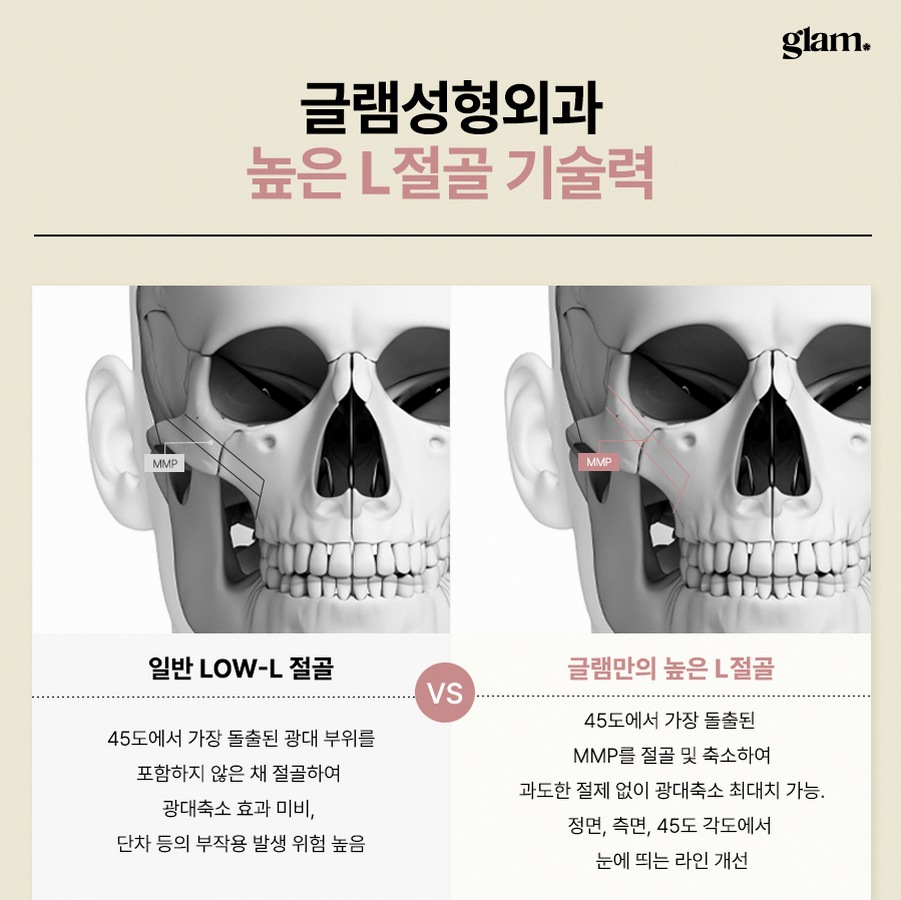
Soft tissue changes are another frequent concern. Cheek sagging, hollowing below the cheekbone, or deepening of the nasolabial folds can make the lower face look heavier. Some patients also report functional issues, such as pain on one side, clicking, or limited mouth opening.
In all of these cases, it is important to distinguish between true anatomical problems and issues that are mainly related to expectations or normal post‑operative changes.
When revision may be appropriate
Revision may be considered when objective findings support the patient’s concerns. Examples include clear bony asymmetry seen on 3D CT, pronounced step deformities, persistent protruding cheekbones that do not match the rest of the facial structure, or functional issues such as pain, difficulty opening the mouth, or problems with chewing.
In these situations, a revision plan may involve re‑osteotomy and repositioning, smoothing irregularities, or in selected cases adding bone grafts or implants to restore support where too much bone was removed.
When it may be better to wait or avoid revision
Not every dissatisfaction after cheekbone surgery should be treated with revision. Mild asymmetry that is only visible in close‑up photos, or differences that can be easily camouflaged with makeup or subtle fillers, may not justify the risks of another bone surgery.
If the main issue is psychological distress without clear anatomical problems on imaging and examination, counseling, time, or non‑surgical options may be more appropriate. Also, if additional bone removal would likely worsen sagging or midface flatness, a conservative approach focusing on soft tissue support rather than further bone reduction is often safer.
Timing: when to consider revision after first surgery
The exact timing depends on individual healing, age, and any complications.
In the early months, asymmetry or irregularities may appear more dramatic due to uneven swelling or scar maturation. For this reason, many surgeons recommend waiting until at least 6 months before making a final judgment, unless there is a clear complication such as severe malposition or functional impairment that requires earlier intervention.
Pre‑operative evaluation for revision zygoma reduction
Importance of detailed imaging and records
A thorough pre‑operative assessment is essential in revision cheekbone surgery. Standard facial photographs from multiple angles are combined with 3D CT or other advanced imaging to understand the current position of the cheekbones, previous bone cuts, and fixation points.
Whenever possible, records from the first surgery are helpful. These may include operative notes, pre‑operative and post‑operative imaging, and any information about the type of osteotomy used, how much bone was removed, whether the zygomatic arch was mobilized, and what kind of plates and screws were placed.
If previous records are not available, the revision team relies more heavily on current imaging and careful physical examination to reconstruct what was likely done.
Assessment of soft tissue and midface support
Bone is only part of the story. Soft tissue evaluation is equally important. The surgeon will assess the degree of cheek ptosis or sagging, skin thickness, fat volume in the midface, and how well the soft tissues are supported by the underlying bone.
In some patients, the bone position may be acceptable, but soft tissue descent or volume loss creates an aged or tired appearance. In others, both bone and soft tissue contribute to the problem. This distinction guides whether revision should focus mainly on bone, soft tissue, or a combination.
Bite and jaw function
If you have also had double jaw surgery or other facial contouring procedures, your bite and jaw function must be evaluated. The relationship between the cheekbones, upper jaw, and lower jaw affects facial harmony and function. Problems such as malocclusion, jaw joint discomfort, or limited mouth opening can influence the revision plan.
Some clinics in Sinsa, Gangnam focus exclusively on facial bone surgery, such as double jaw and facial contouring procedures, and do not perform unrelated procedures. In such settings, the evaluation is concentrated on skeletal balance, occlusion, and functional stability rather than general cosmetic concerns.
Surgical approaches and techniques in revision
General revision strategies
Revision zygoma reduction uses several broad strategies, tailored to each patient’s anatomy and previous surgery.
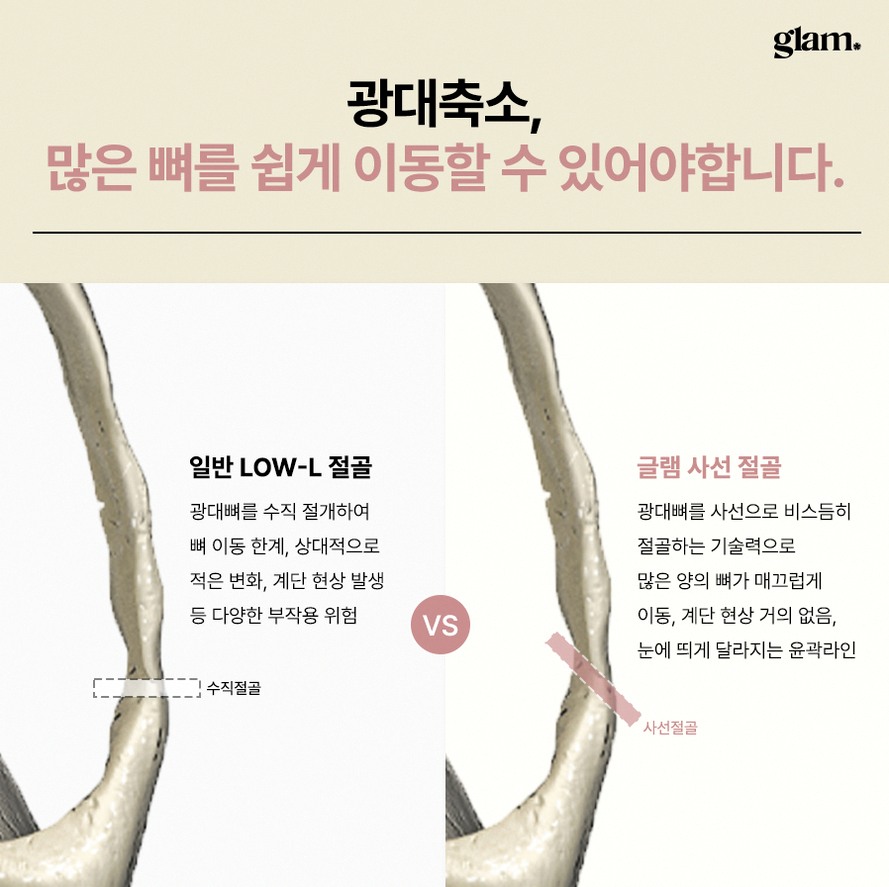
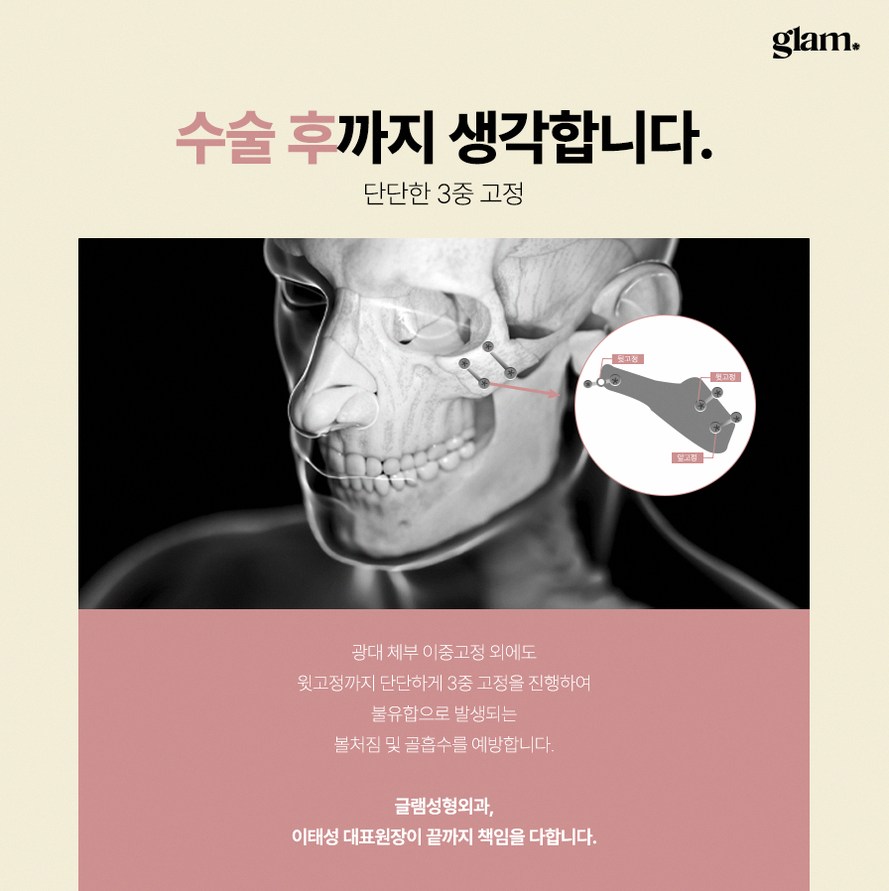
One approach is correcting malpositioned cheekbones through re‑osteotomy and repositioning. The surgeon carefully cuts the bone again, frees it from scar tissue, and moves it to a more balanced position, then refixes it with new plates or screws.
Another strategy is smoothing or filling step deformities and irregularities. This can involve trimming protruding edges, contouring sharp transitions, or adding graft material to create a smoother curve.
In cases of over‑reduction, where the midface appears sunken or too flat, bone grafts or implants may be considered to restore projection and support. This is technically demanding and must be planned carefully to avoid new asymmetry.
Adjusting or replacing fixation hardware is also common. If plates or screws are contributing to asymmetry, discomfort, or instability, they may be repositioned or exchanged.
Technical challenges in revision
Because the bone has already been cut and healed, revision requires more delicate dissection through scar tissue. Important structures such as the infraorbital nerve, facial nerve branches, and blood vessels must be protected. Scar tissue can obscure normal landmarks, so experience and careful technique are critical.
The surgeon must also balance aesthetics with structural support. Aggressive additional bone removal can worsen midface flatness and lead to more sagging of the overlying soft tissues. In many revision cases, the safer direction is to restore or maintain support rather than chase maximum slimming.
Such an academic and clinical background can be reassuring, suggesting revision plans are informed by long‑term experience and careful analysis rather than short‑term trends.
Managing soft tissue issues in revision
Why soft tissue matters so much
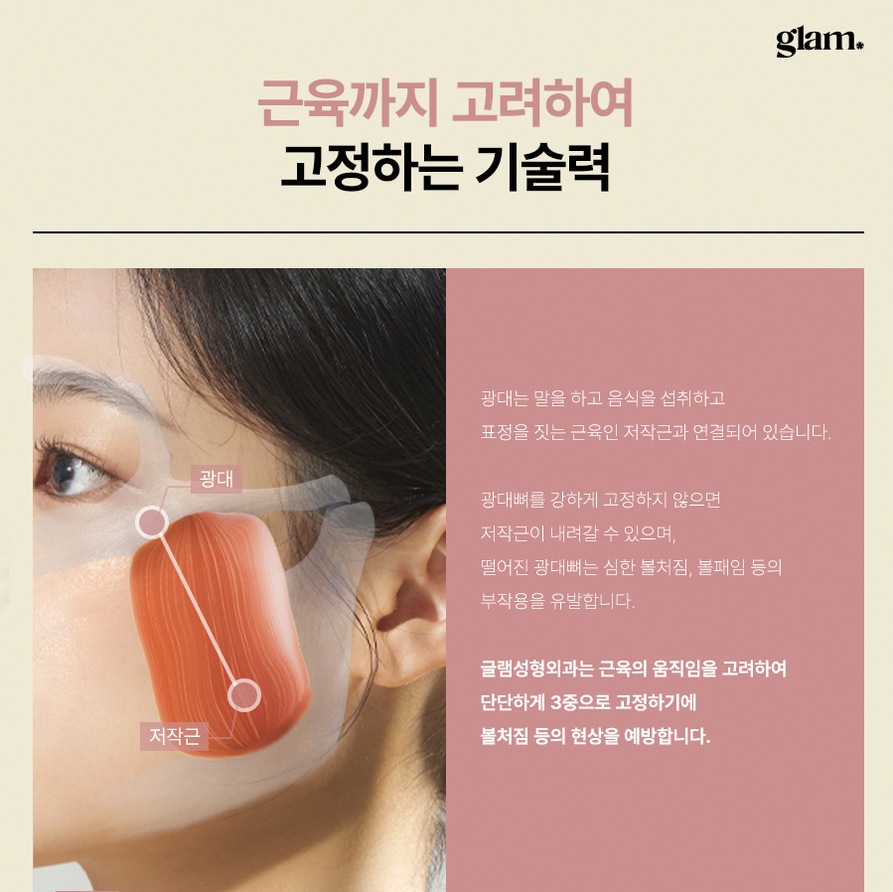
Many complaints after cheekbone reduction are not only about the bone shape. Patients often describe hollow cheeks, deepened smile lines, or a heavier lower face. These changes are related to how the soft tissues drape over the new bony framework.
If too much lateral support was removed, or if the soft tissues were not well supported after bone movement, the cheeks can descend. This can make the midface look flat while the area below appears heavier.
Planning revision with soft tissue in mind
In revision planning, it is often safer to minimize further bone reduction and focus on repositioning the existing bone to provide better support. In some cases, combining bone revision with soft tissue lifting or volume restoration can improve contour and reduce the appearance of sagging or hollowing.
However, not every case of sagging can be fully corrected through bone revision alone. Sometimes a staged or combined approach is needed, where bone support is addressed first and soft tissue procedures are considered later, depending on healing and patient preference.
Safety, anesthesia, and surgical team structure
Safety considerations in revision facial bone surgery
Revision zygoma reduction often takes longer and involves more complex dissection than primary surgery. This increases the importance of stable anesthesia and continuous monitoring. Patients who had difficult anesthesia experiences in the past may feel anxious about undergoing another operation.
A structured team approach helps manage these risks. At some specialized facial bone clinics in Sinsa, a board‑certified plastic surgeon leads the operation while a board‑certified anesthesiologist manages anesthesia from start to finish. Individualized anesthesia plans take into account previous surgery history, medical conditions, and patient anxiety.
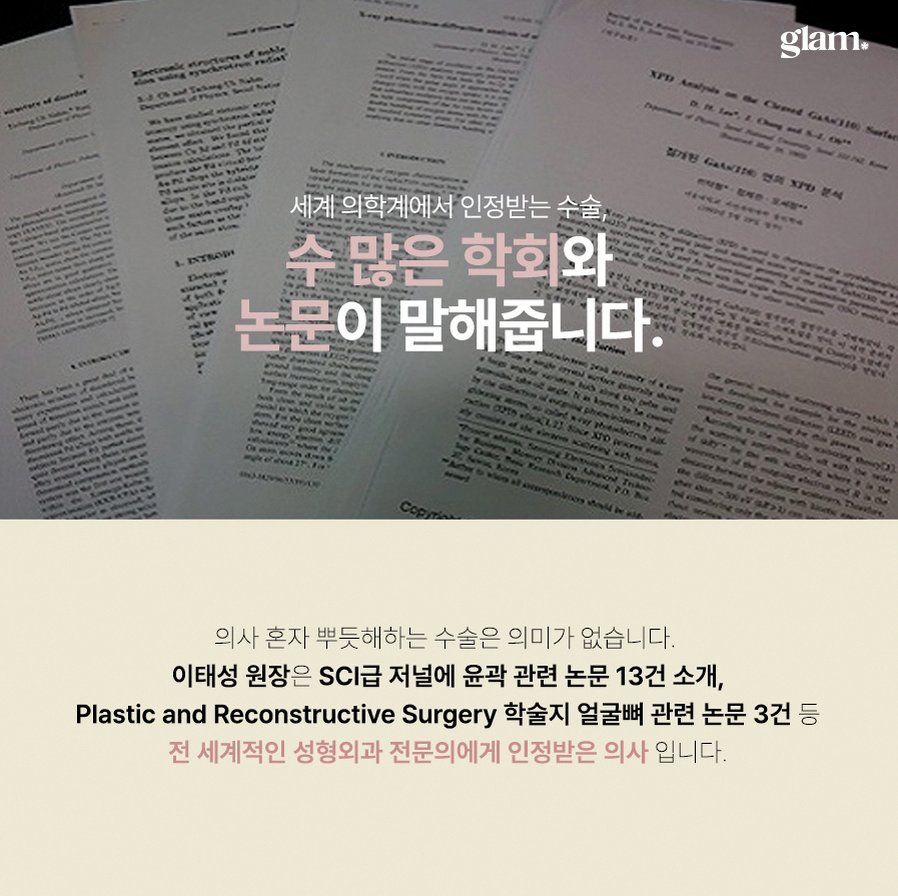
Throughout the procedure, vital signs and airway status are continuously monitored. This allows the surgical team to focus on precise bone work while the anesthesiologist maintains patient safety and comfort.
Post‑operative care and recovery support
Typical recovery after revision
Recovery after revision zygoma reduction is similar in pattern to first‑time surgery but can be slower because tissues have been operated on twice. Swelling and bruising around the cheeks and lower eyelids are common, and temporary numbness or altered sensation in the cheek area may occur.
Patients are usually advised to avoid strenuous activity, heavy lifting, and sleeping face‑down for a period recommended by the surgeon. Good oral hygiene is important if intraoral incisions were used. Soft foods may be suggested in the early days to avoid excessive strain on the operated area.
Swelling often peaks in the first few days and then gradually decreases over several weeks. Residual swelling and minor stiffness can persist for months, especially in revision cases.
Supportive aftercare programs
Some clinics in Gangnam provide structured post‑operative care programs aimed at supporting recovery. These may include LED therapy to help with skin condition and comfort, as well as gentle skin‑care based treatments around the non‑operated areas. These measures are considered supportive; they are not guarantees of faster healing but can make the recovery period more comfortable.
Regular follow‑up visits are important. The surgeon checks wound healing, reviews any symptoms, and may use imaging when needed to confirm bone stability and symmetry. For overseas patients, some follow‑up can be done via online consultations with shared photos or scans after returning home.
Online consultation and pre‑visit preparation for overseas patients
Preparing for an online consultation
For international patients considering revision in Seoul, an online consultation is usually the first step. To make this effective, it helps to prepare several items in advance.
Collect any medical records from your previous cheekbone surgery, including operative notes, pre‑ and post‑operative scans, and clinic reports if available. If you do not have these, try to obtain at least the date and place of the surgery and any information you remember about the method used.
Prepare clear facial photographs from the front, both sides, and both three‑quarter angles, in neutral lighting without heavy makeup or filters. If possible, include photos from before your first surgery for comparison.
Write down your main concerns, separating them into aesthetic issues (such as asymmetry, flatness, width) and functional issues (such as pain, numbness, or limited mouth opening). This helps the surgeon understand your priorities.
Questions to ask during consultation
During the online consultation, consider asking about the anatomical problems seen on your imaging, the realistic goals of revision, and what cannot be changed. Ask how your soft tissue condition might influence the result and whether combined or staged procedures are recommended.
It is also reasonable to ask who will actually perform the surgery, how anesthesia will be managed, and what the expected recovery timeline looks like for someone traveling from overseas.
Expected Korea visit timeline for revision surgery
Typical schedule for international patients
While individual plans vary, many overseas patients follow a similar timeline when traveling to Seoul for revision zygoma reduction.
First, an online consultation and image review are completed before booking flights. Once a tentative plan is agreed, surgery is scheduled and pre‑operative instructions are provided.
After arrival in Seoul, you may have an in‑person consultation, physical examination, and 3D CT scan one or more days before surgery. This allows final confirmation of the plan and discussion of any remaining questions.
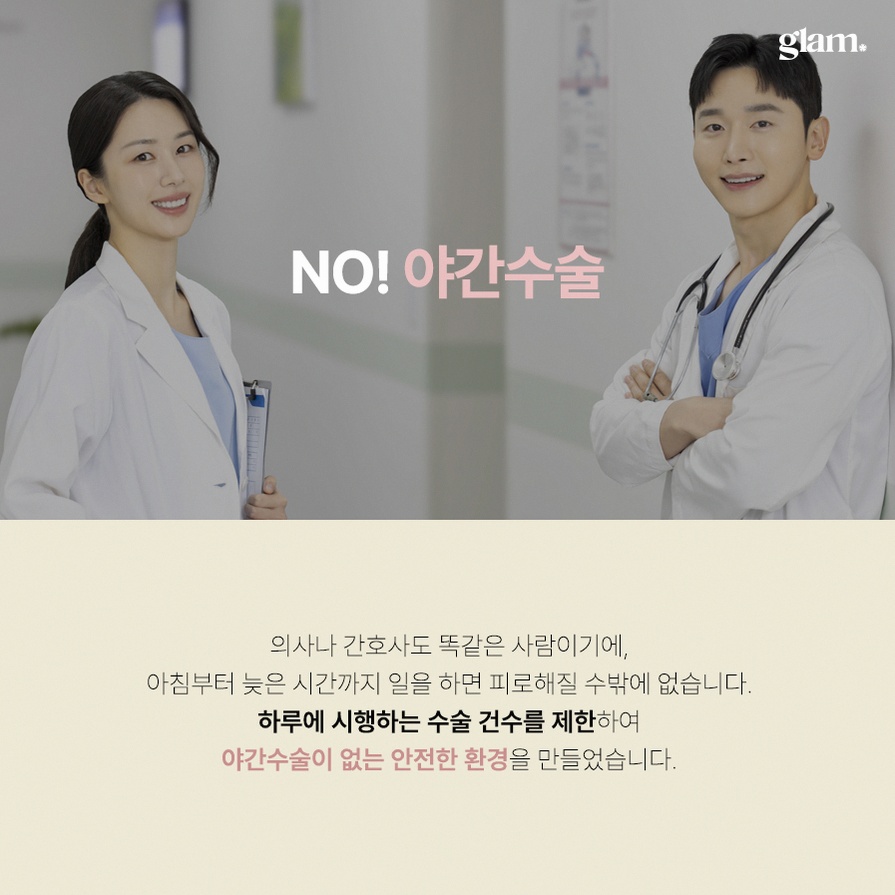
Surgery is usually performed under general anesthesia. Some may choose to stay longer, depending on their comfort and travel flexibility.
Multilingual support and location
For overseas patients, language support is important. Some facial bone clinics in Sinsa, Gangnam provide multilingual assistance, including English, Japanese, and Thai. Coordinators can help with scheduling, translation during consultations, and basic guidance about local logistics.
The area around Sinsa Station on Dosan‑daero is well known and accessible. Being within walking distance of a major subway station makes it easier to reach the clinic from hotels or serviced apartments, and the neighborhood offers a range of accommodation and dining options suitable for recovery.
Setting expectations and choosing a clinic
Realistic goals for revision
Revision zygoma reduction cannot always restore the original bone structure or create a completely new facial shape. The bone has already been altered, and there are limits to how much it can be moved again safely. The realistic goal is improvement in balance, contour, and function, not absolute perfection.
Patients who understand these limitations and focus on meaningful improvement rather than idealized images tend to be more satisfied with their outcomes.
What to look for in a revision clinic
When choosing a clinic for revision cheekbone surgery, consider several factors. Specialization is important: a clinic that focuses on facial bone surgery, such as double jaw and facial contouring, is more likely to have the experience and systems needed for complex revisions.
Look for detailed, imaging‑based analysis and clear explanations of your anatomical issues. The clinic should be transparent about what can and cannot be improved and should avoid promising dramatic or guaranteed results.

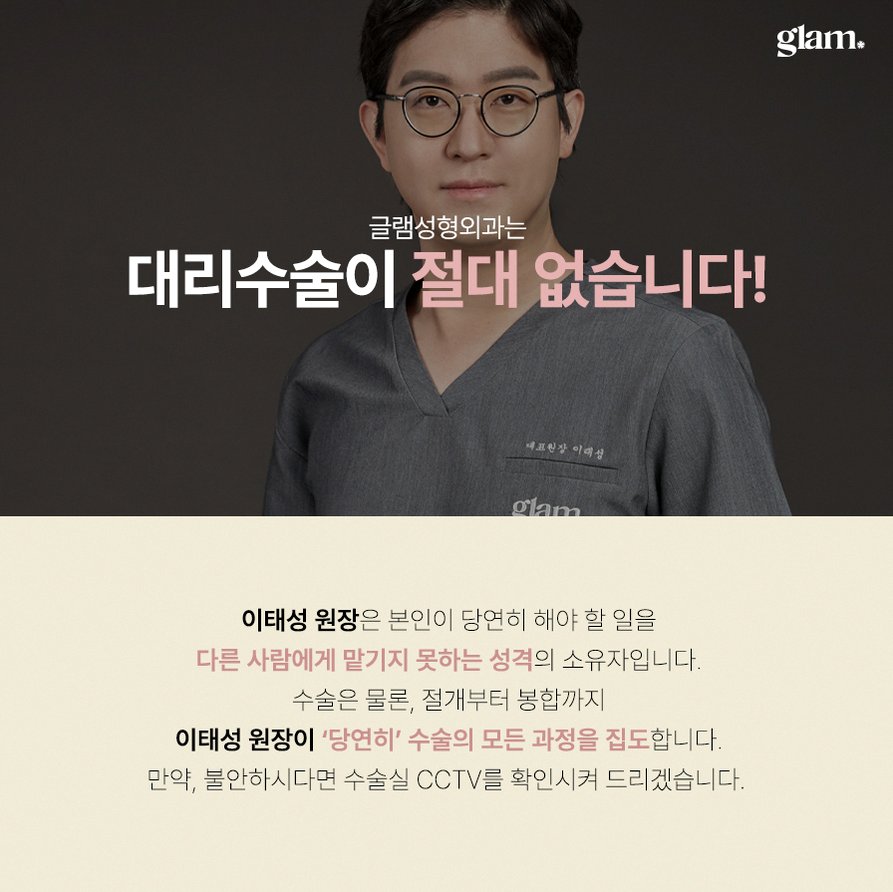
It is also helpful to confirm that the main surgeon you consult with will be the one performing the operation, rather than delegating key steps. Some clinics emphasize recommending only the minimum necessary surgery, which can be reassuring if you are worried about overtreatment after a difficult first experience.
Soft call to action for online consultation
If you are considering zygoma reduction revision surgery in Seoul and are unsure whether revision is appropriate in your case, an online consultation can be a practical first step. By sharing your history, photos, and any available scans, you can receive an informed opinion about the anatomical issues, possible strategies, and realistic expectations before deciding on travel.
A structured, imaging‑based consultation with a team focused on facial bone surgery can help you decide whether revision is likely to offer meaningful improvement, or whether observation and non‑surgical options may be safer for you at this time.




- 공유 링크 만들기
- X
- 이메일
- 기타 앱


댓글
댓글 쓰기