timing, risks & choosing a clinic
- 공유 링크 만들기
- X
- 이메일
- 기타 앱
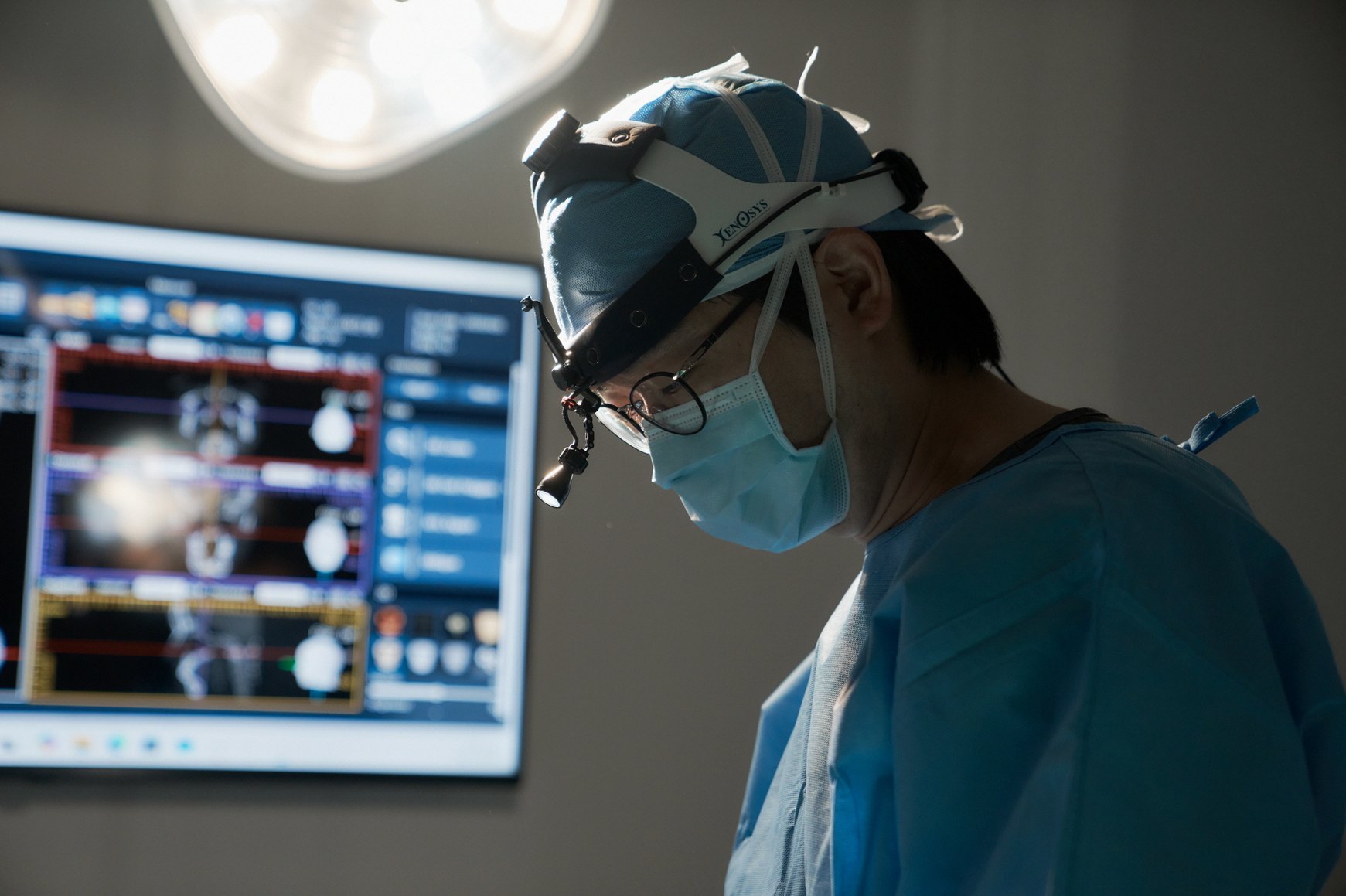
Direct answer summary
Revision cheekbone reduction surgery is a secondary facial bone operation performed after a previous zygoma (cheekbone) reduction when the result is unsatisfying or causing problems. It is more complex than the first surgery because the bone has already been cut, healed, and fixed with plates and screws, and the anatomy has changed. For international patients considering this procedure in Seoul’s Gangnam area near Sinsa Station, it is important to choose a clinic that focuses on facial bone surgery, understand the realistic goals of revision, and plan enough time for consultation, surgery, and recovery.
Introduction
Many people travel to Seoul for facial contouring, including cheekbone reduction. However, not everyone is fully satisfied with their first operation. Some feel their midface looks too flat or hollow, others notice asymmetry in photos, and a few experience discomfort when chewing or touching the cheek area.
Revision cheekbone reduction surgery is a high-difficulty procedure that aims to improve such issues after an initial zygoma reduction. Because it involves operating on bone that has already been cut and healed, it requires careful planning and a conservative, safety-focused approach.
In Gangnam, especially around Sinsa Station, there are clinics that focus specifically on facial bone surgery rather than a wide range of cosmetic procedures. This dedicated approach can be helpful for complex revision cases. This guide explains when revision might be considered, how it is evaluated and performed, what risks and recovery to expect, and how to prepare as an overseas patient.
What is revision cheekbone reduction surgery
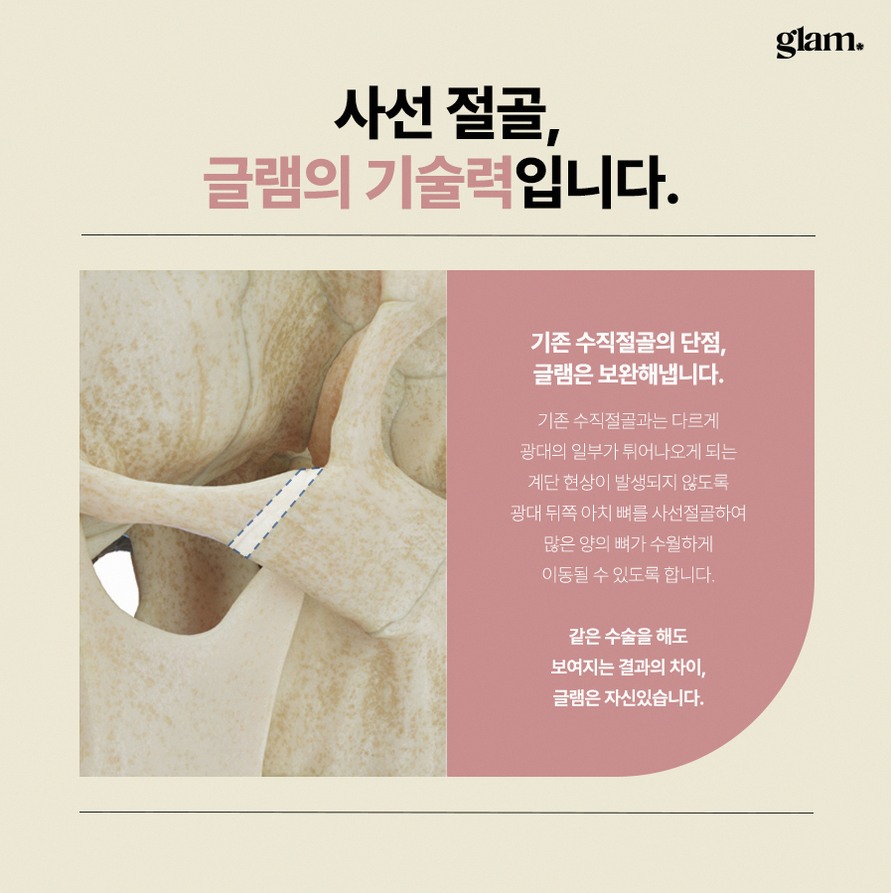
The cheekbone, or zygoma, has two main parts: the zygomatic body, which shapes the front and side of the midface, and the zygomatic arch, the curved bone that you can feel along the side of your face near the ear. Together, they influence how wide or narrow the face looks from the front and how projected the cheeks appear from the side.
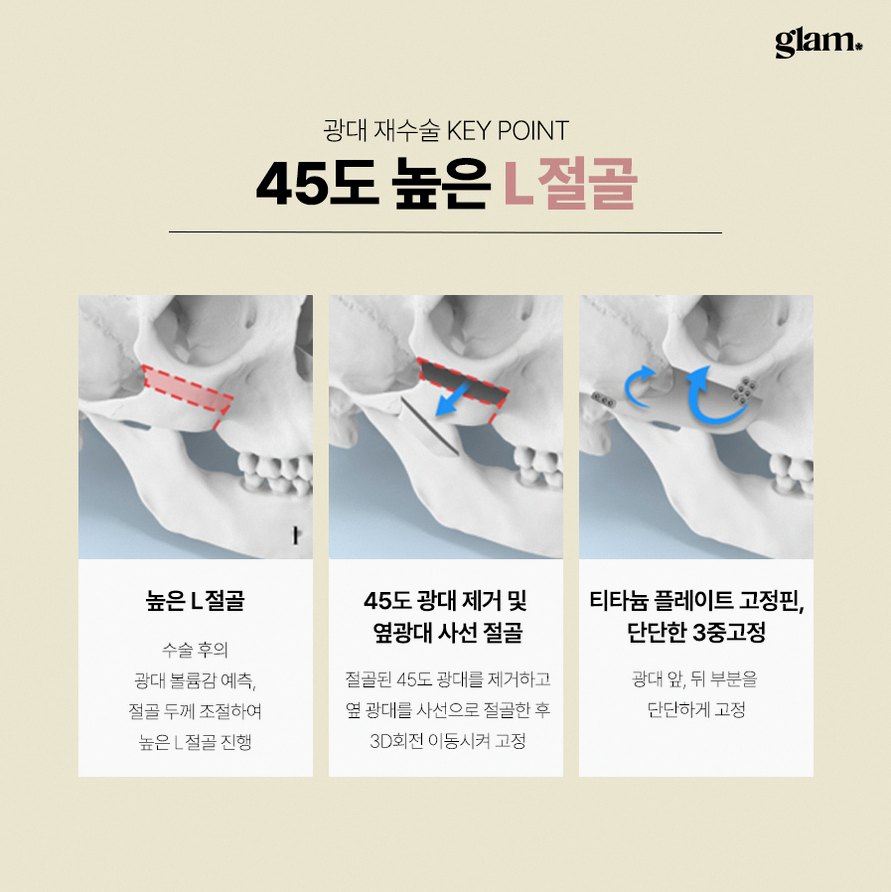
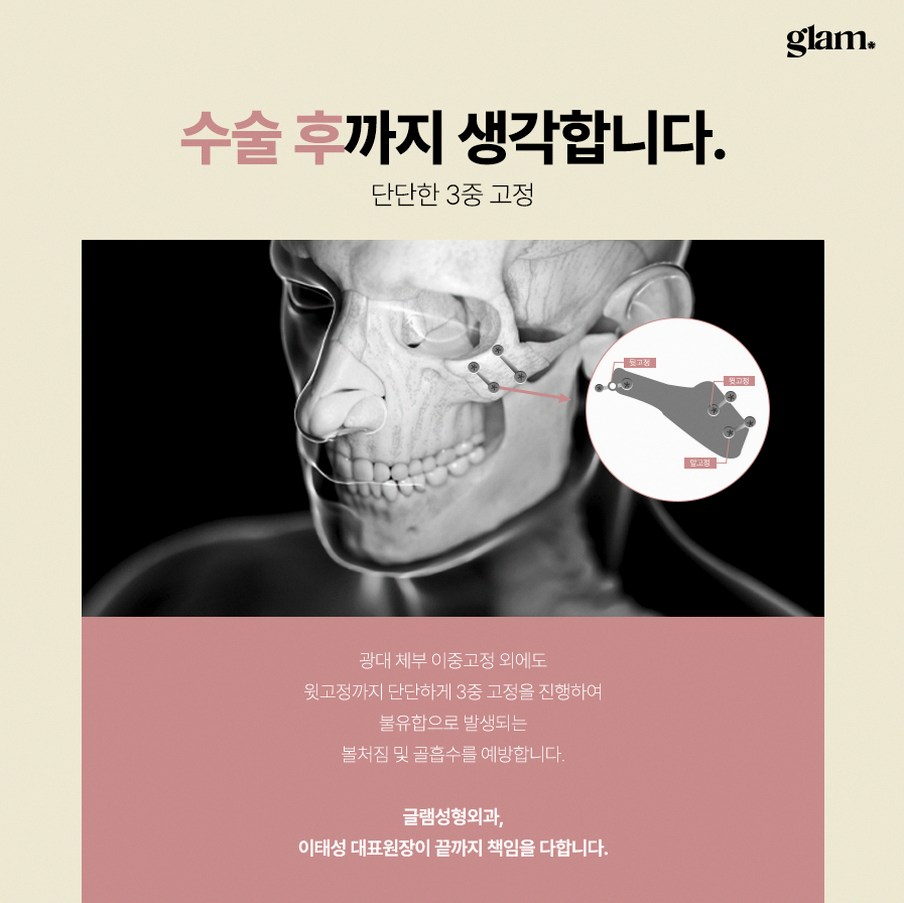
In primary cheekbone reduction, the surgeon usually makes cuts in the zygomatic body (often through the mouth) and the arch (often through a small incision near the sideburn or scalp). The bone segment is then moved inward, rotated, or slightly advanced, and fixed in its new position with plates and screws.
Revision cheekbone reduction surgery is a second operation performed after this initial procedure. It may involve:
Adjusting the position of the previously moved bone segment
Smoothing or reshaping irregular edges or step deformities
Addressing asymmetry between left and right sides
Supporting or improving soft tissue that has sagged after bone reduction
Because the bone has already been cut and healed, the surgeon must work around scar tissue, altered anatomy, and existing fixation hardware. This makes revision technically more challenging than the first surgery and requires a detailed, individualized plan.
Common reasons patients seek revision
Patients consider revision cheekbone surgery for several reasons. Not every concern requires another operation, but these are some of the typical complaints that lead people to seek a second opinion.
Over-reduction and hollow or aged look
Some patients feel that too much cheekbone was removed or moved inward, leading to a flat or sunken midface. From the front, the face may look less three-dimensional. From the side, the cheek may appear collapsed, making the under-eye area look more tired or aged.
Under-reduction and minimal change
Others feel that the first surgery did not change the facial width enough. They may still see a wide or angular cheekbone in photos, especially in three-quarter views. In such cases, the bone may not have been moved sufficiently, or the technique used may have been limited by anatomy.
Asymmetry between left and right
One common reason for revision is noticeable asymmetry. Examples include one cheek appearing wider, higher, or more projected than the other, or the arch on one side being more prominent. This can be particularly visible in selfies or when the face is slightly turned.
Step deformities and palpable edges
After bone cuts and repositioning, some patients feel a step or ridge along the cheekbone. This may be visible under certain lighting or when smiling. In some cases, the plate or screw can be felt under thin skin, causing discomfort or aesthetic concern.
Soft tissue sagging
Reducing the cheekbone can reduce the bony support for the overlying soft tissue. In some individuals, especially those with heavier or less elastic skin, this can lead to mild jowling or sagging in the midface and lower face. Patients may say that their face looks older or more tired even if the bone contour is acceptable.
Functional discomfort
A smaller group of patients experience functional issues after cheekbone reduction. These can include discomfort when chewing, tightness or pulling sensations, clicking near the arch, or altered sensation such as numbness or tingling in the cheek area. These symptoms should be evaluated carefully before deciding on revision.
It is important to note that not every dissatisfaction automatically means revision is the best solution. In the early months after surgery, swelling, scar remodeling, and soft tissue adaptation can change the appearance. Sometimes non-surgical measures, such as filler, fat grafting, or lifting procedures, may be more suitable than another bone operation.
Who may consider revision and when
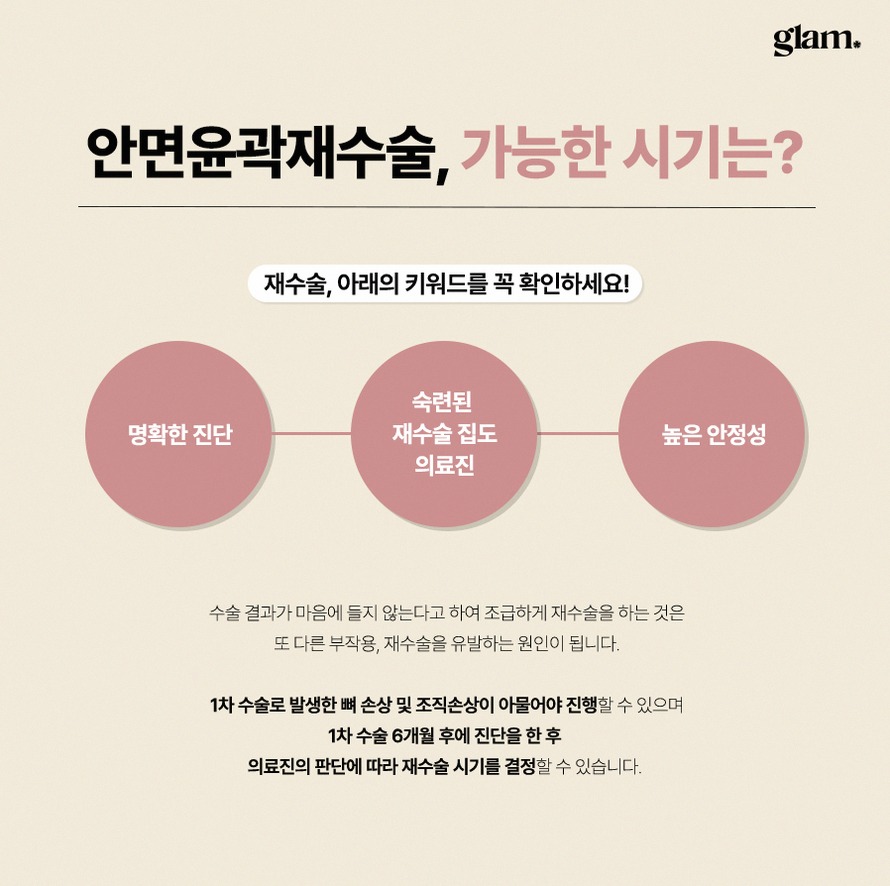
Timing is critical for revision cheekbone reduction. In most cases, surgeons prefer to wait until the bone has fully healed and the soft tissues have stabilized. This often means waiting at least 6 to 12 months after the first surgery, though the exact timing depends on individual healing and the nature of the problem.
Situations that warrant evaluation include:
Persistent, obvious asymmetry that does not improve after swelling has gone down
Visible step deformities or irregularities that remain stable over time
Ongoing functional issues such as pain, difficulty chewing, or significant numbness
A clearly flat or hollow midface that causes strong dissatisfaction and is unlikely to improve with time alone
On the other hand, if it has been only a few months since surgery and the main concern is mild swelling, tightness, or subtle irregularities, conservative management and observation may be recommended first.
A thorough consultation should include:
Detailed medical history, including any systemic conditions and medications
Information about the first surgery, including operative records and imaging if available
Discussion of what specifically bothers you in photos and in daily life
Clarification of your goals, such as wanting more symmetry, slightly more width, or a softer contour
Because revision aims for improvement rather than perfection, the surgeon should explain clearly what is realistically achievable and what limitations exist due to the previous operation.
Preoperative evaluation and planning
Before planning revision cheekbone surgery, a detailed diagnostic workup is essential. This usually includes:
3D CT imaging
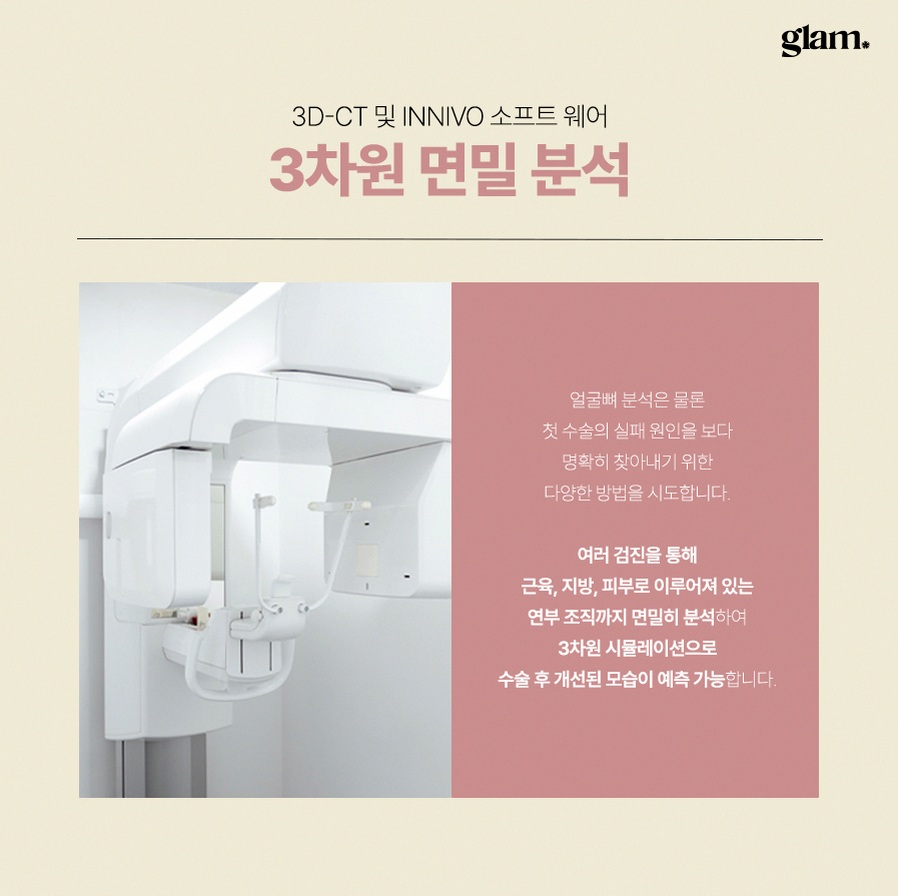
Three-dimensional CT scans allow the surgeon to see the exact position and shape of the cheekbones, the thickness of the bone, and the location of plates and screws. It also reveals how the bone has healed and whether there are any irregular unions or gaps. For revision, this imaging is a key tool for safe planning.
Facial photographs and proportion analysis
Standardized photos from the front, side, and three-quarter views help analyze facial symmetry and balance. The surgeon evaluates how the cheekbones relate to the jawline, chin, and midface volume. Sometimes a slightly wider cheekbone can actually balance a strong jaw or chin, so these relationships are important.
Bite and occlusion check when relevant
If the previous surgery involved other facial bones or if the patient reports changes in bite, a basic occlusion check may be done. In complex cases, coordination with a specialist who understands jaw function may be helpful.
Soft tissue and skin evaluation
The condition of the skin and soft tissue over the cheekbone is crucial. The surgeon assesses skin thickness, elasticity, and any sagging or volume loss. This helps determine whether additional soft tissue procedures, such as lifting or fat grafting, might be beneficial together with or instead of bone revision.
General health and anesthesia assessment
Revision facial bone surgery is usually performed under general anesthesia. A clinic with an in-house anesthesiology specialist can evaluate your overall health, medications, and any previous anesthesia experiences to plan a safe approach. For overseas patients, this pre-anesthesia assessment may start online and be completed in person before surgery.
Clinics that focus exclusively on facial bone surgery, such as GLAM Plastic Surgery, often have standardized protocols for imaging, analysis, and safety checks. The representative surgeon there has around 20 years of experience in facial bone surgery and multiple SCI-level publications, which can be an objective sign of academic engagement and evidence-based practice.
How revision cheekbone surgery is performed
The exact surgical method depends on how your first surgery was done and what problems need to be corrected, but the general steps are similar.
Incision and access
Most revision procedures use incisions similar to the first surgery. This often includes an incision inside the mouth to reach the zygomatic body and a small incision near the sideburn or scalp to access the zygomatic arch. Existing scars are usually reused when possible to avoid new visible marks.
Exposure of previous fixation
The surgeon carefully exposes the plates and screws from the first surgery. Scar tissue around them is gently released. This step requires precision to avoid damaging nerves and soft tissues.
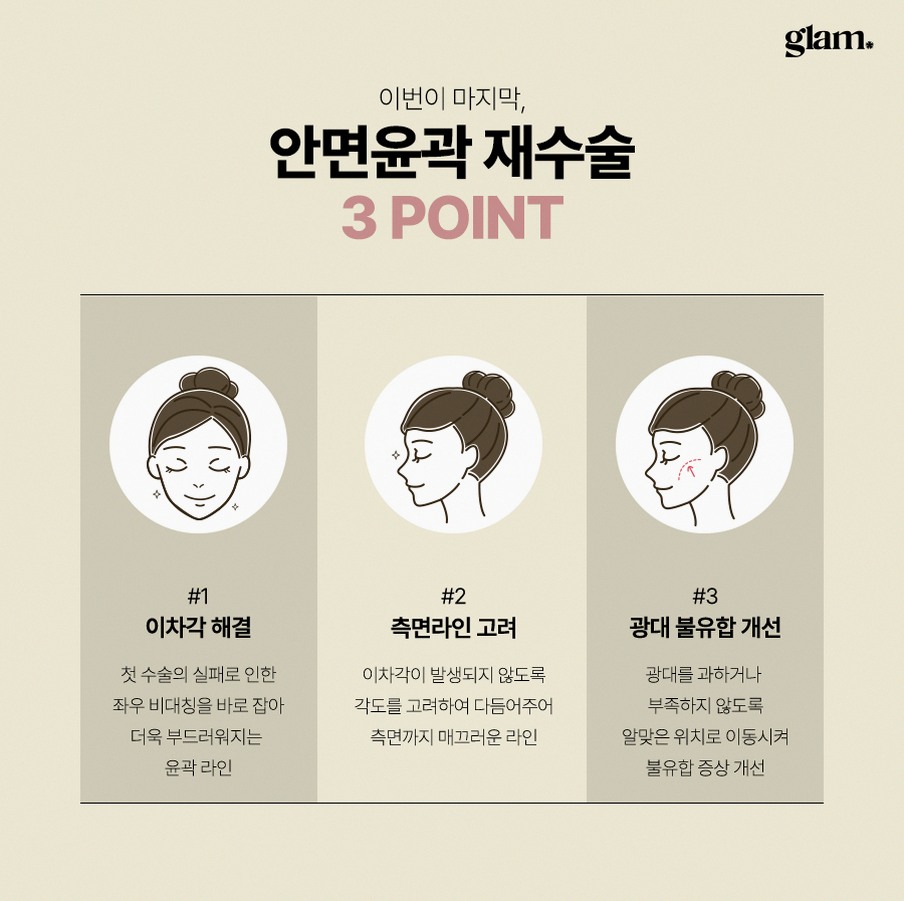
Bone modification or repositioning
Depending on the issue, several strategies may be used:
If the cheekbone was over-reduced and appears too flat, some cases may benefit from slight outward repositioning or contour adjustments, though options are limited once bone has been removed.
If there is asymmetry, the surgeon may adjust one or both sides to create a more balanced contour.
If there are step deformities or sharp edges, these can be smoothed or contoured.
If the arch is causing a visible bump or discomfort, its shape may be refined.
Because the bone has already healed, the surgeon may not always be able to fully re-cut and move it as freely as in primary surgery. The plan must be conservative and tailored to what is structurally safe.
Re-fixation and closure
After adjustments, the bone is re-fixed using plates and screws as needed. The goal is stable fixation to promote proper healing. The incisions are then closed, often with absorbable sutures inside the mouth. External incisions are placed in hair-bearing or natural crease areas when possible.
Sometimes, cheekbone revision is combined with other facial contouring procedures, such as jawline or chin contouring, or with soft tissue procedures like lifting or fat grafting. These combinations should only be recommended when they are truly necessary to achieve a harmonious result, not as routine add-ons.
Risks, limitations, and safety measures
All bone surgeries carry risks, and revision cheekbone reduction has some specific considerations.
Potential risks include:
Nerve injury leading to temporary or, rarely, long-term numbness or altered sensation in the cheek or upper lip
Infection or delayed bone healing
Nonunion or malunion of the bone in complex cases
Persistent or new asymmetry
Worsening of soft tissue sagging if bone support is further reduced
Prolonged swelling or contour irregularities
It is important to understand that revision cannot always restore the face to how it looked before any surgery. The goal is meaningful improvement in contour, symmetry, or function within the limits of the existing bone and soft tissue.
Safety measures typically include:
Meticulous preoperative imaging and planning
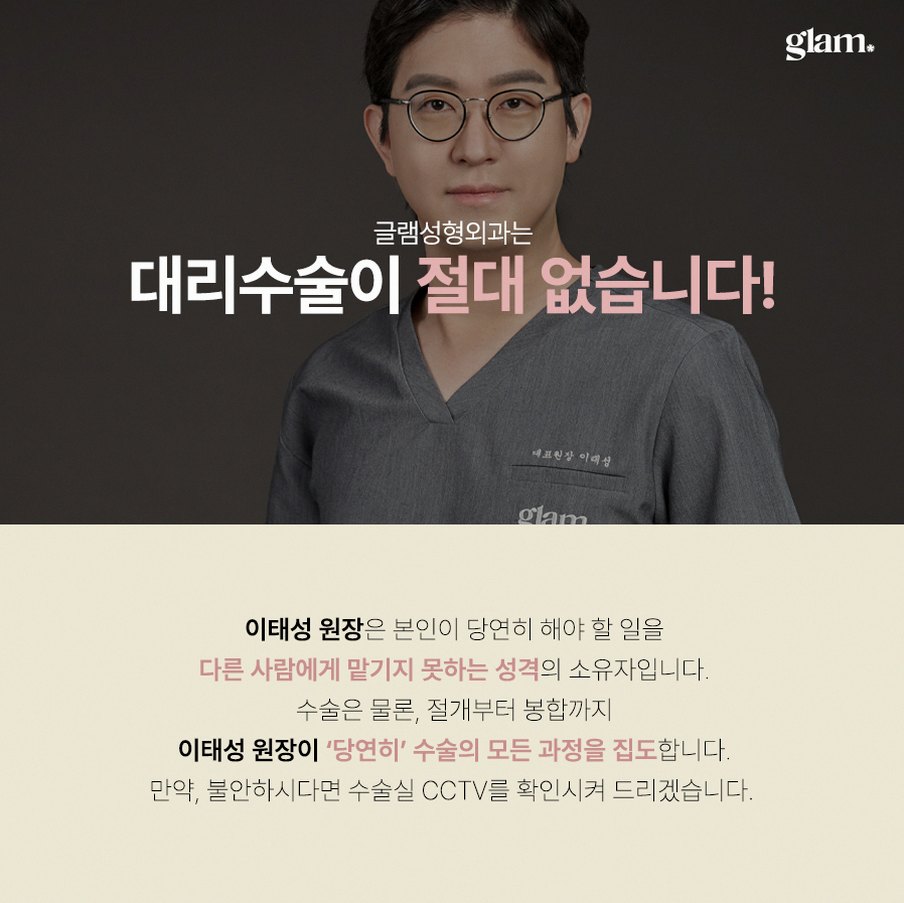
Surgery performed by a surgeon dedicated to facial bone procedures, rather than a general cosmetic provider
Presence of a dedicated anesthesiology specialist to manage anesthesia and monitor vital signs throughout the operation
Careful intraoperative technique, including gentle handling of nerves and soft tissues
Postoperative observation and clear instructions for recovery
Clinics that focus their entire practice on double jaw and facial contouring, and where all facial bone surgeries are performed directly by the representative surgeon, may offer a more consistent approach for complex revision cases.
Recovery, aftercare, and swelling management
Recovery after revision cheekbone surgery is similar to, and sometimes slightly longer than, recovery after primary surgery because of scar tissue and the complexity of the procedure.
Immediate postoperative period
Patients are usually monitored closely in the clinic after surgery. Some may stay for a short observation period depending on the extent of surgery and their general condition. Swelling and bruising around the cheeks and under the eyes are common.
First one to two weeks
Swelling is typically most noticeable in the first week and then gradually decreases. Bruising, if present, usually fades over 1 to 2 weeks. Soft foods are often recommended at the beginning, especially if there is any discomfort with chewing. Sleeping with the head elevated and avoiding pressure on the cheeks can help.
Two to six weeks
Most patients can return to light daily activities and office work within 1 to 2 weeks, depending on how they feel and the nature of their job. Exercise and heavy lifting are usually restricted for several weeks to protect the healing bone. Residual swelling continues to improve, and the face slowly starts to look more natural.
Several months
Final contour and soft tissue adaptation can take several months. Numbness or altered sensation, if present, often improves gradually but can take time. Regular follow-up appointments allow the surgeon to monitor healing and address any concerns.
Specialized postoperative care programs
Some facial bone–focused clinics provide structured aftercare programs designed to support healing and reduce swelling. These may include:
LED therapy to support circulation and tissue recovery
Facial dome care to help manage swelling and provide gentle compression
Skin reset total care to improve skin condition after surgery-related stress
RF lifting treatments to support skin tightening and soft tissue tone as healing progresses
These treatments are supportive measures and do not replace proper surgical technique, but they can make the recovery period more comfortable and help patients feel that their healing is being actively managed.
Psychological aspects and expectation counseling
Revision surgery is not only a physical process but also an emotional one. Many patients feel disappointed or anxious after an unsatisfying first surgery. It is important that the consultation for revision is honest and calm, with enough time to discuss concerns and expectations.
A responsible clinic will:
Explain clearly what can and cannot be improved
Discuss the risks and possible need for compromise
Recommend only the minimum necessary surgery rather than suggesting multiple aggressive procedures
This conservative philosophy is especially important for major bone operations, where each additional surgery carries its own risks. For international patients, having realistic expectations and clear communication before traveling can reduce stress and help with decision-making.
Choosing a clinic for revision cheekbone surgery in Seoul
When selecting a clinic in Seoul, particularly in the Gangnam and Sinsa Station area, consider the following points:
Does the clinic focus specifically on facial bone surgery, such as double jaw and facial contouring, rather than many unrelated procedures
Does the surgeon have substantial experience with revision cases, not only primary cheekbone reduction
Are detailed imaging tools like 3D CT routinely used for planning
Is there a full-time anesthesiology specialist dedicated to anesthesia and safety management
Does the clinic offer structured postoperative care and follow-up that fits your travel schedule
Is the consultation style transparent, with clear explanations of risks, alternatives, and the option not to operate if revision is not advisable
For example, GLAM Plastic Surgery is positioned as a clinic that focuses exclusively on double jaw and facial contouring surgery, including revision cases, and reports multiple SCI-level publications by its representative surgeon as of early 2025. Such academic activity can be one of several objective indicators to consider when comparing options.
Online consultation and pre-visit preparation for overseas patients
Before flying to Seoul, most international patients start with an online consultation. To make this efficient and accurate, prepare the following:
Clear facial photos from the front, both sides, and three-quarter angles, taken in natural light without heavy makeup or filters
If possible, photos from before your first surgery for comparison
Any CT scans, X-rays, or medical reports from your previous operation
A short written summary of your main concerns, such as asymmetry, flatness, step deformity, or discomfort
Information about your general health, medications, and any previous anesthesia issues
During the online consultation, ask specific questions, for example:
What are the main structural issues you see in my CT and photos
Do you think bone revision is necessary, or could soft tissue procedures be enough
What realistic level of improvement can I expect
How long should I stay in Korea for surgery and follow-up
Writing these questions down in advance can help you compare different clinics and avoid missing important points during the call or email exchange.
Expected Korea visit timeline
While each clinic has its own schedule, a typical timeline for overseas patients might look like this:
Day 1 to 2: In-person consultation, physical examination, and 3D CT imaging. Final surgical plan and anesthesia assessment.
Day 3 to 4: Surgery day, followed by close observation at the clinic.
First week: One or more follow-up visits to check wounds, swelling, and general condition. Early aftercare sessions such as LED therapy may begin.
Second week: Additional follow-up, suture removal if needed, and continued aftercare treatments. Many patients can travel home after 10 to 14 days, depending on their condition and the surgeon’s advice.
Some patients choose to stay longer for more aftercare sessions and monitoring. When planning your trip, allow some flexibility in case your surgeon recommends a slightly longer stay.
FAQ
How long should I wait after my first cheekbone surgery before considering revision
In many cases, surgeons recommend waiting at least 6 to 12 months after the first cheekbone reduction before deciding on revision. This allows swelling to fully resolve and the bone and soft tissue to stabilize. However, if you have severe pain, obvious deformity, or functional problems, you should seek an evaluation earlier, even if surgery is not performed right away.
Is revision cheekbone reduction more dangerous than the first surgery
Revision surgery is generally more complex than primary surgery because of scar tissue, altered anatomy, and existing plates and screws. This can increase certain risks, such as nerve irritation or prolonged swelling. With careful planning, detailed imaging, and a surgeon experienced in facial bone revisions, many patients undergo revision safely, but the risk profile is not identical to a first-time operation and should be discussed in detail.
Can revision fix both asymmetry and a flat-looking midface at the same time
In some cases, revision can address both asymmetry and flatness by adjusting bone position and, when appropriate, combining with soft tissue procedures such as fat grafting or lifting. However, once bone has been reduced, there are limits to how much projection can be restored using bone alone. Your surgeon should explain which aspects can be improved with bone revision and which may require additional techniques.
Will I need hospitalization after revision cheekbone surgery
Many patients are managed with close observation at the clinic rather than long hospital stays, but this depends on the extent of surgery and your general health. Some clinics keep patients for a short monitored period right after surgery, then continue follow-up as outpatients. Your specific plan, including any recommended overnight stay, should be clarified during consultation.
What if I do not have the records from my first surgery
Even without previous records, revision can still be evaluated using new 3D CT scans and clinical examination. However, having operative notes or past imaging can help the surgeon understand what was done and why certain changes occurred. If possible, try to obtain these documents from your previous clinic before your consultation in Seoul.

Can non-surgical treatments improve my result enough to avoid revision
In some situations, non-surgical or minimally invasive treatments can provide meaningful improvement without another bone operation. Examples include fat grafting or filler to restore midface volume, and lifting procedures or RF-based treatments to support sagging soft tissue. A conservative surgeon will consider these options and recommend revision bone surgery only when it is truly necessary.
Conclusion and next steps
Revision cheekbone reduction surgery is a high-level facial contouring procedure that requires precise analysis, careful planning, and a surgeon dedicated to facial bone surgery. For overseas patients traveling to Seoul, especially the Gangnam and Sinsa Station area, it is important to prioritize safety, realistic expectations, and a conservative treatment plan over aggressive changes.
Before making a decision, consider seeking more than one professional opinion, prepare your photos and previous records, and write down your questions. Clinics with a narrow focus on facial bone surgery, strong academic background, and a policy of recommending only the minimum necessary surgery, such as GLAM Plastic Surgery, may be suitable options for complex revision cases.
If you are considering revision cheekbone reduction surgery in Korea, you can start with an online consultation to discuss your concerns, review your images, and explore whether revision or alternative treatments are appropriate for you.




- 공유 링크 만들기
- X
- 이메일
- 기타 앱


댓글
댓글 쓰기