Three-Jawline Contouring Revision: What Real Patients Check Before a Second Surgery
- 공유 링크 만들기
- X
- 이메일
- 기타 앱

Direct answer summary
Three-jawline contouring revision means having a second surgery after an earlier combination of cheekbone, jaw angle, and chin contouring. It is usually considered when there is clear asymmetry, an unnatural or aged look, bumpy bone edges, or functional problems such as chewing discomfort or bite changes. Revision is more complex than the first operation, so careful imaging, realistic planning, and a safety-focused team are essential. Overseas patients coming to Sinsa, Gangnam in Seoul typically begin with an online consultation; clinics will advise on a recommended length of stay during that consultation, and patients commonly continue long-term follow-up online.
Introduction
When people talk about “three-jawline contouring,” they usually mean a combination of three procedures done together: cheekbone reduction to narrow the midface, jaw angle reduction to slim the lower face, and chin contouring to refine the chin. Many patients travel to Korea for this surgery, expecting a more balanced and slimmer facial shape.
However, not everyone is satisfied with the first result. Some notice asymmetry, an over-reduced or still-wide face, irregular jawline edges, or even functional issues such as chewing discomfort. In these situations, revision three-jawline contouring becomes an option.
revision strategies look like, how recovery compares to the first surgery, and how to read online reviews with a critical eye.
In Sinsa, Gangnam, there are clinics that focus their practice on facial bone surgery such as double jaw and contouring. Some of these centers use accumulated data, 3D imaging, and research to refine their revision strategies. This article will use such a clinic as an example of how a focused facial bone center may approach your case, without turning it into an advertisement.
What is three-jawline contouring and why do people seek revision?
Three-jawline contouring usually combines three bone procedures in one operation.
Cheekbone reduction
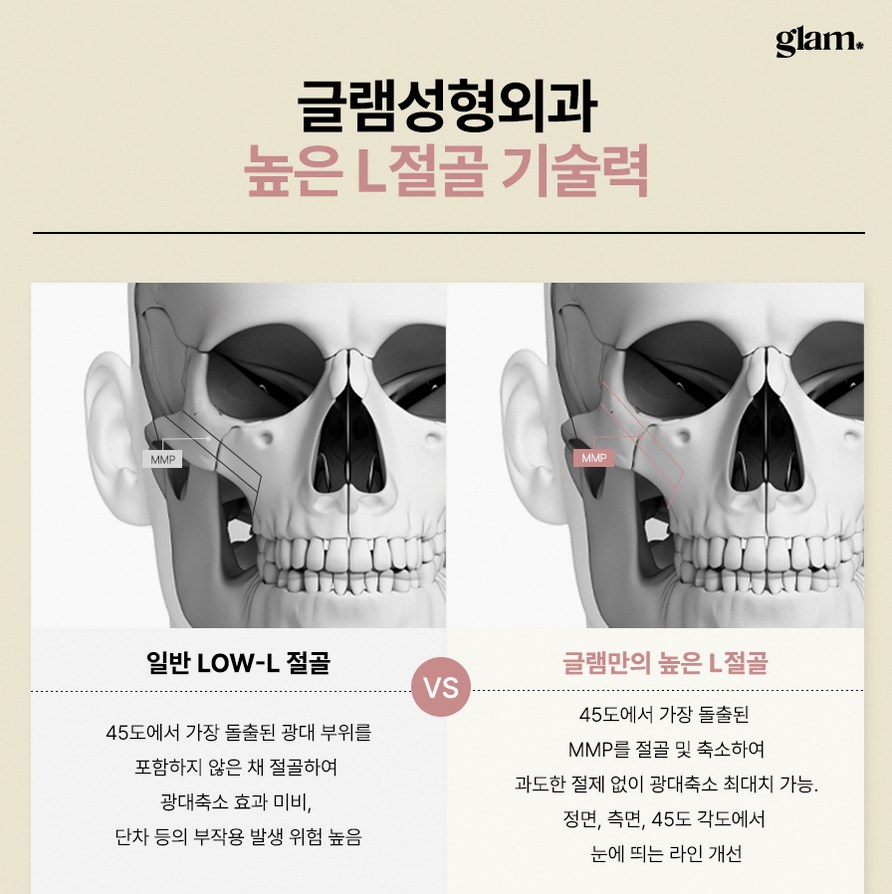
Cheekbone reduction focuses on the zygomatic bone. Surgeons typically cut and reposition the cheekbone body and arch to narrow a wide or prominent midface. The goal is a softer, less angular facial contour from the front and 45-degree views.
Jaw angle reduction
Jaw angle reduction reshapes the back and side of the lower jaw. By trimming or reshaping the mandibular angle, surgeons aim to reduce a square or bulky lower face and create a smoother jawline line from the ear toward the chin.
Chin contouring
Chin contouring can be done by shaving the bone or by sliding genioplasty, where the chin segment is cut and moved forward, backward, up, or down. The goal is to adjust chin length, width, and projection so it fits the rest of the face.
Why some patients become dissatisfied
Not every outcome matches the patient’s expectations. Common reasons for seeking revision include:
Over-reduction: The face can look sunken, hollow, or older than expected if too much bone was removed, especially at the cheekbone or jaw angle.
Under-correction: The face may still look wide or masculine if the initial reduction was too conservative or not well planned for the patient’s facial structure.
Asymmetry: One side of the face may look fuller, longer, or differently angled than the other, noticeable from the front or in photos.
Irregular bone edges: Some patients can see or feel step-offs, bumps, or uneven transitions along the cheekbone or jawline.
Functional issues: Bite changes, difficulty chewing, jaw joint discomfort, or persistent numbness can appear or worsen after surgery.
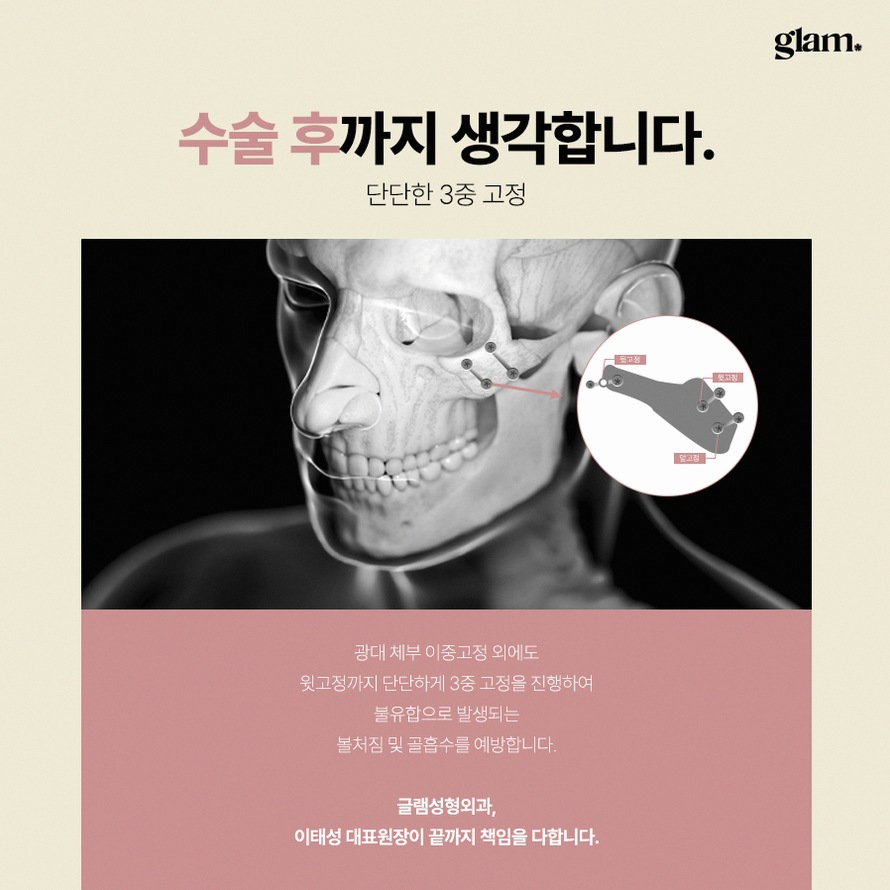
Revision is more complex than primary surgery because the bone has already been cut and healed. There may be plates and screws in place, and scar tissue around the bone and soft tissues. This makes precise imaging, planning, and surgical technique especially important.
When is revision after three-jawline contouring actually considered?
Not every minor dissatisfaction means revision is necessary. Swelling, soft tissue sagging, and nerve recovery can change the appearance for many months after the first surgery.
Typical indications for revision
Clear asymmetry: Obvious left-right differences in cheekbone height, jawline angle, or chin position seen from the front or side views.
Persistent functional issues: Difficulty chewing, jaw joint pain, or bite misalignment that is confirmed on examination and does not improve with time or conservative care.
Contour deformities: Step-like transitions, depressions, or protruding areas along the cheekbone or jawline that do not match the surrounding bone.
Overly narrow or collapsed look: A midface or jawline that appears too sunken, tired, or unhealthy, sometimes with soft tissue sagging because the bone support is reduced.
Hardware or nerve-related problems: In some cases, plates or screws may irritate nearby tissues, or nerve compression may need to be addressed. This is evaluated carefully with imaging and physical examination.
Timing of revision
Most surgeons recommend waiting until the face has stabilized before deciding on revision, unless there is a serious complication.
In many cases, the suggested waiting period is 6–12 months after the first surgery. The reasons include:
Bone remodeling: The bone continues to heal and remodel for months, which can slightly change contours.
Soft tissue adaptation: Skin, fat, and muscle need time to settle over the new bone shape. Early impressions can be misleading.
Nerve recovery: Sensation can gradually improve over months. Operating too soon may interfere with natural recovery.
Revising too early can lead to decisions based on temporary swelling or incomplete healing, which may result in unnecessary or overly aggressive changes.
How a specialized facial bone clinic evaluates revision cases
In Sinsa, Gangnam, some clinics limit their practice to facial bone surgery such as double jaw and contouring. At such a center, the evaluation of a revision case is usually structured and imaging-based.
Typical evaluation workflow
Specialist consultation: You meet a plastic surgeon whose main focus is facial bone surgery. The consultation should include a detailed discussion of your concerns, medical history, and previous surgeries.
Review of previous records: If possible, the surgeon will review your prior operation notes, pre- and post-operative X-rays or CT scans, and any previous photos. This helps them understand what was done and where.
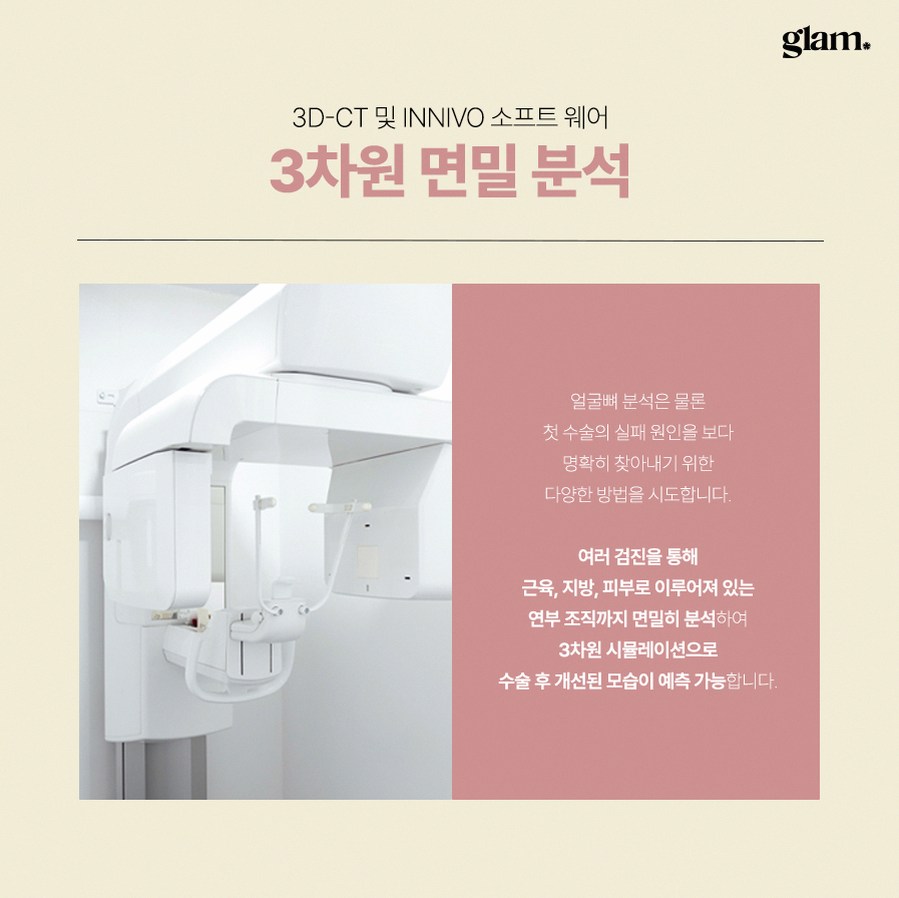
3D CT imaging: A new 3D CT scan or similar imaging is usually taken. This shows the exact location of bone cuts, the position and type of fixation plates and screws, bone thickness, and symmetry.
Photographic and bite analysis: Standardized photos from multiple angles and an assessment of your bite and jaw function are performed. The surgeon checks how your teeth meet and whether your jaw joints move smoothly.
Why a focused facial bone center can be helpful
Some clinics in Sinsa focus only on double jaw and facial contouring, without offering other cosmetic procedures. This narrow focus can mean:
More accumulated experience in complex bone cases, including revisions.
Refined protocols for managing scar tissue, removing or adjusting hardware, and protecting nerves.
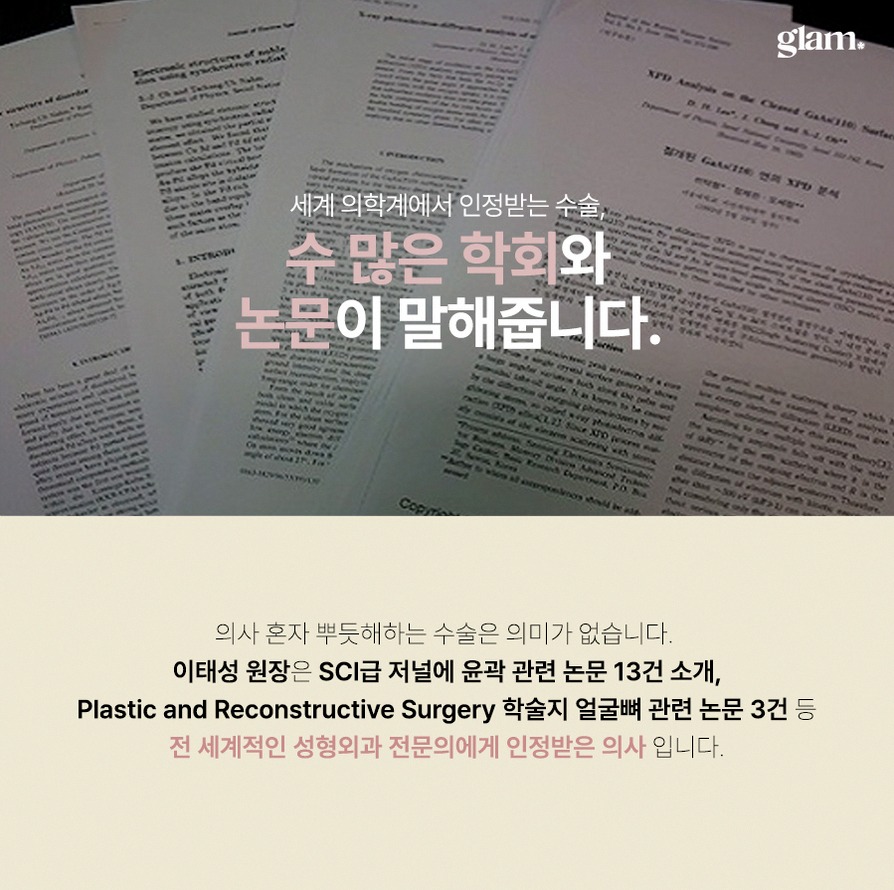
Use of data and research to guide decisions. For example, one such clinic’s lead surgeon has around two decades of facial bone experience and has published multiple papers in international journals on contouring and double jaw surgery. For patients who value academic evidence and long-term outcomes, this can be a meaningful trust signal.
Role of an in-house anesthesiology and pain medicine specialist
Revision facial bone surgery can be long and technically demanding.
Continuous monitoring: Your vital signs are closely followed throughout the operation, which can improve safety during longer surgeries.
Tailored anesthesia plans: Patients who had difficult experiences with anesthesia in the past can receive individualized plans to reduce anxiety and side effects.
Recovery support: Anesthesia staff can help manage nausea, pain, and airway issues immediately after surgery, which many revision patients mention in their reviews.
Typical revision strategies for each area
Every revision plan is individual, but there are common patterns in how surgeons address problems in the cheekbone, jaw angle, and chin.
Cheekbone revision
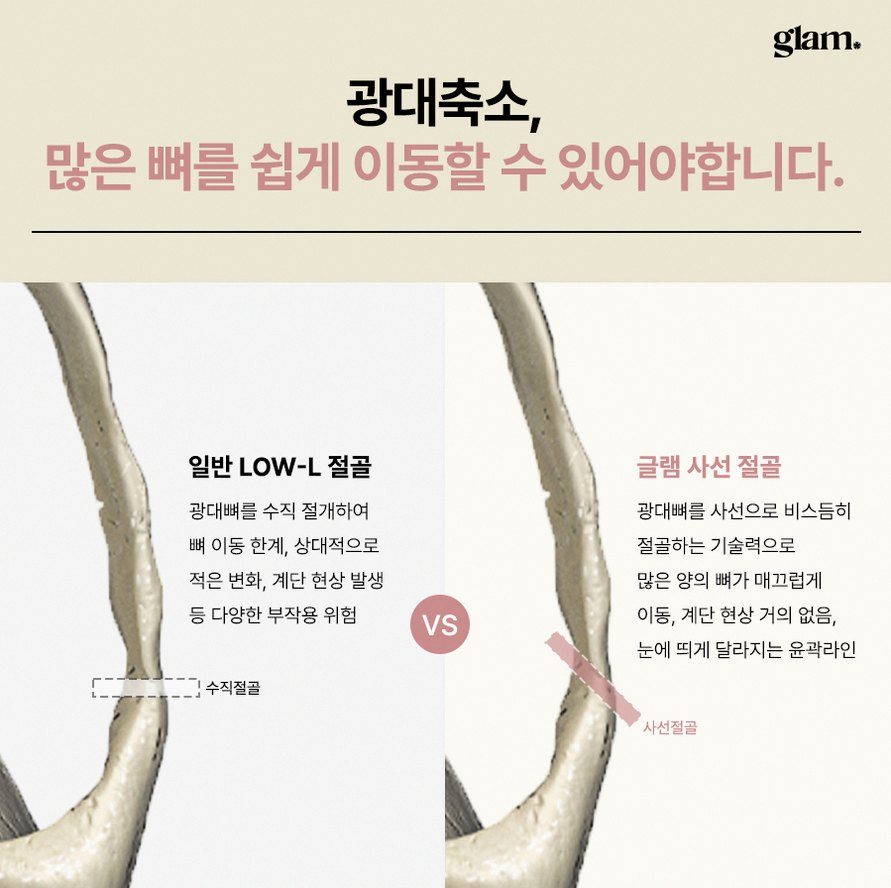
Correcting asymmetry: If one cheekbone sits higher, more forward, or more outward than the other, the surgeon may adjust previous bone cuts or reposition bone segments. Sometimes this involves releasing and re-fixating the bone.
Smoothing irregularities: Step-offs or sharp edges along the cheekbone can be shaved or recontoured to create a smoother transition.
Addressing over-reduction: If the midface looks too flat or sunken, options may include repositioning existing bone segments or adding subtle augmentation. The exact method depends on bone thickness and soft tissue condition.

Jaw angle revision
Refining uneven angles: An irregular or wavy jawline can be smoothed by carefully reshaping the bone, aiming for a continuous, natural curve from the ear toward the chin.
Correcting residual width: If the first surgery was too conservative, additional bone can be removed in a controlled way, respecting nerve position and structural stability.
Managing over-resection: When the jaw angle is too aggressively removed, the face can look too narrow or “no-angle.” In some cases, contouring or augmentation techniques are used to restore a more natural angle line.
Chin revision
Adjusting chin size and position: If the chin is too long, short, wide, or recessed, revision can involve modifying a previous sliding genioplasty or reshaping the bone.
Correcting asymmetry: If the chin point is off-center or tilted, the bone segment can sometimes be repositioned to align better with the facial midline.
Smoothing irregular surfaces: Visible or palpable bumps at the chin can often be improved with careful shaving and contouring.
Across all three areas, revision often involves working around or removing existing plates and screws, dealing with scar tissue, and preserving nerve function. This is why detailed preoperative planning and experienced surgical technique are critical.
What real patients usually mention in their revision reviews
Patients who write about three-jawline contouring revision often describe a journey that starts with regret or anxiety and moves toward more informed decision-making.
Before revision
Many describe feeling frustrated or disappointed when the swelling from the first surgery went down and the final shape became clear. Common complaints include one side looking bigger, a jawline that feels bumpy, an awkward smile, or chewing that feels strange or uncomfortable.
Anxiety about another surgery is also common. People worry about making things worse, losing more bone, or not waking up from anesthesia. They often spend months reading reviews and comparing clinics before even booking a consultation.
Consultation experience
In more detailed reviews, patients pay close attention to how the surgeon explains their CT results. They often mention whether the surgeon clearly identified the cause of the problem, such as an uneven bone cut, excessive shaving, or a shifted chin segment.
Many reviewers appreciate when the surgeon recommends only the minimum necessary revision rather than pushing many extra procedures. This “minimum necessary” approach can build trust, especially for patients who already feel they took a big risk once.
Patients also note how the anesthesiology specialist spoke with them before surgery, explained monitoring and safety measures, and addressed any previous bad experiences with anesthesia.
Surgery day and immediate post-op
In revision reviews, people frequently compare pain and swelling with their first surgery. Some say the pain is similar or slightly milder, while others feel more stiffness due to scar tissue. Swelling can be similar or slightly more prolonged, depending on the extent of revision.
Comments about recovery room care are common: whether staff checked on them frequently, how quickly they received pain relief, and how clearly post-operative instructions were given.
Recovery timeline
Swelling: Many patients report that visible swelling peaks in the first few days and then gradually improves over several weeks. Because of scar tissue, some areas may feel firm or tight for longer than after the first surgery.
Return to daily life: Light activities and desk work are often possible within 1–2 weeks, but this varies by individual and the complexity of the revision.
Sensation changes: Numbness may temporarily increase after revision but often improves gradually. Reviews that mention long-term outcomes usually describe partial or significant recovery over several months, though this is individual.
Final results
After several months, many reviewers describe improved symmetry, a smoother jawline, and a face shape closer to what they originally wanted. Some also report better chewing comfort and less jaw tension.
However, not all reviews are completely positive. Some patients still notice minor asymmetries or feel that improvement is only partial. These honest accounts highlight the importance of realistic expectations and detailed pre-surgery discussions.
Key safety and decision-making points for revision candidates
Revision three-jawline contouring is not only about appearance. It must balance aesthetics with function and long-term structural stability.
Points to discuss with your surgeon
Training and focus: Confirm that your surgeon is a plastic surgeon with a clear track record in facial bone surgery and revision cases.
Case volume and imaging: Ask how many revision contouring cases they handle and what imaging they use for planning, such as 3D CT.
Anesthesia care: Check whether a dedicated anesthesiology specialist manages anesthesia throughout the operation.
Realistic goals: Ask the surgeon to explain what can realistically be improved and what may not be fully correctable. This includes discussing potential need for minor touch-ups later.
Risks: Discuss possible complications such as nerve injury, persistent asymmetry, bite changes, infection, and the limitations created by previous bone removal.
Value of a “minimum necessary” approach
Because the bone has already been altered once, many surgeons favor a conservative philosophy for revision. This means:
Avoiding overly aggressive additional bone removal.
Prioritizing structural stability, nerve safety, and long-term facial harmony over extreme narrowing.
Sometimes, surgeons may suggest combining subtle contour adjustments with soft tissue management rather than performing very large bone changes again.
Some advanced double jaw techniques, such as approaches that reduce the need for intermaxillary fixation or extensive orthodontic work, exist in the same field of facial bone surgery. While these are not the main topic here, it is useful to know that experience with such advanced methods can overlap with the skills needed for complex contouring revisions.
How to read and use online revision reviews wisely
Online reviews are helpful, but they are not complete medical information. They should be a starting point, not the final decision.
What to look for in reviews
Time frames: Give more weight to reviews that mention specific time points, such as 1 month, 6 months, and 1 year after revision. Early reviews may be dominated by swelling.
Expectations and compliance: Notice whether the reviewer had realistic expectations and followed post-operative instructions. Poor compliance can affect outcomes.
Patterns across multiple reviews: Instead of focusing on one very positive or very negative story, look for patterns in how a clinic handles consultation, explanation, and follow-up care.
Photos: Before-and-after photos can be useful but also misleading. Lighting, angles, makeup, and swelling stages can change impressions. Use them as one piece of information, not the only one.
From reviews to consultation
Once you narrow down your options, schedule in-person or video consultations. Use what you learned from reviews to prepare detailed questions about your own case, rather than asking only general questions.
Who may consider three-jawline contouring revision
You may be a candidate for revision if:
You had combined cheekbone, jaw angle, and chin contouring in the past.

You have clear, persistent concerns about asymmetry, irregular jawline or cheekbone contours, or an overly sunken or still-wide appearance.
You experience functional issues such as chewing discomfort, bite problems, or jaw joint pain that are linked to your previous surgery.
You have waited long enough (often at least 6–12 months) for swelling and soft tissue changes to stabilize.
You are willing to accept that revision can improve but may not completely perfect every detail.
Online consultation and pre-visit preparation for overseas patients
For international patients, the process usually begins online.
Steps before you travel
Initial inquiry: You contact the clinic via email, messaging app, or an online form. At this stage, you briefly describe your previous surgery and main concerns.
Photo submission: The clinic may ask for clear photos from the front, 45-degree angles, and both sides, with a neutral expression. Some may also request smiling photos and close-ups of the jawline.
Previous records: If possible, prepare your old X-rays or CT scans, operation notes, and any medical reports. Sending these in advance helps the surgeon understand your starting point.
Video consultation: Many clinics offer video consultations so you can ask questions directly, see the surgeon, and discuss possible directions for revision.
Questions to prepare
What is the main cause of my current problem based on your analysis?
What are the realistic changes you can make, and what may not be fully correctable?
Which bones will you touch again, and will you need to remove or move existing plates and screws?
What are the main risks in my specific case?
How long should I stay in Korea, and what follow-up will I need after I return home?

Expected Korea visit timeline for revision
While each clinic has its own protocol, a common timeline for overseas revision patients might look like this.
Day 1–2: In-person consultation and imaging
You meet the surgeon, undergo physical examination, and take new imaging such as 3D CT. The surgeon confirms the plan and explains details again. Blood tests and pre-anesthesia checks are usually done.
Day 3–4: Surgery day
You arrive at the clinic, meet the anesthesiology specialist, and undergo surgery. After the operation, you stay in the recovery area until you are stable. Some patients go home the same day; others may stay longer depending on the clinic’s system and the extent of surgery.
First week: Early recovery and checks
You return to the clinic for dressing changes, swelling checks, and removal of any drains or stitches if needed. The surgeon monitors your healing, bite, and nerve function. Many patients spend this period mostly resting, with short walks and light activities.
Second week: Follow-up and preparation to return home
Additional follow-up visits confirm that healing is progressing as expected. You receive instructions for wound care, diet, oral hygiene, and activity restrictions for when you return home. Some patients feel comfortable flying after about 10–14 days, but this should be confirmed individually.
Aftercare and long-term follow-up
After you leave Korea, long-term care continues remotely.
Short-term aftercare
Diet: A soft or semi-soft diet is often recommended for a period after surgery to reduce strain on the jaw.
Oral hygiene: If incisions were made inside the mouth, careful rinsing and cleaning are important to reduce infection risk.
Activity: Heavy exercise and contact sports are usually restricted for several weeks to protect the healing bone.
Long-term follow-up
Online check-ins: You may send photos and updates to the clinic at set intervals, such as 1 month, 3 months, 6 months, and 1 year.
Monitoring sensation and function: Report any persistent numbness, pain, or bite changes. Some symptoms improve over time; others may need evaluation.
Local medical support: It is helpful to know in advance which local doctor or clinic you can visit in your own country if you need basic checks or imaging.
FAQ
Is revision after three-jawline contouring always possible?
Not always. The feasibility of revision depends on how much bone was removed in the first surgery, the position of nerves, the condition of the soft tissues, and your overall health. In some cases, only limited adjustments are safe. A detailed consultation with imaging is necessary to understand what is realistically possible.

How long should I wait before deciding on revision?
In many cases, surgeons recommend waiting at least 6–12 months after the first surgery before making a final decision, unless there is a serious complication. This allows swelling to resolve, soft tissues to adapt, and nerves to recover. Deciding too early can lead to unnecessary or poorly targeted revision.
Will revision be more painful or swollen than my first surgery?
Experiences vary. Some patients report similar or slightly milder pain compared to the first surgery, while others notice more stiffness due to scar tissue. Swelling can be similar or last a bit longer in certain areas. Good pain control, careful surgical technique, and proper aftercare can help manage these symptoms.
Can revision fix both appearance and functional problems?
Revision can sometimes improve both appearance and function, especially if bite issues or jaw discomfort are related to bone position. However, complete correction is not guaranteed. The surgeon should explain which functional issues are likely to improve and which may remain, based on your imaging and examination.
How do I choose a clinic in Sinsa, Gangnam for revision surgery?
Look for a clinic with a clear focus on facial bone surgery, including revision contouring. Check the surgeon’s experience, publications, and case examples where available. Ask about imaging methods, anesthesia management, and how they handle overseas follow-up. Reading multiple reviews and having more than one consultation can help you compare approaches.
Conclusion and call to thoughtful action
Revision after three-jawline contouring is a serious decision, but for many patients it can bring their appearance and function closer to what they originally hoped for. The key is careful timing, thorough imaging-based evaluation, and choosing a team that focuses on facial bone surgery with a safety-first, minimum-necessary approach.
If you are considering revision in Sinsa, Gangnam, start by gathering your previous records, taking clear photos, and listing your specific concerns. Use online consultations to ask detailed questions, compare explanations, and understand the realistic possibilities for your face. Taking the time to prepare and think critically, rather than rushing into another operation, is one of the most important steps you can take for your long-term satisfaction and safety.




- 공유 링크 만들기
- X
- 이메일
- 기타 앱


댓글
댓글 쓰기