Square Jaw Reduction Revision in Korea: A Practical Guide for International Patients
- 공유 링크 만들기
- X
- 이메일
- 기타 앱

Direct answer summary
Square jaw reduction revision is a secondary facial contouring surgery for people who already had jaw contouring but remain unhappy with the width, shape, or symmetry of the lower face. In Korea, this procedure focuses less on cutting more bone and more on carefully re‑analyzing your current jaw structure, smoothing irregularities, correcting asymmetry, and protecting nerve function. For overseas patients, a realistic goal is a smoother, more balanced jawline with improved harmony, not a completely different bone structure.
This guide explains what revision square jaw reduction involves, who might consider it, how to prepare from overseas, what a typical visit to Korea looks like, and what to expect during recovery.
What square jaw reduction revision is
Square jaw reduction revision is a secondary facial contouring surgery performed after a previous square jaw or V‑line procedure.
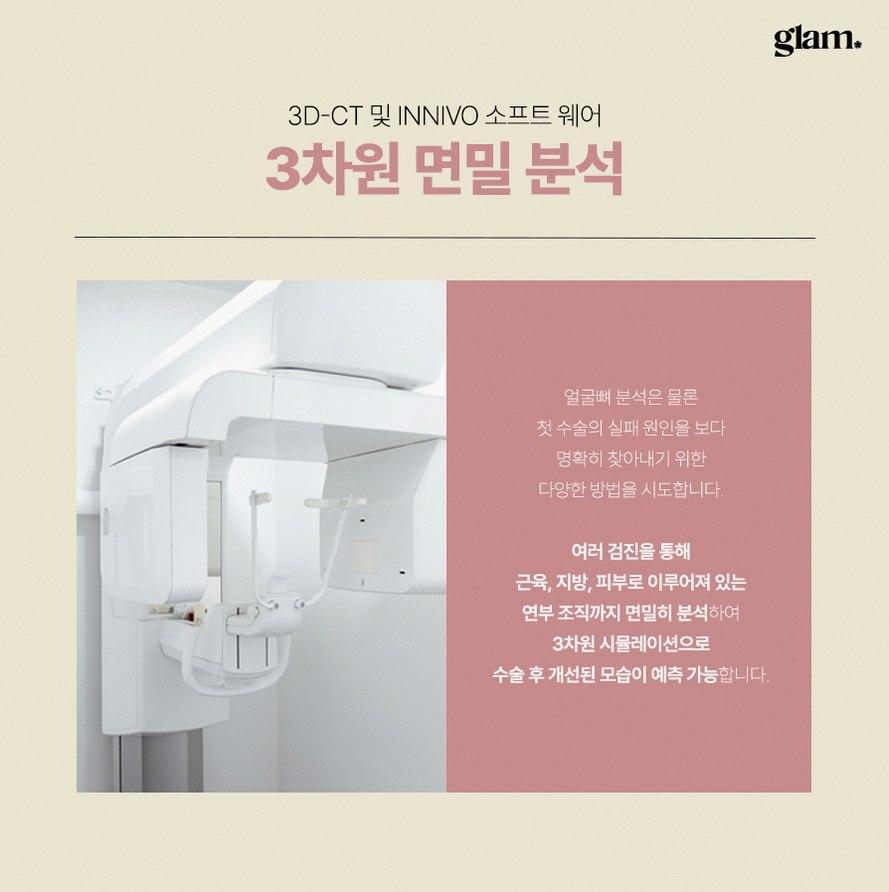
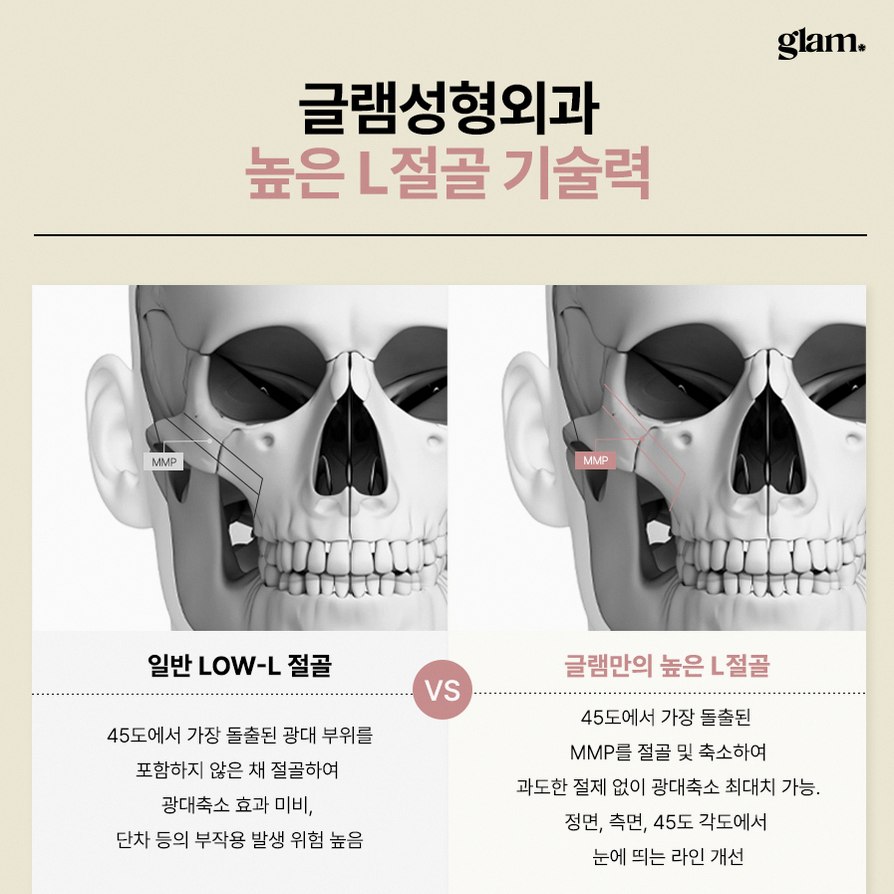
Instead of simply making the jaw smaller again, revision surgery starts with a detailed analysis of the current bone. Surgeons study how the mandibular angle and body were cut the first time, how thick the remaining bone is, and where the main nerve inside the jaw is located. The aim is to correct problems such as residual width, asymmetry, step deformity, or an over‑resected, hollow angle.
In many cases, the revision focuses on:
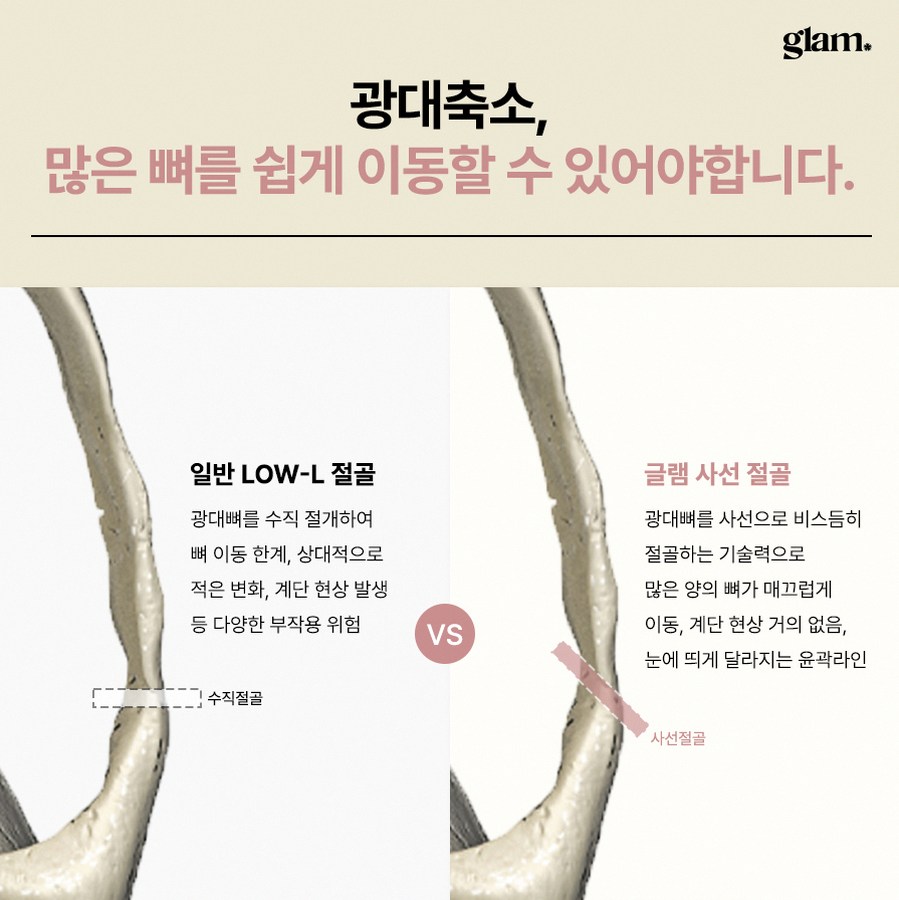
Smoothing old osteotomy lines where the angle and body of the mandible do not connect in a natural curve
Correcting left–right asymmetry in the jaw angle or jaw body
Reducing remaining bulk in areas that were not adequately addressed before, when bone thickness and nerve location allow
Softening an overly sharp or hollow angle that makes the face look older or too thin
Improving the transition from the jaw angle to the chin so the jawline looks continuous from the front and side
Because the anatomy has already been changed once, revision is usually more complex than first‑time surgery. Scar tissue, altered bone shape, and the previous cut lines all have to be taken into account.
Common problems after first square jaw surgery
Many patients start to consider revision because of one or more of the following issues after their first contouring surgery:
The jawline still looks wide or square from the front, especially around the lower cheeks and angles.
One side of the jaw looks lower, sharper, or bulkier than the other, especially at 45‑degree angles.
There is a visible or palpable step between the back angle and the side body of the mandible.
The angle looks too aggressively cut, giving a hollow or aged look at the back of the jaw.
The bite feels different, chewing is uncomfortable, or there is tension around the jaw joint.
There is fear of undergoing another bone surgery because of concerns about nerve damage, facial sagging, or over‑resection.
Revision surgery does not automatically solve all of these problems, but it can often improve the jawline shape and balance when planned conservatively and precisely.
Who may consider square jaw reduction revision
Good candidates
You may be a reasonable candidate to discuss revision if:
You see clear asymmetry or a step deformity along the jawline when looking straight ahead or at 45 degrees.
Your lower face still looks bulky or square even though you already had angle reduction.
Your jaw angle looks too sharp, flat, or hollow, making your face appear older or too thin.
You have allowed enough time for the first surgery to heal, usually at least 6 to 12 months, so swelling has settled and bone has stabilized.
You understand that revision aims for improvement and better balance, not a completely new jaw shape.
You are willing to prioritize safety and function over extreme narrowing.
Why waiting time matters
Bone and soft tissue need time to heal and remodel after the first surgery. Swelling can mask the true contour for months, and nerves may still be recovering. Operating too early can:
Make it difficult to judge what is a true deformity versus temporary swelling.
Increase the risk of complications because tissues are still fragile.
Lead to unnecessary bone removal that might not have been needed if more time was allowed.
For most patients, surgeons prefer to evaluate for revision at least 6 months after the first operation, and often closer to 9–12 months, unless there is a serious functional problem.
When revision may not be suitable
Revision may be limited or not recommended if:
The remaining jawbone is very thin, so further resection would risk fracture or nerve injury.
Your expectations are not in line with what is structurally possible with the remaining bone.
You have an unstable bite or untreated issues that affect how the upper and lower jaws meet; these may need attention first.
You have general medical conditions that make another bone surgery unsafe.
In these situations, a surgeon may suggest non‑surgical options, soft‑tissue approaches, or simply observation instead of another bone operation.
How diagnosis and planning are done
Detailed consultation
A careful consultation is essential for revision square jaw reduction. The surgeon will ask specifically what bothers you most:
Is it the width from the front view?
Is it the shape of the angle from the side or 45 degrees?
Is it a visible step or uneven line along the jaw?
Is it discomfort when chewing or tightness around the jaw joint?
You will usually be asked to bring or send previous medical records and imaging from your first surgery if available. This helps the surgeon understand what was done and where the previous cuts were made.
Clinical examination
During the in‑person examination, the surgeon assesses:
Facial proportions, including cheekbones, chin position, and lower face width
Soft‑tissue thickness, including the masseter muscle, skin, and fat
Jaw movement and whether there is any limitation or deviation when opening and closing
Signs of soft‑tissue laxity or sagging that might affect the final contour
Imaging and nerve assessment
Modern imaging is a key part of revision planning. Common tests include:
3D CT scans to see the detailed shape and thickness of the mandibular angle and body, previous osteotomy lines, and the course of the inferior alveolar nerve
X‑rays to check overall jaw alignment and bone healing
These images help determine whether revision will focus mainly on smoothing and contouring existing cuts, limited additional resection, or more structural correction.
Bite and jaw joint evaluation
Because some patients notice changes in bite or joint tension after their first surgery, the surgeon will usually:
Check how your upper and lower teeth meet
Observe jaw joint movement and listen for clicking or locking
Ask about pain, stiffness, or fatigue when chewing
If there are significant bite or joint issues, the surgeon may recommend cooperation with other specialists to stabilize function before or together with revision.
Planning achievable goals
After examination and imaging, the surgeon discusses:
Which areas can be safely modified and which are limited by bone thickness or nerve position
Whether the main focus will be smoothing steps, correcting asymmetry, or modestly reducing width
How much change is realistically possible in your specific case
What kind of soft‑tissue changes (such as swelling, possible sagging, or muscle adaptation) to expect
This planning stage is especially important for international patients, because you need a clear understanding of what can and cannot be achieved before you commit to travel.
How the revision procedure is performed
Anesthesia and safety
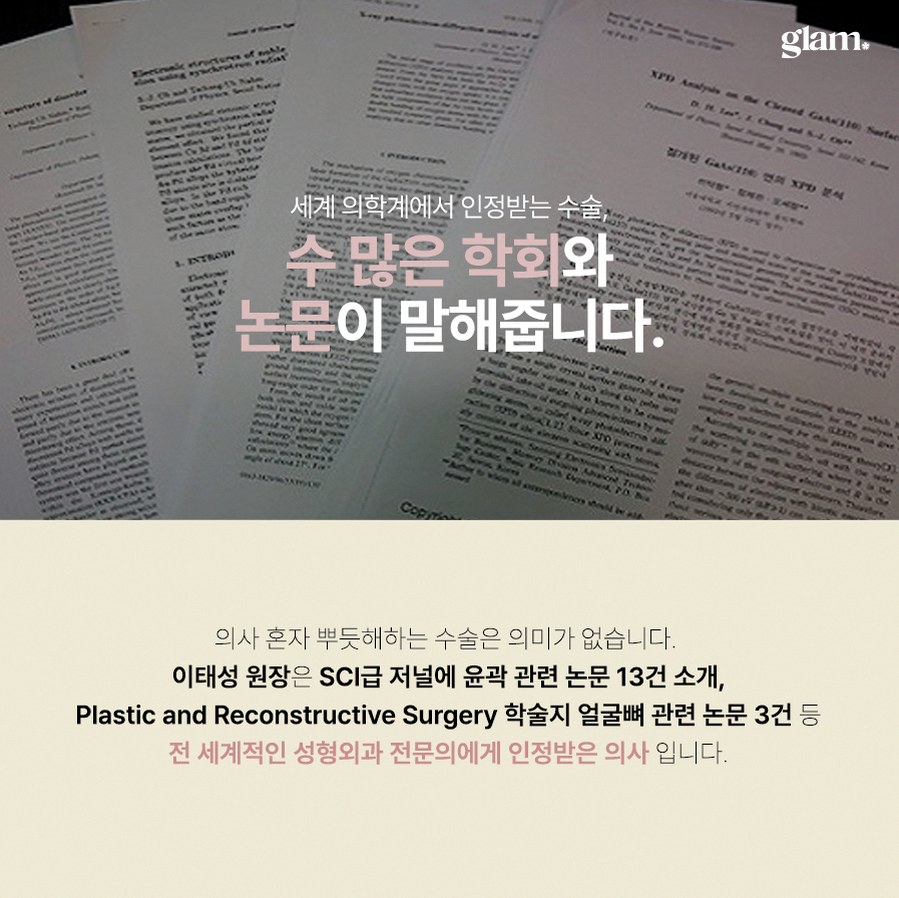
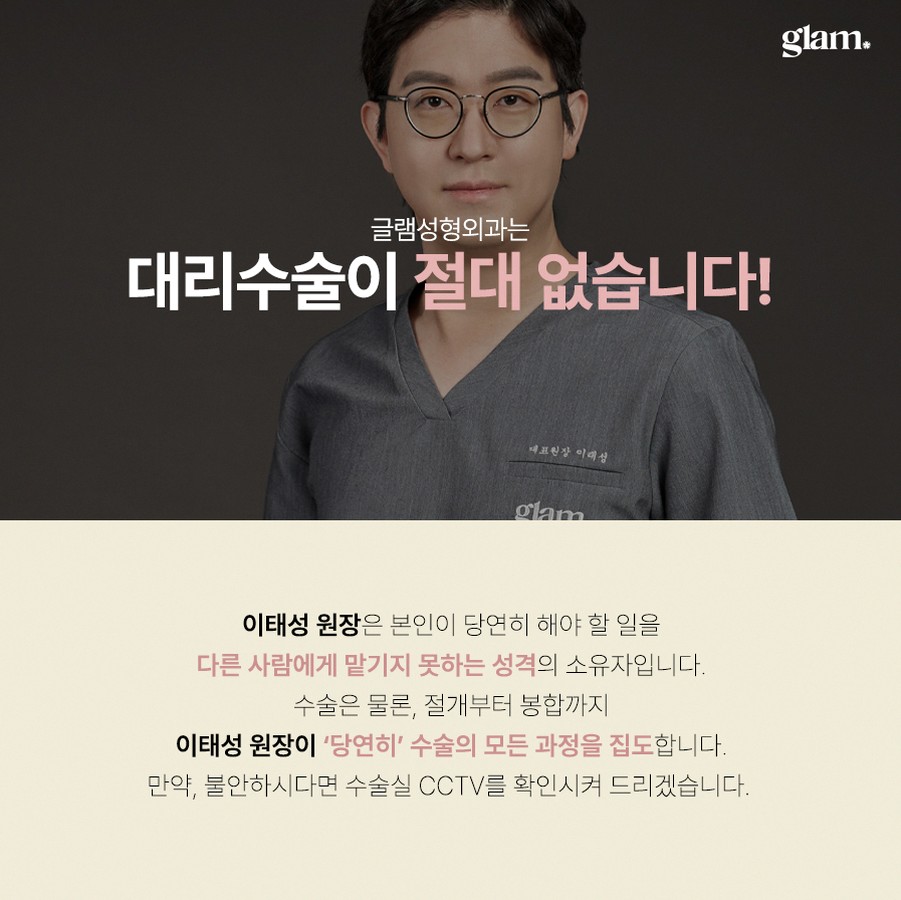
Revision square jaw reduction is usually performed under general anesthesia. At GLAM Plastic Surgery, anesthesia is provided and managed by the on‑site specialist in anesthesiology and pain medicine, Dr. Min‑Jung Shin, who monitors vital signs continuously during the operation. The clinic's lead surgeon, Dr. Tae‑Sung Lee, is a board‑certified plastic surgeon who focuses on facial bone surgery and has 20 years' experience as of February 2025; he performs facial contouring and revision procedures directly.

Before surgery, you will have a preoperative assessment to review your medical history, medications, allergies, and any previous anesthesia experiences. The surgical plan is designed to be conservative, with a strong focus on protecting the inferior alveolar nerve and maintaining the strength of the jawbone.
Surgical approach
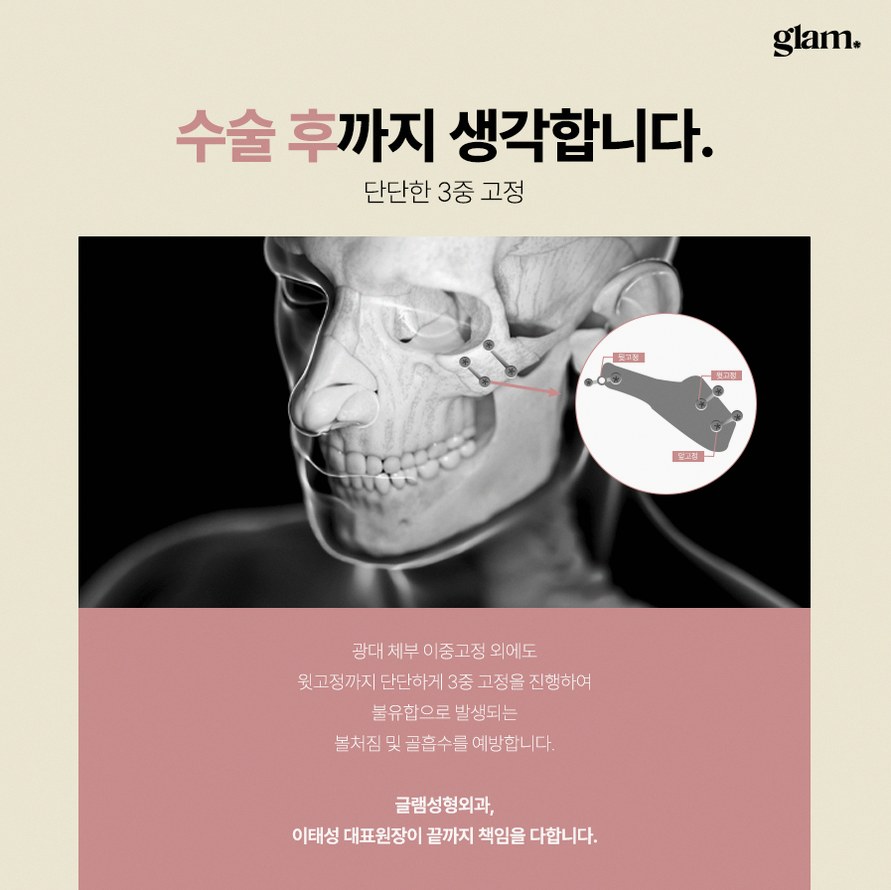
Most revision procedures use incisions inside the mouth, along the lower gums, to avoid new visible scars. When possible, previous incision lines are reused.
The surgeon carefully exposes the mandibular angle and body, taking time to navigate through scar tissue from the first surgery. This step is more delicate than in primary surgery because of altered anatomy and existing scar.
Bone reshaping
Depending on your case, the surgeon may:
Smooth and blend previous osteotomy steps so the angle and body connect in a more natural curve.
Adjust asymmetry by selectively reshaping one side more than the other.
Perform limited additional bone shaving or resection in areas where the bone remains thick and the nerve is at a safe distance.
Pay special attention to the transition from the angle to the chin, so the jawline looks continuous from multiple angles.
The guiding principle is usually to do the minimum necessary bone work to achieve a more balanced jawline while preserving function and stability.
Closure and swelling control
After reshaping, the incisions are closed in layers. Measures to reduce swelling and bruising may include careful hemostasis, compressive dressings, and early postoperative care programs.
Postoperative care and recovery
Immediately after surgery
Patients typically stay in the clinic or hospital for monitoring for a period determined by the surgeon, especially because this is facial bone surgery under general anesthesia. During this time, staff monitor breathing, blood pressure, pain level, and any bleeding.
Swelling and bruising
The lower face often looks larger for the first one to two weeks due to swelling. In revision cases, swelling can sometimes be a bit more pronounced or last slightly longer than in first‑time surgery because of scar tissue and more complex dissection.
Over the first month, most of the visible swelling gradually decreases. Finer contour changes usually become more noticeable between 2 and 6 months as the tissues settle.
Postoperative care programs
Some clinics provide structured postoperative care to support recovery, such as:
LED therapy to support wound healing
Gentle facial treatments to help manage swelling
Radiofrequency lifting devices applied at appropriate times to support skin tightening as swelling resolves
These are usually part of the overall treatment pathway rather than cosmetic add‑ons. Your surgeon will advise when such treatments can safely begin after bone surgery.
Diet and oral hygiene
Because incisions are inside the mouth, diet and mouth care are important:
Soft or semi‑soft foods are usually recommended at first, avoiding hard chewing that strains the jaw.
Spicy or very hot foods may be limited in the early days to avoid irritation.
Meticulous oral hygiene is essential to reduce infection risk. This may include gentle brushing, prescribed mouth rinses, and avoiding smoking.
Return to daily activities
Timelines vary by individual and by the extent of surgery, but in general:
Light daily activities are often possible within several days, depending on how you feel.
Many patients can resume office‑type work in about 1–2 weeks, if swelling and bruising are acceptable to them.
More intense exercise and contact sports are usually delayed longer, often several weeks to a few months, based on your surgeon’s advice.
Follow‑up schedule
Follow‑up visits are used to:
Check wound healing and oral hygiene
Monitor swelling and soft‑tissue adaptation
Assess nerve sensation in the lower lip and chin
Review symmetry and contour as swelling decreases
For international patients, some of these follow‑ups may be done in person during your stay in Korea and later through online consultations once you return home.
Risks and possible complications
All surgeries carry risks. For revision square jaw reduction, possible issues include:
Bleeding, infection, or delayed wound healing
Temporary or, less commonly, permanent numbness or altered sensation in the lower lip and chin due to nerve irritation or injury
Residual asymmetry or contour irregularities, especially when bone or soft‑tissue limitations are significant
Jaw joint discomfort or bite changes if underlying functional issues are present
Soft‑tissue sagging in the lower face if bone support is excessively reduced, which is why conservative planning is important
Scar tissue from the first surgery makes revision more technically demanding, so choosing a team experienced in facial bone work is an important safety consideration. Individual risks and benefits should always be discussed in detail with your surgeon.
Preparing from overseas: online consultation and pre‑visit steps
Online consultation
For international patients, the process usually starts with an online consultation. To make this as accurate as possible, prepare the following:
Clear photos of your face from the front, both 45‑degree angles, and both side views, under natural lighting
If available, photos before your first surgery for comparison
Any CT scans, X‑rays, or medical reports from your previous jaw surgery
A written list of what bothers you most and what you hope to improve
Information about your general health, medications, and any allergies
Many clinics offer multilingual channels such as English, Japanese, and Thai to help overseas patients communicate more comfortably.
Questions to ask before you decide
Before booking your trip, it can be helpful to ask:
What are the realistic goals in my case, and what cannot be changed?
How much bone remains, and how close is the nerve to the planned reshaping area?
What type of changes are mainly planned: smoothing, asymmetry correction, or additional reduction?
How long should I stay in Korea for surgery and follow‑up?
What is the expected recovery timeline for swelling and daily activities?
What is the plan if I experience numbness or bite changes after surgery?
Bringing these questions in a written list helps you compare opinions if you consult more than one clinic.
Expected Korea visit timeline for revision surgery
A typical visit schedule can vary, but many international patients follow a structure similar to this:
Day 1–2: In‑person consultation, examination, and imaging (3D CT, X‑rays). Final discussion of the plan and consent.
Day 3–4: Surgery day, followed by immediate postoperative monitoring.
First week: Rest, early follow‑up visits, wound checks, and initial postoperative care to manage swelling.
Second week: Additional follow‑up, possible start of gentle care treatments if advised, preparation for return flight.
Many patients stay in Korea for about 10–14 days, but the exact duration depends on the extent of surgery, your healing, and your travel distance. Your surgeon or coordinator will recommend a schedule tailored to your case.
Practical information about visiting a facial bone center in Gangnam
Clinics focused on facial bone surgery in Gangnam are often located near major subway stations for easy access. For example, GLAM Plastic Surgery is on the 4th floor of a building on Dosan‑daero, approximately 200 meters on foot from Sinsa Station Exit 1.
Weekday and Saturday daytime clinic hours without a separate lunch break can be convenient for international patients who need flexible appointment times. Most such clinics are closed on Sundays and public holidays, so this should be considered when planning your travel dates.

Many centers provide contact via phone, social media, and messaging apps, and offer multilingual online platforms for overseas inquiries.
Frequently asked questions about square jaw reduction revision
How is revision square jaw reduction different from first‑time square jaw surgery?
Revision surgery is performed on bone that has already been cut and healed, often with scar tissue and altered anatomy. The main focus is usually on smoothing irregularities, correcting asymmetry, and making limited, safe adjustments rather than large reductions. Because the remaining bone may be thinner and the nerve position relatively closer, the surgical plan is typically more conservative, with a strong emphasis on safety and function.
When is the right time to consider revision after my first jaw contouring?
Most surgeons recommend waiting at least 6 months, and often closer to 9–12 months, before seriously planning revision. This allows swelling to settle and bone to stabilize so the true contour is visible. However, if you have severe functional problems, such as significant bite disturbance or persistent joint pain, an earlier evaluation may be appropriate. The exact timing should be decided after consultation and imaging.
If my jawbone was already cut once, is it safe to operate again?
Operating again can be safe when careful imaging, planning, and conservative techniques are used, but the risk profile is different from first‑time surgery. The surgeon must confirm that there is enough bone thickness to reshape without compromising strength or injuring the nerve. In some cases, further bone removal is not advisable, and the surgeon may recommend focusing on smoothing or non‑surgical options. A detailed CT‑based assessment is essential before making any decision.
Can revision surgery fix step deformity and asymmetry from my previous square jaw operation?
In many cases, revision can improve step deformities and asymmetry by smoothing previous cut lines and adjusting one side more than the other. However, the degree of correction depends on how much bone remains, where the nerve runs, and how the soft tissues have adapted. Some mild irregularities may persist even after careful revision. It is important to discuss specific goals and limitations with your surgeon based on your imaging.
Will I need additional treatment together with revision jaw contouring?
Some patients benefit from combined approaches, such as soft‑tissue management, muscle handling, or later skin‑tightening treatments as swelling resolves. If there are significant bite or jaw joint issues, other specialists may need to be involved. Your surgeon will explain whether any combined or staged treatments are recommended in your case.

How long does swelling last after revision compared with the first surgery?
Swelling after revision often follows a similar pattern to first‑time surgery but can sometimes be slightly more prolonged due to scar tissue and more complex dissection. The face usually looks most swollen in the first week, with noticeable improvement over 2–4 weeks. Subtle changes continue for several months as tissues settle. Individual healing varies, and your surgeon will guide you on what to expect based on the extent of your revision.
What are the limits of how much narrower my jaw can become with revision?
The main limits are remaining bone thickness, nerve location, and the need to maintain jaw strength and soft‑tissue support. In some patients, only modest additional narrowing is possible, and the main benefit comes from smoothing, balancing, and improving the angle shape. Attempting excessive reduction in a revision setting can increase the risk of fracture, nerve problems, or sagging, so most surgeons prioritize safe, realistic changes.
Soft call to action
If you are considering square jaw reduction revision in Korea and would like a professional opinion on what is realistically possible in your case, you can start with an online consultation. Clinics such as GLAM Plastic Surgery offer multilingual channels for overseas patients, allowing you to share photos and previous imaging before you decide on travel. A careful, data‑driven assessment can help you understand your options, potential benefits, and limitations so you can plan your next steps with confidence.




- 공유 링크 만들기
- X
- 이메일
- 기타 앱


댓글
댓글 쓰기