Square Jaw Facial Contouring Revision in Gangnam: What Overseas Patients Should Know
- 공유 링크 만들기
- X
- 이메일
- 기타 앱

If your square-jaw or facial contouring result is unsatisfactory, here’s what overseas patients should know about revision options in Sinsa, Gangnam.
If you are unhappy after square jaw or full facial contouring surgery, revision mandibular angle contouring may help refine your jawline, soften an overly strong look, improve asymmetry, or address certain functional issues. Revision is more complex than first-time surgery and usually aims for realistic improvement rather than a complete reversal. In Sinsa, Gangnam, GLAM Plastic Surgery focuses exclusively on facial bone surgery and uses detailed imaging, conservative bone work, and careful safety management when planning revisions for international patients.
What is square jaw facial contouring revision?
Square jaw facial contouring is surgery that reshapes the mandibular angle and lower jaw border to create a slimmer, smoother jawline. In many primary procedures, the surgeon reduces the angle at the back of the jaw, shaves or cuts part of the lower border, and sometimes combines this with chin or cheekbone work.
Revision square jaw facial contouring, also called mandibular angle revision, is a second operation performed after a previous jawline or facial contouring surgery. The goal is usually to correct remaining width, asymmetry, irregular steps in the bone, or an unnatural contour, and in some cases to address discomfort or functional problems.
Revision surgery is different from first-time surgery because the anatomy has already been changed. There is scar tissue, the bone volume is reduced, and the nerve pathways may be closer to the surface. This makes the procedure more delicate and requires more conservative planning.
Common problems after primary square jaw surgery
Many people consider revision because the first surgery did not match their expectations or created new concerns. These can be aesthetic, functional, or psychological.
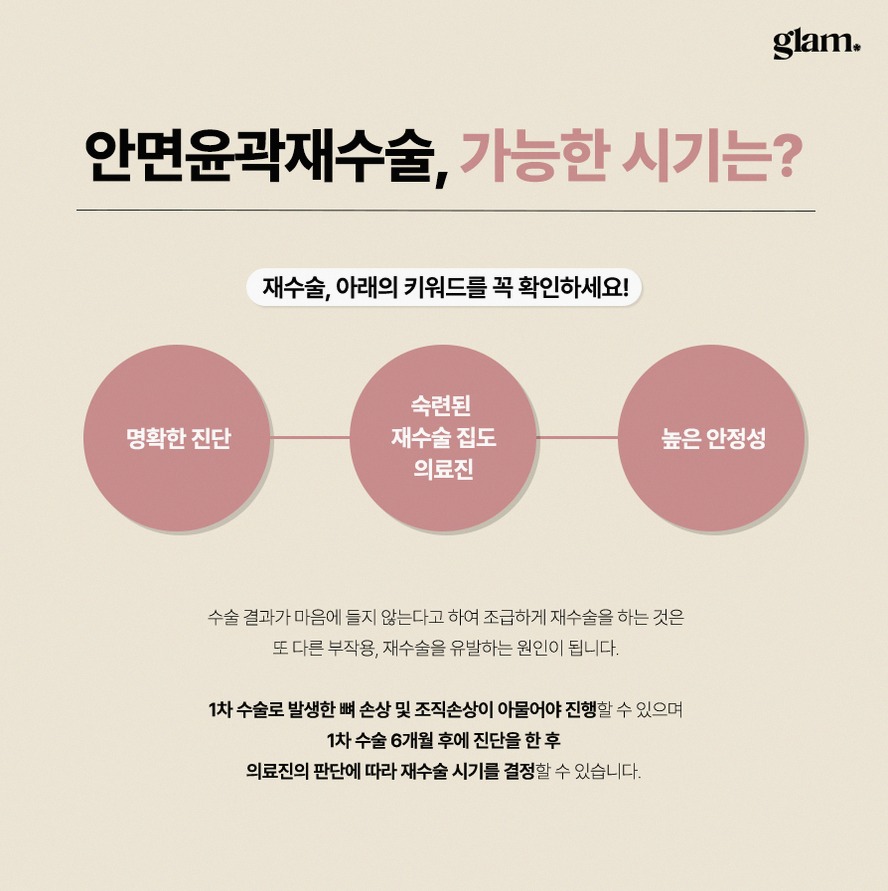
Aesthetic concerns
Some patients feel that their jaw still looks wide or masculine, even after bone reduction. The angle may not have been reduced enough, or the lower border may still appear heavy in photos.
Others experience the opposite issue: too much bone was removed, leading to a hollow, aged, or overly narrow lower face. The jawline can lose its natural curve and look flat or sharp.
A frequent reason for revision is a step deformity, where there is a visible or palpable step between the back angle of the jaw and the lower border. This can create an unnatural straight line or a bump that shows under certain lighting.
Asymmetry between the left and right sides is another common complaint. One angle may be more rounded, the other more cut, or one side may look longer or lower.
Finally, some people notice disharmony between the jawline and other facial bones. For example, the jaw may be slim but the cheekbones or chin still feel too strong, or the chin may look disconnected from the rest of the jawline.
Functional concerns
After square jaw or full facial contouring, some patients experience discomfort when chewing, a bite that feels slightly off, or tightness and pain around the jaw joint area. Muscle imbalance, changes in the way the teeth meet, or lingering swelling and stiffness can contribute to these symptoms.
In revision planning, the surgeon will try to understand whether these problems are related to bone cuts, joint issues, muscle adaptation, or other causes, and whether further bone work is likely to help.
Psychological and emotional factors
It is also common to feel regret after a dramatic change. Some patients feel that their face no longer looks like themselves, or that the result appears too sharp or too slim for their personality. Others simply want a more natural, softer contour.
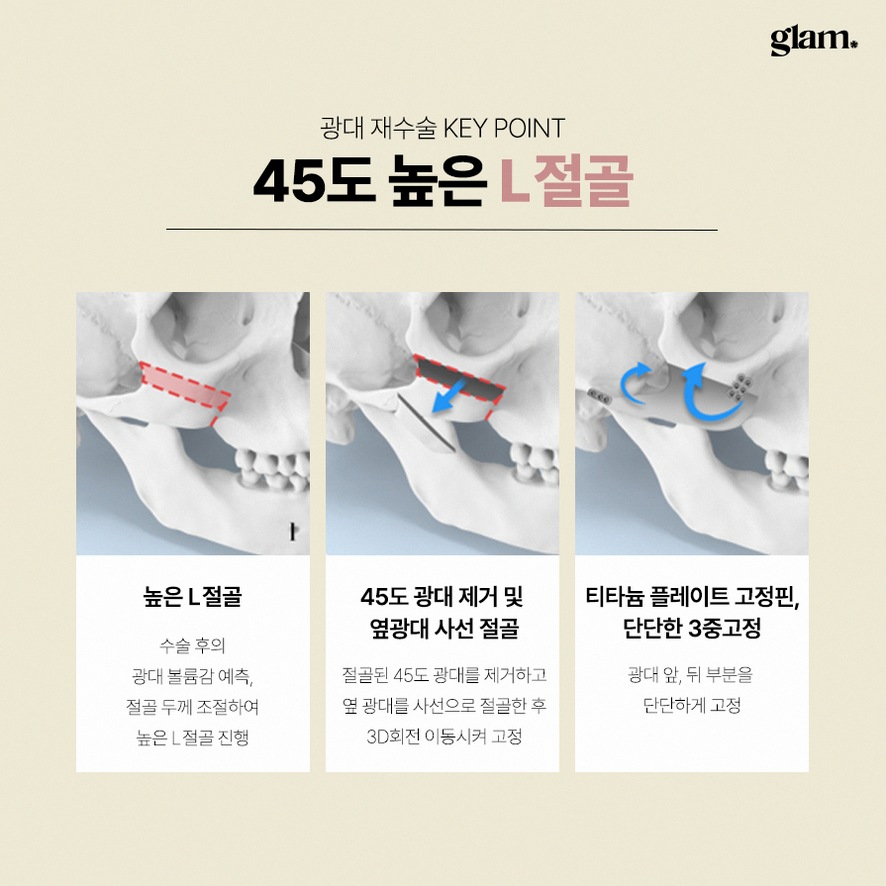
Revision surgery cannot turn back time completely, but in some cases it can moderate an extreme change, smooth harsh angles, or restore better balance so that you feel more comfortable with your appearance.
Who may consider revision jawline contouring?
Not everyone who is dissatisfied after square jaw surgery is a good candidate for revision. A careful assessment is essential to understand what is realistically possible and whether the benefits outweigh the risks.
Typical candidates
People who may consider revision include those who have one or more of the following:
A jawline that still looks wide or heavy after previous surgery
An overly narrow, hollow, or aged-looking lower face after aggressive bone removal
Visible or palpable steps or irregularities along the mandibular angle or lower border
Noticeable left–right asymmetry that affects photos or facial balance
Persistent discomfort when chewing, or a bite that feels changed after bone work
Tightness, pain, or clicking around the jaw joint area
Emotional distress or regret about an unnatural or overly dramatic change
Importance of a thorough evaluation
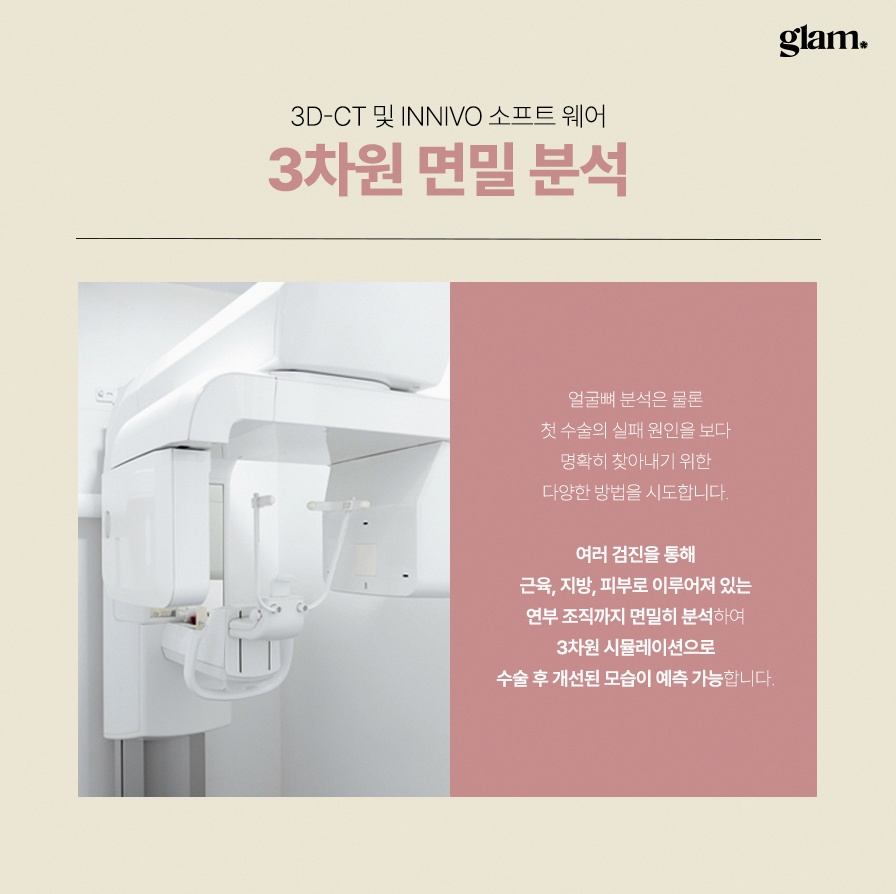
Before deciding on revision, a detailed workup is usually recommended. This often includes 3D CT scans, X rays, a clinical examination, and an assessment of your bite and jaw joint function. Soft tissue, such as skin thickness and muscle volume, is also evaluated because it influences how the bone contour will show on the surface.
One of the key questions is how much bone remains and where the main nerve to the lower lip and chin is located. If the previous surgery removed a large amount of bone, there may be limited room for further reduction. In some cases, the safer option may be smoothing irregularities rather than removing more structure.
Realistic goals and limits
It is important to understand that not all problems can be fully reversed. For example, if the jaw was over reduced, complete restoration of the original bone shape is usually not possible. Sometimes only partial improvement, contour smoothing, or soft tissue camouflage can be achieved.
During consultation, you should expect an honest discussion about what can be improved, what is unlikely to change, and what risks come with each option. A conservative approach, aiming for the minimum necessary correction, is often safer in revision cases.
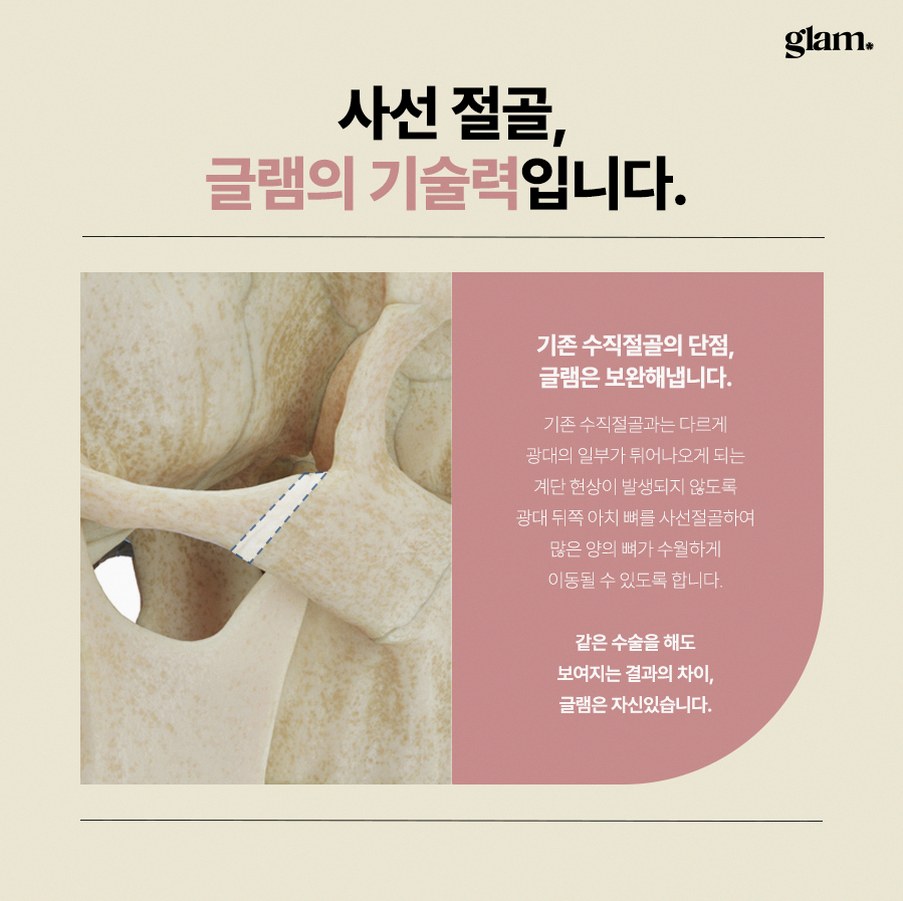
Treatment overview and planning
Once the evaluation is complete, a personalized plan is created. This plan depends on the type of problem, the remaining bone, nerve position, and your overall facial balance.
Use of previous records and imaging
If available, previous surgical records and imaging are very helpful. They show where bone was cut, whether plates or screws were used, and how the jaw shape was changed. Combined with new 3D CT scans, this allows the surgeon to map the existing anatomy and avoid critical structures such as the inferior alveolar nerve.
Correcting step deformities and irregular borders
For patients with a step deformity or uneven lower border, the focus of revision is often on smoothing and blending. The surgeon may carefully shave or contour the bone around the step to create a more continuous line from the angle to the chin.
Because the bone is thinner than before, the amount of additional shaving must be limited to maintain strength and reduce the risk of fracture. The goal is usually a softer, more natural curve rather than a dramatic new shape.
Improving asymmetry
When asymmetry is the main concern, the surgeon may perform differential contouring on each side. One side might need more smoothing, while the other requires only minimal adjustment.
In cases where too much bone was removed on one side, limited augmentation techniques may be considered to restore better balance. This can sometimes be combined with soft tissue methods to reduce visible differences between the two sides.
Structural change versus fine tuning
Some revision cases are primarily about fine tuning: smoothing small irregularities, slightly softening a sharp angle, or harmonizing the jawline with the chin. Others require more structural change, such as rebalancing the jaw and chin or coordinating with cheekbone contouring.
In all situations, revision planning tends to be conservative. The priority is to preserve bone strength and function, protect the nerve, and avoid creating new problems while trying to improve the existing ones.
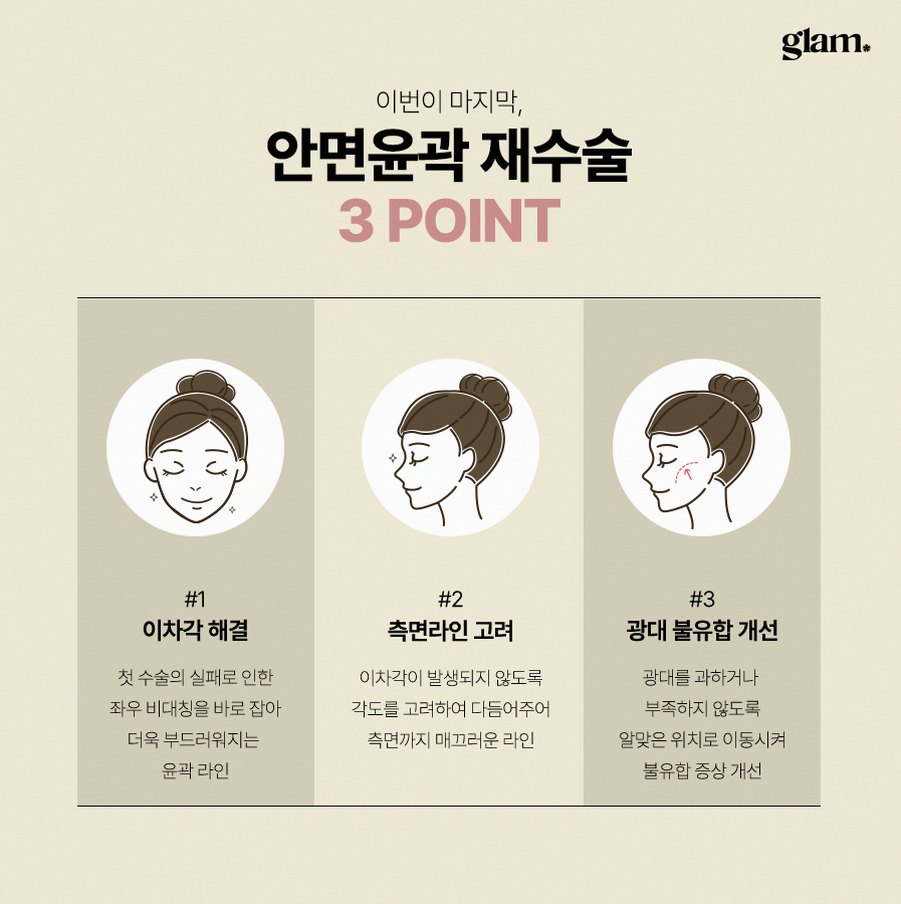
Safety, risk management, and expectations
Revision facial contouring has a higher risk profile than primary surgery. Understanding these risks and setting realistic expectations are essential for both the patient and the surgical team.
Typical risks in revision surgery
Possible complications include nerve injury leading to numbness or altered sensation, bleeding, infection, or further asymmetry. Because the anatomy has already been changed, it can be harder to predict exactly how the soft tissue will drape over the revised bone.
There is also the possibility of limited correction. In some cases, the safest option may not fully match the ideal image in your mind, but still offers meaningful improvement.
Timing of revision after first surgery
Most patients are advised to wait until swelling has largely resolved and tissues have stabilized before considering revision. This often means waiting at least several months, and commonly around 6 to 12 months after the first operation. The exact timing depends on your healing, the extent of the original surgery, and your current symptoms.
Waiting allows the jawline to settle, making it easier to see what is a true structural issue and what is temporary swelling or muscle adaptation.
Individualized planning, not trend chasing
Revision surgery is not about copying a celebrity jawline or following a trend. Because each face is unique and the bone has already been altered, the plan must be individualized. The aim is usually to restore harmony with your own features, not to create a completely different face.
A clinic that focuses only on facial bone surgery, with a philosophy of recommending only the minimum necessary correction, can be reassuring for revision candidates who are worried about over treatment.
Recovery, swelling management, and aftercare
Recovery after revision square jaw contouring is often slower than after primary surgery. Swelling may last longer, and bruising can be more pronounced, especially if there is significant scar tissue.
Immediate post operative period
In the first few days, you can usually expect facial swelling, some discomfort, and a feeling of tightness around the jaw. Compression bandages or garments are often used to support the tissues and help control swelling.
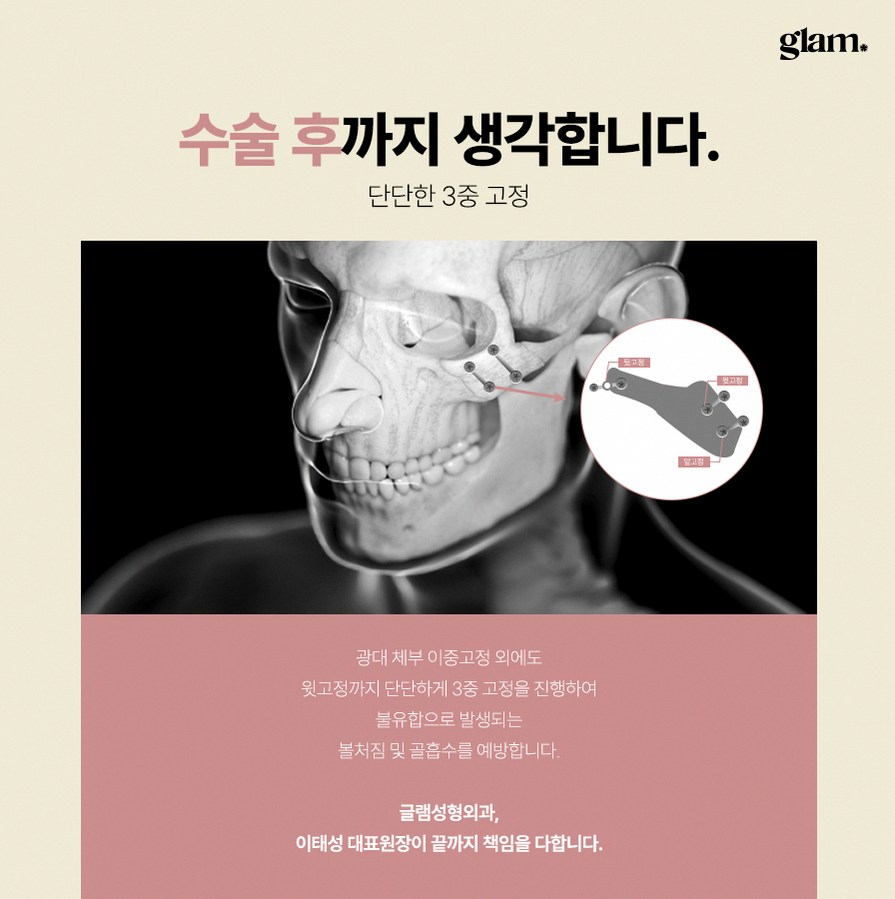
Good oral hygiene is important because incisions are commonly made inside the mouth. You may be asked to use special mouth rinses and to avoid hard or spicy foods for a period of time.
Diet and activity
A soft or semi liquid diet is often recommended at first to reduce strain on the jaw. As healing progresses, you can usually return gradually to normal eating, following the medical team’s guidance.
Heavy exercise and activities that put pressure on the jaw are typically restricted for several weeks. Gentle walking is usually encouraged to promote circulation.
Post surgery care programs
To support recovery, some clinics offer post surgery care programs designed to help with swelling reduction and skin tightening. These may include light therapy, facial dome care, total skin reset programs, and radiofrequency lifting.
Light therapy and facial dome care are often used to calm the skin and support circulation. Total skin reset programs may combine several gentle treatments to improve skin condition after surgery. Radiofrequency lifting can help with mild skin laxity and support a smoother contour as swelling subsides.
These treatments are usually spaced over several sessions and adjusted to your healing stage. They are supportive measures and do not replace careful surgical planning.
Follow up and long term monitoring
Regular follow up visits allow the surgeon to check bone healing, nerve status, and overall facial balance. Imaging may be repeated at certain points to confirm that the bone is stable.
Nerve sensations can change slowly over time, so long term monitoring helps track progress and address any concerns early. For international patients, some follow up can be done via online consultations after you return home, supported by local imaging when needed.
Preparing for revision in Korea as an overseas patient
If you live abroad and are considering revision in Sinsa, Gangnam, planning ahead is very important. Many clinics in this area are familiar with international patients and offer multilingual support in English, Japanese, and Thai.
Online consultation and pre visit preparation
The process usually begins with an online consultation. You may be asked to send front and side photos, smiling and at rest, as well as any previous CT scans or X rays if you have them. If you can provide your previous surgical records, that is very helpful.
During the online consultation, you can discuss your concerns, what you hope to change, and any functional symptoms. The surgical team can then give you a preliminary opinion on whether revision seems feasible and what kind of evaluation would be needed on arrival.
It is useful to prepare a list of questions before your consultation, such as:
What are the main issues you see in my current jawline?
What type of revision would you consider in my case?
What improvements are realistic, and what may not change?
How long should I stay in Korea for surgery and follow up?
What are the main risks in my situation?
Expected Korea visit timeline
For many overseas patients, a typical timeline might look like this, though it can vary by clinic and individual case.
First 1 to 2 days: in person consultation, 3D CT and X rays, clinical examination, bite and joint assessment, and final surgical planning.
Surgery day: admission, anesthesia managed by an in house anesthesiologist, operation, and immediate post operative monitoring.
First week: close follow up for swelling, wound checks, and basic aftercare. Some clinics may start gentle post surgery care such as light therapy or facial dome care if appropriate.
Second week: removal of any sutures if used, further swelling management, and review of early healing. Many international patients are able to fly home around 10 to 14 days after surgery, depending on their condition and the surgeon’s advice.
After returning home: online follow up consultations, sharing photos and any local imaging if needed. Long term evaluation of bone healing and nerve status continues over several months.
Choosing a revision focused facial bone clinic in Sinsa, Gangnam
In Sinsa, Gangnam, there are clinics that focus exclusively on facial bone surgery, including double jaw and facial contouring procedures as well as revision cases. They do not perform eye, nose, or breast procedures, which reflects a narrow focus on jaw and facial bone work.
At such a clinic, the lead surgeon may be a board certified plastic surgeon with around 20 years of experience in facial bone surgery and multiple SCI level publications on contouring and double jaw surgery, including several in Plastic and Reconstructive Surgery. These figures are based on data as of February 2025 and help indicate long term involvement in this field.
An in-house anesthesiology and pain medicine specialist typically manages anesthesia and perioperative safety, which is particularly important in revision cases that may take longer or be more complex.
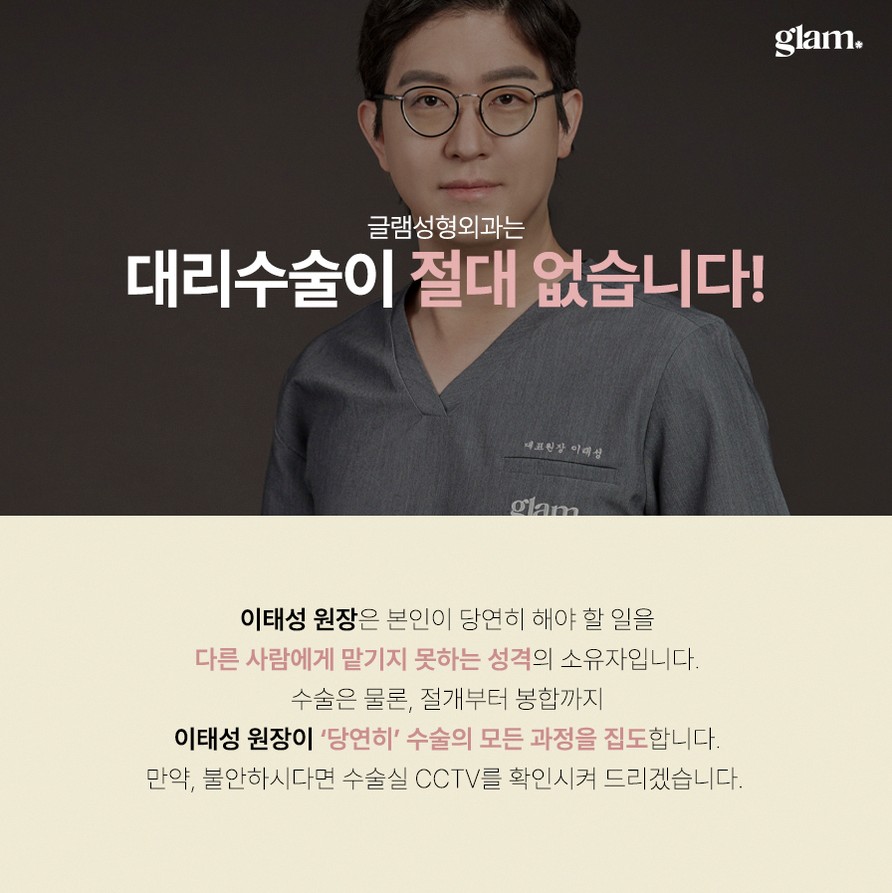
Many international patients also value the fact that the lead surgeon performs the operations personally and follows a philosophy of recommending only the minimum necessary surgery. For someone who has already gone through one operation and is worried about further change, this conservative approach can be reassuring.
FAQ about square jaw facial contouring revision
How long should I wait after my first square jaw surgery before revision?
Most people are advised to wait until swelling and soft tissue changes have stabilized before considering revision. This is often around 6 to 12 months after the first surgery, but the exact timing depends on your healing and the extent of the original procedure. An earlier evaluation may still be helpful to document your concerns, but the actual revision is usually planned after the face has settled.
Can revision surgery completely fix asymmetry or numbness?
Revision can often improve asymmetry by smoothing irregularities and rebalancing the jawline, but complete symmetry is rarely possible for any face. Nerve numbness is more complex. If the nerve was only compressed or mildly irritated, sensation may gradually improve over time, with or without revision. If the nerve was severely damaged, full recovery may not be achievable. A careful examination and imaging are needed to estimate what is realistic in your case.

Is revision more dangerous than the first facial contouring surgery?
Revision generally carries a higher level of difficulty and risk because the anatomy has been altered, bone volume is reduced, and scar tissue is present. The nerve may be closer to the surface, and it can be harder to predict how tissues will respond. This is why conservative planning, detailed imaging, and experienced surgical and anesthesia teams are especially important for revision cases.
Will my jaw look natural, not too sharp, after revision?
Many patients seek revision specifically to achieve a softer and more natural jawline. The goal is usually to harmonize the jaw with your overall face rather than to create an extreme V line. However, the final appearance depends on your existing bone structure, how much bone remains, and the condition of your soft tissues. During consultation, you should discuss your desired level of definition and review what is realistically possible.
What scans or tests are needed before revision contouring?
A 3D CT scan is commonly used to visualize the current shape of the jaw, the location of previous cuts, and the position of the nerve. Standard X rays may also be taken to assess alignment and bone healing. A clinical examination, bite and joint assessment, and soft tissue evaluation complete the picture. These tests help the surgeon design a plan that aims to improve your concerns while prioritizing safety.
Soft call to action
If you are considering revision square jaw or facial contouring surgery in Sinsa, Gangnam, an online consultation can be a helpful first step. By sharing your photos, previous imaging, and main concerns, you can receive a personalized assessment and discuss whether revision is appropriate for you. Multilingual support in English, Japanese, and Thai is often available, making it easier for overseas patients to communicate clearly and plan their visit with confidence.




- 공유 링크 만들기
- X
- 이메일
- 기타 앱


댓글
댓글 쓰기