Seoul revision jawline & cheekbone surgery guide
- 공유 링크 만들기
- X
- 이메일
- 기타 앱

Direct answer summary
If you are searching for a facial contouring hospital, especially for revision jawline or cheekbone surgery, it is important to choose a center that focuses on facial bone procedures rather than general cosmetic treatments. Revision facial contouring is usually more complex than the first operation because of scar tissue, changed anatomy, and limited remaining bone. A good hospital will offer detailed imaging, careful planning, a conservative surgical approach, anesthesia monitored by a dedicated anesthesiology and pain medicine specialist, and structured aftercare for swelling and recovery. In Seoul, many such clinics are located in Gangnam around Sinsa Station, including GLAM Plastic Surgery, which focuses on facial bone surgery and provides multilingual support for overseas patients.
What is meant by a facial contouring hospital
In the Korean context, a facial contouring hospital usually refers to a clinic that specializes in bone‑based facial reshaping. This includes procedures such as cheekbone reduction, jawline contouring, V‑line surgery, and double jaw surgery. These operations change the underlying bone structure to alter the width, angles, and overall balance of the face.
People searching for a facial contouring hospital are often not first‑time patients. Many have already undergone jawline or cheekbone surgery and are now worried about asymmetry, an unnatural angle, or a face shape that does not match their expectations. Others may be concerned about functional issues, such as discomfort when biting or chewing, or about persistent swelling that does not seem to settle.
Revision facial contouring is generally more demanding than primary surgery. The surgeon must work through scar tissue, around existing plates and screws, and with bone that has already been cut or removed. For this reason, choosing a hospital that concentrates on facial bone procedures, rather than a clinic that mainly performs soft‑tissue cosmetic treatments, can be especially important.
Who may consider revision facial contouring
Revision facial contouring is considered when there are ongoing concerns after a previous jawline, cheekbone, or V‑line surgery. These concerns may be aesthetic, functional, or both. However, not every dissatisfaction automatically means that revision is necessary.
Common reasons patients seek revision surgery
Typical reasons people consult a facial contouring hospital about revision include the following situations.
There is visible asymmetry between the left and right sides of the face that persists after the initial healing period. This may be seen in the jaw angle, chin position, or cheekbone projection.
There has been over‑resection of bone, where too much bone was removed, leading to a hollowed, aged, or overly narrow appearance. The opposite can also occur, with under‑resection leaving the face still wide or angular.
Step deformities or irregular bone edges may be felt or seen along the jawline or cheekbone. Patients sometimes describe a ridge, bump, or sudden change in angle when they run their fingers along the bone.
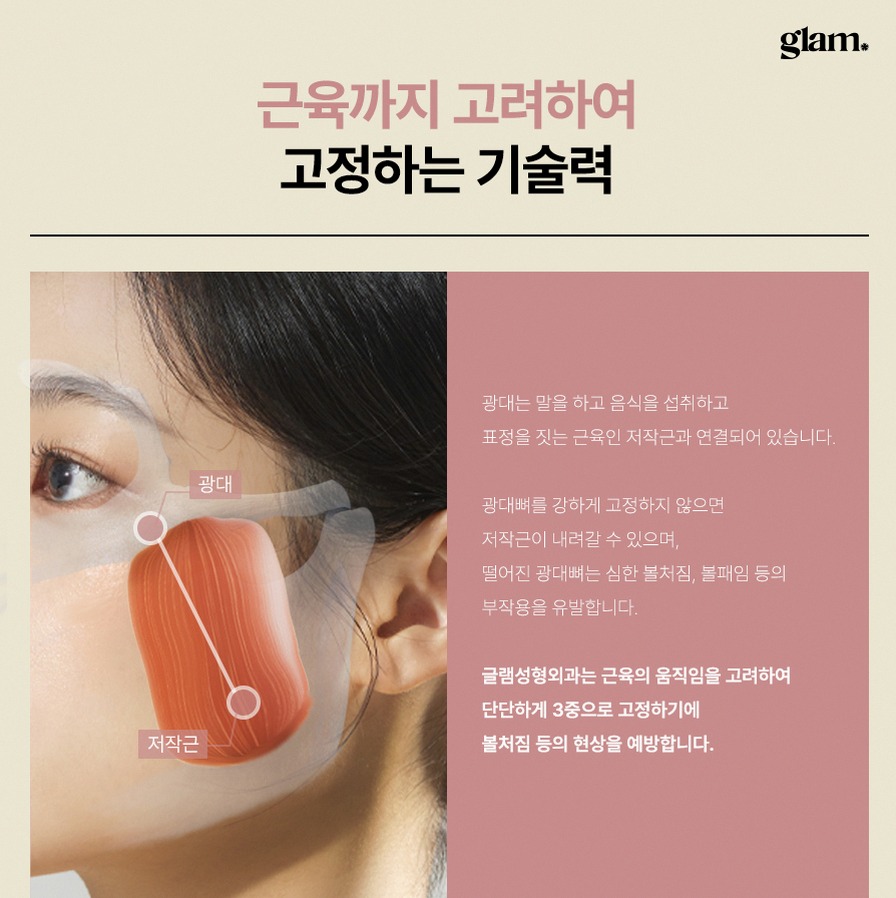
Sagging soft tissue can appear after aggressive bone removal. When the underlying support is reduced too much or too quickly, the overlying skin and soft tissue may droop, creating jowls or a tired look.
Functional issues, such as bite discomfort, joint pain, or difficulty chewing, may occur if the original bone work affected the relationship between the jaws. Not all joint or bite issues are related to facial contouring, so a careful evaluation is necessary.
Psychological dissatisfaction with the overall facial line is also common. Even if the surgery was technically successful, the new face shape may not match the patient’s self‑image or expectations.
The importance of timing and objective evaluation
It is important to understand that early dissatisfaction after surgery does not always mean the result is final. Swelling, soft tissue adaptation, and muscle changes can take several months or longer to stabilize. In many cases, the face continues to refine over time.
Before deciding on revision, patients are usually advised to wait until the main healing phase is complete, unless there is a clear complication that needs earlier intervention. An objective evaluation with imaging and clinical examination helps distinguish between temporary changes and true structural problems.
Why revision facial contouring is more demanding
Revision facial contouring is more complex than first‑time surgery for several medical reasons. Understanding these helps explain why specialization and careful planning are so important.
Scar tissue and altered anatomy
After any bone surgery, scar tissue forms in the soft tissues and around the bone. This scar tissue can make it harder to access the surgical area and can obscure normal anatomical landmarks. Nerves, blood vessels, and muscles may also be in slightly different positions compared to before the first operation.
Changed blood supply and soft tissue support
The first surgery often changes the blood supply to certain areas of the face. When planning a revision, the surgeon must consider how to preserve remaining blood flow to minimize the risk of poor healing. In addition, the soft tissue envelope of the face may have adapted to the new bone shape, so further changes can affect how well the skin and muscles drape over the skeleton.
Existing plates, screws, and bone cuts
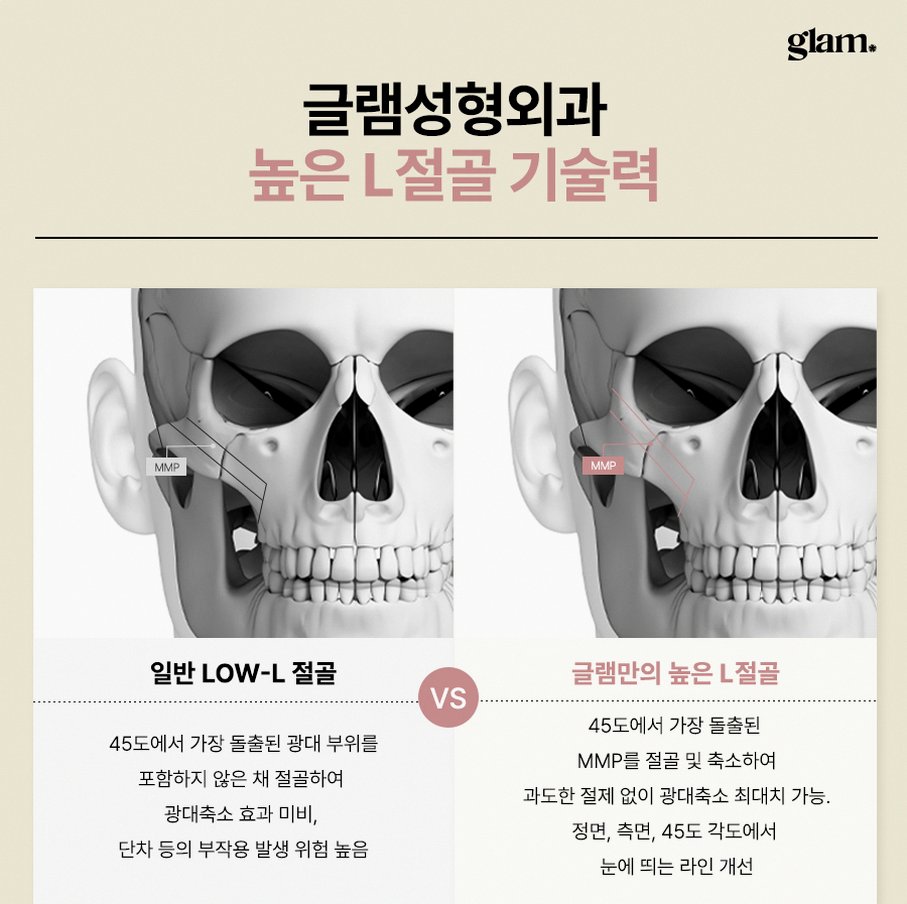
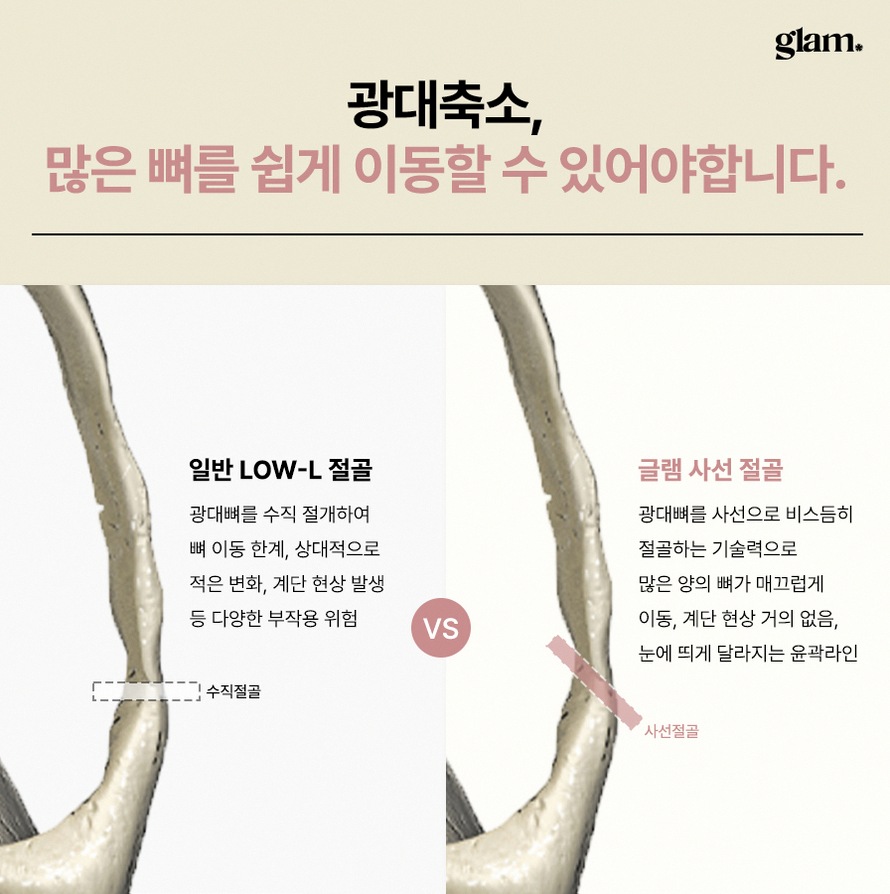
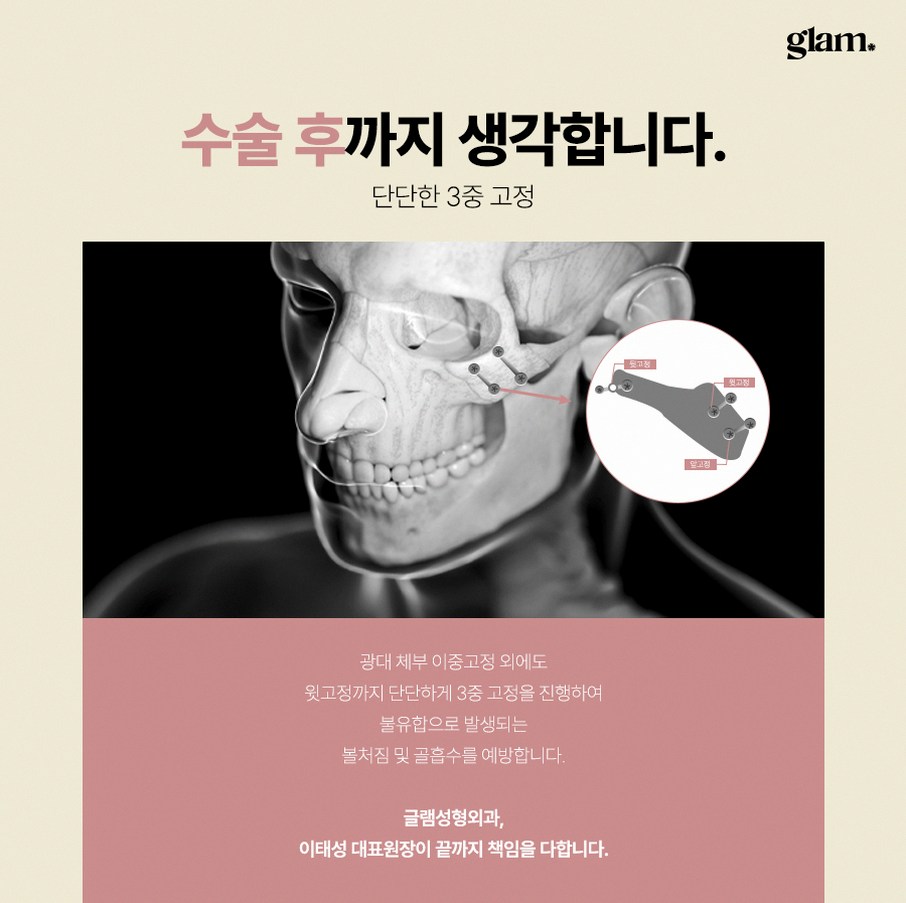
Many jawline and cheekbone surgeries use plates and screws to stabilize the bone. In revision cases, the surgeon must work around this existing hardware or decide whether it is safer to remove and replace it. Previous bone cuts also limit where new cuts can be made, and the direction of these cuts must be carefully planned to avoid weakening the bone.
Limited remaining bone volume
In cases of over‑resection, there may be limited bone remaining to reshape. This restricts how much further contouring can be done safely. Sometimes the focus of revision is not further reduction, but smoothing irregularities or adjusting angles in a conservative way.
Because of these factors, revision facial contouring requires detailed preoperative imaging, a conservative surgical design, and a surgeon who routinely handles facial bone cases. A doctor whose main experience is in soft‑tissue procedures may not have the same familiarity with complex bone revision work.
How to choose a hospital for revision facial contouring in Seoul
Seoul, and especially the Gangnam area, has many clinics offering facial contouring. For revision surgery, it is useful to apply clear selection criteria rather than choosing based only on advertisements or price.
Specialization in facial bone surgery
One key point is whether the hospital focuses on facial bone surgery, such as double jaw operations and contouring, or whether it offers every type of cosmetic procedure. A focused lineup often means the team spends most of its time on the same category of operations, which can be helpful in complex revision cases.
For example, GLAM Plastic Surgery limits its services to double jaw surgery and its revision, facial contouring procedures such as cheekbone reduction, V‑line and square jaw surgery, and revision facial contouring, along with recovery‑supportive care. It does not perform other unrelated cosmetic procedures, which positions it as a center concentrating on facial bone work.
Surgeon credentials and experience
When evaluating a facial contouring hospital, check whether the surgeon is board‑certified in plastic surgery and how much of their practice is dedicated to facial bone operations. Long‑term experience in this specific field, rather than general cosmetic work, is particularly relevant for revision.
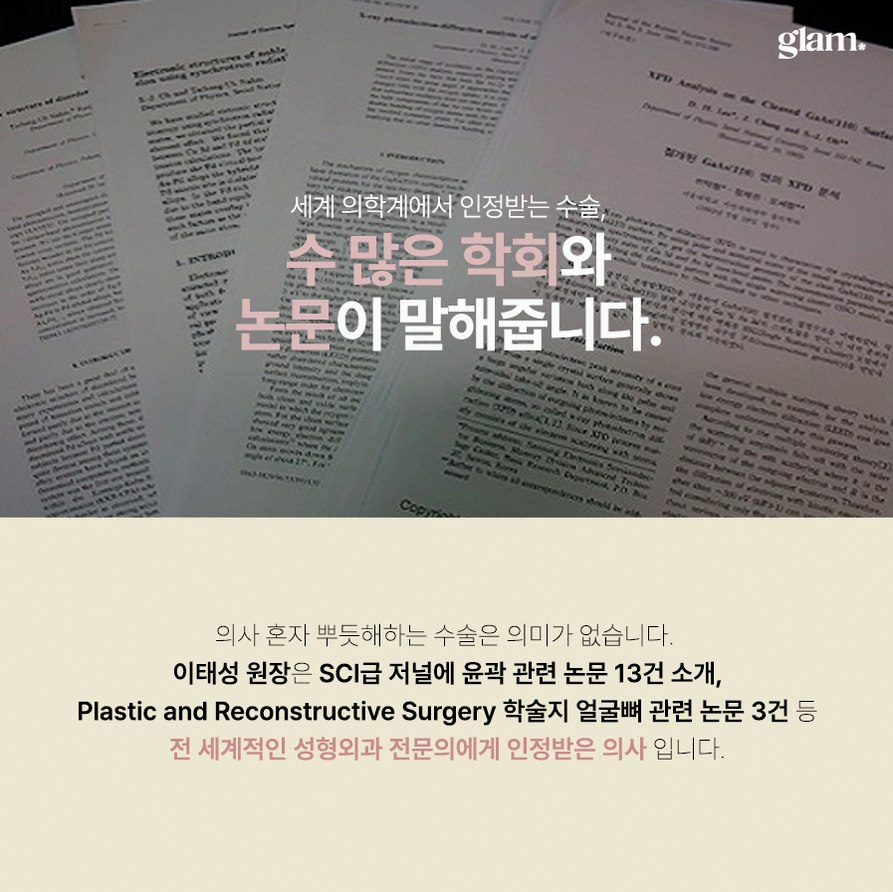
Academic activity can also be a sign of evidence‑based practice. For instance, the lead surgeon at some specialized centers may have decades of experience and multiple scientific publications on facial contouring and double jaw surgery. At GLAM Plastic Surgery, the lead surgeon has 20 years of experience in facial bone surgery as of February 2025 and has published 13 SCI‑level papers on contouring and double jaw surgery as of February 2025, including three in the journal Plastic and Reconstructive Surgery. This type of background suggests a habit of analyzing outcomes and refining techniques based on data.
Anesthesia safety and dedicated anesthesiologist
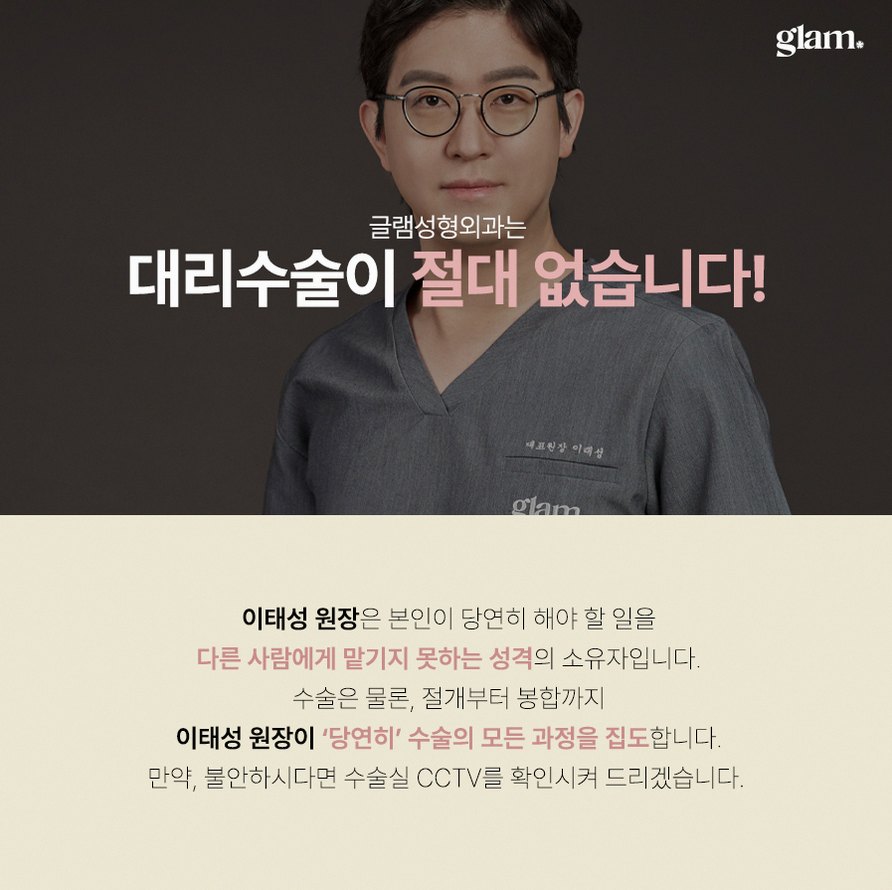
General anesthesia is usually required for revision facial contouring. Safety is enhanced when a board‑certified anesthesiologist is dedicated to monitoring anesthesia and vital signs throughout the operation, rather than having the surgeon manage both surgery and anesthesia.
At some specialized centers, including GLAM Plastic Surgery, a board‑certified plastic surgeon and a board‑certified anesthesiology and pain medicine specialist work together as a team. This division of roles allows the surgeon to focus on the operation while the anesthesiology and pain medicine specialist manages anesthesia, the airway, and perioperative pain control.
Preoperative evaluation and consultation style
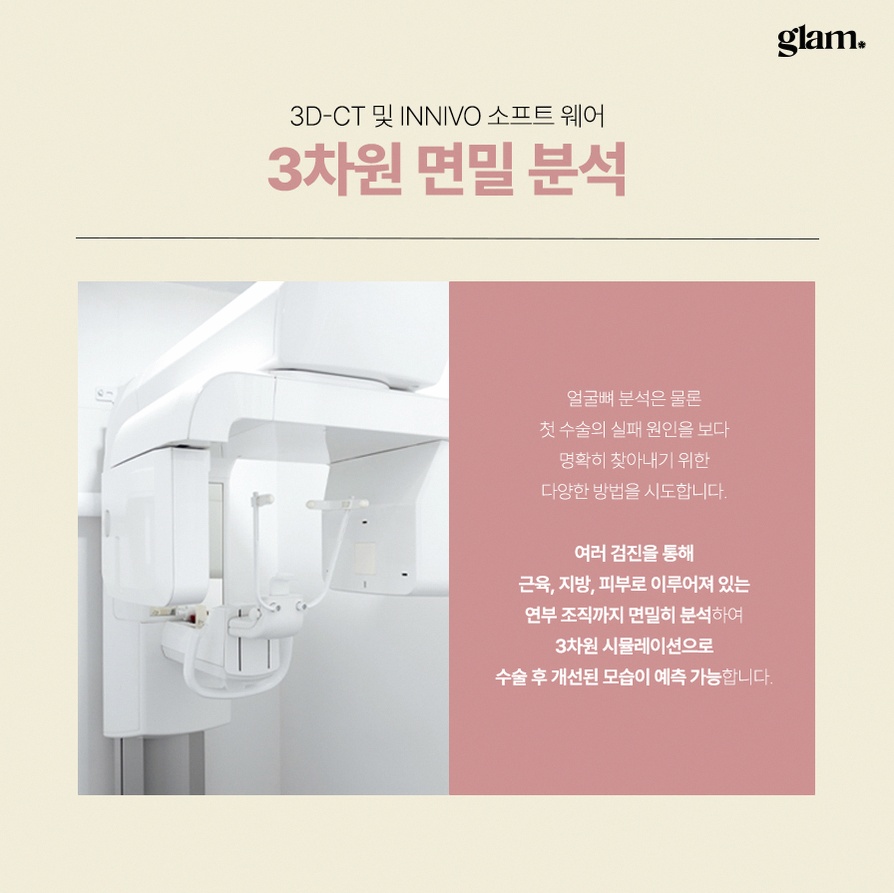
Look for a hospital that offers structured preoperative evaluation, including facial X‑rays or CT scans, and, when relevant, assessment of bite and occlusion. During consultation, the surgeon should review previous surgery records if available, listen carefully to your concerns, and explain what can and cannot be improved.
A helpful sign is a policy of recommending only the minimum necessary surgery. Some centers emphasize conservative planning to avoid overtreatment, which can be reassuring for patients who are already anxious after a previous operation.
Postoperative care and follow‑up
Revision facial contouring does not end when the surgery is over. A good hospital provides scheduled follow‑up visits and supportive care to help manage swelling and support skin recovery.
Examples of supportive treatments used in some clinics include LED light therapy, facial dome care, comprehensive skin reset programs, and radiofrequency lifting. These methods are generally intended to assist with swelling reduction, circulation, and skin condition. They are supportive tools rather than guarantees of specific outcomes, but many patients find structured aftercare helpful in the recovery phase.
Typical process of revision facial contouring at a specialized clinic
While each hospital has its own protocols, many specialized facial contouring centers follow a similar general process for revision cases.
Initial consultation
The first step is a detailed consultation. The medical team reviews your previous surgery history, including operative notes and imaging if you can provide them. You will usually be asked about your current concerns, such as asymmetry, discomfort, or dissatisfaction with the facial line, and about your medical history and medications.
Imaging and analysis
Next, imaging is performed. This often includes facial X‑rays or CT scans to evaluate the current position of the bones, the type and location of plates and screws, and any irregularities or step deformities. Photographs are also taken for analysis of symmetry and proportions.
Surgical planning
Based on the clinical examination and imaging, the surgeon considers whether revision is feasible and safe. They will decide which areas may benefit from adjustment, whether further reduction is appropriate, or whether the focus should be on smoothing, repositioning, or supporting soft tissues.
Explanation of limits and risks
An important part of the process is explaining the limitations of revision surgery. For example, if there has been severe over‑resection, it may not be possible to fully restore the original bone volume. The surgeon should discuss potential risks, such as numbness, asymmetry, or changes in bite, and emphasize that safety has priority over aggressive reshaping.
Surgery under general anesthesia
Revision facial contouring is usually performed under general anesthesia. During surgery, the surgeon carefully dissects through scar tissue, identifies and protects nerves and blood vessels, and works around or with existing hardware. Bone cuts are planned to maintain structural stability while addressing the identified problems.
Postoperative care and recovery support
After surgery, you can expect scheduled follow‑up visits to monitor healing. Many specialized clinics offer recovery‑supportive programs, such as LED light therapy, facial dome treatments, skin reset total care, and radiofrequency lifting. These are generally used to support swelling reduction, circulation, and skin condition, but they do not replace the need for time and natural healing.
Swelling and bruising usually peak in the first week and then gradually decrease. The full result of revision facial contouring often takes several months to become clear, as tissues settle and sensation slowly recovers.
Safety considerations and realistic expectations
Because revision facial contouring is more complex than first‑time surgery, it carries higher risk and requires cautious decision‑making.
Disclose full medical and surgical history
Always inform the surgeon about all previous facial operations, including where and when they were done, and provide any available records. Mention any history of bleeding problems, medical conditions, or medications, including supplements, that could affect anesthesia or healing.
Ask about complications and management
During consultation, it is reasonable to ask the hospital how they handle potential complications, such as bleeding, infection, nerve injury, or issues with bite. Understanding their protocols and emergency support can help you make an informed choice.
Accept that improvement, not perfection, is the goal
Perfect symmetry is not achievable in any human face, and this is even more true after previous surgery. The realistic goal of revision is to improve balance, contour, and function within safe limits, not to create a flawless or completely different face.
Allow adequate healing time
It is important to allow enough time after revision surgery for swelling to subside and tissues to adapt. Rushing to judge the result too early can lead to unnecessary anxiety. Your surgeon can guide you on typical timelines and when to expect more stable changes.
Any decision to proceed with revision should be made only after thorough consultation with a qualified facial bone surgeon who has reviewed your individual situation.
Location and accessibility in Gangnam, Seoul
Many facial contouring hospitals are located in the Gangnam area of Seoul, which is well known for medical services. The Sinsa Station area, in particular, has several clinics focusing on facial bone surgery.
GLAM Plastic Surgery is situated on Dosan‑daero near Sinsa Station, about a 200 meter walk from exit 1. The clinic offers weekday and Saturday consultation hours without a lunch break in consultations, which can be convenient for visitors with tight schedules.
For overseas patients, multilingual support can make a significant difference. This clinic provides assistance in Japanese, English, and Thai, and uses online channels such as Instagram, YouTube, and a messaging app channel to communicate with patients before and after their visit.
Online consultation and pre‑visit preparation for overseas patients
If you are considering traveling to Seoul for revision facial contouring, online consultation is often the first step. Many specialized clinics offer remote assessments through email, messaging apps, or video calls.
Preparing for an online consultation
Before your online consultation, it is helpful to prepare the following.
Collect previous medical records, including operative reports, pre‑ and post‑operative X‑rays or CT scans, and any written summaries from your original surgeon. If you do not have them, request copies in advance if possible.
Take clear photos of your face from the front, both sides, and at 45‑degree angles, in good lighting and neutral expression. Some clinics may also ask for photos when smiling or with the mouth slightly open.
Write down your main concerns in simple points, such as asymmetry, specific areas you dislike, or functional issues like discomfort when chewing. Also note when your original surgery took place and how your symptoms have changed over time.
Prepare a list of questions about risks, expected recovery time, and what kind of improvement may be realistic in your case.
Expected Korea visit timeline for revision surgery
The exact schedule will vary by clinic and by your travel plans, but many overseas patients follow a similar pattern.
Arrival and in‑person consultation
Patients often arrive in Seoul one to several days before surgery. During this time, they have an in‑person consultation, physical examination, and imaging studies such as X‑rays or CT scans. The surgeon confirms the plan discussed online and may adjust details based on the new information.
Surgery day and early recovery
Revision facial contouring is usually done under general anesthesia and may require a one‑night stay or observation period, depending on the clinic’s policy and the extent of surgery. In the first few days after the operation, swelling and bruising are most noticeable, and you will likely visit the clinic for dressing changes and checks.
Follow‑up and supportive treatments
Over the next one to two weeks, you may receive supportive care sessions, such as gentle swelling management, LED therapy, or other non‑invasive treatments, if the clinic offers them. Stitches inside the mouth are often dissolvable, while any external sutures, if present, are removed according to the surgeon’s instructions.
Length of stay in Korea
Many overseas patients stay in Korea for about two to three weeks after revision facial contouring, though this can vary based on the complexity of surgery and personal circumstances. The clinic will usually advise a minimum stay to ensure that early healing is stable and that you can travel safely.
After you return home, follow‑up can often continue via online consultations, photo reviews, and periodic check‑ins.
Aftercare and long‑term recovery
Aftercare is a crucial part of revision facial contouring. Following the surgeon’s instructions helps support healing and reduce the risk of complications.
General aftercare points
Maintain good oral hygiene if incisions were made inside the mouth, using any prescribed mouthwash and brushing carefully as instructed.
Follow dietary recommendations, which may include soft or liquid foods in the early period to reduce strain on the jaw.
Avoid smoking and limit alcohol, as these can negatively affect healing.
Sleep with your head elevated for a period of time to help reduce swelling, and avoid strenuous exercise until your surgeon confirms it is safe.
Supportive treatments
If your clinic offers supportive treatments such as LED light therapy, facial dome care, skin reset programs, or radiofrequency lifting, these may be scheduled during the early and mid‑recovery phases. They are generally intended to complement, not replace, the body’s natural healing process.
Regular follow‑up
Regular follow‑up appointments, whether in person or online, allow the surgeon to monitor your progress, answer questions, and address any concerns. Long‑term changes in sensation, bite, or facial expression should be discussed so that they can be evaluated properly.

Frequently asked questions about revision facial contouring hospitals
Is revision facial contouring always possible after previous jawline or cheekbone surgery
Revision is not always possible or advisable in every case. The feasibility depends on factors such as how much bone was removed in the first surgery, the current position of the bones, the condition of the soft tissues, and your overall health. In some situations, only limited correction or smoothing is safe. A detailed consultation with imaging is necessary to determine what can realistically be done.
How long should I wait after my first facial contouring surgery before considering revision
In many cases, surgeons recommend waiting at least six to twelve months after the first operation before deciding on revision, unless there is a clear complication that needs earlier attention. This waiting period allows swelling to subside and soft tissues to adapt, making it easier to distinguish between temporary changes and true structural problems. Your individual situation may require a different timeline, so it is best to ask a qualified facial bone surgeon.
What makes revision facial contouring riskier than the first operation
Revision surgery is riskier mainly because of scar tissue, altered anatomy, and limited remaining bone. Nerves and blood vessels may be closer to the surgical field, and the blood supply may be more fragile. Existing plates and screws must be managed carefully, and there is less flexibility in where new bone cuts can be made. These factors increase the importance of detailed planning, conservative design, and a surgeon experienced in facial bone revision.
How do I know if my dissatisfaction is due to swelling or a real structural problem
In the early months after surgery, swelling can make the face look wider, uneven, or stiff. Over time, this usually improves. Structural problems, such as significant asymmetry, step deformities, or bite changes, tend to persist even after swelling decreases. Clinical examination and imaging are the most reliable ways to distinguish between the two. If you are unsure, you can consult a facial contouring hospital for an objective assessment.
What should I look for when choosing a facial contouring hospital in Gangnam for revision surgery
Key points include specialization in facial bone surgery, a board‑certified plastic surgeon with substantial experience in contouring and double jaw operations, and a dedicated board‑certified anesthesiologist. Look for detailed preoperative evaluation with imaging, clear explanations of risks and limitations, a policy of recommending only necessary procedures, and structured postoperative care. Academic activity, such as published research on facial bone surgery, can also be a useful indicator of expertise.

Can supportive treatments like LED therapy or radiofrequency lifting really help with swelling after bone surgery
Supportive treatments such as LED light therapy, facial dome care, and radiofrequency lifting are generally used as adjuncts to standard postoperative care. They may help support circulation, skin condition, and the subjective feeling of recovery, but they do not replace the need for time, rest, and proper medical follow‑up. Their effects can vary from person to person, and they should be viewed as part of a comprehensive recovery plan rather than a standalone solution.
Soft call to action for online consultation
If you are considering revision jawline or cheekbone surgery and are unsure where to start, arranging an online consultation with a specialized facial contouring hospital in Seoul can be a practical first step. Clinics such as GLAM Plastic Surgery, located near Sinsa Station in Gangnam, offer multilingual support and online channels to review your case, discuss options, and help you plan a safe and realistic treatment journey.
This article is for general information only and does not replace a personal consultation with a qualified medical professional. Decisions about surgery should always be made after direct evaluation by an experienced facial bone surgeon who can assess your individual condition and medical history.




- 공유 링크 만들기
- X
- 이메일
- 기타 앱


댓글
댓글 쓰기