Seoul Gangnam evaluation for jawline or cheekbone issues
- 공유 링크 만들기
- X
- 이메일
- 기타 앱

Direct answer summary
It may be considered if your face looks asymmetrical, unnatural, or aged, or if you have functional discomfort like chewing difficulty after your first surgery. Because the bones have already been cut and healed once, revision is more complex and must be planned carefully with realistic expectations. A facial bone–focused center in Gangnam, Seoul can evaluate whether further bone surgery, minor correction, or non-surgical options are appropriate for your case.
What is revision facial contouring surgery?
Revision facial contouring surgery means re-operating on facial bones that have already undergone contouring. This includes areas such as the cheekbones, jaw angle, lower jawline, and chin. The goal is to improve shape, balance, and sometimes function after an unsatisfactory or uncomfortable first surgery.
Common reasons for revision include persistent asymmetry, where one side of the face looks different from the other, or over-resection, where too much bone was removed and the face looks hollow or aged. Under-resection, where the jaw or cheekbones still look wide or protruded, is another frequent reason.
Some people notice step deformities or bumps along the jawline or under the cheekbone where the bone cuts were made. Others feel that the overall impression of their face has become too masculine or too feminine compared with what they wanted.
Functional problems can also appear. These may include bite changes, chewing discomfort, jaw fatigue, or a feeling that the teeth do not meet properly. In such cases, revision contouring alone may not be enough, and double jaw surgery or bite correction may need to be discussed.
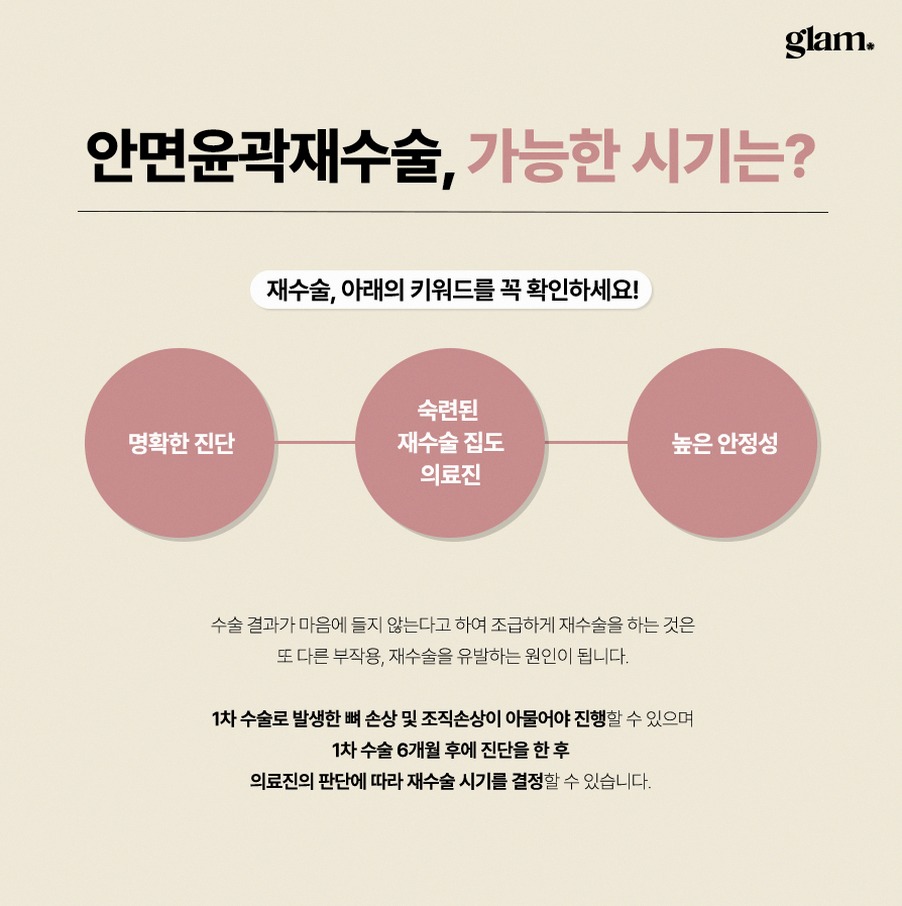
Revision surgery can involve re-cutting or repositioning bone segments, smoothing irregularities, correcting asymmetry, or combining bone work with soft tissue procedures to address sagging. However, not every dissatisfaction requires another operation. Sometimes, non-surgical treatments, minor contouring, or simply more time for healing can be more suitable.
Who might consider revision facial contouring?
You might consider revision facial contouring if you recognize yourself in one or more of these situations.
Your face looks wider or more sunken than expected after cheekbone or jaw reduction. Some patients feel their midface looks flat or their lower face looks hollow because too much bone was removed. Others feel there was not enough reduction, and the jawline or cheekbones still dominate the face.
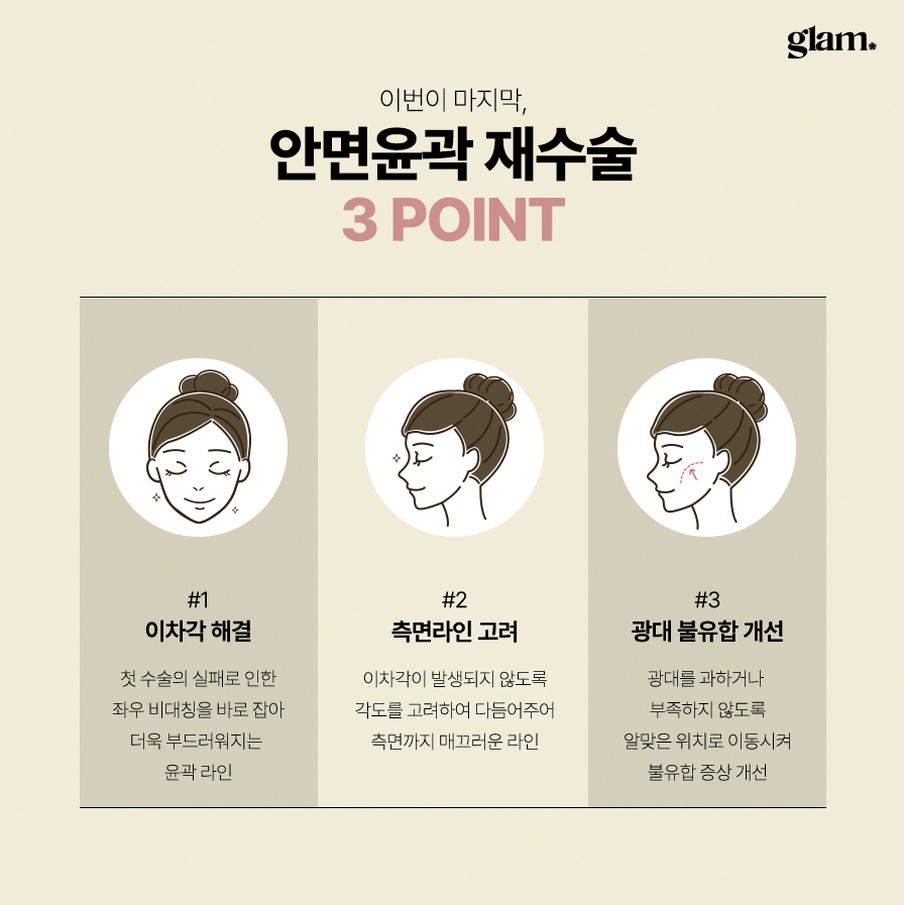
One side of the jawline or cheekbone appears lower, higher, or more protruded than the other. Even small differences can be noticeable in photos or when you smile, and this asymmetry can be a reason to explore revision.
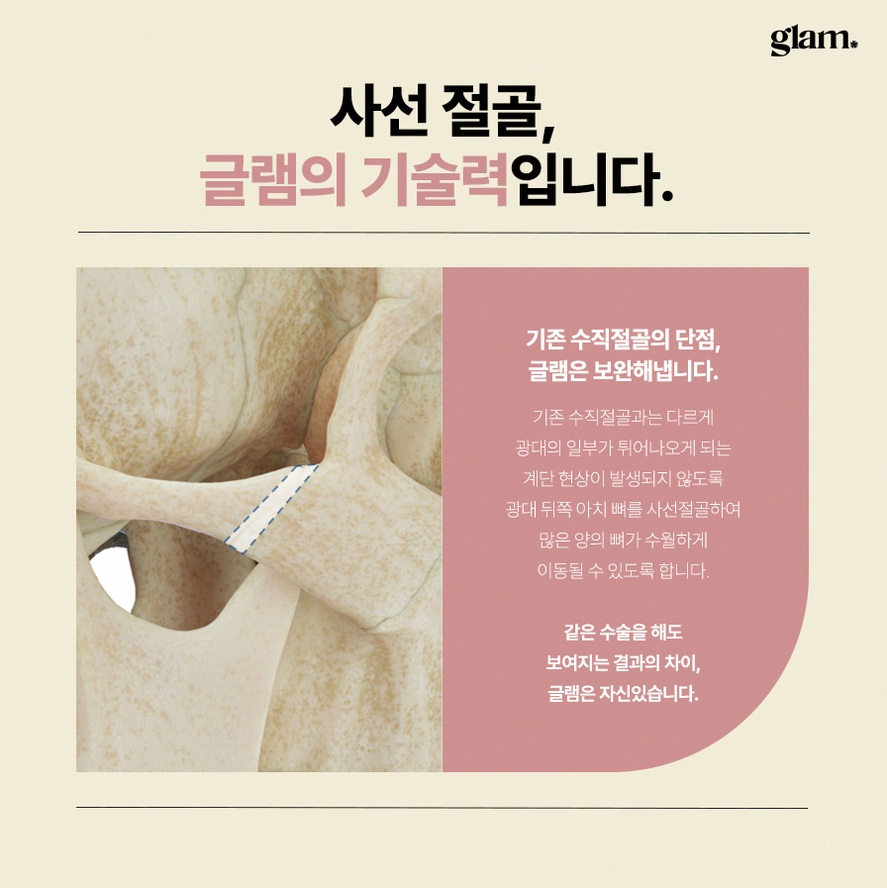
You see a visible step or bump along the jawline or under the cheekbone. These contour irregularities often come from the way the bone was cut or fixed during the first surgery and may be improved by smoothing or repositioning the bone.
Your chin line is crooked or too long or short after V-line surgery. The chin may deviate to one side, be overly pointed, or appear too small or too long for the rest of your face.
You have chronic discomfort when chewing, or your bite feels misaligned. In these cases, it is important to check not only the jawline shape but also the position of the upper and lower jaws together. Sometimes, a combination of double jaw surgery and contouring revision is needed.
You notice soft tissue sagging or an aged look after bone reduction. When bone support is reduced, the overlying skin and soft tissue can sag more than expected. In some cases, this can be addressed with soft tissue procedures or careful planning of bone volume.
Timing is important. Revision is usually considered only after the bones and soft tissues have stabilized. For many patients, this means waiting at least 6 to 12 months after the first surgery. In some cases, longer is recommended. A detailed consultation and imaging are necessary to judge whether revision is possible and safe at your current stage.
Preoperative evaluation for revision facial contouring
A thorough evaluation is essential before any revision facial contouring. Compared with first-time surgery, the surgeon must understand not only your current anatomy but also what was done previously.
The process usually starts with a detailed medical history. You will be asked about the type of surgery you had, when and where it was done, what techniques were used if you know them, and whether you experienced any complications such as infection, nerve issues, or prolonged swelling.
A physical examination follows. The surgeon will assess facial symmetry from the front and side views, check the contour of the cheekbones and jawline, and evaluate soft tissue thickness and sagging. Occlusion, or how your upper and lower teeth meet, is also checked because it reflects jaw position and function.
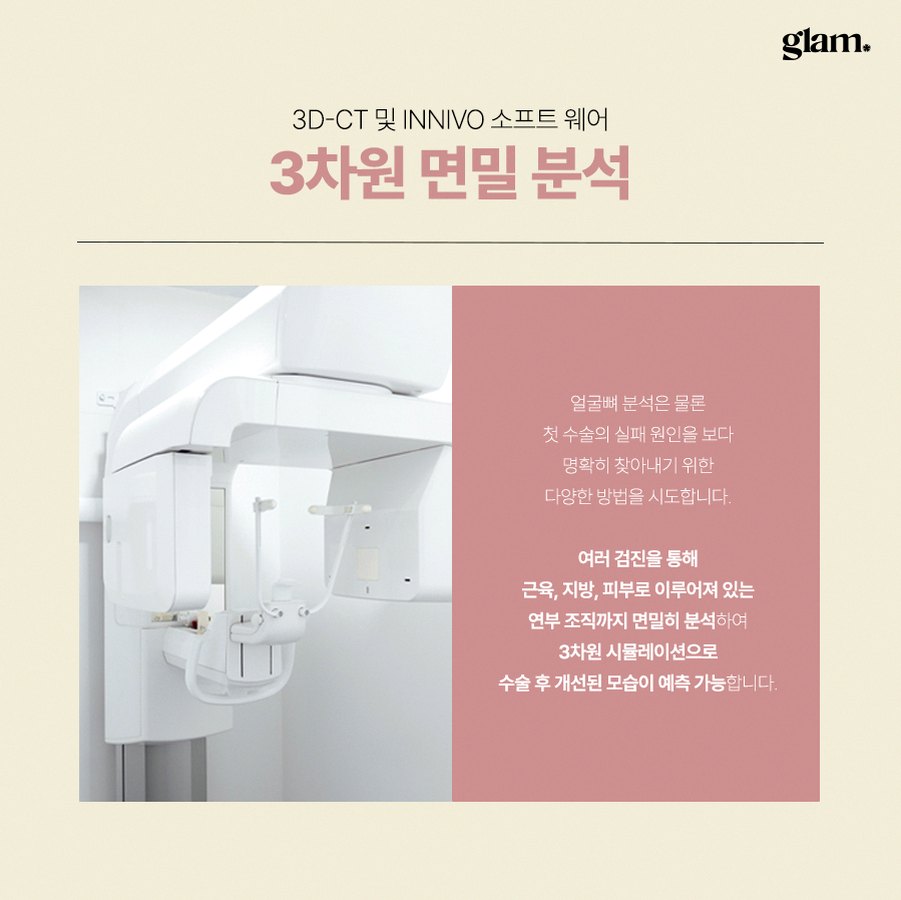
Imaging such as X-rays or CT scans is particularly important in revision cases. These images show the current shape of the bones, the location of previous bone cuts, and the position of any plates or screws. They also help confirm how well the bone has healed.
Previous bone cuts, fixation hardware, and scar tissue make revision planning more complex than primary surgery. The surgeon must plan around existing plates and screws, avoid weakening the bone, and protect important structures such as nerves.
At a facial bone–focused center, the evaluation is tailored to the jaw and midface structure. The surgeon considers whether your main problem is contour, jaw position, bite, or a combination. Based on this, they decide whether double jaw surgery, contouring revision, or a combined approach is more appropriate.
A key principle for many patients who already had one surgery is avoiding overtreatment. A careful surgeon will recommend only the minimum necessary procedures based on objective findings, rather than suggesting many additional surgeries without clear benefit.
Types of revision facial contouring procedures
Revision facial contouring can involve different areas of the face depending on your concerns and anatomy.
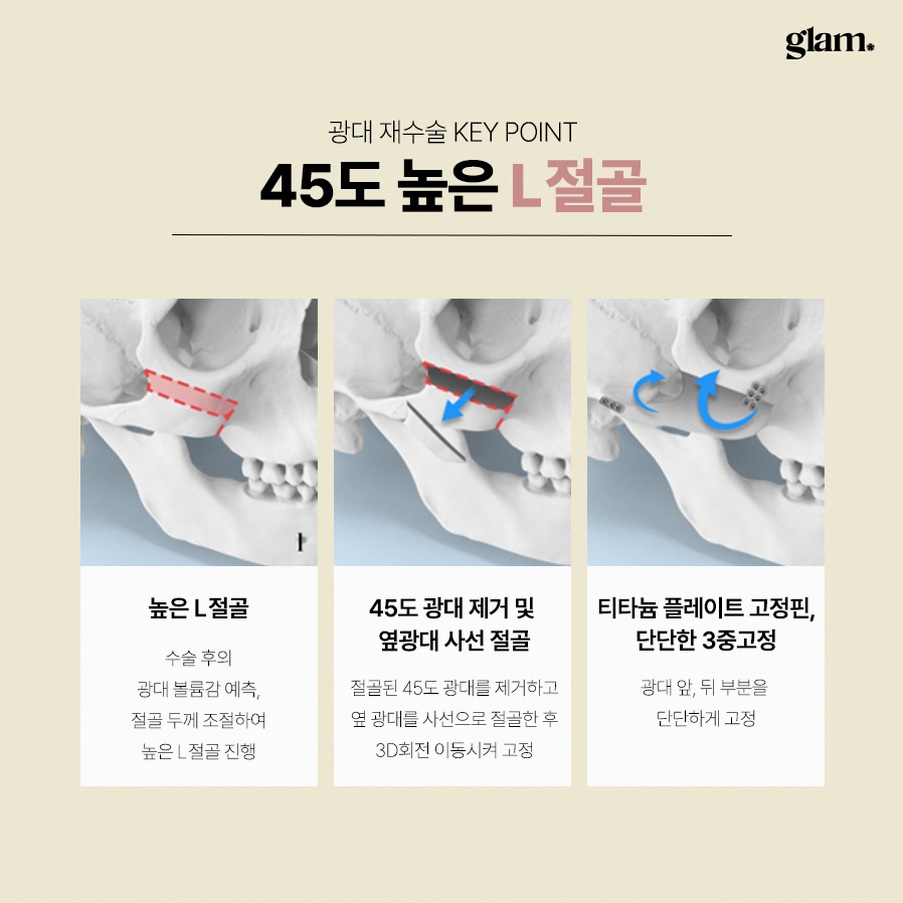
Cheekbone revision focuses on correcting over-reduced or under-reduced cheekbones, asymmetry, or step deformities. In some cases, the remaining bone can be repositioned to restore projection or improve balance between the front and side of the cheek. In other cases, smoothing or reshaping the bone can reduce visible steps or bumps.
Jaw angle revision addresses the back and side of the lower jaw. Some patients feel their jaw angle was cut too aggressively, creating a hollow or aged appearance. Others still see a wide or square jawline. Revision may involve smoothing irregular angles, adjusting the contour, or, when possible, restoring some volume to create a more natural line.
Chin and V-line revision deals with the front and lower border of the jaw. Common goals include straightening a crooked chin, softening an overly pointed tip, or adjusting the length and width to better match the rest of the face. The surgeon must consider the position of the mental nerve and remaining bone volume when planning these changes.
In some cases, combined revision with double jaw surgery is needed. If your bite is significantly misaligned or your jaw position is fundamentally off, simply shaving or reshaping the outer contour may not solve the problem. Correcting the underlying jaw position can improve both function and appearance.
Revision surgery is always limited by the remaining bone volume and the location of nerves. The aim is usually meaningful improvement rather than absolute perfection. Precise planning is needed to avoid further instability, nerve damage, or excessive weakening of the bone.
Risks, limitations, and realistic expectations
Revision facial contouring carries higher technical difficulty than first-time surgery. The anatomy has already been changed, and there may be scar tissue and fixation hardware. For this reason, it is important to understand potential risks and limitations.
Possible risks include bleeding, infection, delayed bone healing, and nerve injury leading to temporary or sometimes persistent numbness. Asymmetry can remain or appear, and in some cases, additional correction may be needed. Swelling can last longer than after primary surgery, and the final contour may take several months to become clear.
From an aesthetic perspective, revision can usually improve contour and balance, but it may not completely erase all traces of previous surgery. For example, very thin bone or significant soft tissue changes may limit how much the shape can be altered.
Realistic expectations are essential. During consultation, it is helpful to explain in detail what bothers you, using mirrors, photos, or drawings. The surgeon can then show you, using imaging and explanations, what is structurally possible and what is not.
A good revision plan is based on what can be safely achieved in your specific case, not on an ideal image from a photo app or celebrity picture. Understanding both the potential benefits and the limitations helps you make a more confident decision.
Why choose a facial bone–specialized center for revision
Because revision facial contouring is complex, many patients look for a center that focuses specifically on facial bones rather than offering a very wide range of unrelated procedures.
Revision requires understanding both aesthetics and functional aspects such as occlusion and joint health. A surgeon must balance facial harmony with the way your jaws move and how your teeth meet. This is especially true when bite problems or jaw fatigue are present.
A center that only handles facial bone surgery can accumulate more concentrated experience with complex and rare patterns of deformity. Repeatedly treating similar cases helps refine planning, surgical techniques, and complication management.
Consistent systems for imaging, planning, anesthesia, and postoperative care are also important. High-quality imaging and planning tools support accurate surgery. Anesthesia for long and complex revision procedures should be managed by a dedicated specialist, and postoperative care should be structured to support safe recovery.
GLAM Plastic Surgery is an example of a clinic that focuses its lineup on double jaw and facial contouring surgery rather than many other cosmetic procedures. The representative plastic surgeon has 20 years of experience in facial bone surgery (as of February 2025), with training at major university hospitals and overseas training at a US medical center. As of February 2025, the surgeon has authored 13 SCI-level papers as first or corresponding author, including 3 papers in Plastic and Reconstructive Surgery, reflecting a long-term academic and clinical interest in this field.
The clinic also emphasizes proposing only the minimum necessary procedures, which can be reassuring if you are already tired or anxious after a previous surgery.
For international patients, multilingual support in languages such as Japanese, English, and Thai, as well as online channels, can make communication smoother when planning revision facial contouring in Seoul.
Surgery process and recovery overview
The process for revision facial contouring generally follows several steps, though details vary by case.
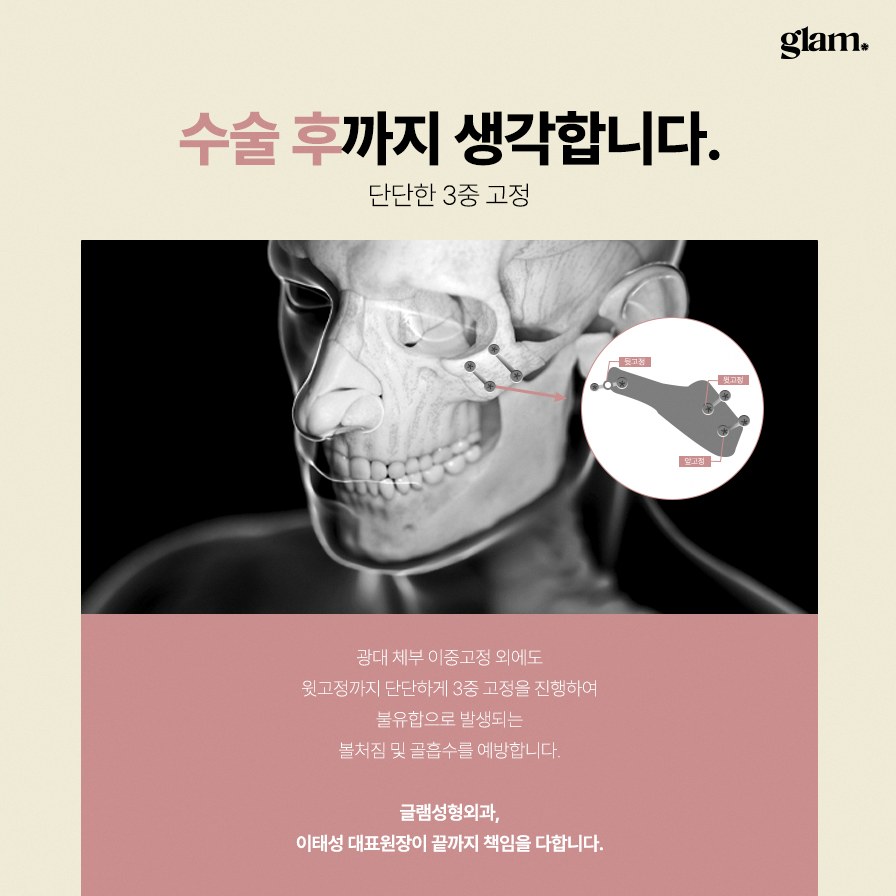
First is the preoperative consultation and imaging. During this stage, you discuss your concerns, undergo physical examination, and have X-rays or CT scans taken. The surgeon then uses these findings to create a surgical plan tailored to your anatomy and goals.
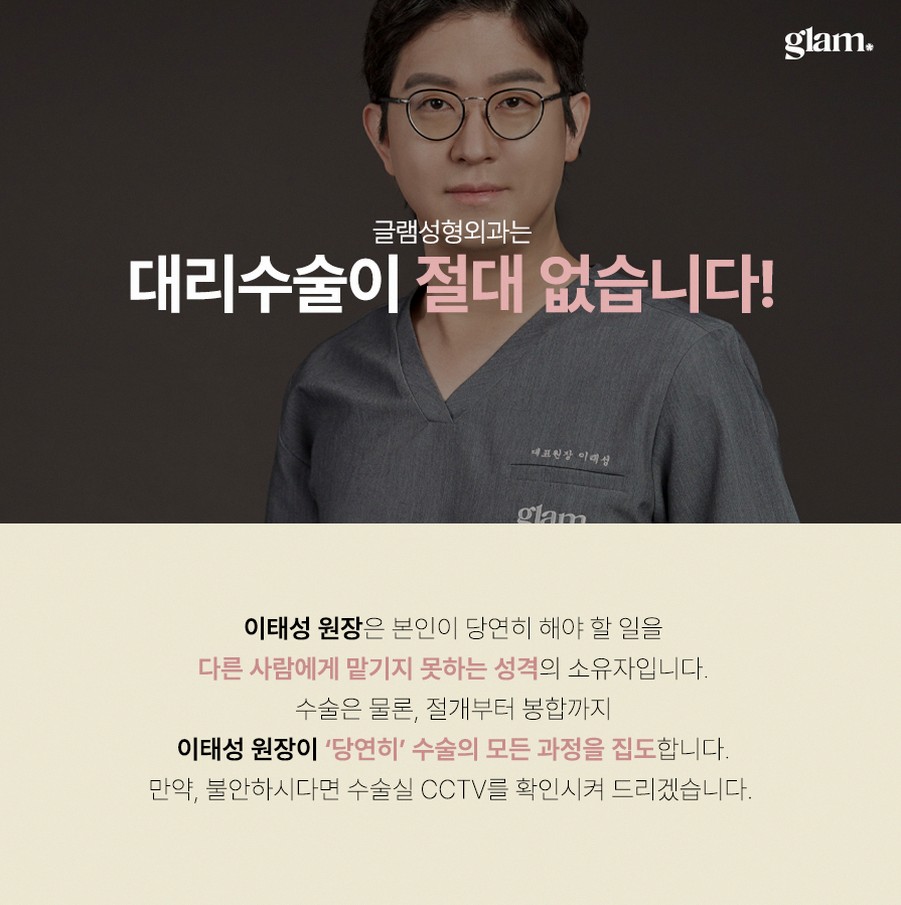
On the day of surgery, anesthesia is managed by an anesthesia specialist, with continuous monitoring throughout the procedure. The representative plastic surgeon performs the operation, following the pre-planned design while also making real-time decisions based on what is seen during surgery.
After the operation, you are monitored in the clinic or hospital setting. Instructions are given on diet progression, such as starting with soft or liquid foods, and on oral hygiene, since many facial bone surgeries are approached from inside the mouth. You will also receive guidance on swelling management, sleeping position, and activity restrictions.
Follow-up visits are scheduled to check bone healing, nerve status, and facial symmetry. Imaging may be repeated during the recovery period to confirm that the bones are stabilizing as planned.
In revision cases, swelling and numbness can last longer than in primary surgery. It may take several months before the final contour becomes clear. Patience is important, and it is helpful to discuss the expected timeline with your surgeon in advance.
Some centers, including GLAM Plastic Surgery, offer structured postoperative care programs such as LED therapy, facial dome care, total skin reset care, and RF lifting devices. These are intended to support recovery, help with swelling reduction, and improve skin condition. They are supportive measures and do not replace the importance of accurate surgical technique and proper bone healing.
How to prepare for an online consultation and clinic visit
If you are an overseas patient considering revision facial contouring in Seoul, good preparation can make your consultation more productive.
Before your online consultation, try to collect any previous medical records related to your first surgery. These may include operative reports, X-rays, CT scans, or clinic summaries. Even if you cannot obtain everything, any information about the techniques used, the amount of bone removed, or the position of plates and screws can be helpful.
Make a simple timeline of your first surgery, including the date, the clinic or hospital name, and any complications you experienced. Note how your face changed over time and when you first noticed the issues that concern you now.
Prepare a clear list of what specifically bothers you. For example, you might separate your concerns into front view, side view, smile, and chewing. You can also prepare photos of yourself from different angles, both relaxed and smiling, to share during online consultation.
During the consultation, consider asking questions such as:
What are the main anatomical problems in my case now, based on your examination and imaging?
What surgical options exist, and what are the pros and cons of each?
What level of improvement is realistically expected, and what limitations should I be aware of?
What are the main risks for my particular situation, and how are they managed?
What kind of recovery period should I plan for if I travel from overseas?
It is often wise not to decide immediately after the first consultation, especially for complex revision surgery. Take time to review the information, compare opinions if you wish, and consider how the plan fits your personal priorities, schedule, and tolerance for risk.
Expected Korea visit timeline for overseas patients
For international patients, planning the length and structure of your stay in Korea is an important part of preparation. The exact schedule will depend on your case and the clinic’s protocol, but a general outline can be helpful.
Many patients first have an online consultation to discuss whether revision seems feasible and to understand the likely scope of surgery. If both you and the surgeon feel it is appropriate to proceed, you can then plan your travel dates.
You may be asked to arrive in Seoul several days before surgery. This allows time for in-person examination, updated imaging, blood tests, and any additional checks needed for anesthesia clearance. It also gives you a chance to ask final questions and sign consent forms after reviewing the plan in person.
After surgery, you will usually need to stay in Korea for a period to allow for early recovery and follow-up visits. The required length of stay can vary depending on the complexity of your revision and how you are healing. During this time, you may visit the clinic several times for wound checks, suture removal if needed, and postoperative care sessions.
When planning your return home, it is important to discuss with the clinic when it is safe to fly and what precautions to take. You should also understand how follow-up will be handled once you are back in your home country, including how to contact the clinic if you have questions or concerns.
Aftercare and long-term follow-up
Aftercare plays a significant role in your overall experience with revision facial contouring. In the early period, you will focus on wound care, oral hygiene, swelling control, and diet management. Following the clinic’s instructions closely can help reduce the risk of complications.
As you move into the later stages of recovery, attention shifts to monitoring bone healing, nerve recovery, and gradual changes in soft tissue. Regular follow-up visits, whether in person or via online check-ins once you return home, help the surgeon track your progress.
Supportive treatments such as LED therapy, facial dome care, total skin reset programs, or RF lifting may be suggested to help with swelling, skin texture, and overall facial tone. These are optional tools that can complement but not replace the surgical outcome.
It is also important to manage expectations over time. Swelling often decreases slowly, and minor asymmetries can appear and then improve as tissues settle. Having a clear understanding of the expected timeline beforehand can reduce anxiety during recovery.
FAQ
What is the right time to consider revision facial contouring after my first surgery?
In many cases, revision is considered only after the bones and soft tissues have stabilized, which often means at least 6 to 12 months after the first surgery. This allows swelling to subside and bone healing to complete so that the surgeon can accurately evaluate your final contour. In some situations, your surgeon may recommend waiting longer. A personal consultation with imaging is needed to decide the appropriate timing for you.
Can revision facial contouring fix both appearance and bite problems?
It depends on the cause of your bite problem. If your bite issue comes mainly from the position of the jaws, double jaw surgery or other functional procedures may be needed in addition to contouring revision. If the bite is relatively stable and the main issue is outer contour, revision may focus more on reshaping the cheekbones, jaw angle, or chin. A thorough examination and occlusion check are essential to design the right combination of treatments.
Is revision facial contouring more risky than first-time surgery?
Revision is generally more complex because the bones have already been cut and fixed, and there may be scar tissue and plates or screws in place. This can increase technical difficulty and some risks, such as nerve irritation or prolonged swelling. However, careful planning, detailed imaging, and surgery at a facial bone–focused center with a dedicated anesthesiologist can help manage these risks. Your individual risk profile should be discussed in detail during consultation.
How do I know if I really need another surgery or if non-surgical options are enough?

Not every dissatisfaction after facial contouring requires revision surgery. In some cases, small asymmetries or soft tissue concerns can be improved with non-surgical treatments or may become less noticeable over time. A proper evaluation with physical examination and imaging can help distinguish between structural bone problems and issues that are mainly soft tissue or perception-based. A conservative surgeon will explain when surgery is likely to help and when it may be better to avoid further operations.
Conclusion and gentle call to action
Feeling regret, discomfort, or uncertainty after facial contouring surgery is more common than many people think. The important step is to have your current condition evaluated carefully so you can understand whether revision facial contouring, another type of treatment, or simple observation is the most appropriate path.
Choosing a surgeon and clinic with focused experience in facial bone surgery, clear communication, and a conservative approach to recommending procedures can make a significant difference in both safety and satisfaction. If you are considering revision facial contouring surgery in the Sinsa Station and Gangnam area of Seoul, you may wish to arrange a detailed consultation with GLAM Plastic Surgery through phone or online channels.
Take your time to gather information, ask questions, and reflect on your priorities. The final decision about revision should be based on a clear understanding of the potential benefits, risks, and limitations in your specific case, as well as your own comfort and readiness for another surgery.




- 공유 링크 만들기
- X
- 이메일
- 기타 앱


댓글
댓글 쓰기