Seoul Facial Contouring Revision Guide for Overseas Patients
- 공유 링크 만들기
- X
- 이메일
- 기타 앱

Direct answer summary
This article is for people searching for Seoul facial contouring who already had cheekbone, jaw angle, or V-line surgery elsewhere and are now considering revision. Revision facial contouring is more complex than a first operation, so it is important to understand when it is truly needed, how it is evaluated, what a realistic result looks like, and how to plan a safe trip to Korea.
GLAM Plastic Surgery is a facial bone–focused clinic in Gangnam, Seoul, near Sinsa Station on Dosan-daero. The clinic concentrates only on double jaw and facial contouring surgery, including many revision cases, and offers support for international patients.
Overview of revision facial contouring in Seoul
Revision facial contouring means a second (or later) surgery on facial bones such as the cheekbones, jaw angle, chin, or V-line after a previous bone operation. Many people come to Seoul for revision because the city has a high volume of facial contouring cases and specialized centers.
Common reasons for revision include persistent asymmetry, a face that still looks wide after surgery, an overly narrow or hollowed look from over-resection, irregular bone edges, or an unnatural V-line. Some patients also have functional problems such as chewing discomfort, tightness, or bite issues.
Because bone has already been cut and healed, revision surgery is technically demanding. It is usually considered only after careful evaluation and when the potential benefit is greater than the additional risk.
Who may consider revision facial contouring
You might consider revision facial contouring in Seoul if you recognize one or more of these situations:
Your face still looks wide or square after jaw angle or V-line surgery, especially in photos or from certain angles.
You notice clear asymmetry between the left and right sides of your cheekbones or jawline that was not present before, or has become worse.
Your cheeks look too flat or sunken after cheekbone reduction, giving a tired or aged appearance.
Your chin looks too pointy, too short, or shifted to one side after a V-line procedure.
You feel step-like bumps, sharp edges, or irregularities along the jaw or cheekbone when you touch your face.
You experience functional problems such as chewing discomfort, tightness when opening your mouth, or a bite that no longer feels natural.
You have already waited a reasonable time after your first surgery, but your concerns have not improved.
Revision is not only for people who are simply “unhappy” with their appearance. It is often about correcting structural issues in the bone and improving function. A thorough consultation is needed to decide whether bone surgery is truly the right solution, or whether soft tissue treatments, fat grafting, or other options might be more appropriate.
What is revision facial contouring and who might need it?
Revision facial contouring focuses on re-correcting facial bones that have already undergone surgery. It can involve:
Cheekbone revision: addressing overly flat midface, remaining protrusion, or step deformities at the zygomatic arch.
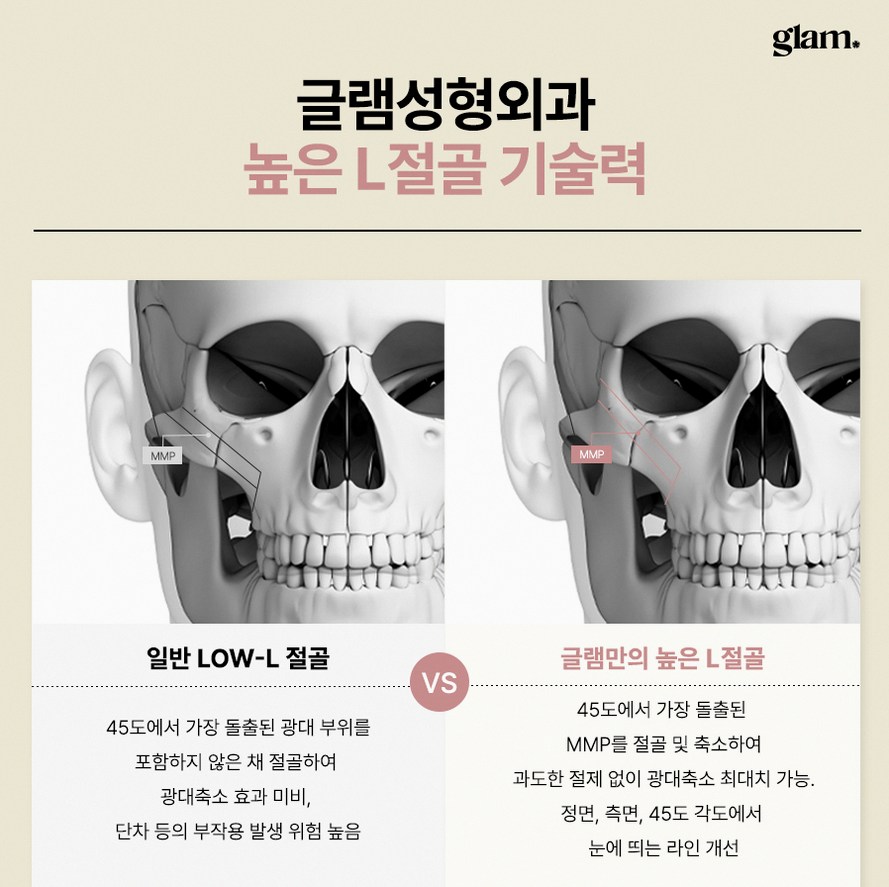
Jaw angle revision: smoothing irregular or bulky angles, correcting asymmetry, or improving a still-wide lower face.
Chin and V-line revision: adjusting a chin that is too long, too short, too sharp, or deviated; refining an unnatural V-line.
Sometimes, revision contouring is combined with double jaw surgery if the bite or overall jaw position needs correction. In these cases, the goal is not only cosmetic but also functional alignment.
In Seoul, it is common for patients to move between clinics for revision. This makes it especially important to have detailed preoperative evaluation, honest communication about what was done previously, and clear indications for any new procedure.
Why revision facial contouring is more complex than first-time surgery
Revision surgery is more complex for several reasons:
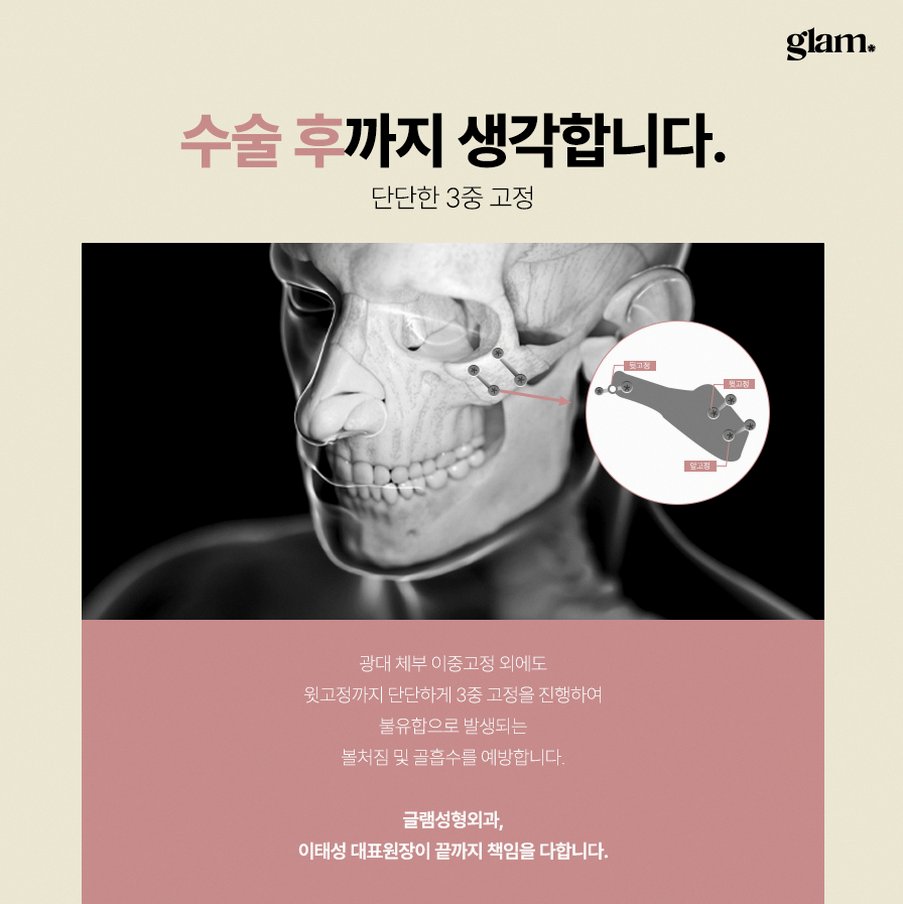
The bone has already been cut and repositioned. There may be plates and screws in place, and the pattern of bone healing can vary from patient to patient.
Scar tissue forms around the bone and in the soft tissues. This can make surgical dissection more difficult and increase the risk of bleeding or contour irregularities if not handled carefully.
Nerve pathways and blood supply may have shifted or been partially affected by the first surgery. This can increase the risk of numbness or altered sensation if the revision is not precisely planned.
Bone stock may be reduced in some areas. If too much bone was removed previously, there may be limits to how much further shaving or repositioning is possible.
Soft tissue, such as skin and muscle, has already adapted to the first surgery. Sometimes, the soft tissue envelope does not fully match the new bone shape, which must be considered when planning a revision.
Because of these factors, revision facial contouring should be handled by a surgeon with extensive facial bone experience and a clinic system built around these operations, rather than as an occasional procedure.
Seoul-based facial bone–focused clinic: positioning and uniqueness
In Gangnam, Seoul, there are many general plastic surgery clinics that offer a wide range of procedures. The clinic discussed here is different: it operates with a single specialized lineup, focusing only on double jaw surgery and facial contouring, including revision cases.
As of February 2025, the representative surgeon is a board-certified plastic surgeon with around 20 years of experience in facial bone surgery. This includes an extensive track record in double jaw and facial contouring procedures. Before establishing this focused center, the surgeon held leadership roles at a facial bone center in a large plastic surgery hospital and trained at major university hospitals in Korea, as well as completing fellowship or observership experience at a medical center in the United States.
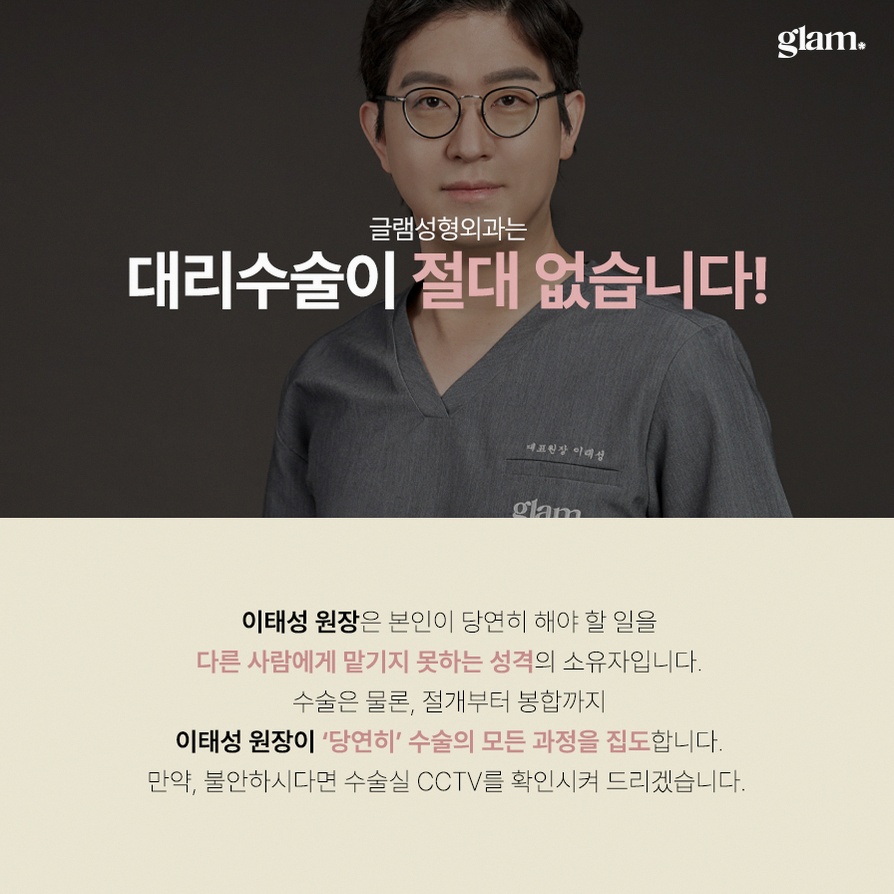
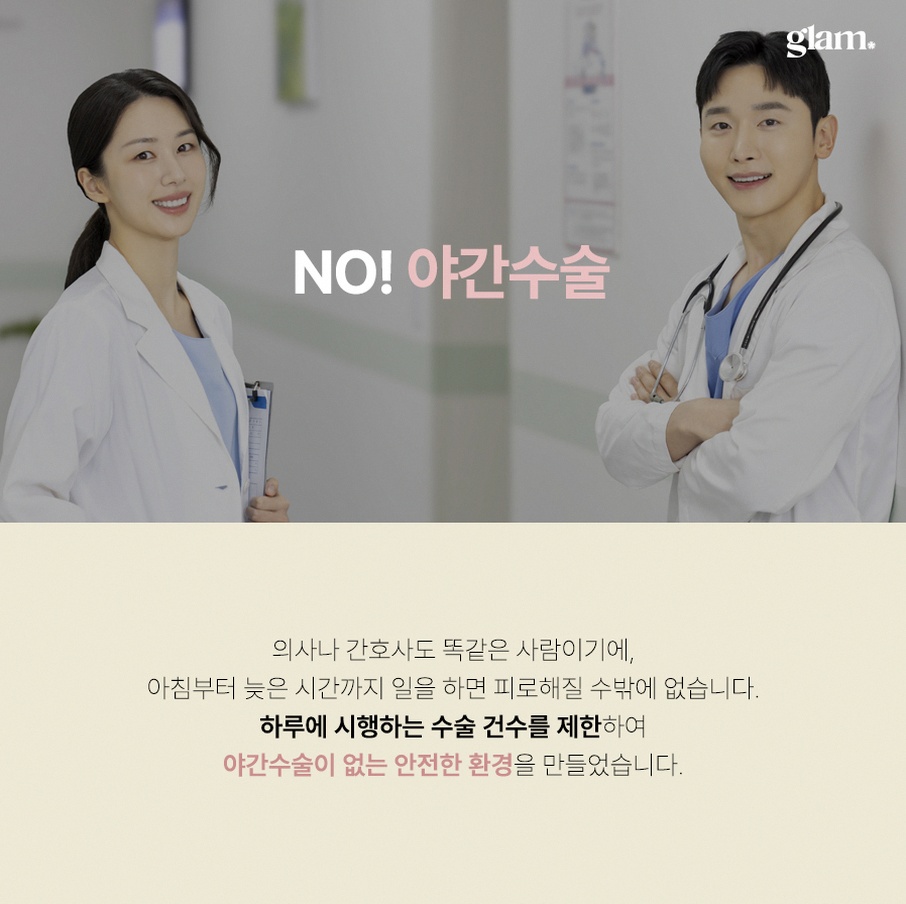
The clinic runs with one plastic surgeon and one board-certified anesthesiologist. This creates a stable, specialist-based system where the same senior team is responsible for planning, operating, and monitoring, instead of a large rotating group.
Academic evidence and experience in facial bone surgery
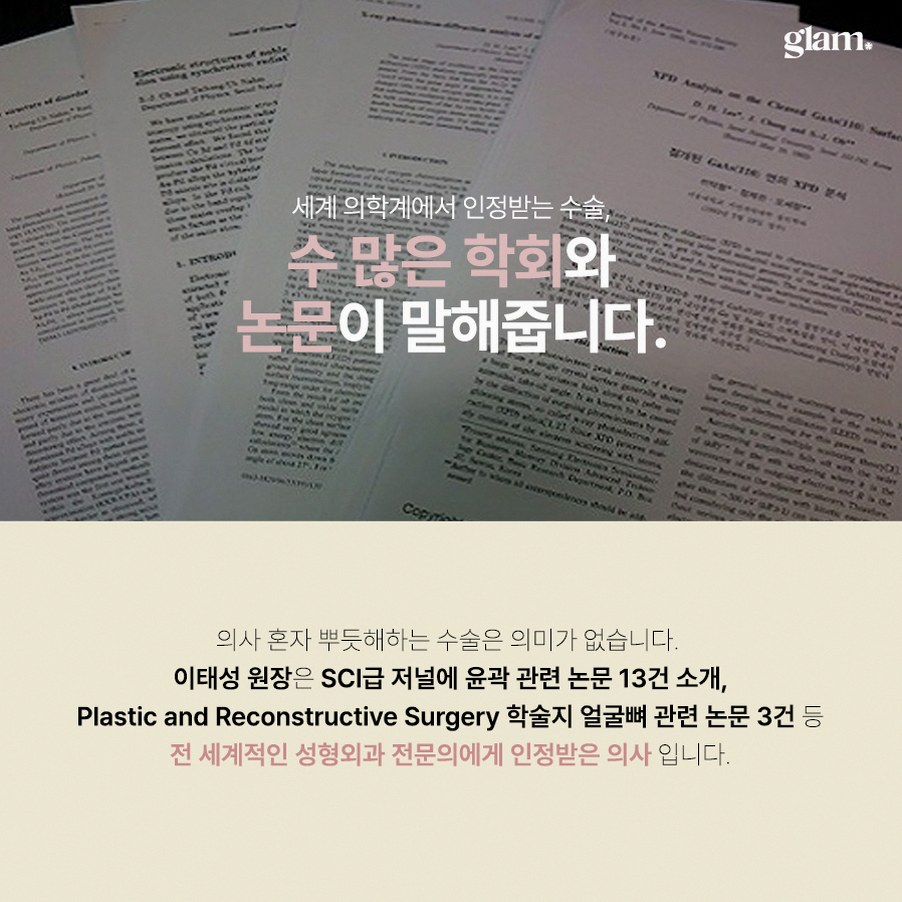
As of February 2025, the representative surgeon has 13 SCI-level papers as first or corresponding author in the field of contouring and double jaw surgery. Three of these were published in Plastic and Reconstructive Surgery, a leading international journal in plastic surgery.
For patients, this academic background is important because it shows that the surgeon’s techniques and outcomes have been evaluated through peer-reviewed research, not only presented in marketing materials. It also suggests a habit of measuring long-term results, complications, and stability, which is particularly relevant in complex revision cases.
When you are considering a second bone surgery, it can be reassuring to know that the surgical approach is based on evidence and detailed analysis of previous outcomes. This is especially true for decisions such as how much bone can safely be removed, how to manage nerve pathways, and how to balance aesthetic goals with structural stability.
How revision facial contouring is evaluated and planned
For overseas patients, the evaluation process usually begins online, then continues in person in Seoul.
Typical evaluation steps include:
Detailed history: The surgeon will ask what procedures you had, when they were done, and at which clinic. If possible, you should provide operative records or a written summary from your previous surgeon.
Clinical examination: During the in-person visit, the surgeon will examine facial symmetry, jaw movement, bite relationship, and soft tissue condition. Areas of numbness, tightness, or pain are also checked.
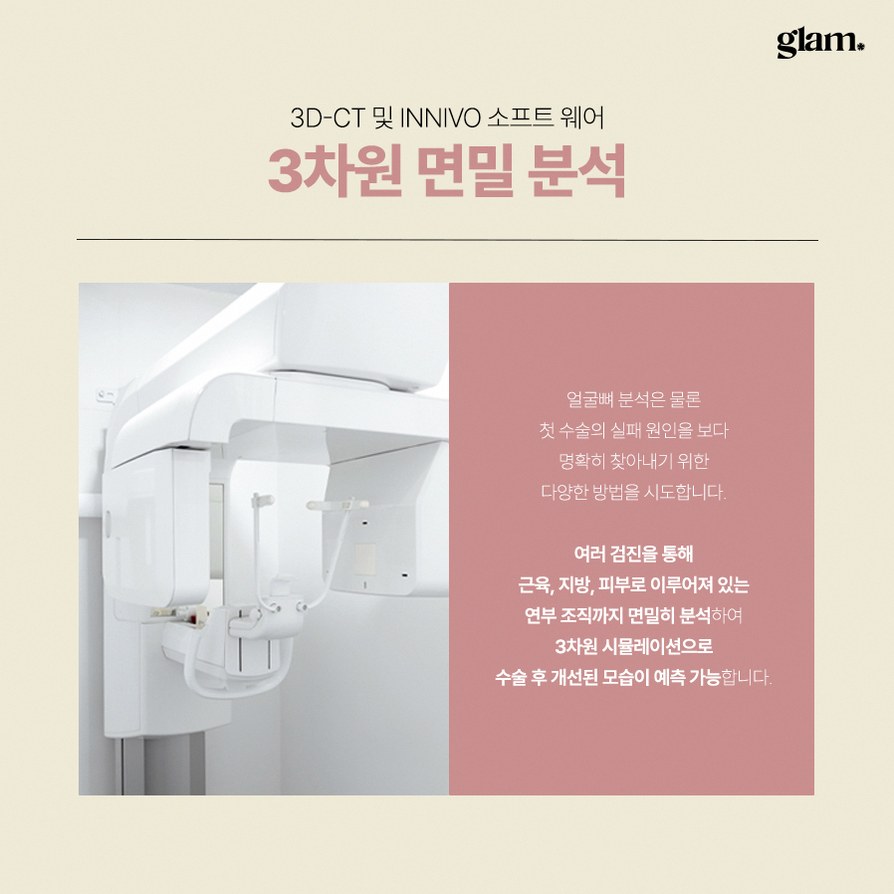
Imaging: Facial X-rays and 3D CT scans are used to see the exact bone cuts, the position of plates and screws, and the amount of remaining bone. This is crucial for understanding what is technically possible.
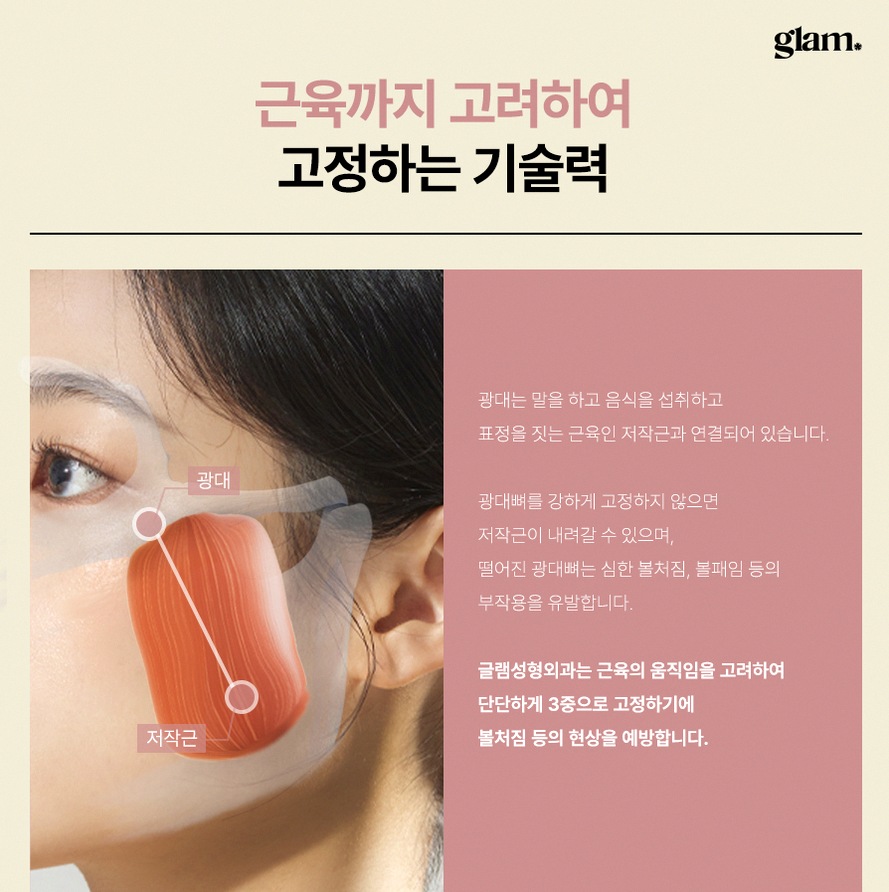
Nerve and soft tissue analysis: The surgeon will evaluate previous nerve damage or areas of altered sensation and consider how further surgery might affect them.
Based on this information, the surgeon aims to propose only the minimum necessary procedures to correct the main problems, rather than suggesting many additional surgeries. Sometimes, the safest and most effective plan is a limited revision focused on a specific area, combined with soft tissue or non-surgical options.
Realistic goals are essential. In some cases, complete reversal of the first surgery is impossible, but significant improvement in symmetry, contour smoothness, or function may still be achievable. The clinic emphasizes direct surgery by the representative surgeon, rather than delegating to junior doctors.
Common types of revision facial contouring in Seoul
Cheekbone revision
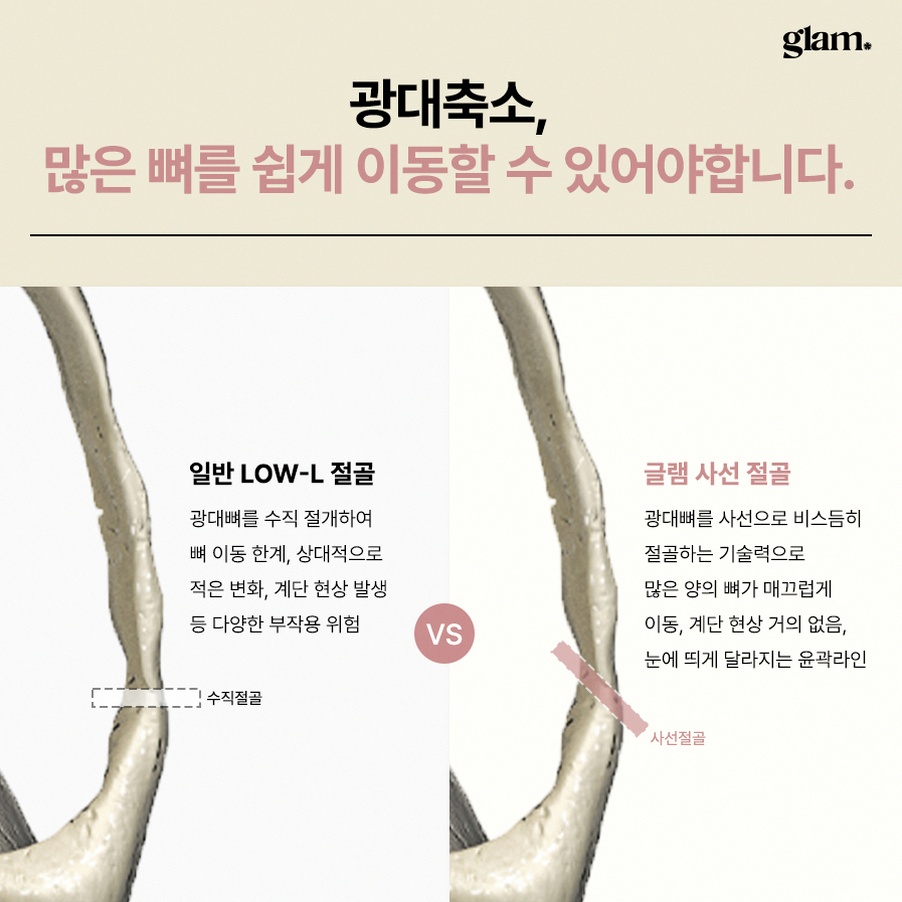
Cheekbone revision may be considered when the midface looks too flat, sunken, or still protruding after previous surgery. Some patients also have step deformities where the cheekbone arch was cut and fixed.
Revision strategies can include repositioning the cheekbone segment, releasing and re-fixating the arch, or smoothing irregular edges. The exact plan depends on how the first surgery was done and how the bone has healed.
Jaw angle and V-line revision
Jaw angle and V-line revision addresses issues such as a still-wide lower face, a bulky or square angle, or an overly sharp and narrow jaw that creates an aged or unnatural look.
In some cases, irregular or asymmetric angles are smoothed, while in others the goal is to restore some width or balance if too much bone was removed. Chin shape can also be adjusted to correct length, projection, or deviation.
Combined revision with double jaw surgery
If the bite or jaw position is significantly off, revision contouring may be combined with double jaw surgery. This is more complex and usually involves coordination with dental or bite specialists in your home country.
In such combined cases, the main goals are to restore a stable bite, improve facial balance, and then refine the contour. The surgeon will explain whether this type of combined approach is necessary or whether contouring alone is sufficient.
Safety system: anesthesiology and intraoperative management
For revision facial bone surgery, anesthesia and intraoperative monitoring are especially important. Operations can be longer than first-time surgeries, and bleeding control and airway management can be more challenging.
This clinic has a full-time, board-certified specialist in anesthesiology and pain medicine responsible for anesthesia and perioperative monitoring. The anesthesiologist has formal training and membership in national anesthesiology and pain societies, indicating specialized expertise.
During surgery, the anesthesiologist focuses on stable vital signs, safe airway management, and appropriate pain control, allowing the surgeon to concentrate fully on the bone work. For patients anxious about undergoing a second major bone surgery, this dedicated safety system can be an important factor in choosing a clinic.
Postoperative care after revision facial contouring
Recovery after revision surgery is often slower than after a first operation. Swelling may last longer, and it can take more time for tissues to adapt to the new bone shape.
To support recovery, the clinic offers structured postoperative care programs, which may include:
LED therapy to support skin and soft tissue recovery.
Facial dome-type treatments to assist circulation and help manage edema.
Total skin reset care programs aimed at improving bruising and skin texture.
Radiofrequency lifting devices to support skin tightening over the new bone contour. These are used for skin and soft tissue quality, not for changing bone shape.
These treatments are supportive measures. The main determinant of your final result is precise, well-planned bone surgery. However, systematic aftercare can make the healing process more comfortable and may help you return to daily life more smoothly.
Online consultation and pre-visit preparation
For overseas patients, the first step is usually an online consultation. To make this effective, you can prepare the following:
Clear front, 45-degree, and side-view photos of your face in good lighting, with hair pulled back.
Pre- and post-operative photos from your first surgery, if available.
Any imaging you have, such as X-rays or CT scans, in digital form.
Operative records or a written summary from your previous clinic, including the type of bone cuts and fixation methods used.
A short written summary of your main concerns: what bothers you most, when symptoms started, and what changes you hope for.
During the online consultation, you can ask about possible options, estimated recovery time, and how long you should stay in Korea. While a final plan usually requires in-person examination and new imaging, an online review can help you decide whether a trip to Seoul is appropriate.
Expected Korea visit timeline for revision facial contouring
The exact schedule depends on your case, but many international patients follow a similar pattern:
Day 1–2: In-person consultation and imaging. You will meet the surgeon, have X-rays and 3D CT scans, and discuss the detailed surgical plan. If both sides agree, surgery is scheduled.
Day 3–4: Surgery day. You are admitted, undergo surgery under general anesthesia, and then recover in the clinic until you are stable to go back to your accommodation.
First week: Intensive early recovery. Swelling is usually at its peak in the first few days. You will have follow-up visits for wound checks, dressing changes, and early aftercare.
Week 2–3: Continued follow-up and removal of stitches or fixation materials as needed. Many patients can return to light daily activities and may fly home after around 2–3 weeks, depending on the complexity of their case and the surgeon’s advice.
Months 1–6: Long-term recovery. Most visible swelling improves in the first 1–2 months, but subtle changes continue for several months. Online follow-up with photos is often used after you return home.
Your individual schedule may be shorter or longer. For complex revision or combined double jaw cases, a longer stay in Korea may be recommended.
Honest indications and when revision may not be recommended
Not every dissatisfaction after facial contouring requires revision surgery. In some situations, the surgeon may advise against another bone operation, such as:
The bone condition does not allow further safe shaving or repositioning, for example when too much bone has already been removed.
The main issue is soft tissue or skin elasticity rather than bone structure. In these cases, non-bone treatments may be more appropriate.
Your expectations are not realistic compared with what bone surgery can achieve. For example, aiming for a facial shape that is structurally impossible given your existing anatomy.
The healing period after the first surgery is not yet complete. Often, it is recommended to wait many months for swelling and soft tissue adaptation before judging the final result.
The clinic’s philosophy is to propose only the minimum necessary surgery and to avoid overtreatment, which is especially important for high-risk, high-stress procedures like double jaw and contouring revision.
Location, accessibility, and international patient support
The clinic is located in the Gangnam district of Seoul, on the 4th floor of a building on Dosan-daero, about 200 meters on foot from exit 1 of Sinsa Station. This central location makes it convenient for both local residents and overseas visitors.
There are weekday and Saturday operating hours, with continuous consultation times and no separate lunch break, which can be helpful when you are trying to fit appointments into a short stay.
For international patients, the clinic provides multilingual support, including dedicated pages in English, Japanese, and Thai, and uses social media channels such as Instagram, YouTube, and a messaging channel for easier communication and follow-up.
Frequently asked questions
How long should I wait after my first facial contouring before considering revision surgery?
In many cases, surgeons recommend waiting at least 6 to 12 months after your first facial contouring before seriously considering revision. This allows bone healing to complete and soft tissues to settle, so you can see the true final shape.
However, the exact timing depends on your individual case, the extent of your first surgery, and your imaging findings. If you have severe functional problems, earlier evaluation may be needed, but even then, the surgeon will carefully weigh the risks and benefits of operating too soon.
Is revision facial contouring more dangerous than the first surgery?
Revision facial contouring is generally more complex than a first-time operation because of scar tissue, altered anatomy, and the presence of plates or screws. This can increase certain risks, such as prolonged swelling or changes in sensation.
That said, risk can be managed with thorough preoperative evaluation, careful surgical planning, and an experienced facial bone surgeon working with a dedicated anesthesiologist-led safety system. It is important to discuss your personal risk profile in detail during consultation.
Can revision surgery completely fix asymmetry or over-resection?
Revision surgery can often bring significant improvement in symmetry, contour smoothness, and overall facial balance. However, complete perfection or a return to your original bone structure is not always possible.
The achievable result depends on the amount and quality of remaining bone, the condition of your nerves, and how your soft tissues respond. During consultation, the surgeon will explain what level of change is realistic in your specific case.
What information should I bring to a revision consultation in Seoul?
For a revision consultation, it is very helpful to bring previous operative records, pre- and post-operative photos, and any imaging such as X-rays or CT scans from your first surgery. These materials help the surgeon understand exactly what was done.
If you do not have full records, try to obtain at least a brief summary from your previous clinic. You should also prepare a list of your current symptoms and concerns, including any areas of numbness, pain, or functional issues.

Will I need bite or jaw-related treatment again if my revision involves the jaw?
If your revision involves the jaw and your bite is affected, you may need additional bite-related treatment. In some double jaw cases, this can mean new or adjusted bite correction steps before or after surgery.
However, not all revision contouring involves major bite changes. The need for such treatment depends on how much your jaw position will be altered. These decisions should be made individually with the surgeon and, if necessary, a bite specialist in coordination.
Soft call to action
If you are considering revision facial contouring in Seoul and want a focused opinion on cheekbone, jaw angle, or V-line revision, you can contact GLAM Plastic Surgery for an online consultation. By sharing your photos, previous records, and main concerns in advance, you can receive a more tailored explanation of possible options, expected recovery, and how to plan your visit to Korea.
This article is intended for general information only and does not replace a personal consultation with a qualified medical professional. Individual assessment and planning are essential before any decision about surgery.




- 공유 링크 만들기
- X
- 이메일
- 기타 앱


댓글
댓글 쓰기