Seoul double jaw surgery methods and travel planning
- 공유 링크 만들기
- X
- 이메일
- 기타 앱
Direct answer summary
Double jaw surgery, also called orthognathic surgery, repositions both the upper (maxilla) and lower (mandible) jaws to correct bite alignment and improve facial proportions. It can relieve functional problems such as difficulty chewing, chronic jaw pain, or breathing issues, while also helping restore facial balance and symmetry. Because this is a major facial bone procedure, planning involves close coordination between your surgeon and dental team; your surgeon will explain the expected recovery, potential risks, and realistic outcomes so the treatment aligns with your functional needs and aesthetic goals.
Double jaw surgery, also called orthognathic surgery, is a facial bone operation that repositions both the upper and lower jaws to improve bite function and facial balance. Modern methods use detailed imaging, 3D planning, and rigid internal fixation with plates and screws. Depending on your case, the surgeon may be able to avoid wiring the jaws shut and may also reduce the amount of pre-surgical tooth alignment needed. The exact method is always individualized after full examination.
This guide explains the main double jaw surgery methods used today in Korea, what you can expect step by step, and how overseas patients can plan a treatment trip to Seoul, especially around the Gangnam and Sinsa Station area.
What double jaw surgery is
Double jaw surgery overview
Double jaw surgery involves cutting and moving both the upper jaw (maxilla) and lower jaw (mandible) to a more ideal position. It is done to correct skeletal problems rather than minor cosmetic concerns.
Because the jaw bones are repositioned, this operation can change the way the upper and lower arches meet, the facial profile, and the balance of the lower face. It is not a simple soft-tissue or surface procedure.
Main reasons to consider double jaw surgery
Typical indications include:
Severe overbite or underbite caused by jaw position
Open bite where the front arches do not meet even when the back arches touch
Facial asymmetry, such as one side of the jaw being longer or lower
A long face appearance related to vertical jaw excess
Gummy smile caused by the upper jaw being positioned too low or too far forward
Difficulty chewing, biting, or speaking due to jaw alignment
Jaw joint discomfort that is related to jaw position
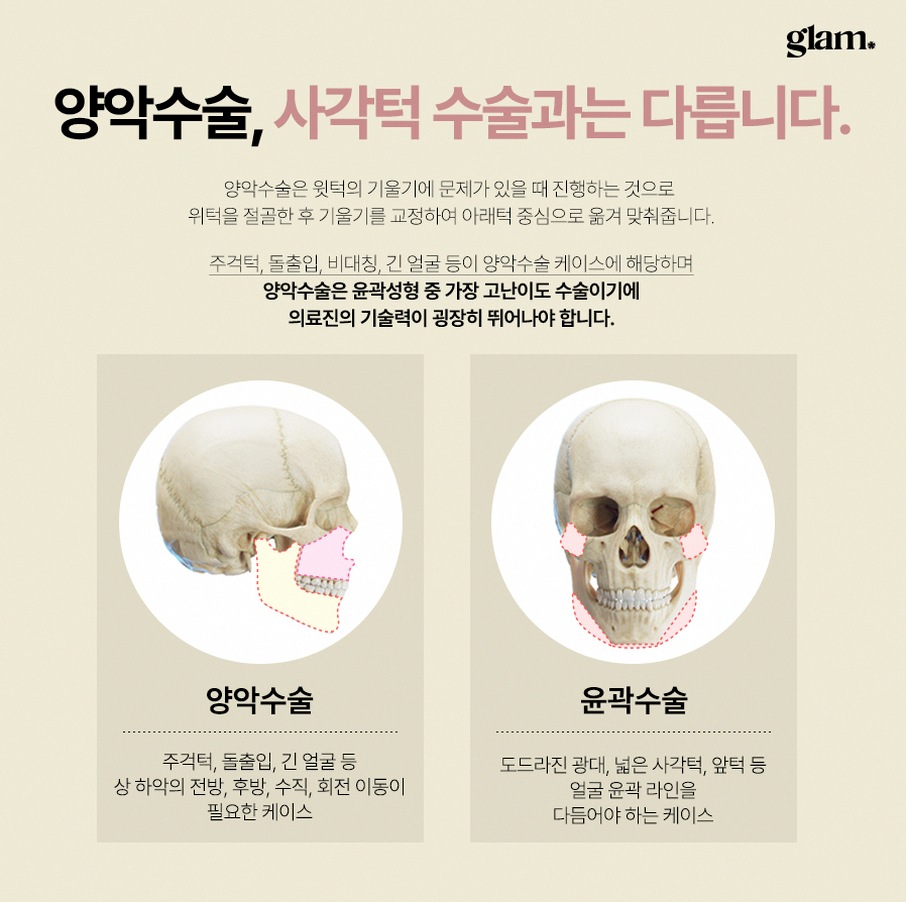
In these situations, moving the jaw bones can improve both function and appearance. However, whether this operation is appropriate for you must be decided after a full clinical and imaging evaluation.
How double jaw surgery is generally performed
Basic surgical concept
Most modern double jaw procedures use two main bone cuts:
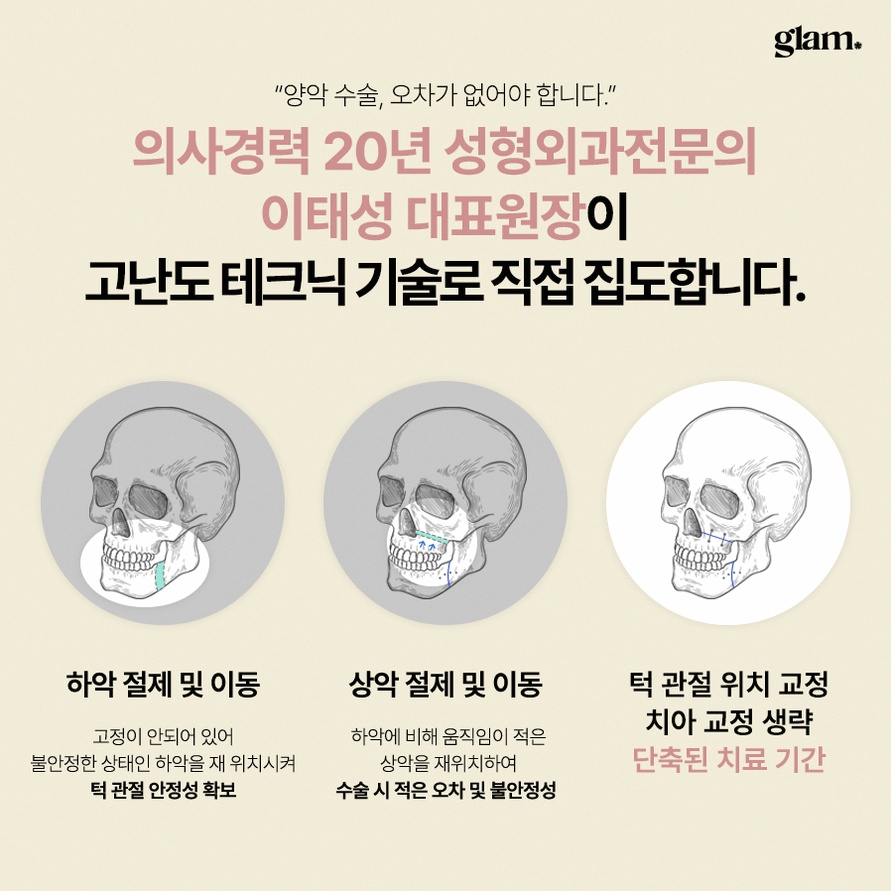
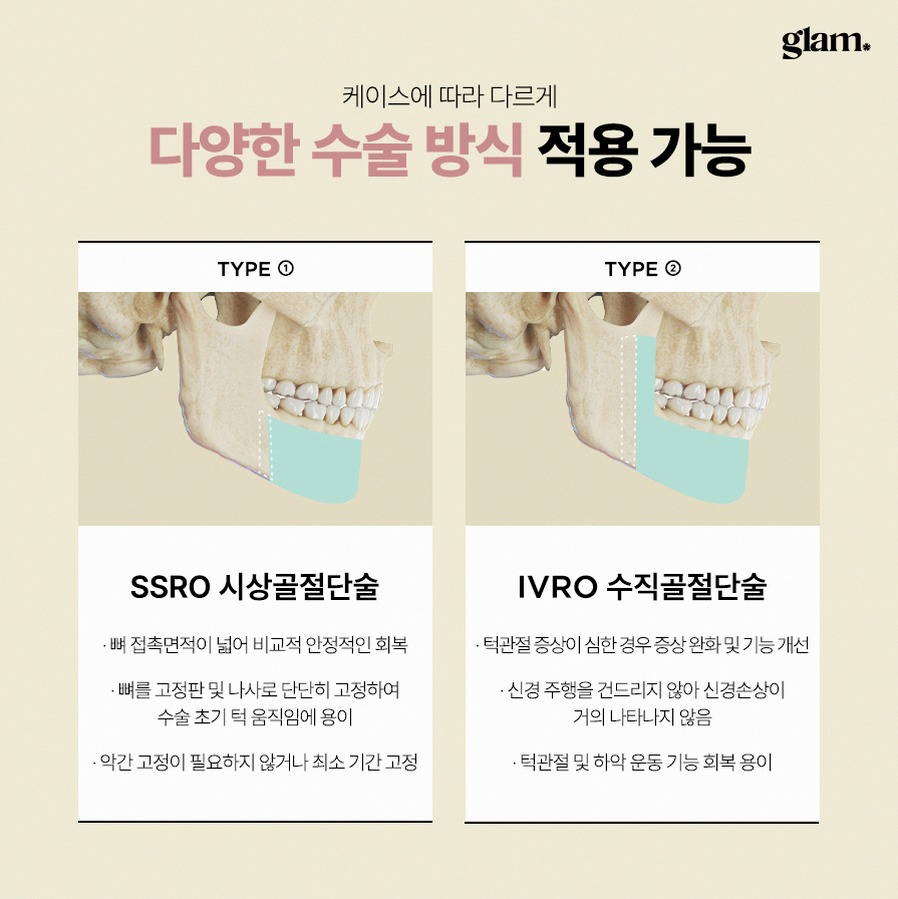
Upper jaw: a Le Fort type osteotomy. The surgeon makes cuts in the upper jaw bone inside the mouth, mobilizes it, and moves it forward, backward, upward, downward, or rotates it as planned.
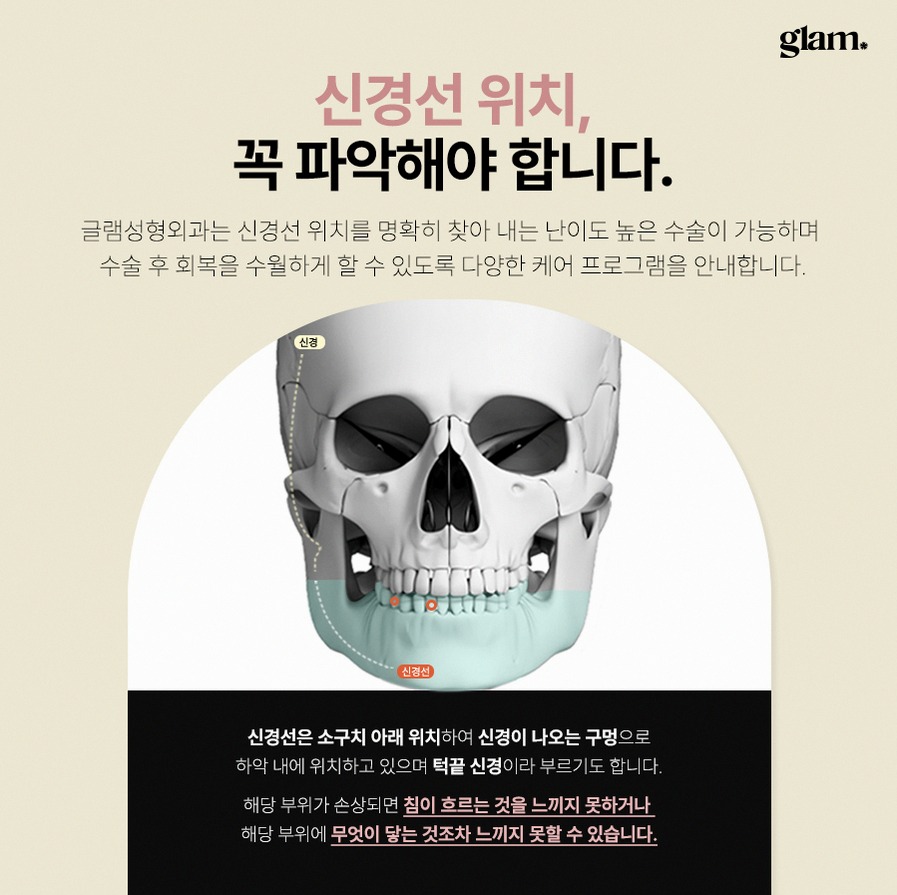
Lower jaw: a sagittal split ramus osteotomy or a similar technique. The lower jaw is cut in a way that allows controlled movement while preserving important nerves.
After repositioning both jaws according to the pre-set plan, the surgeon fixes them using small titanium plates and screws. These remain inside the bone and are usually not felt in daily life.
Key method variations
Conventional double jaw surgery with intermaxillary fixation
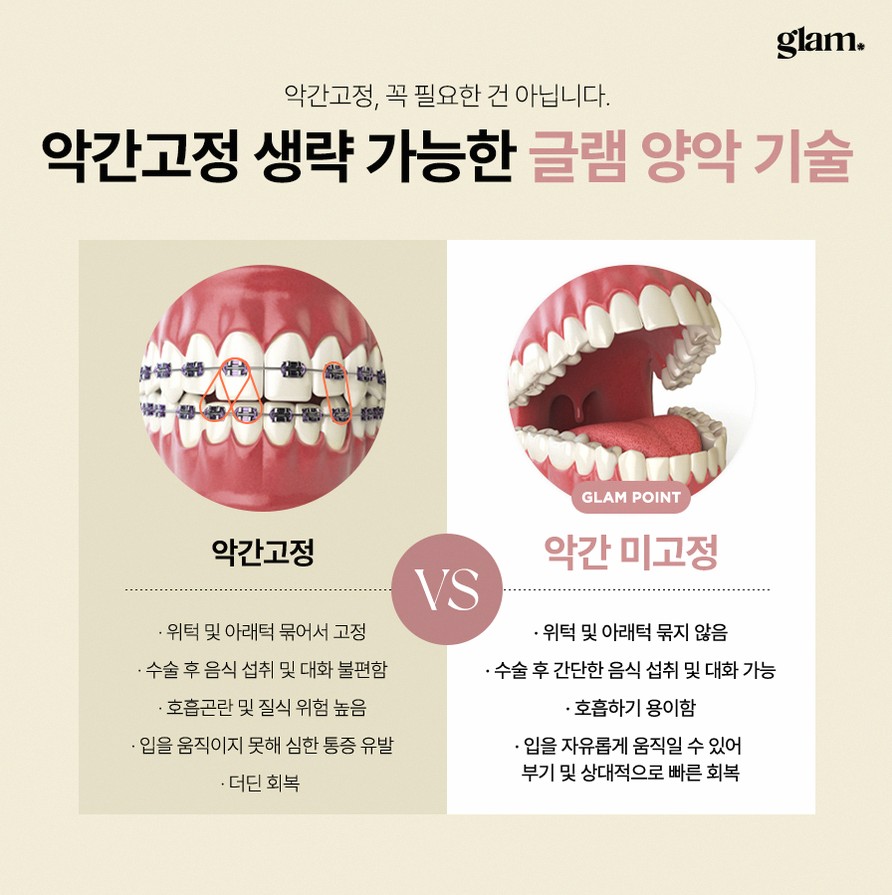
In traditional methods, the upper and lower arches are wired or tightly banded together after surgery. This is called intermaxillary fixation.
The purpose is to keep the new bite very stable while the bones start to heal. However, it can make breathing through the mouth, speaking, and oral hygiene more difficult for a period. Eating is usually limited to liquids and very soft foods.
Double jaw surgery without intermaxillary fixation
With advances in imaging, planning, and internal fixation, many centers now perform double jaw surgery without wiring the jaws shut.
In this approach, rigid plates and screws hold the bones in place, and the surgeon may use light elastics between the arches instead of rigid wiring. This can allow earlier gentle movement, easier oral care, and a smoother early recovery.
Not every case is suitable for this method. The decision depends on how far the jaws must be moved, bone quality, the stability of the new bite, and the surgeon’s assessment of safety.
Methods with reduced pre-surgical tooth alignment
The classic model of double jaw surgery involves long-term tooth alignment before and after surgery. In some modern treatment plans, especially when the main issue is skeletal and the arches are relatively well aligned, pre-surgical tooth alignment may be shortened or, in selected cases, minimized.
In such plans, the focus is on correcting the jaw position first, then fine-tuning the bite alignment afterwards if needed. This is not suitable for everyone and must be carefully evaluated.
How the method is chosen
The choice of method is based on:
Jaw shape and skeletal pattern
How the arches meet
Airway size and breathing
Jaw joint condition
Functional goals such as chewing and speech
Facial balance and profile
Appearance is important, but functional stability and long-term health of the jaw joints and airway are prioritized.
Step-by-step process for patients
Preoperative evaluation
Before any decision about surgery, you can expect a detailed evaluation that typically includes:
Clinical examination
The surgeon examines your face from the front and side, checks how your arches meet, and looks inside the mouth. They assess symmetry, midline position, jaw range of motion, and any joint noises or pain.
Imaging and measurements
Standard imaging often includes:
Panoramic X-ray to see the jaw bones and arches
Cephalometric X-rays to measure jaw position in relation to the skull
CT scans for 3D bone structure and nerve pathways
3D simulation, in many clinics, to virtually move the jaws and predict changes
These images are used for cephalometric analysis, where angles and distances are measured to understand exactly how the jaws differ from ideal positions.
Bite and functional analysis
The team will analyze how your arches contact, which areas touch first, and where there are gaps. They will also consider breathing patterns, snoring or sleep apnea history, and any jaw joint symptoms.
In many cases, a consultation with a tooth alignment specialist is included to coordinate the full treatment plan.
Surgical planning methods
Setting priorities
Modern planning starts with function:
A stable, comfortable bite
Balanced load on the jaw joints
Adequate airway space
Once these are addressed, the surgeon refines aesthetic goals such as profile line, chin position, lower face length, and smile line.
Deciding movements
Using measurements and simulations, the team decides:
How many millimeters to move the upper jaw forward or backward
Whether to move it up or down to correct a long face or gummy smile
How to rotate the occlusal plane (the angle of the biting surface) to improve facial balance
How far to move or rotate the lower jaw to match the new upper jaw position
Whether additional procedures such as chin contouring or jaw angle contouring are needed for harmony
A surgical splint or guide may be made to help position the jaws accurately during the operation.
Intraoperative method outline
Anesthesia and safety
Double jaw surgery is performed under general anesthesia.
Incisions and bone work
Incisions are usually made inside the mouth, so there are no visible facial scars. The surgeon exposes the upper and lower jaw bones, performs the planned bone cuts, and gently mobilizes the segments.
The jaws are then repositioned according to the pre-set plan, often using the surgical splint as a guide. Plates and screws are placed to hold the bones firmly in their new positions.
Preventing unwanted nasal changes
When the upper jaw is moved, especially upward or forward, the base of the nose can widen or flatten if not carefully managed. To minimize this, surgeons may use specific suturing techniques around the nasal base and soft tissues to support a natural nasal shape.
Immediate postoperative management
Right after surgery, you will be monitored closely in a recovery area. Key aspects include:
Breathing
If intermaxillary fixation is not used, breathing through the mouth is easier, and you may be able to speak softly earlier. If the jaws are wired or tightly banded, staff will guide you on breathing through the nose and managing any congestion.
Diet
In the first days, intake is usually limited to liquids and very soft foods. Even without rigid fixation, chewing must be avoided until the surgeon confirms that the bones have started to heal.
Oral hygiene
You will be instructed on how to rinse gently, use prescribed mouthwash, and clean around the incisions. When elastics are used instead of wiring, it is usually easier to maintain oral hygiene.
Modern trends: less fixation and less pre-surgical tooth alignment
Double jaw surgery without intermaxillary fixation
Concept
The idea is to rely on stable internal fixation and precise planning so that the jaws do not need to be wired shut. Plates and screws provide stability, and light elastics may guide the bite.
Benefits
Easier breathing and speaking in the early days
Simpler oral care and rinsing
Potentially less discomfort and feeling of restriction
Earlier transition from liquids to soft foods, as allowed by the surgeon
Limitations
This approach is not suitable for every patient. Factors that may limit its use include:
Very large jaw movements
Compromised bone quality
Complex bite problems that need extra stabilization

The surgeon decides on the safest method after reviewing your scans and functional status.
Reducing or skipping pre-surgical tooth alignment
When it may be possible
If the main problem is skeletal and the arches are relatively well aligned, some patients may be candidates for:
Shortened pre-surgical alignment
Focus on post-surgical fine-tuning rather than long pre-surgical preparation
In such cases, the goal is to correct the jaw position first and then adjust the bite details afterwards.
When it is necessary
If the arches are crowded, severely rotated, or misaligned, or if the bite cannot be made stable without alignment, then pre-surgical tooth alignment remains essential for a safe and predictable result.
This decision is not a shortcut to be chosen only for convenience. It must be based on detailed analysis and discussion with the surgical team.
Safety, specialists, and clinic characteristics
Why surgeon experience matters
Double jaw surgery is a high-level facial bone operation. It should be performed by a board-certified plastic surgeon or maxillofacial surgeon with focused experience in facial bone procedures.
A strong safety system often includes:
A surgeon with long-term, concentrated experience in facial bone and double jaw surgery
Background of peer-reviewed research in this field, including international publications
Consistent use of modern imaging and planning tools
Role of anesthesia
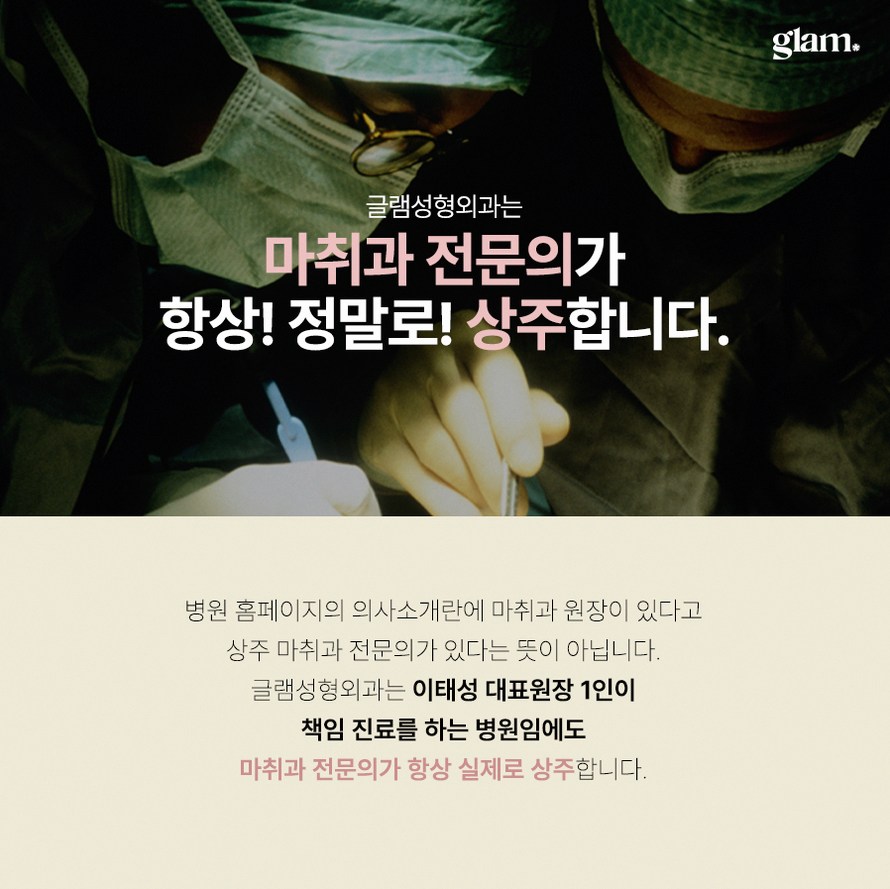
Because double jaw surgery is performed under general anesthesia, the presence of a dedicated anesthesiology specialist is important. Continuous monitoring and management of your airway, circulation, and depth of anesthesia contribute to safety during long operations.
Focused practice
Some clinics concentrate mainly on facial bone procedures such as double jaw surgery and facial contouring. This focused scope can support deeper specialization and more consistent protocols for planning, surgery, and aftercare.
Postoperative care and recovery support
Typical recovery timeline
Recovery speed varies by individual, but a general outline is:
First week
Swelling usually peaks within the first few days and then slowly begins to decrease. Bruising around the lower face and neck can occur.
Diet is limited to liquids and very soft foods. Speaking may be uncomfortable at first, and you may feel stiffness or numbness.
Weeks two to four
Swelling gradually reduces, and facial contours become more visible. Many patients can return to light daily activities or desk work within about two to three weeks, depending on their condition and job type.
Soft foods are usually continued, and chewing is still restricted.
One to three months
Most visible swelling improves significantly, though subtle puffiness may remain. Light exercise may be allowed after medical clearance.
Numbness around the lips or chin often improves slowly over several months, but can last longer in some cases.

Supportive care methods
To help with swelling and skin condition after facial bone surgery, some clinics offer supportive treatments such as:
LED therapy to promote circulation and healing
Facial dome treatments to support lymphatic drainage and reduce puffiness
Skin reset programs to care for skin that may be sensitive after surgery
Radiofrequency lifting devices to support skin tightening and contour as swelling subsides
These methods are adjunctive. They may help comfort and appearance during recovery, but bone healing still requires time, and they do not replace proper medical follow-up.
Your responsibilities during recovery
You will be asked to:
Take prescribed medications as directed
Maintain careful oral hygiene with rinses and gentle cleaning
Avoid smoking and excessive alcohol
Follow activity restrictions, including avoiding impact to the face
Attend scheduled follow-up visits and report any unusual symptoms
How overseas patients can prepare
Online consultation and pre-visit preparation
If you are considering double jaw surgery in Seoul, you can usually start with an online consultation. To make this efficient, prepare:
Front and side photos of your face in natural light
Photos of your bite from the front and both sides
Any previous X-rays or CT scans, if available
A brief summary of your main concerns, both functional and aesthetic
Information about any medical conditions, medications, or previous facial operations
Many clinics in the Gangnam area, including those near Sinsa Station, offer multilingual support. GLAM Plastic Surgery, for example, provides assistance in English, Japanese, and Thai for international patients.
Expected Korea visit timeline
Every plan is individual, but a common pattern for overseas patients is:
First visit and final evaluation
Arrive a few days before the planned surgery date.
Undergo full in-person examination, imaging, and final planning.
Discuss the method in detail, including whether intermaxillary fixation will be used and the expected recovery schedule.
Surgery and early recovery
Stay in Korea for at least two to three weeks after surgery, depending on your condition and travel distance.
Attend early follow-up visits for wound checks, plate stability assessment, and guidance on diet and oral care.
Medium-term follow-up
Some follow-up can be done online with photos and, when needed, local imaging in your home country. However, if possible, a return visit several months later can be helpful for full assessment.
How to choose a method and a clinic
Practical points to discuss in consultation
When comparing clinics and methods, consider asking:
How many double jaw cases does the main surgeon perform regularly
Whether the clinic focuses on facial bone surgery or offers a very wide range of unrelated procedures
Whether a board-certified anesthesiologist is present throughout the operation
Who will plan and perform the key steps of your surgery, and whether the representative surgeon is directly involved
Whether intermaxillary fixation will be used, and if so, for how long
What the plan is for tooth alignment before and after surgery in your specific case
What functional changes you can realistically expect in terms of bite and chewing
What the approximate recovery timeline is for returning to work or school
Looking beyond cost alone
When planning treatment abroad, it is natural to compare fees. However, for double jaw surgery, it is important to also compare:
Experience and focus of the surgical team
Quality of imaging and planning systems
Presence of in-house anesthesia specialists
Postoperative care programs and support for international patients
A balanced decision considers safety, communication, and long-term function, not only appearance or cost.
Common questions about double jaw surgery methods
Is double jaw surgery always done with the same method
No. There are several techniques and variations, and the method is tailored to each patient. The surgeon chooses the type of upper and lower jaw cuts, the amount and direction of movement, and whether to use intermaxillary fixation based on your skeletal pattern, bite, airway, and goals.
Can double jaw surgery be done without wiring the jaws shut
In many modern cases, yes. When stable internal fixation and precise planning are used, the surgeon may avoid rigid wiring and instead use plates, screws, and light elastics. This can make early recovery more comfortable. However, in complex or very unstable cases, temporary intermaxillary fixation may still be recommended for safety.
In what situations can pre-surgical tooth alignment be reduced or skipped
If your arches are relatively well aligned and the main issue is jaw position, pre-surgical alignment may be shortened or minimized. In contrast, when there is significant crowding, rotation, or complex bite problems, pre-surgical alignment is usually necessary to achieve a stable result. This decision must be made after full imaging and bite analysis, and is not a universal shortcut.

How long do swelling and numbness usually last
Swelling typically peaks within a few days and improves significantly over two to four weeks, with finer contour changes continuing for several months. Numbness around the lips or chin is common and often improves gradually over several months. In some cases, a degree of altered sensation can persist longer, and this possibility should be discussed with your surgeon.
What are the main risks and possible complications
As with any major bone surgery, risks include bleeding, infection, delayed bone healing, nerve injury leading to altered sensation, bite relapse, and jaw joint discomfort. There can also be issues such as prolonged swelling, asymmetry, or dissatisfaction with appearance. A thorough consultation should cover these possibilities and how the team monitors and manages them.
How do surgeons prevent the nose from becoming wider or flatter
When the upper jaw is moved, the base of the nose can be affected. To minimize unwanted changes, surgeons use careful dissection, controlled bone movements, and specific suturing techniques around the nasal base. In some cases, additional minor nasal adjustments may be discussed if needed for balance.
Soft call to action
If you are an overseas patient considering double jaw surgery in Seoul and would like to understand which method might suit your case, you can start with an online consultation. Sharing your photos, imaging, and concerns allows the team at GLAM Plastic Surgery or another specialized center in the Gangnam and Sinsa Station area to give you more personalized guidance on planning, method options, and a realistic treatment schedule for your visit to Korea.




- 공유 링크 만들기
- X
- 이메일
- 기타 앱


댓글
댓글 쓰기