Sagging After Facial Contouring: When Revision Contouring Surgery Is Needed
- 공유 링크 만들기
- X
- 이메일
- 기타 앱
Direct answer: Yes — in many cases sagging after facial contouring can be improved with non-surgical treatments, and when sagging results from bone loss or contour irregularities, revision bone surgery may be needed. This guide explains why sagging can occur after facial contouring, what non-surgical options can and cannot achieve, and when revision bone surgery is indicated.
Sagging or an aged look after facial contouring is a common concern, especially after cheekbone reduction, jaw angle reduction, or V-line surgery. In many cases, mild sagging can be managed with non-surgical lifting or skin treatments. However, when the problem comes from the bone structure itself – such as excessive reduction, uneven cuts, or loss of support – revision facial contouring surgery may be considered.
What does sagging after facial contouring really mean?
Sagging after facial contouring usually describes changes like droopy cheeks, jowls along the jawline, or hollowed areas in the midface that appear or become more noticeable after surgery. Many patients say they feel they look older, more tired, or less defined than they expected.
It is important to distinguish this from normal postoperative swelling. In the first weeks to months after surgery, swelling can make the face look puffy, heavy, or even slightly droopy. This is part of the healing process and usually improves with time.
True sagging after facial contouring is a longer-term change. It appears once most of the swelling has gone down and the soft tissue has settled over the new bone shape. At this point, the underlying support from the bone and the quality of the skin and fat layers become clear.
This article focuses on revision facial contouring surgery for patients who already had bone contouring and are now worried about sagging or deformity. It is not a general guide to first-time contouring or simple skin tightening.
Main causes of sagging after facial contouring
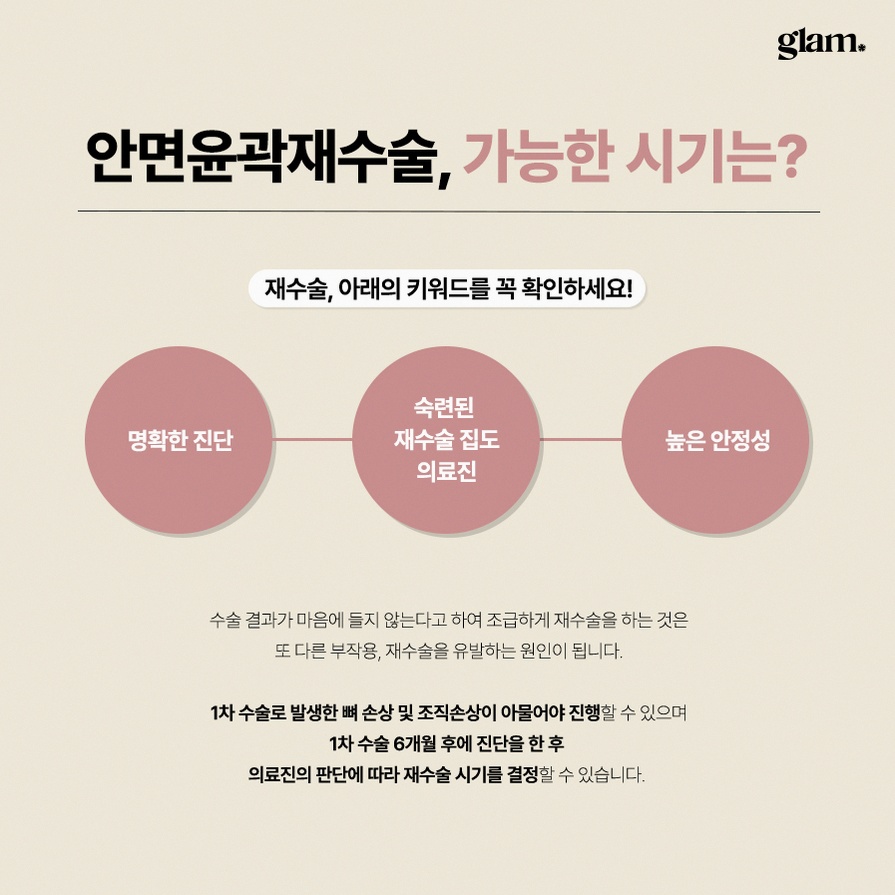
Excessive bone reduction
If too much cheekbone or jaw angle is removed, the underlying support for the soft tissue decreases. The skin, fat, and muscle that used to rest on a stronger bony frame now have less structure to sit on. As a result, cheeks can look flat or sunken, and tissue can slide downward, creating jowls.
This is especially noticeable in patients with naturally thinner skin or low facial fat. In these cases, even a moderate reduction can lead to a more aged or hollow appearance.
Unbalanced bone design
If the original facial contouring surgery removed more bone in one area than another, or if the cuts were asymmetrical, the face may settle in an uneven way. One side may appear more saggy, or the jawline may look lopsided.
Unbalanced design can also create visible or palpable step-offs where one bone segment does not line up smoothly with another. These irregularities can affect both appearance and how the soft tissue drapes over the bone.
Soft tissue and aging factors
Not all sagging after contouring is caused by bone problems. Natural aging continues after surgery. Skin loses elasticity, facial fat can shrink or move, and muscles may weaken over time.
If facial contouring is done on a face that already has some laxity, the change in bone support can make existing sagging more obvious. Weight loss after surgery can also reduce facial volume, making hollowness and drooping stand out more.
Surgical technique issues
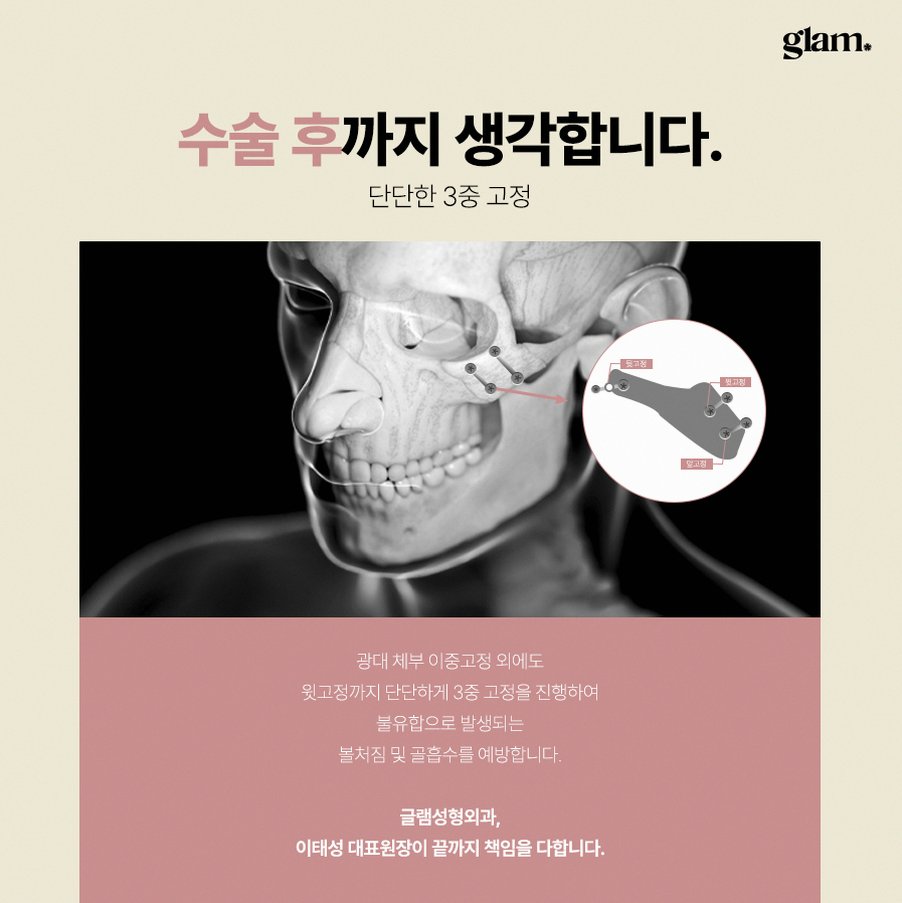
How the original surgery was performed also matters. Inadequate fixation of bone segments, unstable cuts, or poor handling of soft tissue can contribute to sagging.
For example, if cheekbone segments are not firmly fixed in a stable position, they may move slightly during healing, changing the support for the midface. If soft tissues are not properly reattached, they may not sit tightly against the bone.
Lifestyle and body changes
Significant weight loss, smoking, poor nutrition, and lack of sun protection can all affect skin quality and facial volume. These factors can make sagging more visible after contouring, even if the bone work itself was reasonable.
When is revision facial contouring actually considered?
Timing after the first surgery
The final contour and soft tissue settling after facial bone surgery take time. Swelling can last for several months, and subtle changes continue up to a year or longer.
For this reason, revision facial contouring is rarely discussed seriously before at least 6 to 12 months after the original operation, unless there is a clear complication such as infection, severe asymmetry, or functional problems like major bite issues.
Situations where revision may be appropriate
Revision may be considered in cases such as:
Severe or asymmetric sagging that does not improve with time and clearly affects daily confidence.
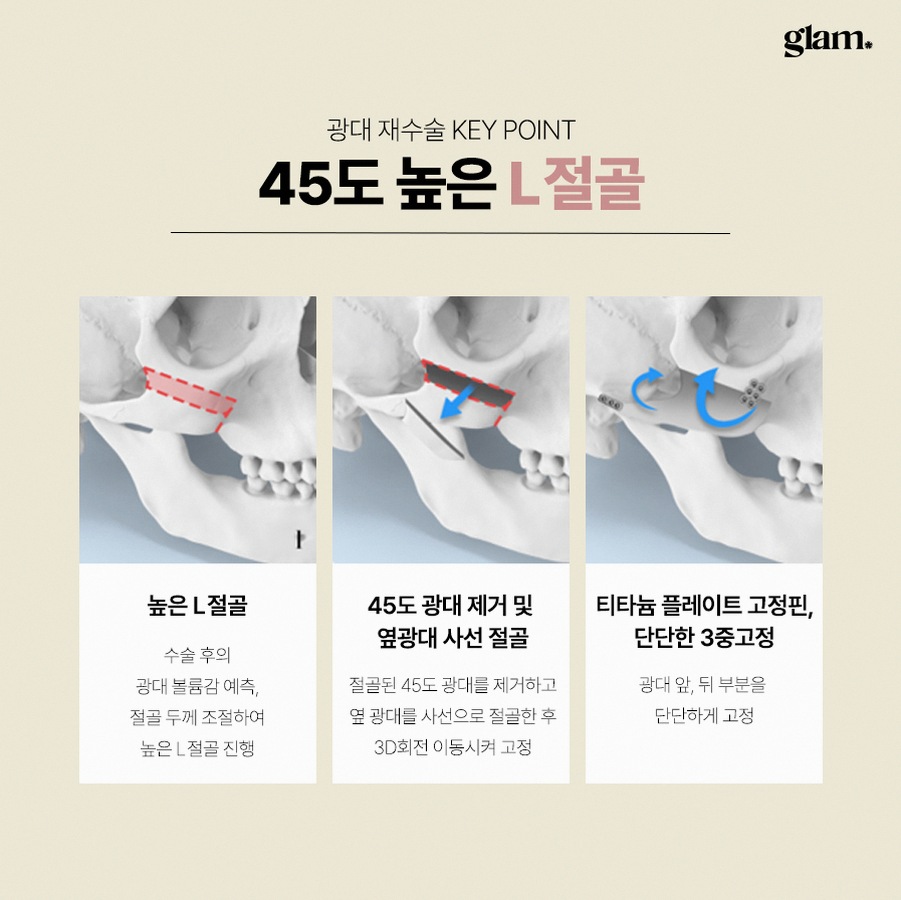
Obvious deformity or step-off at the bone edge that can be seen or felt, creating an unnatural contour.
Overly hollow cheeks or a sunken midface that suggest excessive bone reduction or loss of support.
Functional issues such as bite problems, jaw discomfort, or difficulty chewing combined with aesthetic concerns.
In these situations, a surgeon may evaluate whether adjusting the bone structure, adding support, or combining bone and soft tissue procedures could offer meaningful improvement.
Cases where revision may not be the best choice
Revision may not be appropriate or necessary when:
Sagging is very mild and can be improved with non-surgical lifting, skin tightening, or volume treatments.
The main issue is unrealistic expectations, such as wanting a perfectly smooth, edited jawline that is not achievable in real life.
The normal healing period is not yet complete. Deciding on revision too early can lead to unnecessary or overly aggressive surgery.
In these cases, a conservative approach with observation, non-surgical care, or gentle lifting procedures may be safer and more suitable.
Revision options: bone, soft tissue, or both
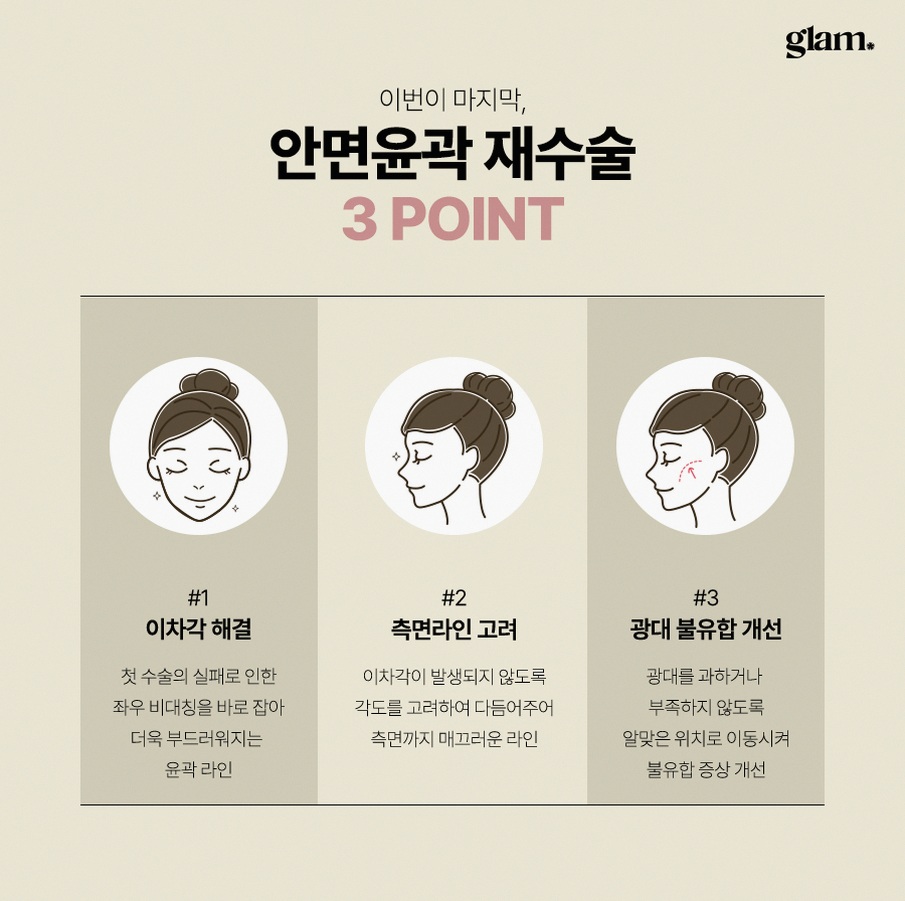
Revision is not always about further bone reduction. In many patients, the goal is to restore support, refine shape, or correct irregularities, not to make the face even smaller.
Bone-focused revision
Bone-focused revision may include:
Correcting over-reduced or irregular bone segments, for example by reshaping or repositioning parts of the cheekbone or jaw.
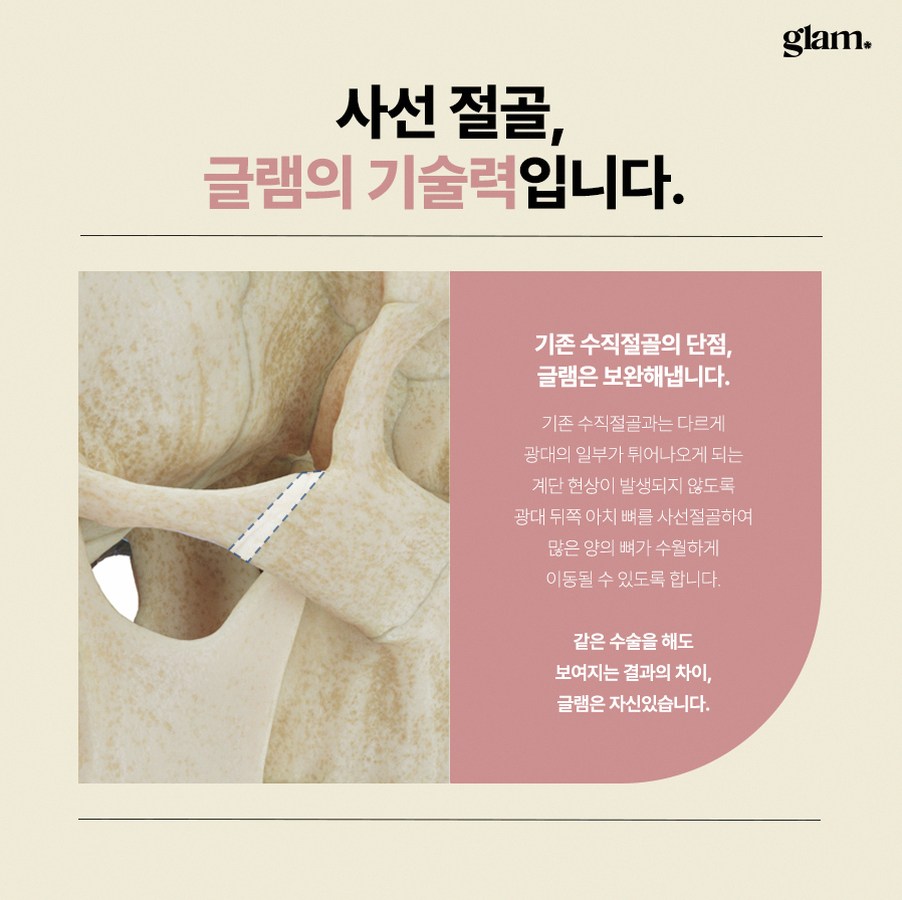
Repositioning cheekbone or jaw segments to improve support for the overlying soft tissue and restore a more balanced facial frame.
Smoothing step-offs or asymmetries from previous cuts to create a more continuous contour.
Because revision bone surgery works on areas that have already been operated on, it usually requires detailed imaging and careful planning.
Soft tissue and combined approaches
In some patients, the bone structure is acceptable, but the soft tissue has sagged or lost volume. In these cases, options may include:
Lifting procedures such as midface lift or lower face lift to reposition drooping tissue.
Fat grafting or other volume restoration techniques to fill hollow areas, especially in the cheeks or under the eyes.
Skin tightening treatments or radiofrequency (RF) lifting as supportive methods to improve skin quality and mild laxity.
Often, the best plan combines limited bone work with targeted soft tissue procedures. The exact combination depends on CT imaging, facial balance, age, skin elasticity, and previous surgical history.
How a facial bone–specialized clinic evaluates revision contouring cases
Detailed imaging and analysis
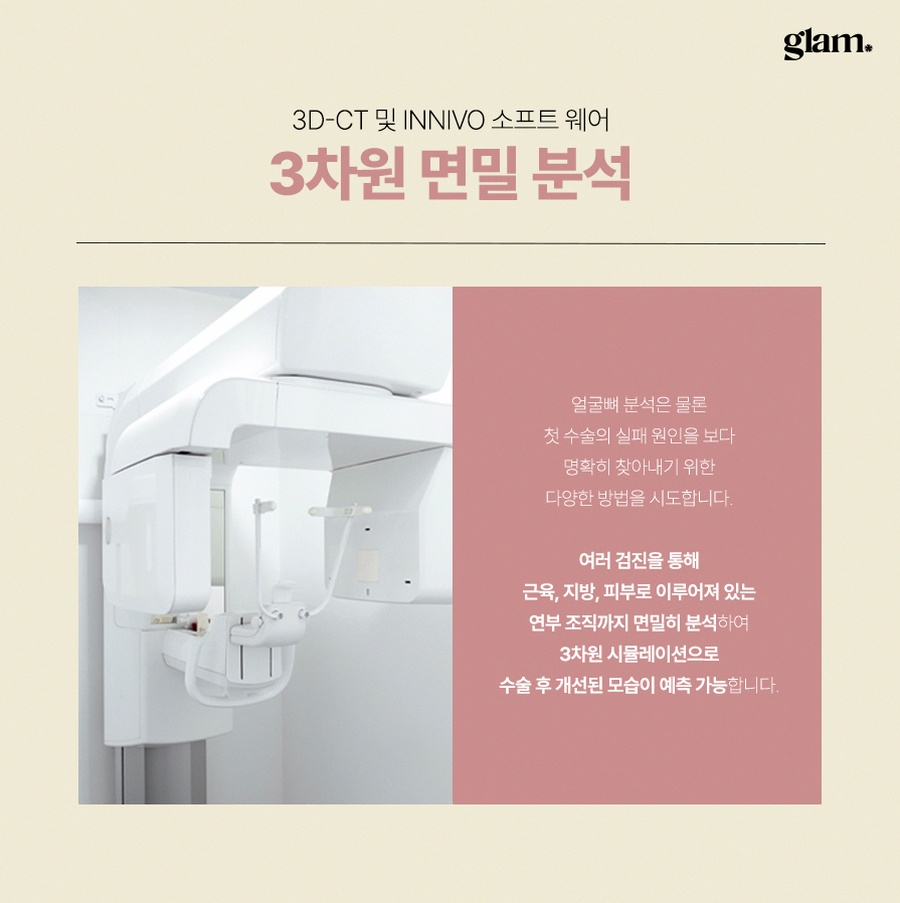
For revision cases, CT scans and X-rays are essential. They show how much bone was removed, where the cuts were made, how the segments were fixed, and whether there are irregularities or asymmetries.
Bite analysis and jaw function are also important, especially if the patient feels discomfort when chewing or notices that their teeth no longer fit together as before. Nerve status and areas of numbness are checked as well.
Focus on facial bone surgery only
A clinic that focuses only on double jaw and facial contouring, including revision cases, can concentrate its equipment, protocols, and staff training on facial bone safety and precision. This means the team is used to reading facial bone CTs, planning complex osteotomies, and managing the specific risks of these operations.
At GLAM Plastic Surgery in Sinsa, Gangnam, the lineup is limited to double jaw and facial contouring procedures, including revision. This single-focus approach is designed to keep attention on bone structure rather than a wide range of unrelated procedures.
Role of the lead surgeon and anesthesiologist
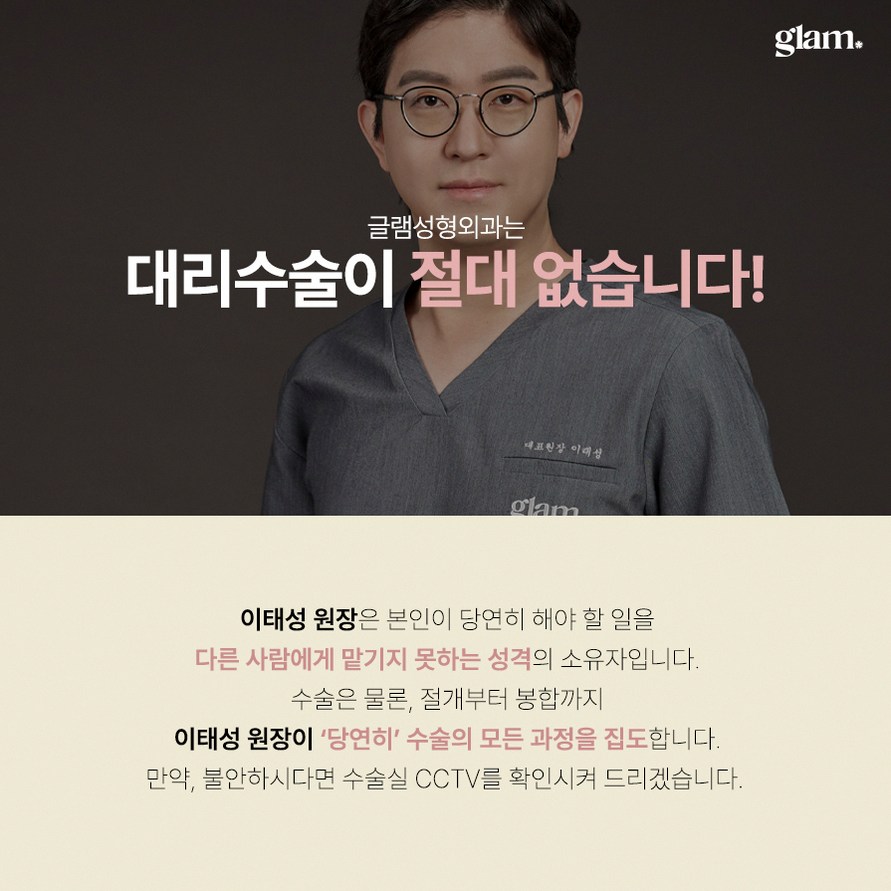
At a bone-specialized clinic, the lead plastic surgeon with long-term facial bone experience typically evaluates revision cases directly and performs the surgery personally. Academic work, such as SCI-level publications on jaw and contouring surgery, can be one sign that the surgeon is familiar with detailed anatomical and technical issues.
Revision facial contouring can be longer and more complex than first-time surgery. An anesthesiology and pain medicine specialist serves as the clinic's anesthesiology director and manages anesthesia.
Minimum necessary revision philosophy
Because revision surgery carries additional risks, many experienced surgeons follow a philosophy of recommending only the minimum necessary procedures. Sometimes, a limited correction or a soft tissue procedure is safer and more effective than trying to redo everything.
During consultation, you can expect a discussion not only about what is technically possible, but also about what is realistically safe and appropriate for your specific case.
What to expect from revision facial contouring for sagging
Realistic expectations
Revision facial contouring can often improve contour, symmetry, and sagging. It may restore some support to the cheeks, refine the jawline, or correct obvious irregularities.
However, it cannot completely erase all traces of previous surgery or fully reverse natural aging. Scars, subtle asymmetries, and individual healing patterns will always play a role.
Recovery and follow-up
Recovery after revision is usually similar to, or slightly longer than, first-time contouring. You can expect swelling and bruising, especially in the first one to two weeks. Most patients gradually return to daily activities over several weeks, but internal healing continues for months.
Regular follow-up is important to monitor bone healing, nerve status, and how the soft tissue adapts to the revised structure. For overseas patients, clinics often combine in-person visits during the stay in Korea with online follow-up after returning home.
Supportive postoperative care
Some clinics provide postoperative care programs to support recovery and skin quality. These may include LED therapy, facial dome care, total skin reset care, and RF lifting.
These treatments do not replace surgery, but they can help with swelling reduction, skin texture, and mild laxity during the healing process. Your surgeon will usually recommend which options are suitable and when to start them.
Who may consider coming to Korea for revision facial contouring
Patients who had facial contouring elsewhere
Many overseas patients come to Korea after having cheekbone reduction, jaw angle reduction, or V-line surgery in another country. They may feel that the result is too flat, too small, uneven, or aged-looking.
If you have your previous medical records and imaging, bringing or sending them in advance can be very helpful. However, even without full records, new CT scans in Korea can show the current bone situation.
Patients with long-standing dissatisfaction
If it has been more than a year since your original surgery and you still feel bothered by sagging, hollowness, or deformity, a second-opinion consultation can help clarify whether revision bone work, soft tissue procedures, or non-surgical care is more suitable.
Patients who prefer a bone-focused clinic
Some patients specifically look for a clinic that deals only with facial bone surgery. For them, the narrow focus on double jaw and contouring, including revision cases, can be reassuring.
GLAM Plastic Surgery, located on Dosan-daero in Sinsa, Gangnam, about 200 meters from Sinsa Station Exit 1 in Seoul, is one example of a clinic that limits its practice to facial bone procedures.
Online consultation and pre-visit preparation for overseas patients
Initial online consultation
Most overseas patients start with an online consultation. You can usually contact the clinic through multilingual channels in English, Japanese, or Thai.
To make the consultation more accurate, prepare the following:
Clear front, 45-degree, and side-view photos of your face in good lighting.
Information about your previous surgery: what was done, when, and where.
Any CT or X-ray images and reports you may have.
A short description of what bothers you most now: sagging, asymmetry, hollowness, bite issues, numbness, or other concerns.
Questions to ask before you decide
Before you commit to traveling, consider asking:
Whether the surgeon feels bone revision is truly needed, or if soft tissue or non-surgical options might be enough.
What kind of imaging and tests will be done in Korea.
How long you should stay in Seoul for surgery and early recovery.
What kind of anesthesia will be used and who manages it.
What aftercare is available during your stay and what follow-up is possible once you return home.
Expected visit timeline for revision facial contouring in Korea
Preoperative visit
Once you arrive in Seoul, you will usually have an in-person consultation and detailed imaging, including CT scans. The surgeon will examine your face, review your bite, nerve status, and soft tissue condition, and compare this with your concerns.
This is the time to confirm the surgical plan, discuss risks and limitations, and review consent forms. Blood tests and general health checks may also be done.
Surgery day
Revision facial contouring is typically performed under general anesthesia, supervised by an anesthesiologist. The duration depends on the complexity of the case and whether additional soft tissue procedures are combined.
After surgery, you will stay in a recovery area until you are stable. Some patients may stay overnight for monitoring, depending on the clinic’s protocol and the extent of surgery.
First week in Seoul
The first week is focused on pain control, swelling management, and early wound care. You will have follow-up visits to check incisions, remove or change dressings, and monitor for any early complications.
Soft foods and careful oral hygiene are usually recommended. You may receive supportive treatments such as LED therapy or facial dome care if included in the clinic’s program.
Second week and beyond
Many overseas patients stay in Korea for about 10 to 14 days after surgery, depending on the procedure and the surgeon’s advice. During this period, swelling gradually decreases, and you may start to feel more comfortable going outside.
Before you leave, the clinic will provide instructions for continued care at home and arrange online follow-up appointments.
Aftercare once you return home
Self-care and monitoring
Back home, you will need to continue gentle care according to your surgeon’s instructions. This may include:
Maintaining good oral hygiene if incisions were made inside the mouth.
Avoiding hard chewing or heavy exercise for a certain period.
Sleeping with your head slightly elevated in the early weeks to reduce swelling.
Watching for signs of infection or unusual pain and contacting the clinic if anything seems concerning.
Online follow-up
Many clinics offer video or photo-based follow-up at set intervals, such as one month, three months, six months, and one year after surgery. These follow-ups allow the surgeon to monitor healing and answer questions.
If you plan to have non-surgical treatments such as RF lifting or skin tightening in your home country, it is wise to ask your surgeon when it is safe to start and what types are suitable after bone surgery.
Frequently asked questions
How long should I wait before considering revision facial contouring for sagging?
In general, it is recommended to wait at least 6 to 12 months after your original facial contouring surgery before seriously considering revision. This allows swelling to resolve and soft tissue to settle over the new bone shape. In some cases of clear complications, earlier evaluation may be needed, but even then, surgeons often prefer to wait for a safer timing unless urgent correction is required.

Can sagging after facial contouring be fixed without surgery?
Mild sagging or early laxity can sometimes be improved with non-surgical treatments such as RF lifting, ultrasound-based tightening, or skin care programs. Volume restoration with fat grafting or other fillers may help with hollowness. However, if the main problem is loss of bone support due to excessive reduction or irregular cuts, non-surgical methods have limits. In those cases, they can support the result but may not fully correct the underlying issue.
Is revision facial contouring more risky than the first surgery?
Revision surgery usually carries higher complexity than first-time contouring because the anatomy has already been changed, there may be scar tissue, and nerves and blood vessels may be closer to the surface. This does not mean it is unsafe in all cases, but it does require careful planning, detailed imaging, and an experienced facial bone surgeon. A conservative approach that focuses on the minimum necessary correction can help manage risk.
Will revision contouring make my face even smaller, or can it restore volume?
Revision does not always mean making the face smaller. In many sagging or hollow cases, the goal is to restore support and balance, not to reduce further. This may involve repositioning bone segments, smoothing irregularities, or combining bone work with volume restoration, such as fat grafting. During consultation, you can explain that you are worried about an overly small or aged look so the plan can be adjusted accordingly.
What tests or scans are needed before planning revision surgery?
For revision facial contouring, CT scans of the facial bones are essential. They show the current shape, the location of previous cuts, the position of fixation plates or screws, and any irregularities. Standard facial photos, bite analysis, and a physical examination are also important. If you have old images or operation records, sharing them can help your surgeon understand what was done previously.
Soft call to action
If you are worried about sagging or an aged look after previous facial contouring and are considering a second opinion in Sinsa, Gangnam, you can explore an online consultation with a facial bone–focused clinic such as GLAM Plastic Surgery. By sharing your photos, history, and concerns in advance, you can receive a more personalized assessment of whether revision bone surgery, soft tissue procedures, or non-surgical care would be the most appropriate next step for you.




- 공유 링크 만들기
- X
- 이메일
- 기타 앱


댓글
댓글 쓰기