Revisional Zygoma Reduction Surgery in Seoul for Overseas Patients
- 공유 링크 만들기
- X
- 이메일
- 기타 앱
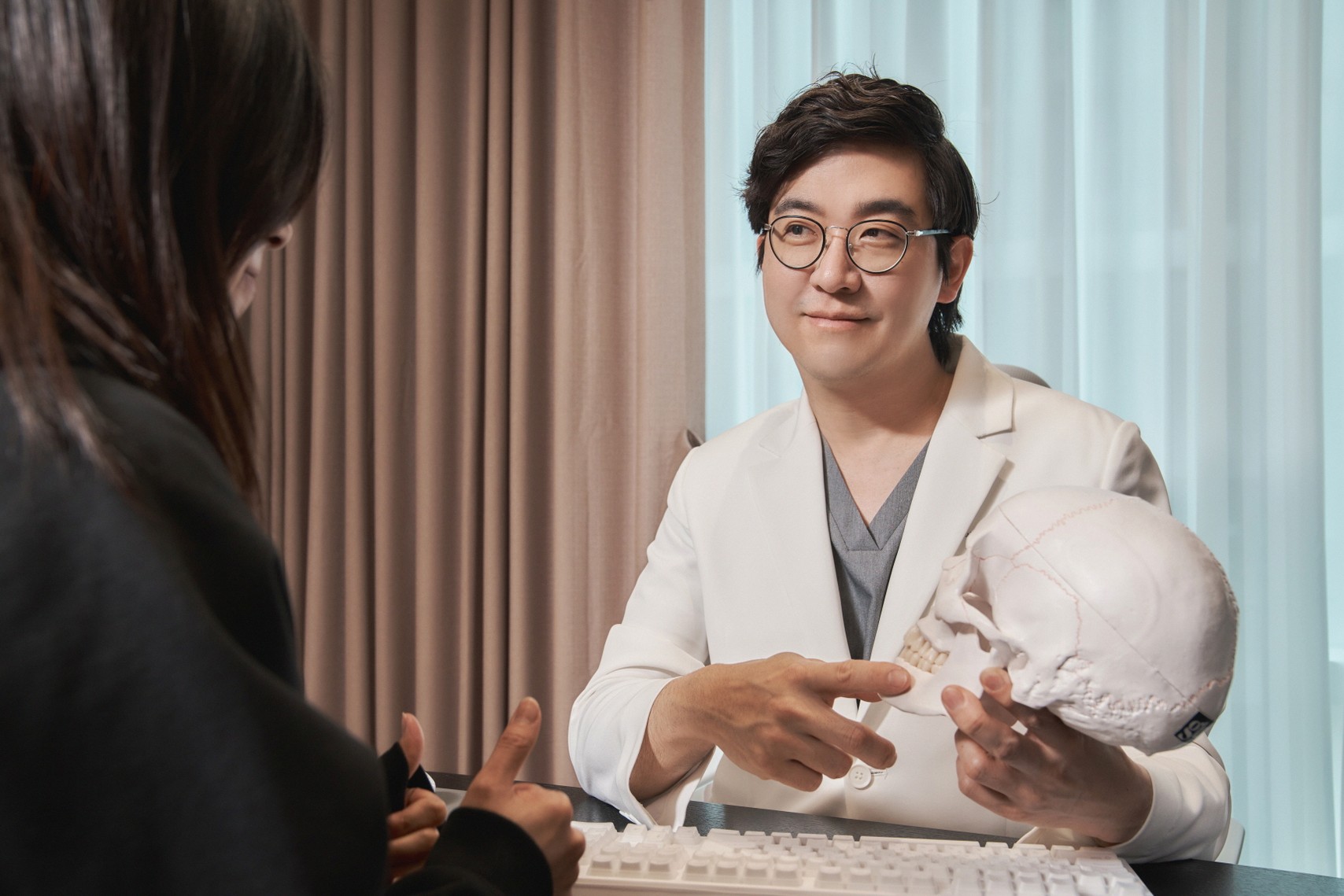
Direct answer summary
Revisional zygoma reduction surgery is a second cheekbone operation performed to correct problems that remain after a first zygoma reduction. It can address asymmetry, a face that still looks too wide or has become too flat, step deformities along the cheekbone, sagging of the midface, or functional issues such as discomfort when chewing or numbness. Because the bone and soft tissue have already been operated on once, revision is more complex and should be planned carefully with detailed imaging, realistic goals, and a conservative approach.
This guide explains what revisional zygoma reduction involves, who may consider it, how to prepare for an online consultation, what a typical treatment trip to Korea looks like, and what kind of aftercare and safety systems you can expect at a facial bone–focused clinic near Sinsa Station in Gangnam.
Overview of revisional zygoma reduction surgery
Revisional zygoma reduction surgery is a facial contouring procedure focused on correcting the results of a previous cheekbone reduction. Instead of starting with untouched bone, the surgeon must work with existing bone cuts, plates and screws, and scar tissue.
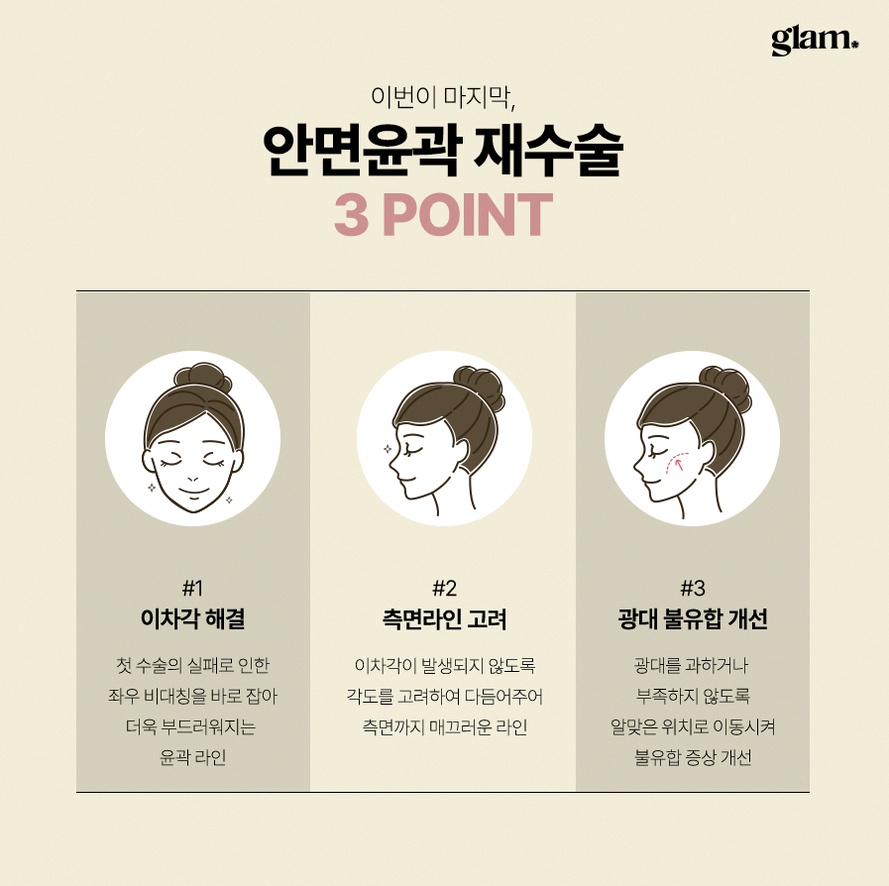
Common reasons people seek zygoma revision include persistent or new facial asymmetry, cheekbones that still look too wide from the front or 45 degree angle, or the opposite problem of over reduction, where the midface looks sunken, older, or too flat. Some patients notice a visible step or bump along the zygomatic arch, or feel that the curve of the cheekbone looks broken rather than smooth.
Others experience sagging of the midface soft tissue after the first surgery, which can create a tired or aged appearance, or functional issues such as discomfort when chewing, clicking sensations, or numbness in the cheek area. In these situations, a carefully planned revision may improve both appearance and comfort.
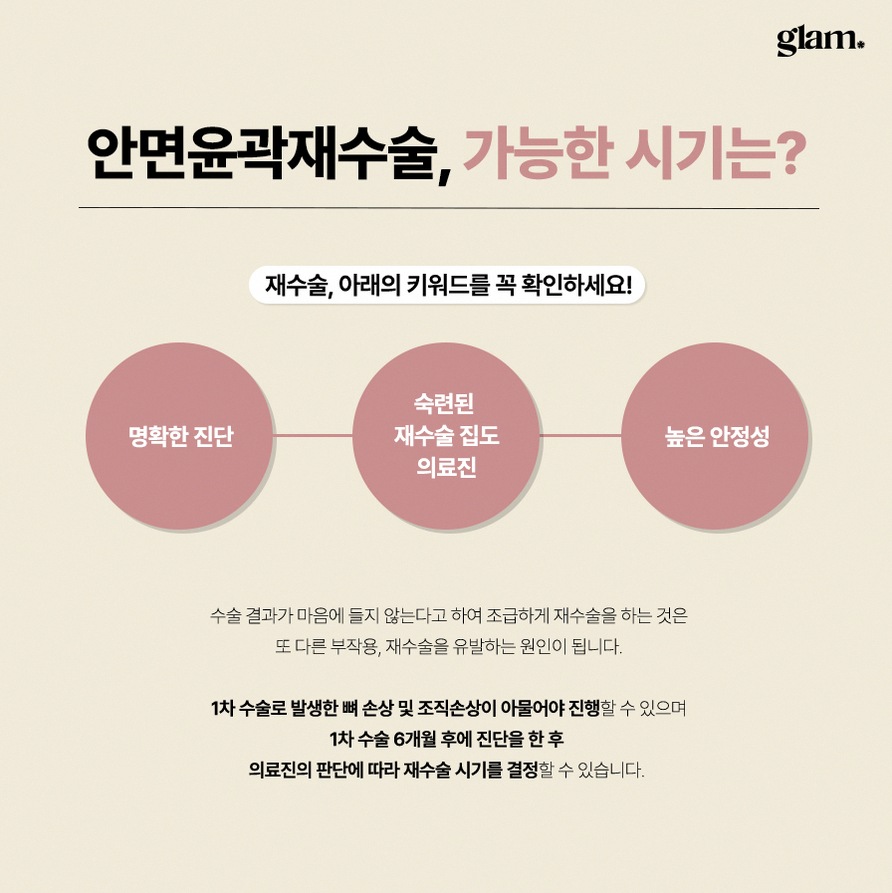
Because the anatomy has already been changed, revision surgery is usually more technically demanding than a first time zygoma reduction. The surgeon must understand exactly how the bone was cut and fixed before, how it healed, and how the soft tissue has adapted. This is why detailed imaging and a surgeon who focuses on facial bone work are especially important.
Who may consider revisional zygoma reduction
Not everyone who is unhappy after cheekbone surgery is a good candidate for revision. A thoughtful evaluation is needed to see whether surgery can realistically improve the situation.
You may be a candidate if you had cheekbone reduction at least several months to a year ago and still have clear, stable problems. Swelling and tissue adaptation take time, so revision is usually not recommended too early unless there is a serious complication.
Imaging such as CT or X ray can show issues like malpositioned bone segments, nonunion where the bone did not fully join, or excessive resection where too much bone was removed. When these structural problems match what you see in the mirror and what you feel, revision may be considered.
Your expectations also matter. Revision surgery can often improve asymmetry, contour irregularities, or width and projection, but it cannot usually return the face to a completely untouched state. Small differences between the two sides of the face are normal even without surgery, and perfect symmetry is not a realistic goal.
There are also situations where revision may not be advisable or must be approached with extra caution. If you have unstable general health or uncontrolled medical conditions, the risks of another operation may be too high. If your main difficulty is psychological distress without clear structural problems, or if you have very unrealistic expectations, surgery may not solve the underlying issue.
Very thin soft tissue can also limit what revision can safely achieve. Further bone reduction under already thin skin and soft tissue can make the face look hollow or gaunt. In such cases, the surgeon may suggest alternative approaches such as adding volume rather than removing more bone.
Diagnostic and planning process for revision cases
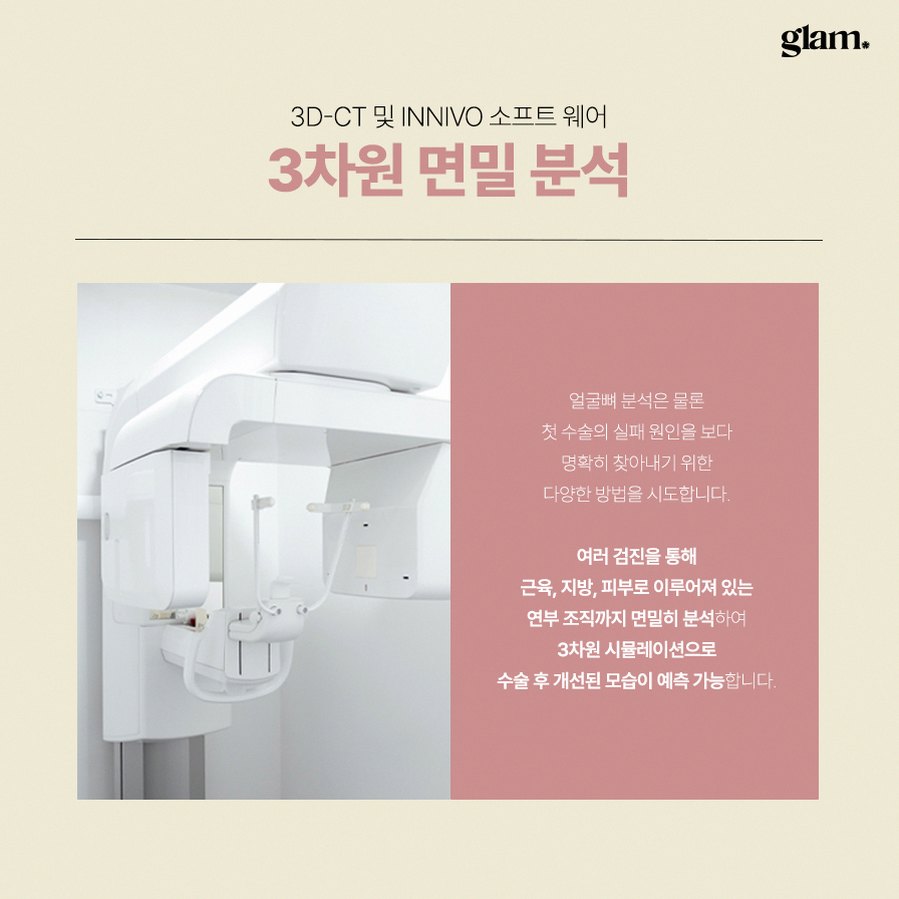
For revisional zygoma reduction, the diagnostic and planning stage is just as important as the operation itself. A facial bone–specialized clinic will usually begin with a detailed consultation and imaging.
A 3D CT scan is a key tool. It allows the surgeon to see the previous osteotomy lines, how much bone remains, the position of the zygomatic body and arch, and the location of plates and screws. The scan also helps identify any nonunion, malunion, or irregular bony steps that may not be obvious from the outside.
Clinical examination includes assessing facial symmetry from multiple angles, including the front, 45 degrees, and profile. The surgeon will look at how the cheekbone shape interacts with the rest of the face, such as the jawline and midface volume.
Evaluation of your bite, jaw joint symptoms, and nerve function is also important. Some patients have clicking, discomfort when chewing, or areas of numbness around the cheeks and upper lip. These findings help the surgeon understand how the previous surgery affected function as well as appearance.
Another key step is distinguishing between problems caused mainly by bone position and those caused mainly by soft tissue sagging. For example, if the cheekbone is in a reasonable position but the overlying tissue has dropped, a lifting approach may be more helpful than aggressive bone work. In other cases, the bone itself needs to be repositioned or reshaped.
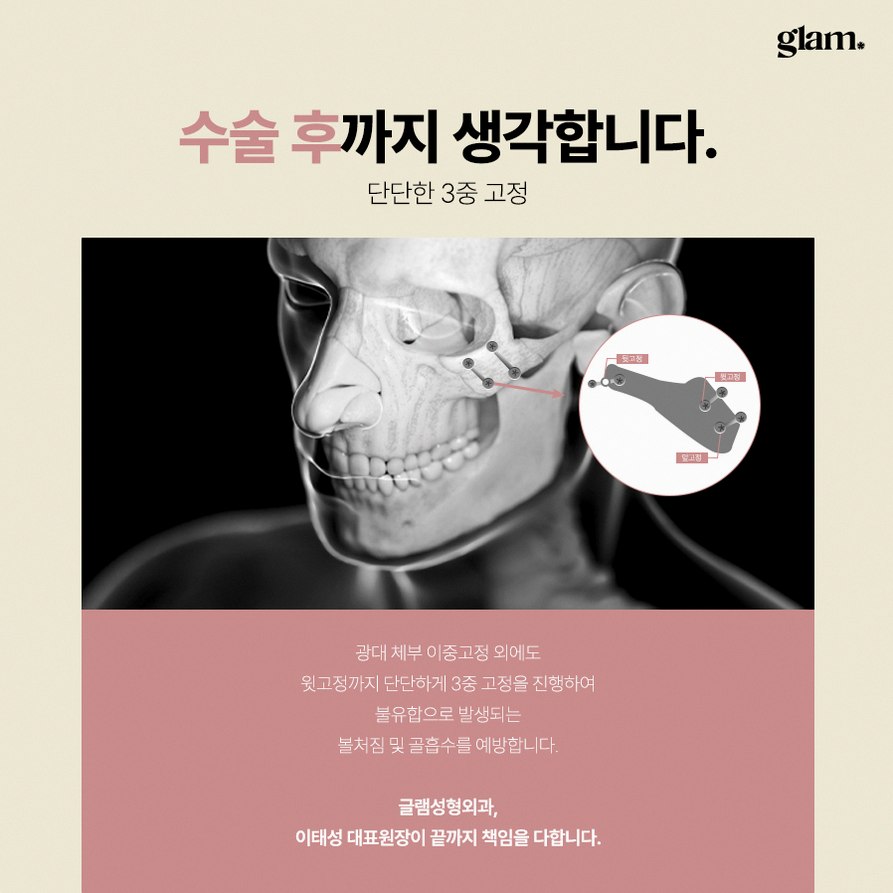
Based on this analysis, the surgeon decides whether to reposition existing cheekbone segments, add volume using bone grafts, implants, or fat if excessive bone was removed, smooth irregularities and step deformities, or combine bone correction with soft tissue lifting. The clinic's usual practice is for the lead plastic surgeon, who specializes in facial bone surgery, to perform the diagnostic review and to lead surgical planning and the operation where appropriate.
Surgical approaches in revisional zygoma reduction
The specific surgical plan for zygoma revision depends on your current anatomy and concerns, but there are common approaches that are often used.
Access to the cheekbone is usually through intraoral incisions inside the mouth and or small incisions near the temples or sideburn area. When possible, previous incision lines are reused to avoid adding new visible scars.
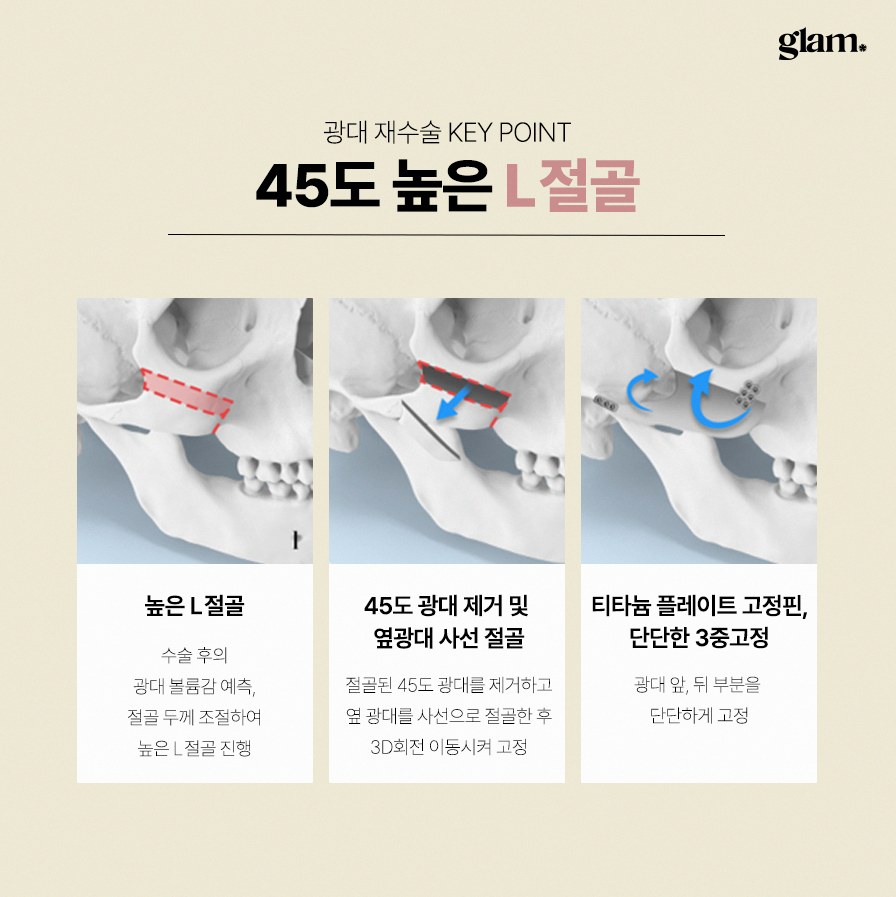
If old plates and screws are in an unfavorable position, causing discomfort, or blocking the desired new bone position, they may be removed or adjusted. In some cases, the previous bone cuts are not in an ideal location for your current goals, so the surgeon may perform a re osteotomy, meaning the bone is cut again in a more suitable line.
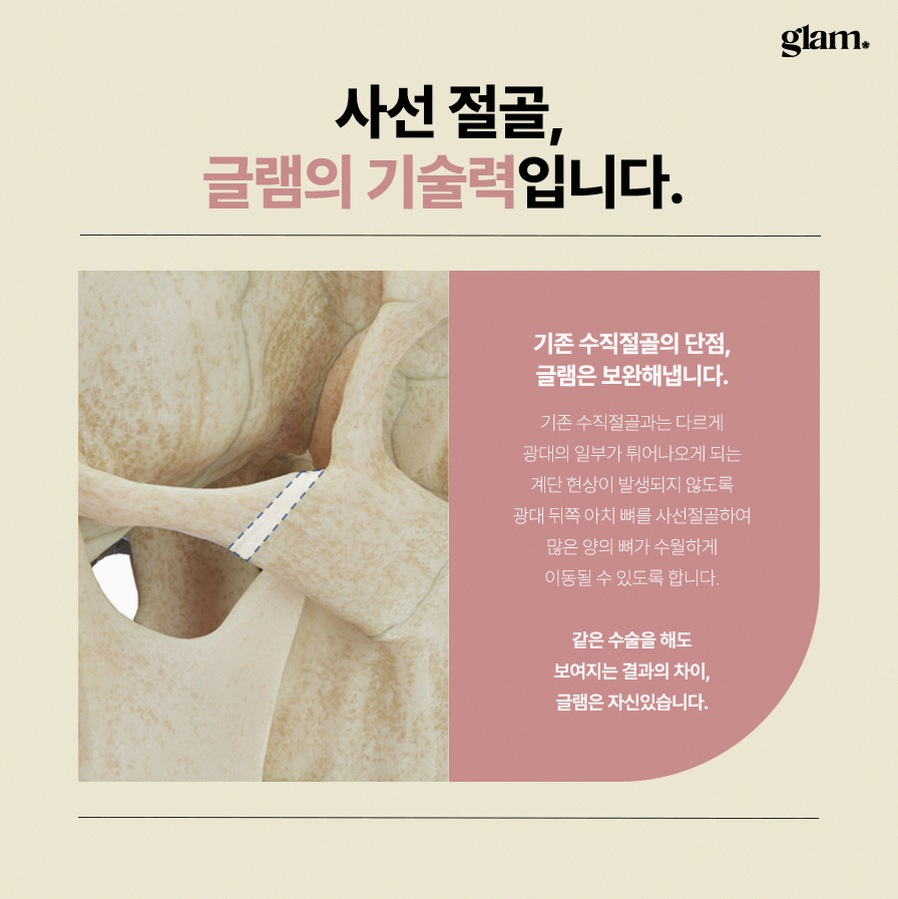
The zygomatic body and arch can then be repositioned to restore better facial width and projection. For someone whose face still looks too wide, the goal may be to move the cheekbone slightly inward and backward in a controlled way. For someone who looks too flat or sunken, the goal may be to restore some projection and curvature.
Bony steps and irregularities are carefully smoothed to create a more natural contour from the front and oblique views. Once the desired position is achieved, the bone segments are fixed with new plates and screws in a stable and more aesthetic position.
Sometimes, zygoma revision is combined with other contouring revisions such as jaw angle or chin work, particularly when the overall facial balance needs adjustment. However, in revision cases, many patients and surgeons prefer to limit the scope to what is truly necessary, to reduce risk in already operated areas.
Risks, limitations, and realistic expectations
Every surgery has risks, and revision facial bone surgery carries additional considerations because of previous operations. It is important to understand these before deciding.
Revisional zygoma reduction cannot usually recreate the exact appearance of your face before any surgery. The goal is improvement, not perfection. Some degree of asymmetry is normal, and small irregularities may remain even after careful revision.
Possible risks include worsening or new asymmetry if healing does not occur exactly as planned, or if scar tissue pulls tissues unevenly. Nerve injury can lead to temporary numbness in the cheek or upper lip area, and in rare cases this may be long lasting.
Nonunion or malunion of bone segments can occur, especially in areas that have already been cut and fixed once before. Infection or hardware related issues, such as irritation from plates or screws, are also possible, though precautions are taken to reduce these risks.
Soft tissue sagging may persist even after the bone is corrected, particularly if the skin and underlying tissues have lost elasticity or have been stretched. In some cases, additional soft tissue procedures may be needed later.
At this facial bone–specialized clinic, the philosophy is to recommend only the minimum necessary procedure to address your main problems. This conservative approach is especially important in revision cases, where over treatment can increase the chance of complications without guaranteeing a better result.
Recovery and aftercare after zygoma revision
Recovery after revisional zygoma reduction is similar to primary cheekbone surgery, but swelling and healing can sometimes take a bit longer because of scar tissue and repeated dissection.
Initial swelling and bruising are usually most noticeable during the first one to two weeks. During this time, you may feel tightness, mild discomfort, and some numbness. Cold compresses and head elevation can help.
Most major swelling tends to settle over about one month, allowing you to return to everyday social activities with makeup and hairstyle adjustments. However, the contour continues to refine over three to six months, and in some cases even longer, as tissues soften and adapt to the new bone position.
If intraoral incisions are used, oral hygiene is very important. You will usually be advised to rinse with a prescribed mouthwash, avoid very hot or spicy foods at first, and choose softer foods during the early healing period. Good oral care helps reduce the risk of infection.
Sleeping posture and activity restrictions are also part of aftercare. Patients are often advised to sleep with the head elevated and avoid pressing on the cheeks, as well as to avoid strenuous exercise or impact sports until the bone is stable.
Regular follow up visits and, when needed, imaging are used to confirm that the bone is healing properly and that there are no issues with the fixation hardware. For overseas patients, some of these follow ups can be coordinated through online consultations with local imaging results.
This clinic also offers post surgery care programs to support comfort and swelling control, such as LED therapy, facial dome type treatments, skin reset total care, and radiofrequency lifting devices for skin tightening after the bone has stabilized. These are intended to help with swelling reduction, skin condition, and mild tightening, not to change bone structure.
Why choose a facial bone–focused clinic for revision
Revision facial contouring is a niche area that benefits from concentrated experience. This clinic in the Sinsa Station area of Gangnam focuses only on facial bone surgeries such as double jaw and contouring, rather than a wide range of general cosmetic procedures. This narrow focus allows the team to build deep experience with complex bone cases, including revisions.
As of February 2025, the lead plastic surgeon has 20 years of experience in facial bone surgery and has authored or co‑authored 13 SCI‑level papers, including 3 papers in Plastic and Reconstructive Surgery. This academic and clinical background indicates ongoing engagement with current techniques and outcomes, though it is not a guarantee of individual results.
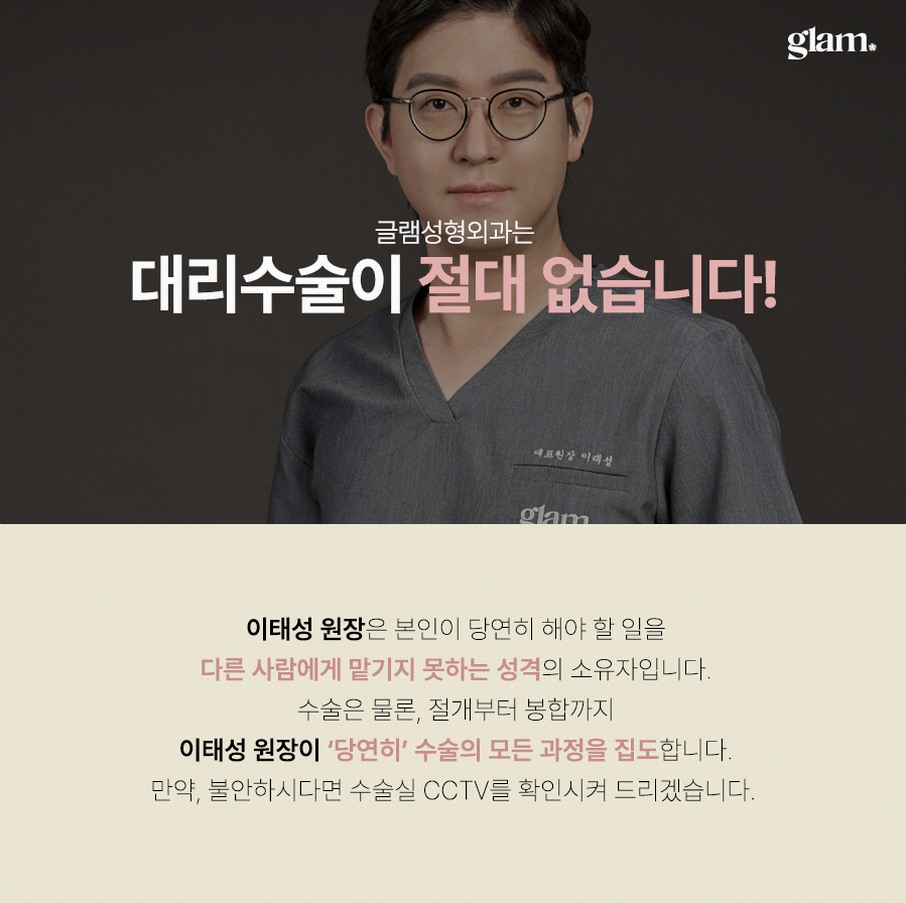
An important point for revision cases is that the lead surgeon operates directly, rather than delegating the main bone work to less experienced doctors. For patients who have already been through one surgery and may feel anxious about a second, knowing who will actually perform the operation can be reassuring.
A dedicated anesthesiologist is also part of the core team. Longer and more complex revision surgeries require careful anesthesia management, from preoperative evaluation to postoperative pain control. Having an anesthesiology specialist in charge supports both safety and comfort.
Safety and anesthesia for revision facial bone surgery
Revisional zygoma reduction is usually performed under general anesthesia. This allows the surgeon to work precisely and safely while you are fully asleep and pain free.
The role of a dedicated anesthesiology specialist begins before the day of surgery. During preoperative evaluation, your medical history, medications, allergies, and any previous anesthesia experiences are reviewed. This helps identify risk factors and plan a suitable anesthesia strategy.
During the operation, the anesthesiologist continuously monitors vital signs such as heart rate, blood pressure, oxygen levels, and depth of anesthesia. Adjustments are made as needed to keep you stable and comfortable throughout the procedure.
After surgery, the anesthesiologist contributes to pain control and management of common issues such as nausea. For overseas patients, clear communication about what to expect in the hours after surgery and during the first night is especially important, since you are recovering in a foreign country.
Online consultation and pre visit preparation
If you live outside Korea, your first step will usually be an online consultation. To make this as productive as possible, it helps to prepare certain information in advance.
If you have them, collect records from your previous cheekbone surgery, such as operative reports, pre and postoperative imaging, and any written explanations from your former clinic. Even partial information can be helpful.
Recent photos of your face from the front, 45 degree angles, and sides, taken in good lighting without heavy filters, allow the surgeon to see your current contour. Short video clips showing your expression and chewing can also be useful in some cases.
Write down your main concerns in order of priority. For example, you might list persistent asymmetry, a visible step on one side, or a feeling of hollowness. Being specific helps the surgeon understand what matters most to you.
Prepare a list of questions, such as what changes are realistically possible, what cannot be fully corrected, how long you would need to stay in Korea, and what follow up can be done after you return home. This experience based checklist approach helps you compare clinics based on more than just cost.
During the online consultation, the surgeon will usually review your photos and any available imaging, explain what they see, and suggest whether new CT imaging in Korea is needed before final planning. They may outline possible options, but the final plan is often confirmed after in person examination and imaging.
Expected Korea visit timeline for overseas patients
For revisional zygoma reduction, many overseas patients plan a stay in Seoul of around 10 to 14 days, though this can vary depending on individual healing and any combined procedures.
On arrival, you would typically have an in person consultation and 3D CT scan within the first one or two days. The surgeon then reviews the imaging with you, explains the current bone status, and confirms the surgical plan, including limitations and expected changes.
Surgery is often scheduled within a few days of imaging, allowing time for preoperative tests such as blood work and general health checks. On the day of surgery, you will meet both the surgeon and the anesthesiologist again to review the plan and anesthesia.
Most patients stay in a nearby hotel or guesthouse in Gangnam. The clinic is located on the 4th floor of a building on Dosan daero, about 200 meters on foot from exit 1 of Sinsa Station, which makes daily access for early follow ups convenient.
Postoperative checkups are usually held several times during your stay to monitor swelling, incision healing, and general condition. If stitches need to be removed, this is typically done within about a week, depending on the incision type.
Before you return home, the clinic can provide guidance on ongoing care, signs to watch for, and recommended timing for any imaging or follow up in your own country. Some follow up discussions can be done through online consultations, using photos or scans you arrange locally.
Aftercare and long term follow up
After you leave Korea, your healing will continue over several months. The clinic may schedule online follow ups at key points, such as one month, three months, and six months after surgery, to review your progress and answer questions.
You will be encouraged to maintain good general health, avoid smoking, and follow any activity restrictions that are still in place. If you plan other facial procedures in the future, it is important to inform any new doctor about your zygoma revision and share imaging when possible.
Supportive treatments such as radiofrequency lifting or skin care programs are usually started only after the bone has stabilized, which may be several months after surgery. These treatments are meant to help with skin quality and mild tightening, not to change the bone shape.
Frequently asked questions about revisional zygoma reduction
Can revisional zygoma surgery fix asymmetry from my first operation
In many cases, revisional zygoma reduction can improve asymmetry that remains after a first cheekbone surgery, especially when imaging shows that one side is positioned differently from the other. By re cutting and repositioning the bone, the surgeon may bring the two sides closer in shape and projection. However, perfect symmetry is rarely achievable, and some minor differences between sides usually remain. A detailed CT based assessment is essential to see how much improvement is realistically possible.
How long should I wait after my first cheekbone surgery before considering revision
Most surgeons recommend waiting at least several months to a year before planning revision, unless there is a serious complication that requires earlier intervention. Swelling, scar tissue maturation, and soft tissue adaptation can significantly change the appearance during the first year. If you are still clearly unhappy or have functional problems after this period, a consultation for revision may be appropriate. During that visit, the surgeon will consider both your healing stage and imaging findings before advising on timing.

Is revisional zygoma reduction more risky than the first surgery
Revision surgery is generally more complex than primary surgery because the anatomy has already been altered, there is scar tissue, and plates or screws may be present. These factors can increase the technical difficulty and may slightly increase certain risks, such as nerve irritation or irregular healing. Working with a facial bone–focused clinic, where the lead surgeon has extensive experience in contouring and revision, and where a dedicated anesthesiologist manages anesthesia, can help manage these risks. Even so, no surgery is risk free, and a careful discussion of benefits and limitations is important.
How long do I need to stay in Korea for zygoma revision, and can I travel alone
Many overseas patients stay in Seoul for about 10 to 14 days for revisional zygoma reduction, allowing time for imaging, surgery, and early follow ups. Some people travel with a companion for support during the first few days after surgery, which can be more comfortable. However, it is also possible to travel alone if you are prepared for basic self care and choose accommodation close to the clinic. The clinic near Sinsa Station offers multilingual support in English, Japanese, and Thai, and can guide you on what to prepare if you come by yourself.
Soft call to action for online consultation
If you are uncomfortable or dissatisfied after a previous cheekbone reduction and are considering revisional zygoma reduction in Seoul, an online consultation can be a safe first step. By sharing your history, photos, and any imaging you have, you can receive a professional opinion on whether revision may help, what changes are realistic, and how long you would need to stay in Korea.
This facial bone–specialized clinic near Sinsa Station in Gangnam provides multilingual support and uses detailed CT based analysis for revision planning. You can contact the clinic through its website, social media, or messaging channels to arrange an online consultation and discuss your individual situation before making any travel decisions.




- 공유 링크 만들기
- X
- 이메일
- 기타 앱


댓글
댓글 쓰기