Revision Square Jaw Reduction in Seoul: A Practical Guide for Your Second Surgery
- 공유 링크 만들기
- X
- 이메일
- 기타 앱
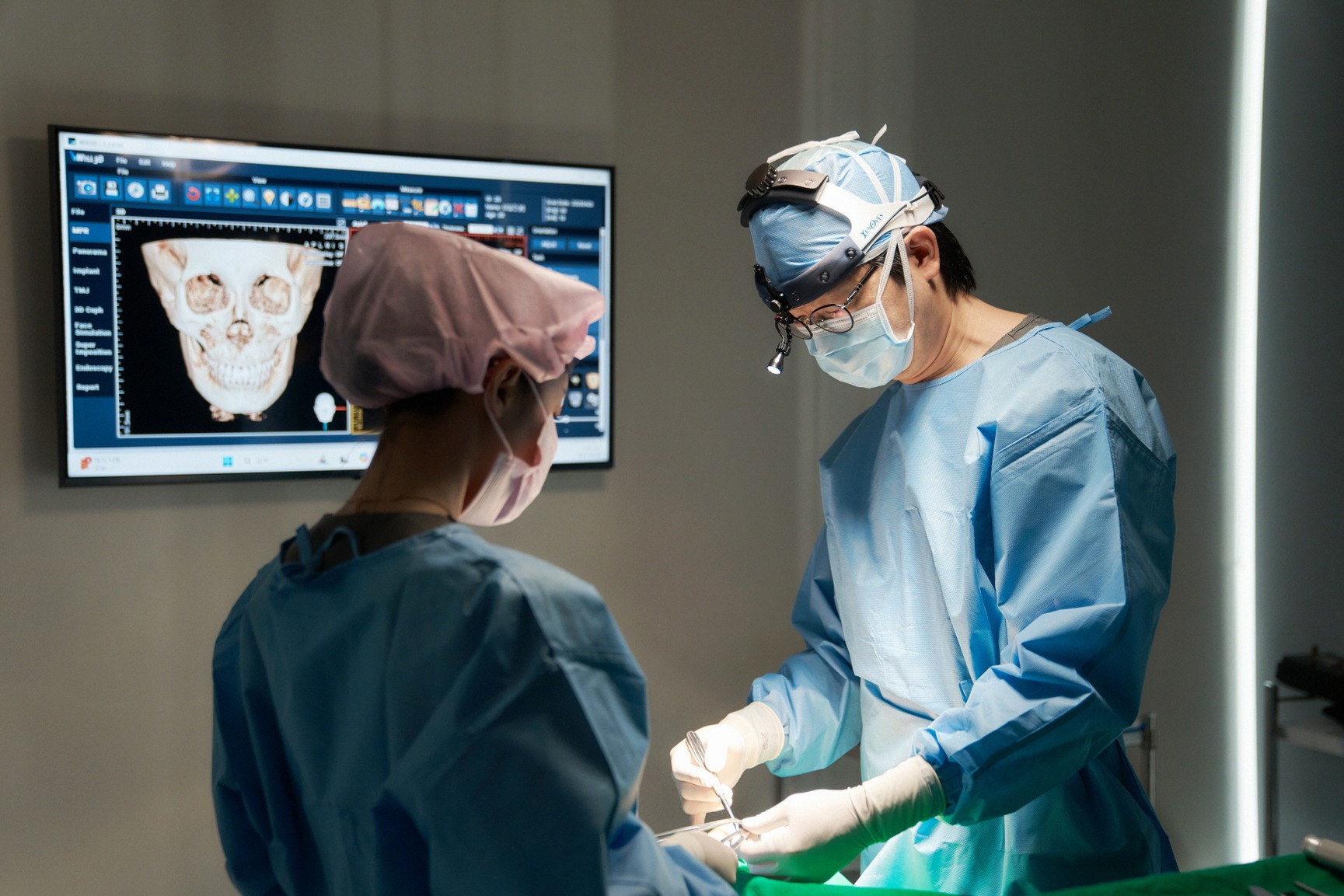
Direct answer summary
Revision square jaw reduction is a secondary facial bone contouring surgery performed after a previous square jaw or jawline reduction procedure, when the first operation has left remaining functional or aesthetic concerns. Because bone has already been cut once, revision surgery is more complex and must be planned conservatively, with safety and realistic improvement as the main priorities.
In Seoul’s Gangnam area, there are clinics that focus only on facial bone surgery, including revision square jaw reduction, rather than general cosmetic procedures. One such clinic on Dosan-daero near Sinsa Station offers this type of surgery with a plastic surgery specialist and a dedicated anesthesiology specialist, along with multilingual support for overseas patients.
Overview of square jaw reduction and revision
Square jaw reduction explained
Square jaw reduction is a facial bone contouring surgery that reshapes the back and lower border of the lower jaw. The goal is to reduce a wide or angular jawline and create a slimmer, softer lower face. During this procedure, the surgeon works directly on the mandibular angle and lower border of the jawbone, not on the skin or soft tissue.
This is fundamentally different from treatments such as injections, thread lifting, or skin tightening procedures. Those methods only affect soft tissue. Square jaw reduction changes the actual bone structure, which is why planning, imaging, and safety checks are so important.
What revision square jaw reduction means
Revision square jaw reduction is a second operation performed after a previous jaw contouring or square jaw surgery. It is considered when the first surgery did not fully achieve the desired shape, or when new problems appeared after healing.
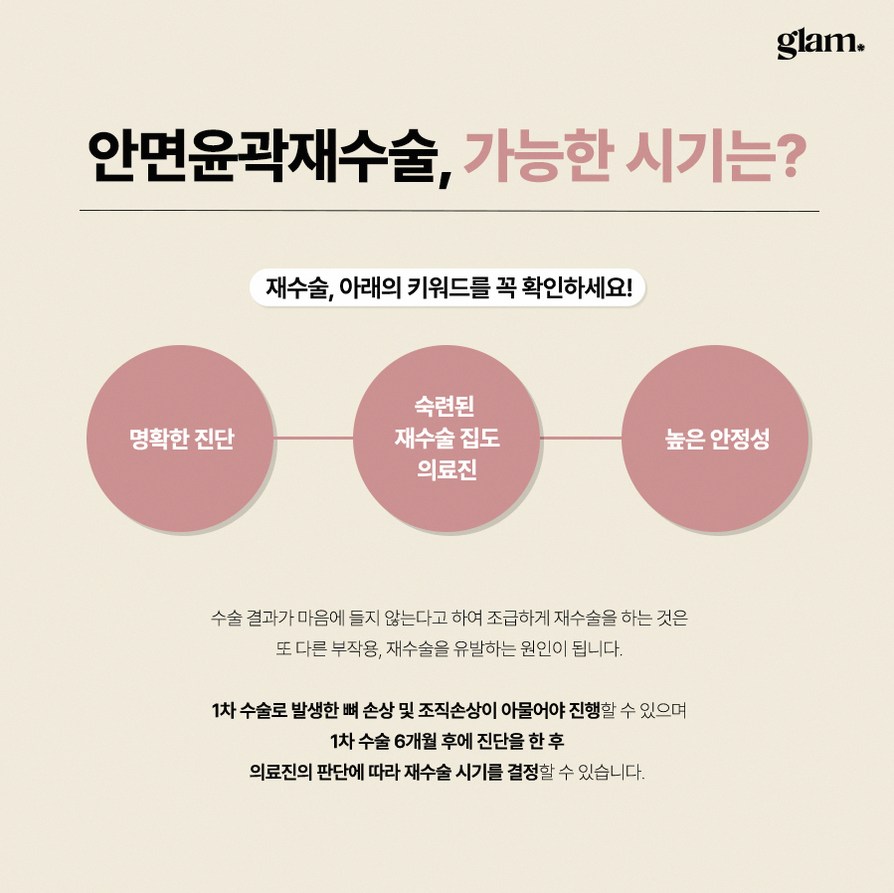
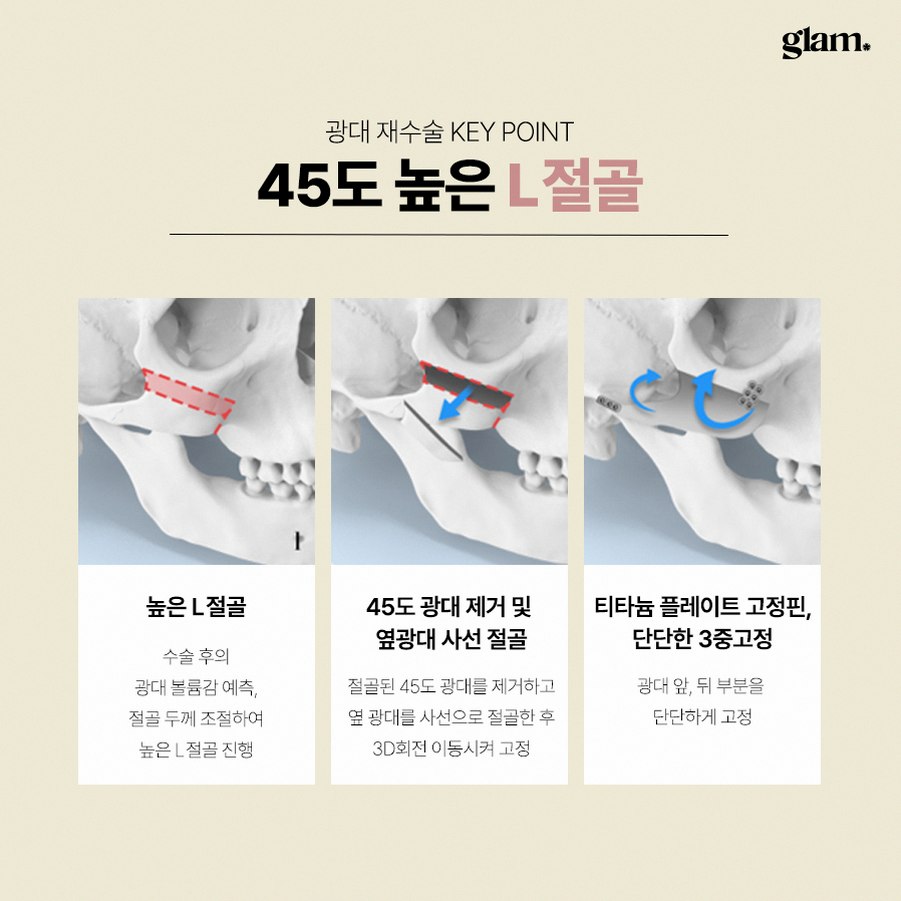
Typical goals of revision include refining remaining width at the jaw angle, correcting left–right asymmetry, smoothing irregularities, or adjusting the jawline so it looks more natural in different lighting and facial expressions. In some cases, the focus is not on removing more bone, but on reshaping or harmonizing what remains.
How revision differs from first-time surgery
Revision square jaw reduction is usually more complex than a first-time operation. After the initial surgery, there is scar tissue, altered anatomy, and less bone available. The location of important structures such as the nerve inside the jaw may be closer to the outer surface.
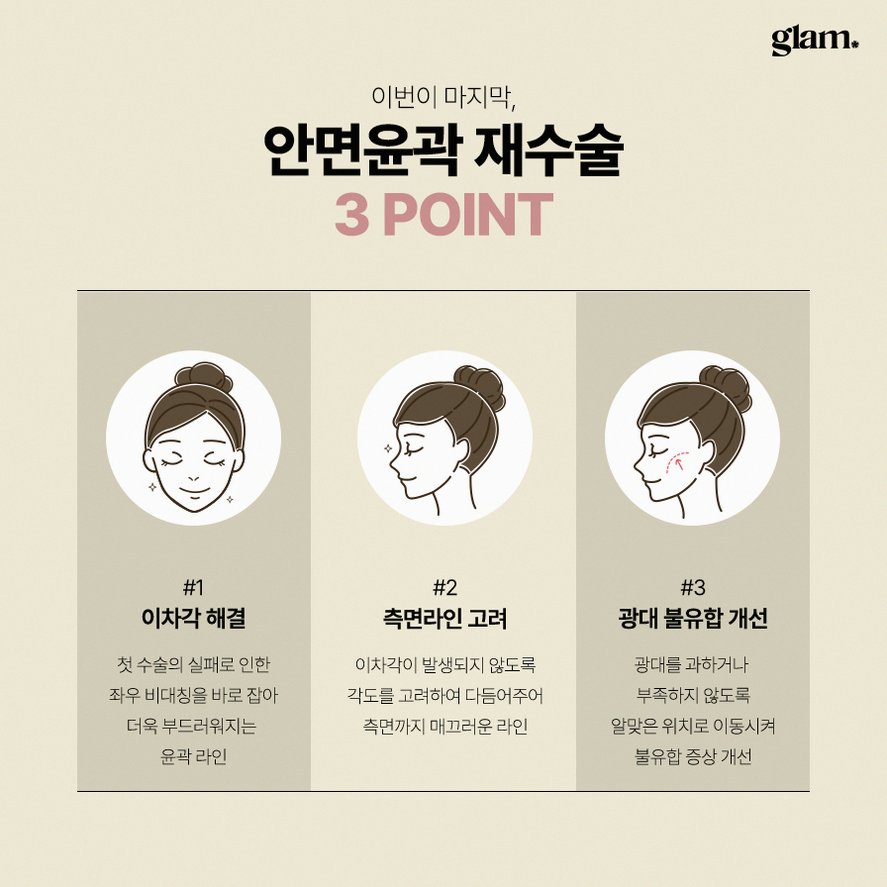
Because of this, revision surgery must be more conservative. Instead of aiming for maximum slimming, the surgeon focuses on safe, meaningful improvement. The plan often includes smoothing steps and irregularities, adjusting angles, and sometimes combining with chin refinement to create better overall balance.
When to consider revision after square jaw surgery
Aesthetic reasons for revision
Many patients look into revision square jaw reduction because they still feel their lower face looks wider or more masculine than they hoped, even after previous surgery. Common aesthetic reasons include a jawline that still looks broad from the front or three-quarter view, uneven angles between the left and right sides, or a jaw angle that appears too sharp or unnatural.
Some patients notice step deformities or bumps along the lower border of the jaw. These may be visible in certain lighting or when smiling, talking, or taking photos. Others feel the jawline looks hollow or aged because too much bone was removed in one area, making the transition between the jaw and neck look harsh.
Functional concerns and discomfort
Revision is not only about appearance. Some people develop functional issues after their first contouring surgery. These may include bite discomfort, a feeling that the teeth do not meet as they used to, muscle pain around the jaw, or strain in the temporomandibular joint.
In such cases, the surgeon must evaluate both the bone and the bite before suggesting any revision. Sometimes the solution includes only minor bone smoothing; in other situations, more detailed planning is needed to protect joint function and chewing comfort.
Timing: when to decide on revision
It is important not to rush into revision square jaw reduction. Swelling after bone surgery can last for months, and the final shape of the jawline changes as tissues settle and bone heals.
Many surgeons recommend waiting until swelling has clearly subsided and bone healing is stable before making a final judgment. This often means waiting at least several months, and in many cases closer to one year after the first surgery. During this period, regular follow-up and photos can help track changes and guide a more accurate revision plan.
How revision square jaw surgery is planned
Specialized consultation for facial bone revision
Because the clinic does not perform general cosmetic procedures such as eye or breast surgery, the team can concentrate on jaw, chin, and double jaw surgery.
During the consultation, you will discuss your concerns, what you liked or disliked about the first surgery, and what you hope to improve. The surgeon will review any previous records or imaging if available, and examine your current facial proportions, jaw angle, and chin position.
Imaging, nerve safety, and bite analysis
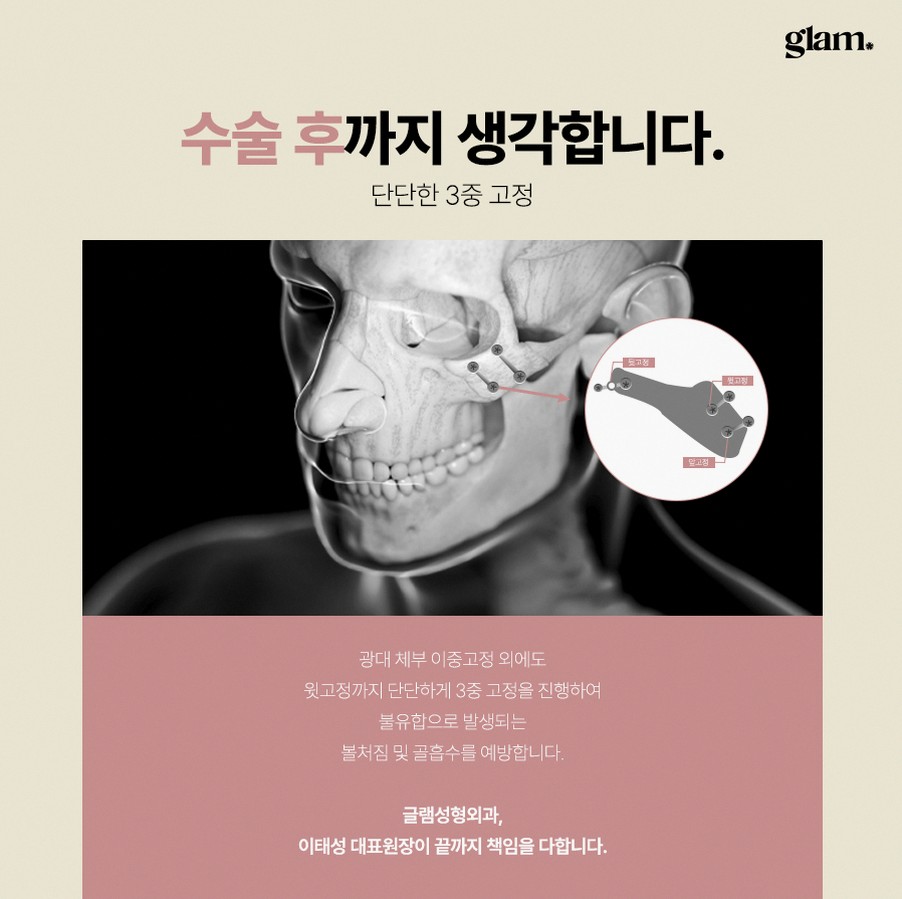
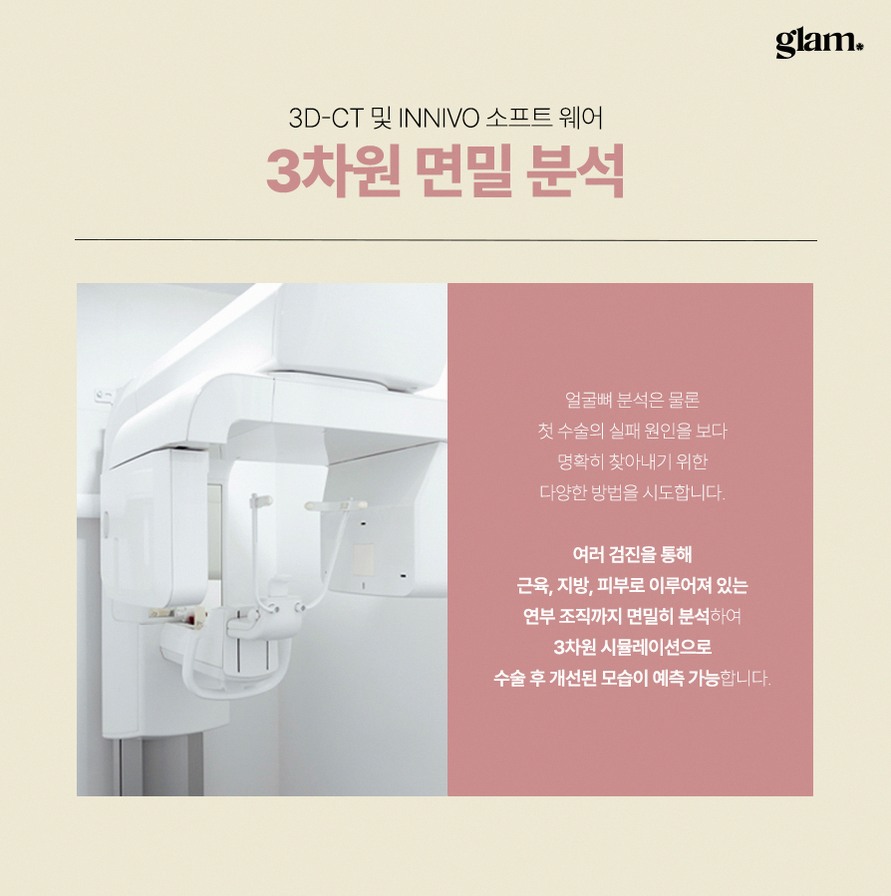
Objective analysis is essential for revision. The clinic typically uses imaging studies to understand your current bone structure and what was likely done in the first operation. These images help evaluate the remaining bone volume and shape, as well as the position of the nerve that runs inside the lower jaw.
The surgeon also checks your bite alignment and the condition of your temporomandibular joints. This is to ensure that any revision plan does not create new functional problems. If you already have bite discomfort or joint symptoms, this will be taken into account when deciding how much and where to adjust the bone.
Key factors assessed before revision
Several elements are carefully evaluated before suggesting revision square jaw reduction:
Remaining bone volume and shape: How much bone is left at the angle and lower border, and whether further reduction is structurally safe.
Nerve position and safety margins: How close the nerve is to the outer surface of the jawbone, which limits how much more bone can be removed.
Soft tissue thickness and elasticity: The quality of skin, muscle, and fat after the first surgery, which affects how the new bone shape will appear from the outside.
Bite and joint condition: Whether your bite is stable and your temporomandibular joints are comfortable.
Based on these findings, the surgeon will propose only the minimum necessary revision that can reasonably improve your contour while maintaining safety.
Setting realistic goals
A key part of planning is aligning expectations with anatomical reality. After one surgery, the jaw cannot be returned to a completely untouched state. Instead, the goal is to move from a result that feels unsatisfactory or unnatural to one that is more balanced and harmonious.
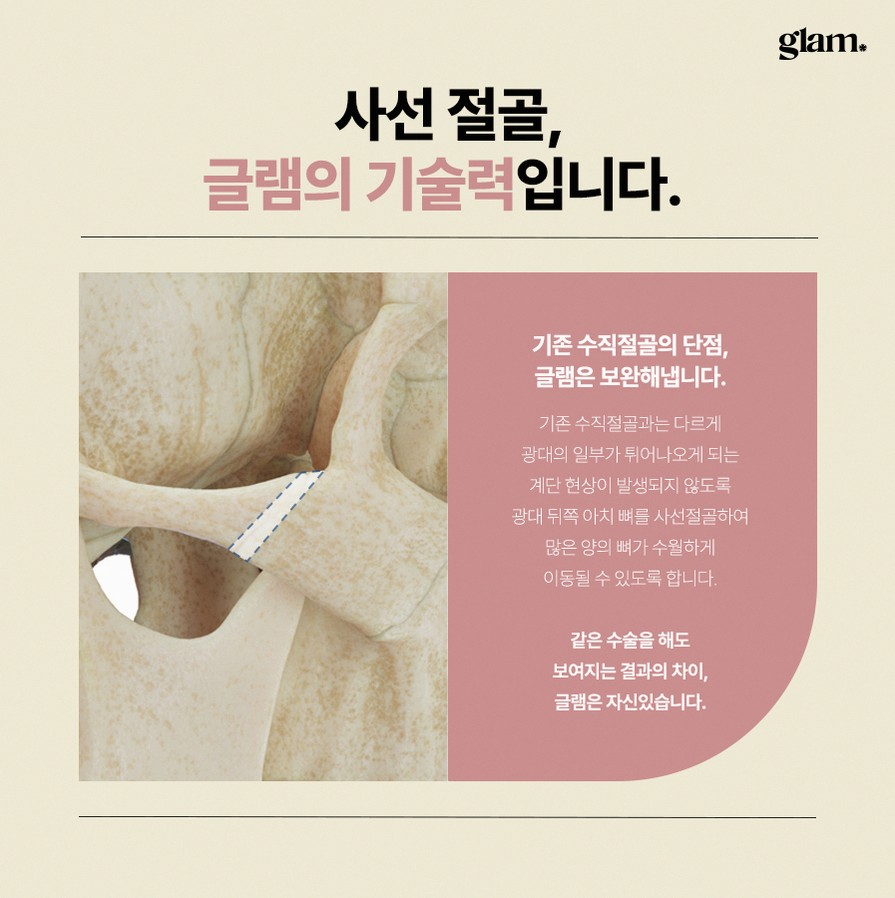
Your surgeon will explain what is realistically possible, what limitations exist due to nerve position and bone thickness, and what changes are likely to be visible from the front, side, and oblique views. This open discussion helps you decide whether revision is appropriate for you.
How revision square jaw reduction is performed
Surgical approach and incisions
Most revision square jaw reductions are performed through incisions inside the mouth to avoid visible scars on the skin. Through these intraoral incisions, the surgeon can access the mandibular angle and lower border.
Because of previous surgery, there is often scar tissue and altered anatomy. The surgeon carefully releases this tissue to reach the bone, taking care to protect the nerve and surrounding structures.
Refining the jawline and correcting asymmetry
The main tasks in revision surgery usually include smoothing irregular bone surfaces, eliminating step deformities, and adjusting the angle and line of the jaw so it looks more continuous and natural.
In some cases, the surgeon may combine revision square jaw reduction with chin refinement. Rather than focusing only on the angle, adjusting the chin can help create a more harmonious lower face, especially if the chin is too short, too long, or off-center.
Why revision requires a conservative strategy
Because there is less bone to work with and the nerve may be closer to the surface, revision surgery must be planned with a conservative mindset. The aim is not to remove as much bone as possible, but to remove or reshape just enough to improve contour and balance.
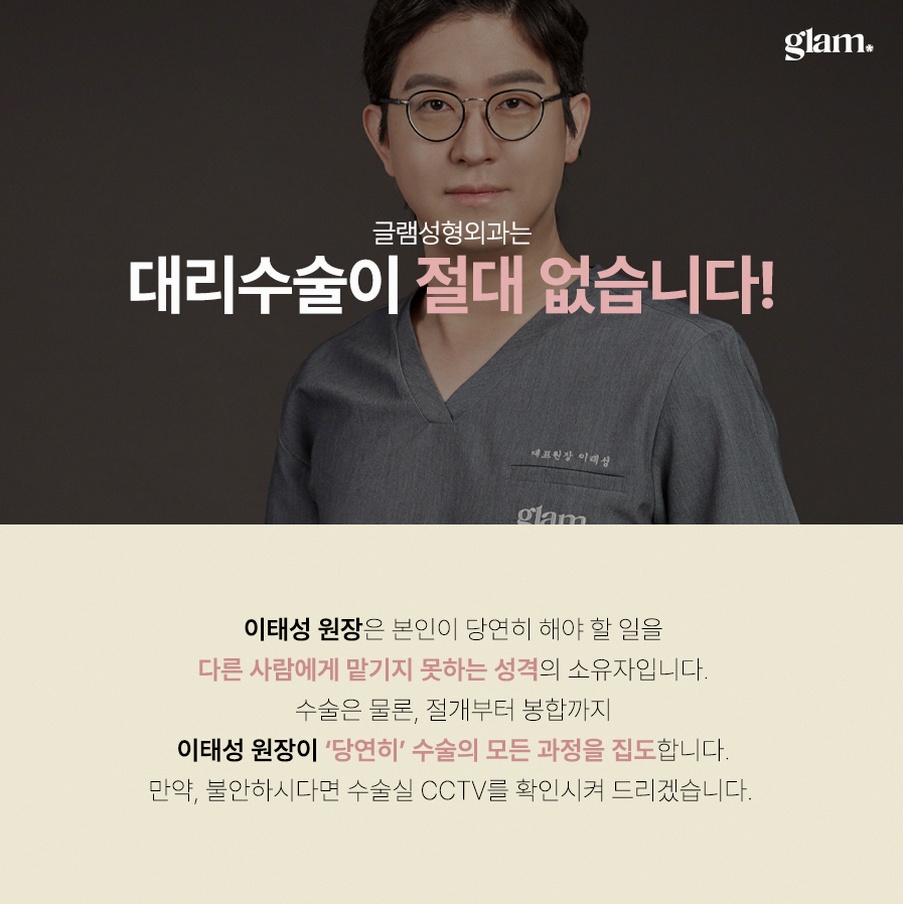
At the Gangnam clinic, the lead surgeon performs the operation directly and follows a philosophy of recommending only the minimum necessary surgery. This approach is particularly important in revision cases, where aggressive re-cutting can increase the risk of complications without guaranteeing better aesthetics.
Anesthesia, safety, and monitoring
Role of the anesthesiologist
Revision square jaw reduction is usually performed under general anesthesia. At the facial bone clinic near Sinsa Station, a board-certified anesthesiologist is responsible for anesthesia and perioperative monitoring.
The anesthesiologist manages your airway, breathing, heart rate, blood pressure, and fluid balance throughout the operation. They also play a key role in pain control and smooth awakening after surgery.
Intraoperative monitoring and risk management
During surgery, your vital signs are continuously monitored. The surgical and anesthesia teams work together to respond quickly to any changes. Careful planning and imaging before surgery help reduce the risk of complications, but all bone surgeries carry some degree of risk.
Typical risks of revision square jaw reduction include temporary or, less commonly, lasting numbness due to nerve irritation, infection, bleeding, prolonged swelling, and persistent or new asymmetry. The clinic’s focus on facial bone surgery and conservative planning is aimed at minimizing these risks as much as possible.
Recovery, swelling management, and aftercare
Typical healing timeline after revision
Recovery after revision square jaw reduction is gradual. In the first week, you can expect noticeable swelling and some bruising around the lower face and neck. Pain is usually manageable with prescribed medication, but talking and chewing may feel uncomfortable.
Over the next several weeks, swelling slowly decreases. Many patients feel comfortable returning to light daily activities within one to two weeks, depending on their job and personal condition. However, the final contour of the jawline may continue to refine over several months as tissues settle.
Follow-up visits and monitoring
Regular follow-up appointments are important to check healing, nerve function, and bite stability. During these visits, the surgeon will examine your jawline, review any symptoms such as numbness or tightness, and confirm that the bone is healing as expected.
If you are an overseas patient, the clinic can coordinate in-person visits while you are in Korea and may offer follow-up communication through online channels after you return home. Clear instructions will be provided on what to watch for and when to seek local medical attention if needed.
Non-invasive care to support recovery
To support healing and reduce swelling, the clinic may offer non-invasive post-surgery care options. These can include LED therapy to support skin condition, facial dome care, skin reset programs, and radiofrequency lifting treatments designed to help with swelling and tissue tone.
These methods do not change the bone structure but can help the skin and soft tissue adapt to the new contour more smoothly. Your surgeon will advise when it is safe to start such treatments after surgery and how often they may be helpful.
Self-care tips after revision surgery
Good self-care plays a big role in your recovery:
Oral hygiene: Because incisions are inside the mouth, careful rinsing and brushing as instructed are important to reduce infection risk.
Diet: A soft or semi-soft diet is usually recommended at first to avoid excessive chewing. You can gradually return to a normal diet as advised by your surgeon.
Sleeping posture: Sleeping with your head slightly elevated can help reduce swelling in the early period.
Lifestyle: Avoid smoking and alcohol during early healing, as they can affect blood flow and slow recovery.
Who may consider revision square jaw reduction
Revision square jaw reduction may be considered if you have had previous jaw contouring and still feel that your jawline appears too wide, uneven, or unnatural, or if you have developed functional discomfort.
It may be especially relevant for people who:
- Notice persistent width or bulk at the jaw angle that does not match their facial goals.
- See visible asymmetry between left and right sides in photos or the mirror.
- Feel irregular steps or bumps along the jawline when touching the area.
- Experience new bite issues or muscle tension after the first surgery.
Before deciding, it is important to have a thorough consultation and imaging to confirm that revision is both possible and likely to provide meaningful improvement.
Online consultation and pre-visit preparation for overseas patients
Initial online consultation
For international patients, the first step is often an online consultation. The clinic on Dosan-daero offers multilingual support in English, Japanese, and Thai, and provides information through official social media and multilingual web pages.
During the online consultation, you may be asked to send clear photos from the front, both sides, and three-quarter angles, as well as any previous imaging or operation records if available. This allows the surgeon to give a preliminary opinion on whether revision seems feasible and what kind of evaluation you would need in person.
Questions to prepare before consultation
Before contacting the clinic, it can be helpful to prepare a short list of points:
- What exactly bothers you about your current jawline from different angles.
- When your previous surgery was done and what type of procedure it was, if known.
- Any current symptoms such as numbness, pain, or bite discomfort.
- Your general health status and any medications you take.
Having these details ready helps the medical team understand your situation more quickly and suggest an appropriate evaluation plan.
Planning your visit to Korea
Expected Korea visit timeline
Many overseas patients plan a stay in Seoul that allows time for preoperative evaluation, surgery, and early recovery. A typical schedule might look like this:
Day 1–2: In-person consultation, imaging, and final planning.
Day 3–4: Surgery day and one or more days of close monitoring.
First 7–10 days: Early recovery, follow-up visits, and removal of any sutures if needed.
After about 10–14 days, some patients feel ready to travel home, depending on their condition and the surgeon’s advice. Swelling will still be present, but the most intense phase is usually past.
Clinic location and hours
The facial bone clinic is located in the Gangnam area of Seoul, on Dosan-daero, about 200 meters from Sinsa Station Exit 1. This central location makes it relatively easy to access by public transport or taxi.
The clinic operates on weekdays and Saturdays, and there is no separate lunch break, which can be convenient when scheduling consultations and follow-up appointments. Exact hours and available dates can be confirmed directly with the clinic before you book flights and accommodation.
Realistic expectations and limitations
What revision can and cannot do
Revision square jaw reduction can often provide meaningful improvement in contour and balance, but it has limits. Because bone has already been removed once, there may not be enough thickness to allow major additional reduction in some areas.
The position of the nerve inside the jaw is a key limiting factor. If the nerve is very close to the outer surface, further bone removal may increase the risk of numbness. In such cases, the focus may shift more toward smoothing and reshaping rather than aggressive slimming.
Balancing safety and aesthetics
A responsible revision plan always prioritizes safety and function. This means protecting nerve sensation, preserving bite stability, and avoiding excessive weakening of the jawbone.
Your surgeon will explain these trade-offs clearly. In some cases, a slightly fuller but stable and natural-looking jawline may be a better outcome than pushing for extreme slimming that could compromise function.
Frequently asked questions
Is revision square jaw reduction more risky than first-time surgery?
Revision surgery generally carries higher complexity than a first-time operation because of scar tissue, altered anatomy, and reduced bone stock. This can increase certain risks, such as nerve irritation or prolonged swelling. However, with careful imaging, conservative planning, and an experienced facial bone surgeon working with a dedicated anesthesiologist, many patients can undergo revision with risk management in place. It is important to discuss your individual risk profile during consultation.
How long should I wait after my first square jaw surgery before considering revision?

Many surgeons recommend waiting until swelling has largely resolved and bone healing is stable, which often means at least several months and sometimes closer to one year after the first surgery. During this time, your jawline can change significantly as tissues settle. A premature decision may lead to unnecessary or less accurate revision. Your surgeon can help you decide on appropriate timing based on your healing progress.
Will revision square jaw reduction completely fix my asymmetry?
Revision can often improve noticeable asymmetry and irregularities, but complete symmetry is not always possible. Natural faces have small differences between sides, and previous bone removal can limit how much correction is safe. The goal is usually to reduce obvious imbalances and create a more harmonious overall appearance rather than to achieve perfect mirror-image symmetry.
How long will I need to stay in Seoul for revision square jaw surgery?
For overseas patients, a stay of around 10 to 14 days is commonly recommended, though this can vary depending on your health, the extent of surgery, and your surgeon’s advice. This period allows time for preoperative evaluation, surgery, early recovery, and initial follow-up visits. Your exact schedule should be planned in advance with the clinic so that flights and accommodation can be arranged comfortably.
Soft call to action
If you are considering revision square jaw reduction and would like an opinion from a facial-bone-focused clinic in Gangnam, you can start with an online consultation. By sharing your photos, previous records, and concerns, you can receive guidance on whether revision may be appropriate and how to plan your visit to Seoul. Multilingual support in English, Japanese, and Thai is available to help you communicate clearly and make informed decisions about your next steps.




- 공유 링크 만들기
- X
- 이메일
- 기타 앱


댓글
댓글 쓰기