Revision Facial Contouring Surgery in Seoul for Previous Jawline and Cheekbone Operations
- 공유 링크 만들기
- X
- 이메일
- 기타 앱
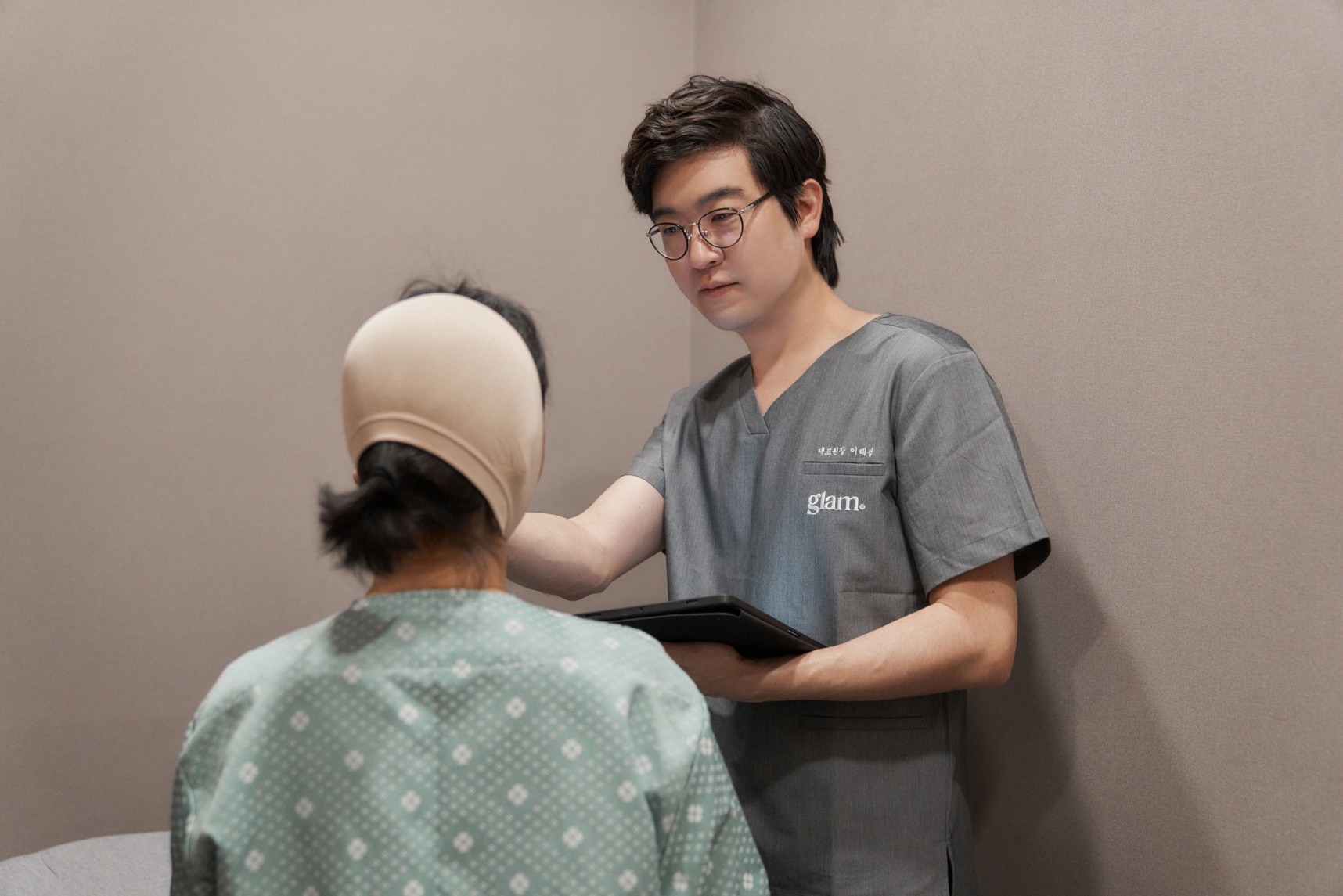
Direct answer summary
Revision facial contouring surgery is secondary surgery on the facial bones after a previous contouring procedure on the jawline, cheekbones, chin, or V-line. It is usually chosen by people who are unhappy with the shape, symmetry, or function of their face after earlier bone surgery. Because the bone has already been cut and healed once, revision is more complex and must be approached carefully, with realistic goals and a strong focus on safety.
This guide explains when revision may be possible, how doctors in Seoul typically evaluate such cases, what the surgery and recovery are like, and how overseas patients can plan a visit to a facial bone focused clinic near Sinsa Station in Gangnam.
What is revision facial contouring surgery
Revision facial contouring surgery means re-operating on facial bones that have already undergone contouring. It can involve the cheekbones, jaw angle, lower jawline, or chin. The aim is not to start from zero, but to improve an unsatisfactory result or address complications from the first surgery.
In many cases, revision is requested because the face looks too wide, too narrow, still bulky, or obviously asymmetric. Some people can feel or see stepped bone edges, or notice sagging or hollowed cheeks after cheekbone or jaw reduction. Others experience functional issues such as bite discomfort when earlier facial contouring was combined with jaw repositioning surgery.
Unlike a first-time operation, revision must work within the limits of bone that has already been cut, fixed, and healed. This is why careful diagnosis and conservative planning are essential.
Common reasons people seek revision facial contouring
There are several typical reasons patients from overseas inquire about revision facial contouring in Seoul.
One frequent concern is over-resection of bone. The jaw angle or chin may have been reduced too aggressively, leaving the face looking too narrow, weak, or aged. In some cases, the cheekbones were moved inward too much, causing a flat midface or hollow cheeks.
Another common issue is under-resection. After surgery, the jaw or cheekbones may still look wide or bulky, especially from the front view. Patients may feel they went through a major operation but did not achieve the expected change.
Asymmetry is also a major reason for revision. The left and right sides of the jawline or cheekbones can appear different in height, width, or angle. This can be particularly noticeable in photos or when smiling.
Some patients report sagging or hollowed cheeks after cheekbone or jaw reduction. When bone support is reduced and soft tissue is not well supported, the midface can droop or look sunken, making the person appear older than before.
Irregular or stepped bone edges are another complaint. These can sometimes be felt with the fingers along the lower jaw or cheek area, or seen as uneven lines in certain lighting. In a few cases, functional problems such as bite discomfort or chewing difficulty appear after combined facial contouring and jaw repositioning surgery.
Why revision facial contouring is more complex than first surgery
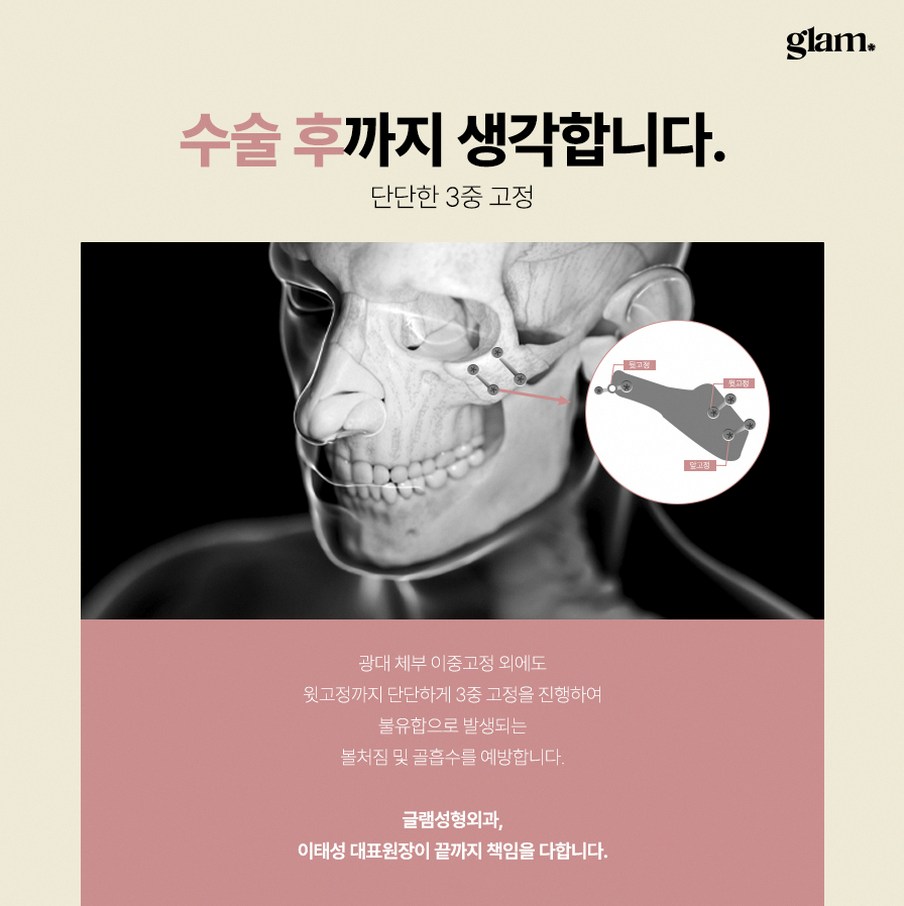
Revision facial contouring is generally more complex and demanding than primary surgery. The bone has already been cut and repositioned, then healed in a new shape. There may be fixation plates or screws from the first operation, and the pattern of blood supply to the bone can be altered.
Scar tissue forms in the soft tissues after any surgery. In revision cases, this scar tissue makes dissection more difficult and can increase swelling and bruising. The soft tissues may also have changed position or volume, so the same amount of bone reduction will not necessarily produce the same external effect as in a first-time patient.
The surgeon must also consider the state of the nerves. If there was any nerve irritation or damage during the first surgery, further manipulation may increase or prolong numbness. In some patients, there is limited remaining bone volume, so further removal must be very carefully judged.
Because of these factors, revision facial contouring is best handled by a team that focuses on facial bone surgery and is familiar with complex osteotomy patterns, nerve pathways, and the long-term behavior of bone and soft tissue after previous operations.
When revision facial contouring surgery can be considered
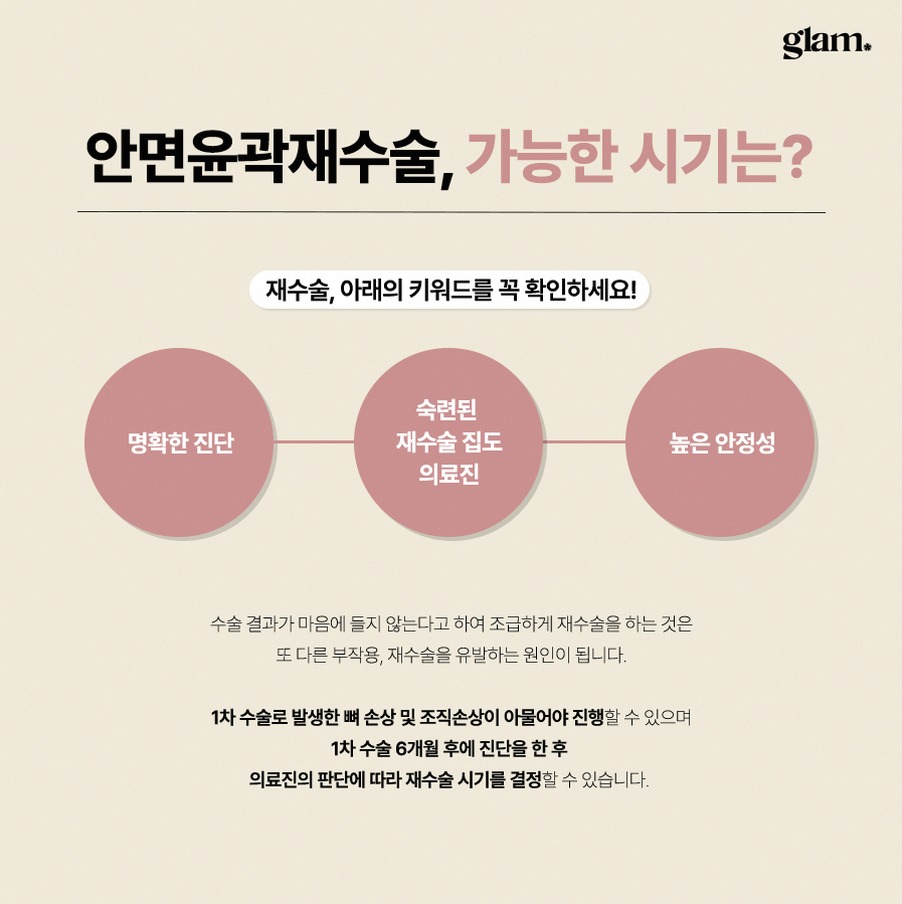
Timing is a key question for many patients. In general, revision facial contouring is not performed immediately after the first surgery. The face needs time for swelling to subside and for bone and soft tissue to stabilize.
For many people, this means waiting several months, sometimes longer, before considering revision. In the early months after surgery, swelling can still hide the final contour. Soft tissues are adapting to the new bone structure, and nerves may still be recovering. Operating too early may lead to decisions based on a temporary appearance.
The exact timing, however, depends on the individual case. A surgeon will usually review imaging and perform a clinical examination before advising whether it is safe and meaningful to proceed. In some situations, waiting longer allows more accurate assessment and may reduce risks.
How revision facial contouring is evaluated and planned
A careful preoperative evaluation is the foundation of revision facial contouring. This usually starts with a detailed consultation. The surgeon needs to understand exactly what the patient dislikes, what feels uncomfortable, and what they hope to change. At the same time, it is important to clarify what is realistically changeable given the existing bone and soft tissue.
Physical examination is then used to check facial symmetry, soft tissue sagging, and any palpable irregularities along the jawline or cheekbones. The doctor may gently feel along the bone edges to detect steps or sharp transitions.
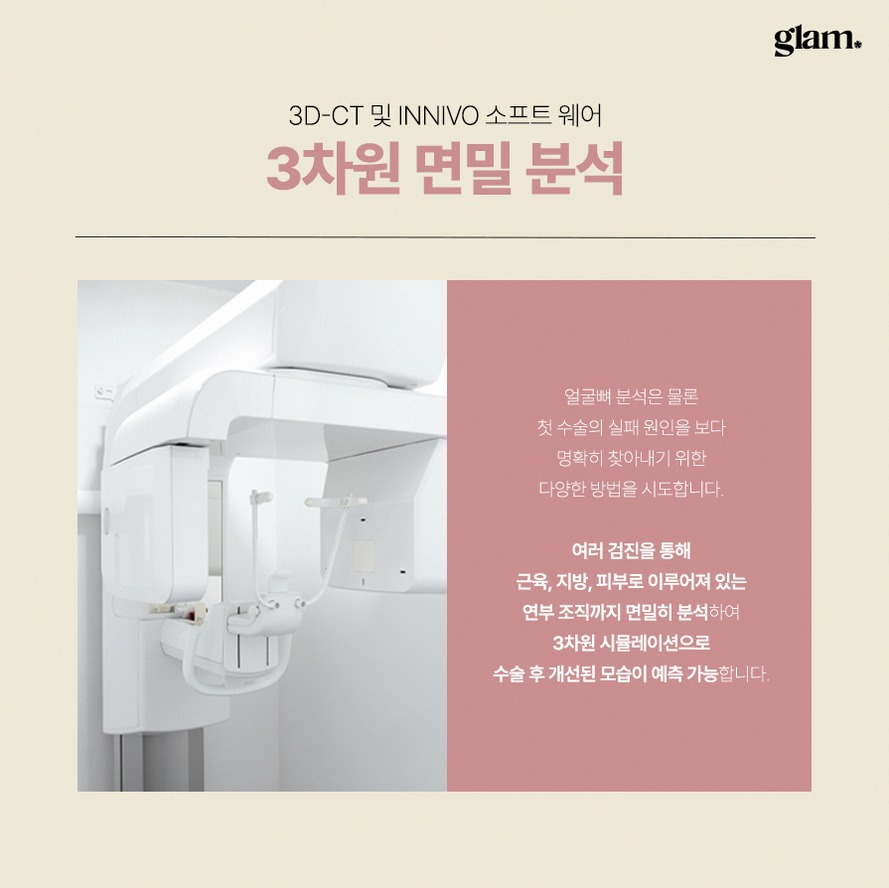
Imaging is essential in revision cases. Three-dimensional CT scans are commonly used to see the current bone shape, previous osteotomy lines, and the position of any fixation plates or screws. Imaging also helps identify the course of important nerves so that they can be protected during surgery.
If the patient has had jaw repositioning or double jaw surgery, assessment of occlusion and jaw function is also important. The surgeon will look at how the upper and lower teeth meet, how the jaw moves, and whether any bite discomfort is related to the previous bone movements.
Planning principles for safe revision facial contouring
When planning revision facial contouring, most experienced surgeons follow a few key principles.
First, they prioritize safety and preservation of remaining bone and nerves. The goal is to improve structure and function without compromising stability. This often means avoiding overly aggressive bone removal and focusing instead on smoothing, balancing, and supporting the existing framework.
Second, they aim for structural stability and soft tissue support, not simply making the face smaller. A face that is too narrow or under-supported can look aged or unbalanced, and can be more difficult to correct later.
Third, they propose the minimum necessary revision range rather than redoing every area. For example, if only the left jaw angle is irregular, the plan may focus on that region instead of repeating a full V-line operation. This conservative approach can reduce risk and recovery burden.
Finally, they set realistic expectations. Revision surgery can often improve symmetry, smooth irregularities, and refine the overall contour, but it may not completely erase all traces of the first surgery. Clear communication about likely outcomes helps patients make informed decisions.
Overview of revision procedures by area
The exact method of revision facial contouring depends on which area needs correction.
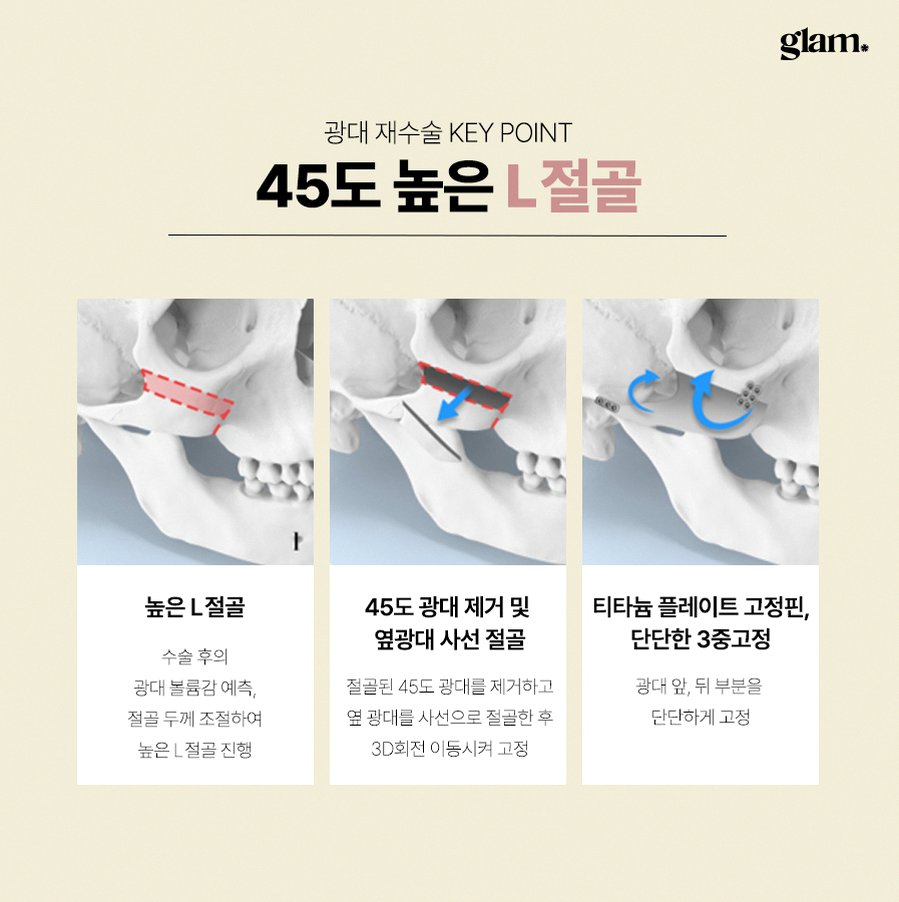
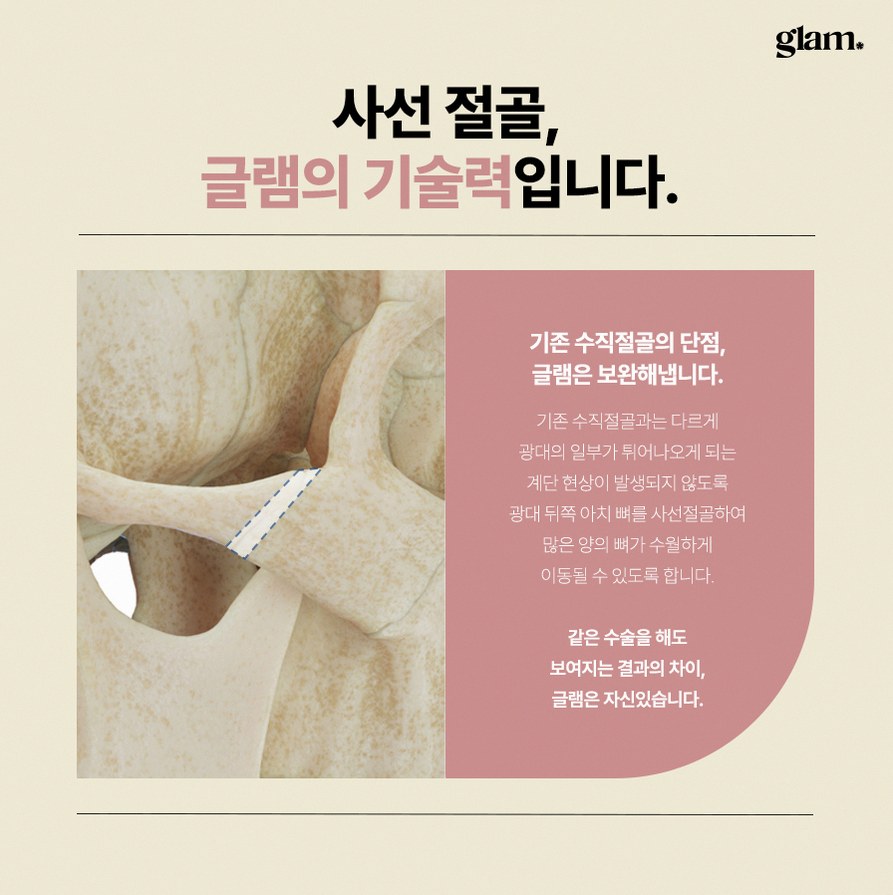
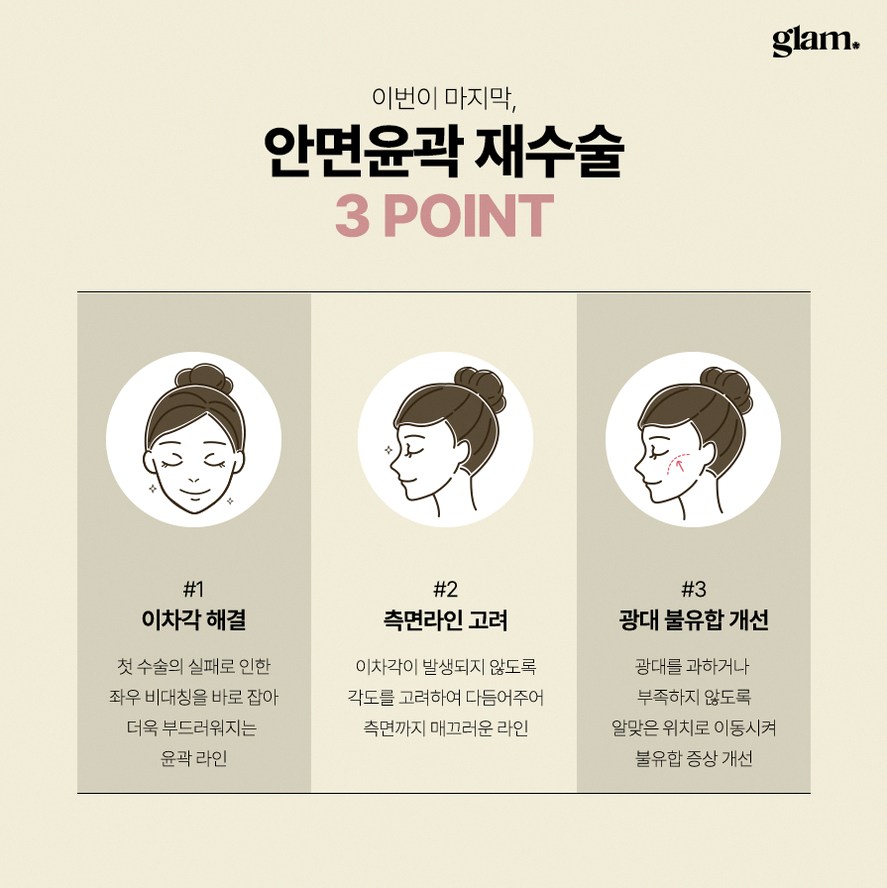
For cheekbone revision, the surgeon may adjust previous zygoma cuts, reposition segments, or shave irregularities. In some cases, additional support is added to prevent further sagging of the midface. The aim is to restore a natural curve from the front and side views while maintaining soft tissue support.
For jaw angle or square jaw revision, the focus is often on smoothing stepped areas and correcting asymmetry between sides. If too much bone was removed, it may be possible in limited cases to partially restore contour using bone grafts or implants, but this depends heavily on the remaining structure and soft tissue condition.
For chin or V-line revision, typical goals include correcting midline deviation, adjusting the length or width of the chin, and smoothing irregular borders. If the chin was moved too far back or shortened too much, the plan may involve repositioning or adding support rather than further reduction.
Anesthesia and intraoperative safety
Revision facial contouring surgery is usually performed under general anesthesia because it often involves multiple bone segments and can take several hours. For long and complex bone surgeries, continuous monitoring by a dedicated anesthesiology specialist is important for patient safety.
During the operation, the surgeon must carefully dissect through existing scar tissue while protecting sensory nerves. Previous fixation hardware such as plates or screws may need to be removed or repositioned. The bone cuts are planned to achieve smooth transitions between old and new lines so that the final contour feels and looks more natural.
Revision facial contouring surgery near Sinsa Station in Gangnam
In the Sinsa Station area of Gangnam, on Dosan-daero, there is a plastic surgery clinic that focuses exclusively on facial bone surgery, including double jaw and facial contouring. It does not offer common procedures such as eyelid, nose, or breast surgery, and instead concentrates its resources on jaw and facial bone operations.
According to the clinic’s own information, the representative director is a board-certified plastic surgeon with around 20 years of experience in facial bone surgery. The clinic also has a board-certified anesthesiologist who is responsible for anesthesia and pain management, which can be reassuring for patients undergoing long revision procedures.
As of February 2025, the clinic lists 13 SCI-level papers on contouring and double jaw surgery by the representative surgeon as first or corresponding author, including three papers in the journal Plastic and Reconstructive Surgery. This academic output can be seen as an evidence-based indicator of expertise in facial bone work.
The clinic states that the representative surgeon directly performs the operations rather than dividing them among multiple surgeons, and that they recommend only the minimum necessary surgery. For revision patients who are already wary of aggressive re-operation, this conservative philosophy may be important.
Who may be a candidate for revision facial contouring
Potential candidates for revision facial contouring are usually people with clear structural issues after previous contouring. This can include visible asymmetry, irregular bone edges, persistent facial width, or functional problems such as bite discomfort.
Another important factor is expectations. Revision candidates should understand that the goal is improvement, not perfection. If someone is seeking dramatic changes that are not anatomically feasible, or wants to completely return to their pre-surgery face, revision may not be able to meet those expectations.
Time since the first surgery also matters. Candidates generally should have allowed sufficient time for initial healing and stabilization. This allows the surgeon to see the true result of the first operation and plan a safer revision.
Who may need extra caution or may not be suitable
Some cases require extra caution, and in certain situations revision may be very limited.
If the previous surgery removed a large amount of bone, leaving little remaining structure, further reduction may not be possible without risking instability or an unnatural appearance. In such cases, the discussion may shift from reduction to support or camouflage.
Significant nerve damage or severe soft tissue deficiency is another warning sign. If further bone removal is likely to worsen sensation or sagging, a cautious or non-surgical approach may be recommended.
Patients who are seeking absolute perfection or who have difficulty accepting the limitations of revision surgery may also not be ideal candidates. A thorough in-person examination and imaging are always needed before a final decision is made.
Postoperative course and recovery after revision
Recovery after revision facial contouring can be somewhat longer and more intense than after a first-time operation. Because of scar tissue and repeated dissection, swelling and bruising may be more pronounced and can take additional time to resolve.
Numbness or altered sensation around the cheeks, chin, or lower lip may temporarily increase after revision. The long-term outcome depends on the condition of the nerves before surgery and how carefully they can be protected during the procedure.
As swelling gradually subsides over several months, the contour becomes clearer. It is common for patients to see meaningful changes by three to six months, with further subtle refinement continuing beyond that.
Postoperative care and supportive treatments
Regular follow-up visits are important after revision facial contouring. The surgeon will monitor bone healing, soft tissue adaptation, and nerve status. For overseas patients, some of these follow-ups can be done remotely using photos or video calls after the initial in-person checks.
To support swelling reduction and skin tightening, some clinics use non-invasive therapies when medically appropriate. At the facial bone clinic near Sinsa Station, devices such as LED therapy systems, facial dome care, total skin reset programs, and radiofrequency lifting equipment are used as part of recovery and swelling management after bone surgery. These treatments are supportive tools and do not replace proper surgical planning or technique.
Lifestyle and precautions after revision
After revision facial contouring, patients are usually advised to avoid trauma or pressure to the operated area. This includes being careful when sleeping, avoiding pressing the face, and protecting the cheeks and jaw from accidental bumps.
Dietary and activity restrictions vary by case, but a soft diet is often recommended in the early period to reduce strain on the jaw. Strenuous exercise and heavy lifting are usually limited at first and then gradually resumed according to the surgeon’s guidance.
Avoiding smoking and excessive alcohol is important for bone and soft tissue healing. Good oral hygiene and general health maintenance also support a smoother recovery.
Preparing for revision facial contouring as an overseas patient
For international patients, preparation often begins with an online consultation. It is helpful to gather as much information as possible before contacting the clinic. This includes the operative report from the first surgery if available, any previous imaging, and clear photos of the face from the front, side, and three-quarter views.
During an online consultation, the surgeon or coordinator will usually ask about the date and type of the first surgery, what was done (for example, cheekbone reduction, jaw angle shaving, genioplasty), and what problems have appeared since then. Describing both aesthetic and functional concerns helps the team understand your priorities.
It can be useful to write down specific questions before the consultation. Examples include what changes are realistically possible, what areas the surgeon recommends addressing, what risks are most relevant in your case, and how long you should plan to stay in Seoul.
Expected visit timeline in Korea for revision surgery
The exact schedule depends on the individual and the extent of surgery, but many overseas patients follow a similar pattern.
Before arrival, an online consultation is usually completed and preliminary plans are discussed. Once you arrive in Seoul, you can expect an in-person consultation and detailed imaging such as 3D CT. Based on this, the surgical plan is confirmed, and consent is obtained.

Surgery is often scheduled within a few days of the in-person evaluation, allowing time for any additional tests if needed. After the operation, you will typically have several follow-up visits over the next one to two weeks to check healing, remove stitches if necessary, and receive postoperative care such as LED therapy or facial care programs.
Many patients stay in Korea for at least 10 to 14 days after revision facial contouring, though this can vary depending on the complexity of the case and travel distance. The clinic team can advise on a safe minimum stay based on your specific surgery.
What to check and ask before deciding on revision facial contouring in Seoul
Before making a final decision, it is wise to compare a few key points between clinics rather than focusing only on cost.
You may want to check whether the clinic focuses on facial bone surgery or divides attention among many different procedure types. Ask who will actually perform your surgery and how many revision cases they handle. It is also reasonable to ask about the availability of a dedicated anesthesiologist during long operations.
Imaging and planning are another important area. You can ask what kind of scans will be used, how the surgeon evaluates previous osteotomy lines and hardware, and how they plan to protect nerves. Clarifying the expected recovery timeline, follow-up schedule, and available postoperative care tools can also help you prepare.
Finally, discuss what the surgeon considers the minimum necessary revision in your case. Understanding why they recommend or avoid certain steps can give you insight into their safety philosophy.
Frequently asked questions about revision facial contouring surgery
How is revision facial contouring different from the first surgery
Revision facial contouring is performed on bones that have already been cut, moved, and healed, whereas primary surgery is done on untouched bone. Scar tissue, altered blood supply, and existing hardware make the anatomy more complex. As a result, revision usually requires more detailed imaging, more cautious dissection, and a stronger emphasis on preserving remaining bone and nerve function.
How long should I wait after my first contouring surgery before considering revision
In most cases, you should wait until swelling has largely subsided and the bone and soft tissues have stabilized. This often means several months or more, depending on the extent of the first surgery and your individual healing. A surgeon can give more specific advice after reviewing your photos and imaging, but operating too early may lead to decisions based on a temporary appearance.

Is revision facial contouring more dangerous than primary surgery
Revision surgery carries some additional risks because of scar tissue, changes in blood supply, and the condition of the nerves and remaining bone. However, with careful planning, appropriate imaging, and an experienced facial bone team, many patients can undergo revision safely. Choosing a clinic that focuses on facial bone surgery and has a dedicated anesthesiologist for long operations can help manage these risks.
What if too much bone was removed in my first surgery
If too much bone was removed, options for further reduction are limited, and the focus may shift toward restoring support or improving soft tissue balance. In some cases, partial restoration with grafts or implants may be considered, but this depends on the remaining bone, soft tissue condition, and overall facial harmony. A detailed 3D CT evaluation is essential to understand what is realistically possible.
Soft call to action for online consultation
If you are considering revision facial contouring after a previous jawline, cheekbone, or V-line operation and are unsure what is possible, an online consultation can be a practical first step. By sharing your history, photos, and imaging, you can receive a more individualized assessment before planning a trip to Seoul.
A clinic on Dosan-daero near Sinsa Station in Gangnam that focuses on facial bone surgery and provides multilingual information for overseas patients may be able to guide you through this process. Taking time to ask detailed questions and understand the proposed plan can help you move forward with greater confidence and realistic expectations.




- 공유 링크 만들기
- X
- 이메일
- 기타 앱


댓글
댓글 쓰기