Quick Facial Contouring Revision in Korea: What It Really Means and How To Plan Your Trip
- 공유 링크 만들기
- X
- 이메일
- 기타 앱
Direct answer summary
ing — so you can return to daily life as your body safely permits.
This guide explains what revision facial contouring involves, when it may be considered, what can and cannot be done quickly, and how overseas patients can plan a practical visit to Seoul for evaluation and possible surgery.
Overview of revision facial contouring
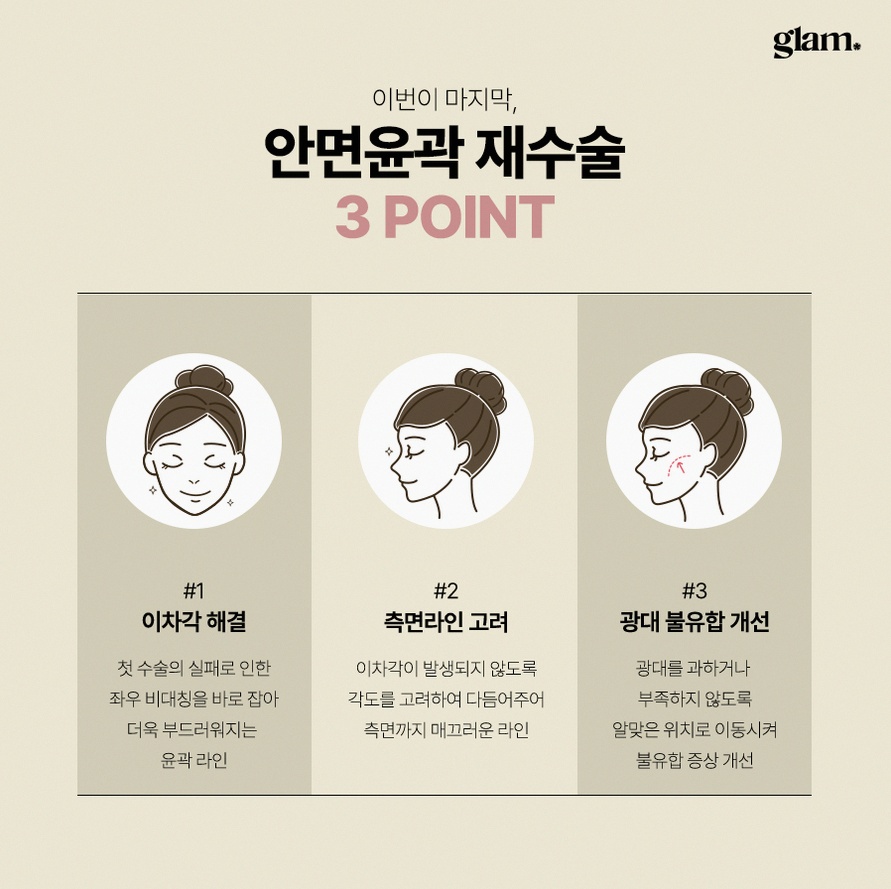
Revision facial contouring means secondary surgery on the facial bones after a previous contouring procedure. It usually involves one or more of the following areas:
Cheekbone (zygoma)
Jaw angle
V-line or chin area
Patients seek revision for both aesthetic and functional reasons. Some feel their face looks too wide, too narrow, asymmetrical, or unnatural after the first surgery. Others experience bite discomfort, joint pain, or soft-tissue sagging because of how the bone was changed.
GLAM Plastic Surgery is located near Sinsa Station in Gangnam, Seoul, and focuses only on jaw and facial bone surgery, including double jaw and facial contouring. This narrow focus allows a more systematic approach to complex revision cases, but it does not make revision surgery itself simple or instant. Careful planning, imaging, and conservative decision-making remain essential.
What quick facial contouring revision can realistically mean
For revision cases, quick should not mean short consultation, minimal imaging, or aggressive bone shaving in a single rushed session. Instead, quick can realistically refer to:
Thorough but streamlined evaluation using appropriate imaging and focused consultation.
Efficient surgical planning that avoids unnecessary steps and reduces operating time without cutting corners on safety.
Structured postoperative care to manage swelling and help you return to work or social life as soon as your healing allows.
Clear instructions and close follow-up to reduce complications that might prolong recovery.
Bone healing itself cannot be sped up beyond what your body naturally allows. Even with an efficient process, swelling, tissue adaptation, and nerve recovery take time. For most patients, the goal is not an overnight transformation, but a safer, more predictable journey with fewer surprises.
When revision facial contouring is considered
Aesthetic reasons
Many patients consider revision because they are dissatisfied with the look of their face after previous contouring. Common concerns include:
The face still looks wide or square despite bone reduction.
The face appears too narrow, hollow, or aged.
Asymmetry between left and right sides of the jaw or cheekbones.
Unnatural angles or step deformities where bone edges can be seen or felt.
A V-line that looks too sharp, pointy, or artificial.
Functional reasons
Revision is also considered when function is affected, for example:
Bite discomfort or feeling that upper and lower teeth do not meet comfortably.
Jaw joint pain or clicking sensations around the temporomandibular joint.
Persistent numbness or altered sensation in the lips, chin, or cheeks.
Chewing difficulty or fatigue when eating.
Soft-tissue sagging or jowls due to over-resection and loss of bone support.
Psychological reasons
Living with a result that does not match your expectations can be emotionally draining. Some patients report ongoing stress, social anxiety, or loss of confidence after their first surgery. In such cases, a carefully planned revision may help, but it is important to understand both the possibilities and the limitations before deciding.
Timing and bone healing
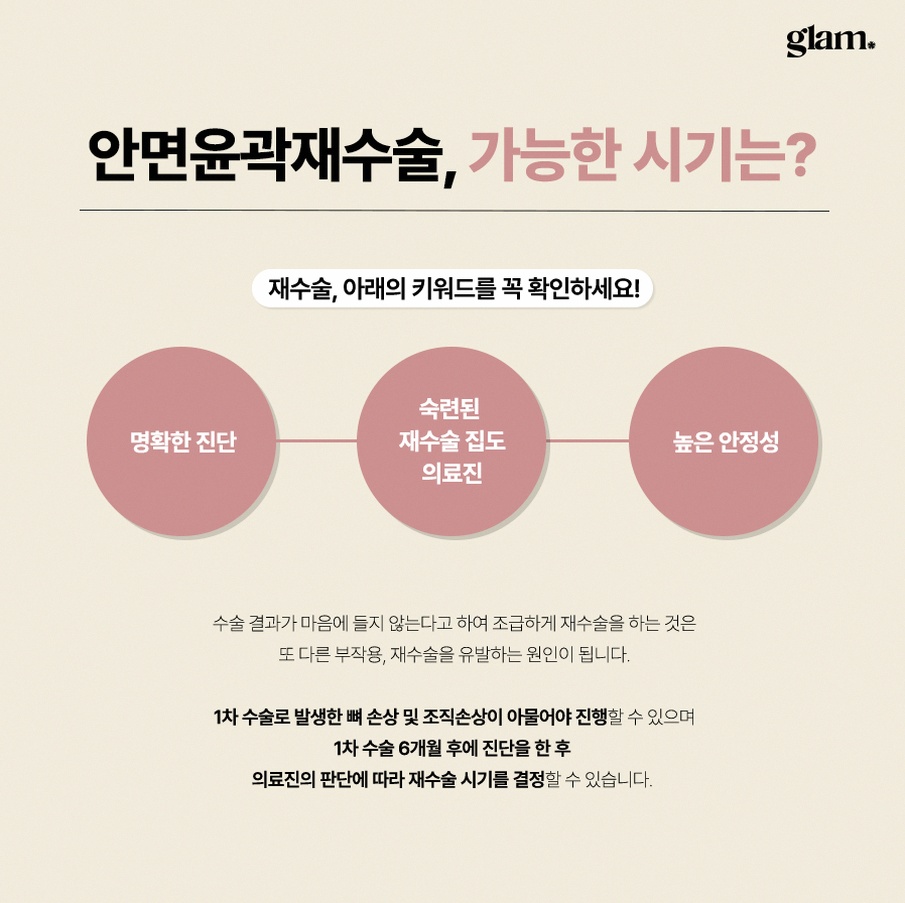
Not every concern can be solved quickly. In most cases, surgeons prefer to wait at least 6 to 12 months after the first contouring surgery before considering revision. This waiting period allows:
Bone to fully heal and remodel.
Swelling to resolve so the true contour is visible.
Nerves and soft tissues to stabilize.
Operating too early may increase risks and make it harder to judge what truly needs correction.
Why revision is more complex than first-time contouring
Existing bone cuts and hardware
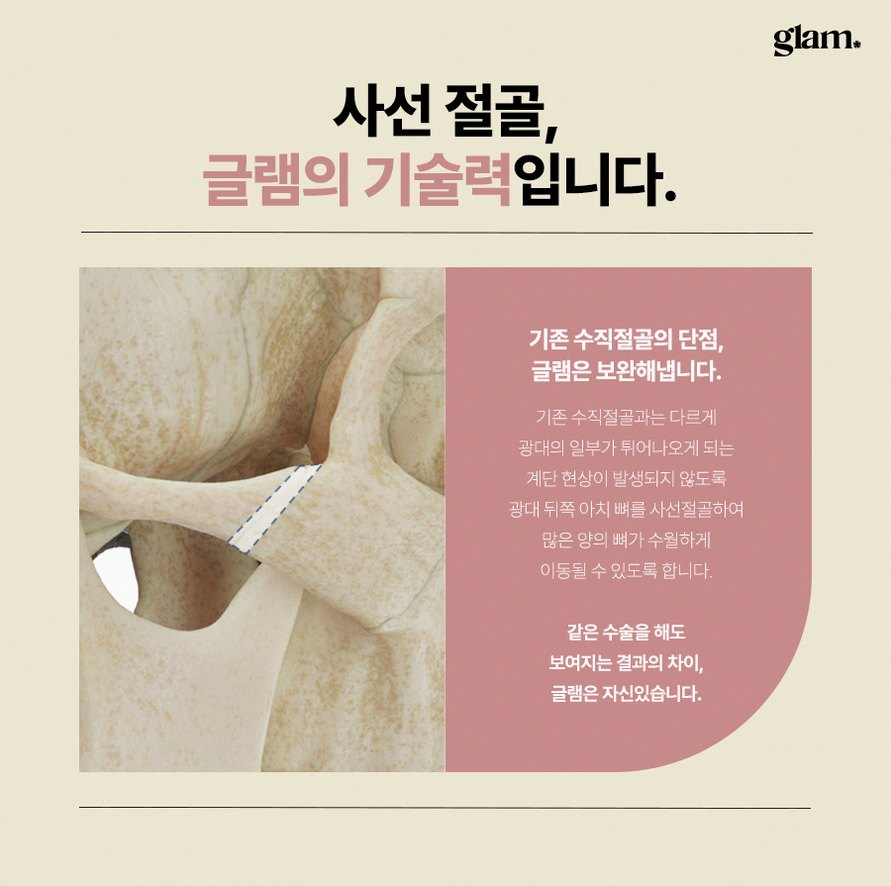
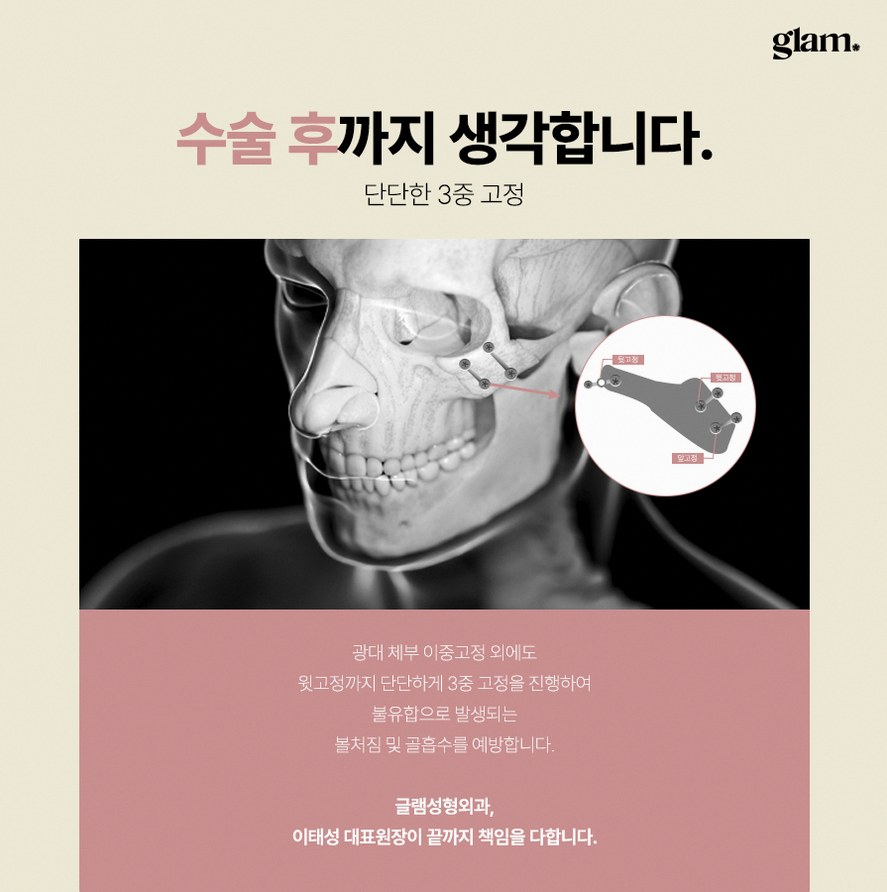
During primary contouring, the bones are already cut and reshaped. Plates and screws may be present. In revision surgery, the surgeon must work around or remove these materials, understand the previous cutting lines, and account for any changes in bone thickness or shape.
Altered anatomy and nerve pathways
The position of important structures, such as nerves, may be slightly different after the first surgery. Scar tissue can obscure normal landmarks. This makes precise dissection and protection of nerves more challenging, which is why revision requires careful planning and conservative technique.
Scar tissue and soft-tissue changes
Scar tissue forms not only on the skin but also inside, around muscles and connective tissue. This can affect how swelling behaves, how the face moves, and how the soft tissues drape over the bone. In revision cases, swelling may be more prolonged and the final contour may take longer to settle.
Limited remaining bone volume
If too much bone was removed in the first surgery, there may be limited room for further reduction. In such cases, the focus may shift from making the face smaller to refining the shape, smoothing irregularities, or even adding volume through augmentation techniques. Pushing for more reduction in an already over-resected area can increase the risk of instability, nerve issues, or an aged, hollow look.
Because of these factors, a fast decision or rushed revision can easily lead to further dissatisfaction. A slower, more thoughtful approach is often the safer path, even for patients who feel urgent pressure to change their appearance.
Evaluation process before revision
Detailed consultation
The first step is a detailed consultation where the surgeon will ask about:
What procedures were previously done and when.
Your current symptoms, both aesthetic and functional.
Your exact goals and what bothers you most when you look in the mirror or take photos.
It is helpful if you can provide previous medical records, imaging, or operation notes from your first surgery, if available.
Imaging and analysis
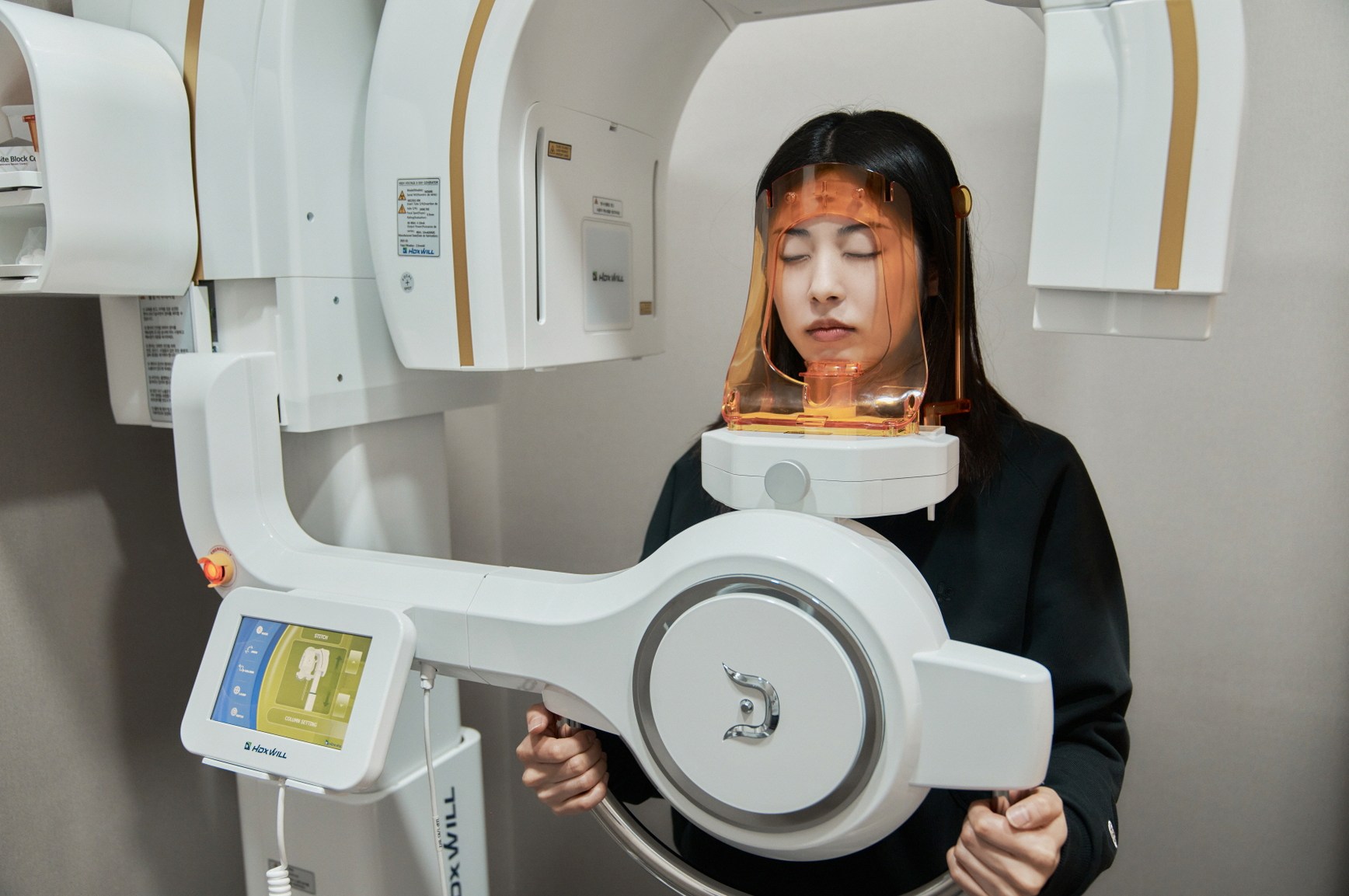
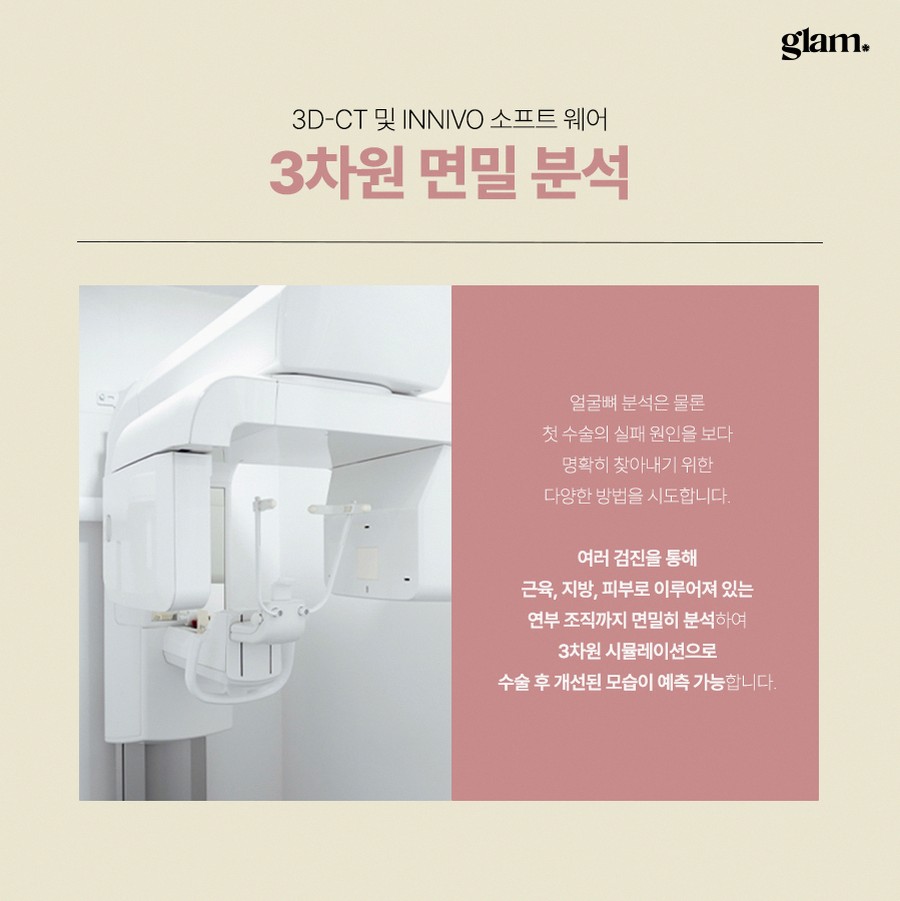
Imaging is essential in revision facial contouring. This usually includes X-rays and CT scans to evaluate:
Previous bone cuts and their position.
Plates, screws, and other fixation materials.
Bone thickness and remaining volume.
Nerve position and any areas of risk.
Symmetry between left and right sides.
Jaw function and bite
The surgeon will also assess your bite and jaw joint status. In some cases, coordination with a dental or jaw joint specialist may be recommended, especially if your bite feels unstable or you have significant joint pain.
Discussion of realistic options
After evaluation, the surgeon will explain what is realistically possible. Options may include:
Further bone contouring or limited shaving in specific areas.
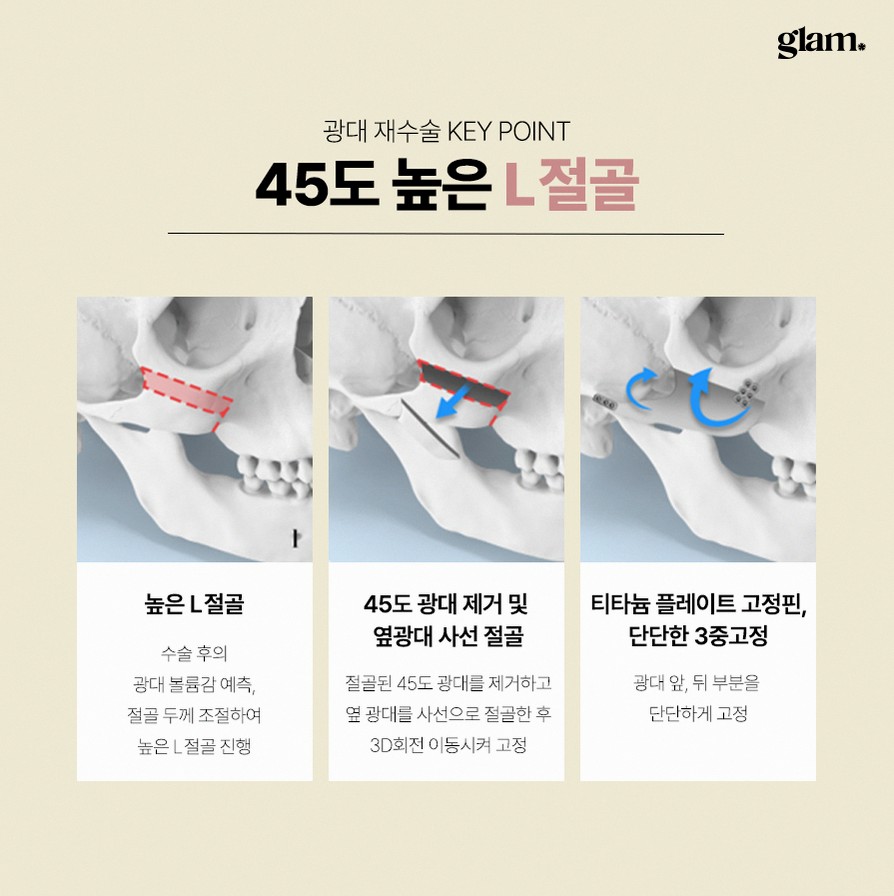
Repositioning of cheekbones or jaw segments.
Smoothing step deformities or irregular edges.
Soft-tissue procedures to address sagging or imbalance.
Sometimes, the safest plan is minimal change, focusing on the areas that bother you most while avoiding excessive or multi-area revisions in a single stage. A key principle is to recommend only the minimum necessary surgery rather than aggressive reshaping.
What can realistically be made quick
Efficient surgical planning
With precise imaging and experience in facial bone surgery, it is possible to plan the operation in detail before entering the operating room. This can shorten actual operating time by avoiding unnecessary trial-and-error during surgery, while still prioritizing safety.
Dedicated anesthesia and pain control
At clinics where a board-certified anesthesiologist is in charge of anesthesia and pain management, patients may experience a smoother immediate recovery. Stable anesthesia, careful monitoring, and tailored pain control can reduce nausea, dizziness, and discomfort after surgery, which helps you mobilize earlier.
Structured postoperative care
Postoperative care programs can support your recovery. At some facial bone–focused clinics in Sinsa, Gangnam, these may include:
LED therapy to support skin condition and healing.
Facial dome care to help manage swelling.
Skin reset total care to maintain skin health during the healing period.
Radiofrequency lifting to support edema control and tissue tone over time.
These treatments do not replace the need for bone healing, but they can help you look and feel more presentable sooner, which is especially important for overseas patients with limited time in Korea.
Clear instructions and follow-up
Pre- and postoperative instructions, if followed carefully, can reduce complications that might otherwise delay your recovery. This includes guidance on diet, oral hygiene, sleeping position, physical activity, and medication use. Regular follow-up visits, either in person or by online check-in after you return home, help detect and address issues early.
Typical revision facial contouring areas
Cheekbone revision
Cheekbone, or zygoma, revision may be considered when:
The face still looks wide from the front or side.
The cheeks look too flat or sunken after aggressive reduction.
There is visible or palpable step deformity along the cheekbone.
There is asymmetry between the two sides.
Revision may involve repositioning the cheekbone, smoothing irregularities, or in some cases adding support rather than removing more bone.
Jaw angle and V-line revision
Jaw angle and V-line revision focus on the lower face. Common issues include:
Remaining bulk or a square look after incomplete reduction.
Over-resected angles that make the face look unstable or aged.
Asymmetry between the left and right jawline.
Unnatural curves or sharp, artificial-looking lines.
Revision options may include contour smoothing, limited shaving, or structural correction to restore a more balanced and natural line.
Combined revision with previous double jaw surgery
In more complex cases, especially when double jaw surgery has been performed, the position of the upper and lower jaws and the facial contour may need to be considered together. This type of revision requires particularly careful planning and is rarely suitable for patients seeking a very quick fix.
Who may consider revision facial contouring
You may be a candidate for revision facial contouring if:
You had cheekbone, jaw angle, or V-line surgery in the past.
You are dissatisfied with the shape, symmetry, or overall balance of your face.
You experience functional problems such as bite discomfort, joint pain, or persistent numbness.
Your previous surgery was at least several months ago, and your bone and soft tissues have mostly healed.
You are open to realistic improvements rather than expecting a completely new face.
Factors that may limit revision options include severe over-resection, significant nerve damage, unstable bite, or very high expectations that cannot be matched by what surgery can safely achieve.
Online consultation and pre-visit preparation for overseas patients
For international patients, online consultation is usually the first step. To make this process efficient and informative, prepare the following:
Clear front, 45-degree, and side-view photos in good lighting, with hair pulled back from the face.
If possible, photos before your first surgery for comparison.
Any previous X-rays or CT scans you may have, even if they are from another country.
Operation records or a summary from your previous surgeon, if available.
A written list of your main concerns and goals, ranked in order of importance.
During the online consultation, you can discuss whether your case appears suitable for revision, what type of imaging will be needed in Korea, and a rough idea of the expected recovery period so you can plan your stay.
Expected Korea visit timeline
The exact schedule varies by case, but a common structure for overseas patients might look like this:
Day 1–2: In-person consultation and imaging
Face-to-face consultation with the surgeon.
X-rays and CT scans taken in Korea.
Bite and jaw joint assessment.
Detailed discussion of the surgical plan, risks, and expected recovery.
Day 3–4: Surgery day (or within the first week)
Preoperative tests (blood tests, general health check).
Meeting with the anesthesiologist to review medical history and anesthesia plan.
Surgery performed, followed by monitoring in the recovery area.
First week after surgery
Clinic visits for wound checks and basic care.
Initial postoperative care sessions such as LED therapy or facial dome care, depending on the clinic’s program.
Guidance on diet progression, swelling management, and activity level.
Second week and beyond
Additional aftercare sessions, for example skin reset total care or radiofrequency lifting, if included in your plan.
Removal of stitches if necessary.
Final in-person check before you return to your home country.
Many patients stay in Korea for about 2 to 3 weeks for revision facial contouring, but this can vary depending on the complexity of the surgery and your personal situation. It is important to allow enough time for early healing and follow-up before flying.
Recovery expectations after revision
Swelling and bruising
Swelling after revision can be more prolonged than after first-time surgery because of scar tissue and altered soft tissues. The most noticeable swelling usually improves within a few weeks, but subtle changes can continue for several months.
Downtime and return to daily life
Most patients need at least 1 to 2 weeks before feeling comfortable going out socially, and longer for more extensive revisions. For overseas patients, it is wise to plan a period of lighter activities even after returning home, avoiding heavy exercise and trauma to the face until your surgeon clears you.
Long-term timeline
Bone healing continues for several months. While you may see early changes soon after swelling decreases, the final contour often stabilizes around 6 to 12 months after revision. Nerve recovery, if affected, can also take several months and may not always be complete.
Follow-up
Regular follow-up visits are important to monitor bone healing, nerve status, and symmetry. For international patients, this may include in-person visits during your stay in Korea and online follow-ups using photos and, when needed, imaging from your local hospital.
How this clinic approaches revision facial contouring
Some clinics in Sinsa, Gangnam, including GLAM Plastic Surgery, focus exclusively on facial bone surgery such as double jaw and contouring procedures. This narrow focus allows them to accumulate experience specifically in jaw and facial contouring, including revision cases.
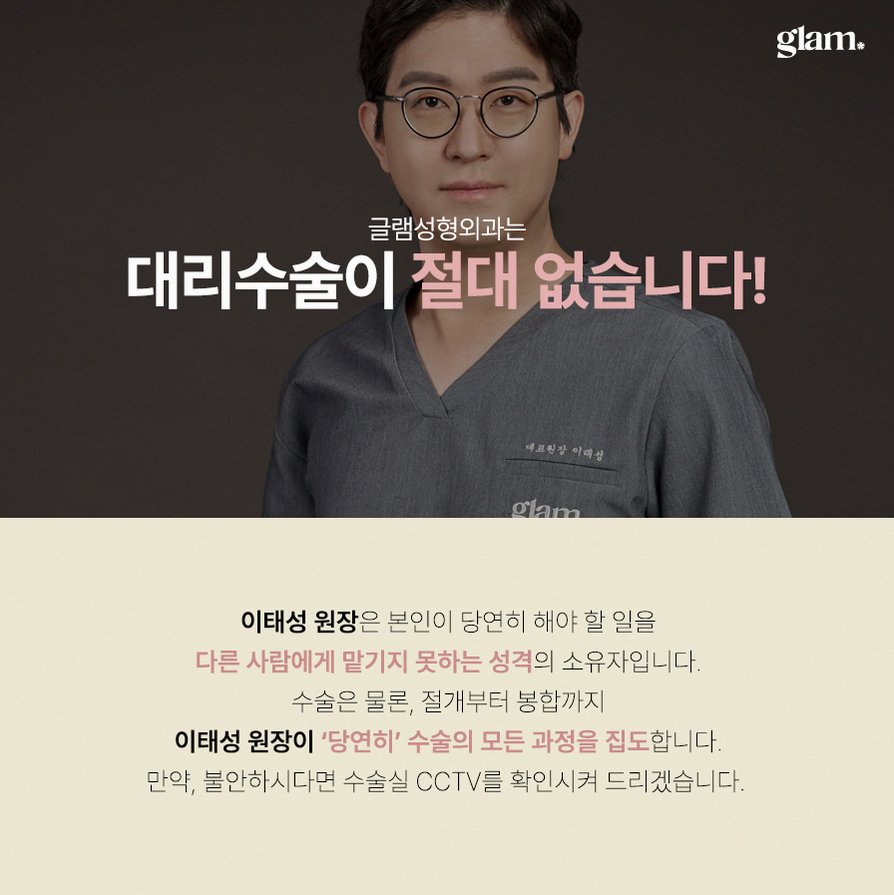
At such clinics, one board-certified plastic surgeon typically performs the surgery and bases recommendations on detailed imaging and long-term stability rather than short-term visual change alone. In the case of GLAM Plastic Surgery, the lead surgeon has about 20 years of experience in facial bone surgery as of February 2025 and has published multiple SCI-level papers on jaw and contouring surgery, including several in Plastic and Reconstructive Surgery. This academic background supports an evidence-based approach to planning.
Postoperative care programs, such as LED therapy, facial dome care, skin reset total care, and radiofrequency lifting, are used to support recovery and swelling control, especially important for revision patients.
Frequently asked questions
Is a truly quick revision facial contouring possible after a failed contouring surgery?
In most cases, a truly quick and simple revision is not realistic. Revision facial contouring is usually more complex than the first surgery because of existing bone cuts, hardware, scar tissue, and changes in nerve pathways. What can be made quick is the process around the surgery: efficient evaluation, well-organized hospital steps, and structured aftercare. However, bone healing and tissue adaptation still take time, and it is safer to accept a longer healing period than to rush into aggressive changes.
How long should I wait after my first facial contouring before considering revision?
Many surgeons recommend waiting at least 6 to 12 months after the first contouring surgery before planning revision. This allows swelling to resolve and bone and soft tissues to stabilize, so both you and your surgeon can clearly see what truly needs correction. In some cases, especially if there are serious functional problems, earlier evaluation may be necessary, but the timing of any actual revision surgery should be individualized after careful assessment.
Can revision surgery fix numbness or nerve damage from my previous operation?
Numbness after facial contouring is often related to nerve irritation or stretching and may improve over time even without additional surgery. If the nerve has been severely damaged, full recovery may not be possible. Revision surgery can sometimes relieve symptoms if there is compression from bone edges or hardware, but it can also carry a risk of further nerve irritation. This is why detailed imaging and a cautious approach are essential, and why surgeons are usually careful about promising full recovery of sensation.
Will revision contouring make my face even smaller, or is the goal mainly to correct asymmetry and unnatural lines?
In many revision cases, the main goal is to correct asymmetry, unnatural angles, or step deformities rather than to make the face significantly smaller. If too much bone was already removed, further reduction may not be safe or aesthetically desirable. Sometimes the plan may even involve adding support or volume to restore a more balanced and youthful look. During consultation, your surgeon should explain whether size reduction, refinement, or structural correction is the priority in your specific case.
What tests and scans are usually done before planning revision facial contouring?

Before revision, you can expect detailed imaging such as X-rays and CT scans. These help the surgeon analyze previous bone cuts, the position of plates and screws, bone thickness, and nerve pathways. A clinical examination of your bite and jaw joint function is also important. For overseas patients, some of these tests are done after arrival in Korea, even if you have previous scans from your home country.
How is recovery from revision different from my first surgery?
Recovery from revision can involve more prolonged swelling and a slightly longer period before the final contour becomes clear. Scar tissue and altered soft tissues may make the healing process slower and less predictable. However, with structured aftercare, clear instructions, and realistic expectations, many patients can still return to daily activities within a similar timeframe to their first surgery, while understanding that subtle changes will continue over several months.
Soft call to action
If you are considering revision facial contouring in Seoul and would like to understand whether your case is suitable, an online consultation can be a practical first step. By sharing your photos, previous records, and main concerns in advance, you can receive more personalized information about possible options, expected recovery, and a realistic timeline for a visit to Korea.
This article is for general information only and does not replace a personal consultation with a qualified medical professional. Individual situations vary, and all decisions about surgery should be made after a thorough face-to-face evaluation and discussion of risks and benefits.




- 공유 링크 만들기
- X
- 이메일
- 기타 앱


댓글
댓글 쓰기