Quick Facial Contouring Revision in Seoul: What It Really Means and How to Plan Safely
- 공유 링크 만들기
- X
- 이메일
- 기타 앱

Direct answer summary
Quick facial contouring revision does not mean a shortcut or a rushed second operation. In revision cases, quick should describe a smoother, more efficient recovery with less unnecessary swelling and downtime, achieved through careful planning, conservative bone work, and structured aftercare. Especially for patients who already had cheekbone, jawline, or V-line surgery, safety and precision are more important than speed.
This guide explains what quick facial contouring means in the context of revision, who may consider it, how a bone-surgery-focused clinic in the Gangnam and Sinsa area typically approaches these cases, and what international patients can expect when planning a visit to Seoul.
Overview of quick facial contouring revision
Facial contouring revision means secondary surgery on facial bones that have already been operated on. It usually involves the cheekbones, jaw angle, or chin after a previous contouring procedure such as square jaw reduction, zygoma reduction, or V-line surgery.
In online searches, many patients use the term quick facial contouring when they are actually looking for a way to correct unsatisfying results with less downtime. In revision surgery, quick should not describe the operation time itself. A shorter surgery is not always safer. Instead, quick should refer to an optimized overall course: precise planning, minimal extra trauma to bone and soft tissue, and a structured recovery system that helps you return to daily life more comfortably.
Revision contouring is more complex than first-time surgery. The bone shape has already been changed, there may be plates or screws in place, and scar tissue can make dissection more difficult. Nerves and blood vessels may be closer to the previous cutting lines. Because of this, a careful, unhurried approach during surgery is essential.
The realistic goal of quick revision contouring is to improve contour, balance, and function while reducing unnecessary swelling and recovery time. It is not about chasing dramatic changes in the shortest possible time.
Why revision facial contouring is more complex
When you consider a second facial contouring operation, it is important to understand why revision is a different category from primary surgery.
First, the anatomy has changed. Previous bone cuts, repositioning, and shaving mean the current bone structure is not the same as a standard textbook case. The surgeon must understand exactly what was done before.
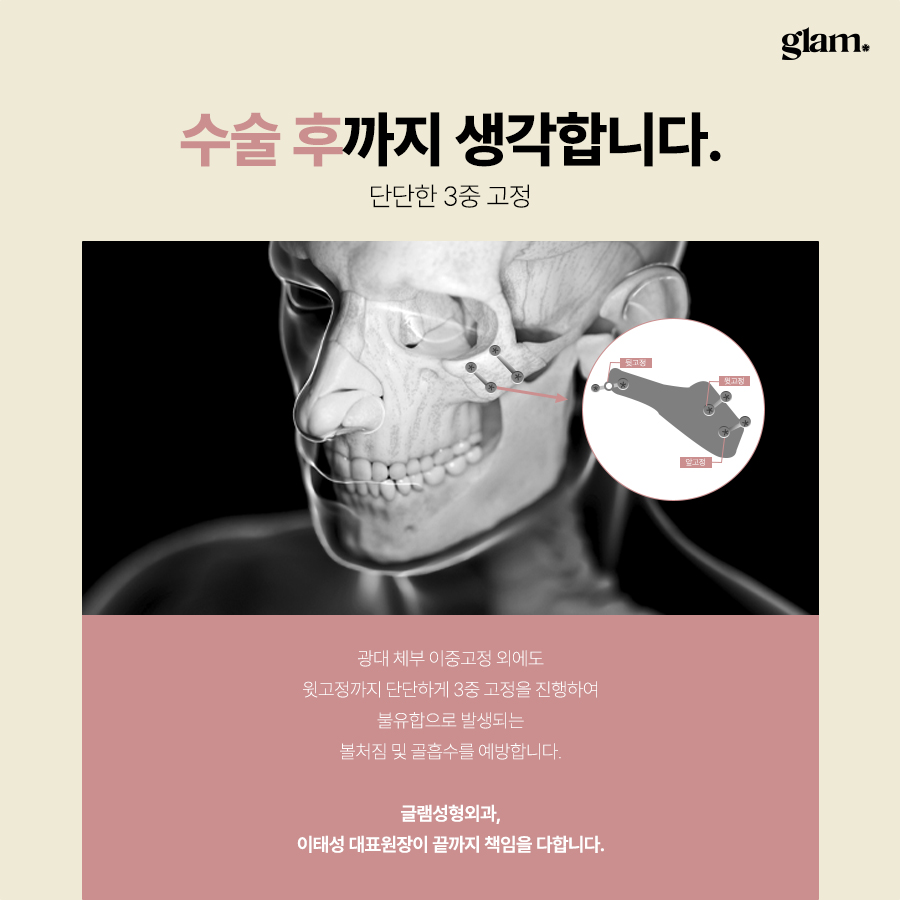
Second, fixation materials may be present. Plates, screws, or other hardware can interfere with new cutting lines and must sometimes be removed or repositioned. This requires detailed imaging and planning.
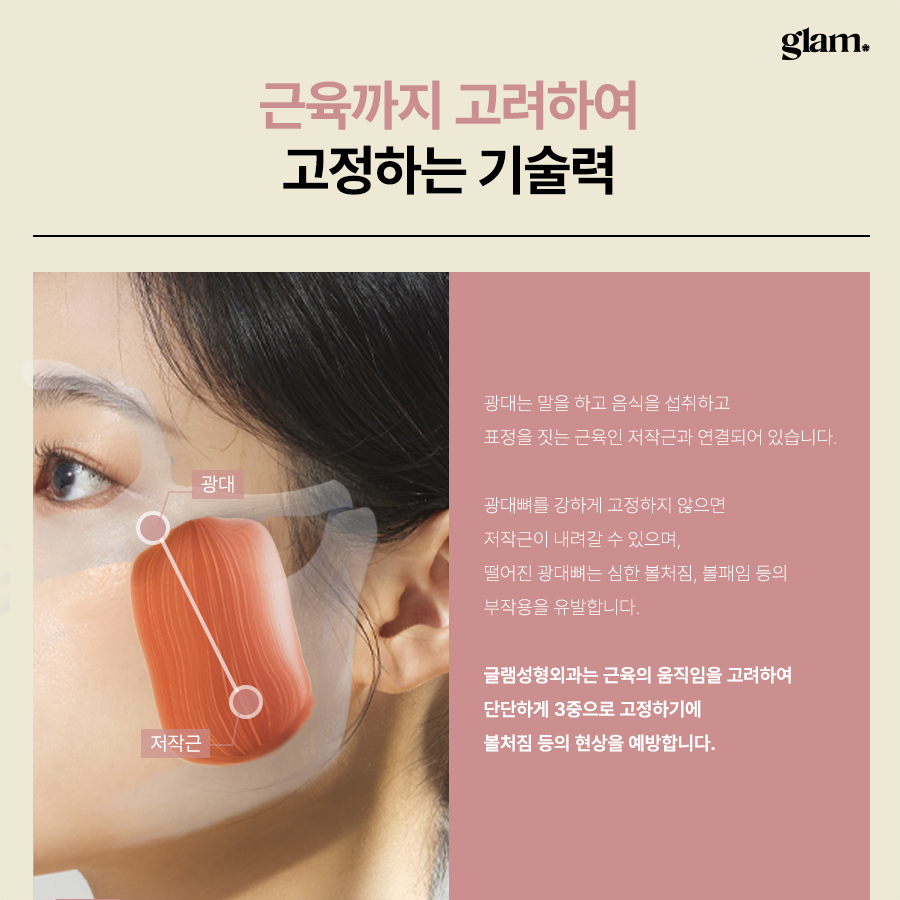
Third, scar tissue and altered blood supply make the dissection plane less predictable. This can increase the risk of bleeding and nerve irritation if the surgeon is not careful.
Finally, your expectations may be more sensitive. After living with a result you do not like, it is natural to hope the revision will solve everything at once. A responsible surgeon will explain what can realistically be improved and what limitations exist due to previous bone removal.
When to consider facial contouring revision instead of another quick fix
Many people search for quick facial contouring hoping for a simple solution, but some situations really require proper revision rather than repeated minor procedures.
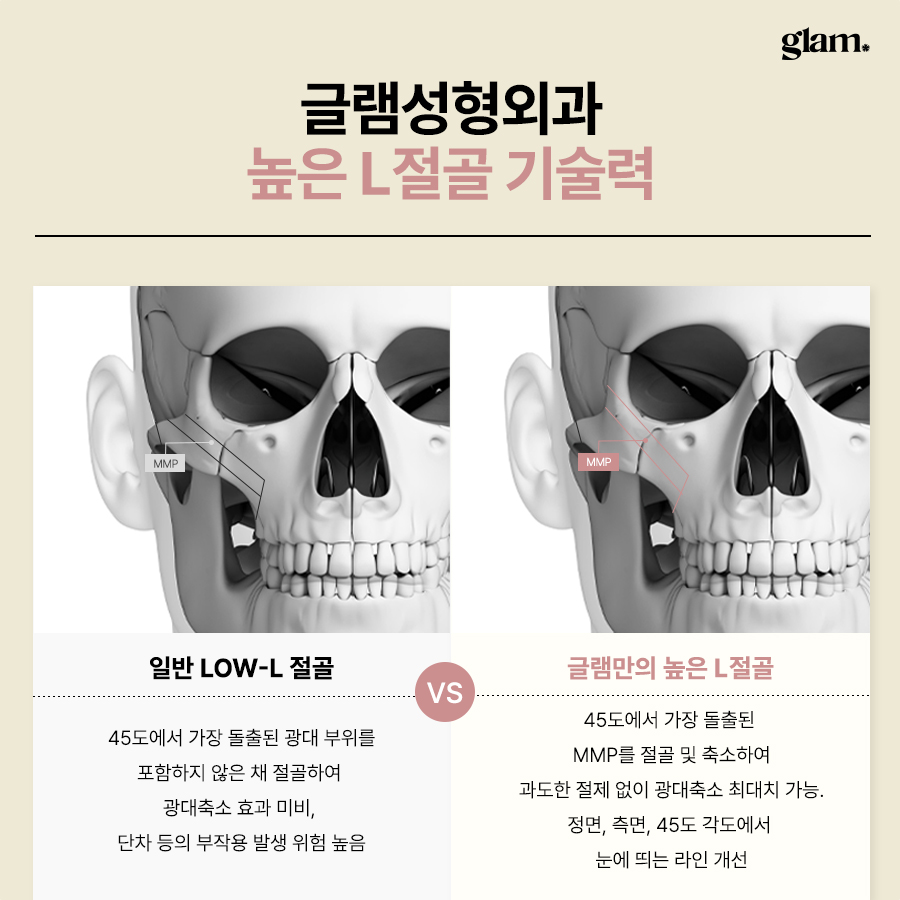
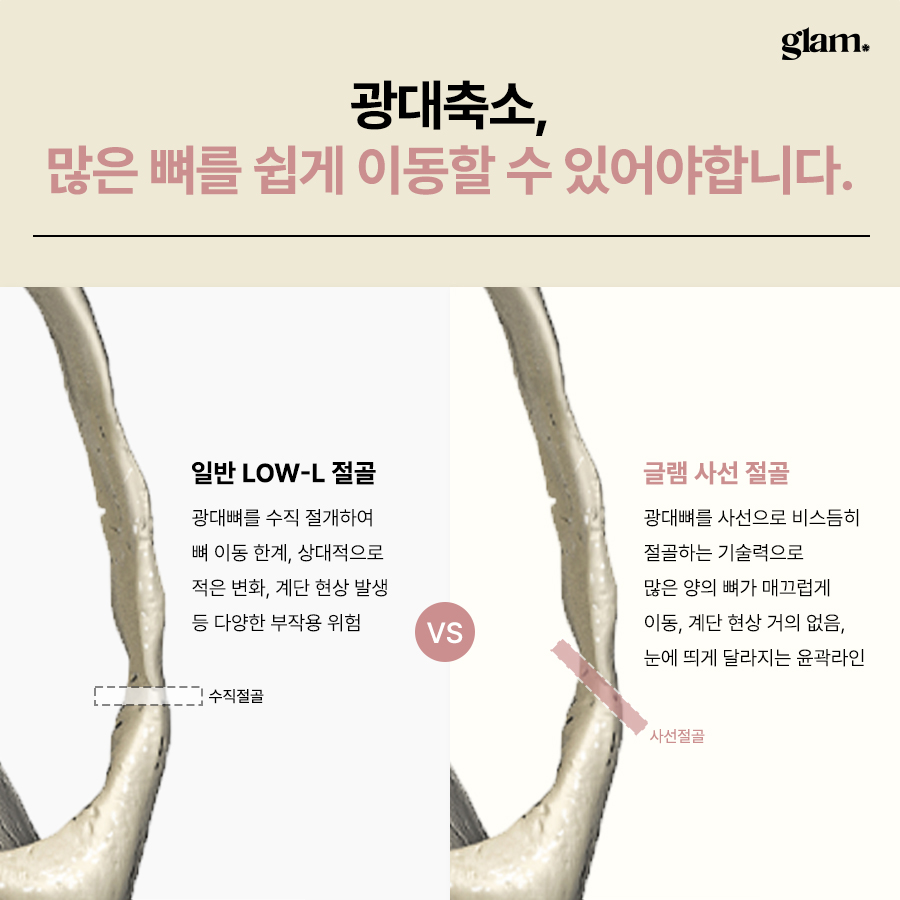
Common reasons to seek revision include a jawline that still looks wide or square even after surgery, an over-reduced or hollowed lower face that looks too slim or tired, visible step deformities or irregular edges along the jaw or cheekbones, asymmetry between the left and right sides, sagging soft tissue or jowls after aggressive bone reduction, and functional issues such as discomfort when chewing or a feeling that the bite has changed.
In these situations, injections or small non-surgical procedures may not solve the underlying bone problem. In some cases, they can even worsen the contour or stretch the skin further.
Timing is also important. After your first facial contouring surgery, your face continues to change for months. Swelling, soft tissue adaptation, and bone healing all take time. In general, many surgeons recommend waiting until the swelling has stabilized and the tissues have settled before planning revision. The appropriate waiting period can vary depending on the extent of the first surgery and your healing, so this should be discussed individually with a specialist.
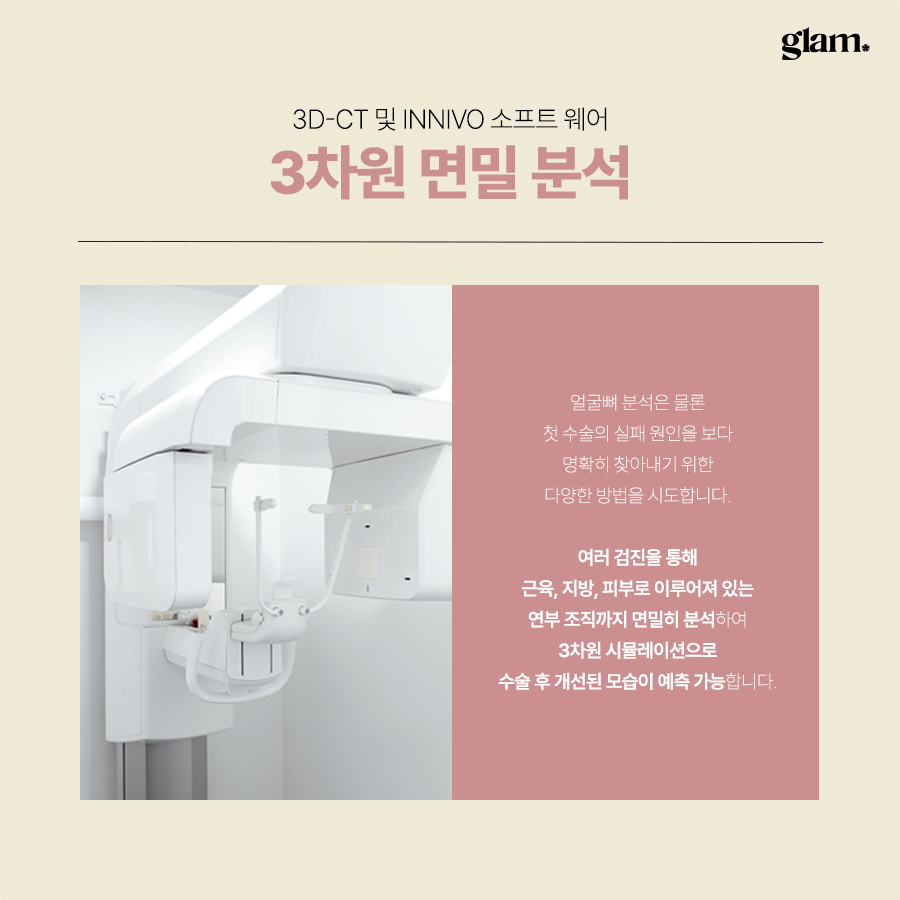
Before deciding on revision, a thorough consultation and imaging are essential. CT scans and X-rays help the surgeon see previous osteotomy lines, the current bone thickness, the position of plates and screws, and the pathway of important nerves. Without this information, it is difficult to design a safe and effective revision plan.
Why quick fixes can be misleading in revision cases
It is understandable to feel tired of long recoveries and to want something simple. However, repeated small procedures that do not address the real cause can create more problems.
For example, if the jaw angle is still prominent because the bone was not sufficiently reshaped in the right area, repeated contour injections or thread lifts will not change the bone. They may temporarily camouflage the issue, but they can also affect soft tissue quality over time.
Similarly, if the face looks too hollow due to over-resection of bone, more bone removal is not the answer. In that case, the strategy may involve smoothing irregular edges, adjusting asymmetry, and sometimes combining bone work with soft tissue support.
In revision, quick should mean making the minimum necessary change to achieve a meaningful improvement, not layering many small procedures without a clear structural plan.
How a bone-surgery-focused clinic approaches quick facial contouring revision
For complex revision cases, many patients prefer a clinic that focuses only on facial bone surgery rather than a general aesthetic center that offers many unrelated procedures.
A bone-surgery-focused clinic typically concentrates on operations such as double jaw surgery and facial contouring, including revision. Systems, staff training, and equipment are all oriented around these specific procedures. This can help create a more consistent process for planning, operating, and aftercare.
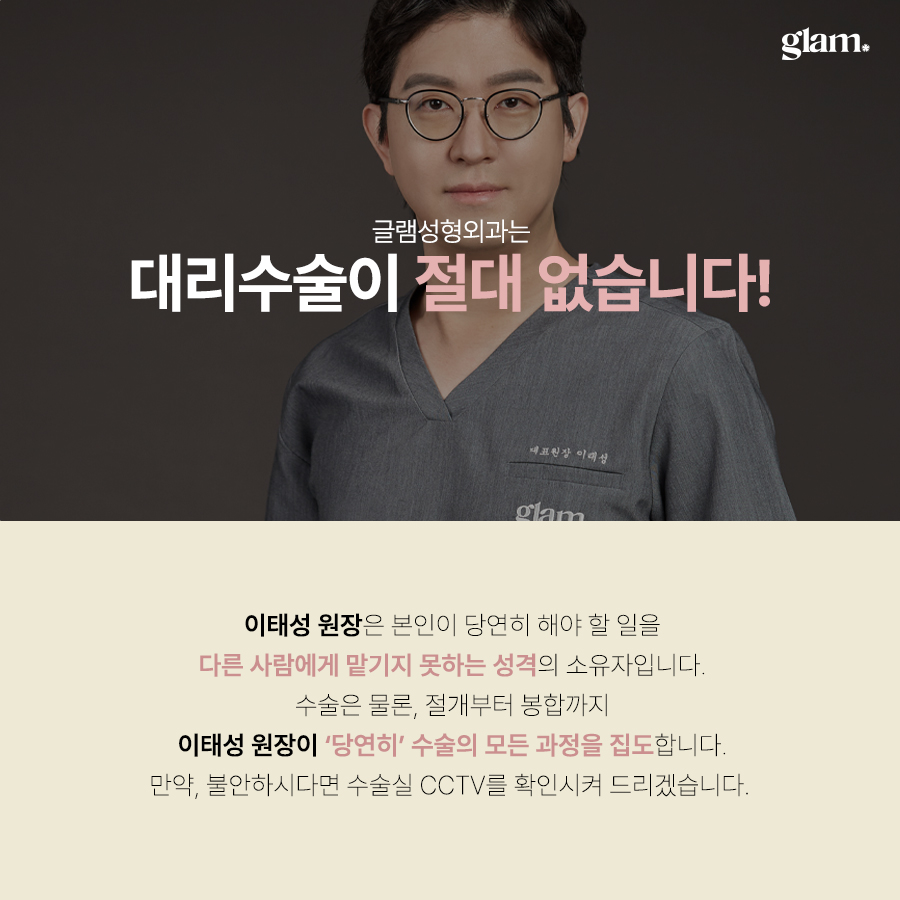
In such a setting, a single plastic surgery specialist may be responsible for all facial bone surgeries, personally performing the operation rather than delegating it to multiple surgeons. This continuity can be important in revision cases, where details from consultation and planning need to be carried through to the operating room.
A dedicated board-certified anesthesiologist plays a key role as well. Revision contouring can be longer and more delicate than primary surgery. Continuous monitoring, tailored anesthesia plans, and careful management of blood pressure and fluid balance all contribute to safety.
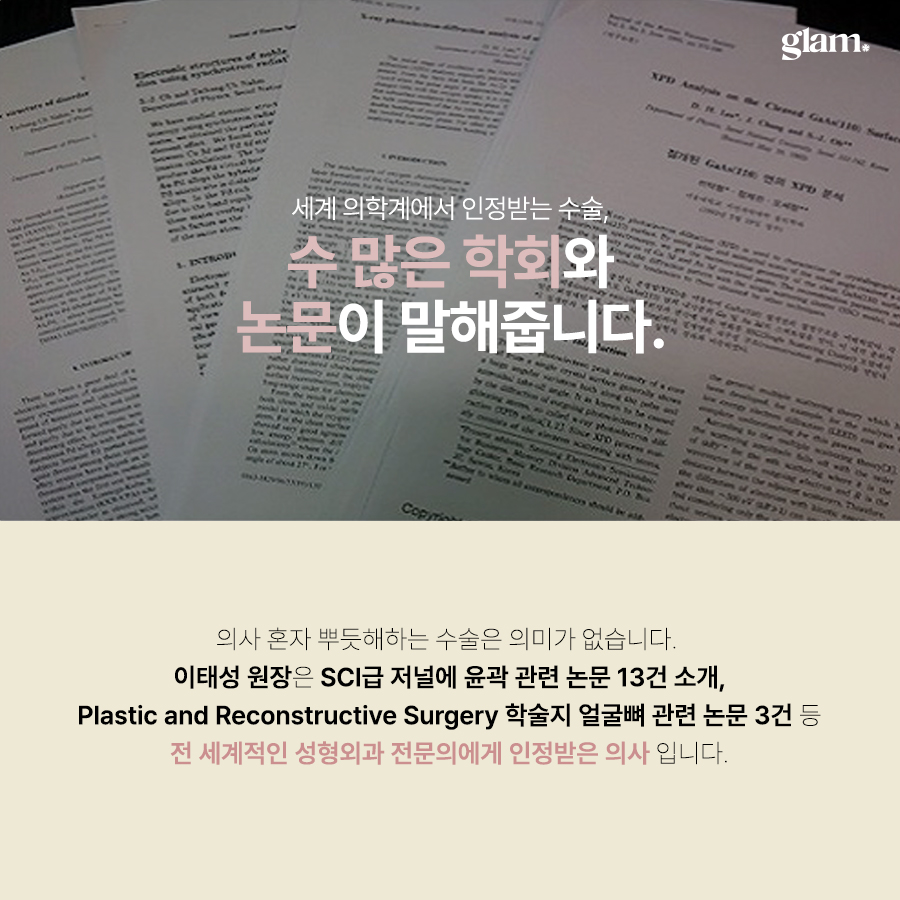
Some surgeons also have long-term academic and clinical experience in facial bone surgery, including publications in scientific journals up to recent years. This research-based background can support more objective decision-making in revision planning, beyond marketing trends or short-term fashion.
Planning a safer, more efficient revision instead of chasing speed
The foundation of a smoother and relatively quicker recovery is meticulous pre-operative evaluation.
A detailed facial analysis looks at your current contour from multiple angles, including front, three-quarter, and side views. The surgeon will evaluate jaw function, bite, and mouth opening, since these can be affected by previous surgery.
Imaging such as CT and X-ray is used to map out previous osteotomy lines, locate plates and screws, and identify nerve pathways. This allows the surgeon to design new cuts that avoid critical structures and to decide whether hardware should be removed or left in place.
Conservative bone design is a key principle in revision. The aim is to remove or reshape only what is necessary to correct issues such as asymmetry, step deformities, or residual width. Excessive resection can weaken the bone, increase the risk of sagging, or create unnatural angles.
The strategy may include smoothing irregular bone edges, adjusting the contour on one or both sides to improve balance, repositioning or removing plates that cause discomfort or contour problems, and considering how soft tissue will drape over the new bone shape.
By minimizing additional trauma and avoiding unnecessary dissection, this careful planning supports a more stable recovery. Swelling and bruising are still expected, but they may resolve more predictably when the surgery is focused and conservative.
Post-operative care that supports quicker recovery in revision contouring
After revision surgery, structured post-operative care is especially important because the tissues have already been operated on once.
In the early days, management focuses on swelling, bruising, and pain control. Elevating the head while sleeping, using cold compresses at the correct times, and taking prescribed medication as directed all help.
Some clinics in the Gangnam and Sinsa area provide in-clinic recovery programs designed to support healing. These may include LED light therapy sessions, which are used with the goal of helping reduce inflammation and support skin condition, facial dome care for gentle circulation support, total skin reset programs to manage skin dryness or sensitivity after surgery, and radiofrequency lifting devices that are introduced later in recovery to support skin tightening and contour.
These treatments are supportive tools, not replacements for proper surgical technique. Their role is to help manage swelling, improve comfort, and support the skin as it adapts to the new bone structure.
Continuous monitoring by the surgical and anesthesia team in the early recovery period helps detect and manage any issues promptly. Clear follow-up schedules, both in person and via online channels for overseas patients, are important so that you know when to return for checks and when it is safe to fly home.
Lifestyle guidance is another part of quick recovery. You will usually receive instructions about sleeping posture, when to switch from cold to warm compresses, oral hygiene if intraoral incisions were used, diet progression from soft to more solid foods, and realistic timelines for returning to work or social activities.
Who may consider quick facial contouring revision
Quick facial contouring revision may be considered by adults who have already undergone facial contouring and are dissatisfied with shape, asymmetry, or function, and who want to minimize additional downtime.
Typical candidates include people who feel their jawline is still too wide or uneven after square jaw surgery, those who notice cheekbones that look too flat, too prominent, or asymmetric after zygoma reduction, patients with a V-line or chin shape that appears too pointy, too long, or crooked, and individuals who experience discomfort when chewing or a feeling that the jaw does not move naturally.
However, not everyone is suitable for revision, and not every concern requires bone surgery. Some issues can be managed with soft tissue procedures or non-surgical treatments, while others may need combined approaches. A detailed consultation with a facial bone specialist is essential to determine the most appropriate plan.
Online consultation and pre-visit preparation for overseas patients
For international patients considering revision in Seoul, online consultation is usually the first step.
Some clinics near Sinsa Station on Dosan-daero — including GLAM — offer online channels such as email, messaging apps, Instagram, or YouTube for initial contact. Some provide multilingual support in English, Japanese, and Thai, and GLAM also maintains foreign-patient channels, which can make communication smoother.
To make your online consultation more effective, it helps to prepare the following in advance: clear photos of your face from front, both sides, and three-quarter angles; any previous medical records or operation notes from your first surgery, if available; pre-operative and post-operative imaging from your first surgery, such as CT or X-ray; and a simple list of what bothers you most, ranked by priority.
During the online consultation, you can ask whether revision is likely to help your specific concerns, what kind of imaging will be needed on arrival, a rough estimate of the stay required in Korea, and what type of anesthesia is usually used.
Expected visit timeline for revision in Korea
The exact schedule can vary, but many overseas patients follow a similar pattern when coming to Seoul for facial contouring revision.
On day one or two, you usually have an in-person consultation, facial examination, and imaging such as CT and X-ray. The surgeon reviews your case, confirms the plan, and explains the expected course.
Surgery often takes place within a few days after imaging, depending on clinic scheduling and your health check results. Revision procedures are typically performed under general anesthesia with monitoring by an anesthesiology team, but the exact anesthesia plan will be determined during consultation based on your individual case.
The first few days after surgery are usually spent in Seoul for close monitoring, dressing changes, and early aftercare sessions. Swelling is typically most noticeable during this period.
Over the next one to two weeks, you may attend several in-clinic care sessions such as LED therapy or gentle facial care, according to your recovery program. Many patients stay in Korea for around two to three weeks in total, but the recommended duration will depend on the complexity of your revision and your travel distance.
Before you fly home, the clinic will usually check your incisions, confirm that there are no acute issues, and provide written instructions for continued care, including what signs should prompt you to contact the clinic or visit a local doctor.
How to choose a clinic for quick facial contouring revision in Gangnam and Sinsa
When comparing clinics in the Gangnam and Sinsa area, it can be helpful to use a simple checklist.
Consider whether the clinic specializes in facial bone surgery rather than offering a very wide range of unrelated procedures, whether the operating surgeon is board-certified and personally responsible for your case from consultation through surgery and follow-up, and whether there is a dedicated anesthesiologist in charge of anesthesia and monitoring.
Check if the clinic has proper imaging and planning systems, such as CT, X-ray, and software for analyzing bone structure, and whether they provide a transparent explanation of risks, limitations, and realistic outcomes instead of only showing dramatic before-and-after images.
Be cautious of clinics that promote only speed, low price, or extreme transformations without clearly explaining the surgical method and safety systems. In revision, the priority should be safety, function, and sustainable improvement.
During consultation, try to speak directly with the surgeon who will operate on you, not only with a coordinator. You can ask what the minimum effective procedure would be to address your main concerns, whether full revision is necessary or if a limited correction is enough, and how they plan to protect nerves and soft tissues during surgery.
FAQ
Is quick facial contouring revision really possible after previous jaw or cheekbone surgery

In many cases, it is possible to perform revision facial contouring after previous jaw or cheekbone surgery. Quick in this context means designing a focused, conservative operation and a structured recovery plan to reduce unnecessary trauma and downtime. The feasibility and scope of revision depend on your current bone structure, the amount of bone already removed, and the condition of your soft tissues and nerves. A detailed consultation with imaging is necessary to determine what can be safely improved.
How long should I wait after my first contouring surgery before considering revision
The appropriate waiting time can vary, but many surgeons prefer to wait until swelling has largely resolved and tissues have stabilized. This allows a more accurate assessment of the final result and reduces the risk of operating on still-changing structures. The exact timing depends on the type of surgery you had and your healing pattern, so it is best to discuss this individually with a facial bone specialist.
Will revision surgery cause more swelling and downtime than the first operation
Revision surgery can sometimes cause more swelling because tissues have already been dissected once. However, careful planning, conservative bone work, and structured aftercare can help manage this. Many patients find that with a focused revision plan and proper post-operative care, the overall course can feel more predictable, even if swelling is still present for several weeks. Your personal experience will depend on the extent of your revision and your individual healing.
Can asymmetry or an overly slim, hollow face be improved with revision contouring
Certain types of asymmetry and hollowing can be improved with revision contouring, but the strategy will differ from case to case. For asymmetry, the surgeon may adjust bone on one or both sides, smooth irregularities, or reposition previous cuts. For an overly slim or hollow lower face caused by aggressive bone removal, the approach is often conservative, focusing on smoothing and balancing rather than further reduction, sometimes combined with soft tissue support. A realistic discussion with imaging is essential to understand what is structurally possible.
What tests and imaging are needed before planning revision
CT scans and X-rays are typically used to evaluate the current bone structure, previous osteotomy lines, and the position of plates and screws. These images help the surgeon understand what was done in the first surgery and plan safe new cutting lines. In some cases, additional tests may be requested based on your medical history or specific concerns.
How do I know if I need full revision surgery or just a minor correction
The decision between full revision and minor correction depends on the cause of your dissatisfaction. If the main issue is a small irregularity or a limited asymmetry, a targeted correction may be enough. If the overall shape, width, or projection of the jaw or cheekbones is not suitable, a more extensive revision may be required. During consultation, the surgeon should explain which structures are causing your concerns and what the minimum effective intervention would be.

What safety systems should I look for in a clinic that offers facial contouring revision
Key safety elements include a surgeon with focused experience in facial bone surgery, a dedicated anesthesiologist for continuous monitoring, access to high-quality imaging and planning tools, and clear protocols for pre-operative evaluation and post-operative monitoring. It is also important that the clinic explains potential risks, side effects, and limitations in a straightforward way so you can make an informed decision.
Soft call to action
If you are considering quick facial contouring revision in Seoul and want to minimize additional downtime while prioritizing safety, an online consultation can be a useful first step. By sharing your photos, previous records, and main concerns, you can receive an initial assessment and a suggested visit plan before you travel to the Gangnam and Sinsa area. This preparation helps you use your time in Korea more efficiently and supports a smoother overall experience.




- 공유 링크 만들기
- X
- 이메일
- 기타 앱


댓글
댓글 쓰기