planning double jaw surgery for TMJ joint function in Seoul
- 공유 링크 만들기
- X
- 이메일
- 기타 앱
Direct answer summary
Double jaw surgery for TMJ is a type of orthognathic surgery where both jaws are repositioned with the main goal of improving jaw joint function and bite, not only facial appearance. When TMJ problems are closely related to jaw misalignment and an unstable bite, carefully planned double jaw surgery can reduce joint overload, improve chewing, and often ease symptoms such as pain, clicking, and locking. It is not a guaranteed cure for every TMJ disorder, but it can be an important option when conservative care is not enough and there is a clear skeletal problem.
This guide explains how TMJ‑focused double jaw surgery is planned, who may consider it, what to expect when traveling to Seoul for treatment, and how recovery and follow‑up usually work.
What is TMJ‑focused double jaw surgery
The temporomandibular joint, usually called the TMJ, connects your lower jaw to the skull on both sides, just in front of the ears. It allows you to open and close your mouth, chew, speak, and move your jaw side to side. Because it is used constantly, any imbalance in the joint or muscles can cause symptoms.
Common TMJ‑related symptoms include pain around the jaw, temples, or ears, clicking or popping sounds, grinding, limited mouth opening, locking episodes, headaches, facial asymmetry, and an uneven or unstable bite. Some people also feel fatigue when chewing or wake up with tight jaw muscles.
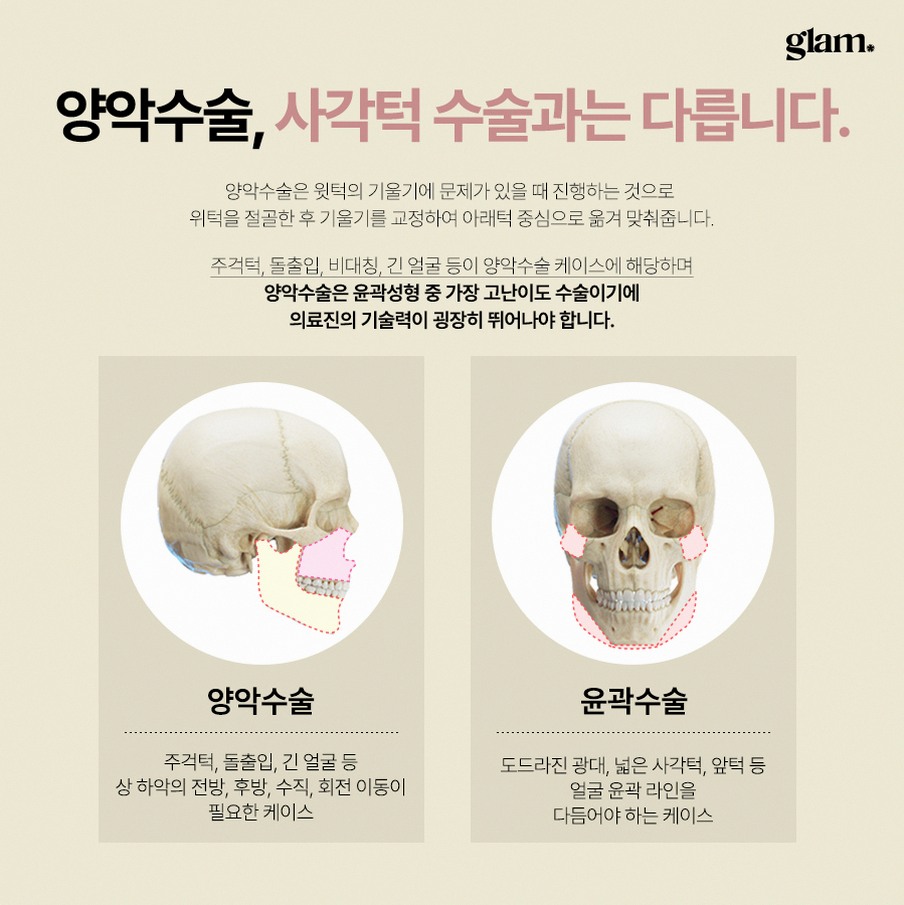
Double jaw surgery, also called orthognathic surgery, is an operation that repositions both the upper jaw (maxilla) and lower jaw (mandible). It is usually done to correct skeletal malocclusion, meaning the bones of the jaws do not match properly, which leads to bite problems and facial imbalance.
TMJ‑focused double jaw surgery means that the entire treatment plan starts from the health and position of the joints and the stability of the bite. The aim is to place the jaw joints (condyles) in a more physiologic position and design the new bite so that the joints and muscles are under less abnormal stress. Facial balance and profile improvement are considered, but function and long‑term stability are the priority.
It is important to keep expectations realistic. If your TMJ symptoms are mainly caused by skeletal misalignment and an unstable bite, double jaw surgery can improve chewing, reduce overload on the joints, and often relieve some symptoms. However, it is not a universal cure. If there is severe joint damage, disc perforation, or pain from other causes, surgery may only partially help or may not change symptoms significantly. A detailed evaluation is essential before deciding.
Who may consider double jaw surgery for TMJ
People who might be candidates for TMJ‑focused double jaw surgery usually have both functional and structural issues.
From a functional point of view, you may consider this surgery if you have chronic TMJ pain or noise together with obvious jaw misalignment, such as an underbite, overbite, or crossbite. An open bite (front teeth not touching), deep bite (front teeth overlapping too much), or severe overbite or underbite can overload the joints and muscles. Difficulty chewing certain foods, trouble speaking clearly because of the bite, frequent jaw locking, or strong fatigue in the jaw muscles are also warning signs.
From an aesthetic and structural perspective, candidates often have noticeable facial asymmetry, such as one side of the jaw being longer or the chin deviating to one side. A very receded or protruding jaw that affects lip closure, facial profile, or even airway space can also be a reason to consider surgery, especially when these features are linked to TMJ symptoms.
Double jaw surgery is usually considered after conservative TMJ care has been tried. Splints, physical therapy, medication, and lifestyle changes are often the first steps. Surgery becomes a realistic option when these measures provide only limited or short‑term relief and there is a clear skeletal discrepancy that cannot be corrected by non‑surgical means. It is also considered when bite correction without jaw surgery would worsen facial balance or increase joint loading.
There are also situations where caution is needed. If you have TMJ pain but no skeletal or bite problem, orthognathic surgery is unlikely to help and may even risk new symptoms. People who expect a complete cure of all TMJ issues from surgery alone should be counseled carefully so they understand the limits. Systemic health conditions, smoking, and poor oral hygiene can increase the risk of complications and may require additional preparation or make surgery unsuitable.
Diagnosis and planning with a TMJ focus
For TMJ‑related double jaw surgery, diagnosis and planning are as important as the operation itself. The process usually begins with a detailed medical and TMJ history. You will be asked when your pain or noise started, how it has changed, whether you have locking, how wide you can open your mouth, and what treatments you have already tried, such as splints or previous bite correction.
A clinical examination follows. The surgeon checks your jaw range of motion, whether your jaw deviates when you open, and if there is tenderness over the joints or muscles. The bite is carefully analyzed: how your upper and lower arches meet, which teeth touch first, and whether there is an open bite, crossbite, or deep bite.
Imaging is a key part of planning. Panoramic X‑rays show the overall jaw and joint area. Cephalometric radiographs help measure jaw positions and angles. Three‑dimensional CT scans can be used to understand the bone structure and asymmetry more precisely. In some cases, TMJ‑focused imaging such as MRI may be recommended to look at the joint disc and soft tissues.
Dental models or digital scans of your bite are taken to analyze how your teeth meet and to simulate jaw movements. These models can be mounted on a device that mimics jaw motion, or digital software may be used to virtually plan the surgery.
For TMJ‑related cases, the planning goal is to establish a stable, reproducible joint position that does not overload the TMJ. The surgeon designs the movements of the upper and lower jaws, including advancement, setback, rotation, and correction of any tilt, so that the final bite is stable and the joints sit in a more natural position. At the same time, airway space, chin position, and overall facial harmony are considered, but not at the expense of joint health.
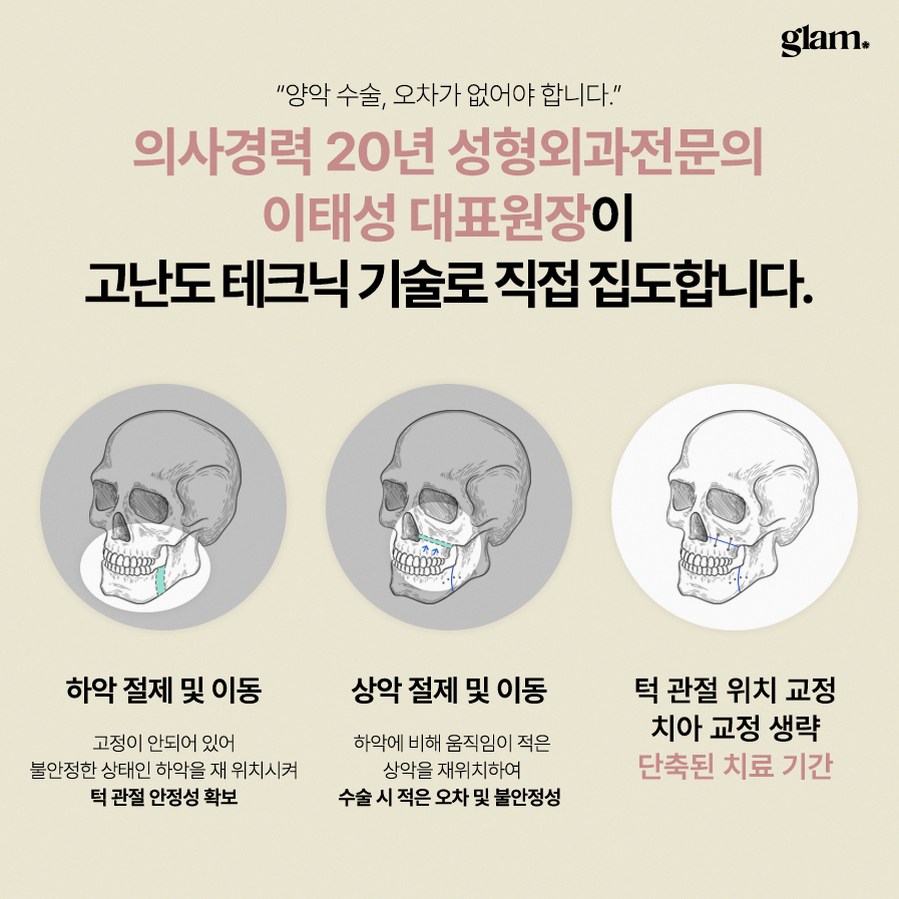
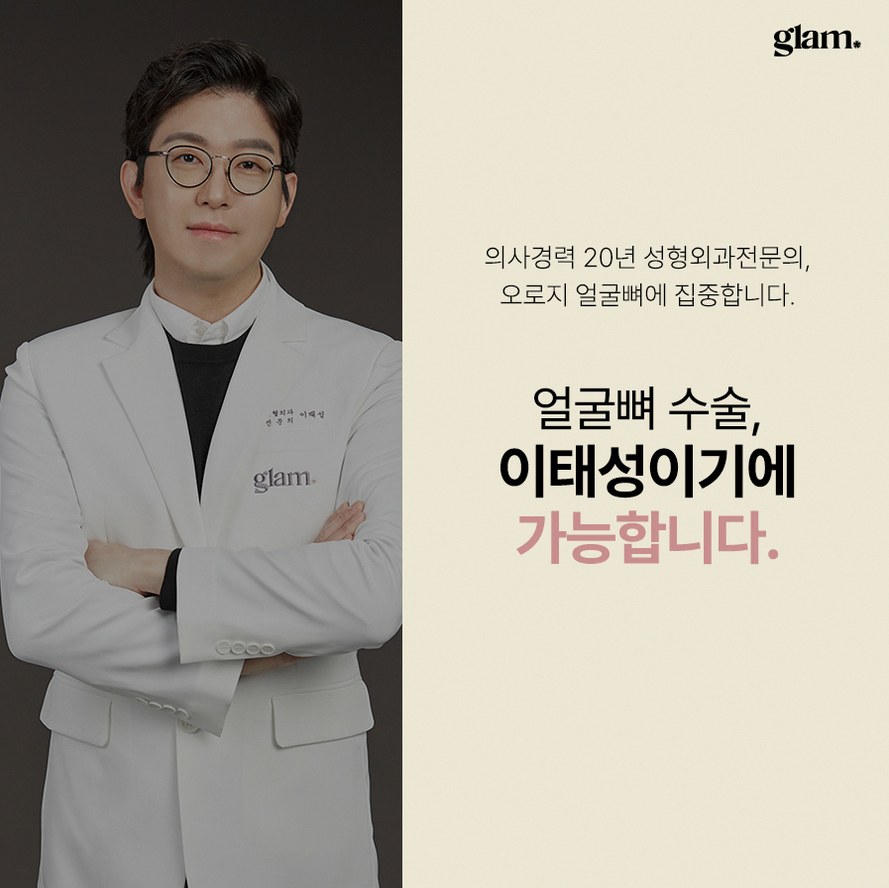
GLAM Plastic Surgery in Sinsa, Gangnam focuses exclusively on facial bone procedures such as double jaw and facial contouring surgery. The lead surgeon has 20 years of facial bone surgery experience (as of February 2025) and, as of February 2025, has published 13 SCI‑level papers on contouring and orthognathic topics in international journals, including 3 papers in Plastic and Reconstructive Surgery. Surgery is performed directly by the lead surgeon, and the clinic emphasizes recommending only procedures that are necessary, which can be reassuring for patients concerned about overtreatment.
For international patients, multilingual support in English, Japanese, and Thai is available, and the clinic is located near Sinsa Station in Gangnam, a convenient area in Seoul with easy access to hotels and transport.
How the surgery is performed
Double jaw surgery involves precise cuts in the jaw bones, called osteotomies, to allow controlled repositioning.
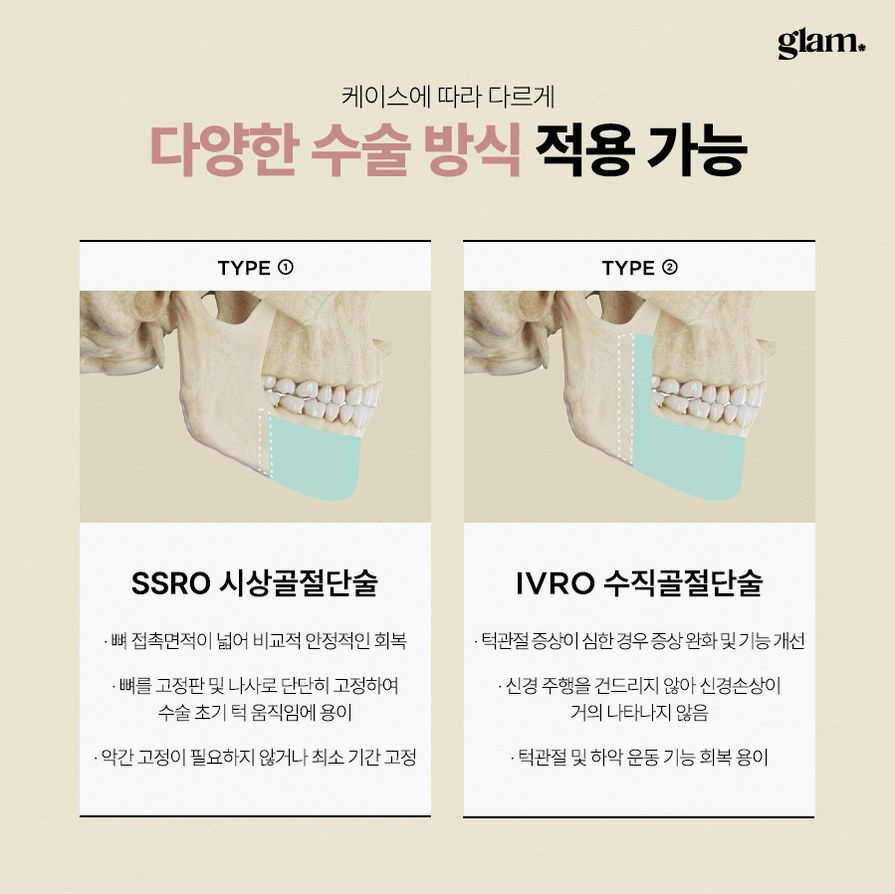
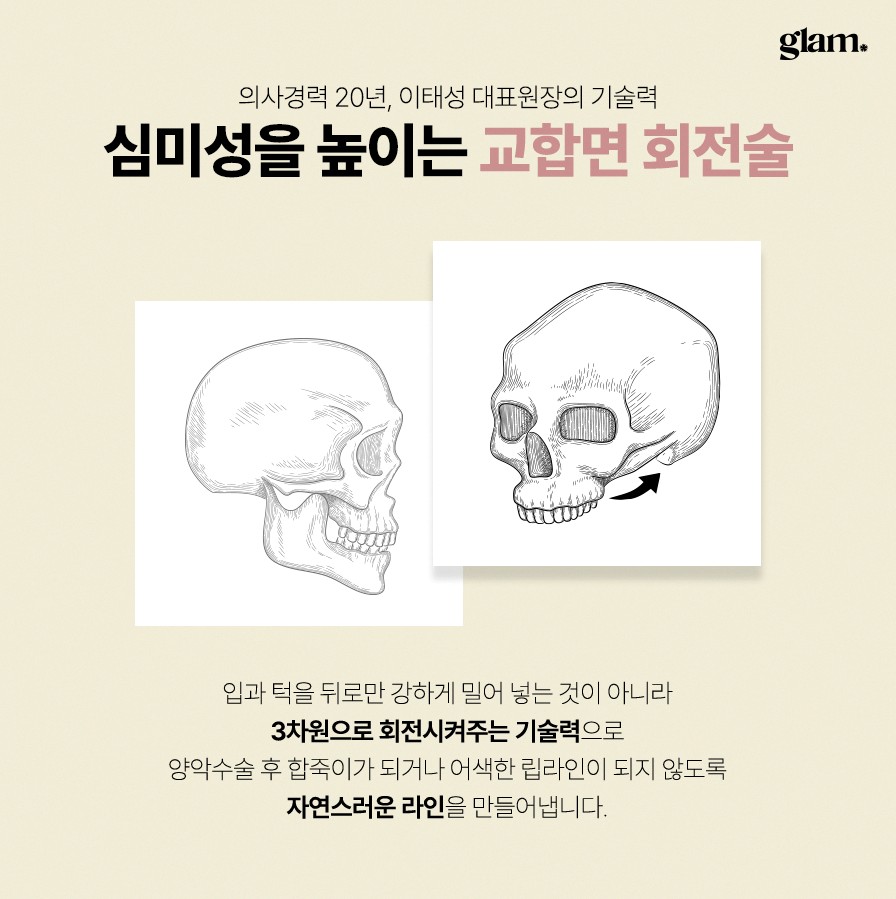
For the upper jaw, a maxillary osteotomy is performed. This allows the surgeon to move the upper jaw forward or backward, raise or lower it, and correct any tilt or cant. This is important for open bite correction, midface retrusion, and facial asymmetry. Adjusting the upper jaw can also influence nasal shape, so careful planning is needed.
For the lower jaw, a mandibular osteotomy is done to reposition the jaw and chin area. The lower jaw can be advanced, set back, rotated, or shifted to correct asymmetry and align with the upper jaw. In many TMJ‑focused cases, rotation of the jaws is used to improve both facial balance and joint mechanics.
Modern planning often uses three‑dimensional simulations and surgical guides to improve accuracy. These tools help the surgeon transfer the virtual plan to the operating room, so that the final jaw positions match the intended joint and bite relationship as closely as possible.
In TMJ‑focused surgery, special attention is paid to seating the condyles, the round ends of the lower jaw that sit in the joint, in a stable and physiologic position before the bones are fixed with plates and screws. Excessive setback of the lower jaw is usually avoided, as it can affect the airway and may increase joint load in some patients. Correcting asymmetry and the tilt of the bite plane helps distribute forces more evenly across both joints.
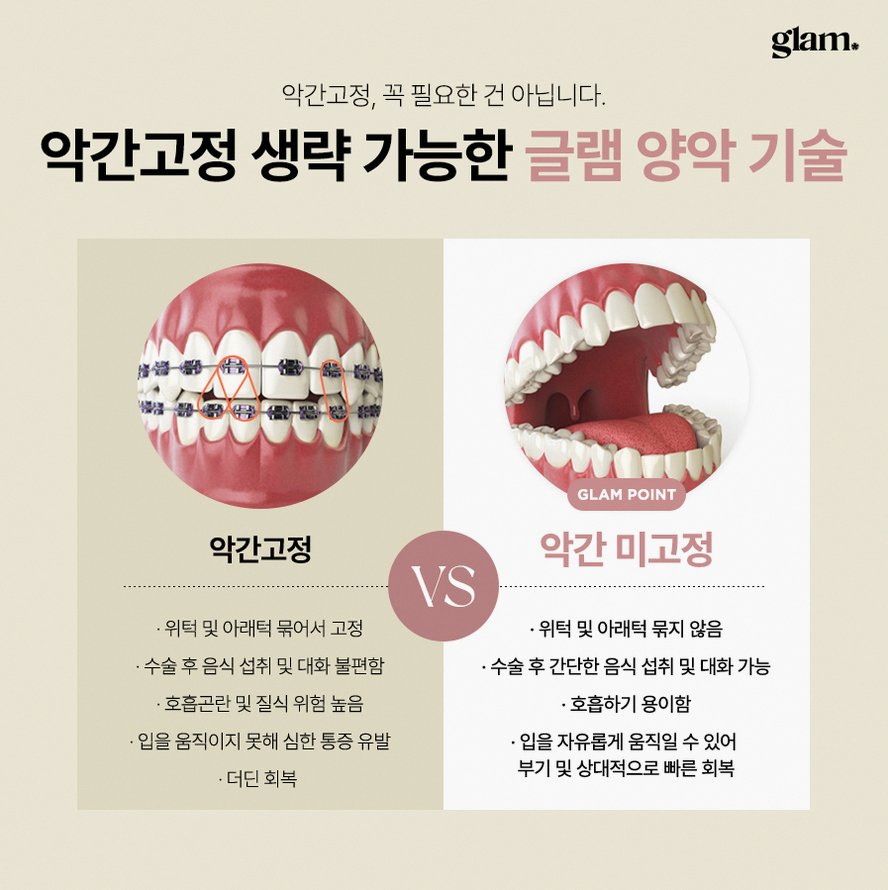
At some specialized face‑bone clinics, including GLAM Plastic Surgery, a no intermaxillary fixation approach is used in many cases. This means the jaws are not wired shut for a long period after surgery. Instead, rigid fixation with plates and screws, combined with guiding elastics, allows earlier jaw movement and more comfortable breathing and speaking. Some limited fixation or elastics are still used to protect the new bite, but long‑term wiring is often avoided.
In selected patients with suitable anatomy and bite conditions, it may be possible to shorten or omit the usual pre‑ or post‑operative brace phases. A surgery‑first or reduced brace approach can be discussed, but it always requires careful evaluation by the surgeon and the bite specialist. Even when braces are minimized, precise bite planning remains essential for joint stability.
When the upper jaw is moved, the base of the nose can widen. To reduce this effect, special suturing techniques around the nasal base may be used to help maintain the original nasal width and shape. These are supportive steps to preserve facial harmony.
The exact method chosen for your case depends on your jaw shape, joint condition, bite, and facial goals. A personalized plan is necessary rather than a one‑method‑fits‑all approach.
Recovery, aftercare, and TMJ‑specific follow‑up
After double jaw surgery, you will usually stay in the hospital for monitoring. In the immediate post‑operative period, staff will check your breathing, swelling, and pain control. You will start with a liquid or very soft diet, as your bite and muscles are adjusting and your mouth opening will be limited.
Even if your jaws are not wired shut, elastic bands may be attached between the upper and lower jaw to guide the bite into the correct position. You will be shown how to manage these elastics and what movements are safe.
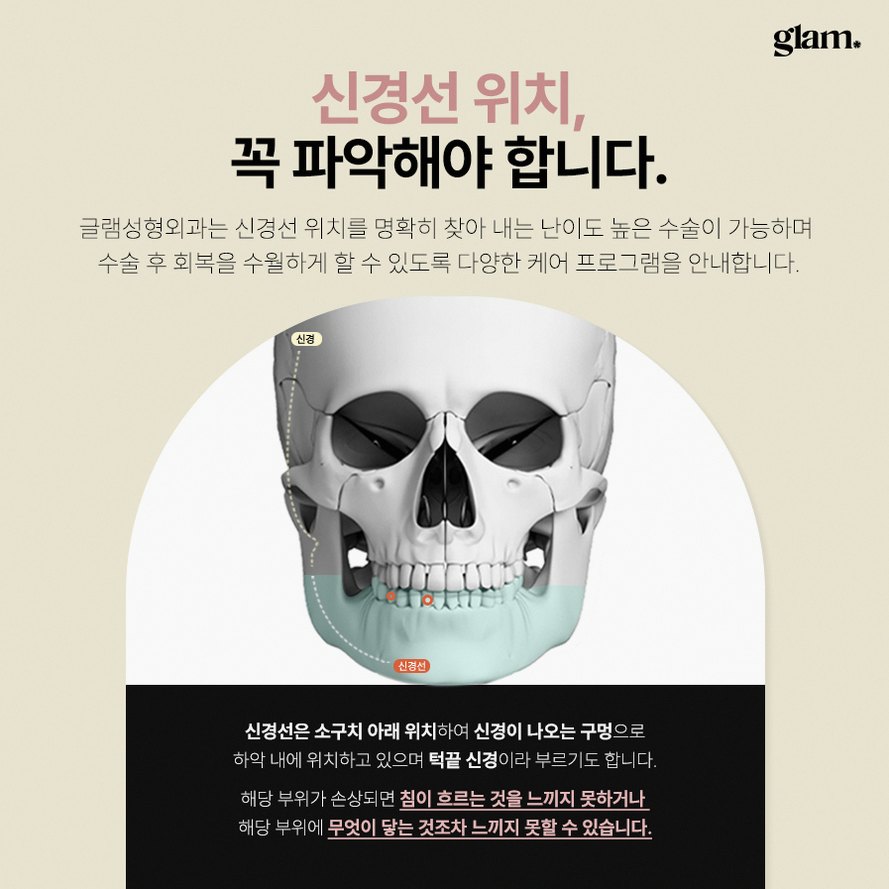
Swelling typically peaks in the first week and then gradually decreases over several weeks. Bruising around the cheeks and neck is also common. Numbness or tingling around the lips, chin, or cheeks can occur due to stretching of the nerves during surgery. This often improves over months, but in some cases a degree of altered sensation can remain.
As healing progresses, gentle jaw exercises and sometimes physiotherapy are recommended to restore range of motion and support TMJ function. It is important to follow the exercise plan, as avoiding movement for too long can lead to stiffness, while too much or too early movement can stress the joints and fixation.
TMJ‑specific follow‑up includes regular assessment of joint pain, clicking, and opening range. The surgeon will monitor whether your symptoms are improving, stable, or temporarily worsened. Minor bite adjustments or short brace phases may be suggested to fine‑tune the occlusion and support long‑term stability.
Some clinics provide additional post‑operative care to help with swelling and skin recovery after facial bone surgery. At GLAM Plastic Surgery, options such as LED therapy, facial dome care, skin reset programs, or radiofrequency lifting may be used as part of the recovery protocol. These treatments are supportive and focus on soft tissue and skin; they do not replace proper surgical planning or bone healing.
Long‑term, many patients experience a more stable bite, improved chewing, and a reduction in TMJ symptoms when the underlying skeletal problem has been corrected. However, outcomes vary from person to person. Some residual or recurrent symptoms are possible, especially if there was advanced joint damage before surgery, so long‑term follow‑up and self‑care remain important.
Risks, limitations, and safety considerations
Like any major surgery, double jaw surgery carries general risks. These include bleeding, infection, delayed bone healing, and unfavorable fractures of the jaw segments. Changes in sensation, such as temporary or rarely permanent numbness in the lips, chin, or cheeks, can occur. In some cases, revision surgery may be required if there is relapse of the jaw position or if the alignment is not satisfactory.
For TMJ‑focused cases, there are specific limitations. If the joint disc is severely damaged, perforated, or if there is advanced degenerative change, repositioning the jaws alone may not fully resolve pain or noise. Some patients may experience a temporary increase in joint symptoms during the early healing phase as the muscles and joints adapt to the new position.
Because of these factors, surgery should generally be considered after careful evaluation of conservative options, unless there is a clear and severe skeletal problem that strongly indicates early surgical correction.
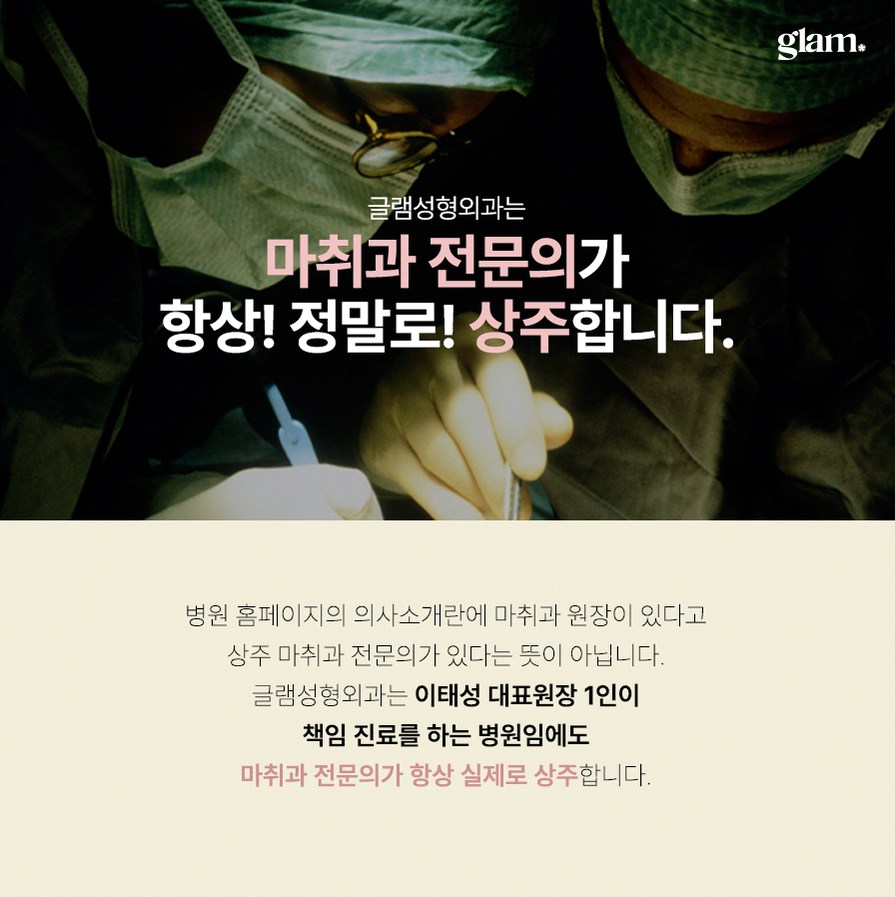
A structured safety framework is important. This includes a thorough pre‑operative assessment of your general health and airway, and the presence of a , who serves as the clinic's anesthesia director and is present during surgery for monitoring and pain control. Continuous post‑operative observation helps detect and manage any complications early.
A conservative, function‑first philosophy is especially valuable in TMJ‑related cases. Instead of adding many cosmetic procedures at the same time as functional jaw surgery, the focus is on achieving a stable bite and joint condition with the minimum necessary interventions.
Preparing as an overseas patient
If you are considering TMJ‑focused double jaw surgery in Seoul, early online consultation is a practical first step. Most international patients start by sending medical records, previous imaging if available, and clear photographs of their face and bite from different angles.
Before your online consultation, it is helpful to prepare a short summary of your TMJ history: when symptoms started, how often you have pain or locking, what triggers your symptoms, and which treatments you have already tried. Note any previous bite correction or jaw procedures.
You can also prepare a list of questions, such as how your specific jaw shape affects your TMJ, whether surgery is likely to improve your main complaints, what the expected timeline is, and what kind of follow‑up will be available after you return home.
Clinics with multilingual staff can guide you through the process, explain which additional scans will be needed in Seoul, and suggest a realistic stay period. For many TMJ‑focused double jaw cases, a stay of several weeks in Korea is recommended to allow for pre‑operative workup, surgery, and early post‑operative checks.
Typical Korea visit timeline
Although details vary, a common timeline for overseas patients may look like this.
In the first few days after arrival, you undergo detailed imaging, scans, and clinical examinations. The surgeon reviews your TMJ status, bite, and facial structure, and finalizes the surgical plan with you. If any brace or bite preparation is needed, this may also be started.
Surgery is usually scheduled within the first one to two weeks, allowing time for planning and for you to settle in. After surgery, a hospital stay of a few days is common, followed by clinic visits for dressing changes, bite checks, and swelling management.
Most patients are advised to stay in Korea for at least two to three weeks after surgery, sometimes longer, so that early healing and bite guidance can be monitored directly. During this time, you learn how to manage your diet, elastics, and jaw exercises.
Once you are stable and safe to travel, you can return home with a clear follow‑up plan. Online check‑ins, sharing of new X‑rays from your local clinic if needed, and coordination with local bite specialists can help maintain long‑term results.
Frequently asked questions about TMJ‑focused double jaw surgery
Does double jaw surgery always cure TMJ disorders?
No, double jaw surgery does not always cure TMJ disorders. It can be very helpful when TMJ problems are strongly linked to jaw misalignment and an unstable bite, as correcting the skeletal base can reduce abnormal joint loading. However, if there is severe joint degeneration, disc damage, or if pain is mainly from other causes such as muscle tension or systemic conditions, surgery may only partially improve symptoms or might not change them significantly. A careful evaluation is needed to estimate the likely benefit in your specific case.
How do I know if my TMJ pain is from jaw misalignment and might benefit from orthognathic surgery?
Signs that your TMJ pain may be related to jaw misalignment include a visibly uneven bite, underbite, overbite, open bite, or facial asymmetry combined with joint symptoms. Difficulty chewing, frequent biting of the cheeks or lips, and long‑standing bite problems are also clues. Imaging and a clinical exam by a surgeon experienced in face bone surgery are essential to confirm whether the skeletal structure is a major factor and whether double jaw surgery is appropriate.
Is it possible to have double jaw surgery without long‑term jaw wiring?
In many modern double jaw surgeries, especially at clinics that use rigid fixation and detailed planning, long‑term jaw wiring is avoided. Instead, plates and screws hold the bones in place, and elastic bands are used to guide the bite. You may still have some movement limitations and need to follow a soft diet, but you can usually open your mouth slightly, speak, and maintain oral hygiene more easily compared to traditional full wiring.
Will I still need bite correction if I have TMJ‑focused double jaw surgery?
Many patients do need some form of bite correction before or after surgery to fine‑tune how the upper and lower arches fit together. In selected cases with favorable anatomy and bite conditions, the pre‑ or post‑operative phases can be shortened or modified, but a specialist still needs to evaluate your situation. The goal is to achieve a stable, well‑balanced bite that supports the new jaw position and joint health.
How long does it take for TMJ symptoms to improve after surgery?
Improvement in TMJ symptoms varies. Some patients notice changes within weeks as swelling decreases and the new bite stabilizes, while for others it may take several months for joints and muscles to adapt. It is also possible to experience temporary worsening of pain or stiffness during early healing. Most surgeons will monitor symptoms over at least one year to judge the long‑term effect.
What is the difference between treating TMJ with splints versus double jaw surgery?
Splints, also called bite guards or stabilization appliances, are non‑surgical devices worn over the bite. They can help relax muscles, protect the joints and bite from grinding, and sometimes reduce pain. They do not change the underlying jaw bone structure. Double jaw surgery, in contrast, permanently repositions the jaws to correct skeletal misalignment. It is considered when structural problems are significant and conservative methods have limited effect.
Can international patients receive consultation and surgery in Seoul for TMJ‑related jaw problems?

Yes, many international patients travel to Seoul for TMJ‑related double jaw surgery. Clinics such as GLAM Plastic Surgery offer online consultations, multilingual support, and structured programs for overseas visitors. By sharing your medical history, images, and questions in advance, you can receive a preliminary opinion and a suggested treatment and visit plan before deciding to travel.
Soft call to action
If you are struggling with TMJ pain, clicking, or facial asymmetry and have been told you have jaw misalignment, TMJ‑focused double jaw surgery may be one option to explore. An individualized assessment is essential to understand whether surgery is appropriate and what level of improvement you might expect.
You can start with an online consultation, sending your history and images for review. This allows you to ask detailed questions, compare options, and plan your visit to Seoul in a calm and informed way, rather than deciding under time pressure. For patients considering a function‑first approach to double jaw surgery in Sinsa, Gangnam, contacting a specialized face‑bone clinic with experience in TMJ‑related cases can be a helpful next step.




- 공유 링크 만들기
- X
- 이메일
- 기타 앱


댓글
댓글 쓰기