Lateral zygoma reduction revision in Korea: what overseas patients should know
- 공유 링크 만들기
- X
- 이메일
- 기타 앱
Direct answer summary
Lateral zygoma reduction revision is a secondary cheekbone contouring surgery focused on the side cheekbone area (zygomatic arch) after a previous cheekbone reduction or facial contouring. It is considered when the first surgery left the face still wide from the side, caused asymmetry, visible bony steps, an overly flat or aged look, sagging, or discomfort when chewing.
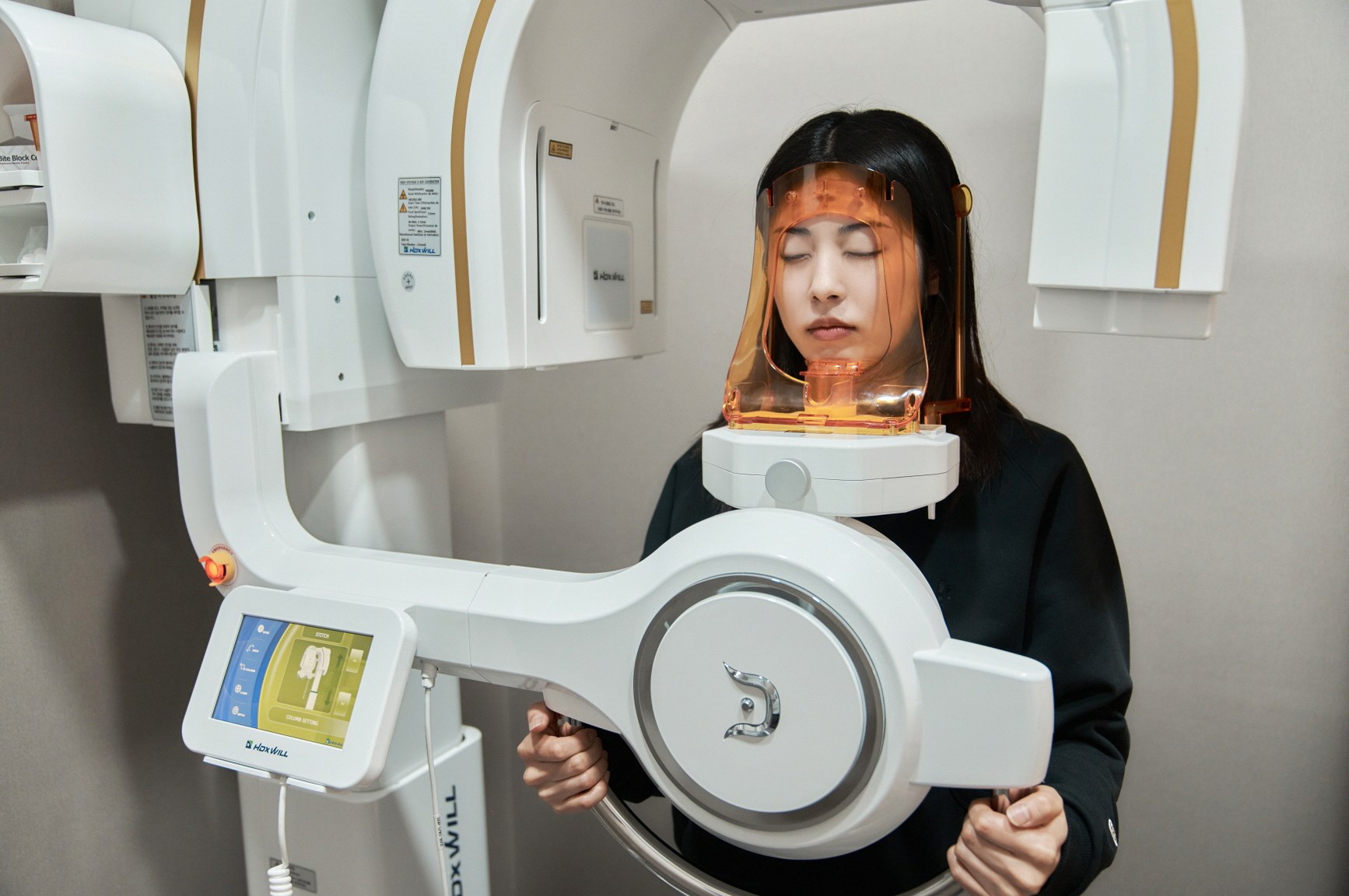
For international patients coming to Seoul, clinics near Sinsa Station in Gangnam that focus only on facial bone surgery, such as GLAM Plastic Surgery, can offer structured evaluation, 3D imaging, and coordinated anesthesia and aftercare tailored to revision cases.
What is lateral zygoma reduction revision?
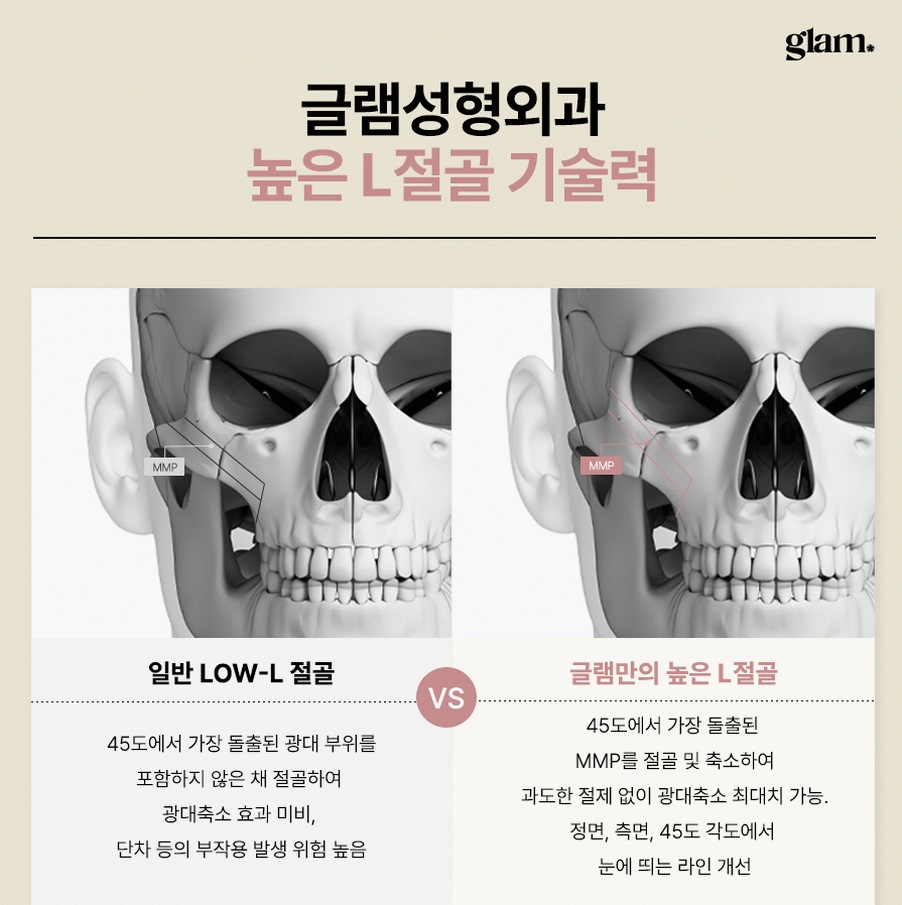
Lateral zygoma reduction revision (revision lateral cheekbone reduction) is a corrective operation on the side cheekbone area after an earlier cheekbone reduction or facial contouring procedure. The main goal is to improve the side and 45‑degree view of the face by re‑adjusting the zygomatic body and arch while respecting what has already been done.
Unlike a simple touch‑up, revision involves working with bone that has already been cut, repositioned, and fixed with plates and screws. The surgeon must assess how the bone has healed, where previous osteotomy lines are, and how the current cheekbone position affects both appearance and function.
Typical patients considering this surgery include those who feel their face is still wide from the side, see or feel uneven bony steps, notice asymmetry, feel they look older or hollow after over‑reduction, or experience discomfort when chewing.
When is revision lateral zygoma reduction considered?
Common reasons patients seek revision include several patterns that often appear months after the first surgery.
Face still looks wide from the side
Some patients find that, even after cheekbone reduction, their 45‑degree or side view still looks broad. This can happen if the lateral arch was not sufficiently rotated inward, or if the cut and fixation were placed in a way that did not fully address the outermost part of the cheekbone.
In revision, the surgeon may plan a new osteotomy and different rotation to narrow the side contour while maintaining natural volume from the front.
Over‑reduction and sunken or aged look
In other cases, too much bone may have been removed or moved inward, leaving the midface looking flat, hollow, or aged. The cheeks may appear sunken, and the transition from the lower eyelid to the cheek can look harsh.
For these patients, further reduction is not appropriate. Instead, revision may focus on subtle reshaping, bone grafting, or augmentation to restore more natural contour and support.
Asymmetry between left and right cheekbones
If one side was reduced more than the other, or the rotation angle was different, the face can look uneven from the front or at 45 degrees. Patients often notice that one cheek sticks out more, or that shadows fall differently on each side.
Revision planning in such cases relies heavily on 3D imaging and careful measurement to balance the two sides as much as the existing bone and soft tissue allow.
Step deformity and palpable bony edges
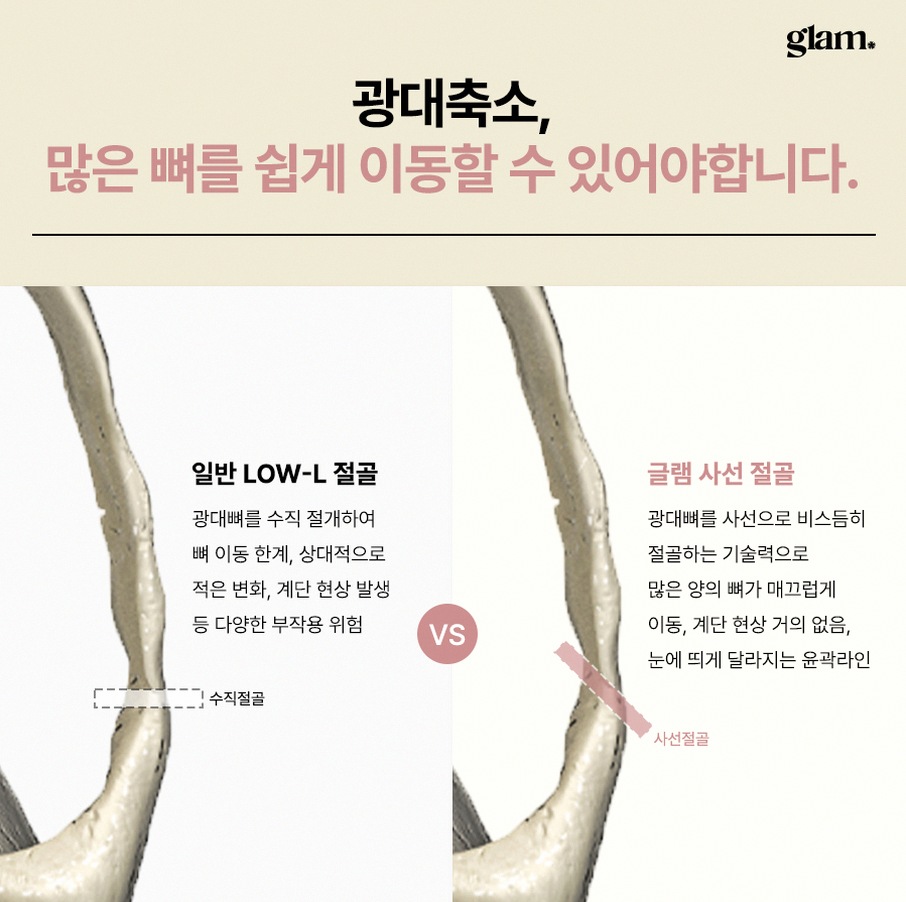
A step deformity means there is a noticeable change in level where the bone was cut and repositioned, creating a ridge or groove. Patients may feel a sharp edge when touching the side of the face or see a visible line in certain lighting.
Revision can include smoothing, contouring, or re‑fixing the bone to create a more continuous, natural curve.
Sagging of midface soft tissue
After bone reduction, the soft tissue (fat pads, muscles, skin) may lose some of their bony support and gradually sag. This can show as deeper nasolabial folds, drooping around the mouth, or a tired expression.
In some patients, bone revision alone is not the main answer. Soft tissue lifting, fat grafting, or other supportive procedures may be more important than further bone work. A careful exam is needed to decide.
Functional complaints: chewing discomfort, clicking, or pain
Some patients develop discomfort when chewing, a sense of tightness, or clicking near the cheekbone area after their first surgery. This can be related to the position of the bone, the fixation plates, or nearby joints and muscles.
In selected cases, revision can involve adjusting bone position or removing or changing plates and screws. However, not every symptom is solved by surgery, so imaging and sometimes additional tests are required.
Not every concern needs bone revision
It is important to understand that not all dissatisfaction after cheekbone reduction should be treated with another bone operation. Mild contour issues, subtle asymmetries, or concerns mainly related to skin texture or volume may be better addressed with soft tissue procedures, non‑surgical treatments, or simply more time for healing.
A responsible clinic will help distinguish which problems are structural (bone related) and which are better managed with less invasive options.
Timing and evaluation before revision
Because bone and soft tissue need time to settle, revision lateral zygoma reduction is not usually performed soon after the first surgery.
How long to wait
In general, several months are needed for bone healing and swelling to stabilize. Many surgeons prefer to wait at least 6 to 12 months after the initial cheekbone reduction before planning a revision, unless there is a clear complication that requires earlier intervention.
Waiting allows the surgeon to see the true contour, understand how the bone has fused, and reduce the risk of operating on fragile, partially healed bone.
Pre‑operative evaluation
A thorough pre‑operative evaluation is essential and usually includes:
Detailed consultation
The surgeon will ask what specifically bothers you: side width, asymmetry, step deformity, sagging, or functional discomfort. They will also explain what can realistically change and what cannot, based on your current anatomy.
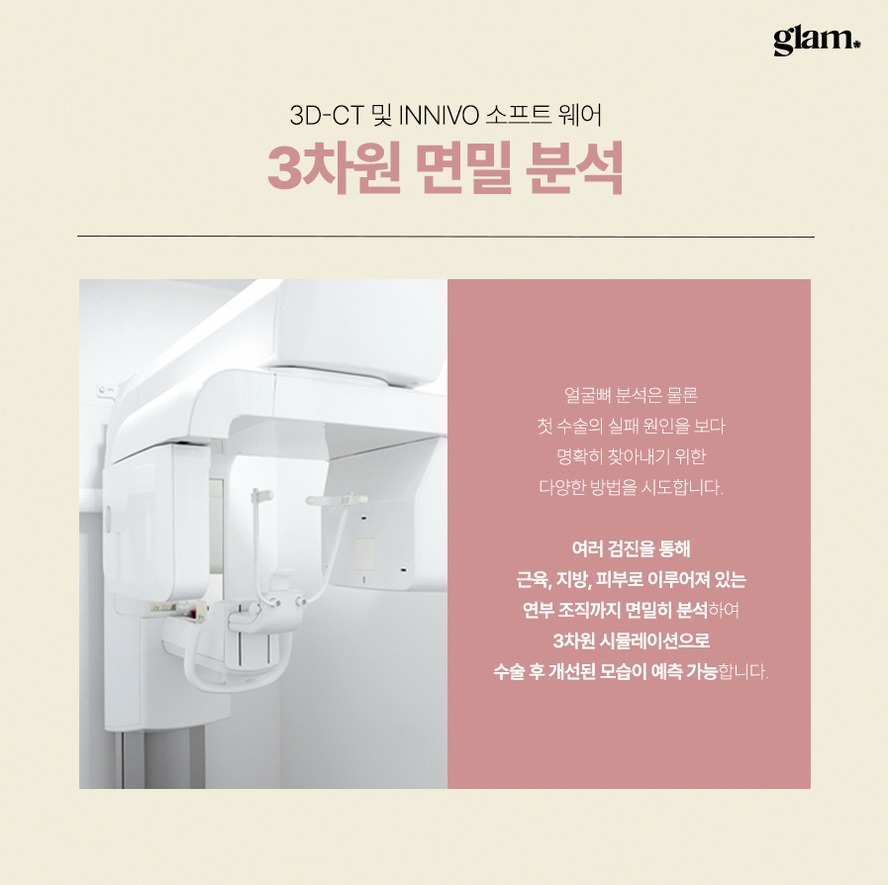
3D CT and imaging
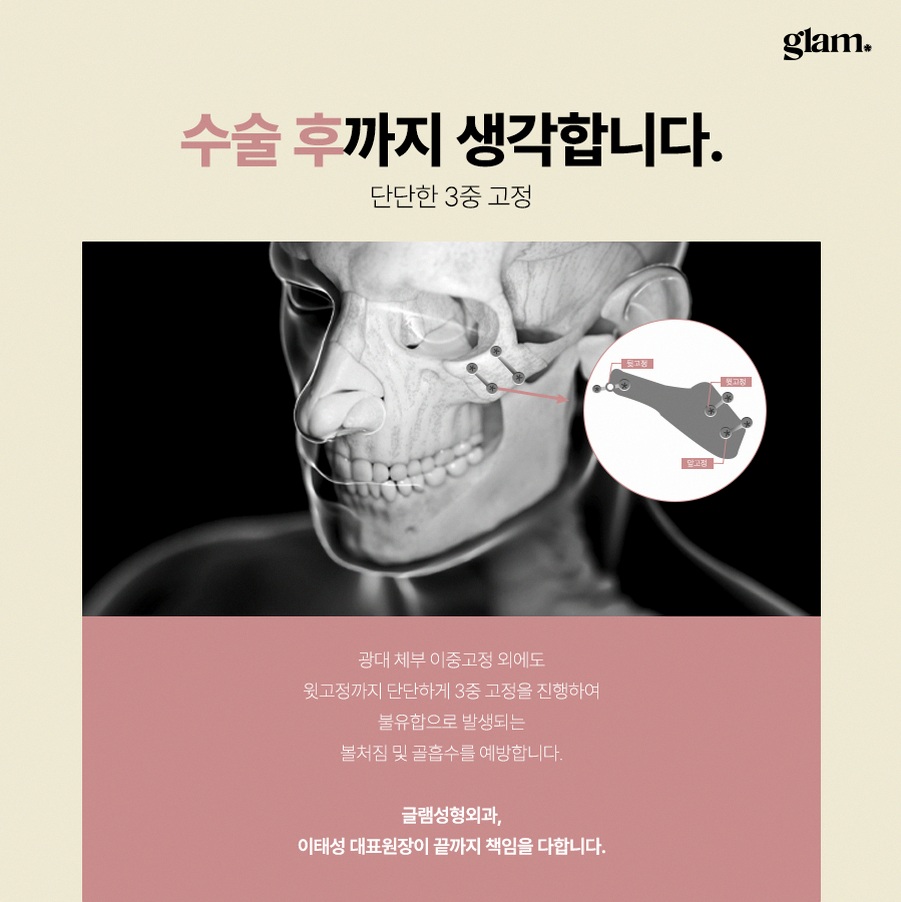
Three‑dimensional CT or similar imaging is critical in revision. It shows the exact shape of your current cheekbones, the previous osteotomy lines, the position of fixation plates and screws, and the quality of bone union.
This information guides whether re‑osteotomy is possible, how much additional movement is safe, and whether any hardware should be removed or repositioned.
Assessment of symmetry, bite, and soft tissue
The surgeon will examine your facial symmetry from multiple angles, your bite relationship, and the condition of your soft tissue. They will look for sagging, volume loss, and skin elasticity, all of which influence the final result and the choice of techniques.
Individualized planning
Revision planning is not a matter of repeating the first method. The surgeon must design a plan tailored to your current bone structure, previous cuts, and healing pattern. Sometimes the safest and most effective plan is a combination of modest bone adjustment and soft tissue support rather than a large additional reduction.
Surgical approaches and techniques
Revision lateral zygoma reduction uses similar access routes to primary surgery but with more emphasis on working around existing changes.
Re‑osteotomy of the zygomatic body and arch
If the previous cut was inadequate, malpositioned, or did not sufficiently address the lateral arch, the surgeon may perform a new osteotomy. This involves carefully cutting the bone again, taking care to preserve blood supply and avoid weakening the remaining structure.
Adjusting rotation and inward movement
The key to improving the side view is often adjusting how the cheekbone is rotated and moved inward. In revision, the surgeon aims to narrow the side contour while preserving enough volume for a natural, healthy look from the front.
Smoothing irregular bony steps
When there is a step deformity or sharp edge, the surgeon can contour or smooth the bone to create a more even curve. In some cases, small bone segments are repositioned or reshaped to blend the transition.
Bone grafting or augmentation after over‑resection
If too much bone was removed in the first surgery, further reduction is not safe. Instead, the surgeon may consider bone grafting or augmentation to rebuild support and soften a hollow or aged appearance. This is a different mindset from standard reduction and requires careful planning.
Incisions and hardware management
The incisions for revision are usually similar to primary cheekbone surgery: mainly inside the mouth, sometimes combined with small incisions near the sideburn or temple area. Through these, the surgeon can access the zygomatic body and arch.
Revision often involves removing or repositioning old plates and screws. This must be done carefully to avoid damaging surrounding bone, nerves, or soft tissue.
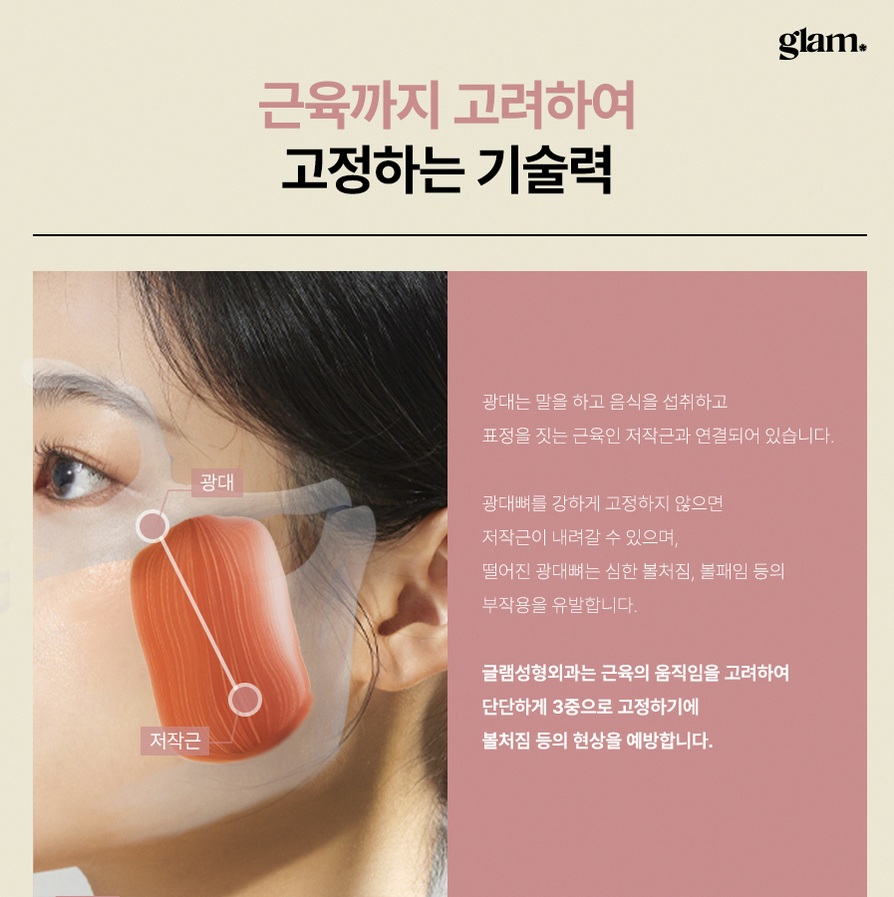
Protecting nerves, muscles, and soft tissue support
Because the area has already been operated on, protecting nerve and muscle function is even more important in revision. The surgeon must work through scar tissue and altered anatomy while maintaining or improving soft tissue support to reduce the risk of further sagging.
Special considerations in revision vs primary surgery
Revision lateral zygoma reduction is generally more demanding than a first‑time operation.
Altered anatomy and scar tissue
Previous cuts, fixation, and healing change the normal anatomy. Scar tissue can obscure landmarks, and blood supply patterns may be different. This makes dissection and bone work more complex and requires a surgeon very familiar with facial bone anatomy in revision settings.
Limited remaining bone
There is a limit to how much more the cheekbone can be safely reduced. Over‑aggressive revision can lead to structural weakness, hollowing, functional problems, and an aged appearance. A conservative approach that respects these limits is essential.
Realistic expectations
Even with skilled surgery, revision cannot always create a completely new facial structure. The goal is usually improvement rather than perfection: better balance, smoother contour, and reduction of specific problem areas.
Because of these factors, consider a surgeon with focused experience in facial bone and revision surgery and a documented academic background.
Safety, anesthesia, and monitoring
For facial bone revision, anesthesia and monitoring are key parts of safety.
Role of an anesthesiology & pain medicine specialist
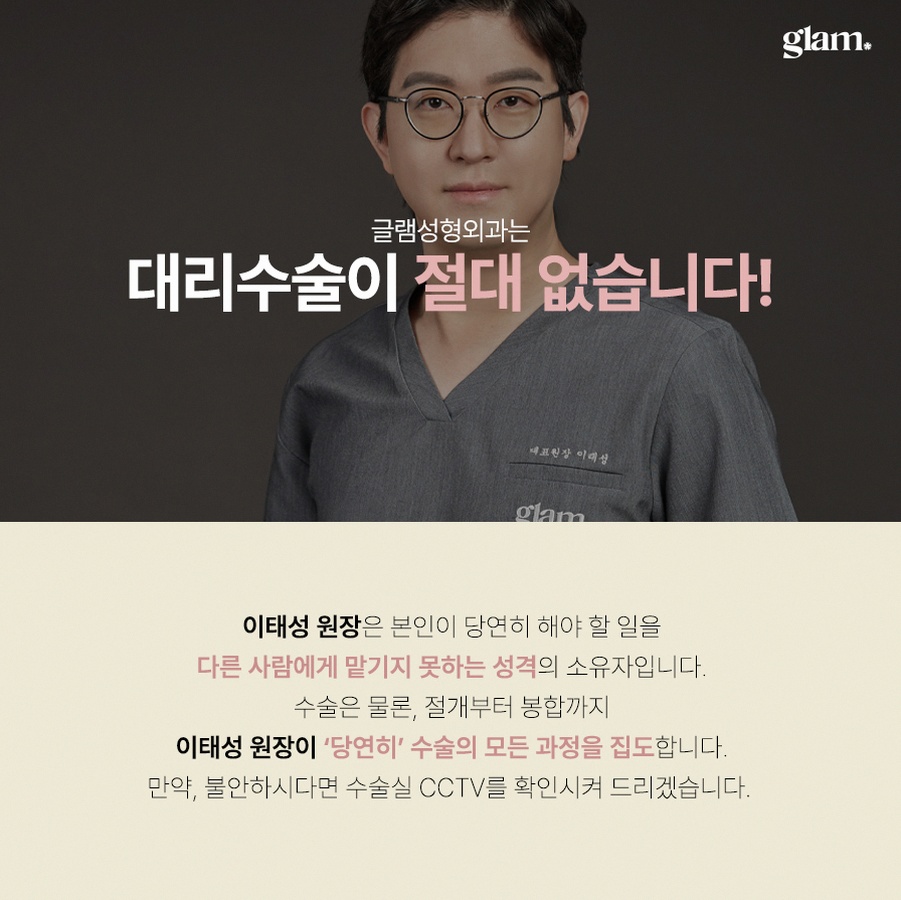
A board‑certified anesthesiologist is responsible for assessing your medical history before surgery, planning the anesthesia method, and monitoring your vital signs continuously during the operation.
For revision lateral zygoma reduction, which can be longer and more complex than primary surgery, tailored anesthesia management helps maintain stability, reduce nausea and discomfort, and respond quickly to any changes.
Continuous monitoring and early recovery
After surgery, the anesthesiologist and nursing team oversee your early recovery, including pain control, breathing, and circulation. For overseas patients, this structured monitoring can be especially reassuring when undergoing bone surgery far from home.
Recovery and post‑operative care
Recovery after revision lateral zygoma reduction is similar in pattern to primary surgery but can sometimes be slightly longer due to the complexity of the procedure.
Swelling and bruising
Swelling is usually most noticeable in the first few days and then gradually decreases over 2 to 4 weeks. Bruising, if present, often fades within 1 to 2 weeks. Residual subtle swelling and stiffness may take several months to fully settle.
Return to daily activities
Many patients can return to light daily activities within about 1 to 2 weeks, depending on their job and how they feel. Strenuous exercise, heavy lifting, and activities that risk facial impact are usually restricted for several weeks, following the surgeon’s advice.
Diet, sleeping position, and activity
A soft diet is often recommended at first to reduce strain on the cheekbones and joints. Chewing hard or very chewy foods is usually avoided for a period specified by your surgeon.
Sleeping with your head slightly elevated can help with swelling. Patients are generally advised not to sleep on their side pressing directly on the cheekbones during the early healing phase.
Supportive post‑operative care
Some clinics in Gangnam, including those near Sinsa Station, offer structured post‑operative care programs after facial bone surgery. These may include:
LED therapy to support skin recovery and reduce inflammation.
Facial dome care to gently manage swelling and promote lymphatic drainage.
Skin reset programs to help maintain skin quality during the healing period.
Radiofrequency lifting to support skin elasticity and midface tone after the initial healing phase.
These treatments are supportive measures. They cannot replace precise surgical technique, but they can make the recovery period more comfortable and help patients feel that their swelling and skin condition are being actively managed.
Who is a good candidate, and who is not?
Not everyone who is unhappy after cheekbone reduction should undergo revision bone surgery.
Good candidates
Patients with clear structural issues on imaging and visible asymmetry or side width that can be improved by bone repositioning are more likely to benefit. This includes obvious step deformities, significant side projection, or clear imbalance between left and right cheekbones.
Good candidates also understand that revision has limitations and aim for realistic improvement rather than a completely different face.
Patients should be in generally good health, with medical conditions well controlled and no major contraindications to anesthesia.
Those needing caution or alternative approaches
Patients whose dissatisfaction is mainly due to very minor, subjective concerns that are not evident on examination or imaging may not be ideal candidates for another bone operation.
Those expecting a dramatic transformation from a second surgery alone, without accepting the structural limits, may be at risk of disappointment.
Patients with significant medical problems, bleeding disorders, or uncontrolled chronic diseases may face higher surgical risks and need careful evaluation or non‑surgical alternatives.
A clinic philosophy that emphasizes recommending only the minimum necessary surgery, rather than aggressive upselling, is particularly important in revision cases, where over‑treatment can do more harm than good.
Choosing a clinic and surgeon for revision lateral zygoma reduction
For overseas patients traveling to Korea, selecting the right team is one of the most important decisions.
Points to consider
Surgeon’s specialization in facial bone surgery and years of focused experience in double jaw and facial contouring, including revision cases.
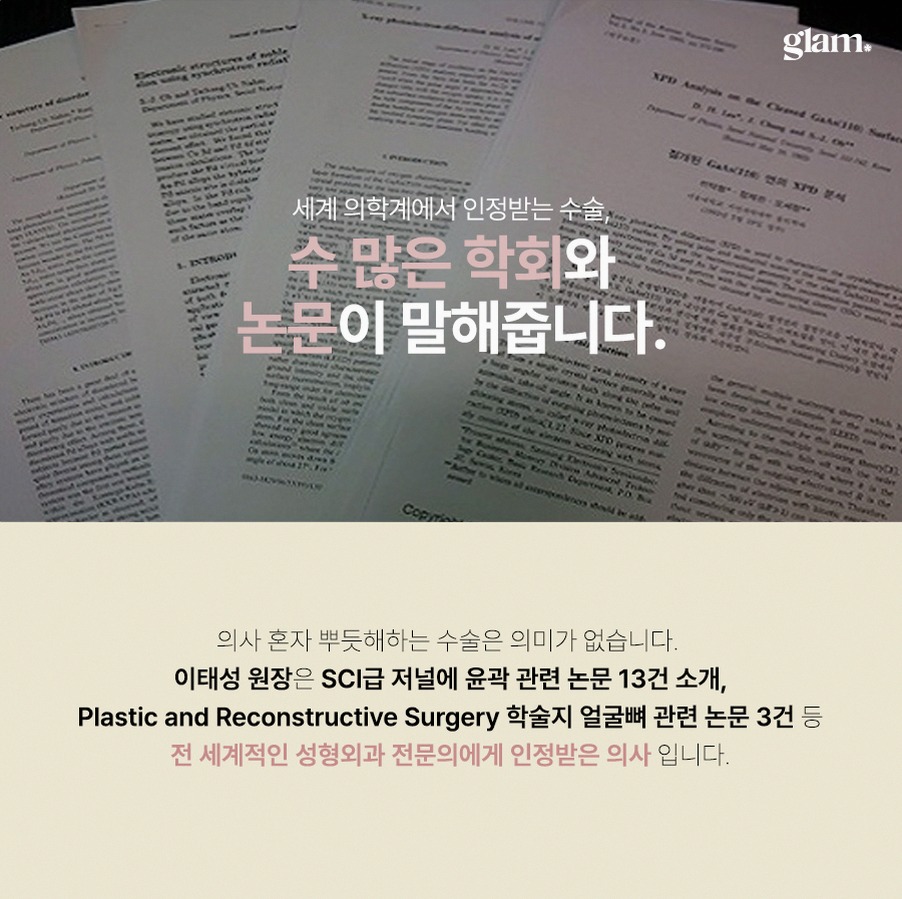
Academic and research background, such as SCI‑level publications in facial bone surgery and articles in journals like Plastic and Reconstructive Surgery (PRS) as of early 2025.
Availability of 3D CT and systematic pre‑operative planning protocols for revision cases.
Presence of a board‑certified anesthesiologist dedicated to anesthesia and monitoring.
Clear explanation of risks, benefits, and alternatives, with honest discussion of what revision can and cannot achieve.
Clinics that focus only on facial bone surgery, rather than offering a wide range of unrelated cosmetic procedures, often develop more concentrated expertise in complex revision work.
Online consultation and pre‑visit preparation for overseas patients
If you live abroad, your first step is usually an online consultation.
Preparing for an online consultation
To make the most of your remote consultation, it helps to prepare:
Collect your previous medical records if possible, including operation notes, pre‑ and post‑operative imaging, and any information about plates and screws used.
Take clear photos of your face from the front, both 45‑degree angles, and both side views in good lighting, without heavy makeup or filters.
Write down what specifically bothers you: side width, asymmetry, step deformity, sagging, or functional symptoms. Try to prioritize your top two or three concerns.
List your medical history, medications, allergies, and any previous surgeries.
During the online consultation, ask about the likely need for new imaging, estimated healing time, recommended stay in Korea, and whether additional soft tissue procedures might be suggested.
Expected Korea visit timeline
The exact schedule varies by clinic and case complexity, but a typical timeline for overseas patients might look like this:
First 1–2 days: In‑person consultation, physical examination, 3D CT imaging, and final surgical planning. Additional tests for anesthesia clearance may be done.
Surgery day: Admission, anesthesia, operation, and immediate post‑operative monitoring.
First week: Regular check‑ups for wound care, swelling assessment, and any early supportive treatments such as LED therapy.
Second to third week: Suture removal if needed, continued follow‑up, and gradual return to light daily activities. Some patients may start gentle post‑operative care programs like facial dome care or skin reset.
Many overseas patients stay in Korea for around 2 to 3 weeks after revision lateral zygoma reduction, but the recommended duration depends on your individual healing and travel distance. Your surgeon will advise you on the safest time to fly back.
Aftercare once you return home
When you go back to your country, you will usually continue recovery with self‑care and, if needed, local check‑ups.
Follow the written instructions from your surgeon regarding medications, diet, activity restrictions, and signs of possible complications. Keep in touch with the clinic by email or messaging, sending periodic photos if requested.
If you experience unusual pain, swelling, fever, or changes in sensation, contact the clinic promptly and, if necessary, see a local doctor for immediate evaluation.
Frequently asked questions
How long should I wait after my first cheekbone reduction before considering revision?
Most surgeons recommend waiting at least 6 to 12 months after your first cheekbone reduction before planning revision lateral zygoma reduction. This allows bone healing to complete and swelling to settle, so the true contour and any problems become clear.
In urgent situations, such as severe malposition or complications, earlier intervention may be considered, but this is decided case by case after careful imaging and examination.
Can revision lateral zygoma reduction fix asymmetry from my previous surgery?
In many cases, revision can improve noticeable asymmetry caused by uneven reduction, rotation, or fixation of the cheekbones. Using 3D CT and careful planning, the surgeon can often adjust bone position to bring the two sides closer in balance.
However, perfect symmetry is rarely possible, and soft tissue differences between the two sides may still remain. The goal is meaningful improvement within the limits of your existing bone and soft tissue.
Will revision make my face look too flat or aged?
A well‑planned revision should aim to avoid an overly flat or aged appearance. If your current problem is that your cheeks already look too hollow, the surgeon should not pursue further aggressive reduction.
Instead, the plan may focus on subtle reshaping, bone augmentation, or soft tissue support to restore a more natural midface volume. Discuss your concerns clearly so the surgeon can design a conservative approach.
Is revision more dangerous than the first surgery?
Revision is generally more complex than primary cheekbone reduction because of altered anatomy, scar tissue, and limited remaining bone. This can increase technical difficulty and requires a surgeon experienced in facial bone revision.
That said, with proper evaluation, careful planning, and a dedicated anesthesiologist managing anesthesia and monitoring, many patients undergo revision safely. A thorough pre‑operative assessment of your health and clear communication about risks are essential.
How much additional narrowing from the side view is realistically possible?
The amount of additional narrowing depends on how much reduction was done in the first surgery, your current bone shape, and the strength of the remaining zygomatic arch. In some patients, only modest further change is safe; in others, a more noticeable adjustment may be possible.
Your surgeon can give a more specific estimate after reviewing your 3D CT and examining your face. It is important to prioritize safety and structural stability over chasing extreme narrowing.

What if my main problem is sagging, not bone shape?
If your main concern is sagging of the midface or deepening folds after cheekbone reduction, bone revision may not be the primary solution. In such cases, soft tissue procedures such as lifting, volume restoration, or skin tightening may be more appropriate.
A careful evaluation should separate bone‑related issues from soft tissue problems so that the treatment plan targets the real cause of your dissatisfaction.
Soft call to action
If you are considering lateral zygoma reduction revision in Korea and would like a structured, medically grounded opinion, you can start with an online consultation with a facial bone surgery clinic in the Sinsa Station, Gangnam area such as GLAM Plastic Surgery. Preparing your previous records, photos, and questions in advance will help the surgical team assess whether revision, soft tissue procedures, or a combination is most suitable for your situation.
An individualized plan, conservative decision‑making, and coordinated anesthesia and aftercare are key to approaching revision cheekbone surgery as safely and thoughtfully as possible when traveling from overseas.




- 공유 링크 만들기
- X
- 이메일
- 기타 앱


댓글
댓글 쓰기