Lateral Cheekbone Reduction Revision Surgery in Seoul for Facial Balance
- 공유 링크 만들기
- X
- 이메일
- 기타 앱
Direct answer summary
Lateral cheekbone reduction revision surgery is a secondary operation to correct problems after a previous zygoma (cheekbone) or facial contouring procedure. It focuses on reshaping and repositioning the outer cheekbone area to improve facial width, asymmetry, step deformities, or hollowed cheeks, while protecting important nerves and supporting tissues. In Seoul’s Gangnam district, near Sinsa Station, some centers focus only on facial bone surgery, offering a more specialized approach for complex revision cases.
This guide explains what revision lateral cheekbone reduction involves, who may consider it, how a specialized clinic plans the surgery, what to expect during a medical trip to Korea, and how to prepare for consultation from overseas.
What is lateral cheekbone reduction revision surgery
Lateral cheekbone reduction is a procedure that reshapes and repositions the outer part of the cheekbone (zygomatic body and arch) to reduce facial width and strong side protrusion. The goal is to create a smoother curve from the cheekbone to the jawline, especially noticeable at the 45-degree angle view.
Revision lateral cheekbone reduction is performed after a previous cheekbone or facial contouring surgery has already changed the bone. Instead of working with untouched bone, the surgeon must deal with bones that have been cut, moved, and fixed with plates and screws. There may be irregular healing, asymmetry, or areas where too much or too little bone was removed.
Because of this, revision surgery is usually more complex than primary surgery. It requires careful analysis of the current bone shape, the position of old fixation plates, the quality of bone healing, and the condition of the overlying soft tissues.
Who may consider revision lateral cheekbone reduction
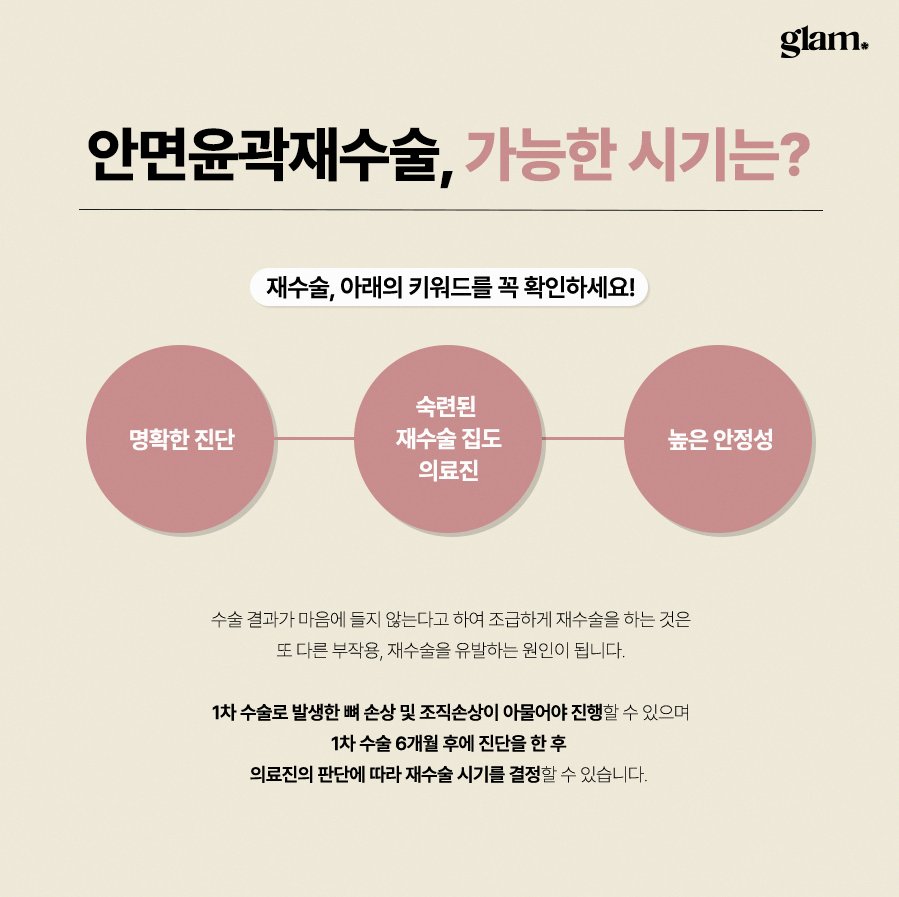
Not everyone who feels minor dissatisfaction after cheekbone surgery needs a revision. However, some patients experience clear structural or functional problems that may be improved with a second operation.
Common reasons to consider revision include:
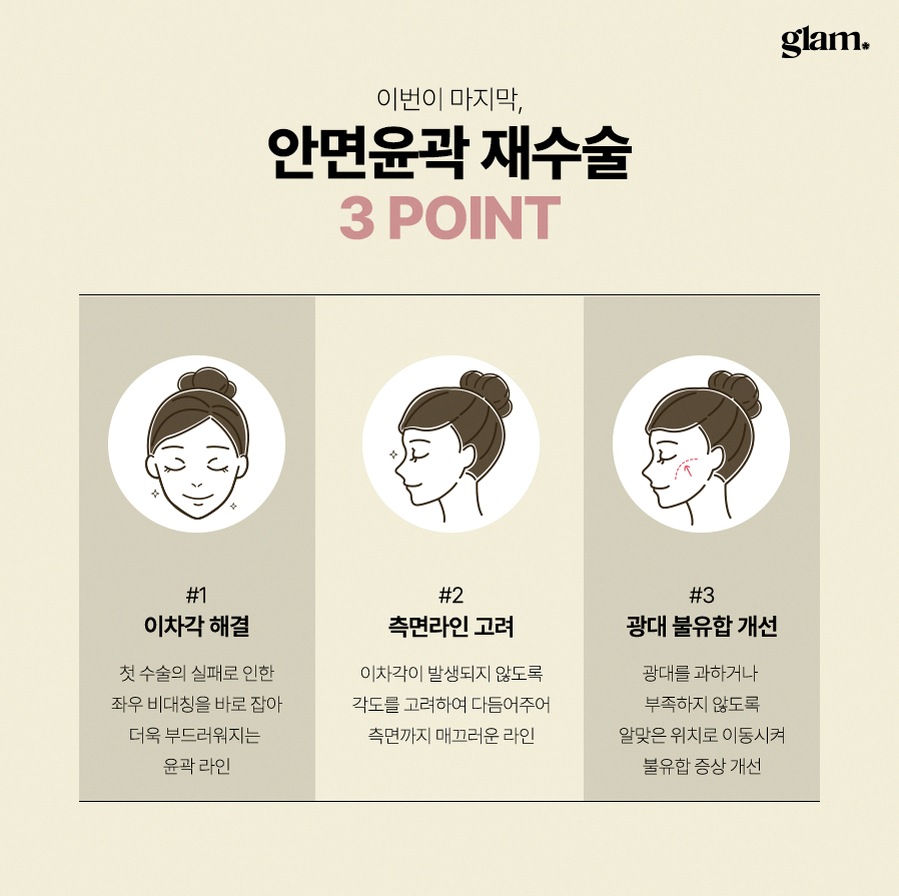
Persistent wide or protruding cheekbones
If the outer cheekbones still look wide or prominent even after the first surgery, the initial repositioning may have been insufficient, or the bone may have shifted during healing.
Hollow or sunken cheeks from over-resection
If too much bone was removed or moved inward, the midface can look flat or sunken, especially when smiling or in three-quarter view. This can make the face look older or tired.
Visible step-off or bumpy contour
Some patients notice a clear “step” or ridge where the cut bone meets the uncut area. This can be visible on photos or when touching the cheek. Step deformities and irregular contours are common reasons for seeking revision.
Asymmetry between left and right sides
If one side is more sunken, wider, or placed differently compared to the other, the face may look unbalanced. Asymmetry often becomes more obvious in photos or when viewed from 45 degrees.
Unnatural facial width at 45-degree angle
Even if the front view looks acceptable, the diagonal view may still show a strong or boxy cheekbone line. Revision can sometimes refine this angle to create a smoother transition from the cheekbone to the jawline.
Functional issues and discomfort
Some patients feel discomfort, tightness, or clicking around the zygomatic arch, especially when chewing or touching the area. In rare cases, malpositioned bones or plates can irritate surrounding tissues.
Dissatisfaction with overall facial balance
Cheekbones do not exist alone. They interact visually with the jaw angle, chin, and midface volume. After previous facial contouring, some patients feel that their face looks unbalanced: for example, cheekbones too flat but jaw still wide, or cheekbones still wide while the chin is narrow. Revision may involve coordinated changes to restore harmony rather than simply “making the face smaller.”
Before deciding on revision, it is essential to discuss your concerns in detail with a surgeon experienced in facial bone revision. Photographs from before and after the first surgery, along with imaging, are very helpful.
How a specialized facial bone clinic evaluates revision cases
Revision facial contouring requires more than a brief consultation. Clinics that focus only on facial bone surgery typically follow a structured evaluation process.
Detailed consultation and medical history
The surgeon will ask about your original concerns, what procedures were done, when and where they were done, and how your recovery progressed. They will also ask about any pain, numbness, or functional problems you currently have.
Review of previous records and imaging
If available, operation notes, preoperative and postoperative X-rays, and CT scans from your previous surgery are extremely valuable. They help the surgeon understand which cuts were made, where plates were placed, and what techniques were used.
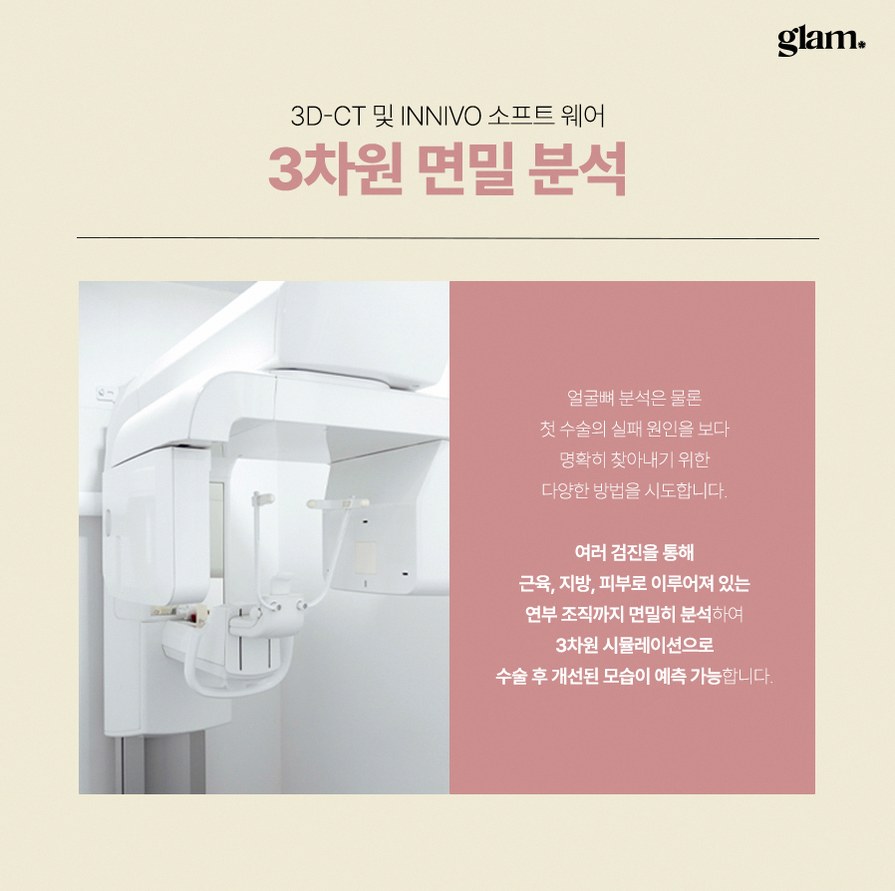
3D imaging or CT-based analysis
Current CT or 3D imaging is usually performed to see the exact position of the zygomatic body and arch, the thickness of remaining bone, and the location of plates and screws. This is especially important in revision cases where bone stock may be reduced.
Soft tissue evaluation
The surgeon will examine the soft tissue over the cheekbones: skin thickness, fat volume, and any sagging or hollowing. Sometimes the bone shape is acceptable, but soft tissue has drooped or volume has been lost. In such cases, bone revision alone may not fully solve the problem.
Bite and occlusion check when needed
If you have had double jaw or other jaw surgery, or if you feel changes in your bite, the surgeon may check your occlusion and jaw joint function. This helps distinguish cheekbone issues from jaw-related problems.
Assessment of plates, screws, and scar tissue
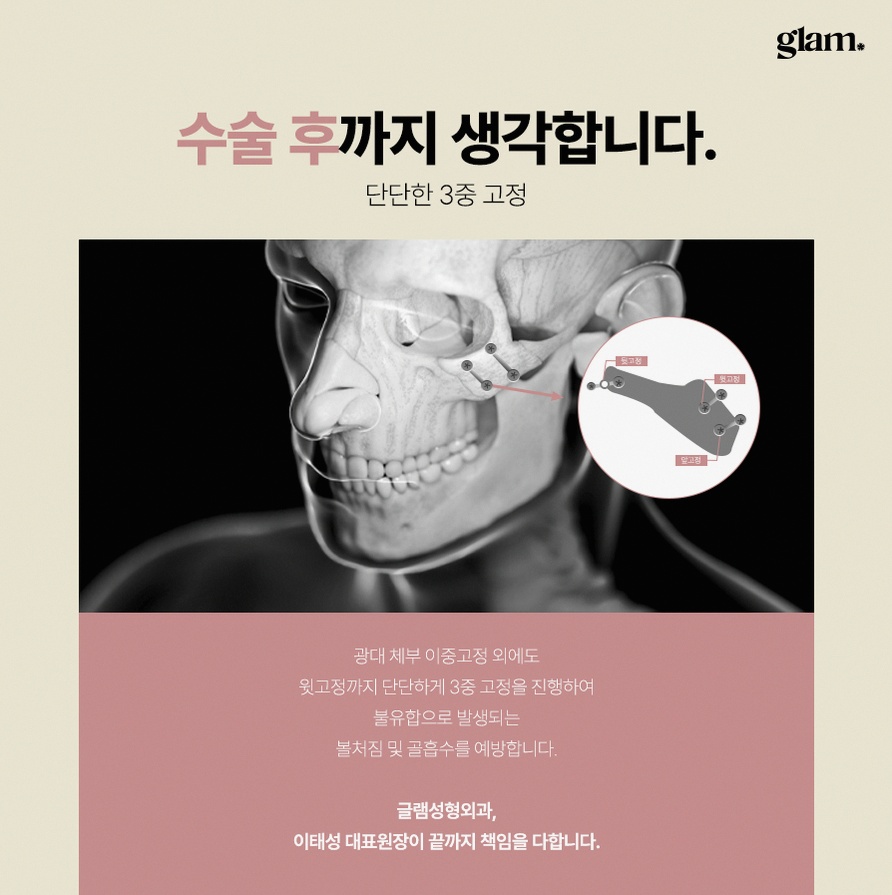
In revision surgery, old fixation plates and screws may need to be removed or replaced. The surgeon evaluates whether the bone has healed solidly, whether there is any nonunion (bone not fully joined) or malunion (bone joined in a wrong position), and how much scar tissue is present.
This careful assessment allows the surgeon to explain what can realistically be improved, what might remain, and which additional procedures, if any, are recommended.
Surgical approach in revision lateral cheekbone reduction
The exact surgical plan is customized for each patient, but there are common strategies used in revision lateral cheekbone reduction.
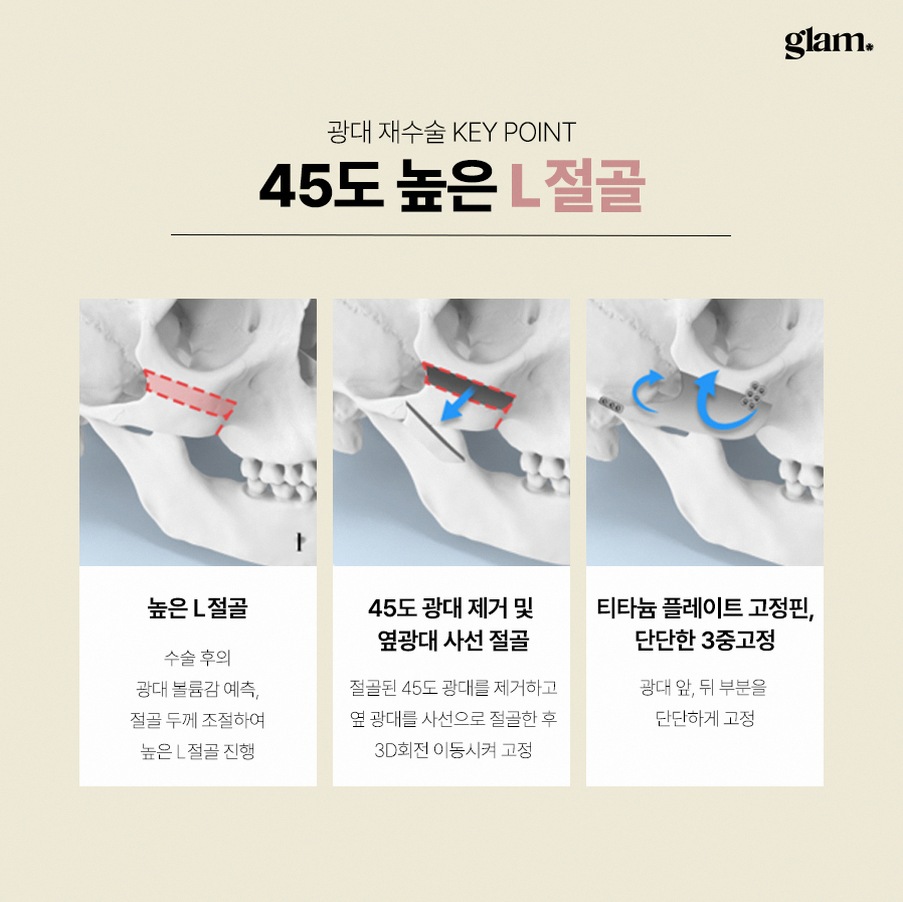
Removal or repositioning of previous fixation plates
If old plates are placed in a position that contributes to deformity or discomfort, they may be removed. New plates can be placed after the bone is repositioned to a more harmonious location.
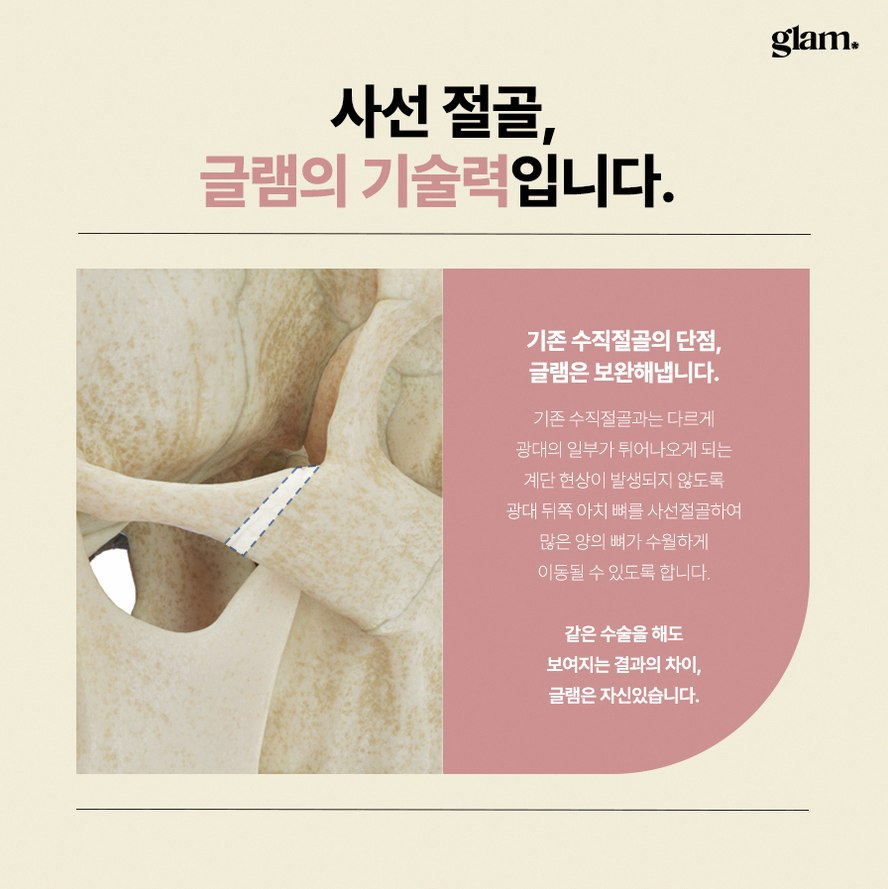
Correction of malpositioned zygomatic body or arch
If the cheekbone body or arch healed in an undesired position, controlled cuts (osteotomies) can be made again. The bone segments are then repositioned to correct width, projection, and symmetry.
Bone grafting or onlay contouring
In cases of over-resection or depression, where the cheek appears too flat or sunken, the surgeon may add volume using bone grafts or onlay materials. The aim is to restore a gentle, natural curve instead of a hollowed look.
Refixation in a more balanced position
After repositioning, the cheekbone segments are fixed with plates and screws in a more stable, balanced position. The target is not simply “smaller,” but smoother and more proportional to the rest of the face.
Combination with other facial contouring revisions
Sometimes, revising the cheekbone alone is not enough to restore overall harmony. Depending on your situation, revision of the jaw angle, chin, or other facial bone areas may be considered at the same time. A facial bone–focused clinic can plan these together to avoid overcorrection in one area and undercorrection in another.
Throughout the procedure, protection of nerves, blood vessels, and support structures is a priority, especially because scar tissue and altered anatomy make revision more challenging than primary surgery.
Risks, limitations, and realistic expectations
Revision lateral cheekbone reduction carries all the usual risks of facial bone surgery, plus additional challenges related to previous operations.
Common risks include:
Nerve injury or prolonged numbness
Scar tissue and altered anatomy can increase the risk of nerve irritation or injury. Some numbness after surgery is common and often improves over time, but in some cases, it can be prolonged or incomplete.
Prolonged swelling and bruising
Revision cases often swell more and take longer to settle than primary surgeries. It may take several weeks for major swelling to subside and several months for the final contour to become clear.
Asymmetry or contour irregularities
While the goal is to improve asymmetry and irregularities, perfect symmetry is not always achievable, especially if the original bone loss or deformity is severe.
Nonunion or malunion of bone
If bone quality is poor or cuts are complex, there is a small risk that the bone may not heal properly. Careful fixation and postoperative management aim to reduce this risk.
Soft tissue sagging
If the cheekbone is moved inward or downward, the overlying soft tissue may sag more. In some cases, additional lifting or volume support may be recommended.
Incomplete correction
In severe cases of over-resection, major asymmetry, or multiple previous surgeries, complete correction may not be possible. A responsible surgeon will explain these limitations clearly before surgery.
Patients should look for a surgeon who is honest about what can and cannot be improved, rather than promising dramatic or guaranteed changes.
Recovery, aftercare, and expected Korea visit timeline
Recovery after revision lateral cheekbone reduction is usually slower than after a first-time operation, but with proper care, most patients return to daily life within a reasonable period.
Typical recovery course
First week
Swelling and bruising are usually most noticeable during the first 3 to 5 days. You may feel tightness, mild pain, and some numbness. Soft foods are often recommended. Many patients stay in Korea during this period for close monitoring.
Second to third week
Bruising starts to fade, and swelling gradually decreases. External signs become easier to cover with makeup. Light daily activities are usually possible, but heavy exercise should be avoided.
One to three months
Most visible swelling improves, but subtle changes continue. The cheek contour slowly refines. Numbness and tightness often improve during this period.
Three to six months and beyond
Final contour and symmetry become clearer. In revision cases, it can take several months for the tissues to fully adapt to the new bone position.
Postoperative care programs
Some facial bone–focused clinics in Gangnam provide structured aftercare programs to support healing and reduce swelling, such as:
LED therapy
Light-based treatments aimed at supporting circulation and reducing inflammation.
Facial dome treatments
Gentle compression and warmth-based devices to help manage swelling and promote drainage.
Radiofrequency lifting
Low-level radiofrequency treatments may be used after the initial healing phase to support skin tightening and soft tissue adaptation.
These programs are usually customized according to your healing progress and medical condition.
Expected visit timeline for overseas patients
While every case is different, a common schedule for international patients might look like this:
Before arrival
Online consultation with photos and, if possible, CT or X-ray images.
Medical questionnaire and review of previous surgery records.
Preliminary surgical plan and explanation of expected stay.
Day 1–2 in Seoul
In-person consultation and examination.
CT or 3D imaging at the clinic or partner center.
Final surgical plan confirmation and preoperative tests.
Surgery day
Operation performed by the lead surgeon.
Monitoring in the clinic’s recovery area after surgery.
First 7–10 days after surgery
Regular follow-up visits for wound checks, swelling evaluation, and early aftercare.
Removal of sutures if needed.
Around 10–14 days after surgery
Many overseas patients are able to fly home, depending on their condition and flight duration. The clinic usually provides instructions and schedules for online follow-up.
Online follow-up
Video or photo-based follow-up at several points after you return home, for example at 1 month, 3 months, and 6 months.
Why choose a facial bone–only center in Gangnam
For revision lateral cheekbone reduction, the choice of clinic is especially important. In Gangnam, near Sinsa Station, there are centers that focus exclusively on facial bone surgery, without offering eye, nose, or breast procedures.
Key characteristics of such a clinic may include:
Single-focus practice on facial bone surgery
The clinic concentrates on double jaw surgery and facial contouring, including revision cases. This narrow focus allows the team to build deep experience with complex bone anatomy and revision patterns.
Experienced lead surgeon with academic background
The lead surgeon is a board-certified plastic surgeon with about 20 years of experience in facial bone surgery. As of February 2025, he has authored 13 SCI-level publications in the facial contouring and double-jaw field, including three papers published in Plastic and Reconstructive Surgery. This academic record reflects a practice of analyzing outcomes and refining techniques based on evidence.
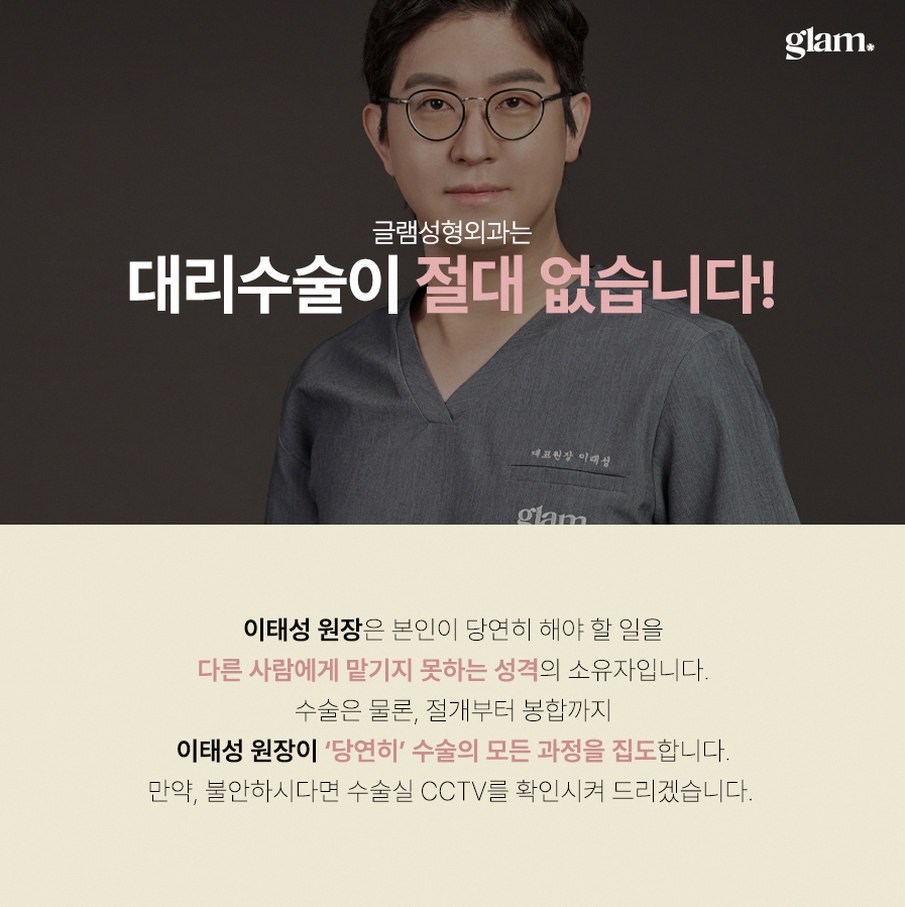
Direct operation by the lead surgeon
Surgeries are performed directly by the lead surgeon rather than being delegated. For revision cases, this consistency can be important because small decisions during surgery often determine the final contour.
Dedicated anesthesiologist for one-to-one care
Anesthesia is provided by a board-certified anesthesiology and pain medicine specialist who oversees your care from induction to recovery. This one-to-one system is especially valuable for longer, more complex revision surgeries, helping maintain stable vital signs and support safer anesthesia management.
Structured postoperative care and multilingual support
The clinic offers organized aftercare for swelling and recovery, and provides support in multiple languages such as English, Japanese, and Thai. This helps overseas patients communicate clearly about symptoms, concerns, and instructions.
Online consultation and pre-visit preparation
If you are considering coming to Seoul for revision lateral cheekbone reduction, good preparation will make your consultation and surgery planning smoother.
Information to prepare for online consultation
Clear facial photos
Front, both 45-degree angles, both side views, and relaxed vs smiling photos if possible. Good lighting and neutral expression help the surgeon evaluate your current contour.
Previous surgery information
Date and place of your previous surgery.
Type of procedures performed (for example, cheekbone reduction, jaw angle reduction, chin surgery, double jaw surgery).
Any complications or unusual events during recovery.
Imaging and records
Pre- and post-surgery X-rays or CT scans if you have them.
Operation notes or summary from your previous surgeon, if available.
Medical history
Current medications, allergies, and any chronic diseases.
History of smoking, alcohol use, or previous anesthesia issues.
Questions to ask during consultation
What are the main structural problems you see on my imaging and photos?
Which parts can realistically be improved, and which cannot?
Will you need to remove or replace my existing plates and screws?
Is additional bone grafting or contouring needed?
How long should I stay in Korea after surgery?
What kind of aftercare program do you provide for swelling and recovery?
Asking these questions helps you understand the plan and decide whether the approach matches your goals and risk tolerance.
Frequently asked questions
Is revision lateral cheekbone reduction very painful
Pain levels vary, but most patients describe the discomfort as moderate rather than severe, especially with proper pain control. The first few days are usually the most uncomfortable, with tightness and pressure rather than sharp pain. Clinics typically provide pain medication and instructions to manage discomfort. By one to two weeks, most patients feel much more comfortable, although some tightness or sensitivity can remain.

Will there be visible scars after revision cheekbone surgery
Most cheekbone reduction and revision procedures use incisions inside the mouth and sometimes small hidden incisions near the temple or sideburn area. These external incisions are usually placed in hair-bearing or natural crease areas to make them less noticeable. In revision cases, existing incision lines may be reused when possible. While any surgery can leave some scarring, visible scars are generally minimal and tend to fade over time.
How long should I wait after my first cheekbone surgery before having revision
In general, surgeons prefer to wait until the bone and soft tissue have stabilized, which often takes at least 6 to 12 months after the first surgery. Operating too early can increase the risk of complications and make it harder to judge the true final contour. However, if there is a serious problem such as nonunion, infection, or severe functional issue, earlier intervention may be considered. The exact timing should be decided after a detailed evaluation with your surgeon.
Is complete correction possible in severe deformities or over-resection
In some cases, significant improvement is possible, but complete correction is not always realistic, especially when there has been major bone loss, multiple previous surgeries, or severe asymmetry. Bone grafting and contouring techniques can help restore volume and shape, but there are limits to how much missing structure can be rebuilt. A responsible surgeon will explain the expected degree of improvement and any likely residual differences before you decide on surgery.
Soft call to action
If you are considering revision lateral cheekbone reduction in Seoul and would like an opinion from a facial bone–focused clinic near Sinsa Station in Gangnam, you can start with an online consultation. Preparing clear photos, previous records, and a list of your concerns will help the surgical team give you a more accurate assessment. From there, you can discuss whether revision is appropriate, what kind of improvement is realistic, and how to plan your visit to Korea in a safe and organized way.




- 공유 링크 만들기
- X
- 이메일
- 기타 앱


댓글
댓글 쓰기