How to choose a clinic for facial contouring revision in Gangnam
- 공유 링크 만들기
- X
- 이메일
- 기타 앱

Introduction: finding a truly skilled clinic for facial contouring revision
If you are searching for the best clinic for facial contouring revision surgery, you are probably not starting from zero. Many people begin this search after an unsatisfactory cheekbone, jawline, or V-line operation, and they now feel both cautious and worried about making another mistake.
Revision facial contouring is not just a second attempt at the same procedure. It is a more complex reconstructive operation that needs careful analysis, realistic planning, and a clinic that focuses deeply on facial bone work rather than offering every possible cosmetic service.
This guide explains what facial contouring revision surgery involves, why it is more demanding than primary surgery, how to choose a truly suitable clinic in areas like Sinsa and Gangnam in Seoul, and what a typical treatment journey looks like for international patients. GLAM Plastic Surgery will be mentioned as an example of a facial bone–focused center, but the main goal is to give you clear criteria you can use anywhere.
What is facial contouring revision surgery
Facial contouring revision surgery is a secondary operation performed to correct or improve the results of previous facial bone contouring. It usually involves one or more of the following areas:
Cheekbone reduction revision, to address issues after zygoma reduction
Square jaw revision, for problems after mandibular angle reduction
V-line revision, including the chin and lower jawline area
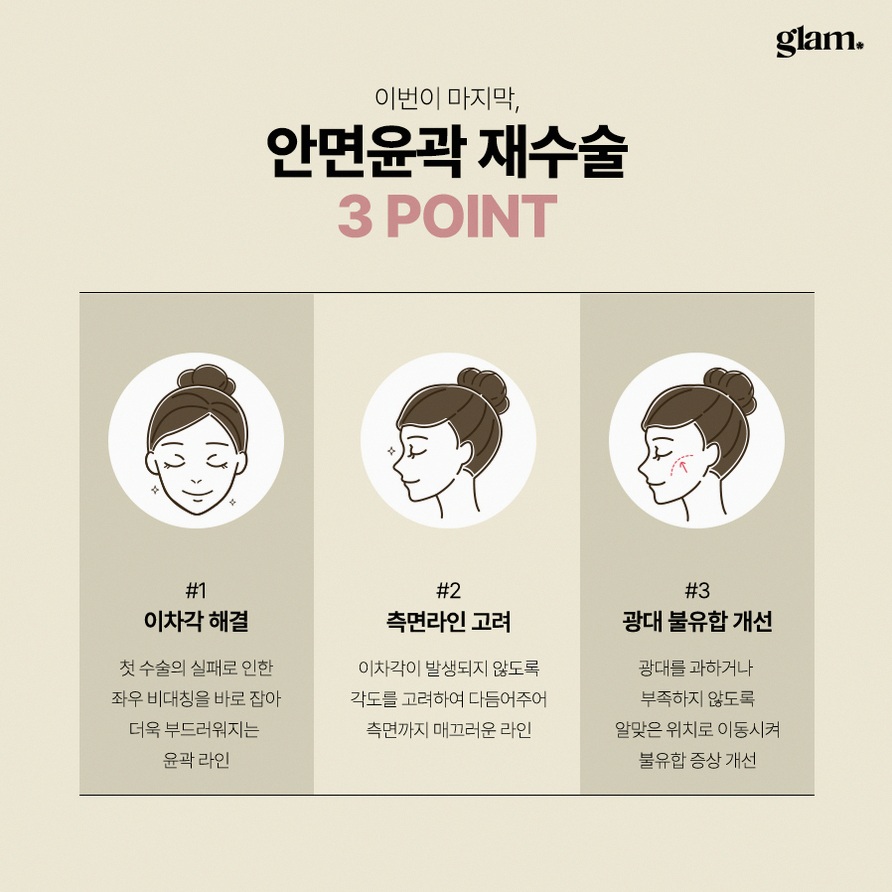
People consider revision for many reasons. Common concerns include facial asymmetry, where one side looks different from the other, or an unnatural facial angle that appears too sharp, too wide, or simply not harmonious with the rest of the face.
Other frequent problems are over-resection of bone, which can create a hollow or aged look, or under-resection, where the original concerns about a wide jaw or prominent cheekbone remain. Some patients also experience functional issues such as bite discomfort, joint strain, or a feeling of tightness.
In some cases, there is persistent swelling, irregular contours that are visible in certain lighting, or sagging of the soft tissue after bone reduction. Revision facial contouring aims to improve these issues as much as possible, while respecting the current condition of the bone and soft tissue.
It is important to understand that revision is not simply “doing more bone shaving.” It is reconstructive in nature. The surgeon must evaluate what was done before, what bone remains, how the soft tissue has adapted, and what is realistically safe to change.
Why revision is more complex than primary facial contouring
Scar tissue and altered anatomy
After the first surgery, the inside of the face is no longer in its original state. Scar tissue forms around the bone, muscles, and nerves. This makes dissection more difficult and increases the risk if the surgeon is not very familiar with complex facial bone anatomy.
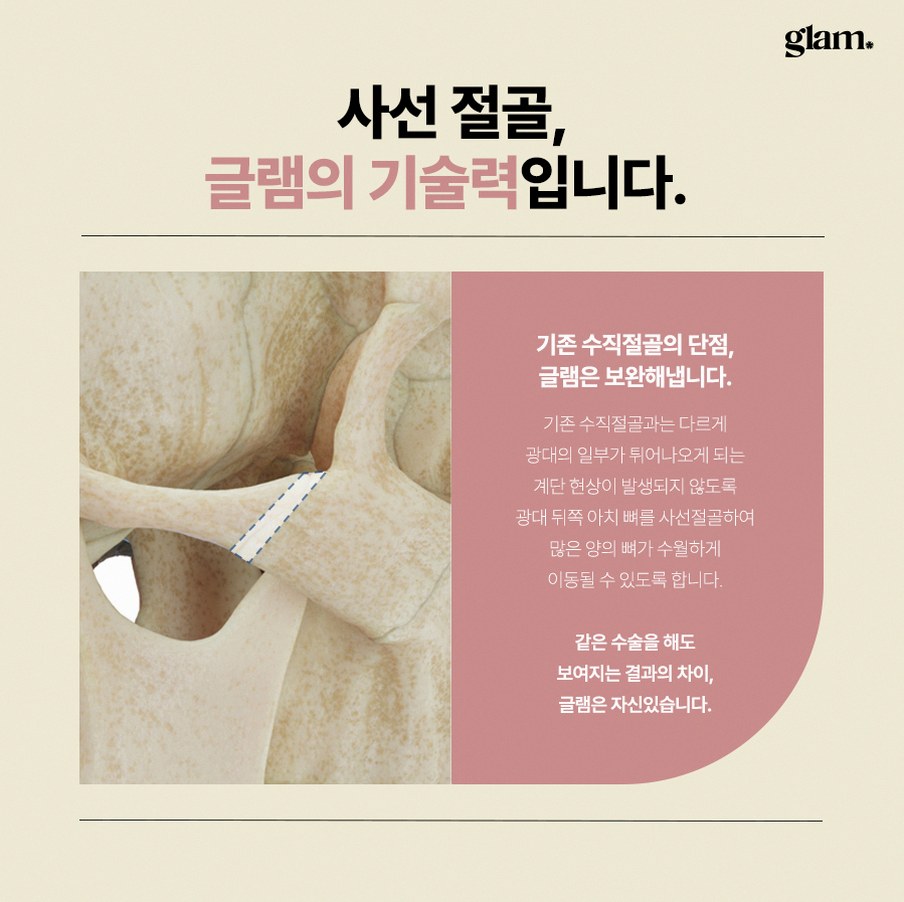
Structures may not be where they are expected in a primary case. Nerves can be closer to the surface, previous bone cuts may have changed the shape of the jaw or cheekbone, and fixation plates or screws may still be present. All of this requires a surgeon who routinely handles revision and is comfortable navigating altered anatomy.
Limited bone stock and reconstruction needs
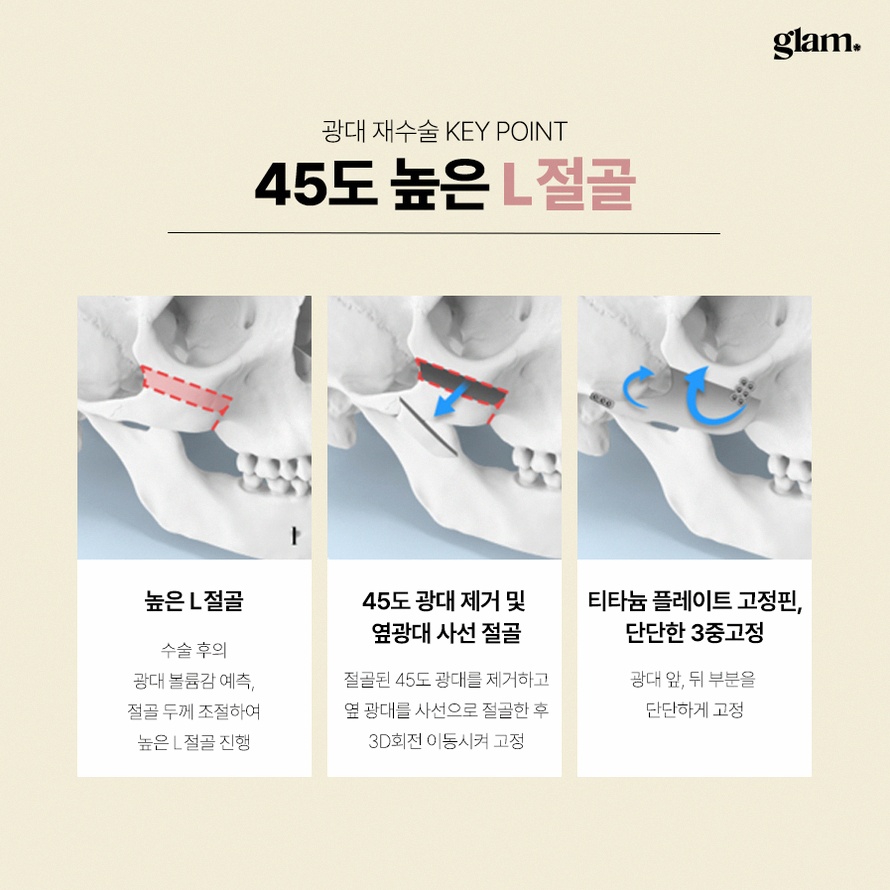
In revision cases, there is often less bone to work with. If the first surgery removed too much bone, simply shaving more is not an option. In some situations, the surgeon must consider contouring combined with augmentation techniques or repositioning of remaining bone segments to restore balance.
Soft tissue also adapts to the new bone structure over time. If the bone has been over-reduced, the overlying soft tissue can appear loose or saggy. A thoughtful revision plan may need to address both bone and soft tissue support, rather than focusing on bone alone.
Psychological burden and communication
Patients seeking revision facial contouring often feel anxious, disappointed, and afraid of another unsatisfactory outcome. They may be very sensitive to small changes and worried about further damage.
Because of this, communication is just as important as surgical technique. A good revision clinic will take time to listen to what specifically bothers you, explain what can and cannot be changed, and set realistic expectations. Clear, honest discussion about limitations and possible risks is a key part of safe revision planning.
How to choose the best clinic for facial contouring revision
Specialization in facial bone surgery
A single-focus center that does not offer eye, nose, breast, or other unrelated procedures can devote its systems, equipment, and training to facial bone work alone. This repeated exposure to similar cases can help improve planning accuracy, complication management, and the ability to foresee how changes in one area will affect the whole face.
Surgeon’s training and experience
For revision facial contouring, it is important to look at the surgeon’s background in a structured way.
Board certification in plastic surgery shows that the surgeon has completed formal training and passed standardized exams.
Training at major university hospitals and large medical centers suggests exposure to a wide range of complex cases, including reconstructive and functional surgery.
Long-term experience specifically in facial bone surgery, rather than general cosmetic procedures, is especially relevant for jawline, cheekbone, and V-line revision.
Academic and evidence-based practice
Another useful indicator is whether the surgeon has a track record of publishing in peer-reviewed journals. As of February 2025, for example, the lead plastic surgeon at GLAM Plastic Surgery, Dr. Tae Sung Lee, has 13 SCI-level papers on facial contouring and double jaw surgery as first or corresponding author, including 3 papers in Plastic and Reconstructive Surgery.
This kind of academic activity is not a guarantee of results, but it does suggest a systematic, evidence-based approach. Surgeons who publish in scientific journals are usually required to analyze outcomes carefully, follow structured protocols, and stay updated with international standards.
Safety system and anesthesia
Revision facial contouring is typically performed under general anesthesia, so the safety system around anesthesia is crucial. When evaluating a clinic, consider the following points:
Is there a full-time board-certified anesthesiologist responsible for anesthesia and perioperative pain management?
Are there clear protocols for preoperative evaluation, including medical history, blood tests, and imaging?
What kind of intraoperative monitoring is used during surgery?
How is postoperative observation handled, especially in the first hours after anesthesia?
At GLAM Plastic Surgery, the system includes one board-certified plastic surgeon and This kind of structure can be reassuring for patients who are concerned about safety during complex revision procedures.
Ethical consultation and conservative indication
In revision cases, more surgery is not always better. A clinic that pushes multiple additional procedures without clear medical or aesthetic justification may not be acting in your best interest.
Look for a consultation style that is conservative and honest. A responsible surgeon will:
Recommend only the minimum necessary revision to address your main concerns
Explain clearly when further bone reduction might increase the risk of sagging or functional problems
Discuss alternative strategies, such as subtle contour adjustments or soft tissue support, instead of aggressive bone removal
Provide a balanced view of potential benefits and limitations, without promising perfection
GLAM Plastic Surgery as an example of a facial bone–focused revision center
GLAM Plastic Surgery in Sinsa, Gangnam, can serve as an example of the type of clinic many patients look for when considering facial contouring revision.
It is a single-focus center that handles only facial bone surgery: double jaw surgery and facial contouring, including cheekbone reduction, V-line, square jaw, and revision facial contouring. It does not offer eye, nose, breast, or other general plastic surgery menus, which supports its emphasis on facial bone specialization.
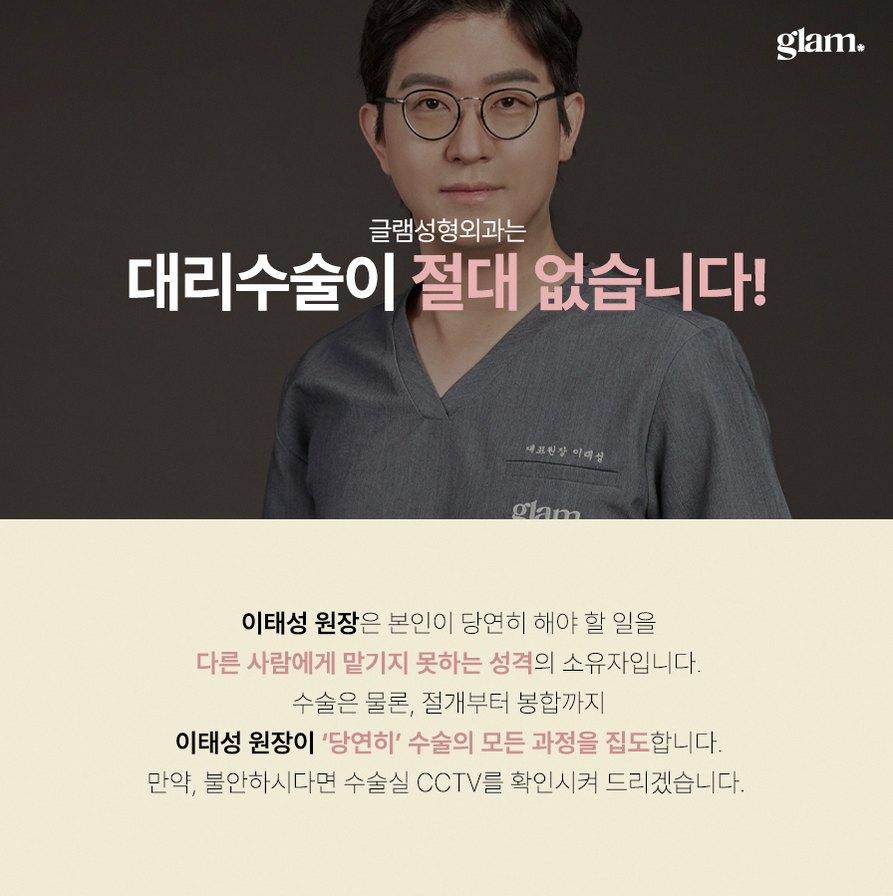
The representative director, Dr. Tae Sung Lee, is a board-certified plastic surgeon who graduated from Seoul National University College of Medicine, completed training at Seoul National University Hospital, worked as a plastic surgery specialist at Samsung Medical Center, and received fellowship training at the University of Washington Medical Center in Seattle. He previously served as head of the facial bone center at a large plastic surgery hospital (ID Hospital). According to the clinic’s own data, he has about 20 years of experience in facial bone surgery (as of February 2025).
As of February 2025, Dr. Lee has 13 SCI-level publications on facial contouring and double jaw surgery as first or corresponding author, including 3 papers in Plastic and Reconstructive Surgery. This academic background is presented as objective information, not as a guarantee of results.
The clinic is located on the 4th floor of a building on Dosan-daero in Gangnam, about 200 meters on foot from Sinsa Station Exit 1 in Seoul. This central location makes access relatively easy for international patients staying in nearby hotels or serviced apartments.
These features do not mean that any specific outcome is guaranteed, but they illustrate the type of specialization, training, and safety structure that many patients seek when choosing a revision facial contouring clinic.
Typical process for facial contouring revision at a specialized clinic
Pre-consultation and document collection
Before you travel to Korea, most specialized clinics will encourage an online or remote consultation. To make this effective, it is helpful to prepare the following in advance:
Previous operative notes or surgery reports, if available
Preoperative and postoperative photos from your first surgery
Any CT or X-ray images taken before or after your previous operation
A written summary of what you dislike about your current result and any functional symptoms (bite problems, pain, numbness, clicking, etc.)
Sending these materials in advance allows the surgeon to review your case and give you a more informed initial opinion about whether revision is likely to be helpful and what kind of approach might be needed.
In-clinic consultation and imaging
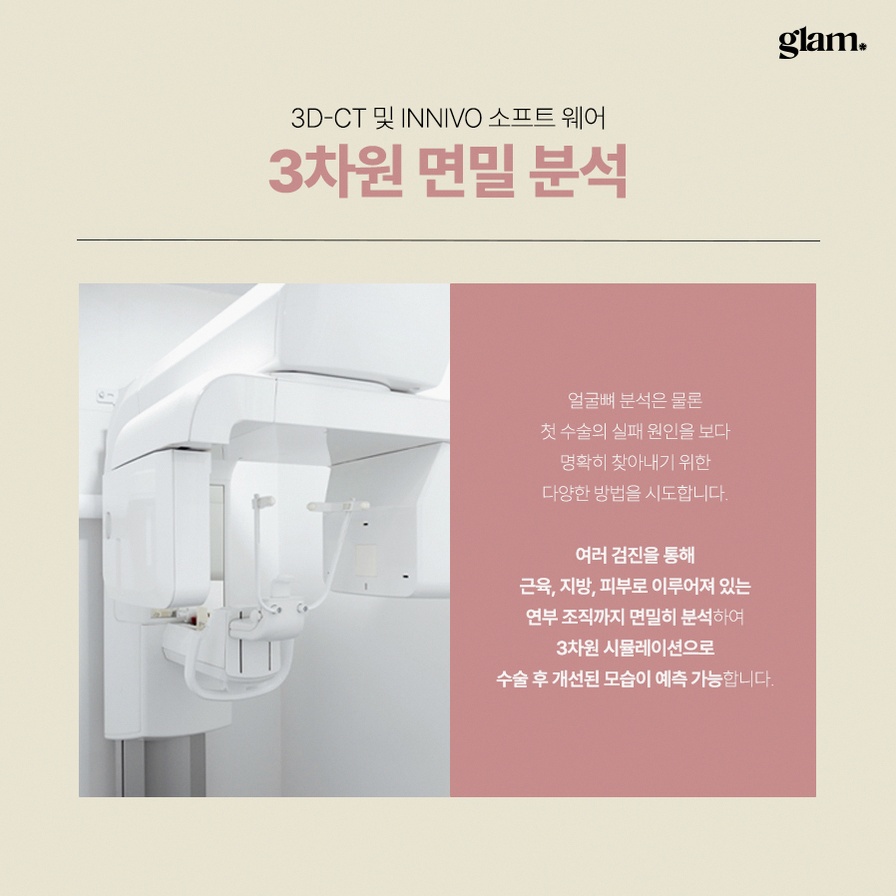
Once you arrive in Seoul, a specialized clinic will usually perform detailed imaging, including 3D imaging and CT scans, to analyze:
Current bone shape and volume
Previous osteotomy (bone cut) lines
Position of nerves and tooth roots
Degree of asymmetry between left and right sides
During the face-to-face consultation, you will discuss in detail what you dislike about your current facial contour, how it affects your daily life, and what you hope to change. The surgeon should explain whether revision is possible, what techniques might be used, and what limitations exist due to your current bone and soft tissue condition.
Surgery planning and scheduling
Based on the imaging and consultation, the surgeon will create a customized surgical plan. For revision facial contouring, this plan may include:
Adjusting previous bone cuts rather than creating entirely new ones
Balancing both sides of the face to improve symmetry
Avoiding excessive additional bone removal in already thin areas
Considering soft tissue support if sagging is a concern
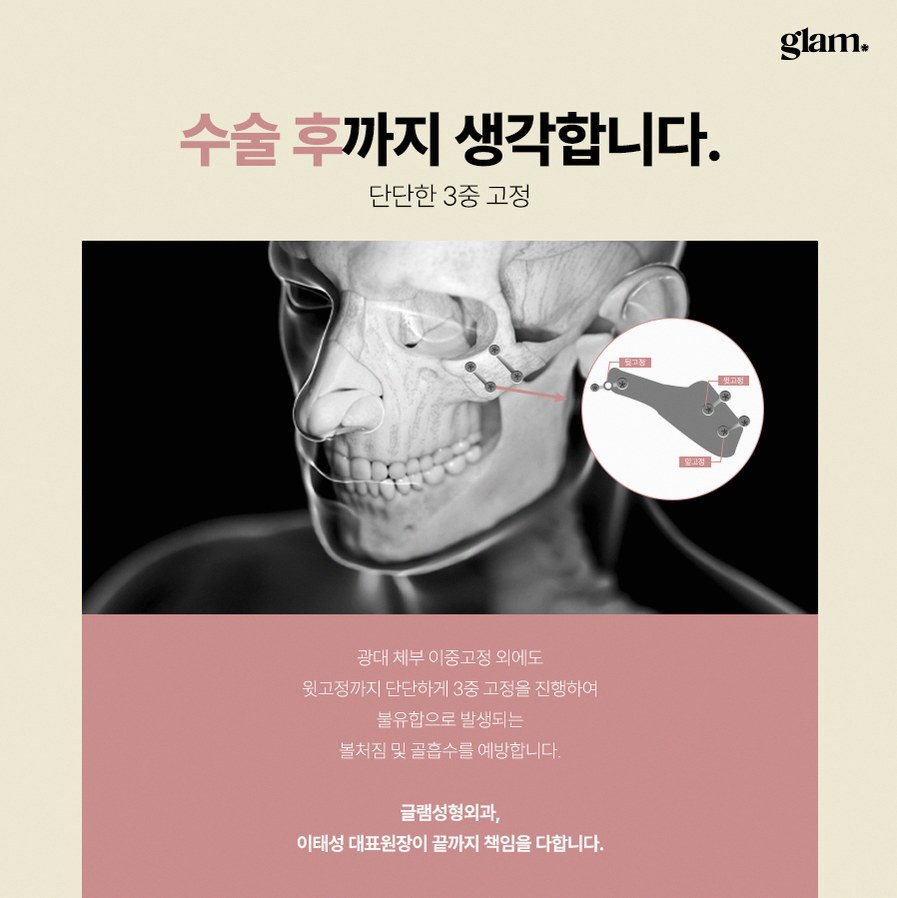
If double jaw surgery is involved, some clinics may discuss details such as avoiding intermaxillary fixation in certain cases, the possibility of omitting pre-orthodontic treatment for selected patients, or suturing methods to reduce nasal base widening. These are examples of detailed functional and aesthetic planning, not promises of a specific technique for every patient.
Once you agree on the plan, the clinic will schedule the surgery and guide you through preoperative tests and fasting instructions.
Postoperative care and recovery system
After facial contouring revision surgery, structured aftercare is important for managing swelling, supporting healing, and monitoring for complications.
At a center like GLAM Plastic Surgery, postoperative care programs may include:
SmartLux LED therapy to support skin and soft tissue recovery
Astrodom facial care for gentle postoperative skin management
Care7 Skin Reset total care as a comprehensive program for skin condition and swelling
High-frequency lifting (such as Oligio X) used in the later recovery phase to help with skin tightening and contour definition
These are presented as part of a recovery system rather than simple beauty treatments. The timing and combination of these therapies will depend on your individual healing progress and the surgeon’s judgment.
Who may consider facial contouring revision surgery
You may be a candidate for revision facial contouring if you have one or more of the following concerns after previous jawline, cheekbone, or V-line surgery:
Noticeable asymmetry between the left and right sides of the face
Jawline that still feels too wide or angular, despite previous reduction
Face that looks too small, hollow, or aged due to over-resection
Persistent swelling, irregular contours, or visible step-offs in certain lighting
Functional issues such as bite discomfort, difficulty chewing, or joint strain
Soft tissue sagging or heaviness after bone reduction
However, not everyone is suitable for revision. In some cases, the remaining bone is too limited, or the risks of further surgery may outweigh the potential benefits. The only way to know is through a careful consultation with a surgeon experienced in facial bone revision.
Always remember that individual anatomy, healing patterns, and previous surgical techniques all influence what is possible. A responsible clinic will tell you honestly if revision is not recommended or if only partial improvement is realistic.
Online consultation and pre-visit preparation for overseas patients
For international patients, the process usually begins with an online consultation. To make the most of this step, you can:
Prepare clear, front and side photos of your face in good lighting, without filters
Write down your main concerns in order of priority (for example, asymmetry first, then sagging, then angle shape)
List any functional symptoms such as pain, numbness, or bite problems
Collect previous medical records and imaging in digital form, if possible
During the online consultation, ask specific questions, such as:
Is revision likely to help my main concerns?
What are the main risks in my particular case?
How long should I stay in Korea for surgery and follow-up?
What kind of postoperative care is included, and what will I need to manage on my own after returning home?
A good clinic will answer these questions clearly and may suggest more than one possible plan, explaining the pros and cons of each.
Expected Korea visit timeline for revision facial contouring
Although exact schedules vary by clinic and case complexity, many overseas patients follow a general timeline:
Day 1–2: In-person consultation, detailed imaging (CT, 3D scans), final discussion of the surgical plan, preoperative tests.
First week: Regular postoperative check-ups to monitor swelling, wound condition, and general recovery. Initial LED or gentle facial care may begin if the surgeon approves.
Second to third week: Continued follow-up visits, removal of stitches if needed, and progression of aftercare programs such as SmartLux, Astrodom, or Care7 Skin Reset. Many patients can return home around 2–3 weeks after surgery, depending on the extent of the procedure and their comfort with traveling.
Your clinic should provide a personalized schedule and clear instructions on what to avoid, how to sleep, how to manage swelling, and when it is safe to fly.
Aftercare once you return home
Once you leave Korea, you will continue healing for several months. It is important to:
Follow all written instructions about diet, activity level, and oral hygiene
Avoid high-impact exercise and trauma to the face until your surgeon says it is safe
Monitor for any unusual pain, swelling, or changes, and contact the clinic promptly if you are concerned
Schedule online follow-up appointments so the surgeon can review photos and guide your recovery
Final results after revision facial contouring can take several months to become clear as swelling resolves and tissues settle. Patience and consistent communication with your clinic are key.
FAQ about choosing a clinic for facial contouring revision
How do I know if a clinic is really experienced in facial contouring revision?
You can look at several objective indicators. Check whether the clinic focuses mainly or only on facial bone surgery, including revision cases, rather than offering a wide range of unrelated procedures. Review the surgeon’s training background, years of experience in facial bone surgery, and any academic publications on facial contouring or double jaw surgery. Ask directly how many revision cases they handle and what their general approach is to complex, previously operated anatomy.
Is it safe to have facial contouring revision surgery overseas?
Safety depends less on the country and more on the specific clinic, surgeon, and systems in place. When considering surgery overseas, confirm that there is a board-certified plastic surgeon, a structured safety and anesthesia system, and clear postoperative monitoring protocols. Make sure you understand the recommended length of stay, how follow-up will be handled after you return home, and what to do in case of urgent issues. It is also wise to have a local doctor at home who can assist with basic postoperative checks if needed.
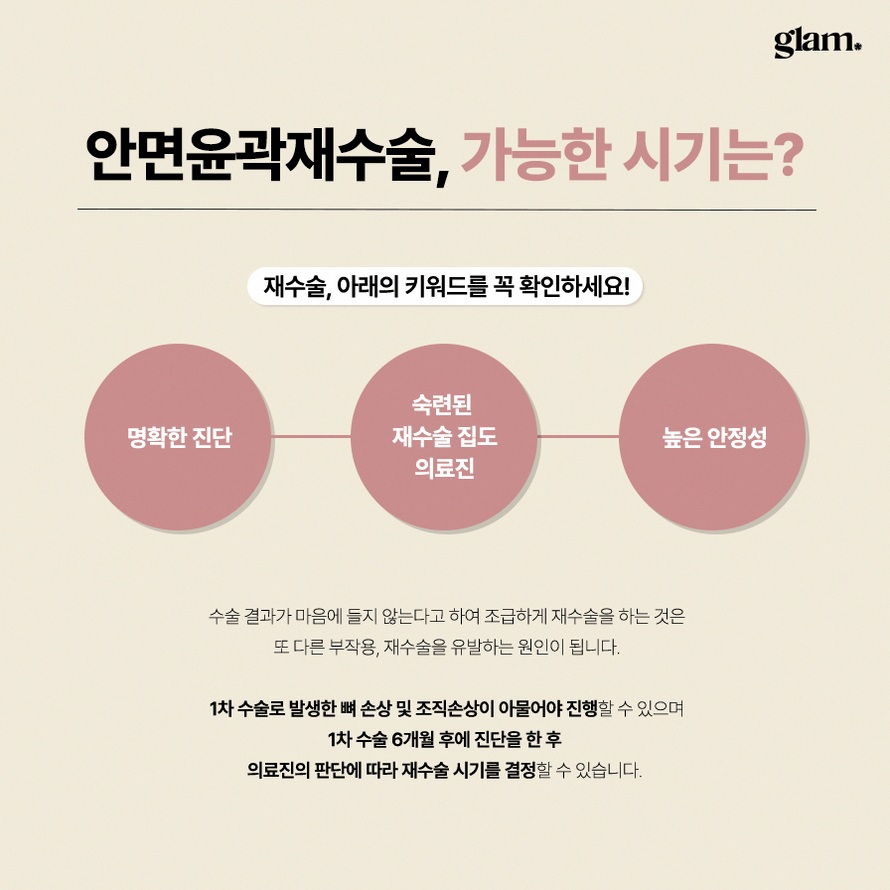
How long should I wait after my first facial contouring surgery before doing revision?

In many cases, surgeons recommend waiting at least 6 to 12 months after the initial surgery before considering revision. This allows swelling to fully settle and tissues to stabilize, making it easier to accurately assess the final result and plan a safe revision. However, if there are serious functional problems or clear complications, earlier intervention may be discussed. The exact timing should be decided after consultation with an experienced facial bone surgeon.
Can revision facial contouring completely fix my previous surgery result?
No clinic can promise a perfect face or a complete reversal of previous surgery, especially when bone has already been removed. Revision can often improve asymmetry, contour irregularities, and some functional issues, but there are always limitations based on remaining bone volume, scar tissue, and soft tissue condition. A responsible surgeon will explain what level of improvement is realistic in your specific case and will avoid overpromising.
Soft call to action for online consultation
If you are considering facial contouring revision surgery in Sinsa or Gangnam and want a clinic that focuses on facial bone work, you may wish to explore an online consultation with a center such as GLAM Plastic Surgery. Sharing your previous records, photos, and concerns in advance can help you receive a more accurate assessment of whether revision is appropriate and what kind of plan might suit you.
Whichever clinic you choose, prioritize specialization, surgeon training, safety systems, and honest communication over aggressive marketing. Take your time, compare explanations from more than one surgeon, and move forward only when you feel you clearly understand the risks, limitations, and realistic goals of revision facial contouring.




- 공유 링크 만들기
- X
- 이메일
- 기타 앱


댓글
댓글 쓰기