Front Cheekbone Revision (Ap Gwangdae Surgery) in Korea: Who Benefits?
- 공유 링크 만들기
- X
- 이메일
- 기타 앱
r aged-looking. Because the bone has already been cut, healed, and fixed with plates or screws, revision must be planned very carefully and usually aims for realistic improvement rather than dramatic change.
This guide explains what front cheekbone revision involves, who may benefit, how specialists in Seoul plan and perform it, what overseas patients can expect during a trip to Korea, and how to prepare for an online consultation with a facial bone–focused clinic such as GLAM Plastic Surgery near Sinsa Station in Gangnam.
What is front cheekbone revision surgery?
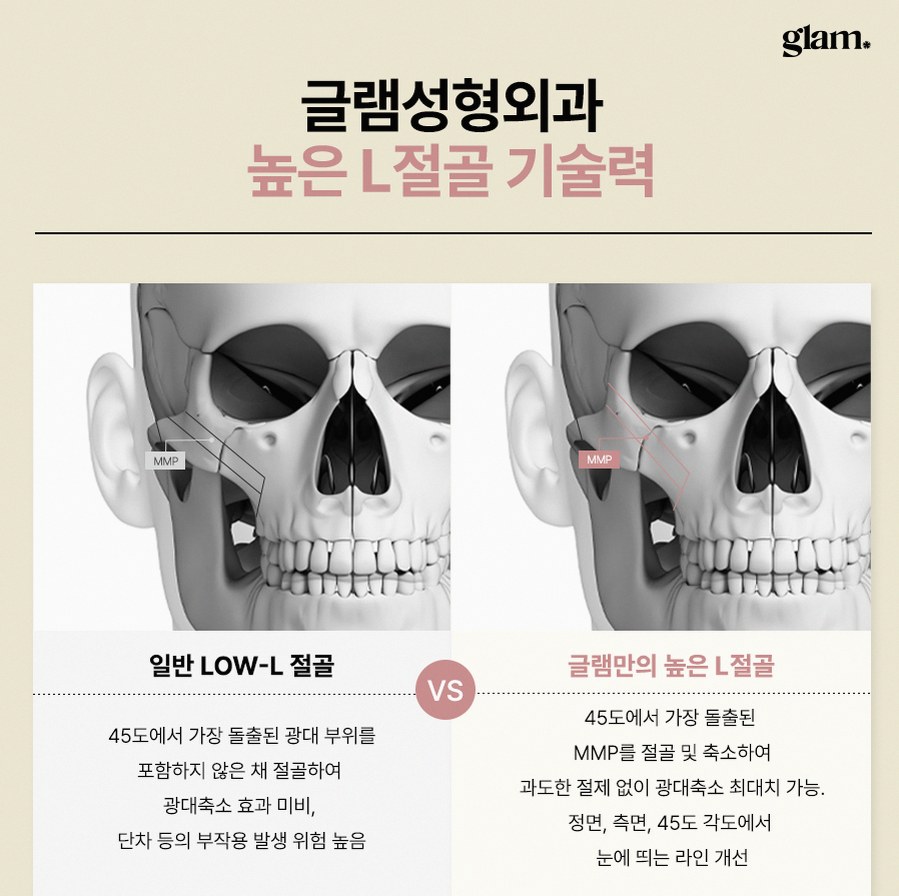
Front cheekbone revision surgery is a secondary facial contouring operation that targets the front part of the cheekbone after a previous zygoma reduction or other facial bone procedures.
Unlike simple fillers or fat grafts, this is a bone-centered revision. The surgeon works with the existing cheekbone segments that were already cut and moved in the first operation. Depending on the problem, revision may include:
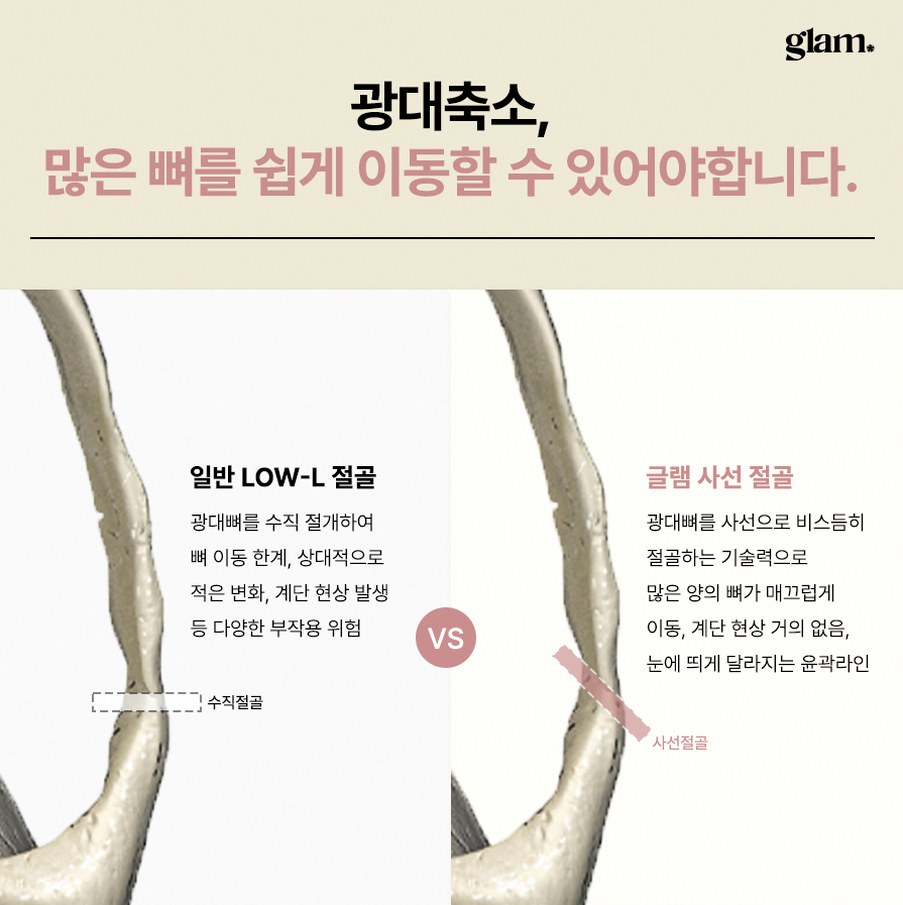
Repositioning previously moved zygomatic segments if they were shifted too far or not far enough.
Additional contouring or smoothing of residual bony protrusions that still make the face look wide in frontal view.
Limited augmentation or structural support, such as bone grafts or implants, when the front cheekbone is overly reduced and the midface looks sunken or collapsed.
Correction of asymmetry between the left and right cheekbones when one side appears higher, flatter, or more protruding.
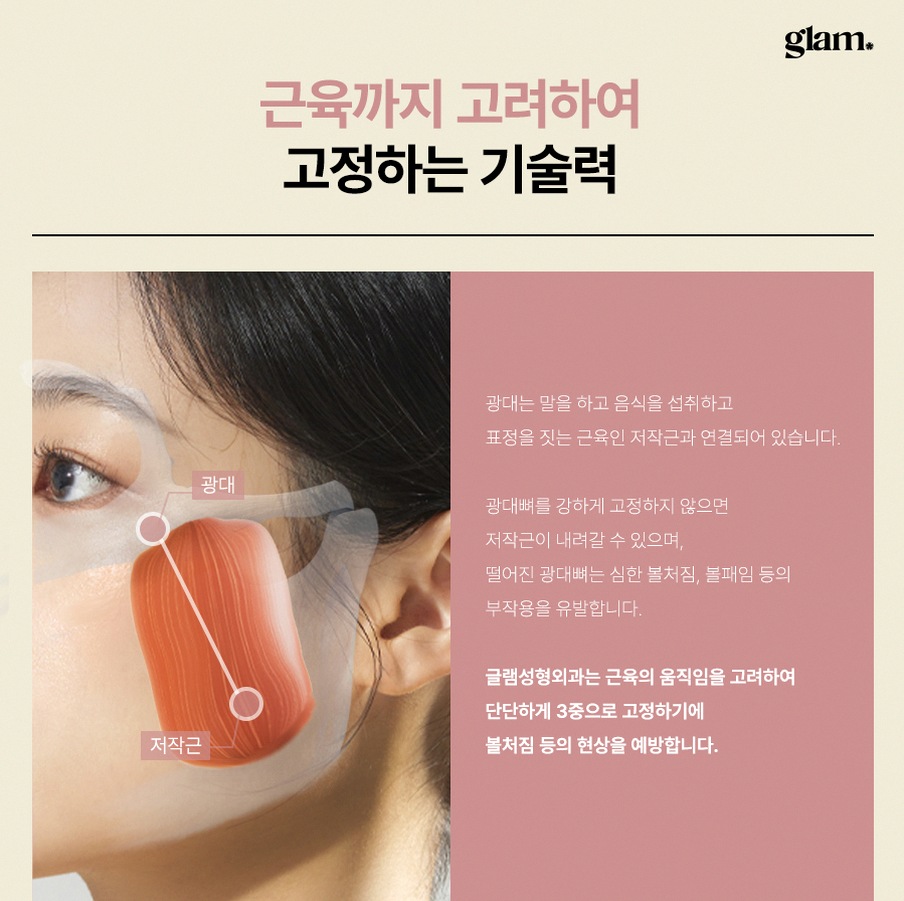
Because the bone has already healed in a new position, the surgeon must take into account existing osteotomy lines, fixation plates and screws, and the way soft tissues have adapted. This makes revision technically more complex than first-time cheekbone surgery.
How it differs from first-time cheekbone reduction
Primary cheekbone reduction is usually performed on intact bone with normal blood supply and no scar tissue. The surgeon has more freedom to design the cuts and movements.
In front cheekbone revision surgery, the situation is different:
The bone has already been altered and may be thinner or irregular in some areas.
Scar tissue surrounds the bone and soft tissues, making dissection more delicate.
Existing plates and screws can limit how much the bone can be moved again.
Soft tissue may already be looser or slightly sagged from the first surgery.
For these reasons, responsible surgeons approach revision more conservatively. The goal is to correct specific issues, not to chase extreme narrowing or a completely new face. Often, the best result comes from a combination of modest bone adjustment and thoughtful soft tissue management.
Who may consider front cheekbone revision surgery
Good candidates
You may be a reasonable candidate for front cheekbone revision if you have already had cheekbone reduction or facial contouring and now notice one or more of the following:
The front cheek area still looks too wide or protruding when you look straight into the mirror or camera.
Your front cheekbones look asymmetric, with one side appearing higher, flatter, or more prominent than the other.
Your face looks older, gaunt, or tired because the front cheekbone became too flat or sunken. This can create shadows under the eyes, deepen the nasolabial folds, and make the midface look collapsed.
You feel discomfort when touching the cheekbone area, notice palpable step-offs, or can feel obvious bony irregularities.
You are in good general health, and enough time has passed since your first surgery for swelling to settle and bone healing to complete.
Who is not an ideal candidate
Not everyone dissatisfied after cheekbone surgery actually needs bone revision. You may not be an ideal candidate if:
You are still within the early swelling phase, often within several months of your first surgery. The final contour can change significantly as swelling resolves and tissues adapt.
Your main concern is skin laxity, volume loss, or soft tissue sagging rather than bone shape. In such cases, treatments like lifting procedures, fat grafting, or skin-based therapies may be more suitable than another bone operation.
You expect a completely new face or dramatic transformation from revision alone. Revision usually offers refinement, not a total change.
You are unwilling to accept the higher risks and longer recovery that can come with repeat facial bone surgery.
The key first step is to determine whether your problem is mainly bone-related, soft-tissue-related, or a combination of both. A specialist in facial bone surgery can help you decide whether front cheekbone revision is truly necessary.
How specialists distinguish bone problems from soft tissue issues
Many patients feel something is “off” after cheekbone surgery but are not sure why. A careful evaluation separates bone issues from soft tissue concerns.
Bone-related issues may include:
Persistent width or protrusion in frontal view despite previous reduction.
Visible or palpable bumps, step-offs, or irregularities along the cheekbone.
Clear left–right asymmetry in cheek height or projection.
Functional discomfort when pressing or chewing in the cheek area.
Soft tissue–related issues may include:
Hollowing under the eyes or in the midface despite reasonable bone shape.
Skin sagging or jowling that makes the face look older.
Deepened nasolabial folds that were not present before.
A specialist may recommend bone revision, soft tissue procedures, or a combination, depending on which factor is dominant. Sometimes, a small bone adjustment plus targeted soft tissue support gives a more natural and safer result than aggressive bone re-cutting.
Diagnosis and planning for safe revision
Revision facial contouring requires more detailed preoperative analysis than first-time surgery. For overseas patients, much of this planning can begin through online consultation.
Key evaluation steps usually include:
Detailed consultation about your first surgery
The surgeon will want to know:
What procedures were done and when.
Which areas you disliked from the beginning.
Which changes appeared gradually over time.
Whether you experienced any complications, such as prolonged swelling, infection, or nerve symptoms.
3D imaging and CT scans
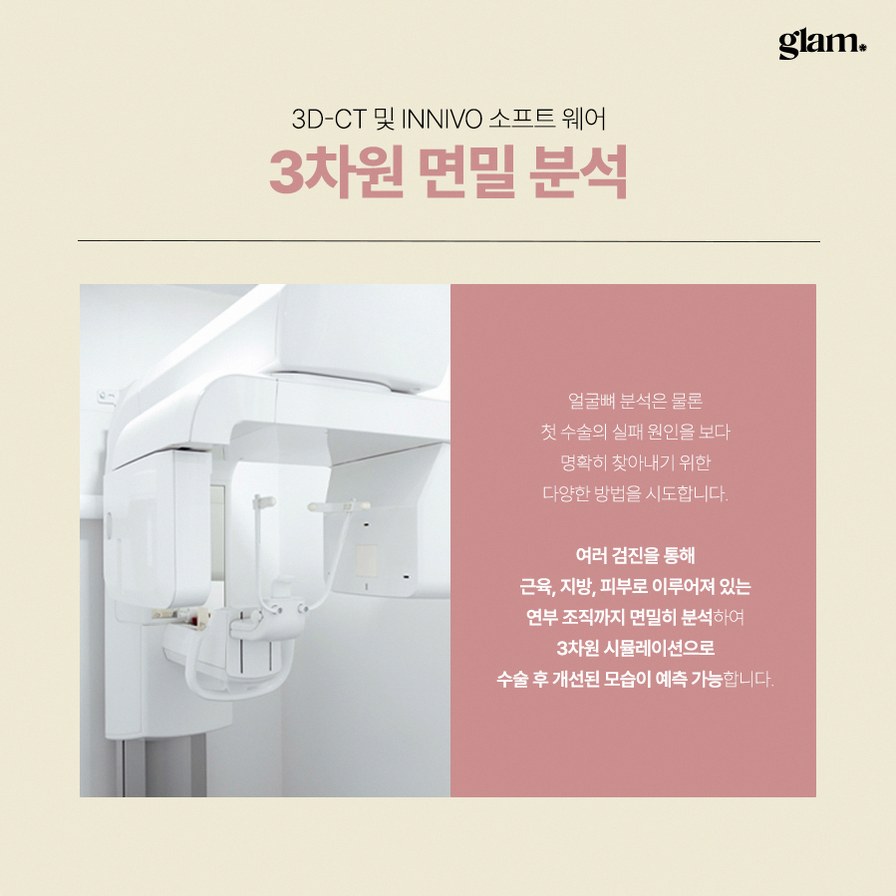
High-quality 3D imaging and CT scans are essential for revision planning. They help the surgeon:
Understand the current shape and position of the cheekbones.
See previous osteotomy lines and how the bone has healed.
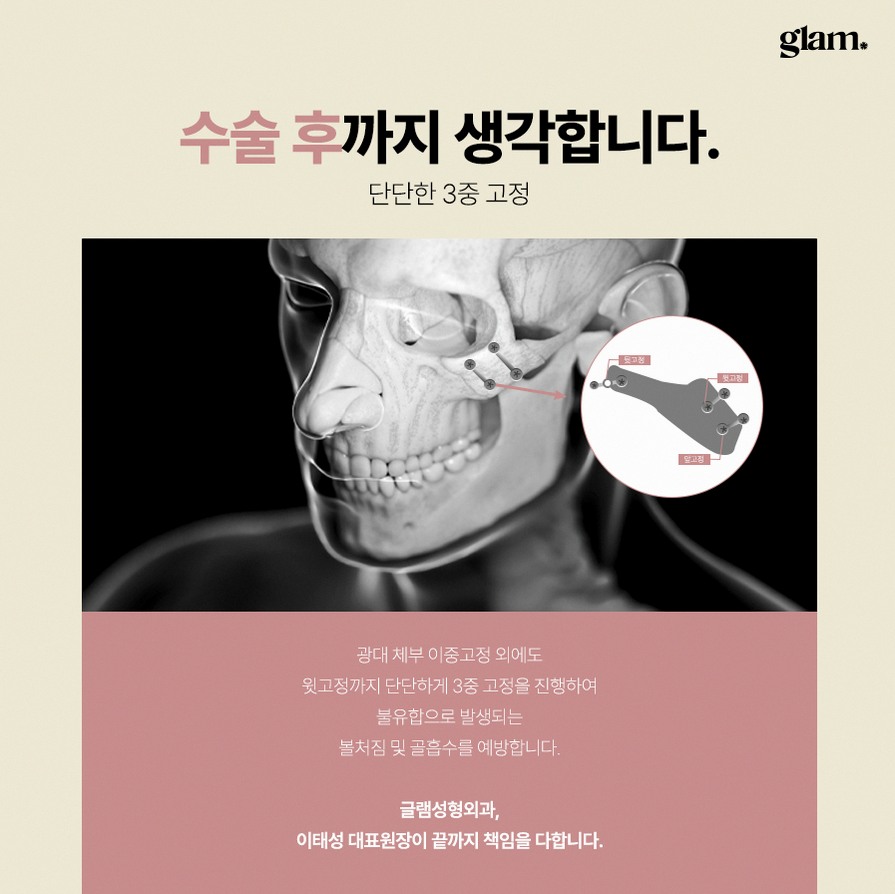
Locate fixation plates and screws and assess whether they need to be removed or repositioned.
Identify any irregularities, gaps, or asymmetry that may not be obvious from the outside.
Assessment of midface soft tissue
The surgeon will also evaluate:
Volume loss in the cheeks and under-eye area.
Degree of skin laxity and sagging.
Depth of nasolabial folds and tear troughs.
This assessment helps distinguish what is due to bone position versus natural aging or soft tissue changes after surgery.
Bite and occlusion check when relevant
If your previous surgery involved the upper or lower jaw, your bite and occlusion may also be checked. This is to ensure that any cheekbone revision will not disturb functional balance or create new problems with chewing or jaw joints.
Combined or alternative approaches
After reviewing all this information, a responsible surgeon may suggest:
Limited bone revision plus fat grafting or lifting.
Soft tissue treatments alone if the bone shape is already acceptable.
No surgery at all if the risks outweigh the possible benefits.
The aim is to choose the least invasive option that can reasonably address your concerns.
How front cheekbone revision surgery is performed
Each case is unique, but the general approach to front cheekbone revision includes several common principles.
Using previous incisions when possible
Surgeons often try to access the cheekbone through existing incisions, such as inside the mouth or near the hairline, to avoid additional visible scars. This can reduce trauma to the skin surface and help with healing.
Careful dissection around scar tissue and hardware
Because there is already scar tissue and fixation hardware, the surgeon must dissect very carefully to avoid damaging nerves, blood vessels, or soft tissue support structures. Existing plates and screws may be removed, replaced, or left in place depending on the plan.
Recontouring residual bony protrusions
If the main issue is that the cheeks still look wide or bulky in frontal view, the surgeon may carefully shave or recontour the remaining bony protrusions. The goal is smoother, more balanced cheek lines without over-thinning the bone.
Limited repositioning of the malar segment
In selected cases where the previous movement was clearly excessive or insufficient, the surgeon may cut and reposition the cheekbone segment again. This is more complex than first-time surgery and must be done with strict attention to stability and blood supply.
Structural augmentation for overly flat cheeks
If the front cheekbone has been reduced too much, the midface can look hollow or aged. In such cases, structural augmentation using bone grafts or implants may be considered to restore support and volume. This is different from simple fillers, as it aims to rebuild the underlying framework.
Soft tissue handling
Throughout the procedure, the surgeon must handle soft tissue gently to minimize further sagging or hollowing. In some cases, additional soft tissue support or lifting may be performed to improve midface contour.
Overall, the aim is balanced, natural-looking cheek width and midface volume, not extreme narrowing or a sharply sculpted look that may not age well.
Risks, limitations, and realistic expectations
Front cheekbone revision surgery carries higher risks and more limitations than first-time cheekbone reduction.
Why the risk is higher
Bone has already been cut and healed in a new position, which can make it more fragile or irregular.
Scar tissue and altered blood supply increase the complexity of dissection.
Existing plates and screws may limit how much the bone can be moved again.
Soft tissue may already be looser, so further reduction of bone support can worsen sagging.
Potential risks
As with any facial bone surgery, there are potential risks, which can include:
Numbness or altered sensation in the cheek area, which may improve over weeks to months but can sometimes persist.
Residual asymmetry or irregular contour if healing is uneven or if the starting anatomy is very complex.
Worsening of soft tissue sagging if bone support is reduced too much.
Limited degree of change compared with primary surgery, simply because there is less room to modify the bone safely.
Setting realistic expectations
The goal of revision is improvement, not perfection.
Sometimes, subtle contour correction combined with soft tissue management provides the most harmonious result.
A responsible surgeon may recommend against revision if the expected benefit is small or the risk–benefit balance is not favorable.
Patients should be prepared for a longer recovery and more gradual improvement compared with their first surgery.
Postoperative care and recovery
Recovery after front cheekbone revision is often slower than after primary surgery because of the additional scar tissue and repeated dissection.
Typical recovery points
Swelling may last longer than with first-time surgery. It is common for noticeable swelling to persist for several weeks, with more subtle swelling taking a few months to settle.
Bruising and a feeling of tightness around the cheeks are common in the early phase.
Numbness or altered sensation can take weeks to months to improve as nerves recover.
Final contour assessment usually requires several months, once both swelling and soft tissue adaptation have stabilized.
Supportive aftercare
Some clinics in Seoul offer structured postoperative care programs to support recovery and comfort. These may include:
LED-based skin and tissue care to support circulation and healing.
Gentle facial treatments designed to promote lymphatic drainage and reduce swelling.
Radiofrequency lifting devices at an appropriate time after bone healing, to help with skin tightening and midface support.
These measures are supportive, not a replacement for proper surgical planning. They can, however, make the recovery period more comfortable and may help tissues settle more smoothly.
Expected Korea visit timeline for overseas patients
The exact schedule depends on your case and travel plans, but a typical timeline for international patients might look like this:
Before travel
Online consultation with the clinic, including sharing previous operative records, photos, and any existing CT scans.
Preliminary treatment plan and estimate, with discussion of whether bone revision is truly indicated.
Travel planning once you and the surgeon agree that surgery is appropriate.
In Seoul
First 1 to 3 days: In-person consultation, physical examination, updated imaging, and finalization of the surgical plan. Preoperative tests are usually completed during this time.
Surgery day: Operation under appropriate anesthesia, followed by monitoring in the clinic or hospital as needed.
First week after surgery: The most intense swelling and bruising. Follow-up visits for wound checks, medication adjustments, and early aftercare.
Second week: Gradual improvement in swelling. Many patients can move around the city more comfortably but may still prefer to rest and avoid long outings.
Third week and beyond: Your surgeon will advise on the safest timing.
After returning home
Online follow-up consultations using photos or video.
Longer-term evaluation of contour and sensation over several months.
Online consultation and pre-visit preparation
For revision cases, a thorough online consultation is especially important. To make the most of it, prepare the following:
Previous operative records if available, including surgical notes, implant information, and any preoperative imaging.
Clear photos of your face from the front, 45-degree angles, and both sides, in good lighting without filters.
Information about when your first surgery was performed, where, and what procedures were done.
A list of specific concerns, such as “left cheek is higher,” “front view still looks wide,” or “under-eye area looks hollow.”
Questions you want to ask about risks, recovery, and alternative options.
During the consultation, be open to the possibility that the surgeon may recommend non-bony treatments or even no surgery if that is safer for you.
Why choosing a facial bone–focused clinic matters
Front cheekbone revision is a specialized area within facial contouring surgery. Clinics that focus exclusively on facial bone procedures often have:
Extensive experience with complex bone anatomy and biomechanics.
A structured approach to imaging-based planning and risk assessment.
Familiarity with managing scar tissue, hardware, and previous osteotomy lines.
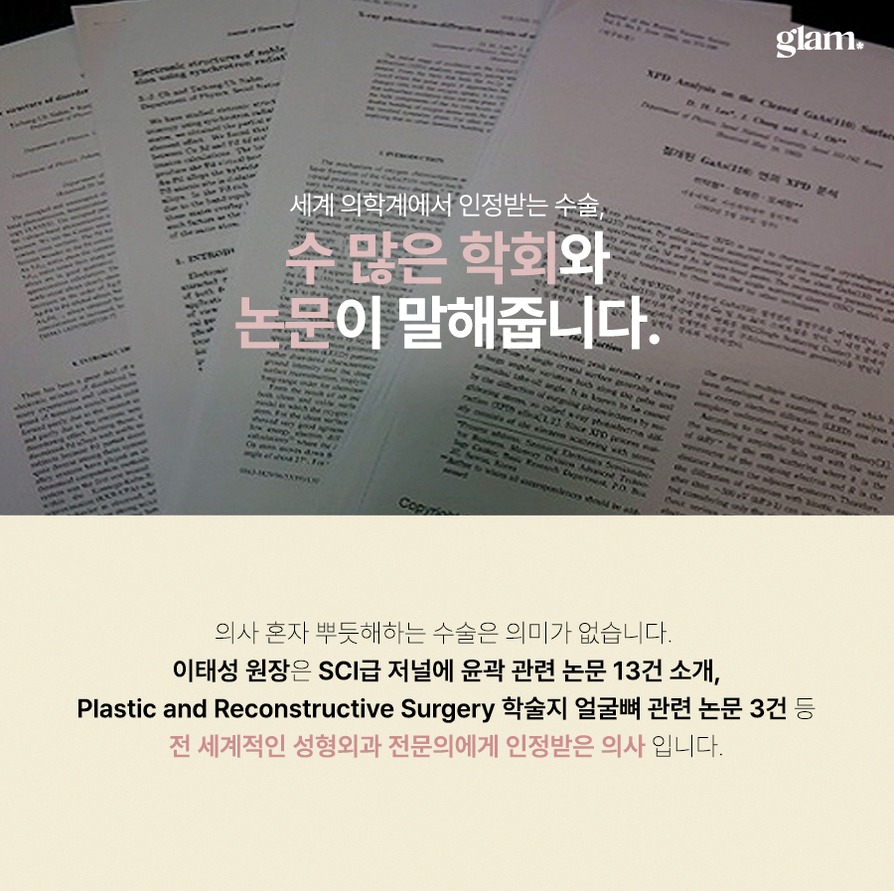
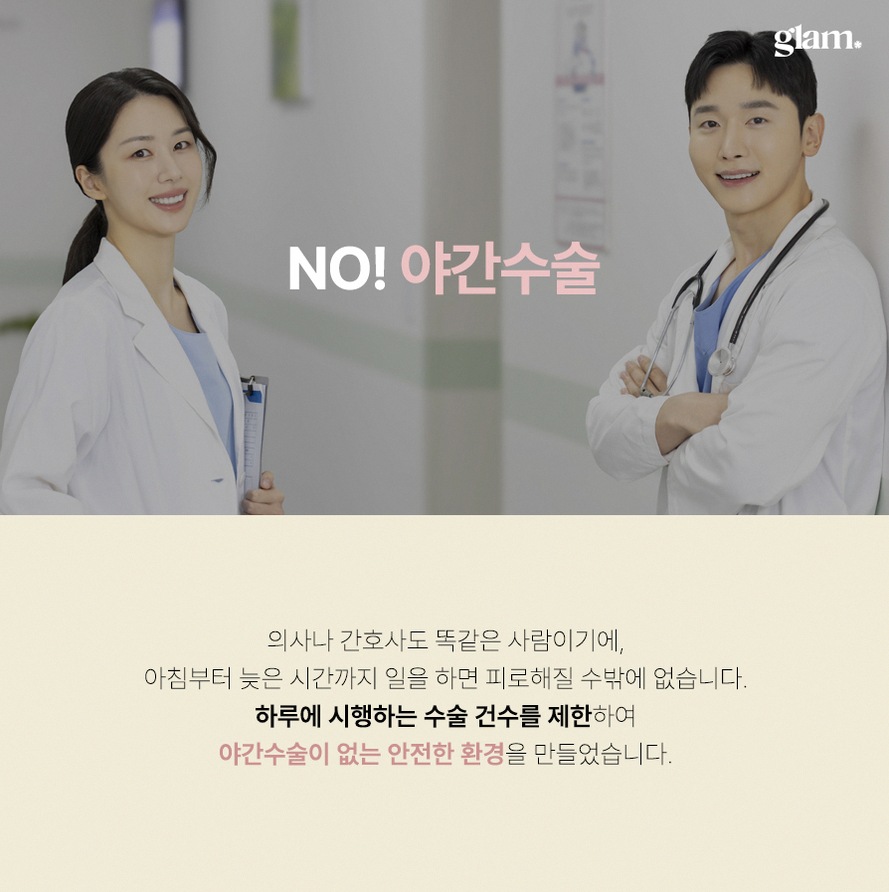
At GLAM Plastic Surgery near Sinsa Station in Gangnam, the medical team is organized around facial bone surgery, particularly double jaw and facial contouring procedures. The lead plastic surgeon has around two decades of experience (as of February 2025), with an academic background that includes training at major university hospitals and leadership of a facial bone center at a large plastic surgery hospital. A specialist in anesthesiology serves as the clinic's anesthesiology director and manages anesthesia and perioperative monitoring. As of February 2025, the surgeon has authored or co-authored 13 SCI-level papers on facial contouring and double jaw surgery, including three in the journal Plastic and Reconstructive Surgery.
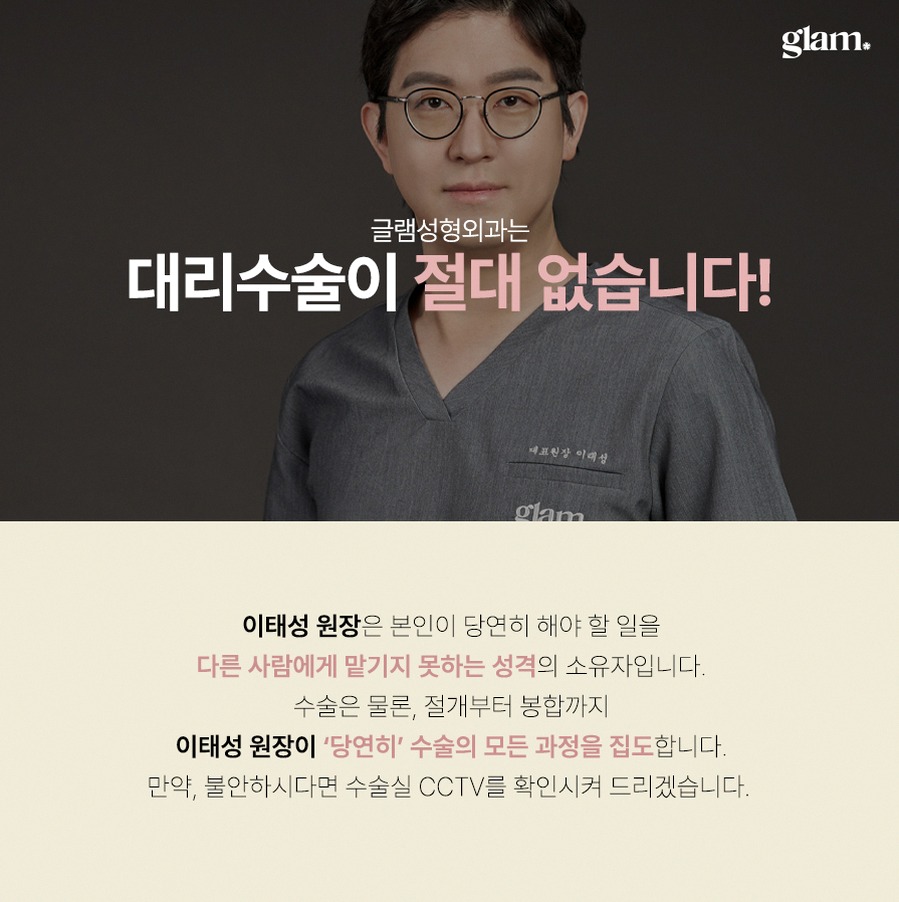
Operations are personally performed by the lead surgeon, with a stated philosophy of recommending only the minimum necessary surgery. This conservative approach is particularly important for revision facial contouring, where overcorrection and repeated bone cutting can be harmful.
For international patients, multilingual support in languages such as English, Japanese, and Thai, and the use of social media and messaging channels, can make the process of planning and following up on surgery more accessible.
Frequently asked questions
Is front cheekbone revision surgery always necessary if I am unhappy after cheekbone reduction?
No. Many patients feel dissatisfied in the early months after surgery because of swelling, temporary asymmetry, or soft tissue changes. In some cases, the bone position is acceptable and the main issues are volume loss or skin laxity, which can be addressed with non-bony treatments. A careful evaluation is needed to decide whether bone revision is truly indicated.

How long should I wait after my first cheekbone surgery before considering revision?
In general, it is advisable to wait until swelling has fully resolved and the bone has completely healed. This often means at least 6 to 12 months after the first operation. Waiting allows the final contour to become clear and reduces the risk of operating on tissues that are still changing.
Can front cheekbone revision fix asymmetry completely?
Revision can often improve noticeable asymmetry, but complete symmetry is rarely possible in any face, especially after previous surgery. The goal is to reduce obvious differences and create a more balanced, natural appearance. Your surgeon should explain what level of correction is realistically achievable in your specific case.
Will I look much smaller or very different after front cheekbone revision?
Most responsible revision plans aim for refinement rather than a dramatic change. Because the bone has already been reduced once, there are limits to how much further narrowing is safe. In some cases, adding support to an overly reduced cheekbone may even restore a slightly fuller, healthier midface rather than making it smaller.
Soft call to action
If you are an overseas patient considering front cheekbone revision surgery in Korea, an in-depth online consultation is the safest first step. By sharing your previous records, photos, and concerns, you can learn whether bone revision, soft tissue treatment, or observation is most appropriate for you.
GLAM Plastic Surgery in Gangnam offers imaging-based planning and a facial bone–focused approach for complex revision cases, with multilingual support to assist international visitors. If you are unsure whether a second operation is really necessary, you can start by contacting the clinic online to discuss your situation and explore your options in a careful, conservative way.




- 공유 링크 만들기
- X
- 이메일
- 기타 앱


댓글
댓글 쓰기