Facial Contouring Surgery Side Effects and Revision Options in Korea
- 공유 링크 만들기
- X
- 이메일
- 기타 앱

Direct answer summary
After facial contouring surgery, swelling, tightness, and temporary numbness are common and usually improve with time. However, clear and lasting asymmetry, strong or worsening pain, prolonged numbness, sagging of the lower face, chewing difficulty, or obvious irregular bone lines can be signs of side effects or complications. In these situations, a careful evaluation with a facial bone specialist is important to decide whether observation, non‑surgical treatment, or revision facial contouring surgery is appropriate.
This guide explains typical facial contouring surgery side effects, when revision facial contouring may be considered, how the evaluation process works, and what an overseas patient can expect when visiting Korea, including at clinics such as GLAM Plastic Surgery in Sinsa, Gangnam, Seoul.
What is facial contouring surgery?
Facial contouring surgery refers to procedures that change the shape of the facial bones to create a slimmer or more balanced face. Common operations include cheekbone reduction, jaw angle reduction, and V‑line surgery that reshapes the lower jaw and chin. Some patients have these surgeries separately; others have combined facial bone reshaping in one operation.
Because these procedures involve cutting and repositioning bone, they require a longer and more delicate healing process than soft‑tissue treatments. It is normal to experience several weeks of swelling, bruising, and tightness. The final contour can take many months to settle.
Normal recovery versus true side effects
Many patients worry that every strange sensation after surgery is a side effect, but there is a difference between normal healing and a complication.
Typical normal recovery features include swelling and bruising for several weeks, a feeling of tightness or stiffness in the cheeks and jaw, temporary numbness or tingling in the lower face, and mild asymmetry while swelling is uneven. These usually improve gradually over a few months.
Concerning signs that may indicate side effects or complications include severe or worsening pain that does not respond to usual pain control, numbness or tingling that does not slowly improve or even becomes more noticeable over time, clear facial asymmetry that remains after the main swelling period, difficulty chewing or closing the teeth together comfortably, jaw joint pain or clicking that did not exist before surgery, hollow or sunken areas that look unnatural, sagging or droopy lower face after bone reduction, and visible or palpable step lines and ridges along the jawline or cheekbone.
Some of these issues are mainly aesthetic, such as shape, balance, and proportion. Others are functional, affecting chewing, bite, or nerve sensation. Both types can be reasons to discuss revision facial contouring, but the treatment approach will differ.
Typical complications that may lead to revision facial contouring
Not every concern after facial contouring requires another operation. Still, there are several common problems that sometimes lead patients to seek revision facial contouring surgery.
One is over‑resection or under‑resection of bone. If too much bone was removed, the face may look too small, overly sharp, or hollow. If too little bone was removed, the change may be minimal, leaving the patient feeling that the surgery did not meet their expectations.
Asymmetry is another frequent concern. Uneven cheekbones, jaw angles, or chin lines can result from differences in bone removal, bone healing, or pre‑existing asymmetry that was not fully corrected. When asymmetry is obvious even after swelling has settled, revision may be considered.
Sagging and soft tissue droop can appear after bone reduction. When the underlying bone is reduced, the soft tissues of the cheeks and lower face lose some support. In some patients, this leads to a heavier or older appearance, jowls, or a droopy mouth corner, even though the bone itself is smaller.
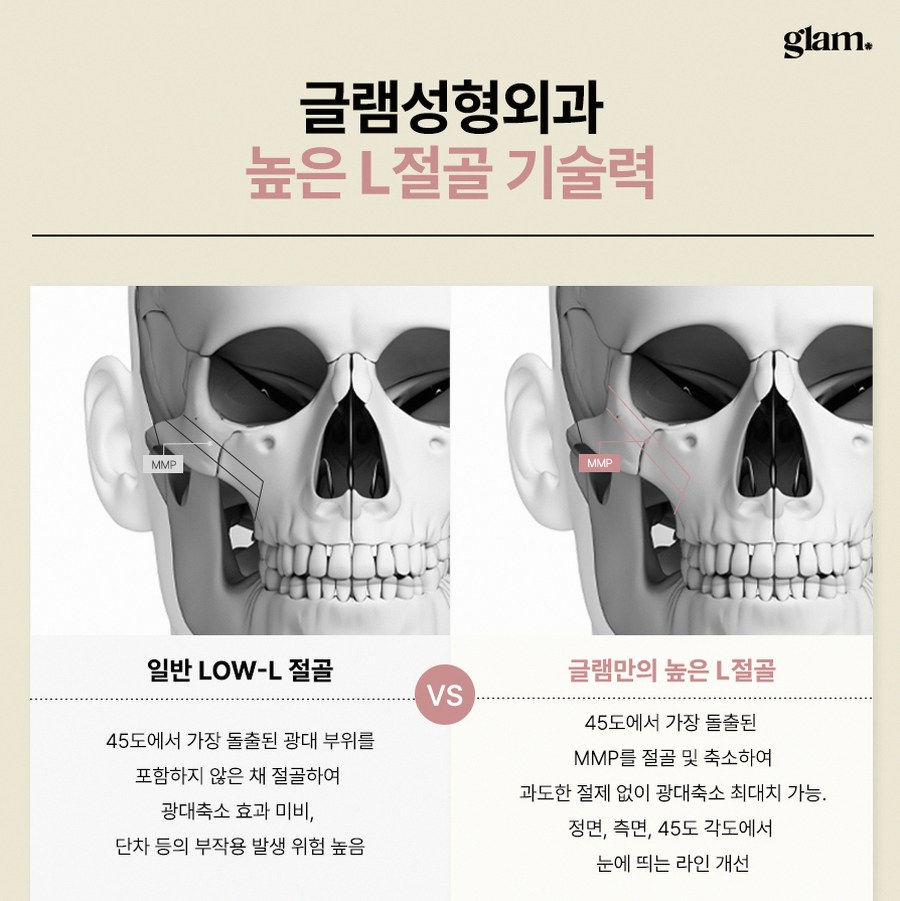
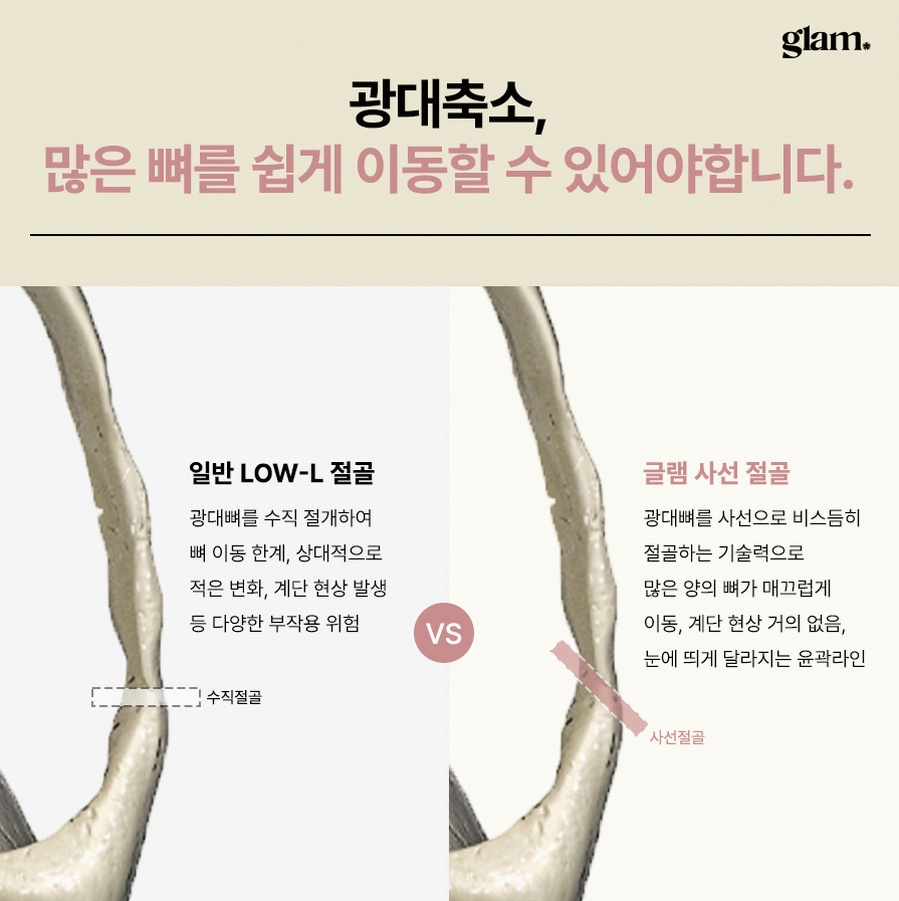
Step deformity or irregular bone edges can occur when the cut edges of the bone do not form a smooth line. Patients may see or feel a step, bump, or ridge along the jawline or cheekbone. This can be visible in photos or when touching the area.
Nerve‑related symptoms are also important. Some temporary numbness is common, but persistent numbness, tingling, or altered sensation that does not improve over time can be a sign of nerve irritation or injury. In some cases, revision surgery may help by smoothing bone around the nerve or adjusting fixation, but this must be evaluated very carefully.
Functional issues such as difficulty chewing, changes in bite, or jaw joint discomfort can appear after facial contouring, especially when the lower jaw shape has been changed significantly. These problems may involve not only bone contour but also bite alignment and joint health, so they require a detailed assessment.
It is important to remember that not every side effect automatically means revision is needed. Some problems improve with time, conservative care, or non‑surgical treatments such as fat grafting, fillers, or skin tightening. A cautious approach is essential, especially for patients who already feel stressed by their first surgery.
When to consider revision surgery versus observation
Timing is crucial when thinking about revision facial contouring. In most cases, it is better to wait until swelling has stabilized and tissues have had time to heal. This usually means at least six months, and often closer to 9 to 12 months after the first surgery, before making a final decision about revision.
There are exceptions. Urgent complications such as infection, severe functional problems, or hardware issues may require earlier intervention. However, these situations are less common and are usually managed by the original surgical team or a specialist center.
You may consider a revision evaluation if you have shape or asymmetry that clearly persists after the main swelling period, ongoing numbness or discomfort that is not gradually improving, obvious step deformities or irregular contours that you can see in photos or feel with your fingers, or functional problems with chewing, bite, or jaw movement that interfere with daily life.
On the other hand, observation may be more appropriate if you are still within the early recovery phase and your face is changing month by month, if the asymmetry is mild and mainly visible to you, or if your concerns are subtle contour issues that could be improved with non‑surgical options such as fillers, fat grafting, or skin tightening procedures.
A responsible facial bone surgeon will not recommend revision lightly. Instead, they will explain when waiting is safer, when non‑surgical treatments might be enough, and when revision bone surgery is truly justified.
Why revision facial contouring is more complex
Revision facial contouring is not simply repeating the first operation. The anatomy has already been changed, and this makes the second surgery more complex.
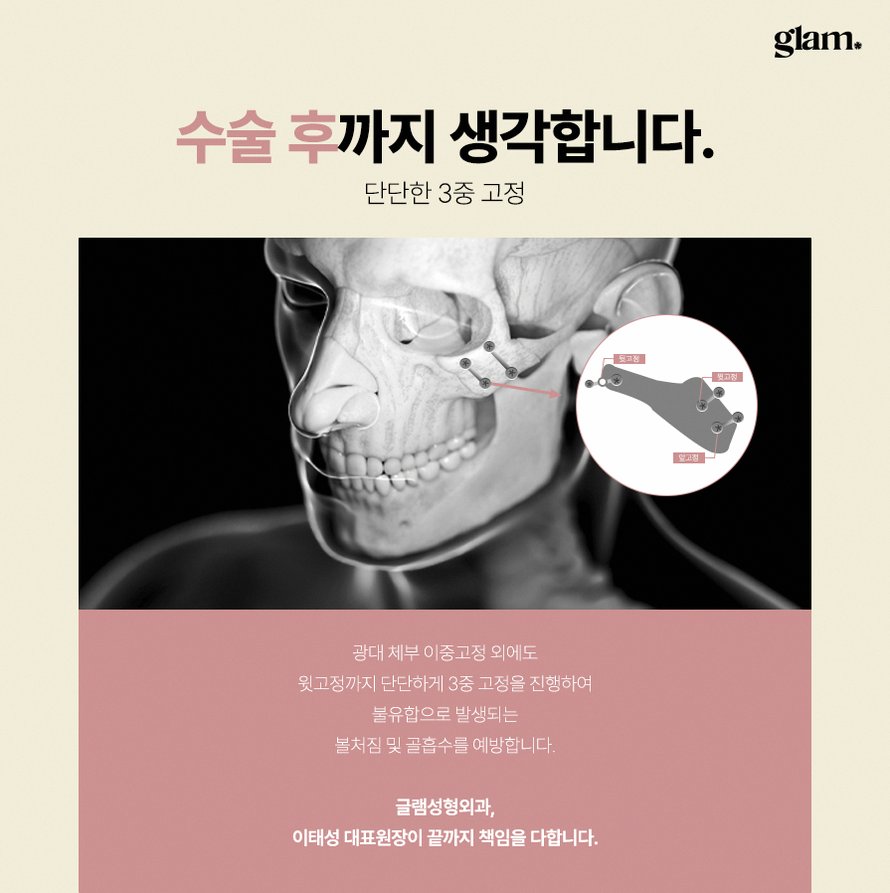
First, the bone has been cut and healed in a new position. There may be plates, screws, or previous fixation points that need to be identified and possibly removed or adjusted. The remaining bone volume is often reduced, which limits how much further reduction is possible. In some cases, instead of further reduction, the surgeon may need to add volume or reshape irregular edges to create a smoother contour.
Second, there is scar tissue around the surgical area. Scar tissue can make dissection more difficult, change the blood supply, and increase the risk of bleeding or nerve irritation. This is one reason why revision operations are typically longer and technically more demanding than first‑time surgeries.
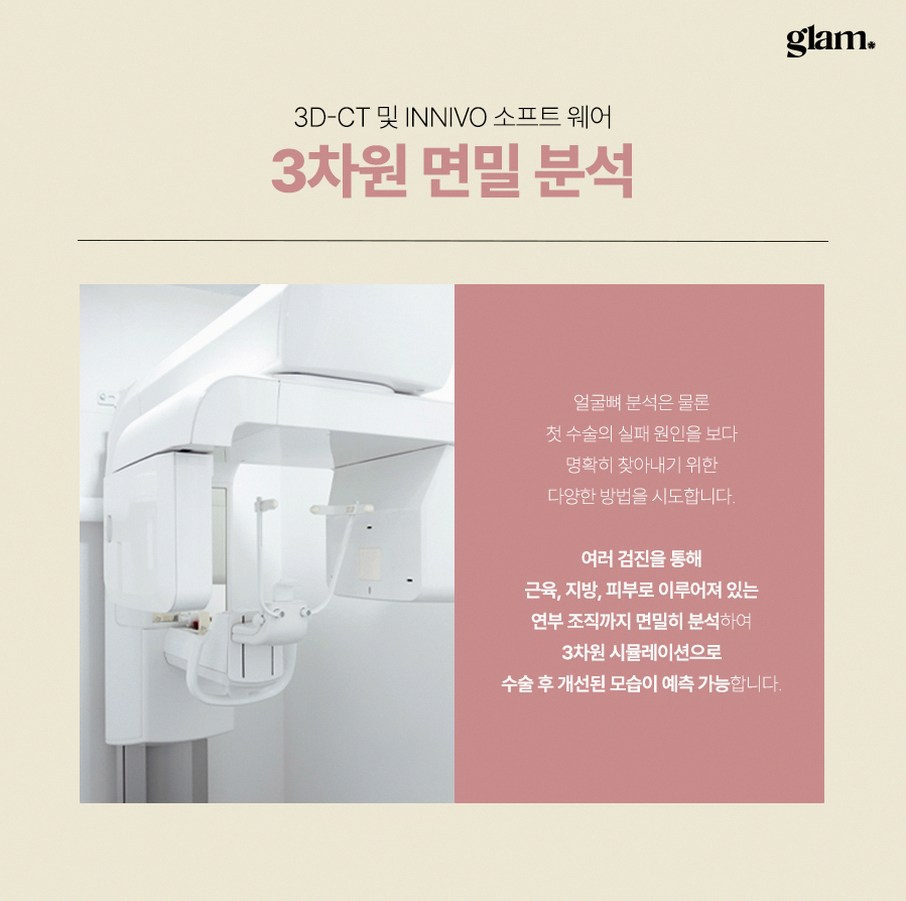
Because of these factors, precise preoperative analysis is essential. Three‑dimensional imaging and detailed facial bone evaluation help the surgeon understand the current shape, the location of nerves, and any existing hardware. The bite and jaw joint function should be checked, and the soft tissue envelope of the face must be assessed to see how it will drape over the corrected bone.
Careful planning is needed to decide how to correct asymmetry or irregularities while minimizing additional damage. Sometimes the goal is not more reduction but smoothing, repositioning, or subtle augmentation to restore balance.

Evaluation process before deciding on revision
A thorough revision consultation usually begins with a detailed history of your first surgery. The surgeon will want to know which procedures were done, where and when they were performed, and what your recovery was like. If you have operative records or previous imaging, bringing them to the consultation can be very helpful.
New imaging, often including CT scans, is usually recommended to understand the current bone shape, the position of any plates or screws, and the course of important nerves. These images also help to identify step deformities, uneven bone cuts, or areas where bone is too thin to reduce further.
The clinical examination focuses on facial symmetry, soft tissue condition, bite, and jaw movement. The surgeon will look at you from different angles, sometimes take standardized photographs, and may ask you to open and close your mouth, clench your teeth, and move your jaw from side to side.
Equally important is the discussion of your main concerns and realistic goals. It is helpful to prioritize your problems: for example, is asymmetry your biggest issue, or is numbness or chewing difficulty more important? Clear communication helps the surgeon design a plan that targets the most meaningful improvements.
Sometimes the best plan is staged. In the first stage, conservative management or non‑surgical treatments such as swelling control, skin tightening, or volume correction may be tried. After observing the results over several months, if problems remain and imaging supports it, a carefully planned revision bone surgery may be considered.
Why a facial bone focused clinic matters
Revision facial contouring requires a team that routinely handles facial bone cases. Clinics that focus on facial bone surgery, such as double jaw and facial contouring procedures, are generally more familiar with complex anatomy, previous fixation, and complication management than centers that mainly perform soft‑tissue cosmetic procedures.
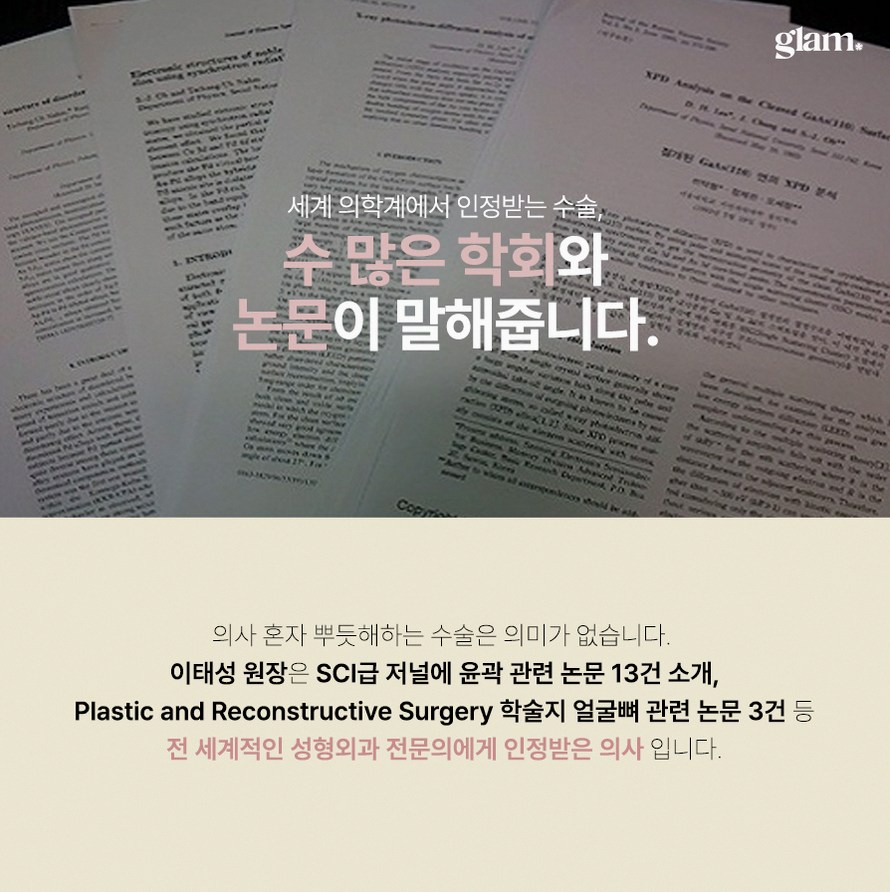
GLAM Plastic Surgery in Sinsa, Gangnam, Seoul, is one example of a clinic that concentrates on facial bone surgery, including facial contouring and double jaw operations. The lead plastic surgeon has 20 years of experience in facial bone surgery and, as of February 2025, has authored 13 SCI‑level papers in the facial contouring and double jaw field, three of which were published in Plastic and Reconstructive Surgery.
At such clinics, surgeries are performed directly by the lead surgeon, and the philosophy often emphasizes recommending only the minimum necessary procedures. This approach can be especially important for patients who already feel anxious about over‑treatment after their first surgery.
For longer and more complex revision operations, anesthesia safety is also important. A board‑certified anesthesiologist (specialist in anesthesiology and pain medicine) is on staff to manage anesthesia and monitoring. Postoperative care programs such as LED therapy, facial skin care, and radiofrequency lifting may be used to support recovery, reduce swelling, and help the soft tissues adapt to the new bone contour.
Who may consider revision facial contouring in Korea
Overseas patients who may consider revision facial contouring in Korea often fall into a few groups. Some had their original surgery in another country and feel unsatisfied with the result. Others had surgery in Korea but now live abroad and are exploring options for correction. A third group is still planning their first surgery but wants to understand the risks and revision options in advance.
You may be a candidate for revision evaluation if you have clear and lasting asymmetry that bothers you in daily life or in photos, persistent numbness or unusual sensations that are not improving, sagging or droopy cheeks or jowls that appeared after bone reduction, visible step deformities, ridges, or irregular jawline or cheekbone contours, or functional issues such as chewing difficulty, bite changes, or jaw joint pain.
However, each case is unique. Age, skin quality, previous surgical methods, and overall health all influence whether revision is advisable and what kind of improvement is realistic. A face‑to‑face or detailed online consultation is needed before making decisions.
Online consultation and pre‑visit preparation
For international patients, an online consultation is usually the first step. To make this efficient and accurate, it helps to prepare the following in advance.
Collect all available medical records from your first surgery, including operative notes, pre‑operative and post‑operative imaging, and any written explanations you received. If documents are not in English or Korean, consider arranging a translation of key points.
Prepare clear, recent photographs of your face from the front, three‑quarter, and side views, both at rest and with a natural smile. If you have old photos from before your first surgery, these can help the surgeon understand your original facial structure.
Write down your main concerns in order of priority. For example, you might list asymmetry, numbness, and sagging separately. Note when each problem started and whether it has improved, worsened, or stayed the same over time.
Before the consultation, it can be helpful to prepare a list of questions. Common topics include what the imaging shows about your current bone shape, what surgical and non‑surgical options exist, what limitations there are due to your previous surgery, what kind of recovery schedule to expect, and what follow‑up care is recommended after you return home.
Expected visit timeline for revision facial contouring in Korea
The exact schedule will vary by clinic and case complexity, but many overseas patients follow a similar timeline.
First, there is the pre‑arrival online consultation and basic planning. Once you decide to visit, the clinic will usually schedule imaging and in‑person assessment soon after your arrival. This may include CT scans, photographs, and a detailed physical examination.
Surgery is often scheduled within a few days after the final in‑person consultation, allowing time for any additional tests and for you to review consent forms and instructions. Revision facial contouring operations can take several hours, depending on the extent of correction.
In the first week after surgery, you will likely have multiple follow‑up visits to check swelling, wound healing, and any nerve or bite issues. Many patients stay in Korea for at least two to three weeks after revision surgery to ensure that the early healing phase is stable before flying home. Some clinics may recommend a longer stay for more complex cases.
During this period, postoperative care such as LED therapy, gentle facial care, or radiofrequency lifting may be provided to support recovery, depending on the clinic. You will also receive instructions on diet progression, oral hygiene, sleep position, and activity restrictions.

After you return home, online follow‑up using photos and, if needed, local imaging can help your surgeon monitor your progress.
Aftercare and long‑term expectations
After revision facial contouring, careful aftercare is essential. In the early phase, you may be advised to follow a soft or liquid diet, avoid strenuous exercise, and sleep with your head elevated to reduce swelling. Good oral hygiene is important, especially if there are intraoral incisions.
Swelling usually peaks in the first few days and then gradually decreases over several weeks. However, subtle changes in contour can continue for many months. Numbness often improves slowly; some patients notice small improvements even six to twelve months after surgery.
Realistic expectations are important. Revision surgery can often improve symmetry, smooth irregularities, and address major functional issues, but it may not restore your face to a completely untouched state. The goal is usually meaningful improvement rather than absolute perfection.
Staying in touch with your surgical team, attending scheduled follow‑ups, and reporting any unusual symptoms early can all help support a safer and more predictable recovery.
Frequently asked questions
How long should I wait after my first facial contouring surgery before considering revision?
In many cases, it is recommended to wait at least six months, and often closer to nine to twelve months, before making a final decision about revision facial contouring. This allows swelling to settle and tissues to stabilize, so the surgeon can see your true final contour. The main exceptions are urgent problems such as infection, severe functional issues, or hardware complications, which may require earlier intervention.

Is persistent numbness after facial contouring a permanent side effect, or can revision help?
Some numbness can last for several months and still gradually improve, especially in the lower face. Persistent or very bothersome numbness should be evaluated with imaging and a detailed nerve assessment. In certain situations, revision surgery that smooths bone edges or adjusts fixation may help, but it also carries a risk of further nerve irritation. Whether revision is advisable depends on the cause of the numbness, the imaging findings, and your overall symptom pattern.
Can sagging or droopy cheeks after cheekbone or jaw reduction be fixed without bone surgery?
In some patients, soft tissue sagging after bone reduction can be improved with non‑surgical or minimally invasive treatments such as skin tightening procedures, lifting treatments, or fat grafting. These approaches may be considered when the bone contour itself is acceptable but the soft tissue envelope has lost support. However, if the sagging is mainly due to over‑resection or irregular bone shape, a combination of bone revision and soft tissue procedures may be needed. A personalized evaluation is required to choose the safest and most effective plan.
What tests or scans are usually needed before revision facial contouring?
Most surgeons will request detailed imaging before revision facial contouring, commonly including CT scans of the facial bones. These images show the current bone shape, any plates or screws, and the relationship between bone cuts and important nerve pathways. Standard facial photographs and a clinical examination of bite and jaw movement are also essential. If you have previous scans from your first surgery, bringing them can help with comparison and planning.
Is revision more dangerous than the first facial contouring surgery?
Revision facial contouring is generally considered more complex than first‑time surgery because of scar tissue, altered anatomy, and reduced bone volume. This can increase technical difficulty and certain risks. However, with careful planning, appropriate imaging, and an experienced facial bone surgery team, revision can often be performed safely. A thorough discussion of potential risks, benefits, and alternatives is important before deciding.
What if my previous clinic says everything is normal but I still feel something is wrong?
It is possible for a result to be technically acceptable from a surgical standpoint while still feeling unsatisfactory to the patient. If you continue to feel that something is wrong, you may seek a second opinion from a clinic that focuses on facial bone surgery. Bringing your records, images, and a clear description of your concerns will help the new surgeon provide a more objective assessment and advise whether observation, non‑surgical treatment, or revision is appropriate.

Can all asymmetry after facial contouring be corrected completely?
Most people have some natural facial asymmetry even before any surgery. Revision facial contouring can often improve significant asymmetries, especially when they are due to uneven bone cuts or healing. However, complete mirror‑image symmetry is rarely possible. The realistic goal is to reduce obvious differences and create a more balanced appearance while keeping safety in mind.
Soft call to action
If you are unsure whether your current symptoms are part of normal recovery or signs of facial contouring surgery side effects, it may be helpful to arrange an online consultation with a facial bone surgery specialist in Korea. Clinics such as GLAM Plastic Surgery can review your photos, imaging, and medical history to help you understand your situation and whether observation, non‑surgical treatment, or revision facial contouring is worth considering.
When you contact a clinic, try to provide as much information as possible, including previous records and a clear list of your concerns. This allows the medical team to give you more accurate guidance and to focus on the safest, least invasive options that can reasonably address your problems.




- 공유 링크 만들기
- X
- 이메일
- 기타 앱


댓글
댓글 쓰기