Facial contouring surgery side effects and revision options in Korea
- 공유 링크 만들기
- X
- 이메일
- 기타 앱
Direct answer: side effects and when revision may help
If you are worried about side effects after facial contouring surgery, you are not alone. Swelling, numbness, and a feeling of tightness are common for several months. However, clear asymmetry, an unnatural facial line, or ongoing functional problems long after surgery can suggest a complication that may need proper evaluation and sometimes revision facial contouring.
This guide explains which symptoms are usually part of normal healing, which ones are more concerning, and how revision facial contouring is approached at a specialized facial bone clinic in Gangnam, Seoul, near Sinsa Station. It is written for overseas patients who are considering traveling to Korea for an expert opinion or revision surgery.
Overview of revision facial contouring surgery
Revision facial contouring means reshaping facial bones that have already been operated on, such as the cheekbones, jaw angle, or chin. The goal is to improve problems left by the first surgery, including asymmetry, irregular contours, over-reduction or under-reduction of bone, and functional issues like bite changes or joint discomfort.
Because the bones have already been cut and healed, revision is usually more complex than first-time surgery. There may be scar tissue, altered anatomy, and existing plates or screws. For this reason, revision is generally handled by clinics that focus on facial bone surgery, with careful imaging, conservative planning, and a strong focus on safety.
A plastic surgery clinic in Gangnam that focuses only on facial bone surgery, led by a board-certified plastic surgeon with 20 years of experience (as of 2025) and 13 SCI-level publications — three published in Plastic and Reconstructive Surgery (as of Feb 2025) — is one example of the type of center many international patients look for when they are considering revision.
Typical side effects after facial contouring surgery
Normal temporary side effects
Right after facial contouring, most patients experience a similar pattern of temporary side effects.
Swelling and bruising
Swelling is usually most intense in the first one to two weeks. Bruising may appear on the cheeks, jawline, and sometimes the neck. This early swelling gradually improves over four to six weeks, but subtle puffiness and tightness can last three to six months, and in some cases up to a year. Mild asymmetry in swelling between the two sides is also common in the early phase.
Numbness and tingling
Nerves that provide sensation to the chin, lower lip, cheeks, or gums can be irritated during surgery. As a result, temporary numbness, tingling, or a “cotton-like” feeling is very common. These symptoms often start to improve after a few weeks, but full recovery may take several months. Slight residual changes in sensation can sometimes persist even longer without meaning that something is seriously wrong.
Tightness and stiffness
Opening the mouth widely, chewing, or moving the jaw may feel tight or stiff for several weeks. This is related to swelling, muscle stiffness, and healing tissues. Most patients notice gradual improvement over one to three months as they return to normal eating and talking.
Potential complications or problematic side effects
Some symptoms are more concerning, especially if they persist beyond the usual healing period.
Persistent or worsening asymmetry
If, after six to twelve months, one side of the jawline is clearly lower, more protruded, or shaped differently than the other, this may be more than just swelling. Similarly, if one cheekbone looks higher, flatter, or more sunken than the other, it can indicate an underlying bone asymmetry or irregular reduction.
Over-resection or under-resection of bone
If too much bone was removed, the face may look excessively narrow, hollow, or aged, especially in the midface or lower face. If too little bone was removed, the lower face may still look wide or square compared to your expectations. These issues are structural and usually do not improve with time alone.
Irregular bone surfaces or step-offs
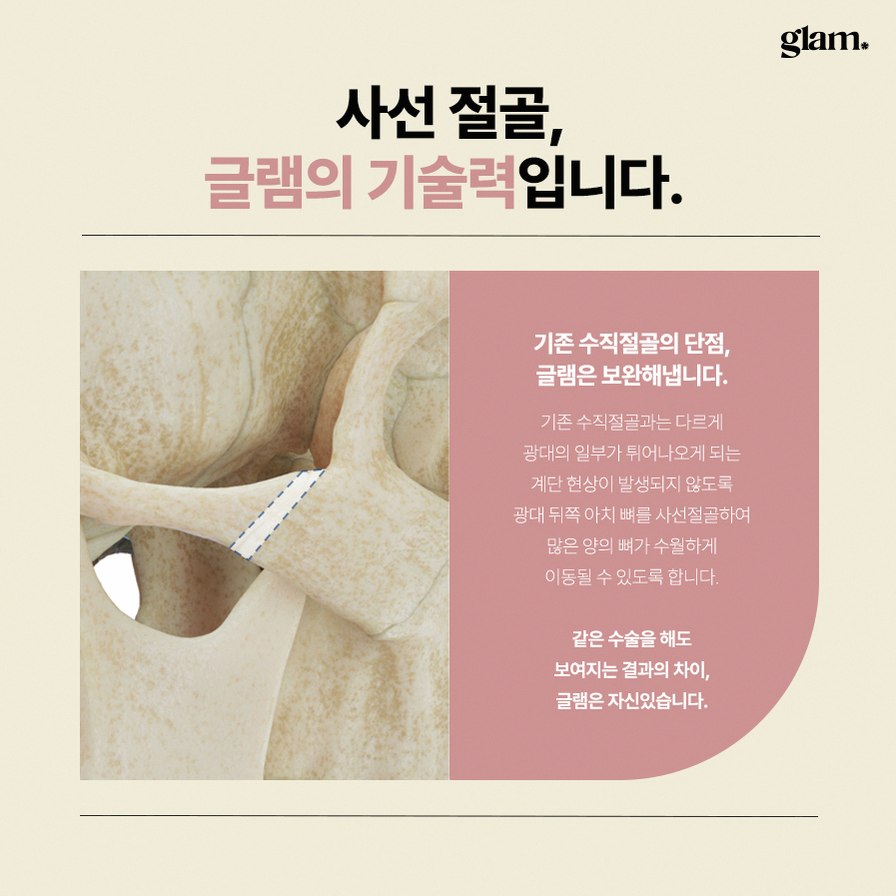
Some patients can feel or see sharp edges, steps, or bumps along the jawline or cheekbone area. These irregularities can sometimes be hidden by soft tissue, but if they are obvious after swelling has settled, they may be a reason to consider revision.
Long-lasting numbness or sensory changes
If numbness is severe, painful, or unchanged for many months, it may suggest more significant nerve injury. While some nerve recovery can still occur over time, persistent or very bothersome sensory problems should be evaluated carefully.
Functional problems
Changes in bite, difficulty chewing, or new temporomandibular joint discomfort after facial contouring are important signs. If you did not have these problems before surgery and they continue for many months, the jaw position or bone shape may be affecting your bite or joint mechanics.
Sagging or hollowing of soft tissue
When bone is aggressively reduced, the overlying soft tissue may lose support. This can lead to sagging jowls, hollowed cheeks, or an aged appearance. In some cases, these changes are mild and can be addressed with non-surgical treatments, but in others, the bone structure itself may need adjustment.
Why the time frame matters
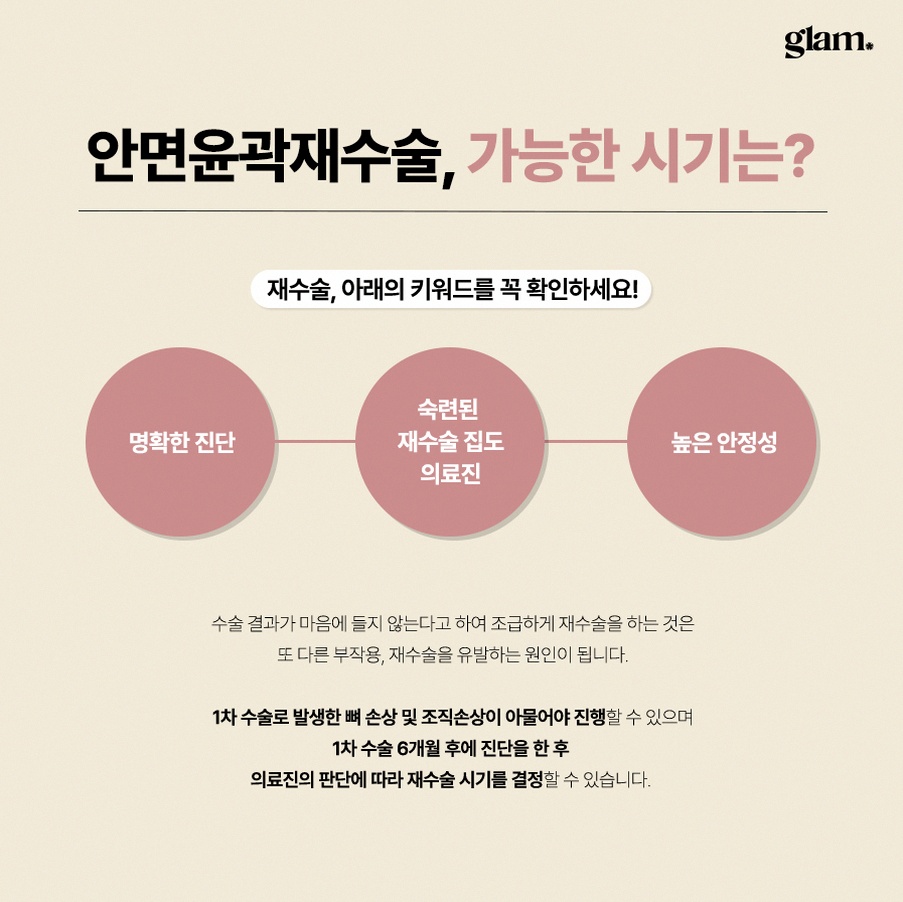
At one to three months, most swelling-related issues are still considered part of normal healing, and it is usually too early to judge the final result. At six to twelve months, the facial shape is closer to the long-term outcome. If asymmetry, deformity, or functional problems are still present or are becoming more obvious in this time frame, it is reasonable to seek a detailed evaluation for possible revision.
When to suspect that revision facial contouring may be needed
You may want to discuss revision with a specialist if you notice one or more of the following after the usual healing period.
Persistent asymmetry or deformity
If, beyond six to twelve months, you still see clear asymmetry in the jawline or cheekbones that bothers you in daily life or in photos, this may indicate a structural issue. Examples include one angle of the jaw being noticeably lower than the other, a chin that is shifted to one side, or cheekbones that appear collapsed or too flat compared with the rest of your face.
Functional symptoms
New bite problems that did not exist before surgery, difficulty chewing certain foods, or chronic pain and clicking in the jaw joint area are reasons to seek expert assessment. These symptoms may point to changes in jaw position or muscle balance.
Unnatural facial line
If your lower face seems too narrow, too sharp, or lacks smooth curves, or if the midface looks sunken or hollow, the bone reshaping may not match your overall facial proportions. In some cases, subtle contouring or augmentation can improve harmony; in others, more extensive revision is needed.
Long-lasting dissatisfaction clearly related to bone shape
If your dissatisfaction is clearly linked to the underlying bone shape rather than temporary swelling or skin quality, revision may be an option. However, it is important to distinguish between realistic and unrealistic expectations, and between issues that are structural versus those that are related mainly to soft tissue.
Previous surgery at a non-specialized clinic
If your first facial contouring was done without detailed imaging, or at a clinic that did not focus on facial bone surgery, you may feel uncertain about the planning and execution of your procedure. In such cases, a second opinion at a specialized facial bone clinic can help clarify what was done and what is realistically correctable.
Remember that not every dissatisfaction requires revision. Sometimes, observation, non-surgical treatments, or minor procedures can give enough improvement without the risks of major bone surgery.
Key principles of revision facial contouring surgery
Revision is not simply repeating the first operation. It is a more delicate process guided by several key principles.
Higher complexity and need for precision
Because the bone has already been cut and healed, the anatomy is altered. There may be scar tissue, changed blood supply, and existing plates or screws. This makes careful planning and precise technique essential to avoid further complications.
Safety-first approach
In revision, preserving nerve function, jaw joint health, and soft tissue support is more important than aggressive reshaping. A conservative philosophy that aims for the minimum necessary correction can reduce the risk of additional problems.
Detailed imaging and analysis
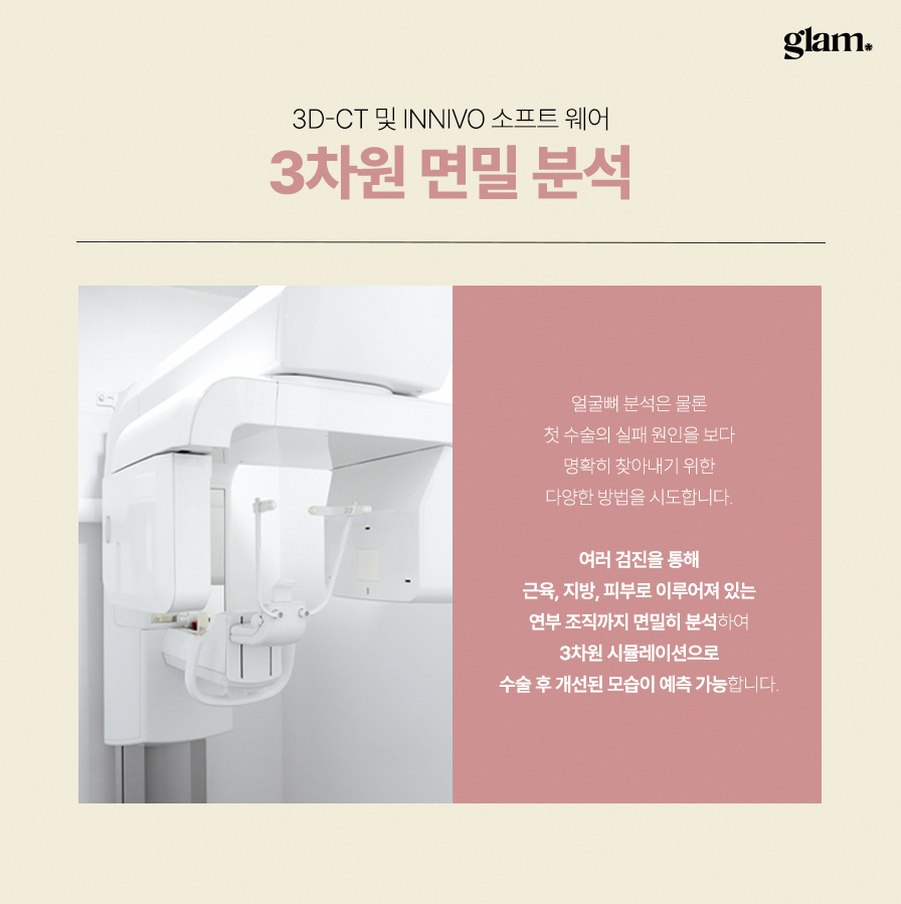
Three-dimensional imaging is usually needed to understand the current bone position, thickness, and irregularities. The surgeon must identify previous osteotomy lines, hardware placement, nerve pathways, and weak areas of bone before deciding what can safely be changed.
Realistic goal setting
Revision aims for improvement, not perfection. In some situations, full symmetry or a completely new facial shape is not possible due to anatomical limitations or the need to protect vital structures. Honest discussion about what can and cannot be achieved is crucial before deciding on surgery.
How a specialized facial bone clinic evaluates revision cases
At a facial bone-focused clinic in Gangnam, such as a center near Sinsa Station that works only on double jaw and facial contouring surgery, the evaluation process for revision is usually structured and detailed.
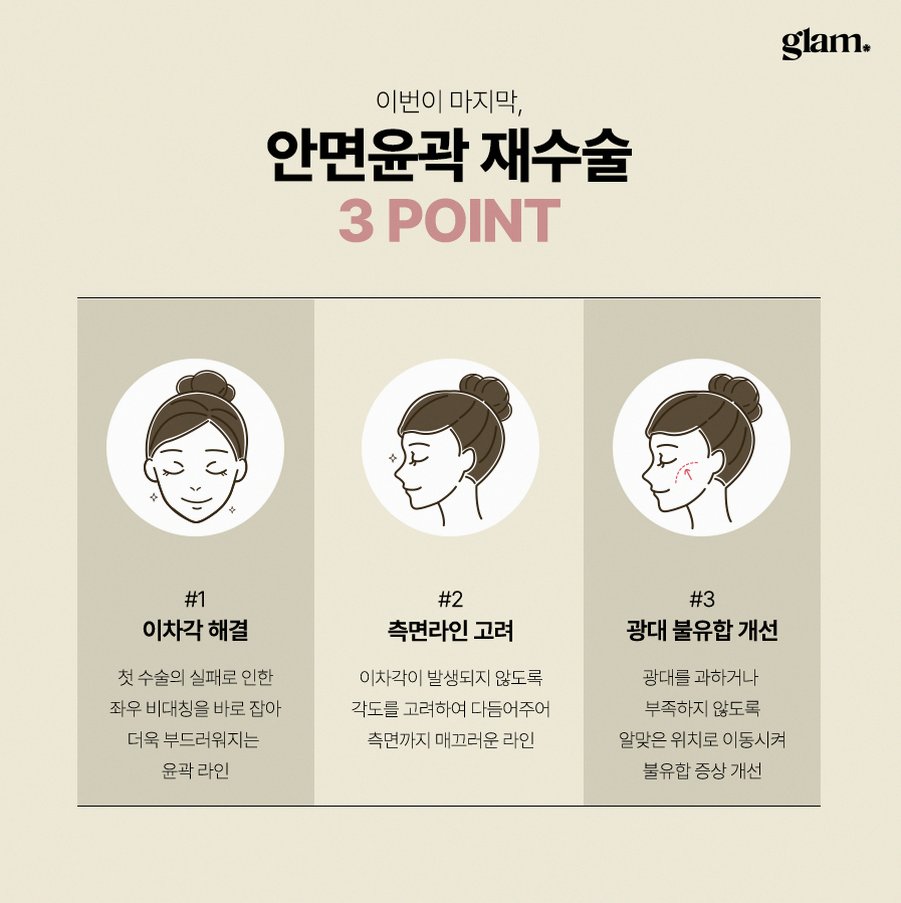
Specialized consultation
You will meet a plastic surgeon who focuses on facial bone surgery. The consultation includes a careful review of your concerns, medical history, and any symptoms such as pain, numbness, or bite problems.
Review of previous records
If you have operative notes, pre- and post-operative imaging, or photos from your first surgery, these are very helpful. They allow the surgeon to understand what was planned and what was actually performed.
New imaging studies
A new three-dimensional CT scan is commonly performed to evaluate current bone shape, thickness, asymmetry, and hardware. This imaging helps the surgeon plan safe osteotomy lines and anticipate potential challenges.
Functional and sensory evaluation
Your bite alignment, jaw opening, and jaw joint status are checked. Sensation in the lips, chin, and cheeks is tested to understand the extent and pattern of any nerve changes.
Aesthetic analysis
The surgeon evaluates the harmony between cheekbones, jawline, chin, and overall facial proportions. Photos from different angles are often taken to document and analyze the issues.
Decision on whether revision is necessary
Based on all this information, the surgeon will explain whether revision is advisable, what type of procedure would be needed, and what level of improvement is realistic. In some cases, the safest recommendation is to avoid further bone surgery and consider non-surgical or minor options instead.
This type of clinic often follows a philosophy of recommending only the minimum necessary surgery, which is especially important in revision cases where tissues have already been stressed once.
Types of revision facial contouring procedures
Revision cheekbone contouring
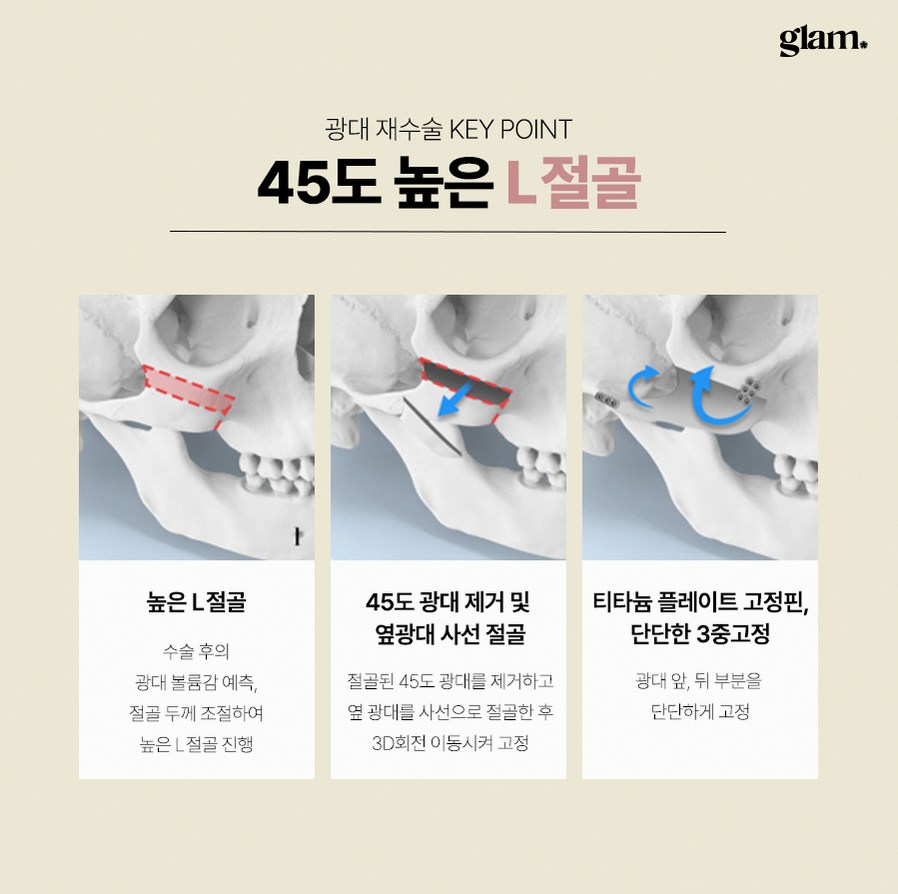
When cheekbones are over-reduced, the midface may look sunken or flat. In such cases, revision may involve repositioning bone segments, adding bone grafts, or using implants to restore projection and support. If one side is higher or more prominent than the other, targeted contouring can help correct asymmetry or step deformities.
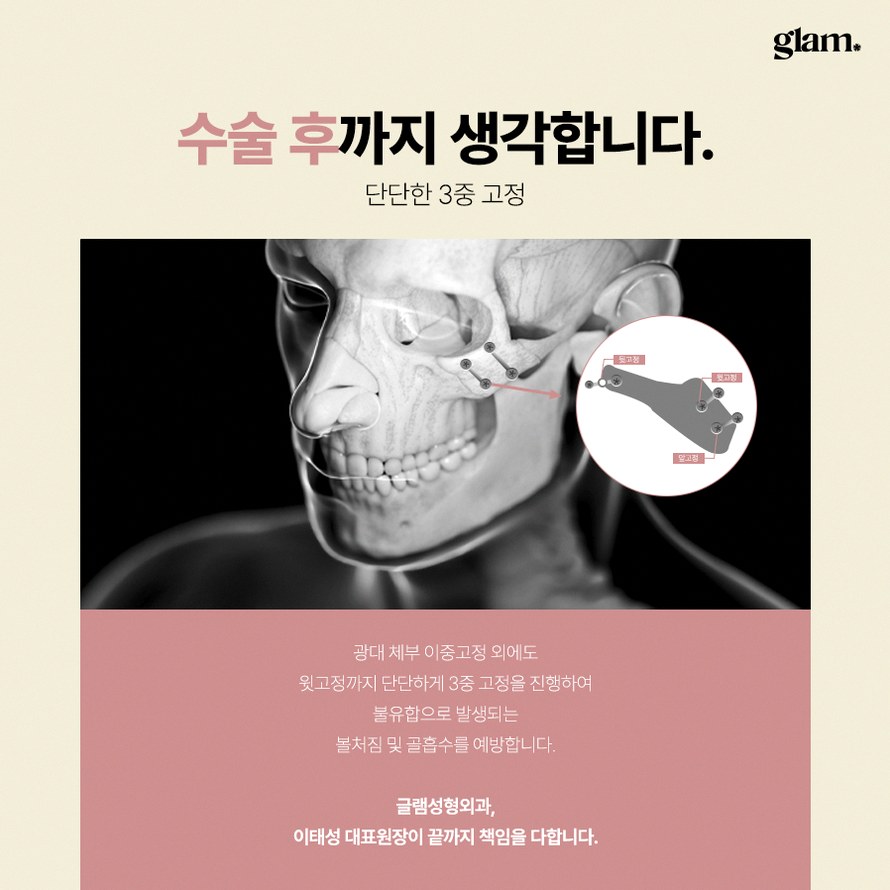
Revision jaw angle and V-line surgery
If the jawline is irregular, too sharp, or still too wide, revision may involve smoothing sharp edges, correcting uneven cuts, or adjusting the width and angle of the jaw. When the chin position contributes to imbalance, chin contouring or repositioning can be combined with jaw angle revision.
Hardware-related revisions
Some patients feel discomfort, swelling, or visible irregularities related to plates or screws. In such cases, hardware removal or repositioning may be considered if it is safe to do so and if the bone has healed sufficiently.
Combined revision with double jaw surgery
If the bite or jaw position is significantly affected, revision facial contouring may need to be combined with double jaw surgery to address both function and aesthetics. This is a more complex option and requires very careful planning, but it can be appropriate for selected patients with major functional problems.
Recovery and post-operative care after revision
General recovery pattern
Recovery after revision facial contouring is often slower than after primary surgery. Swelling may last longer due to scar tissue and more complex dissection. Bruising is usually similar to first-time surgery but can vary.
Swelling, bruising, and numbness
You can expect noticeable swelling for the first two to three weeks, with gradual improvement over several months. Bruising typically fades within two to three weeks. Numbness or altered sensation may temporarily increase after revision but often improves as healing progresses.
Follow-up visits
Regular follow-up is important to monitor healing, check nerve function, and manage any early issues. For overseas patients, clinics often plan a schedule that includes more frequent visits in the first one to two weeks, followed by remote check-ins once you return home.
Structured post-operative care programs
Some specialized facial bone clinics in Gangnam offer structured aftercare to support recovery after bone surgery. These programs may include LED therapy to support healing, facial dome care for swelling, skin reset total care to help the skin recover, and radiofrequency lifting to support skin tightening and soft tissue adaptation to the new bone shape. While these treatments are not a substitute for surgery, they can complement healing and comfort.
Lifestyle and self-care
Good oral hygiene, a soft or semi-soft diet in the early period, and sleeping with your head slightly elevated can all support recovery. Avoiding smoking and limiting alcohol during healing are strongly recommended, as they can affect blood flow and tissue repair.
Who may consider traveling to Korea for revision
International patients often look to Korea, and particularly Gangnam, for revision facial contouring when they want a second opinion or advanced revision surgery.
You may consider a visit if you
Have persistent asymmetry, deformity, or functional problems more than six to twelve months after surgery.
Do not fully understand what was done in your first operation and want a clear, evidence-based explanation.
Prefer to be evaluated at a clinic that focuses only on facial bone surgery, with a board-certified plastic surgeon and a dedicated anesthesiology and pain medicine specialist.
Are looking for a conservative, safety-focused approach rather than aggressive reoperation.
Online consultation and pre-visit preparation
Before you decide to travel, an online consultation can help determine whether an in-person visit is worthwhile.
Preparing for an online consultation
Collect any previous medical records, operative reports, and imaging studies, especially CT scans. If possible, obtain digital copies. Prepare clear photos of your face from the front, 45-degree angles, and both profiles, taken in good lighting.
Write down your main concerns: what bothers you visually, what symptoms you feel, and what has changed compared with before surgery. Note the date and place of your previous surgery and any complications you experienced during recovery.
Questions to ask during consultation
You may want to ask how your current bone structure looks on imaging, what the main cause of your problem seems to be, whether revision is necessary or optional, what level of improvement is realistic, and how long you should wait before considering surgery if your first operation was recent.
Expected Korea visit timeline for revision
While every case is different, many overseas patients follow a similar timeline.
Pre-arrival
Complete online consultation and share imaging and photos. Receive a preliminary plan and an estimated stay duration. Arrange travel and accommodation near the clinic, often around Gangnam or Sinsa Station for convenience.
First days in Korea
Have in-person consultation, physical examination, and updated imaging such as 3D CT. Confirm the surgical plan and sign consent forms. Undergo pre-operative tests as needed.
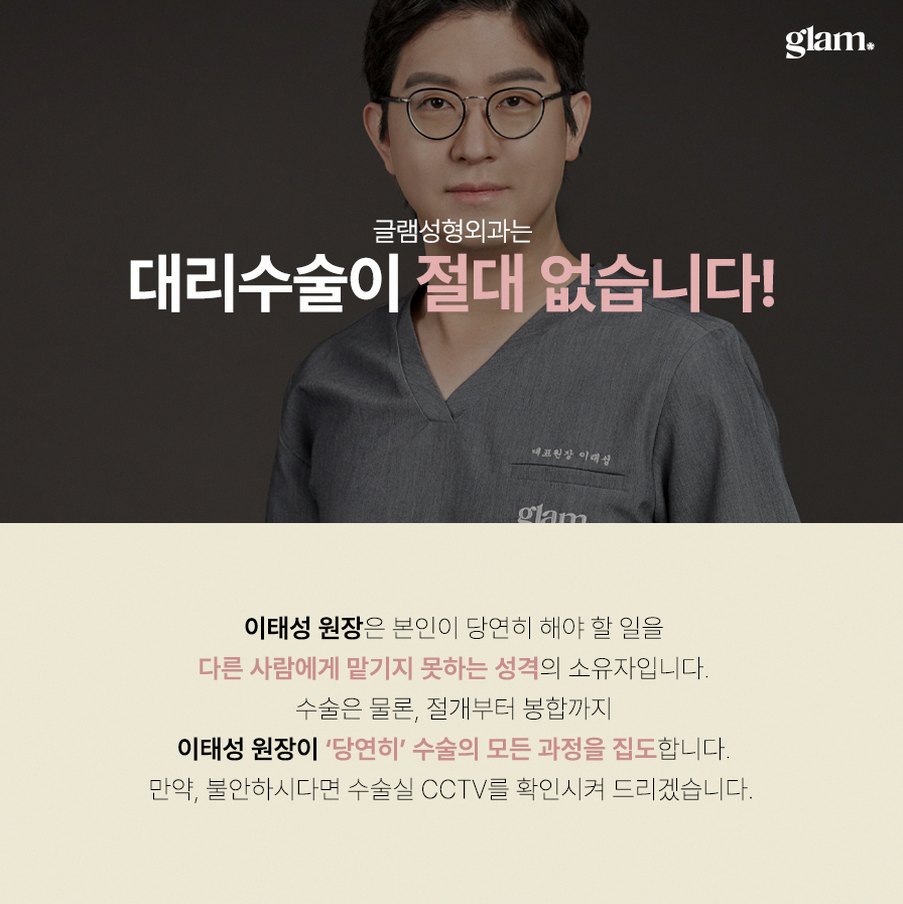
Surgery and early recovery
Surgery is usually performed under general anesthesia with a dedicated anesthesiology and pain medicine specialist. Clinics often advise a short in-country recovery period for early follow-up, dressing changes, and aftercare; your surgeon will give a personalized recommendation based on the procedure and your healing.
Later follow-up and return home
Before you leave, the clinic will check healing, remove any necessary sutures, and review instructions for care once you are back home. Some clinics offer remote follow-up through photos or video calls.
Safety considerations and choosing a revision surgeon
Revision facial contouring should be approached with caution.
Important factors to consider
Look for a surgeon with board certification in plastic surgery and clear experience in facial bone procedures. Academic work, such as SCI-level publications in facial bone surgery, can be a sign of an evidence-based approach. The presence of a dedicated anesthesiologist is also important for safe anesthesia management.
Be cautious of clinics that promise dramatic changes without detailed imaging or discussion of risks. A careful surgeon will talk openly about limitations, possible complications, and the option of not operating if the risks outweigh the benefits.
Frequently asked questions
How long should I wait after my first facial contouring surgery before considering revision?
In most cases, it is recommended to wait at least six to twelve months after your first surgery before deciding on revision. This allows swelling to settle and tissues to stabilize so that the final result can be assessed accurately. However, if you have severe functional problems or clear structural issues identified on imaging, an earlier evaluation is appropriate, even if surgery itself is scheduled later.
Is persistent numbness always a sign of permanent nerve damage?
Not always. Nerve recovery can be slow, and some improvement may continue for many months. Mild residual numbness can remain without significantly affecting daily life. Persistent, severe, or painful numbness should be evaluated, but even then, some degree of recovery may still occur over time. A specialist can help distinguish between likely temporary and more permanent changes.

Can revision surgery fix asymmetry completely?
Revision can often improve noticeable asymmetry, but complete, perfect symmetry is rarely realistic. The goal is usually to reduce the difference between the two sides so that it is not obvious in daily life or photos. The degree of correction possible depends on your current anatomy, previous surgery, and the need to protect nerves and joints.
Is revision more dangerous than the first surgery?
Revision is generally more complex because of scar tissue, altered anatomy, and previous bone cuts. This can increase certain risks, which is why a conservative, safety-focused approach and detailed planning are essential. When performed by an experienced facial bone surgeon with appropriate imaging and careful technique, many patients can undergo revision safely, but individual risk must always be assessed.
What if I am afraid of undergoing another general anesthesia?
It is natural to feel anxious about another operation. Discuss your concerns openly with the surgeon and anesthesiologist. A clinic with a dedicated anesthesiologist can explain the anesthesia plan, monitoring, and safety measures in detail. In some situations, if the problem is mild, non-surgical options or minor procedures under lighter anesthesia may be considered instead of full revision.
Soft call to action
If you are experiencing long-lasting side effects or are unhappy with your facial contour months after surgery, a careful evaluation at a clinic that specializes in facial bone surgery can help you understand your situation clearly. Not every case needs revision, but an honest, detailed consultation can guide you toward the safest and most reasonable choice for your face and your health.




- 공유 링크 만들기
- X
- 이메일
- 기타 앱


댓글
댓글 쓰기