Facial contouring surgery cost for revision cases in Seoul
- 공유 링크 만들기
- X
- 이메일
- 기타 앱
Direct answer summary
If you are searching for facial contouring surgery cost but you already had jawline or cheekbone surgery before, the price structure is different from a first-time operation. Revision facial contouring is usually more complex, takes longer in the operating room, and requires more detailed imaging and planning. Because of this, most clinics in Gangnam cannot give a precise quote based only on photos or simple messages. Instead, they estimate the cost after reviewing your previous surgery, CT scans, and current problems.
In this guide, you will learn what revision facial contouring surgery is, why it usually costs more than primary surgery, which factors influence the final fee, what is typically included in the price, and how overseas patients can plan a safe and realistic treatment journey in Seoul.
Overview of revision facial contouring surgery
Revision facial contouring means secondary surgery on the facial bones after a previous contouring or double jaw procedure. It may involve the cheekbones, jaw angle, jawline, or chin, and sometimes more than one area at the same time.
Common reasons people consider revision include a jawline that still looks wide, cheekbones that remain too prominent, visible asymmetry between the left and right sides, an unnatural or “cut” angle, or dissatisfaction with the overall facial balance. Some patients also experience functional problems such as bite issues, discomfort when chewing, or joint tension.
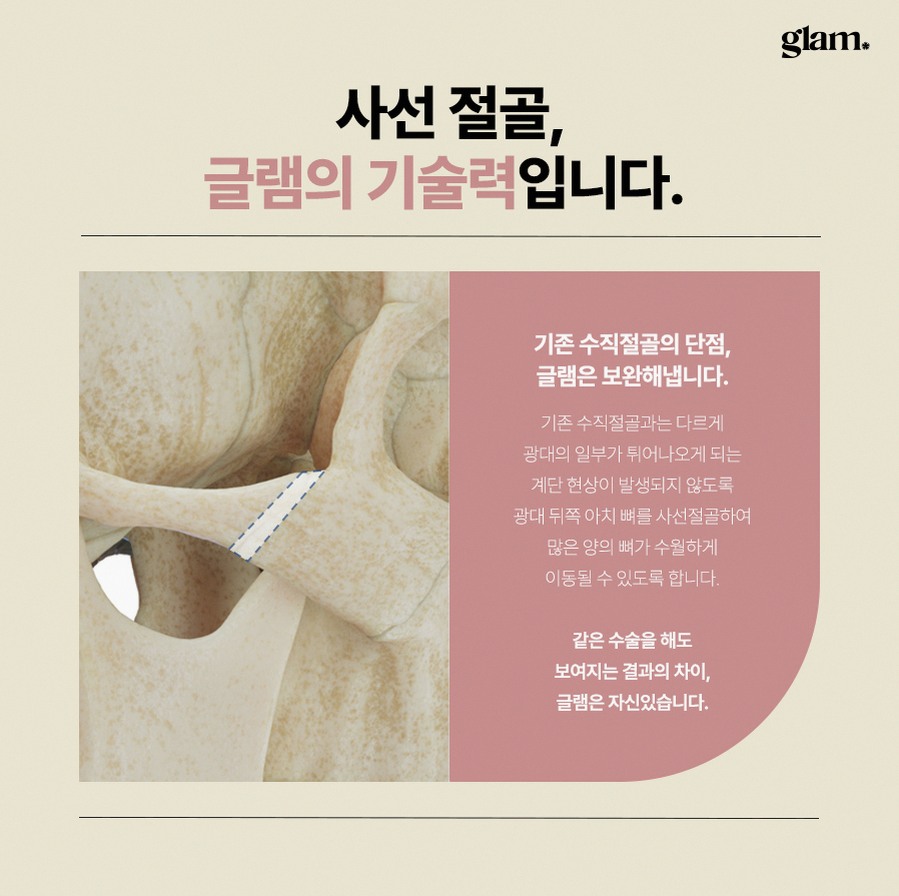
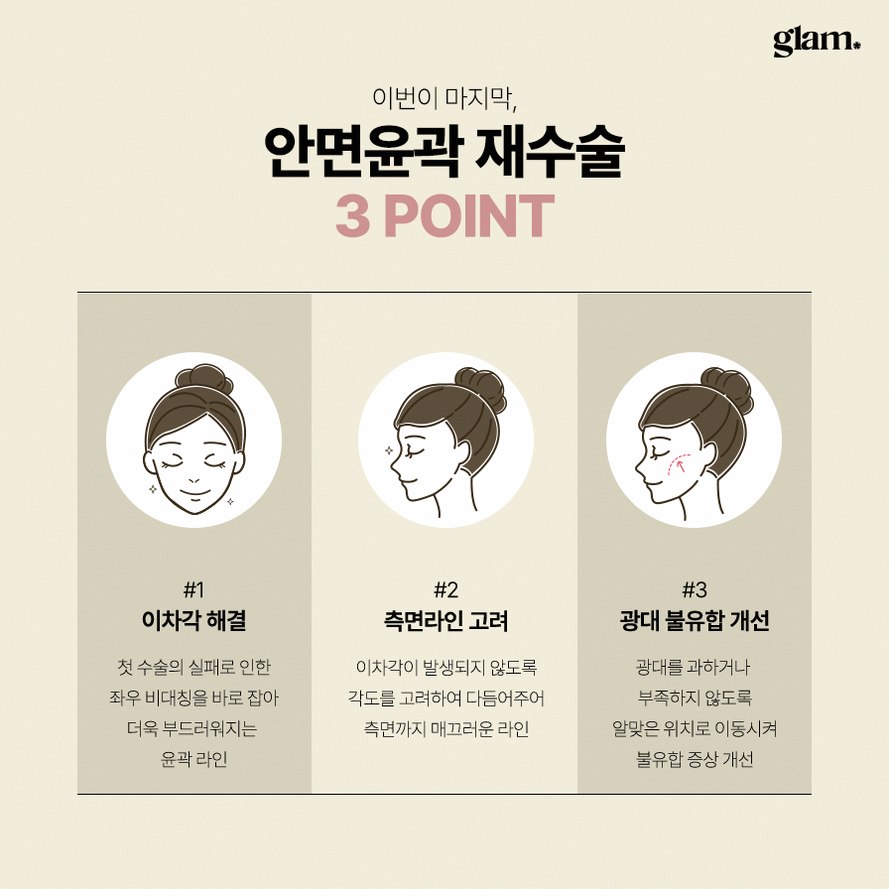
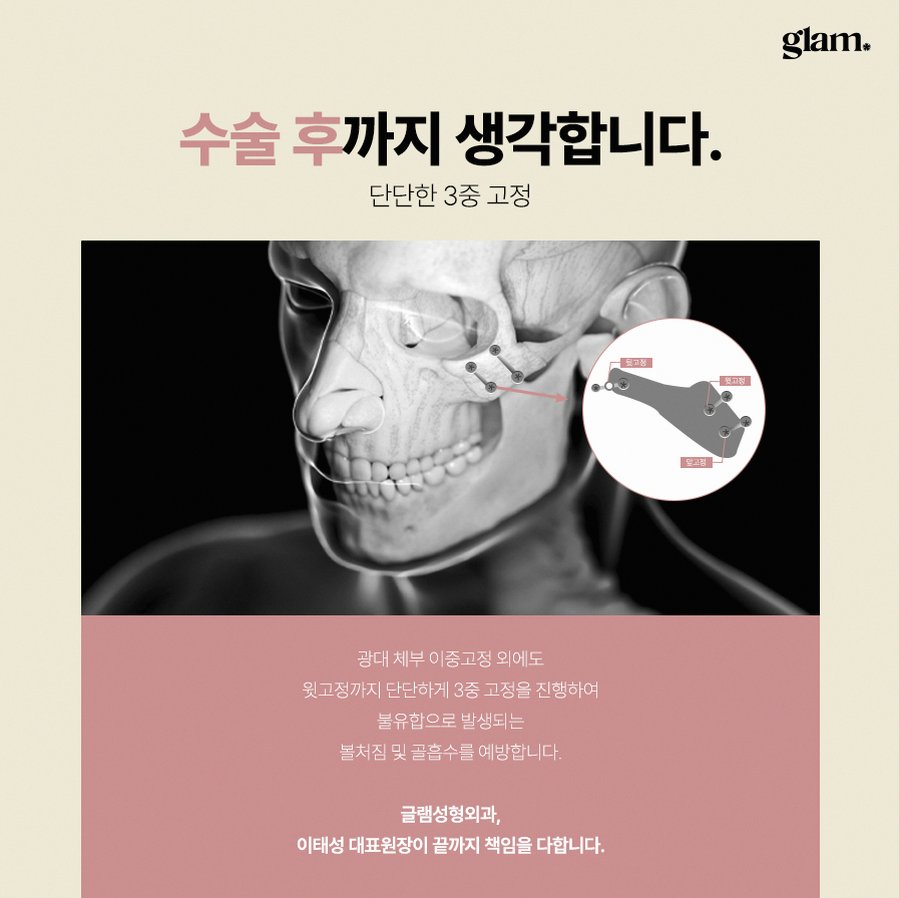
Compared with first-time facial contouring, revision surgery is more complex because the anatomy has already been changed once. There may be fixation plates and screws in place, areas of bone that were over-resected or thinned, and scar tissue around important structures such as nerves and blood vessels. All of these factors increase the difficulty and risk, and they directly influence the cost.
Seoul, especially the Gangnam area near Sinsa Station, has become a major hub for facial bone surgery, including revision cases. Many local and international patients travel there specifically for jawline and cheekbone revision, not only for primary cosmetic procedures.
Why revision facial contouring usually costs more
Many people start with a simple question: how much is facial contouring surgery in Korea? For primary cases, some clinics may offer a rough price range online. For revision, however, the situation is different.
Several main cost drivers explain why revision facial contouring is usually more expensive than first-time surgery.
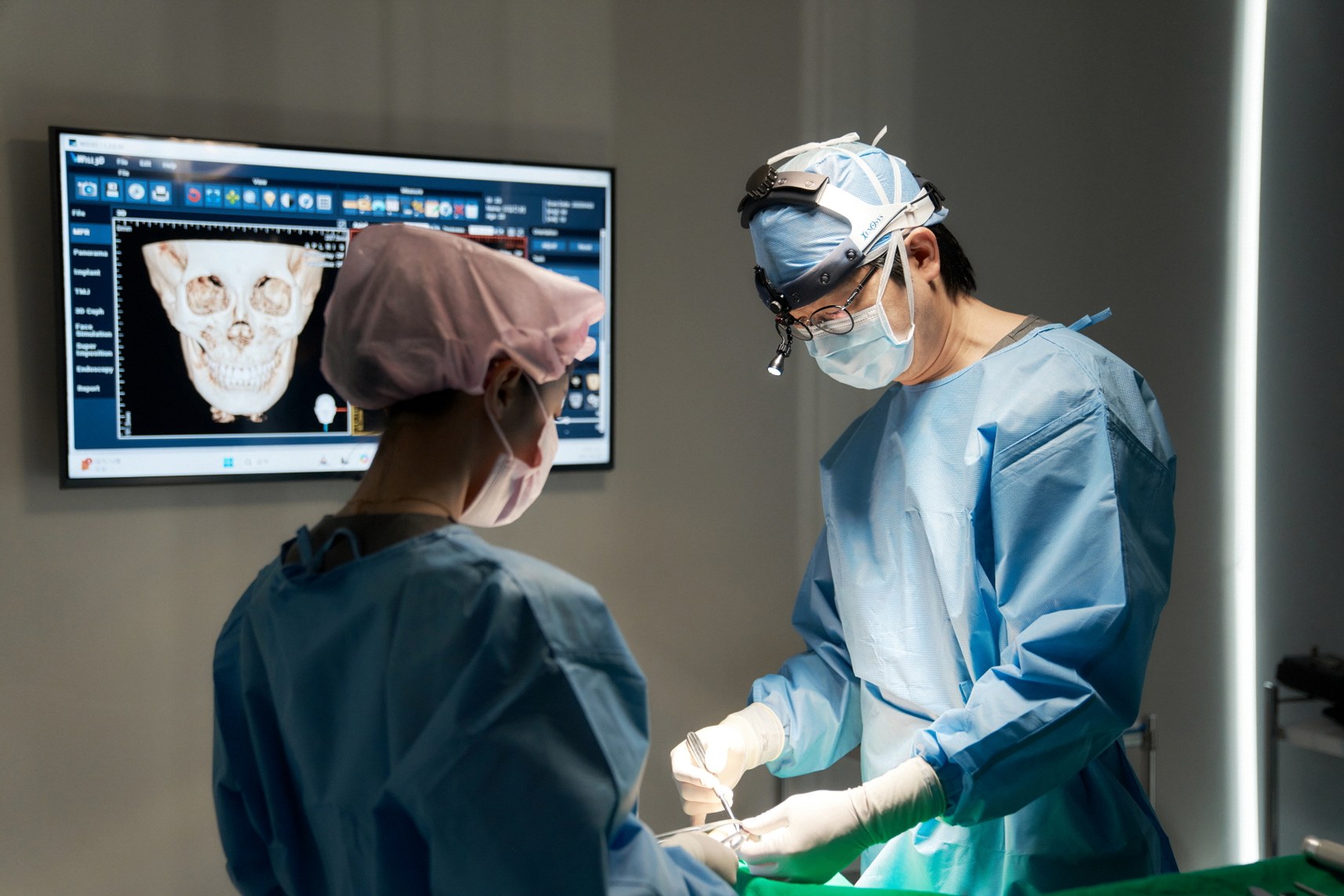
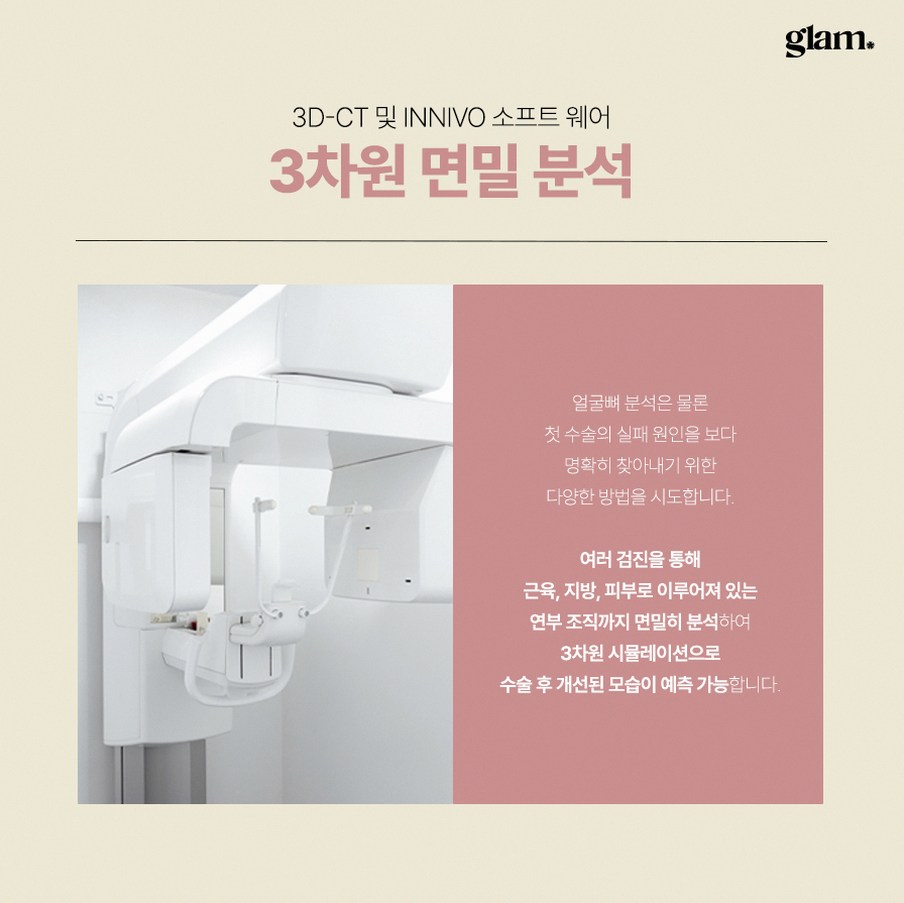
First, preoperative analysis is more demanding. The surgeon needs detailed 3D imaging, CT scans, and X-rays to understand exactly where the previous bone cuts were made, how the bones healed, and where plates and screws are located. This analysis is not only about aesthetics; it is also about safety, such as checking the course of the nerves and the thickness of the remaining bone.
Second, the surgery itself often takes longer and is technically more difficult. Working through scar tissue, removing old hardware, and correcting asymmetry or deformity require more time and skill. Longer operating time and higher complexity are reflected in the surgical fee and anesthesia cost.
Third, risk management is more intensive. In revision cases, there is less margin for error because the bone has already been cut once. The surgeon must plan more conservatively to protect nerves, blood vessels, and the jaw joint. This may involve additional planning sessions, simulations, and sometimes staged procedures.
Fourth, revision often involves multiple areas. To restore overall facial balance, it may be necessary to address cheekbones, jawline, and chin together rather than focusing on only one point. Combining areas in a single surgery can be more efficient for recovery, but it also increases the overall cost.
Finally, clinics that function as single-focus facial bone centers may structure their fees differently from general plastic surgery clinics. A center that only performs double jaw and facial contouring, including revision, invests more heavily in imaging systems, planning software, and a team trained specifically for bone surgery.
Key factors that influence the cost
Although every patient is unique, several practical factors commonly influence the cost of revision facial contouring.
Which areas are being revised
The first question is which facial areas need correction. Revising only the jaw angle is different from revising the cheekbone, jawline, and chin together. More areas generally mean longer surgery and higher cost. At the same time, sometimes addressing multiple areas in a single, well-planned operation can achieve a more harmonious result and avoid repeated anesthesia.
Condition of the existing bone and hardware
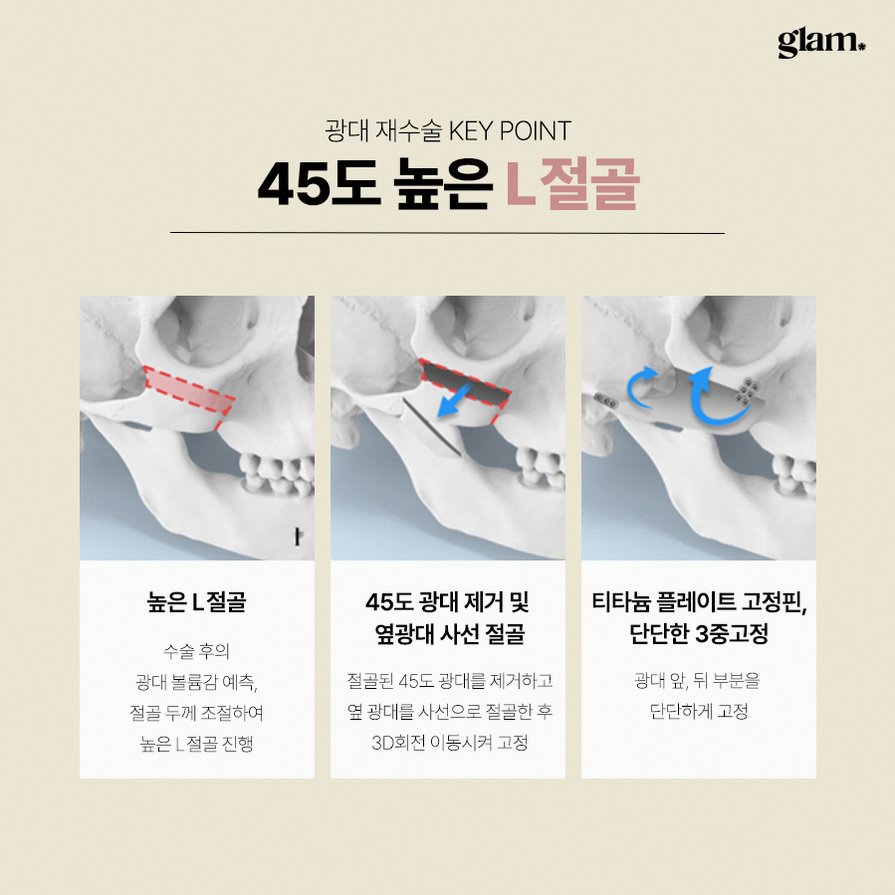
The second key factor is the condition of your current bone structure and any plates or screws. If hardware removal is necessary, this adds complexity and time. If there is bone loss, irregular surfaces, or over-resection from the first surgery, the surgeon may need to reshape or reposition the bone more carefully, which again affects the fee.
Functional problems versus aesthetic-only revision
Some patients seek revision mainly for shape and symmetry. Others also have functional issues such as bite problems, chewing discomfort, or joint symptoms. When function is involved, planning becomes more complex. It may require coordination with other specialists, such as for occlusion or joint evaluation, and sometimes staged treatment. This can influence both the total cost and the timeline.
Imaging, planning, and simulation
High-quality imaging is essential in revision facial contouring. CT scans, X-rays, and 3D analysis help the surgeon see previous osteotomy lines, plate positions, bone thickness, and nerve pathways. Surgical planning software can be used to simulate bone movements and predict soft tissue changes. The cost of these imaging and planning steps is usually included in the overall fee, but in some clinics certain advanced analyses may be charged separately.
Surgeon’s experience and academic background
The experience and background of the surgeon also influence pricing. A plastic surgeon who has focused on facial bone surgery for around two decades and has published multiple SCI-level papers on facial contouring and double jaw surgery, including articles in journals such as Plastic and Reconstructive Surgery, may structure fees differently from a generalist who performs many different types of cosmetic procedures.
Anesthesia and safety system
The anesthesia system is another important cost factor. A setup where a board-certified anesthesiologist is dedicated to anesthesia and monitoring throughout the entire surgery offers a higher level of safety control than situations where anesthesia is supervised less directly. This professional involvement is reflected in the total cost but is a critical part of risk management, especially in long and complex revision cases.
Postoperative care package
Finally, postoperative care can influence the total amount you pay. Some clinics include swelling management and basic skin care in the surgical fee, while others offer them as optional add-ons. Device-based treatments such as LED therapy, facial dome care, skin reset total care, or radiofrequency lifting can support recovery and help manage swelling and skin condition after bone surgery.
Because of all these variables, most clinics cannot give an exact quote for revision facial contouring based only on messages or photos. A detailed in-person or structured online consultation with imaging is usually required.
What is usually included in the price
Although each clinic has its own policy, the cost of revision facial contouring surgery in Seoul generally includes several main components.
Preoperative consultation and facial analysis
This covers the time spent reviewing your medical history, previous surgeries, current concerns, and expectations. It also includes clinical examination of facial symmetry, jaw movement, bite, and soft tissue condition.
Imaging and surgical planning
Basic imaging such as CT scans and X-rays, along with the analysis and surgical planning, are often part of the package. In revision cases, this planning phase is particularly important to understand the existing bone structure and to design a safe approach.
Operating room, anesthesia, and monitoring
The fee usually includes use of the operating room, anesthesia drugs, equipment, and continuous monitoring during surgery. When a dedicated anesthesiologist is present, their professional service is also included in this part.
Surgical fees
This is the core of the cost and covers bone cutting, repositioning, contouring, and fixation. In revision surgery, it may also include removal of plates and screws and correction of irregularities.
Hospitalization or recovery room
Some patients may stay in a hospital room or recovery area after surgery, especially for more extensive procedures. Short-term hospitalization or observation is often included, while extended stays may be charged separately.
Postoperative follow-up
Standard follow-up visits to check healing, remove stitches or fixation materials, and monitor nerve function are usually included. Basic swelling and scar management may also be part of the package.
Items that may be quoted separately
Certain items are sometimes billed separately, such as additional imaging beyond the standard protocol, extended hospitalization, or optional premium skin and lifting programs. When comparing clinics, it is important to ask exactly what is included in the quoted price and what would be considered an extra cost.
Why a revision-focused facial bone center matters more than price
Revision facial contouring leaves less room for error than first-time surgery. The bone has already been cut, and key structures may be closer to the surface or surrounded by scar tissue. Choosing a clinic based on the lowest price alone can increase the risk of further asymmetry, nerve damage, functional problems, or the need for a third surgery.
A single-focus facial bone center is a clinic that concentrates only on facial bone procedures such as double jaw surgery and facial contouring, including revision. It does not perform eye, nose, or breast procedures, which allows the team to focus entirely on bone anatomy, occlusion, and long-term structural outcomes.
In such a setting, the medical director may have around 20 years of experience specifically in facial bone surgery and a solid academic record, such as 13 SCI-level publications on facial contouring and double jaw surgery as first or corresponding author as of February 2025, including three papers in Plastic and Reconstructive Surgery. This type of scientific and academic background is an objective sign of long-term commitment to the field rather than a marketing slogan.
It is also valuable when the same experienced surgeon performs the surgery directly, rather than delegating key steps, and when a board-certified anesthesiologist is dedicated to safe anesthesia and continuous monitoring. GLAM Plastic Surgery in Gangnam, located about 200 meters from Sinsa Station Exit 1, is an example of a single-focus facial bone center with this kind of structure.
How a revision consultation typically proceeds
For overseas patients, understanding the consultation process can help you prepare and reduce uncertainty about cost.
History taking
The first step is a detailed review of your previous surgeries. The clinic will ask when and where the operations were performed, which bones were addressed, what methods were used if known, and what your current symptoms and concerns are. Any previous medical records, operative notes, or imaging you can provide are very helpful.
Clinical examination
Next, the surgeon examines your face directly. They assess symmetry from different angles, jaw movement, bite alignment, and soft tissue condition. They may also check for areas of tenderness, clicking, or functional limitation.
Imaging
CT scans and X-rays are then taken or reviewed to identify previous osteotomy lines, plate and screw positions, bone thickness, and the course of the nerves. In revision cases, this imaging step is essential to avoid surprises in the operating room.
Problem list
Based on the examination and imaging, the surgeon creates a clear list of problems: for example, residual wide jaw angle, cheekbone asymmetry, over-resected chin, or functional bite issues. At this stage, it is important to separate what can realistically be improved from what has more limited possibilities.
Surgical plan
The surgeon then proposes a surgical plan, explaining which bones will be addressed, whether hardware removal is required, how symmetry will be restored, and how the different parts of the face will be balanced. Sometimes the plan may involve only minimal correction if that is safer.
Risk explanation
A responsible surgeon will also explain the specific risks and limitations of revision surgery, including possible numbness, asymmetry, or functional changes. This discussion is part of informed consent and should not be rushed.
Cost explanation
Finally, the clinic explains how each element of the plan affects the total fee. For example, combining cheekbone and jawline revision, hardware removal, or additional imaging may influence the cost. At this point, you should have a clear understanding of what is included and what is optional.
A careful clinic may even advise against further bone surgery if the risks outweigh the potential benefits, and recommend non-surgical or minimal approaches instead.
Postoperative care and recovery considerations
Recovery after revision facial contouring is similar to, but often slightly slower than, first-time surgery. Swelling is usually most noticeable in the first week and then gradually decreases over several weeks to months. Numbness or altered sensation can persist for a period and usually improves gradually, although there can be individual differences.
Postoperative care programs can support this recovery. Device-based treatments such as LED therapy and radiofrequency lifting may help with swelling reduction and skin tightening. Facial dome care and skin reset total care focus on skin condition and bruising. These therapies do not replace the need for precise bone surgery, but they can make the recovery period more comfortable and may help you return to social activities sooner.
Some clinics include a certain number of these sessions in the surgery fee, while others offer them as optional add-ons. When comparing costs, ask how many postoperative care sessions are included and what each session involves.
How international patients can approach cost in Seoul
If you live overseas and are considering revision facial contouring in Seoul, it is helpful to approach the process step by step.
First, prepare as much information as possible about your previous surgery. This includes operative notes, before-and-after imaging, and any CT or X-ray files if you can obtain them. Even if documents are in another language, the images themselves are useful.
Second, many clinics offer initial online consultations in multiple languages such as English, Japanese, or Thai. During this stage, you can share photos, explain your concerns, and send any available records. The clinic may then provide a rough feasibility assessment and a broad cost range, with the understanding that final pricing depends on in-person evaluation and new imaging.
Third, plan your stay in Korea with enough time for preoperative tests, surgery, and early recovery. For revision facial contouring, patients often stay at least two to three weeks, depending on the complexity of the case and their travel conditions. This allows for follow-up visits, suture removal if needed, and early postoperative care.
Even with a detailed online consultation, exact pricing usually becomes clear only after the surgeon has examined you in person and reviewed fresh CT scans in Seoul. This is normal and reflects the complexity and safety requirements of revision surgery.
Who may consider revision facial contouring
Revision facial contouring is not for everyone who is simply curious about a different jawline shape. It is more appropriate for people who have specific, persistent concerns after previous bone surgery.
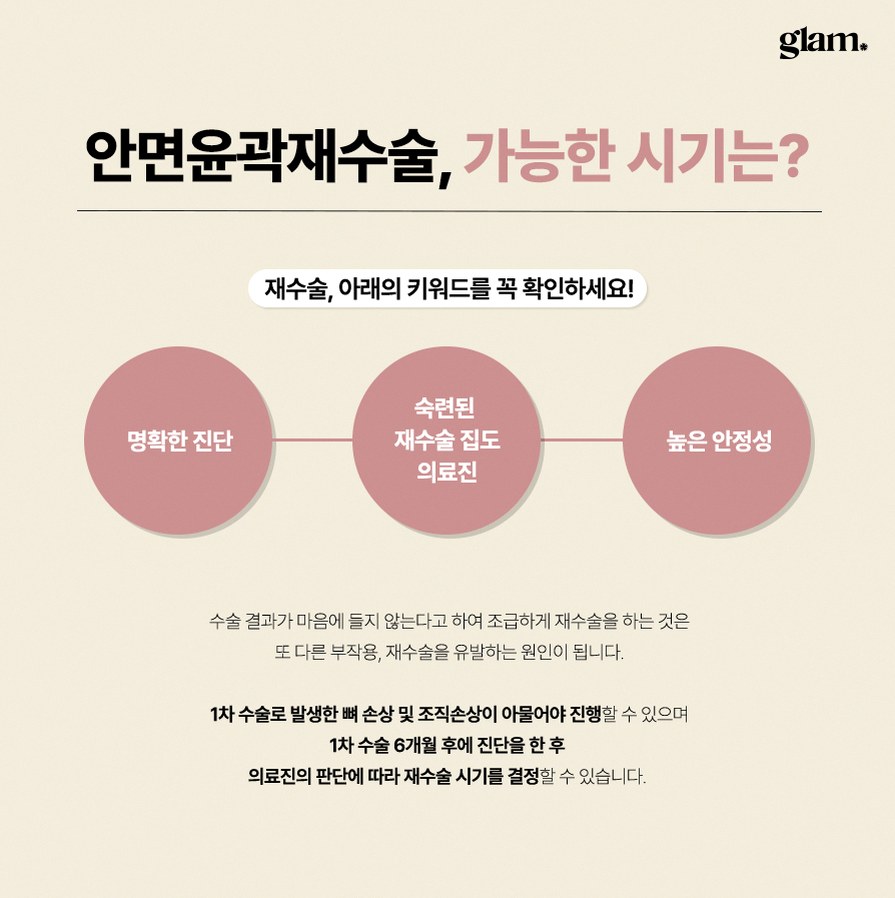
You may consider consultation for revision if you have clear asymmetry that has not improved over time, a jawline or cheekbone shape that feels structurally unbalanced, or ongoing functional problems such as bite discomfort or joint tension. It is also important that enough time has passed since your first surgery for the bones and soft tissues to heal and settle; this waiting period is usually many months and should be discussed with the surgeon.

On the other hand, if your concerns are very minor or mainly related to soft tissue volume or skin texture, non-surgical options may be more appropriate and less risky than another bone operation.
Preparing for an online consultation
To make your first online consultation more productive, it helps to prepare a short checklist.
Write down the dates and types of your previous surgeries, including which areas were operated on. Collect any images or reports you have, especially CT scans or X-rays. Take clear photos of your face from the front, both sides, and 45-degree angles in good lighting, and avoid heavy makeup.
Prepare a list of your main concerns in order of priority, such as asymmetry, width, angle, or functional issues. Also note any symptoms like numbness, pain, or bite problems. Finally, think about your schedule for travel and recovery so the clinic can advise whether your plan is realistic.
Frequently asked questions about revision facial contouring cost
Is revision facial contouring always more expensive than first-time surgery?
Revision facial contouring is often, but not always, more expensive than primary surgery. In many cases, the increased cost reflects longer operating time, more complex planning, and the need to manage scar tissue and existing hardware. However, if the revision is very limited and the first surgery was relatively simple, the difference in price may not be dramatic. Only a detailed consultation can clarify this for your specific situation.
Can I know the exact cost just by sending photos?
Photos are helpful for an initial impression, but they are not enough to provide an exact quote for revision facial contouring. The surgeon needs to see CT scans and X-rays to understand the current bone structure, previous osteotomy lines, and plate positions. Based on photos alone, a clinic may be able to offer only a broad range or explain whether revision seems feasible in general terms. Precise pricing usually requires imaging and either an in-person visit or a structured remote review of your CT data.
Why do different clinics in Gangnam quote such different prices for revision surgery?
Price differences between clinics can be related to many factors. These include the surgeon’s experience and focus, whether the clinic is a single-focus facial bone center or a general plastic surgery clinic, the presence of a dedicated anesthesiologist, the extent of imaging and planning, and the type of postoperative care included. Some clinics may quote a lower base price but charge extra for imaging, hardware removal, or aftercare, while others may offer a more comprehensive package. When comparing quotes, always ask what is included and what is not.
How long should I wait after my first facial contouring before considering revision?
In general, you should wait until the bones and soft tissues have fully healed and stabilized before undergoing revision facial contouring. This often means waiting many months after the initial surgery, but the ideal timing depends on the extent of your first operation and your healing process. During this period, swelling continues to improve, and some minor asymmetries may become less noticeable. A consultation with a facial bone specialist can help determine whether it is too early to consider revision or whether planning can begin.

Are staged procedures or payment plans possible for complex revision cases?
For very complex cases, some clinics may recommend staged procedures, where different areas are addressed in separate surgeries to improve safety and control. This can spread out both the medical risk and the financial burden over time. Payment policies and possible installment options vary by clinic and by country of residence, so it is important to ask about this directly during consultation.
Does insurance ever cover part of revision facial bone surgery?
In some situations where there are clear functional problems, such as significant bite issues or structural problems affecting basic function, a portion of the surgery might be considered for insurance coverage in certain systems. However, this is highly dependent on the country, the insurance policy, and the specific diagnosis. For international patients coming to Seoul, most revision facial contouring procedures are paid out of pocket, but you can check with your own insurer whether any partial reimbursement is possible.
Soft call to action
If you are considering revision facial contouring in Seoul and want to understand the likely cost and treatment options, an online consultation with a single-focus facial bone center can be a safe first step. Clinics such as GLAM Plastic Surgery offer structured evaluations for international patients, where you can share your history, images, and questions before deciding on travel.
Use this guide as a checklist: prepare your previous records, clarify your priorities, and focus on surgeon experience, safety systems, and realistic planning rather than price alone. With careful preparation and a detailed consultation, you can make a more confident decision about whether revision facial contouring is right for you and how to plan your visit to Korea.




- 공유 링크 만들기
- X
- 이메일
- 기타 앱


댓글
댓글 쓰기