Facial contouring surgery clinic guide for revision cases in Gangnam
- 공유 링크 만들기
- X
- 이메일
- 기타 앱
Quick summary
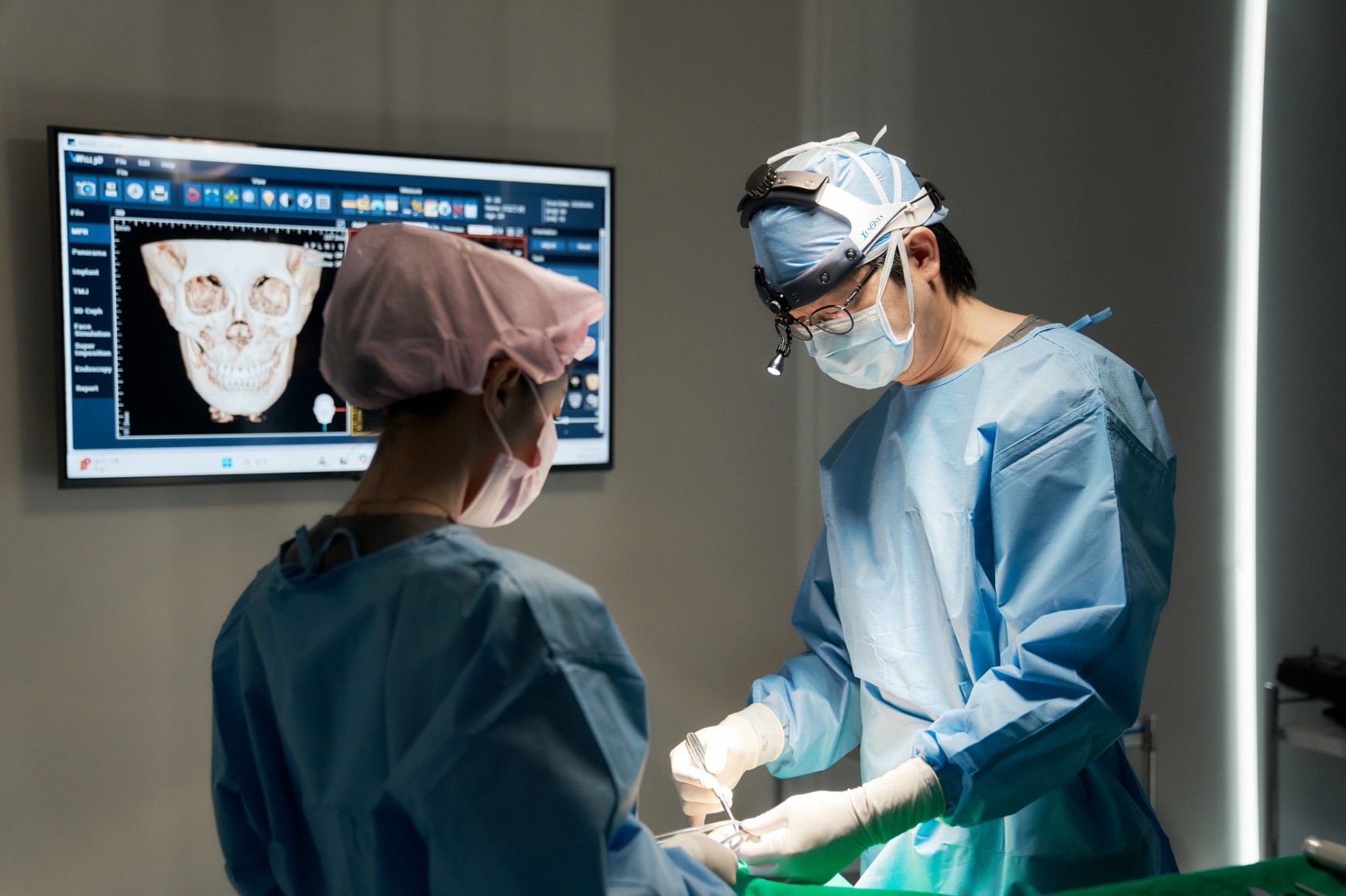
If you are looking for a facial contouring clinic for revision jawline or cheekbone surgery, choose a center that focuses exclusively on facial bone procedures, has published clinical evidence, and follows a conservative, safety-first approach. In Sinsa, Gangnam, on Dosan-daero, there is a dedicated facial bone clinic that performs only facial contouring and double jaw surgery, including complex revision cases. The clinic operates with a board-certified plastic surgeon and a board-certified anesthesiology and pain medicine specialist on staff. Typical care includes detailed preoperative imaging and individualized surgical planning, followed by surgery and scheduled follow-ups to manage recovery and monitor results.
What is revision facial contouring surgery?
Revision facial contouring surgery means a second or later operation on the facial bones after a previous contouring procedure. It usually involves the cheekbones, jawline, or chin. Patients seek revision when the first surgery did not solve their concerns, caused new problems, or created an unnatural shape.
Common reasons people consider revision include clear asymmetry between the left and right sides of the face, an uneven jawline or cheekbones, or a face that looks too wide, too flat, or too small because of over- or under-resection of bone. Some people feel that their cheekbones still look prominent from the side, or that the jaw angle remains square even after surgery.
Functional problems can also lead to revision. These include chewing discomfort, changes in the way the upper and lower jaws meet, joint pain around the ears, or numbness that does not improve over time. Some patients notice irregular bone surfaces, step deformities, or visible edges when they touch their face.
After bone reduction, soft tissue such as skin and fat may sag more than expected. This can create jowls, hollow cheeks, or a tired appearance. In revision planning, the surgeon must consider both bone and soft tissue so that changes in bone structure do not worsen sagging.
Revision facial contouring is more complex than first-time surgery because the anatomy has already been changed. There is scar tissue, altered bone shape, and sometimes limited remaining bone to work with. Nerves and joints may be closer to the previous bone cuts, which raises the risk of injury. For this reason, revision surgery is usually handled in clinics that focus specifically on facial bone procedures.
Who may consider revision after facial contouring
Revision is not always necessary, even if you are not satisfied right after surgery. Swelling, muscle stiffness, and soft tissue adaptation can take many months. In most cases, surgeons recommend waiting until the swelling has fully subsided and the bone and soft tissues have stabilized before making a final decision.
For many patients, this means at least 6 to 12 months after the first operation. In more complex cases, or when large bone movements were done, waiting even longer may be advised. During this period, regular follow-up with your original surgeon is important.
However, some red flags suggest that an early consultation at a specialized facial contouring surgery clinic may be helpful. These include persistent, obvious asymmetry visible from the front or side once the main swelling has gone down, ongoing pain or bite problems that do not improve, difficulty chewing, or numbness that remains unchanged for many months.
Aesthetic dissatisfaction can also be a reason to seek an opinion, but it is important to distinguish between temporary swelling and a true structural issue. A specialist in facial bone surgery can help you understand whether your concerns are likely to improve with time or whether the bone structure itself needs to be adjusted.
Not every imperfection justifies another surgery. Revision always carries additional risk, so a careful risk–benefit analysis is essential. A responsible surgeon will sometimes recommend no further surgery or a more limited procedure if the potential improvement does not justify the added risk.
How a specialized facial contouring clinic evaluates revision cases
At a single-focus facial bone clinic in Sinsa, Gangnam, revision facial contouring cases are approached with a structured evaluation process. The first step is a detailed consultation about your previous surgery. If possible, the clinic will ask for operative records, pre- and post-operative images, and any imaging you already have. This helps the surgeon understand what was done, where bone was removed, and how the fixation was placed.
Next, the surgeon performs a clinical examination. This includes checking facial symmetry from various angles, assessing the jawline and cheekbone contours by both sight and touch, and evaluating how your upper and lower teeth meet. The joints near the ears are examined for tenderness, noises, or limited movement. The condition of the soft tissue, such as skin thickness and sagging, is also evaluated.
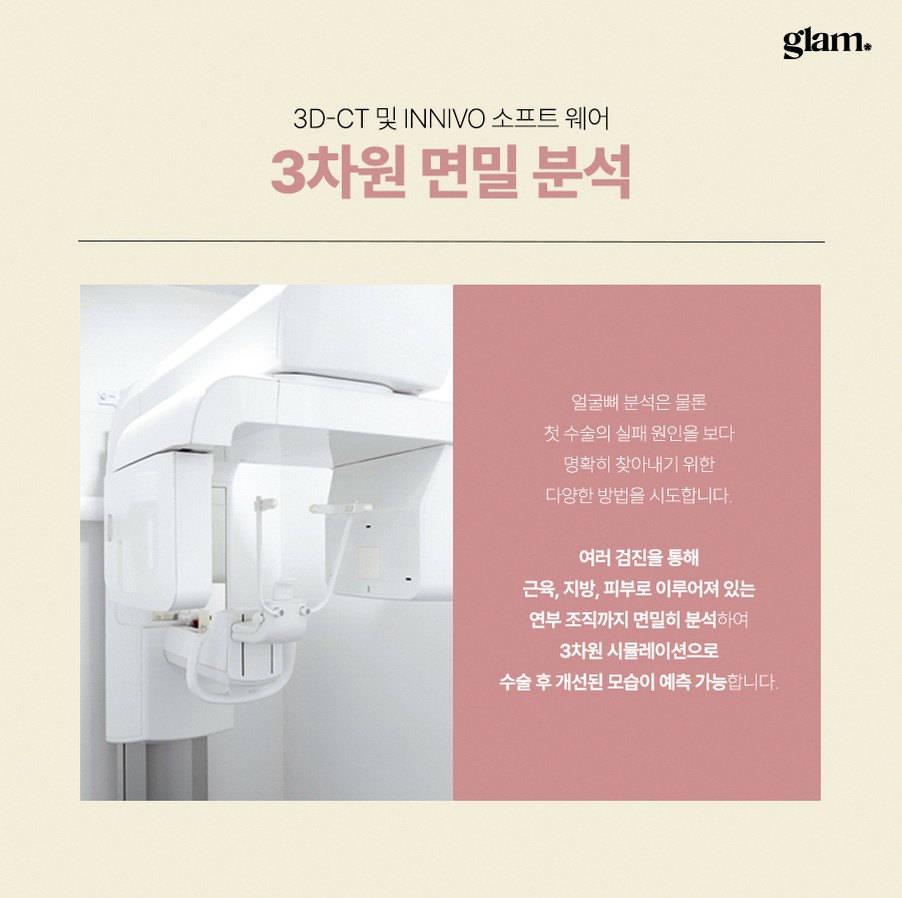
Imaging is a key part of revision planning. X-rays and 3D CT scans are used to see the exact position of the bones, the shape of previous bone cuts, and the location of fixation plates and screws. They also show the course of important nerves and the remaining bone volume, which is critical when planning further reshaping.
Based on this information, the surgeon performs a risk analysis. This includes the proximity of nerves, the condition of the jaw joints, and how much stable bone is available for safe modification. A clinic that focuses only on facial bone surgery tends to have standardized protocols for this type of assessment, because it sees similar cases repeatedly rather than handling many unrelated procedures.
In the Sinsa, Gangnam clinic on Dosan-daero, the chief surgeon is a board-certified plastic surgeon with about 20 years of experience in facial bone surgery (as of February 2025) and former head of a facial bone center at a large plastic surgery hospital in Seoul. As of February 2025, this surgeon has 13 SCI-level papers on facial contouring and double jaw surgery as first or corresponding author, including 3 papers in the journal Plastic and Reconstructive Surgery.
Surgical strategies in revision facial contouring
Because every revision case is different, there is no single standard plan. However, there are common strategies used for cheekbone, jawline, and chin revision.
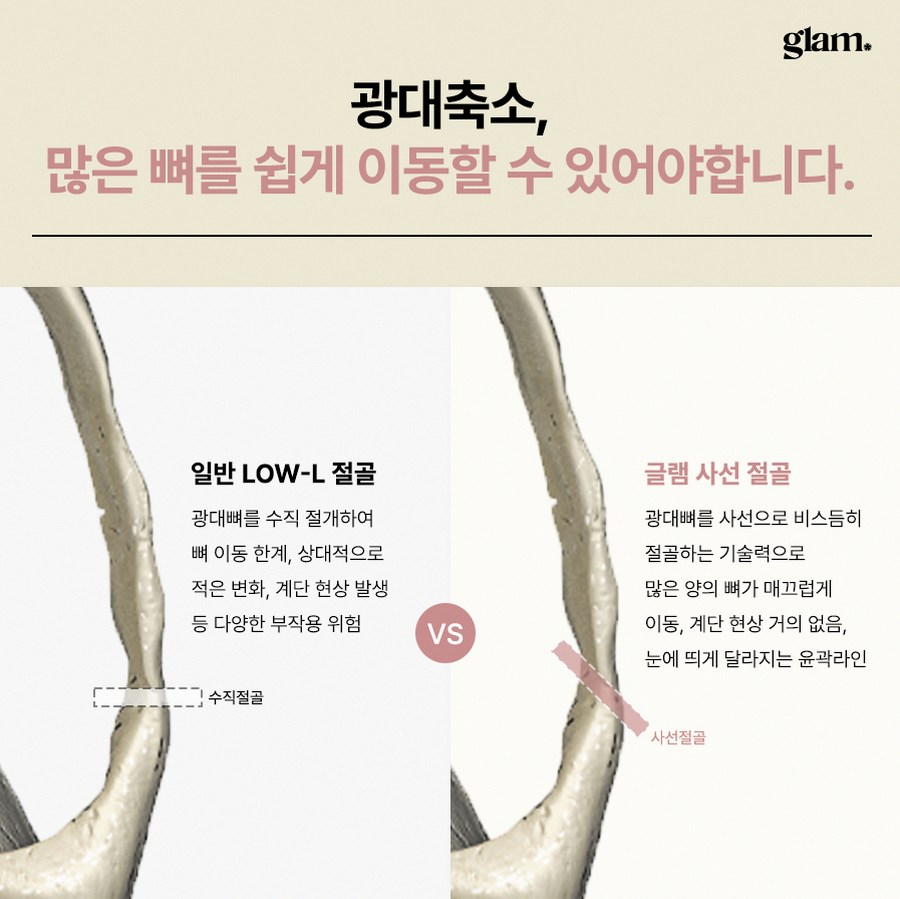
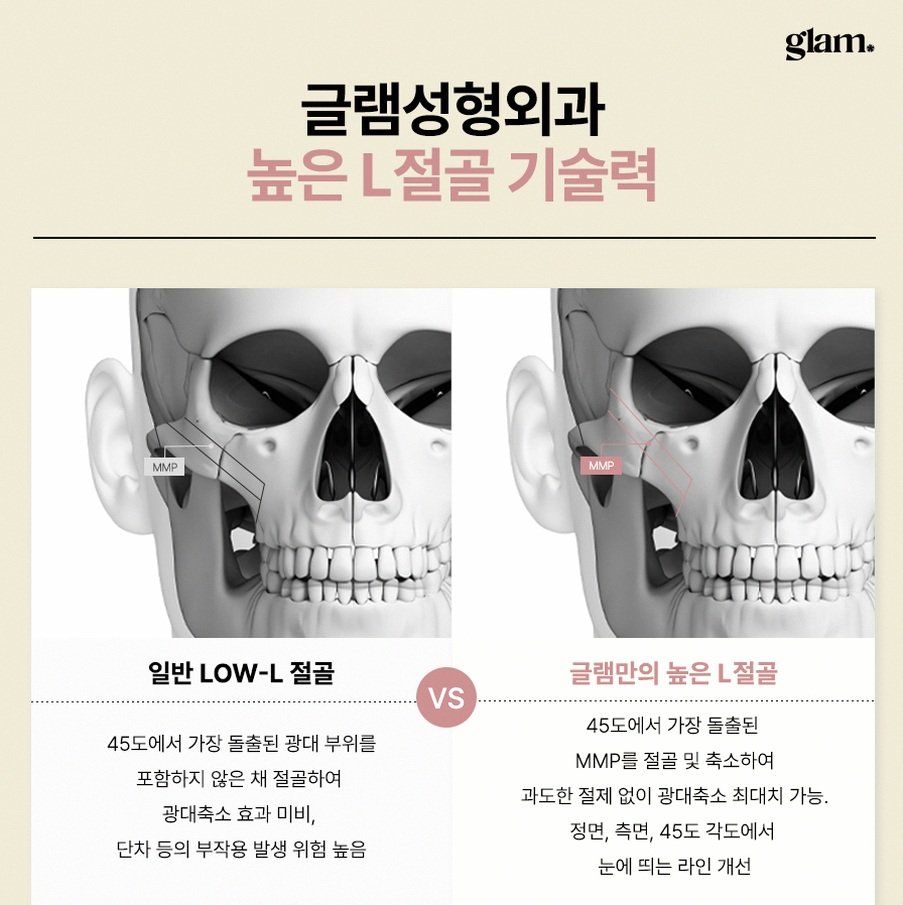
For cheekbone revision, the surgeon may correct over- or under-reduction of the zygomatic body and arch. If the cheekbones still look wide, the bones may be repositioned or further reduced within safe limits. If the midface looks too flat or sunken due to excessive reduction, the surgeon might adjust the bone position or use bone reshaping to restore a more natural contour. Smoothing irregularities and step deformities is often part of the procedure.
For jawline and chin revision, the focus is usually on adjusting the angle of the mandible, correcting step deformities, and addressing asymmetry. If the jaw angle remains too square, controlled additional reduction may be considered. If too much bone was removed and the face looks overly narrow or weak, the surgeon may consider reshaping or augmenting the chin area to restore balance. The goal is to create a smoother, more continuous jawline from the ear to the chin.
Previous fixation plates and screws are often encountered in revision surgery. The surgeon decides whether to remove, replace, or reposition them based on stability, symptoms, and the new surgical plan. In some cases, removing unnecessary hardware can help relieve discomfort or allow better bone reshaping.
Soft tissue management is also important. When bone volume is reduced, the overlying skin and soft tissue may not shrink to match, leading to sagging or hollow areas. A careful revision plan considers how changes in bone will affect the soft tissue envelope. Sometimes, the surgeon may recommend additional non-bone procedures or staged treatments to support soft tissue, but the primary focus remains safe, stable bone correction.
In this Sinsa-based clinic, the philosophy is to recommend only the minimum necessary surgery to achieve realistic improvement. This is especially important for revision patients who have already experienced one operation and may be anxious about further changes. The chief surgeon performs the operations directly rather than delegating them to junior doctors, which can be reassuring for patients facing complex revision.
Criteria for choosing a revision facial contouring surgery clinic
When you search for a facial contouring surgery clinic for revision, it can be difficult to compare options from abroad. The following checklist can help you focus on key points.
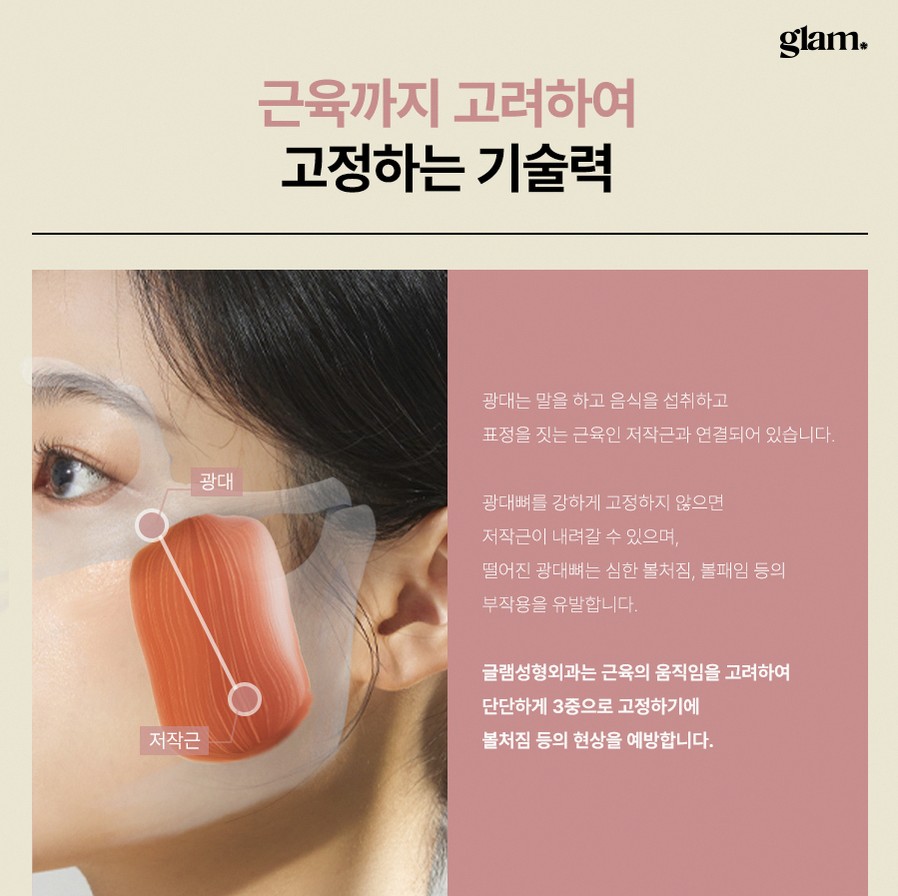
First, consider specialization. A clinic that concentrates on facial bone surgery, such as double jaw and facial contouring including revision, is more likely to have deep experience with repeated bone operations. A general clinic that offers many unrelated procedures may not see as many complex revision bone cases.
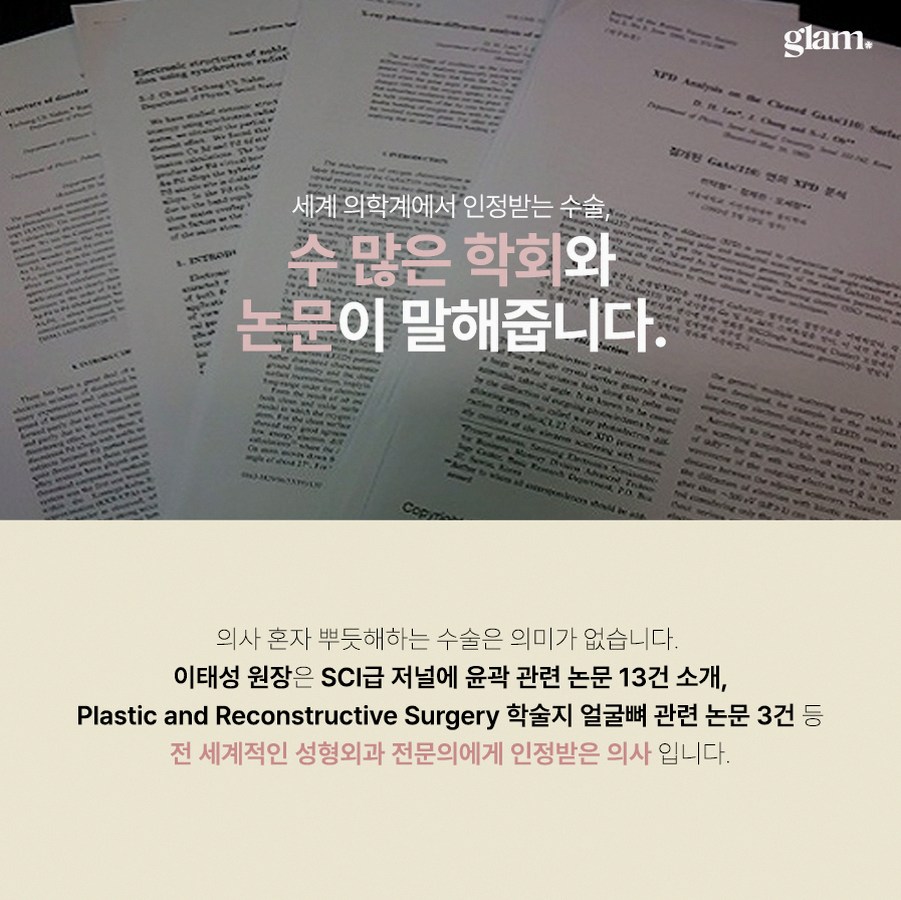
Second, look at surgeon credentials. Board certification in plastic surgery, long-term experience specifically in facial bone surgery, and a history of handling revision cases are important. Academic publications in reputable journals, such as SCI-level papers, show that the surgeon’s techniques have been analyzed and reviewed by other experts. The clinic in Sinsa, Gangnam, for example, uses its 13 SCI-level papers as of February 2025 as evidence of an evidence-based approach.
Third, check the imaging and planning system. A reliable revision clinic should have access to 3D CT scanning and structured preoperative analysis. During consultation, the surgeon should be able to explain what the images show, what changes are possible, and what risks are involved.
Fourth, evaluate anesthesia safety. Complex bone surgery usually requires general anesthesia. A full-time board-certified anesthesiologist, as found at this Sinsa clinic, can focus on your safety before, during, and after the operation instead of visiting only when needed.
Fifth, ask about postoperative care. Revision facial contouring often involves more swelling and a longer recovery. A clinic with structured follow-up visits and swelling management programs can support your healing process.
Finally, pay attention to communication. A trustworthy clinic will give realistic explanations, discuss possible limitations, and may advise against surgery if the risk is too high or the expected benefit is small. During online or in-person consultation, you should feel that your questions are answered clearly and that the surgeon is willing to say no to unnecessary procedures.
Safety considerations and risk management in revision surgery
Revision facial contouring carries higher risks than first-time surgery. Potential complications include nerve injury leading to temporary or permanent numbness, jaw joint problems, bite changes, bone instability or fractures, and irregular soft tissue contours.
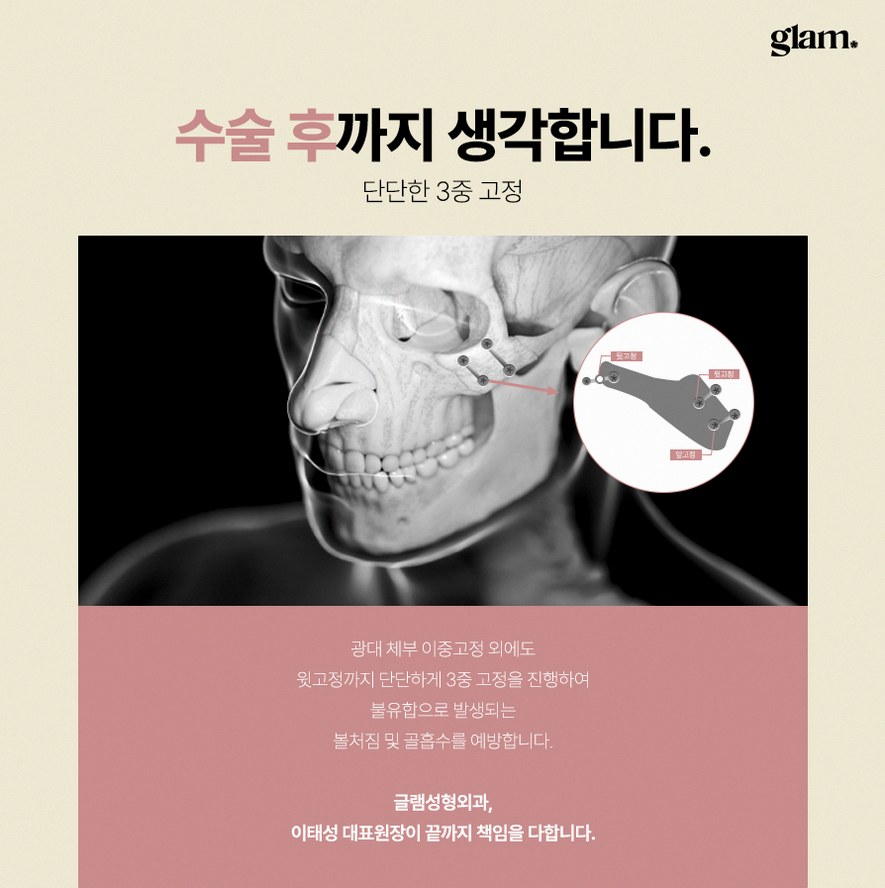
A specialized clinic manages these risks through careful planning and conservative bone removal. Respecting the course of the nerves and the function of the jaw joints is a priority. Stable fixation techniques are used to support the new bone position. The surgeon aims to avoid excessive bone cutting and focuses on the areas that truly need correction.
Close monitoring after surgery is also part of risk management. Regular follow-up visits allow early detection of problems such as infection, delayed healing, or bite changes. When issues are identified early, they are often easier to manage.
The clinic’s philosophy of recommending only the minimum necessary surgery is directly linked to safety. By avoiding overly aggressive plans, the team aims to reduce the chance of further complications, which is especially important for patients who already had one unsatisfactory experience.
Postoperative care after revision facial contouring
Recovery after revision facial contouring varies depending on the extent of surgery, but some general patterns are common. Swelling is usually most noticeable in the first few days and then gradually decreases over several weeks. Bruising may appear around the cheeks, jawline, or neck and generally fades within two to three weeks.
Diet is often restricted to soft or liquid foods at first, especially when the jaw has been operated on. As healing progresses, you can usually return to a more regular diet under the surgeon’s guidance. Strenuous exercise and heavy lifting are typically limited for several weeks to avoid affecting bone healing.
Follow-up visits are scheduled to check wound healing, remove stitches if needed, and monitor bone stability and nerve function. For international patients, the clinic will usually plan a series of visits during your stay in Korea, followed by online check-ins once you return home.
To support recovery, this Sinsa clinic offers several postoperative care programs. LED light therapy is used to help with bruising and inflammation. Facial dome or mask-type treatments are applied to encourage circulation and reduce swelling. Multi-step skin reset programs focus on improving skin condition after major surgery, and radiofrequency lifting can assist with skin tightening during the healing phase.
These treatments are supportive tools, not replacements for surgical skill. The main determinant of your final result remains precise planning and execution of the bone surgery itself. However, structured aftercare can make the recovery period more comfortable and may help you return to daily life more smoothly.
Online consultation and pre-visit preparation for overseas patients
For international patients considering revision facial contouring in Seoul, online consultation is usually the first step. The clinic in Sinsa, about 200 meters from Sinsa Station Exit 1 on Dosan-daero, provides information in English, Japanese, and Thai, which can make communication easier.
Before your online consultation, it is helpful to prepare the following materials. Collect any operative reports from your previous surgery, as well as pre- and post-operative photos if you have them. Recent facial X-rays or CT scans are also valuable. If you do not have imaging, the clinic may advise you to obtain them locally or plan to perform them once you arrive in Korea.
Make a written list of your main concerns. For example, note whether you are more worried about asymmetry, overall size, specific angles, or functional problems like chewing or numbness. Try to describe how your symptoms have changed over time since the first surgery.
During the online consultation, the surgeon or coordinator will review your history, look at your photos, and discuss whether revision seems technically possible and worthwhile. At this stage, the plan is usually preliminary, because final decisions depend on in-person examination and 3D imaging. However, you can already ask about the likely length of stay in Korea, the expected recovery timeline, and how follow-up will be handled once you go home.
Expected Korea visit timeline for revision facial contouring
While each case is different, many overseas patients follow a similar timeline when visiting Seoul for revision facial contouring.

In the first few days after arrival, you will have an in-person consultation, physical examination, and imaging such as 3D CT scans. The surgeon will then confirm or adjust the surgical plan based on these findings. This is also the time to ask final questions and review consent forms.
Surgery is usually scheduled within a few days after the final consultation, depending on the clinic’s schedule and your preferences. You will meet the anesthesiologist before the operation to review your medical history and discuss anesthesia-related questions.
After surgery, most patients stay in Korea for at least 10 to 14 days, sometimes longer for more complex cases. During this period, you will attend several follow-up visits for wound checks, swelling management treatments, and monitoring of early healing. The clinic’s operating hours are weekdays from 10:00 to 18:30 and Saturday from 10:00 to 16:00, with no lunch break, which allows some flexibility for scheduling.
Before you return home, the clinic will explain how to care for your face, what symptoms are expected, and when to contact them if you notice any problems. Online follow-up can continue for several months, with you sending photos and updates as requested.
Foreign patients and language support
Revision facial contouring is complex, and clear communication is essential. Misunderstandings about expectations, limitations, and risks can lead to disappointment. For this reason, language support is a practical advantage when choosing a clinic abroad.
The Sinsa clinic offers English, Japanese, and Thai language pages and channels. This helps overseas patients understand the procedures, ask detailed questions, and receive instructions in a language they are comfortable with. It also makes it easier to coordinate travel plans, schedule surgery, and arrange follow-up consultations.
Frequently asked questions about revision facial contouring and clinic choice
How long should I wait before considering revision facial contouring after my first surgery?

In many cases, surgeons recommend waiting at least 6 to 12 months after the first facial contouring surgery before deciding on revision. This allows swelling to fully subside and soft tissues to adapt to the new bone structure. In some complex cases, a longer waiting period may be advised. However, if you have severe pain, clear functional problems, or obvious structural issues, an early consultation at a specialized facial contouring surgery clinic can help you understand your options, even if surgery itself is postponed.
Is revision facial contouring always possible if I am unhappy with my result?
Revision is not always possible or advisable. The feasibility depends on how much bone remains, the position of nerves and joints, and the quality of your soft tissues. In some situations, further bone reduction would carry too much risk, or the expected improvement would be small. A responsible surgeon will explain these limitations and may suggest alternative approaches or recommend no additional surgery if the risk–benefit balance is not favorable.
How is revision surgery different from my first facial contouring operation?
Revision surgery is usually more complex than the first operation. The surgeon must work around scar tissue, altered anatomy, and existing fixation plates or screws. There may be less bone available to reshape, and important structures like nerves can be closer to the previous bone cuts. Because of this, revision requires more detailed imaging, careful planning, and often a more conservative approach. Recovery can also be slightly longer, and expectations need to be realistic.
What kind of tests and scans are needed before revision facial contouring?
Most revision patients will need detailed imaging, including X-rays and 3D CT scans. These tests show the exact shape and position of the facial bones, the previous bone cuts, and the location of plates and screws. They also help the surgeon identify the course of nerves and the condition of the jaw joints. Combined with a physical examination and your surgical history, these images form the basis of a safe and effective revision plan.
Can revision surgery fix both asymmetry and functional problems like chewing discomfort?
In some cases, revision facial contouring can address both aesthetic asymmetry and functional issues such as chewing discomfort or bite problems. However, this is not guaranteed, and the outcome depends on the underlying cause of your symptoms. For example, if your bite has changed due to bone position, the surgeon may need to adjust the bone segments to improve function. A thorough evaluation at a specialized facial contouring surgery clinic is necessary to determine what can realistically be improved.

What should I ask during a consultation at a facial contouring surgery clinic for revision?
Before your consultation, prepare a list of questions. You may want to ask how many revision facial contouring cases the surgeon handles, what imaging and planning methods will be used, and what specific changes are proposed for your cheekbones or jawline. It is also important to ask about potential risks, expected recovery time, and what results are realistic in your situation. Finally, ask who will perform the surgery and who will manage anesthesia, so you understand exactly who is responsible for your care.
Soft call to action for online consultation
If you are considering revision facial contouring and are unsure where to start, an online consultation with a specialized facial contouring surgery clinic in Sinsa, Gangnam can help you clarify your options. By sharing your previous records, photos, and concerns, you can receive a professional opinion on whether revision is appropriate and what kind of visit to Seoul would be required. Taking this first step allows you to plan your treatment and travel with more confidence and realistic expectations.




- 공유 링크 만들기
- X
- 이메일
- 기타 앱


댓글
댓글 쓰기