Facial contouring revision surgery in Korea for jawline and cheekbones
- 공유 링크 만들기
- X
- 이메일
- 기타 앱

Direct answer summary
Facial contouring revision surgery is a second (or further) operation on the facial bones after a previous contouring procedure. It is usually considered when problems such as asymmetry, over-resection, under-resection, sagging, irregular bone surfaces, or functional discomfort remain after the first surgery. Revision is more complex than primary surgery and requires careful analysis of the current bone structure, soft tissue, and nerve function. For international patients visiting Seoul, it is important to approach revision calmly, gather previous records, and plan enough time for consultation, surgery, and early recovery.
Overview of facial contouring revision surgery
Facial contouring revision surgery focuses on correcting or improving the results of earlier bone contouring procedures. Typical areas include the cheekbones and zygomatic arch, the jaw angle (square jaw), the chin, and the overall V-line.
Unlike first-time surgery, revision is not simply about shaving more bone or making the face smaller. The main goals are to restore structural balance, address functional issues such as chewing discomfort or joint pain, and improve the overall harmony of the face.
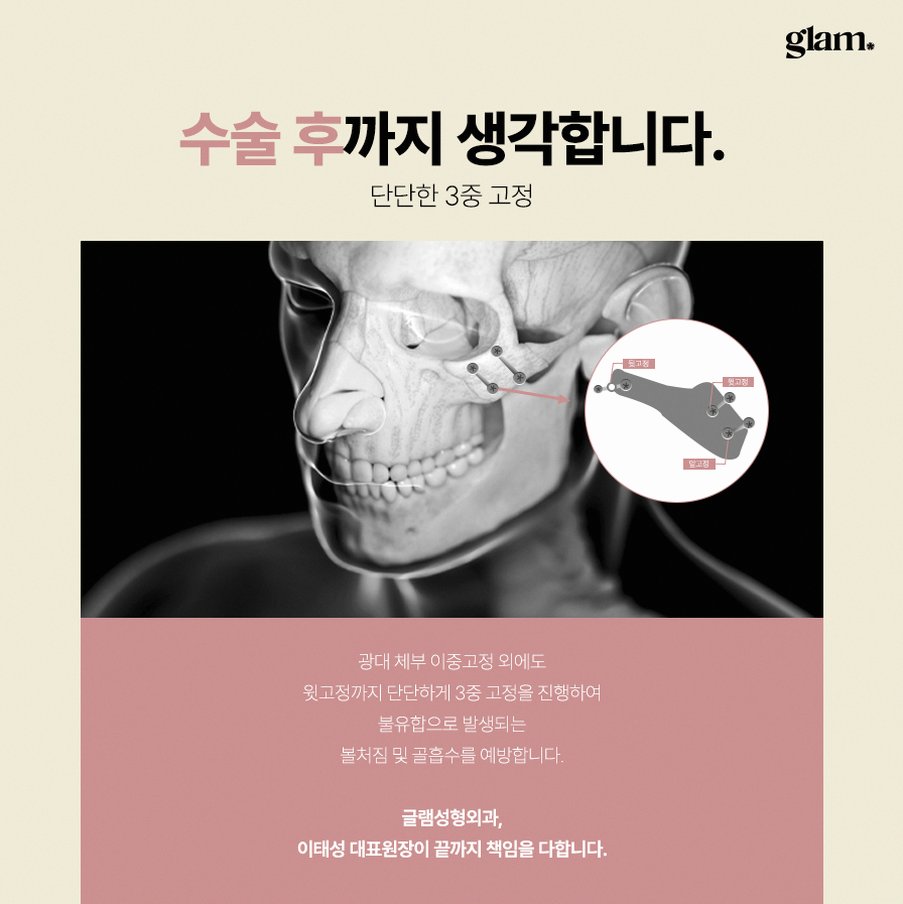
Because the anatomy has already been changed, revision surgery must take into account existing osteotomy lines, plates or screws, scar tissue, and the reduced amount of remaining bone. The blood supply and soft tissue support may also be different from before, which can influence both the surgical plan and the healing process.
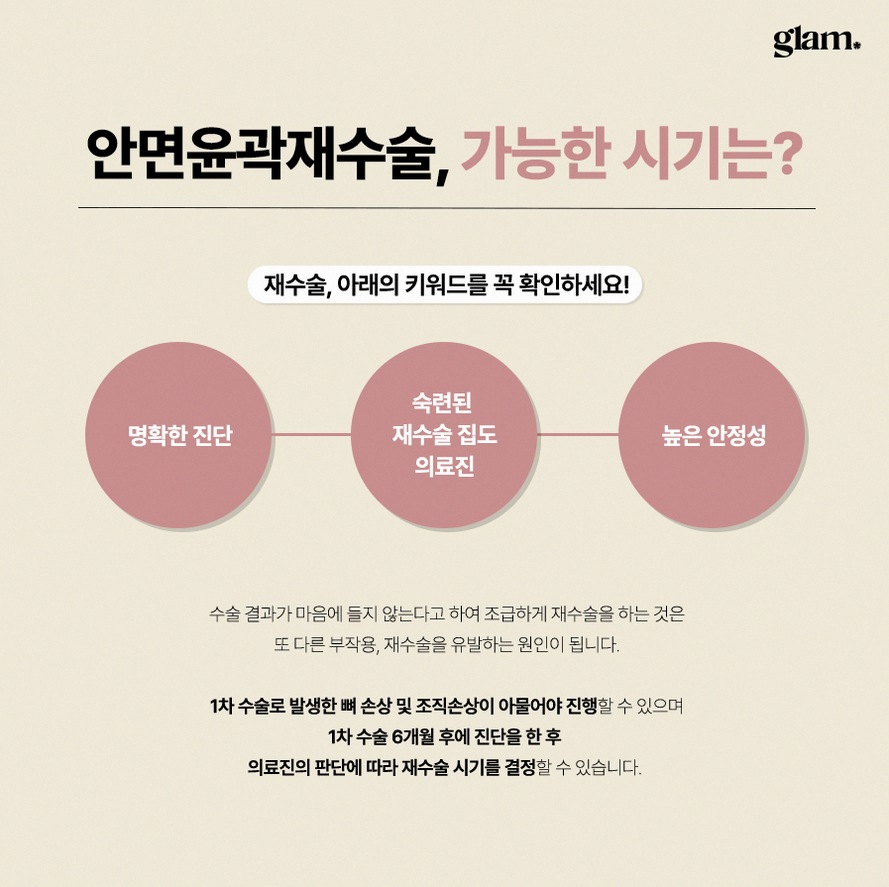
Who may consider facial contouring revision
People usually start thinking about revision facial contouring when they feel that something is clearly wrong or uncomfortable after their first operation, even after the normal healing period.
Common aesthetic reasons include persistent or new asymmetry of the jawline or cheekbones, a face that still looks wide or angular because the bone was not reduced enough, or the opposite problem where too much bone was removed, leading to a hollow, sunken, or aged appearance. Some patients notice step deformities or irregular bone edges that can be seen or felt under the skin. Others struggle with sagging of the lower face and cheeks after aggressive bone reduction.
Functional reasons are just as important. These can include chewing discomfort, changes in the bite, temporomandibular joint pain, difficulty opening the mouth fully, or long-lasting numbness and strange sensations beyond the usual recovery period. Sometimes these issues are mild but persistent; in other cases they significantly affect daily life.
There are also psychological and social reasons. Some people avoid photos or social situations because they feel their face no longer matches their self-image. Others feel a strong gap between what they expected and what they actually see in the mirror.
If you recognize several of these points and they have not improved with time, it may be appropriate to seek a detailed revision consultation rather than continuing to wait and worry.
Timing and candidacy for revision surgery
In general medical practice, most surgeons recommend waiting at least 6 to 12 months after the initial facial contouring surgery before considering revision. This allows the bones to heal fully, swelling to settle, and soft tissues to adapt to the new structure. Only after this period can the final contour and any real problems be clearly evaluated.
However, there are exceptions. In rare cases of severe functional issues or clear complications, earlier intervention may be discussed. The exact timing should always be decided individually with a qualified surgeon.
Not everyone is a candidate for revision. Important factors include whether there is enough remaining bone volume to work with, whether the bone is stable, and the condition of the nerves and surrounding soft tissue. Overall health, smoking status, and bone healing capacity also matter. Equally important are realistic expectations: revision can often improve balance and comfort, but it cannot always recreate a completely new face or return the bones to their pre-surgery state.
Some issues may improve over time or with non-surgical measures such as physical therapy for the jaw joint, bite adjustment, or soft tissue treatments. A responsible surgeon will explain when observation or non-surgical care is more appropriate than another operation.
Preoperative evaluation for facial contouring revision
A thorough preoperative evaluation is essential before any revision facial contouring surgery. Because the anatomy has already been changed, the surgeon needs a precise map of your current facial structure.
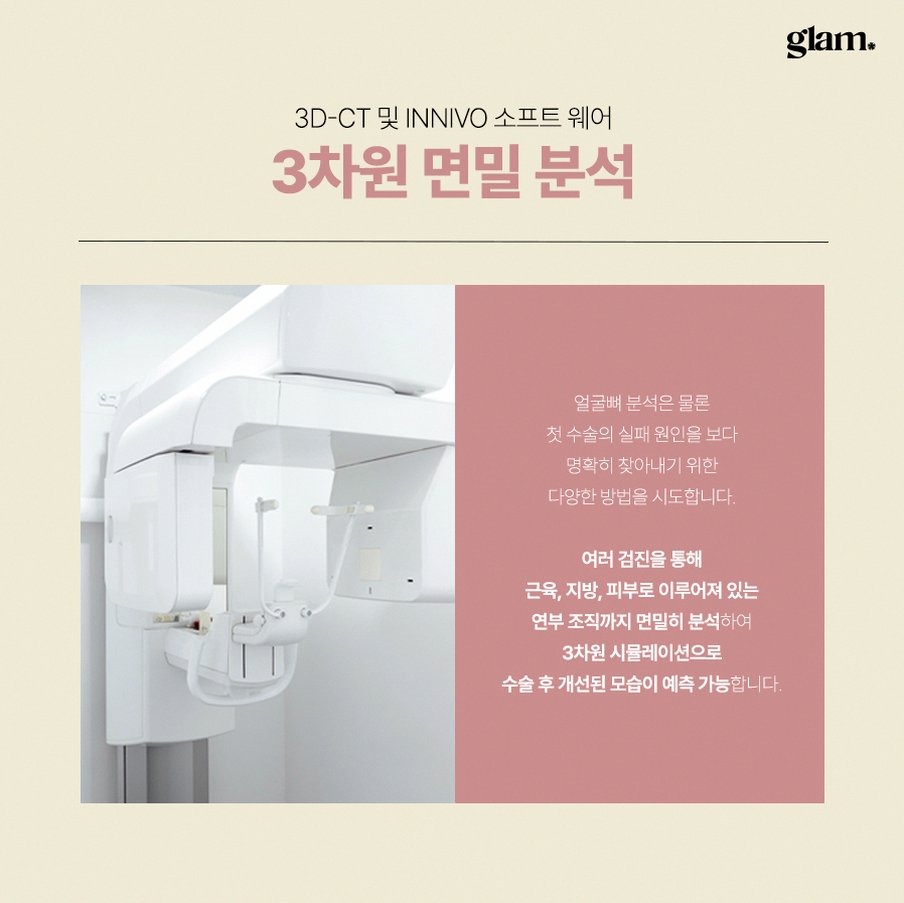
Three-dimensional imaging, such as CT scans, is typically used to understand the present shape of the bones, the location and angle of previous osteotomy lines, and any plates or screws that were used for fixation. These images help the surgeon see how much bone remains and where it is safe to operate.
Assessment of the bite and jaw joint function is also important. The surgeon will usually examine how your upper and lower teeth meet, whether there is any shift or imbalance, and whether there is pain or clicking in the temporomandibular joints. Even if your main concern is cosmetic, functional stability must be protected.
The soft tissue layer is another key factor. The surgeon will evaluate skin elasticity, thickness, and areas of sagging or volume loss. This helps to predict how the face will look after bone adjustments and whether additional soft tissue support procedures might be helpful.
An experienced facial bone surgeon will analyze both aesthetics and function together, not only the visible contour. During consultation, there should be an honest discussion about what can realistically be improved, what cannot be fully corrected, and how previous bone removal limits the options. Clear communication at this stage can prevent disappointment later.
Surgical approaches and strategies in revision
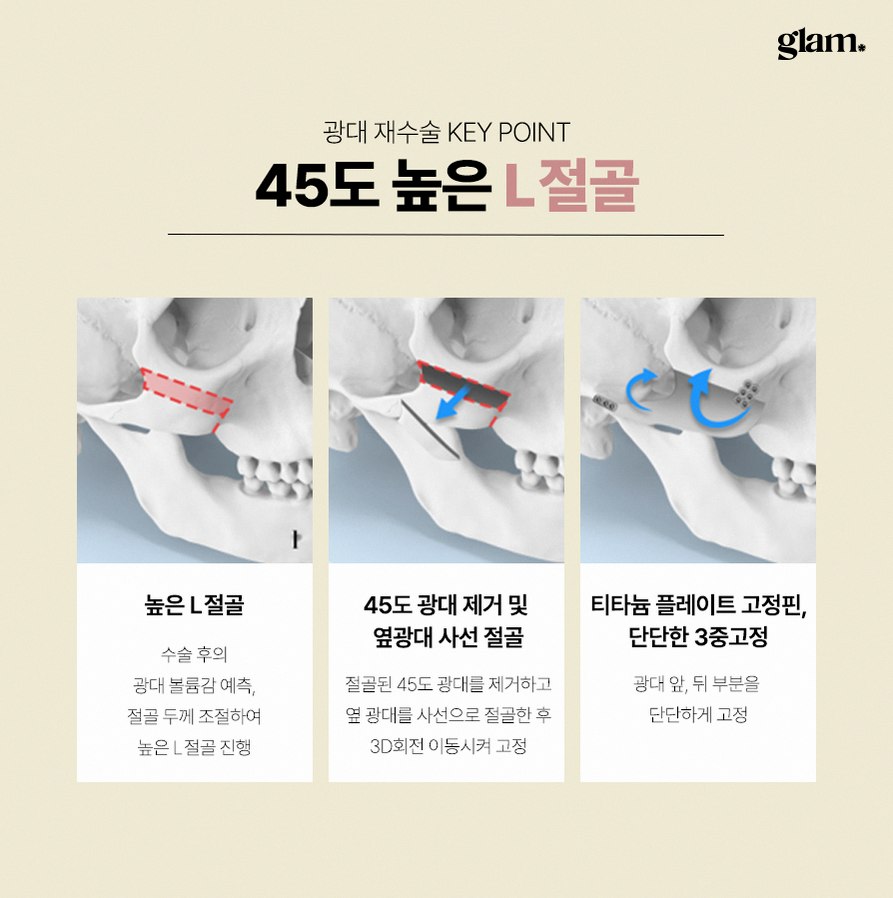
Revision facial contouring often requires different strategies from primary surgery. Instead of simply shaving more bone, the surgeon may need to work around previous osteotomy sites and existing fixation hardware.
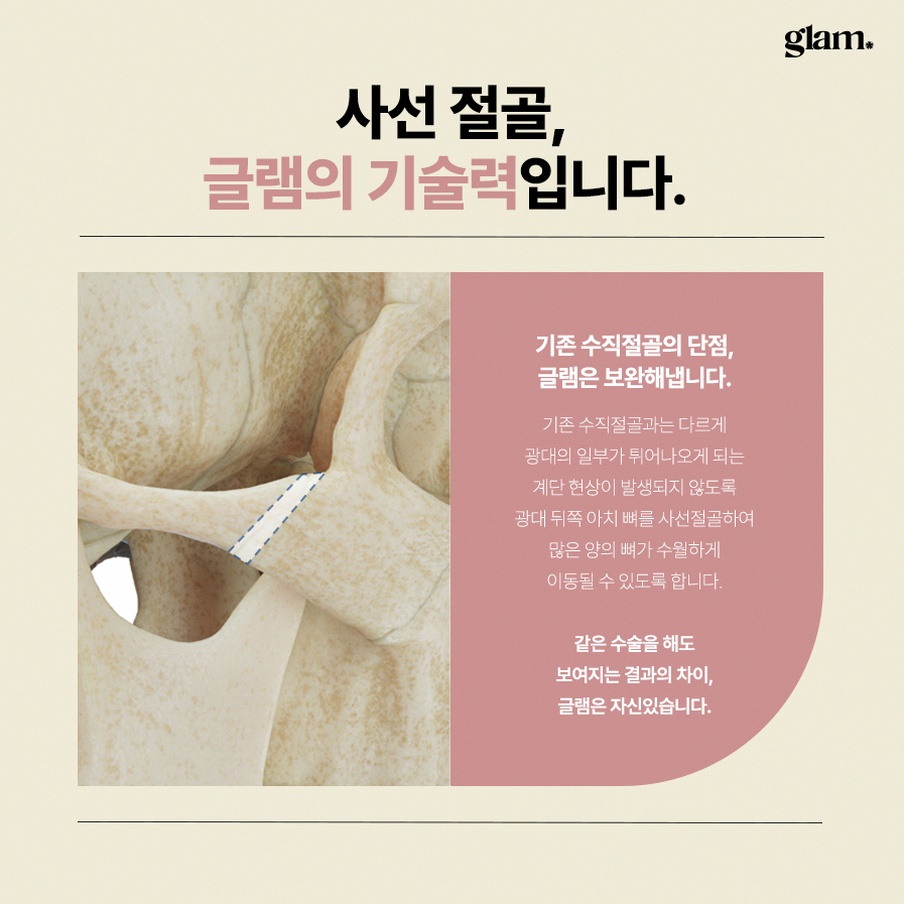
In some cases, plates or screws may need to be removed or repositioned. The surgeon must navigate scar tissue and altered blood supply, which can make dissection more delicate. Protecting the nerves, especially the inferior alveolar and mental nerves in the lower face and the infraorbital nerve in the midface, is a priority.
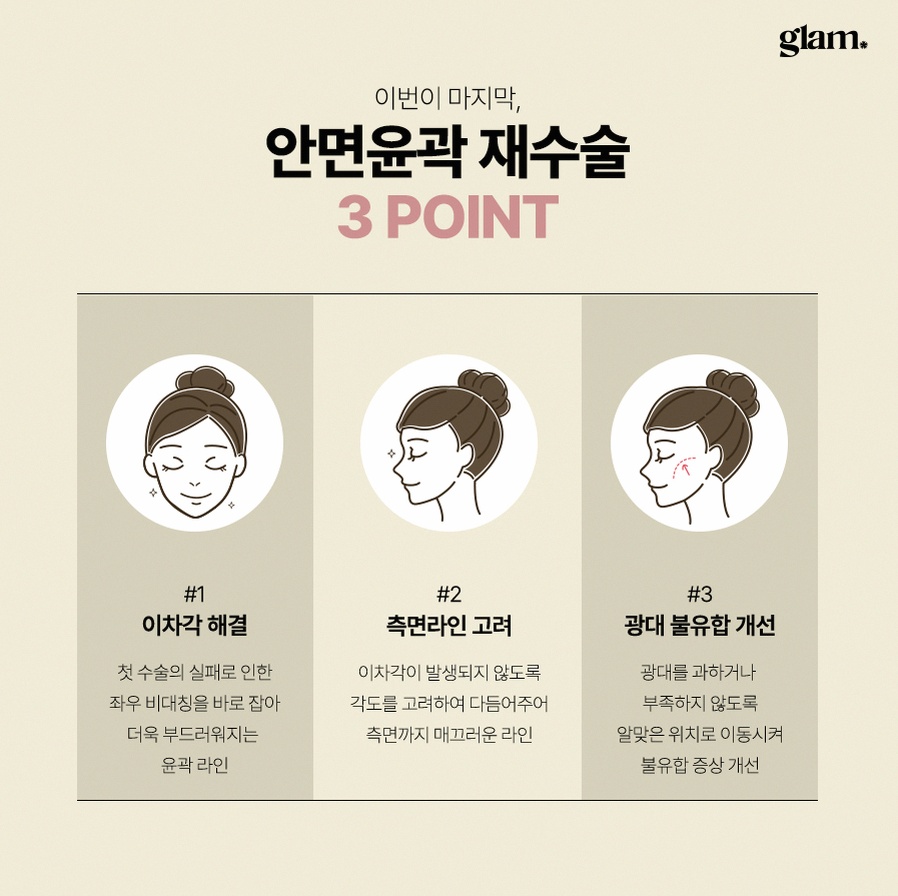
When there has been under-resection and the face remains too wide or angular, the plan may involve further contouring of the jaw angle, body, or chin, or adjusting the position of the cheekbone segments. The goal is to create a smoother, more balanced line while maintaining structural strength.
When there has been over-resection, the approach is often different. Instead of taking away more bone, the focus may be on restoring support. This can involve repositioning existing bone segments, using bone grafts, or carefully selected implants to rebuild deficient areas. In some cases, combining bone support with soft tissue procedures can help reduce a hollow or aged look.
For asymmetry, the surgeon may adjust one side of the jaw or cheekbone more than the other, guided by detailed imaging and facial measurements. Step deformities and irregularities can sometimes be smoothed or reshaped to create a more even contour.
If sagging is a major concern after aggressive bone reduction, revision may include both bone work and soft tissue support measures. These can range from repositioning soft tissues to using lifting techniques or volume restoration, depending on the individual case. The key aim is to restore balance and harmony while preserving or improving function.
Risks, limitations, and realistic expectations
Revision facial contouring carries higher risks than first-time surgery. Because the anatomy has already been changed, there is an increased risk of nerve injury, prolonged numbness, or altered sensation. Scar tissue and previous bone cuts can make the operation more technically demanding.
The amount of improvement that can be achieved is also limited by how much bone was removed in the first surgery. If the bone is already very thin or short, further reduction may not be safe. In such cases, the focus may shift from reduction to structural support or fine-tuning.
Recovery after revision is often slower, with more swelling and sometimes more discomfort than after primary surgery. It is important to plan enough time for rest and follow-up care.
A responsible surgeon will sometimes recommend against revision if the potential risks outweigh the likely benefits. In these situations, non-surgical options or simple observation may be safer. Patients are encouraged to focus on realistic improvement rather than perfection. Understanding the limits of revision can help you make a calmer, more informed decision.
Recovery and postoperative care after revision
The recovery timeline after facial contouring revision varies, but in general you can expect more swelling and a slightly longer healing period than after your first surgery. Swelling is usually most noticeable in the first one to two weeks and then gradually decreases over several weeks to months. Bruising, if present, tends to fade within two to three weeks.
Most patients can return to light daily activities within about one to two weeks, depending on the extent of surgery and their general health. Strenuous exercise and heavy lifting are usually restricted for a longer period, often several weeks.
Follow-up visits are important to monitor healing, check nerve function, and evaluate the bite and jaw movement. In some cases, additional imaging is done after surgery to confirm bone position and stability.
Postoperative care programs may include measures to reduce swelling and support healing, such as gentle facial care, LED therapy, or radiofrequency lifting treatments. These are considered supportive options and do not replace proper surgical planning or technique. Good oral hygiene, a soft diet as recommended, and avoiding smoking can also contribute to smoother recovery.
How this clinic positions itself
GLAM Plastic Surgery is located near Sinsa Station in the Gangnam area of Seoul and focuses its practice on facial bone surgery, including double jaw and facial contouring procedures. It does not offer eye, nose, or breast operations, which means its lineup is centered on facial skeletal work.
According to the clinic’s own information as of early 2025, facial bone surgeries are led by one board-certified plastic surgeon, and anesthesia and perioperative monitoring are managed by a board-certified anesthesiologist. The clinic states that the lead surgeon has around two decades of experience in facial bone surgery and has authored multiple SCI-level papers, including several in an international plastic surgery journal. The clinic also notes that the lead surgeon performs the operations personally and emphasizes recommending only the minimum necessary surgery, which may be reassuring for patients who are worried about overtreatment.
Online consultation and pre-visit preparation
For overseas patients considering facial contouring revision in Korea, an online consultation is often the first step. This allows the medical team to review your case before you travel and to advise whether an in-person evaluation and possible revision might be appropriate.
To prepare, it is helpful to gather all available records from your previous surgery. This can include operative notes, pre- and postoperative imaging, and any written summaries from your original surgeon. Even if the documents are in another language, imaging files and diagrams are often useful.
You should also prepare a clear list of your current concerns. Separate them into aesthetic points (for example, left jawline feels longer, cheekbones look uneven, chin looks too short) and functional points (such as chewing discomfort, joint pain, numbness, difficulty opening the mouth). Photos from before your first surgery and from different stages after it can help the surgeon understand how your face has changed over time.
During online consultation, you can ask whether your concerns are likely to be addressed surgically or whether non-surgical management might be more suitable. You can also ask what kind of imaging would be needed, what general type of surgical plan might be considered, and what the approximate recovery timeline could look like for someone traveling from overseas.
Expected Korea visit timeline for revision surgery
While exact schedules vary, many international patients follow a similar pattern when coming to Seoul for facial contouring revision.
First, plan to arrive at least a few days before the planned surgery date. During this time, you will have in-person consultations, physical examination, and detailed imaging such as CT scans. The surgeon will confirm or adjust the plan based on these findings and answer any remaining questions.
Surgery is usually performed under general anesthesia and typically requires at least one night of close monitoring. Some clinics may recommend a short inpatient stay, while others manage recovery on an outpatient basis with frequent check-ups.
Most overseas patients stay in Korea for at least two to three weeks after surgery to allow for early healing, suture removal if needed, and initial follow-up visits. This period also allows the surgeon to monitor swelling, nerve function, and bite stability, and to respond quickly if any early issues arise.
If your schedule allows, a longer stay can be beneficial, especially after complex revision. However, many patients return home once the early recovery phase is stable and they have clear postoperative instructions and contact information for remote follow-up.
Aftercare and long-term follow-up
After you return home, long-term follow-up is still important. Many clinics provide online check-ins where you can send photos, describe your symptoms, and ask questions. It is also wise to have a local medical provider you can visit if you experience unexpected pain, swelling, or other concerns.
Changes in facial contour continue for several months as swelling resolves and tissues adapt. Numbness or altered sensation can also take months to improve and may not always return completely to normal. Regular communication with your surgical team can help you understand what is part of normal healing and what might require further evaluation.
Maintaining a healthy lifestyle, avoiding smoking, and following any jaw movement or diet instructions can support long-term stability. If you notice changes in your bite or new joint discomfort later on, early evaluation is recommended.
Consultation checklist for patients
Before you commit to revision facial contouring, it can be helpful to prepare a checklist of points to discuss during consultation.
You may want to ask what specific bone changes are being proposed and why, and how these changes are expected to affect both your appearance and function. Ask about the main risks in your individual case, including nerve-related risks and the possibility of limited improvement due to previous bone removal.
Clarify which anesthesia method will be used, who will manage it, and what kind of intraoperative monitoring is in place. Ask about the expected length of surgery, the usual hospital stay, and the typical recovery milestones for someone with a similar procedure.

It is also useful to ask how the clinic handles complications, what kind of follow-up schedule they recommend for overseas patients, and what support is available after you return home. Writing these questions down in advance can help you stay focused during consultation and compare different clinics more objectively.
Safety and ethical considerations
When choosing a surgeon and clinic for facial contouring revision, it is important to look beyond marketing phrases. A strong background in facial bone surgery, supported by objective information such as academic work, long-term experience, and a clear explanation of techniques, can be more meaningful than simple slogans.
A trustworthy clinic will not push you into additional procedures that you do not need. Instead, they will explain different options, including doing nothing for now, choosing non-surgical management, or considering a smaller-scale revision. They will also provide clear information about possible complications and the limitations of what revision can achieve.
If you ever feel pressured to decide quickly, or if risks are minimized or dismissed, it may be wise to seek a second opinion. Taking time to think, compare information, and reflect on your own priorities is part of a safe decision-making process.
FAQ about facial contouring revision surgery
When is the right time to consider facial contouring revision?
In general, many surgeons recommend waiting at least 6 to 12 months after your first facial contouring surgery before considering revision. This allows bones and soft tissues to heal and settle, so the final shape and any real problems can be clearly seen. However, if you have severe functional issues or obvious complications, earlier assessment may be needed. The exact timing should always be discussed individually with a qualified surgeon.
Is revision facial contouring always possible?
No, revision is not always possible or advisable. If too much bone has already been removed or if the remaining bone is very thin, further reduction may not be safe. In some cases, the risks of another operation may be greater than the potential benefits. A careful evaluation with imaging and physical examination is necessary to determine whether revision, structural support, or non-surgical management is the most reasonable option.
Will numbness get worse after revision surgery?
Any facial bone surgery, especially revision, carries a risk of nerve irritation or injury, which can lead to numbness or altered sensation. If you already have numbness from your first surgery, revision may improve, worsen, or leave it unchanged, depending on the situation. A detailed discussion with your surgeon about the location of nerves, your current symptoms, and the specific surgical plan can help you understand your individual risk.
How long does swelling last after revision facial contouring?
Swelling after revision is often more pronounced and can last longer than after primary surgery. The most intense swelling usually occurs in the first one to two weeks, then gradually decreases over the following weeks. Many patients feel socially more comfortable after about three to six weeks, but subtle changes can continue for several months. Final contour and sensation may take six months to a year to fully stabilize.

Can revision completely fix facial asymmetry?
Revision surgery can often improve noticeable asymmetry, but complete, perfect symmetry is rarely possible in any human face. The aim is usually to reduce obvious differences and create a more balanced and harmonious appearance. The degree of improvement depends on the existing bone structure, previous surgical changes, and the limits of what can be safely adjusted. Your surgeon should explain what level of correction is realistic in your specific case.
Soft call to action for online consultation
If you are living overseas and feel unhappy or uncomfortable after facial contouring surgery, it may be helpful to discuss your situation calmly with a team experienced in facial bone work. Clinics such as GLAM Plastic Surgery offer online consultations where you can share your history, imaging, and photos before deciding whether to travel to Seoul.
Taking this step does not mean you must proceed with surgery. Instead, it can give you a clearer understanding of your current condition, possible options, and realistic expectations. With careful analysis and honest communication, you can make a more confident decision about whether facial contouring revision surgery is right for you at this time.




- 공유 링크 만들기
- X
- 이메일
- 기타 앱


댓글
댓글 쓰기