Facial contouring revision surgery cost in Gangnam, Seoul – what overseas patients should know
- 공유 링크 만들기
- X
- 이메일
- 기타 앱

Direct answer: how much does facial contouring revision cost?
For overseas patients, the key point is that facial contouring revision surgery is usually more expensive than first‑time procedures. Revisions of cheekbone reduction, jaw‑angle reduction, or V‑line contouring typically require more detailed analysis, longer operating time, and greater surgical complexity.
There is no universal price because fees vary widely depending on which areas are being revised, how your facial bones have healed, whether plates and screws are present, and whether you also have functional issues such as bite problems or discomfort. A realistic quote is only possible after a face‑to‑face consultation with proper imaging, usually including 3D CT and X‑rays.
What is facial contouring revision surgery?
Facial contouring revision surgery means secondary or additional surgery on the facial bones after a previous contouring procedure. This may involve revision of cheekbone reduction, jaw angle reduction, or V‑line contouring including the chin.
Patients usually consider revision when they still see asymmetry, feel that the previous surgery was over‑ or under‑corrected, or experience functional problems such as bite changes, chewing discomfort, or nerve symptoms. Some people are simply unhappy with the overall aesthetic result or facial balance after their first operation.
Revision is a high‑difficulty procedure. The bones have already been cut, moved, and fixed with plates and screws, then healed in their new position. Scar tissue forms around the surgical area, and fixation materials may still be in place. All of this makes dissection slower, the anatomy less predictable, and the surgery more technically demanding than a first‑time operation.
Types of facial bone contouring revision
Revision facial contouring can involve one or several areas.
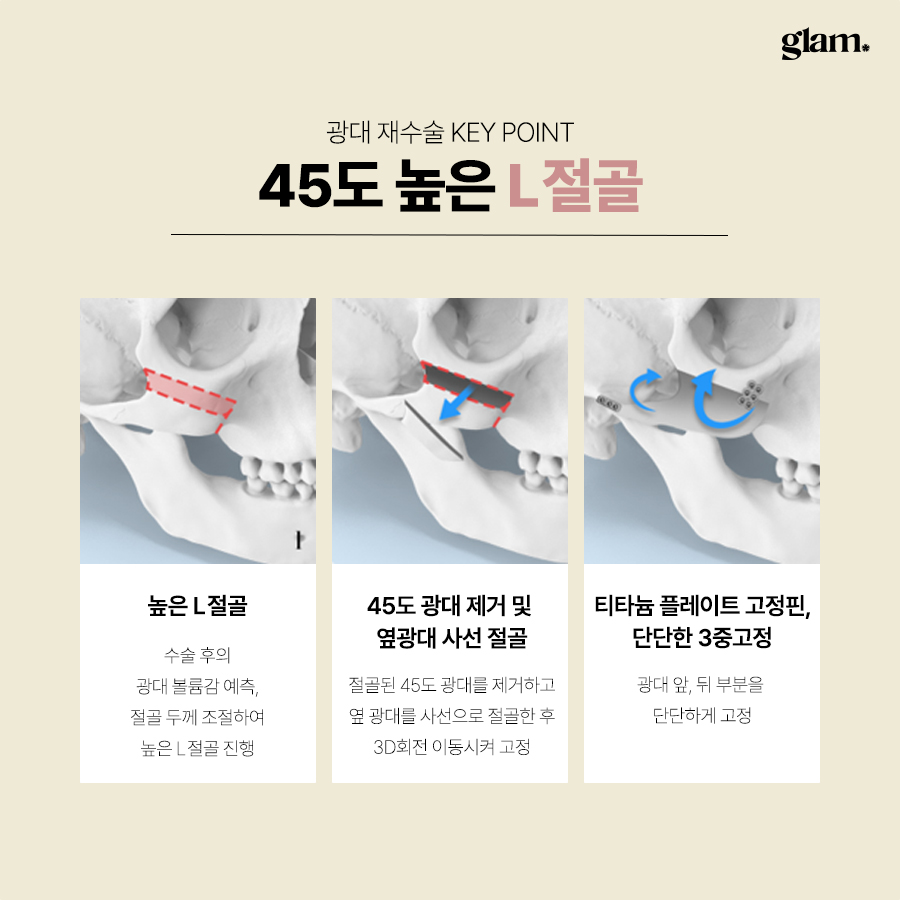
Cheekbone revision may address remaining width, persistent asymmetry between left and right sides, or a sunken or flattened midface after aggressive reduction.
Jaw angle revision focuses on the lower face width and the angle of the jaw. Some patients feel their jaw is still too square or bulky, while others feel the angle was cut too much, creating a sharp or aged look.
V‑line revision usually involves the chin and sometimes the front of the jaw. It may correct a chin that is too long, too short, too pointy, or off‑center, or improve the transition between the chin and jawline.
Many revision cases involve a combination of these areas, which increases planning complexity and operating time, and therefore affects cost.
Why revision facial contouring usually costs more
There are several reasons why revision facial contouring is usually more expensive than primary surgery.
First, the anatomy has been altered. The bones have already been cut and healed, which makes it harder to predict how new cuts will behave and how the bone will respond.
Second, there is scar tissue and adhesions. These make it more difficult to separate tissues safely, slow down the operation, and increase the risk of bleeding or nerve irritation.
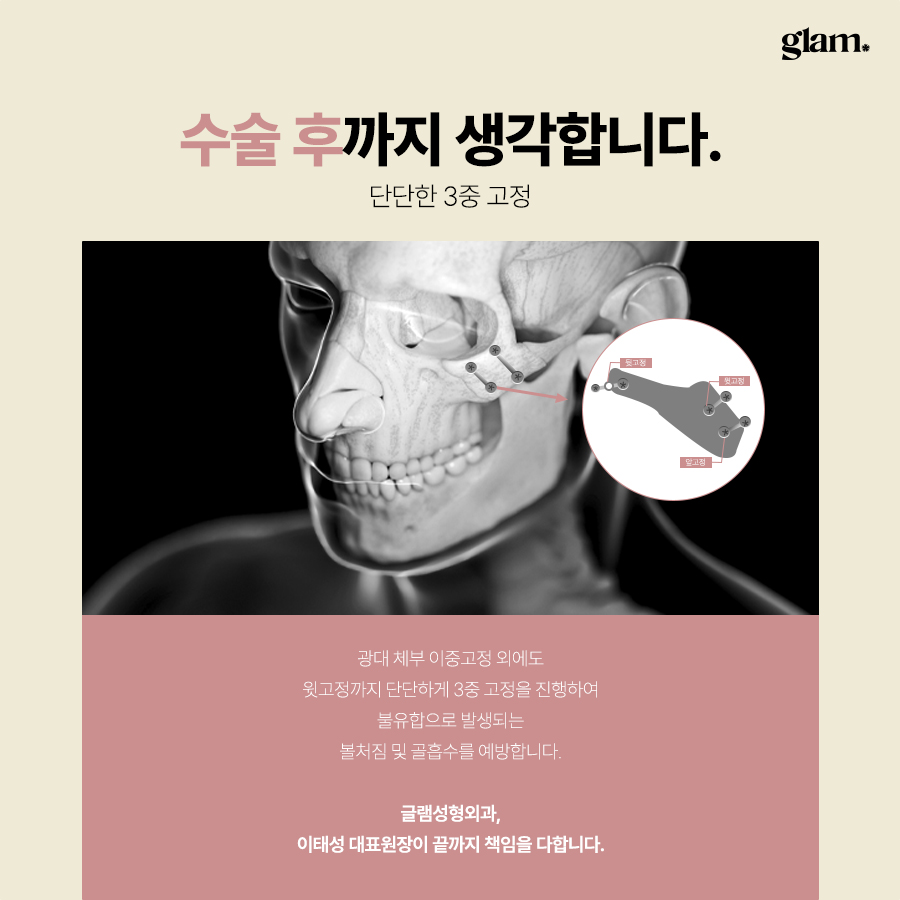
Third, fixation hardware such as plates and screws may need to be removed or changed. This adds time and technical steps to the procedure.
Fourth, risk management is more demanding. Protecting nerves, maintaining or restoring bite function, and preserving joint health require very careful planning and execution.
Finally, all of this leads to longer surgery and anesthesia time. Longer operations require more operating room resources, staff, and continuous anesthesia care, which are reflected in the overall fee.
Many patients initially hope that revision will be cheaper because it is a correction of an existing surgery. In reality, revision is usually more complex and resource‑intensive than the first operation.
Key factors that influence revision cost
Area and scope of revision
Cost is strongly influenced by whether you need a single‑area revision or multiple areas revised together. For example, revising only the cheekbones is usually simpler and shorter than revising cheekbones, jaw angles, and chin in one session.
Combined revisions require more detailed planning, longer operating time, and more resources. This naturally increases the overall fee compared to a limited single‑area revision.
Condition after previous surgery
The state of your facial bones after the first operation is another major cost factor. Important points include whether plates and screws are present, how solidly the bone has healed, whether there are irregular bone edges, and how much scar tissue has formed.
If plates and screws need to be removed or replaced, or if the bone edges are irregular and require careful reshaping, the surgery becomes more difficult and time‑consuming. This complexity is reflected in the cost.
Functional issues
Some revision patients have functional problems such as bite changes, jaw joint discomfort, or nerve symptoms. Correcting these issues usually requires additional diagnostic work and more delicate surgical planning.
When the goal is not only cosmetic improvement but also functional recovery, the surgeon must coordinate the bone movements with your bite and joint condition. This higher level of planning and responsibility is another reason revision costs more.
Imaging and preoperative evaluation
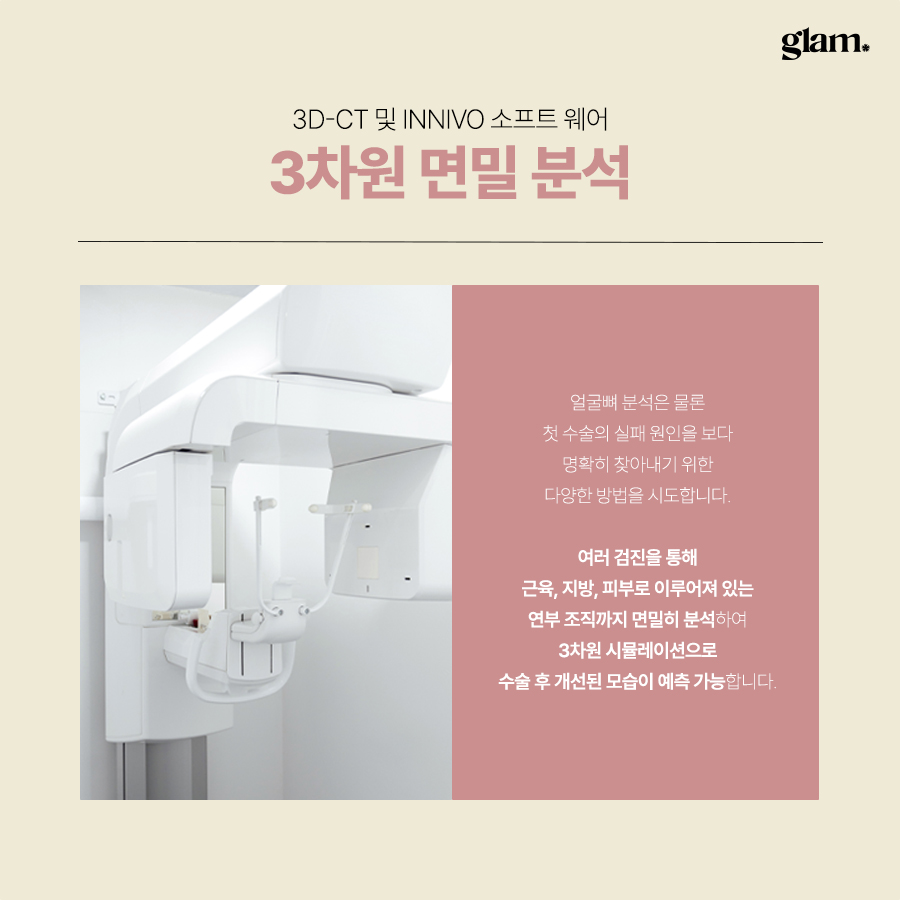
Revision cases almost always require comprehensive imaging. This typically includes 3D CT scans and X‑rays to evaluate previous bone cuts, plate positions, bone volume, and asymmetry.
Occlusion analysis to study your bite, as well as clinical photographs from multiple angles, are also part of the evaluation. These diagnostic steps are essential for safe revision surgery and form part of the overall cost.
Surgeon experience and specialization
Revision facial bone surgery should be handled by a plastic surgeon with extensive experience in facial bone procedures and a solid academic background in this field. Fees often reflect this level of specialization.
In Sinsa, Gangnam, there is a plastic surgery center that focuses only on facial bone surgery such as double jaw and facial contouring, including revision cases. The lead plastic surgeon has around 20 years of experience in facial bone surgery and has published 13 SCI‑level papers on contouring and double jaw surgery as of February 2025, including three in the journal Plastic and Reconstructive Surgery.
For revision patients, this kind of focused expertise can be more important than a small price difference.
Anesthesia and safety system
Revision facial bone surgery is usually performed under general anesthesia and can be a long operation. Having a dedicated anesthesiology specialist, continuous monitoring, and clear safety protocols is a key part of the cost.
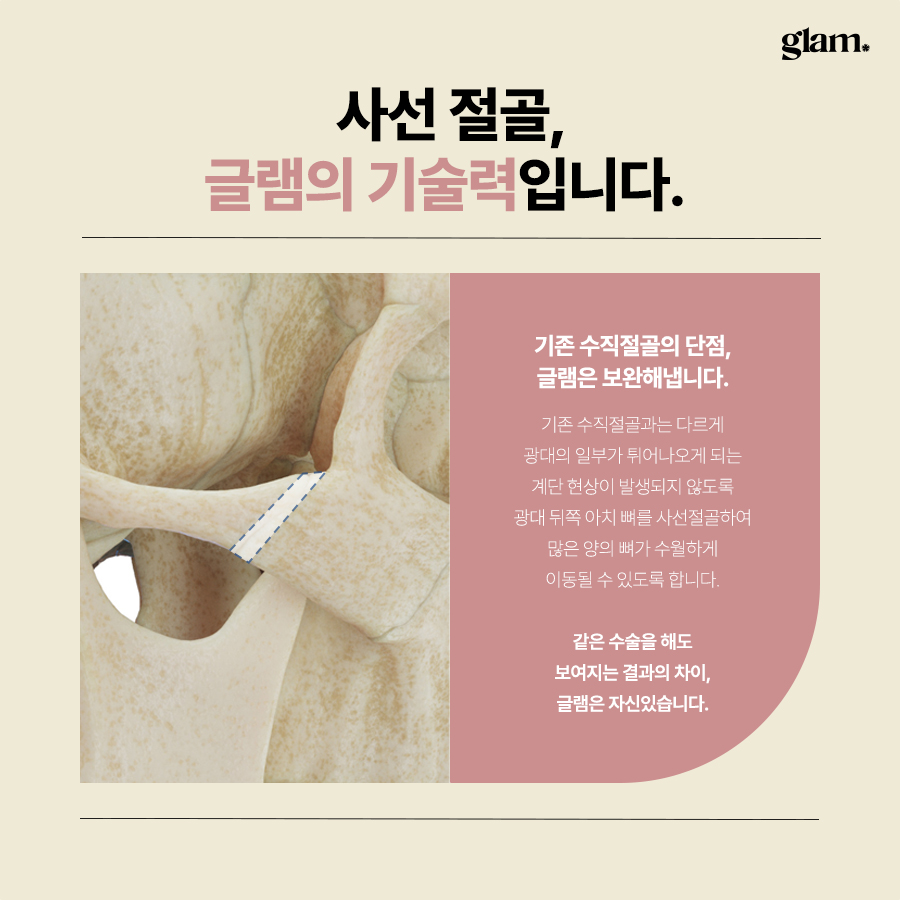
At the Sinsa, Gangnam clinic described above, This type of system may cost more than simple sedation in a smaller procedure, but it is an important investment in safety.
Postoperative care
After revision facial contouring, structured postoperative care can influence both recovery speed and final satisfaction. Swelling and bruise management, skin and soft tissue care, and scheduled follow‑up visits may be included in the surgery fee or charged separately.
When comparing quotes, it is important to ask how many postoperative care sessions are included and what additional costs might arise for extra treatments.
How a bone‑focused clinic in Sinsa, Gangnam positions its fees
The clinic near Sinsa Station in Gangnam mentioned earlier focuses only on facial bone surgery such as double jaw and facial contouring, including revision. It does not perform general procedures like eyes, nose, or breast surgery, so its entire system is built around bone surgery.
With one board‑certified plastic surgeon and one specialist in anesthesiology and pain medicine (board‑certified anesthesiologist), the clinic emphasizes direct operation by the lead surgeon and continuous anesthesia care. As of February 2025, the lead surgeon’s academic track record includes 13 SCI‑level papers, three of which were published in Plastic and Reconstructive Surgery; this supports a fee structure grounded in clinical and academic experience rather than marketing claims.
The clinic’s philosophy is to recommend only the minimum necessary surgery. This is especially important for revision patients, who are often worried about overtreatment or unnecessary additional bone cutting.
Diagnosis and planning process before revision
Before any revision facial contouring, a thorough diagnostic and planning process is essential. This is also one of the reasons why accurate pricing is not possible through simple online messages.
First, there is a detailed consultation about your previous surgery: where it was done, what techniques were used if known, and what you dislike or what symptoms you have now.
Second, the clinic reviews any previous records and images you can provide, such as past CT scans, X‑rays, or operative notes. These help the surgeon understand what was done previously.
Third, new imaging is performed, usually including 3D CT and X‑rays. These are used to evaluate bone cuts, fixation plates, bone volume, and asymmetry.
Fourth, a functional assessment is carried out. This includes checking your bite alignment, jaw joint condition, and nerve status.
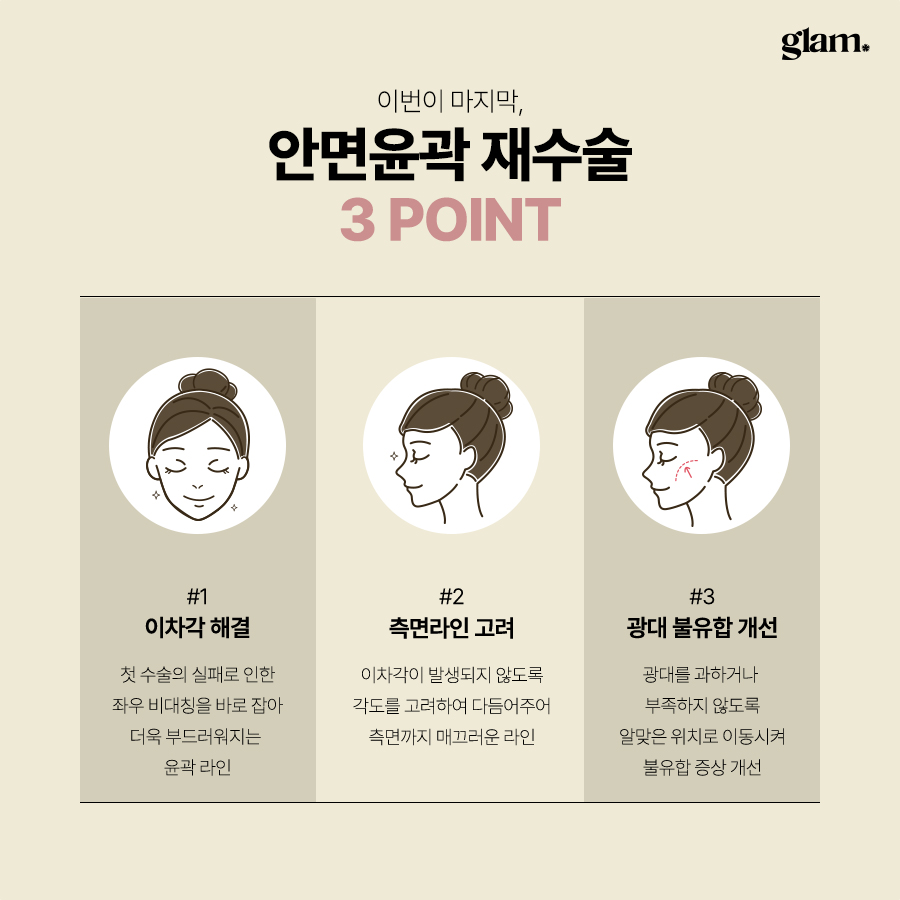
Fifth, an aesthetic analysis is done from multiple angles: frontal, oblique, and profile. The surgeon evaluates midface width, lower face width, chin position, and overall facial balance.
Finally, surgical planning is created. This includes deciding whether to remove or reposition plates, how much bone to resect or add, and whether combined procedures such as chin reshaping with jaw angle revision are needed.
This detailed planning stage is time‑ and resource‑intensive, and it is a key reason why revision surgery cannot be responsibly priced over the phone or with a single photo.
Who may consider facial contouring revision
Typical reasons to consider revision facial contouring include persistent or new asymmetry after previous contouring, remaining width or bulk in the cheekbones or jawline, or over‑resected areas that create a hollow or aged look.
Other reasons include functional issues such as bite problems, discomfort when chewing, or nerve symptoms like numbness or tingling. Some patients are dissatisfied with their overall facial balance or profile even if each individual area seems acceptable.
However, not every concern requires bone revision. In some cases, soft tissue procedures or non‑surgical options may be more appropriate. A responsible clinic will assess whether your goals can be achieved with the minimum necessary approach rather than automatically recommending another major bone surgery.
How to compare revision costs between clinics
When you receive different quotes for revision facial contouring, it can be confusing. Instead of focusing only on the number, consider the following points.
Check whether the surgeon is a board‑certified plastic surgeon with a focus on facial bone surgery, and whether the same surgeon will directly perform the entire surgery.
Confirm that a board‑certified anesthesiologist will be present throughout the operation, not only for induction.
Ask what imaging and tests are included in the quoted price. For revision, 3D CT and detailed X‑rays are usually necessary.
Clarify whether plate removal, additional bone grafting or shaving, and asymmetry correction are included in the quote or charged separately.
Ask about postoperative care: what type of swelling management, skin treatments, and follow‑up schedule are included, and for how long.
Choosing solely based on the lowest quote can be risky for complex revision bone surgery. Safety, surgeon experience, and transparent explanation of what is included in the cost should be your priorities.
Postoperative care and related costs
After revision facial contouring, systematic postoperative care can support healing and help the soft tissues adapt to the new bone structure.
Swelling and bruise management may include LED therapy or facial dome devices designed to promote circulation and reduce inflammation.
Skin reset and total care programs can help the skin and soft tissues settle smoothly over the revised bone framework.
High‑frequency lifting devices may be used to support skin tightening during the healing phase, especially if there has been significant change in bone volume.
Some clinics include a set number of these sessions in the surgery fee, while others charge separately. Before you decide, ask how many sessions are included, what each session involves, and what additional costs might occur if you want more intensive care.
Safety and anesthesia in revision facial bone surgery
Revision facial bone surgery is usually longer and more technically demanding than first‑time surgery. This makes anesthesia safety a central part of the overall treatment, not just an add‑on.
A dedicated anesthesiology specialist manages your condition from induction to awakening, continuously monitoring vital signs and adjusting anesthesia as needed. For long operations, this level of care reduces the risk of complications and helps ensure a more stable recovery.
This professional setup may increase the cost compared to smaller procedures done under simple sedation, but for revision cases it is an important investment in safety.
Preparing for an online consultation
If you are an overseas patient considering revision in Korea, an online consultation is usually the first step. To make this efficient, prepare the following in advance.
Collect any previous medical records related to your facial contouring surgery, including operative notes if available.
Gather past imaging such as CT scans or X‑rays, and any before‑and‑after photos you may have from your previous clinic.
Write down your current concerns in detail: what you dislike visually, what symptoms you have, and what you hope to achieve.
Prepare a list of questions about cost, surgical plan, anesthesia, and postoperative care. This will help you compare clinics more clearly.
Most clinics in Gangnam, including the Sinsa‑based bone‑focused clinic described here, offer multilingual support such as English, Japanese, and Thai, and use social media or messaging channels for initial contact. However, remember that final cost and surgical planning require proper imaging and either an in‑person or a detailed online consultation.
Expected Korea visit timeline for overseas patients
For overseas patients, planning the visit schedule is as important as understanding the cost.
Typically, you should arrive in Seoul a few days before surgery for in‑person consultation, imaging, and preoperative tests. This allows time to confirm the plan and check your general health.
After surgery, many patients stay in Korea for at least two to three weeks, depending on the complexity of the revision and their individual healing speed. During this period, you will have regular follow‑up visits for wound checks, suture removal if needed, and swelling management.
The clinic near Sinsa Station in Gangnam is within walking distance from exit 1 and offers weekday and Saturday hours without a lunch break, which can be convenient for working patients or those traveling from other regions or overseas.
Always discuss your travel schedule with the clinic in advance so they can recommend a safe length of stay and follow‑up plan.
Frequently asked questions
Why is revision facial contouring usually more expensive than first‑time surgery?
Revision is more expensive because it is more complex and time‑consuming. The bones have already been cut and healed, there is scar tissue, and plates and screws may need to be removed or changed. Protecting nerves and correcting or preserving bite function require very careful planning and execution.
All of this leads to longer operating time and longer anesthesia, which increases the use of operating room resources and staff. These factors are reflected in the overall cost.

Can I get an accurate revision cost quote online without a CT scan?
Without proper imaging, any quote can only be a rough estimate. For revision facial contouring, 3D CT and X‑rays are usually essential to understand the position of previous cuts, plates, and bone volume.
Clinics may give you a general range based on photos and your description, but a realistic and responsible quote usually requires imaging and a detailed consultation. Be cautious of precise quotes given without proper evaluation.
What information about my previous surgery should I prepare before a revision consultation?
Prepare any operative notes, discharge summaries, or letters from your previous surgeon if you have them. Past CT scans or X‑rays are also very helpful.
In addition, write down when and where the surgery was done, what procedures were performed if you know, and what has changed since then in terms of appearance and symptoms. Clear information helps the new surgeon understand your case more quickly and accurately.
How long should I wait after my first facial contouring before considering revision?
In most cases, it is recommended to wait at least six to twelve months after the first surgery before planning major bone revision. This allows swelling to settle and bone healing to stabilize, so your final result is clearer.
However, if you have serious functional problems such as severe bite issues or strong pain, earlier evaluation is important. The timing of any revision should be decided together with your surgeon after proper assessment.
Is it safe to remove or change plates and screws during revision surgery?
In many revision cases, plates and screws can be safely removed or changed, but this depends on how well the bone has healed and how the hardware was originally placed.
The surgeon will evaluate your imaging to decide whether removal is necessary and safe. Removing hardware adds complexity and time to the operation, which can affect cost, but it is sometimes essential for achieving the desired result.
Are postoperative care programs included in the revision surgery fee?
This varies by clinic. Some clinics include a set number of swelling management and skin care sessions in the surgery fee, while others charge separately for each session.
Before you decide, ask exactly what is included: how many visits, what treatments are provided, and what additional costs may arise if you need more intensive care.

How do I know if I really need revision bone surgery or if another approach is better?
Not every concern after facial contouring requires bone revision. In some cases, soft tissue procedures or non‑surgical treatments can improve the result without touching the bone.
A responsible clinic will evaluate your bone structure, soft tissue condition, and symptoms, then explain whether bone surgery is truly necessary or whether a less invasive approach might be more suitable.
Soft call to action for overseas patients
If you are considering facial contouring revision in Korea and want to understand the likely cost and treatment plan, an online consultation is a good first step. Prepare your previous records, images, and questions, and contact a bone‑focused clinic in Sinsa, Gangnam that offers multilingual support.
During the consultation, focus not only on the price, but also on how thoroughly the clinic evaluates your case, how clearly they explain the plan, and what safety and postoperative care systems they provide. This approach will help you make a safer and more informed decision about your revision facial contouring in Seoul.




- 공유 링크 만들기
- X
- 이메일
- 기타 앱


댓글
댓글 쓰기