Facial contouring revision clinic in Gangnam (Sinsa Station) specializing in double jaw and jaw/cheekbone revisions
- 공유 링크 만들기
- X
- 이메일
- 기타 앱
Direct answer summary
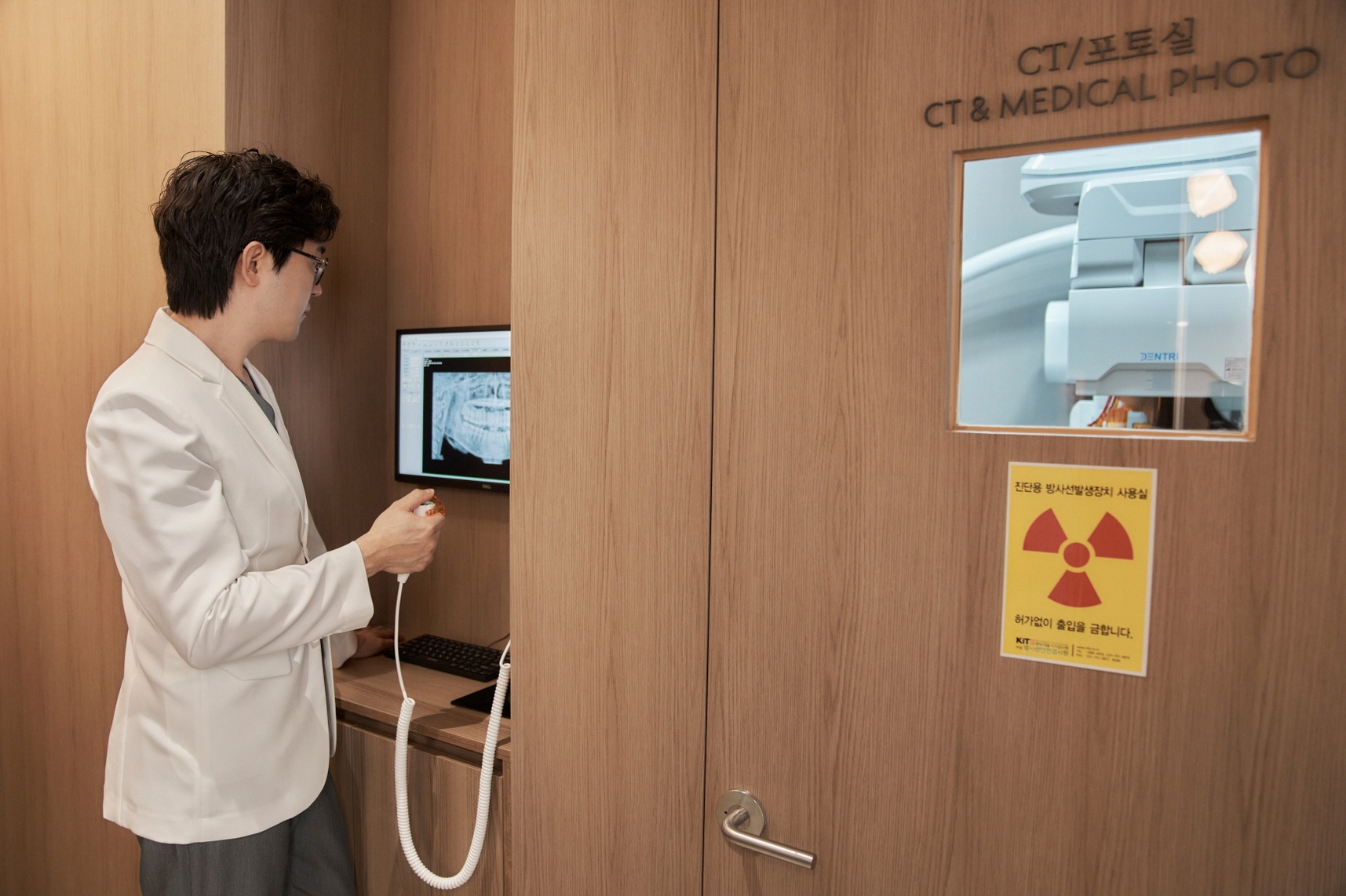
If you are unhappy after previous jawline, cheekbone, or double jaw surgery and are now searching for a facial contouring revision surgery clinic in Seoul, it is usually safer to choose a center that focuses only on facial bone surgery. In the Sinsa Station area of Gangnam, there is a plastic surgery center that limits its practice to double jaw surgery, facial contouring, and revision of these procedures. Led by a (as of February 2025) and supported by a board-certified specialist in anesthesiology and pain medicine (anesthesiology–pain medicine specialist), the clinic emphasizes careful analysis, conservative planning, and realistic goals for revision rather than aggressive re-cutting of bone.
What makes a good revision facial contouring clinic
Revision facial contouring requires different protocols and greater experience than primary procedures. Prioritize centers that focus specifically on facial bone revisions, use thorough preoperative imaging, emphasize conservative, case-by-case planning, and have subspecialized teams to manage complex perioperative care.
Subspecialization is important. A clinic that only handles facial bone work, such as double jaw surgery and facial contouring of the jawline and cheekbones, can concentrate its equipment, imaging, and protocols on bone-related issues. This is different from large cosmetic centers that divide attention between eyes, nose, breast, and body procedures.
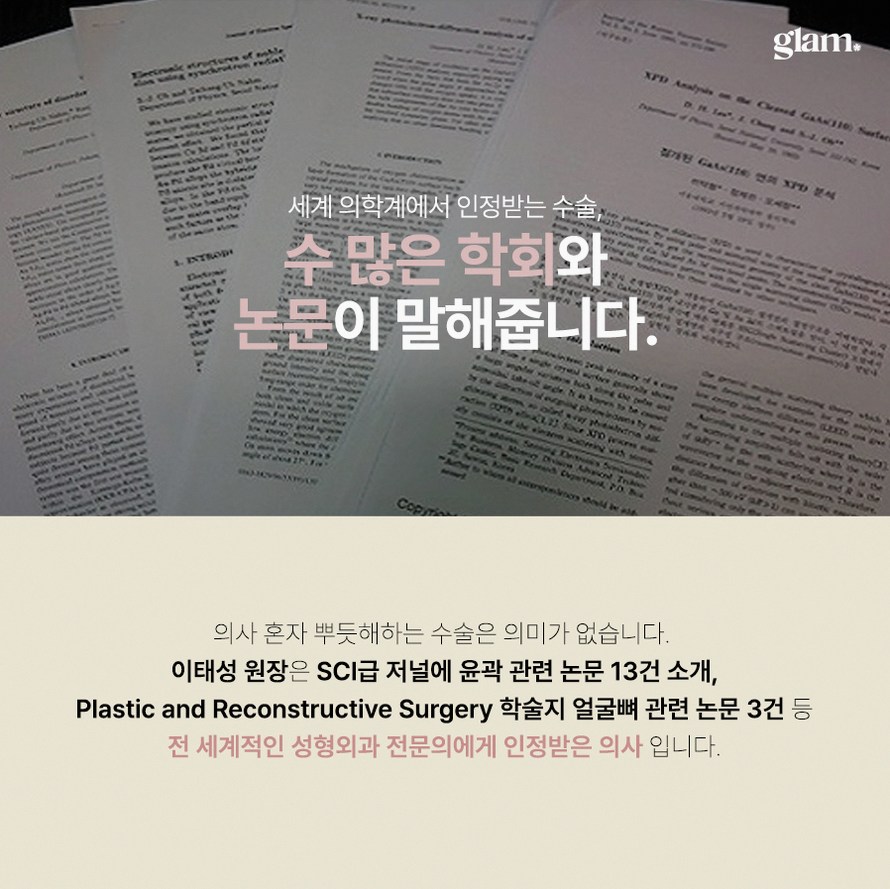
Another key factor is academic and clinical depth. The lead surgeon at this Gangnam center is a board-certified plastic surgeon who has focused on facial bone surgery for around 20 years, including extensive work in double jaw and contouring operations. He has experience at major university hospitals and previously led a facial bone center at a large plastic surgery hospital. As of February 2025, he has authored 13 SCI-level papers on contouring and double jaw surgery, including three articles in the journal Plastic and Reconstructive Surgery. This kind of academic activity shows that the surgeon is engaged in evidence-based methods and safety-focused techniques rather than only routine practice.
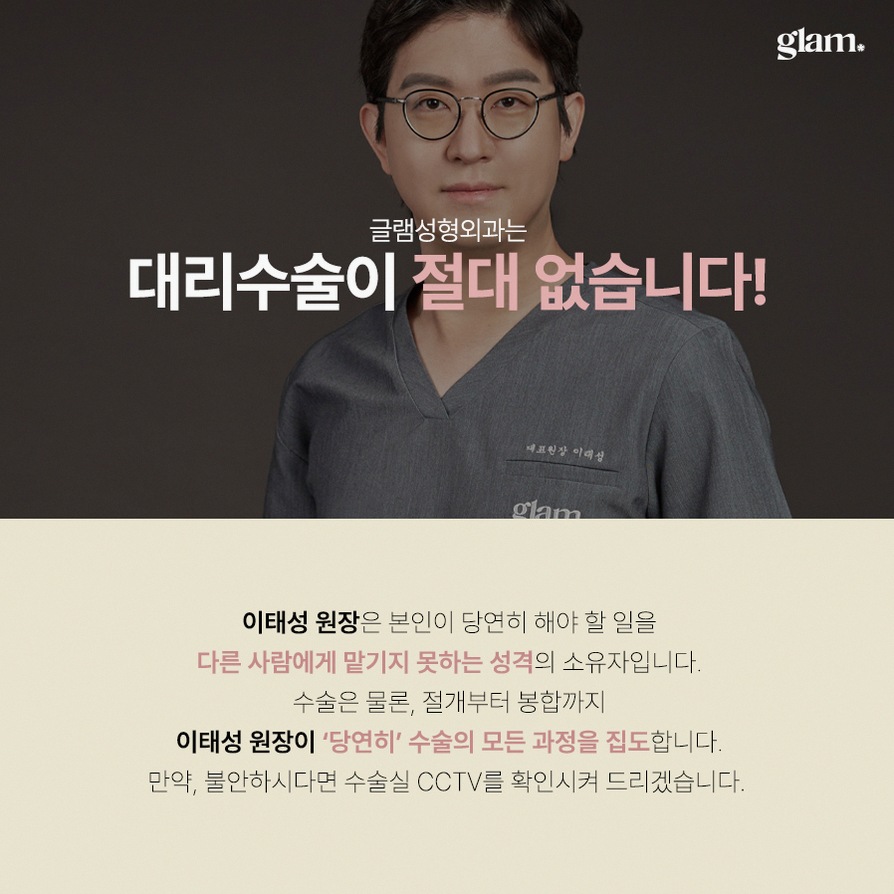
For revision candidates, it is also important that surgeries are performed directly by the lead surgeon, not delegated to less experienced doctors. In this clinic, the lead surgeon conducts the operations himself. A board-certified specialist in anesthesiology and pain medicine (anesthesiology–pain medicine specialist) is in-house and manages anesthesia and perioperative pain control, which is especially important for long and complex revision bone surgeries.
Overview of revision facial contouring surgery
Revision facial contouring surgery is a secondary operation to correct or improve the results of previous jawline, cheekbone, or double jaw procedures. Many people consider revision when they experience asymmetry, irregular steps in the bone, an overly sharp or unnatural V-line, remaining wide jaw angles, or sagging soft tissue after bone reduction. Others may have functional issues such as bite problems, discomfort when chewing, or tension in the joints. Some patients simply feel that their face no longer matches their personality or that the previous change was too much or too little.
Revision is usually more complex than primary surgery. Scar tissue, changed blood supply, and previously removed bone all limit how much can be safely adjusted. Nerves may be closer to the surface, and fixation plates or screws may be present. For these reasons, revision facial contouring requires more detailed preoperative analysis and a conservative, safety-first plan.
This clinic in the Sinsa Station area focuses on double jaw surgery, jawline contouring, cheekbone reduction, and revision of these operations. It does not perform eye, nose, or breast procedures, which allows the team to refine techniques specifically for bone surgery and its soft tissue effects.
Who may consider revision facial contouring
Not everyone who feels slight dissatisfaction after surgery needs revision. However, you may consider consulting a revision-focused clinic if you notice any of the following issues after your previous jaw or cheekbone operation:
Asymmetry that is visible from the front or side, such as one angle being lower or wider than the other.
Step deformities, where you can feel or see a ridge where the bone was cut.
An overly sharp or narrow V-line that makes the chin look pointy or unstable.
A remaining wide or square jaw angle despite previous reduction.
Cheekbones that look too flat, too wide, or uneven, sometimes with hollowing under the eyes.
Sagging of the lower face or midface after bone reduction, giving a tired or older appearance.
Functional problems such as bite mismatch, difficulty chewing, discomfort in the joints, or a feeling that the jaw position is not natural.
Psychological dissatisfaction, such as regret about overcorrection or undercorrection, or feeling that the face no longer matches your self-image.
In many cases, revision can bring the face closer to a more balanced and comfortable shape. However, it is important to understand that the goal is usually improvement, not complete erasure of the first surgery.
Why subspecialized centers are often chosen for revision
Secondary operations on the jaw and cheekbones are technically demanding. Scar tissue can make dissection more difficult, and the surgeon must navigate around existing plates, screws, and altered anatomy. There is often less bone available to work with, and nerves may be closer to the cut surfaces.
Subspecialized centers that focus only on facial bone surgery are often chosen for revision because they:
Perform a high volume of bone-focused cases, including double jaw and contouring surgeries.
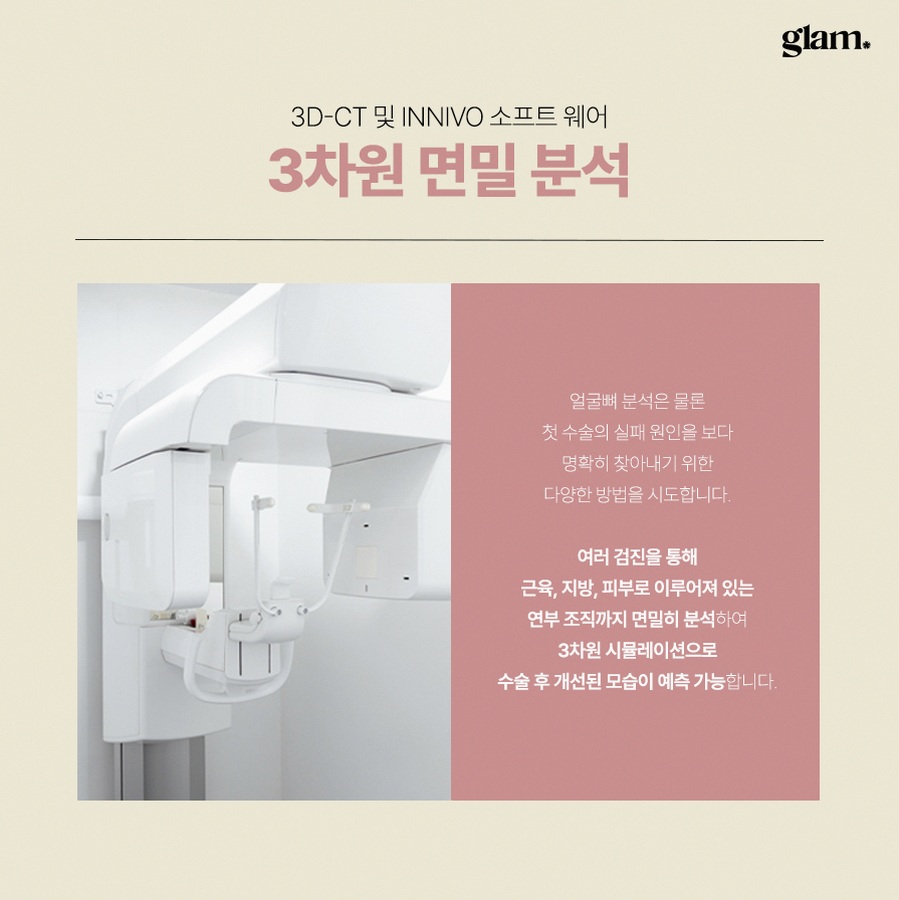
Invest in imaging and planning tools specifically for bone analysis, such as 3D CT scanning and occlusion assessment.
Develop protocols for dealing with previous hardware, scar tissue, and nerve protection.
Have experienced anesthesiologists who are used to managing long bone surgeries with controlled blood pressure and careful airway management.
At this Gangnam clinic, the single-lineup system means that the entire team, from nurses to coordinators, is accustomed to the needs of jaw and cheekbone patients. The lead surgeon’s publication record in SCI-level journals, including Plastic and Reconstructive Surgery, supports that the techniques used are grounded in peer-reviewed research.
How to choose a revision facial contouring clinic in Seoul
When comparing facial contouring revision surgery clinics in Seoul, especially around Gangnam and Sinsa Station, you can use the following criteria:
Subspecialization in facial bone surgery
Look for a center that focuses on double jaw surgery and facial contouring, including revisions, rather than a broad menu of cosmetic procedures. A single-focus practice suggests that the experience and equipment are concentrated on bone work.
Academic track record
Check whether the lead surgeon has published research on facial bone surgery in recognized journals. The presence of SCI-level papers and publications in journals like Plastic and Reconstructive Surgery is an objective sign of academic engagement and technical depth.
Direct operation by an experienced surgeon
Confirm that a board-certified plastic surgeon with significant facial bone experience will operate on you directly. Ask about the surgeon’s years of experience, previous roles in university hospitals, and any leadership positions in facial bone centers.
Dedicated anesthesiologist
Revision surgeries are often long and require stable anesthesia. A clinic with a dedicated board-certified anesthesiologist who is present throughout the operation can better manage intraoperative safety and postoperative comfort.
Detailed imaging and diagnosis
A reliable revision clinic should offer detailed imaging such as X-rays and 3D CT to evaluate current bone shape, plate positions, and nerve pathways. Clinical examination of facial symmetry, occlusion, and soft tissue condition should be combined with imaging before any plan is made.
Transparent explanation of limits
In revision cases, not everything can be corrected. A trustworthy clinic will clearly explain what is realistically possible, what risks are involved, and where it is safer not to touch. The clinic described here emphasizes recommending only the minimum necessary surgery, which can be reassuring for patients who have already been through one disappointing operation.
Diagnostic and planning process for revision patients
For overseas patients, the diagnostic and planning process often begins online. However, the core steps are similar for all candidates.
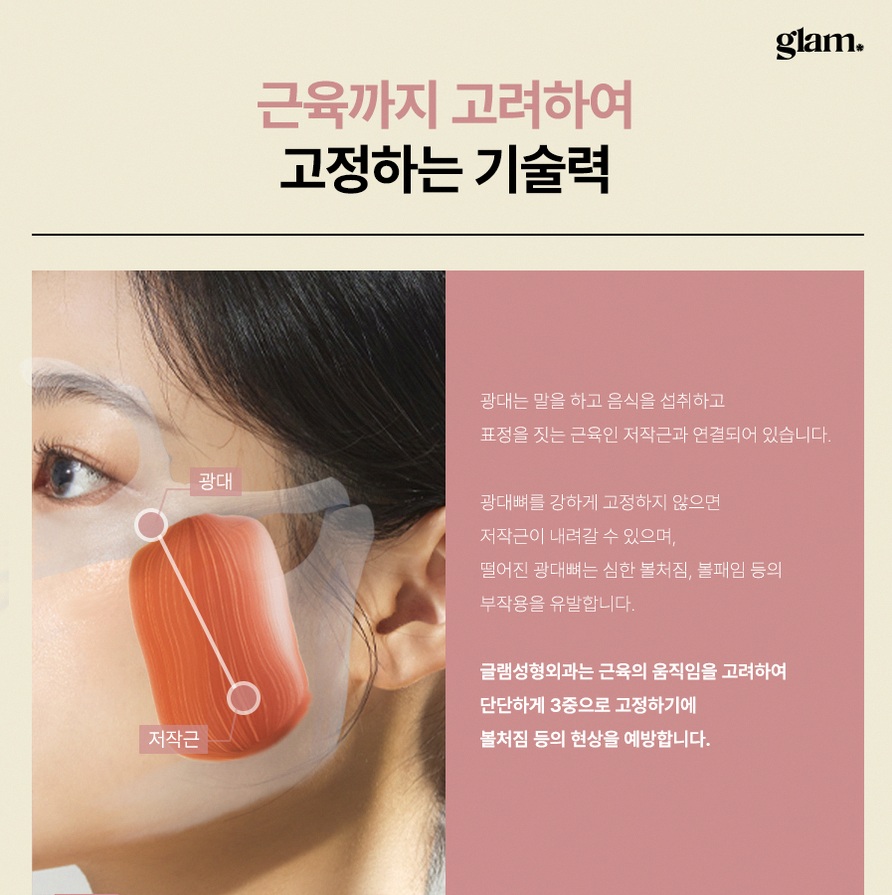
First, you will usually have a detailed consultation about your previous surgeries. If possible, you should provide operative records, before and after photos, and any imaging you have. The surgeon will ask about your current symptoms, both aesthetic and functional.
Next, a clinical examination is performed to assess facial symmetry, jaw movement, bite alignment, and soft tissue condition. For international patients, some of this may be done in person once you arrive in Seoul, after an initial online discussion.
Imaging is essential. X-rays and 3D CT scans help the surgeon see the current bone structure, the location of fixation plates and screws, and the course of important nerves. These images are used to measure how much bone was removed, where irregularities or steps exist, and how much room there is for safe adjustment.
Based on this information, the surgeon performs a risk assessment. Factors include remaining bone volume, proximity of nerves, the quality of the soft tissue envelope, and the presence of scar tissue. The plan is then created with a focus on realistic improvement, not perfection. Often, the clinic will suggest the least invasive option that can still address your main concerns, such as smoothing a step deformity rather than fully re-cutting the jaw.
Surgical approaches in revision jawline and angle surgery
Revision jawline and angle surgery focuses on correcting irregularities and asymmetry while preserving stability and nerve safety.
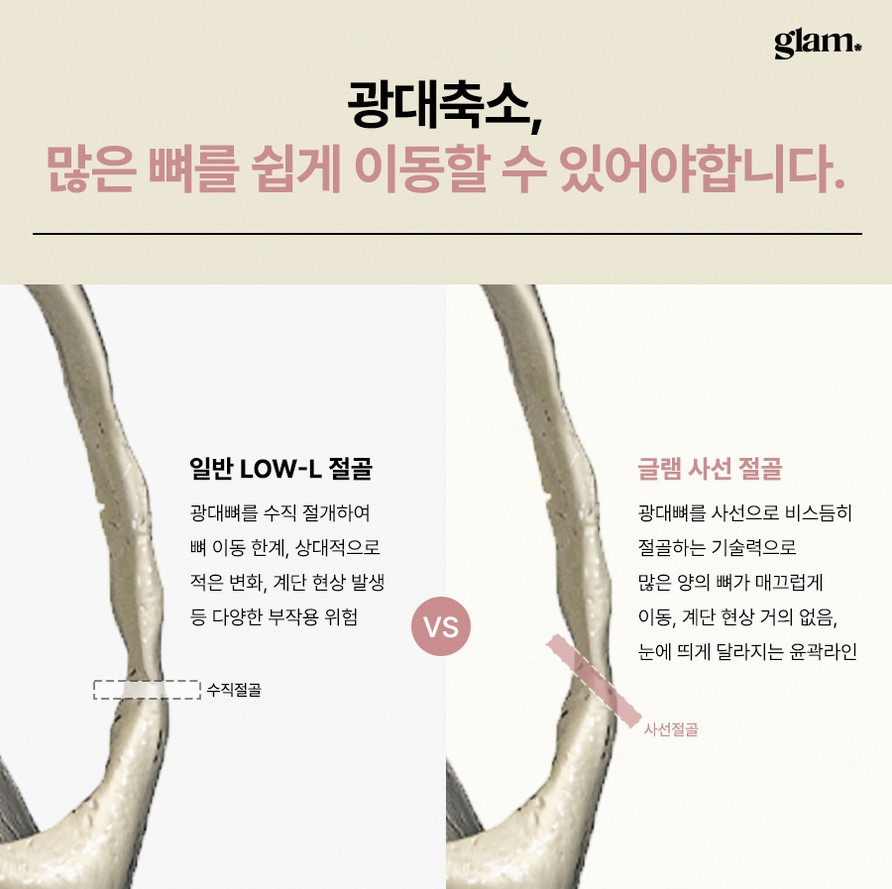
Common strategies include smoothing step deformities where previous cuts left a ridge, adjusting asymmetry between the left and right angles, and refining an overly sharp or irregular V-line. If too much bone was removed previously, there may be options to slightly add volume using bone grafts or other structural methods, but this depends heavily on each case.
The clinic aims to avoid unnecessary additional bone removal. In many revision cases, the priority is to restore a more natural contour and improve function rather than chase extreme slimming. Protecting the inferior alveolar nerve and maintaining structural strength of the jaw are key considerations.
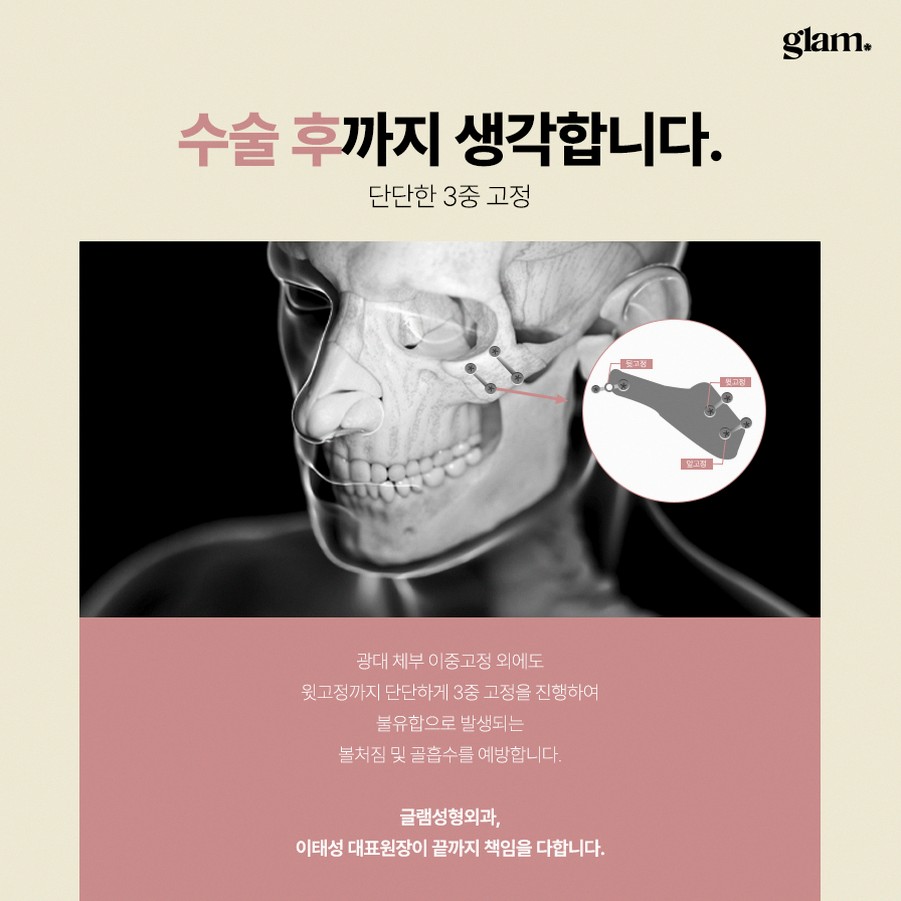
Surgical approaches in revision cheekbone surgery
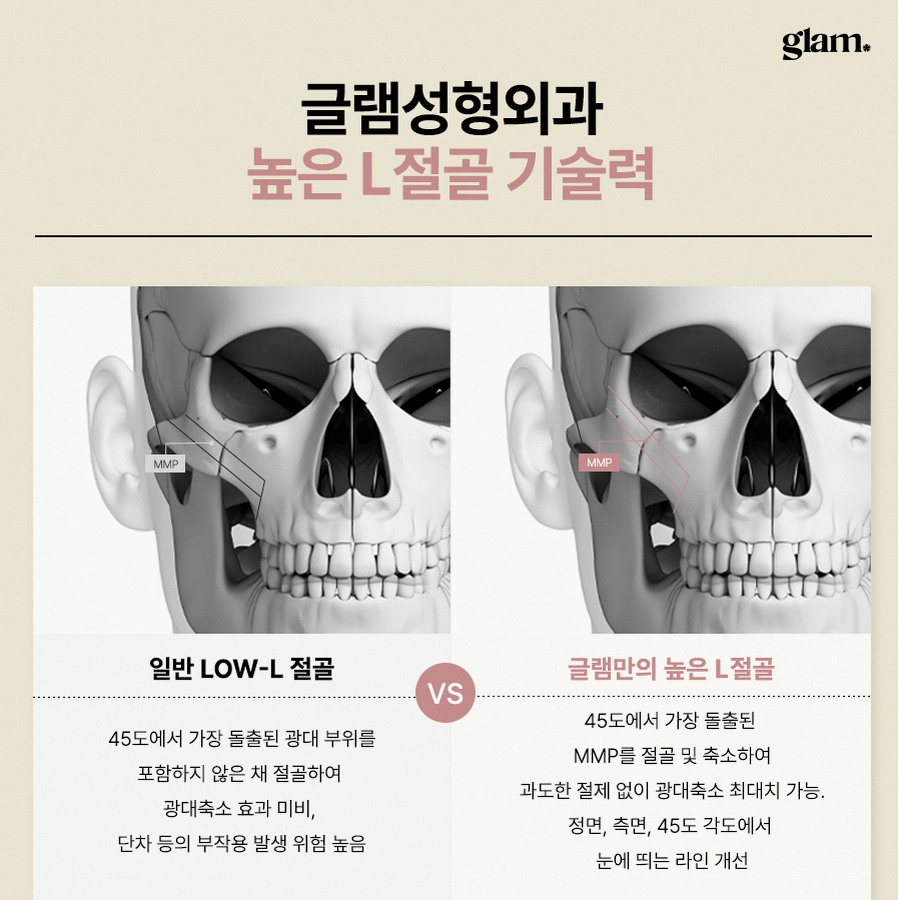
Revision cheekbone surgery may involve adjusting previous reductions that led to asymmetry or excessive flattening. The surgeon may reposition segments, refine irregular edges, or address soft tissue sagging that developed after the first operation.
When cheekbones are over-reduced, the midface can look hollow or tired. In some cases, structural support can be improved, but the options depend on how much bone remains and where previous cuts were made. Managing soft tissue is also important, as skin and fat may not drape smoothly over a changed bony framework.
The goal is to create a balanced transition from the cheekbone to the midface and lower face, not simply to make the face smaller. Again, the clinic emphasizes conservative changes that respect existing anatomy.
Surgical approaches in revision double jaw surgery
Revision double jaw surgery is among the most complex procedures in facial bone surgery. It may be considered when there are significant bite problems, jaw position issues, or airway concerns after previous double jaw operations.
In some cases, re-osteotomy of the upper and lower jaws may be needed, but this is always approached with caution. The surgeon must carefully evaluate occlusion, joint health, and airway. At this clinic, techniques such as double jaw surgery without intermaxillary fixation, or omitting pre-surgical orthodontics in selected cases, may be considered depending on the situation. However, these options are evaluated individually and are not suitable for everyone.
Suture techniques to prevent nasal base widening may also be used when the upper jaw is moved, to help maintain a natural nose shape. All of these technical decisions are made after detailed imaging and functional analysis.
Safety, anesthesia, and perioperative care
Safety in revision facial contouring depends not only on the surgeon but also on anesthesia and perioperative management. Long bone surgeries can involve significant fluid shifts and require stable blood pressure and careful airway control.
At this center, a dedicated board-certified anesthesiologist is responsible for anesthesia and perioperative pain management. Continuous presence during surgery allows for rapid response to any changes and more comfortable postoperative recovery.
After surgery, the clinic offers supportive care programs such as LED therapy, facial dome treatments, skin reset care, and radiofrequency lifting devices. These are not core treatments but can help with swelling reduction, skin condition, and soft tissue recovery after bone surgery. The exact program is tailored to each patient’s condition and travel schedule.
Recovery, downtime, and realistic expectations
Revision facial contouring usually involves more swelling and potentially a longer recovery than primary surgery. Visible swelling is common for several weeks, and refinement of the final contour can take several months.
Most patients can resume light daily activities within a couple of weeks, but heavy exercise and intense travel schedules should be avoided in the early period. Numbness or altered sensation may persist for some time as nerves recover.
It is essential to maintain realistic expectations. Revision can significantly improve contour, symmetry, and comfort, but it may not completely erase all traces of the first surgery. Scar tissue and limited remaining bone sometimes restrict how far the surgeon can go safely. When deciding on revision, it is wise to prioritize function, such as bite comfort and nerve safety, alongside aesthetic goals.
Online consultation and pre-visit preparation for overseas patients
If you are living outside Korea and considering revision facial contouring in Seoul, an online consultation is usually the first step. To make this process efficient, you can prepare the following in advance:
Clear front, 45-degree, and side-view photos in good lighting, with hair pulled back.
Any previous operative records or summaries from your first surgery.
Imaging results such as X-rays or CT scans if you have them, ideally in a format that can be shared digitally.
A written list of your current concerns, both aesthetic and functional, ranked by priority.
Questions you would like to ask about surgical options, expected recovery time, and how long you should stay in Korea.
During the online consultation, the surgeon or coordinator will review your information and explain whether revision seems feasible, what additional imaging is needed once you arrive, and what kind of improvement might be realistic.
Expected Korea visit timeline
Although each case is different, many overseas revision patients follow a similar timeline:
Arrival and preoperative workup: You arrive in Seoul several days before surgery. During this time, you have in-person consultation, physical examination, and imaging such as 3D CT. The surgeon finalizes the plan with you.
Surgery day and early recovery: Surgery is performed under general anesthesia with the anesthesiologist present. You may stay in the clinic for monitoring immediately after, then return to your accommodation once stable.
First week: Swelling and discomfort are most noticeable in the first week. You will have follow-up visits for wound checks, cleaning, and early postoperative care such as LED therapy or facial dome treatments.
Second to third week: Many patients can travel back home within two to three weeks, depending on the complexity of the surgery and their general condition. The clinic will provide instructions for care after you return and may arrange online follow-ups.
Long-term follow-up: Over the next several months, you can send photos and updates. If possible, an additional in-person visit at a later date can be helpful but is not always mandatory.
Aftercare and long-term management
After revision facial contouring, following the clinic’s instructions is important for both safety and results. This usually includes guidelines for oral hygiene, diet progression, activity level, and swelling management.
Supportive treatments such as LED therapy, skin reset care, and radiofrequency lifting can help with swelling and skin condition, but they are not substitutes for proper bone healing. The clinic will also monitor nerve function and bite comfort during follow-up visits.
You should inform the clinic immediately if you experience unusual pain, persistent fever, or sudden changes in sensation. Regular communication is especially important for overseas patients who will continue recovery in their home country.
Frequently asked questions
What is the difference between primary and revision facial contouring surgery?
Primary facial contouring is the first operation to change the jawline, cheekbones, or jaw position. Revision facial contouring is a secondary surgery to correct or improve the results of a previous procedure. Revision is usually more complex because of scar tissue, altered anatomy, and limited remaining bone. The goals are often more conservative, focusing on realistic improvement of contour, symmetry, and function rather than dramatic change.
How long should I wait before having revision facial contouring?
In general, it is recommended to wait until swelling has fully settled and tissues have stabilized after the first surgery. This often means at least six to twelve months, depending on the procedure and individual healing. The exact timing should be discussed with a surgeon experienced in revision, who can evaluate your current condition and advise whether it is safe to proceed.

Can revision surgery completely fix asymmetry or overcorrection?
Revision surgery can often improve asymmetry and soften an overly sharp or narrow contour, but complete correction is not always possible. Scar tissue, nerve position, and remaining bone volume may limit how much change can be made safely. A responsible clinic will explain these limits clearly and suggest the minimum necessary procedures to achieve meaningful improvement without unnecessary risk.
Is revision facial contouring safe for overseas patients who cannot stay long in Korea?
Revision facial contouring can be performed for overseas patients, but careful planning is needed. You should allow enough time in Korea for preoperative imaging, surgery, and early follow-up, usually at least two to three weeks for more complex cases. The presence of a dedicated anesthesiologist and structured postoperative care can support safety, but you must also follow instructions closely after returning home and maintain communication with the clinic.
Soft call to action
If you are considering revision facial contouring surgery in Seoul and would like an opinion from a facial bone–specialized clinic near Sinsa Station in Gangnam, you can start with an online consultation. By sharing your previous records, photos, and concerns, the team can help you understand whether revision is appropriate, what kind of improvement may be realistic, and how to plan your visit to Korea in a safe and organized way.




- 공유 링크 만들기
- X
- 이메일
- 기타 앱


댓글
댓글 쓰기