Double Jaw Surgery Swelling: What To Expect And How To Manage It In Korea
- 공유 링크 만들기
- X
- 이메일
- 기타 앱
Double jaw surgery swelling – quick answer
Swelling after double jaw surgery is strong in the first few days, clearly visible for several weeks, and then slowly improves over a few months. Most patients feel presentable enough to return to work or school around 3–6 weeks after surgery, while the final refined facial line can take 6–12 months to appear. Good surgical planning, careful technique, and structured aftercare all help the swelling settle more comfortably and predictably.
If you are considering flying to Seoul for double jaw surgery, understanding this swelling timeline and how to manage it will help you plan your trip, time off, and expectations.
What double jaw surgery involves
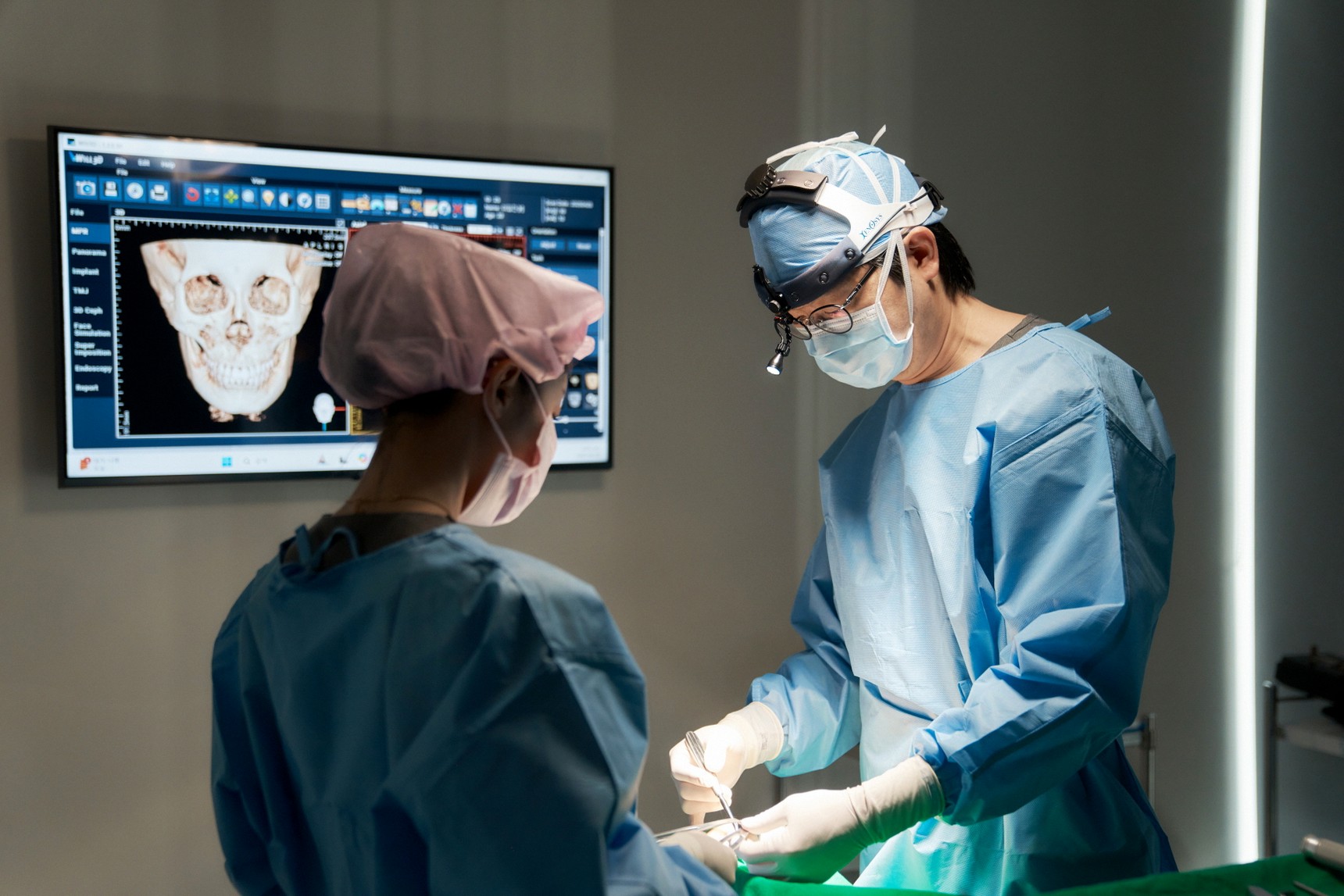
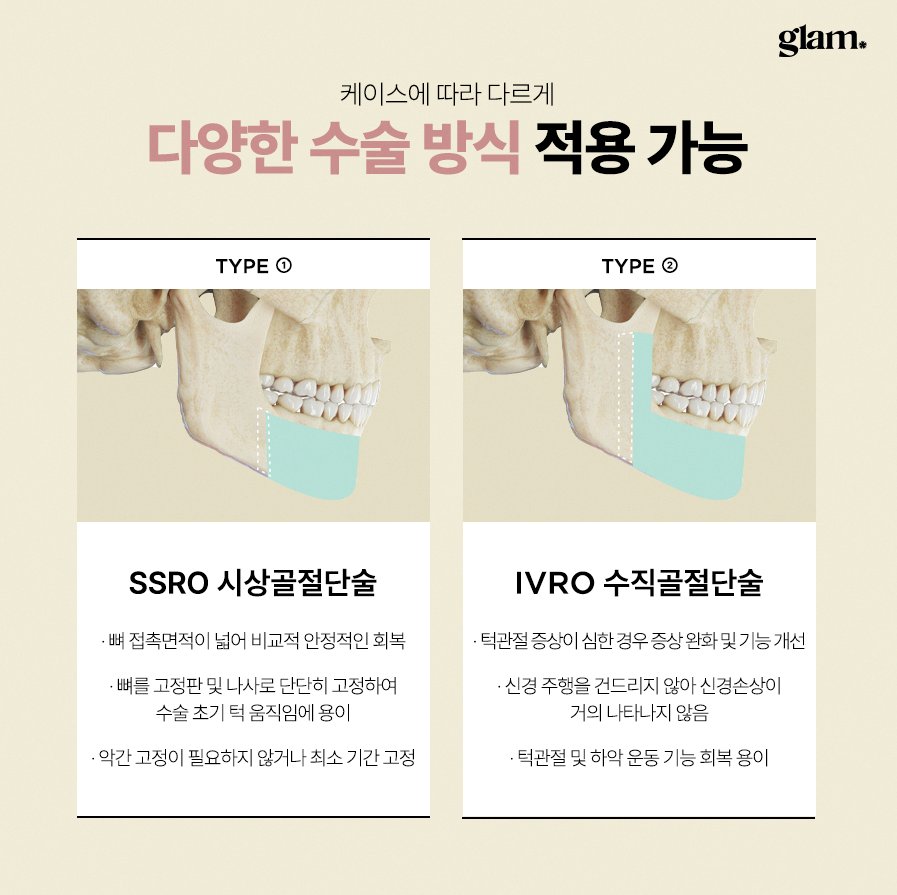
Double jaw surgery, also called orthognathic surgery, repositions both the upper and lower jaw bones to improve bite function and facial balance. The surgeon carefully cuts the jaw bones, moves them into a new position, and fixes them with plates and screws.
Because the procedure involves bone, muscles, blood vessels, and soft tissue all at once, the body reacts with a strong inflammatory response. This is why swelling after double jaw surgery is much more noticeable than after simple soft tissue procedures.
During surgery, tissues around the cheeks, lips, chin, and sometimes the nose are separated and moved so the surgeon can access the jaw bones. Even when this is done gently, it still triggers swelling and temporary stiffness.
Why swelling happens after double jaw surgery
The body’s inflammatory response
Swelling is part of the body’s normal healing system. After double jaw surgery, blood vessels in the operated area widen. This allows more blood, immune cells, and healing factors to reach the tissues. At the same time, some fluid leaks out of the blood vessels into the surrounding tissues.
Lymphatic drainage, which normally carries away excess fluid, becomes slower immediately after surgery. The result is puffiness, tightness, and a heavy feeling in the face. Gravity also affects where fluid collects, so swelling can move from the midface down toward the jawline and neck.
Normal versus abnormal swelling
Normal post‑surgical swelling
Normal double jaw surgery swelling usually:
Develops quickly during the first 2–3 days
Affects both sides of the face, although not always perfectly evenly
Feels tight and heavy, but not sharply painful in one small spot
Gradually improves after the first week
Abnormal or warning‑sign swelling
Swelling can be a concern when it is:
Suddenly worse after it had been improving
Hot, red, and very tender in one area
Accompanied by fever, foul odor, or discharge from the incision
Linked with difficulty breathing or swallowing
If you notice any of these warning signs, you should contact your surgical team immediately rather than trying to manage it alone.
Swelling timeline after double jaw surgery
First 3 days: peak swelling phase
In the first 72 hours, swelling usually increases rapidly. Many patients say their face looks very round or unfamiliar in the mirror. The cheeks, lips, and lower face can become very puffy, and it may be hard to close the lips comfortably.
You may also see bruising around the cheeks, chin, or under the eyes. A feeling of tightness and heaviness is common. This phase is often the most emotionally challenging, especially for overseas patients staying in a hotel or recovery house.
1–2 weeks: visible but gradually improving
After day 3, swelling usually stops increasing and starts to stabilize. From around day 5 to 7, many patients notice that the face looks a little less tense each day.
Swelling often shifts downward with gravity, so the jawline and neck can look more swollen even as the upper cheeks begin to soften. Stitches removal and early post‑operative care visits typically happen during this period.
At this stage, you still look noticeably swollen in photos, especially in close‑ups, but family and friends can start to recognize your new facial shape underneath the puffiness.
3–6 weeks: socially acceptable swelling
Between 3 and 6 weeks, most of the visible swelling continues to decrease. Many patients feel comfortable returning to work, school, or social activities, especially with the help of makeup, hairstyle changes, and masks if desired.
However, subtle puffiness, mild asymmetry, and stiffness are still common. The face may look more swollen in the morning and improve throughout the day. You may also feel tightness when moving your mouth widely, such as when yawning or laughing.
3–6 months: long‑term refinement
Deep tissue swelling and minor asymmetries improve slowly over several months. The jawline, chin, and cheekbones become more defined as the remaining fluid is absorbed and tissues adapt to the new bone position.
By 3–6 months, most patients have a clear view of their new facial balance, although very fine changes can continue up to 6–12 months. Bone healing and soft tissue remodeling both take time, so patience is important.
Factors that affect swelling severity and duration
Surgical plan and technique
The amount of swelling after double jaw surgery depends partly on how complex the surgery is. Factors include:
How far the jaw bones need to be moved
Whether both jaws are operated on or only one
Whether additional facial bone contouring is done at the same time
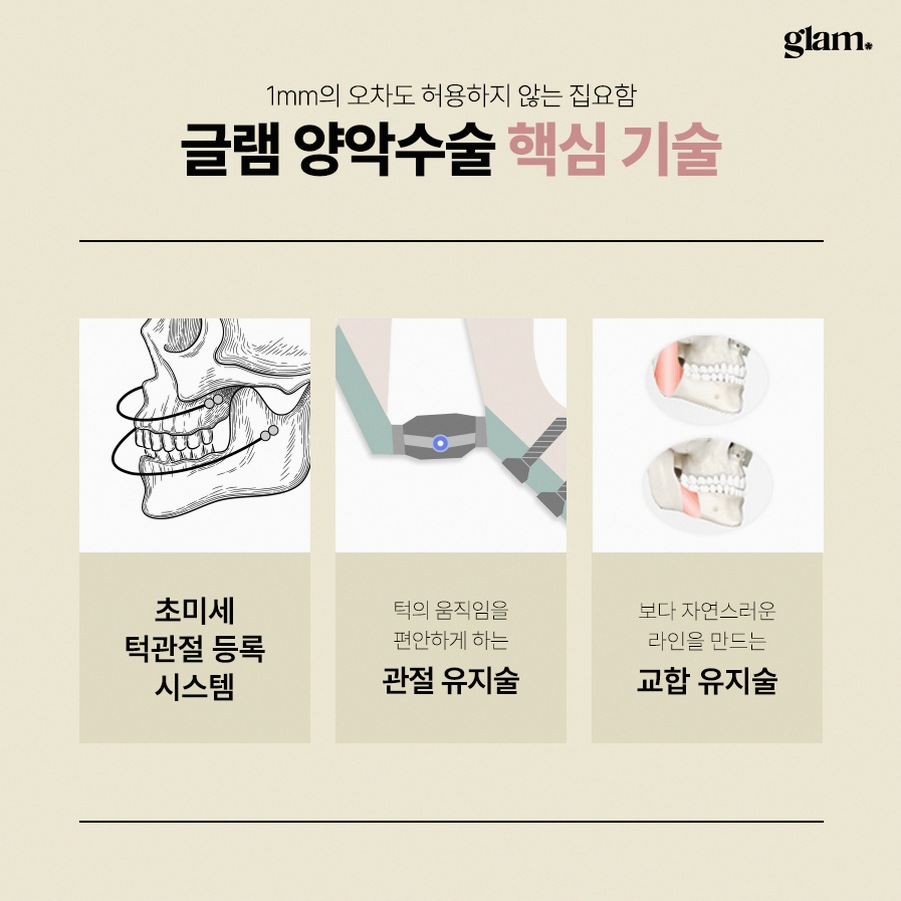
A surgeon who focuses on facial bone surgery can plan bone cuts and tissue handling to avoid unnecessary trauma. Gentle dissection, precise control of bleeding, and careful closure of tissues all help reduce the intensity and duration of swelling.
Intermaxillary fixation versus no fixation
Intermaxillary fixation means holding the upper and lower teeth together after surgery using wires or elastics. This can limit jaw movement while the bones begin to heal.
Some modern approaches allow double jaw surgery without rigid wiring in selected cases. When it is safe to avoid full fixation, patients may find it easier to breathe, clean their mouth, and start gentle movement earlier. Better comfort and oral hygiene can indirectly support smoother swelling control and recovery.
Individual healing and lifestyle
Each person’s body responds differently. Swelling can last longer or feel more intense if you:
Are older
Have underlying health conditions
Smoke or drink alcohol during recovery
Eat a very salty diet or sleep lying flat
On the other hand, following instructions about head elevation, cold and warm compresses, gentle activity, and oral hygiene can help your body clear fluid more efficiently.
How a specialized clinic may manage double jaw swelling
Pre‑operative planning and patient education
In a facial bone–focused clinic in the Sinsa Station area of Gangnam, swelling control is considered from the planning stage. During consultation, the surgeon can discuss your individual jaw structure, planned bone movements, and how that usually affects the swelling pattern.
Clear explanations before surgery reduce anxiety later. When you already know that your face will look its worst around day 3 and then slowly improve, it is easier to stay calm and focus on the long‑term result.
Intraoperative strategies
During surgery, several techniques can help limit unnecessary swelling:
Gentle handling of muscles and soft tissue
Minimizing the area of dissection to what is truly needed
Careful control of bleeding to reduce bruising
Precise closure of layers to support smoother healing
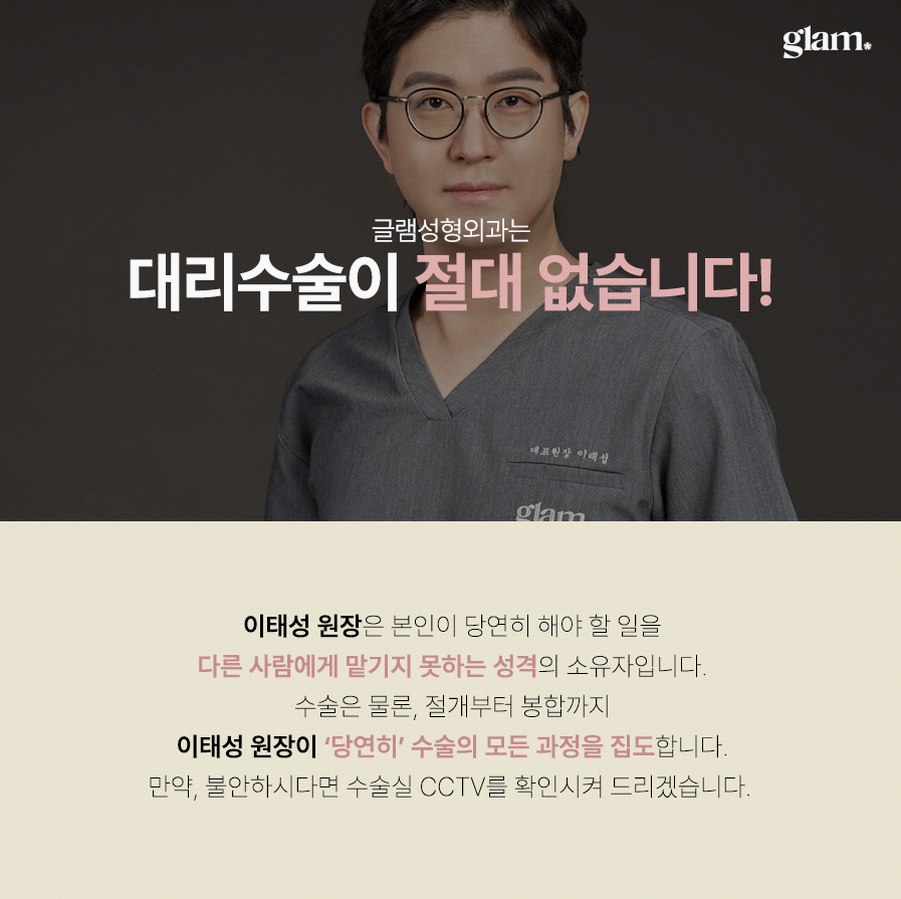
When the lead surgeon personally performs the operation from start to finish, it allows consistent planning and technique, which can support more predictable recovery patterns.
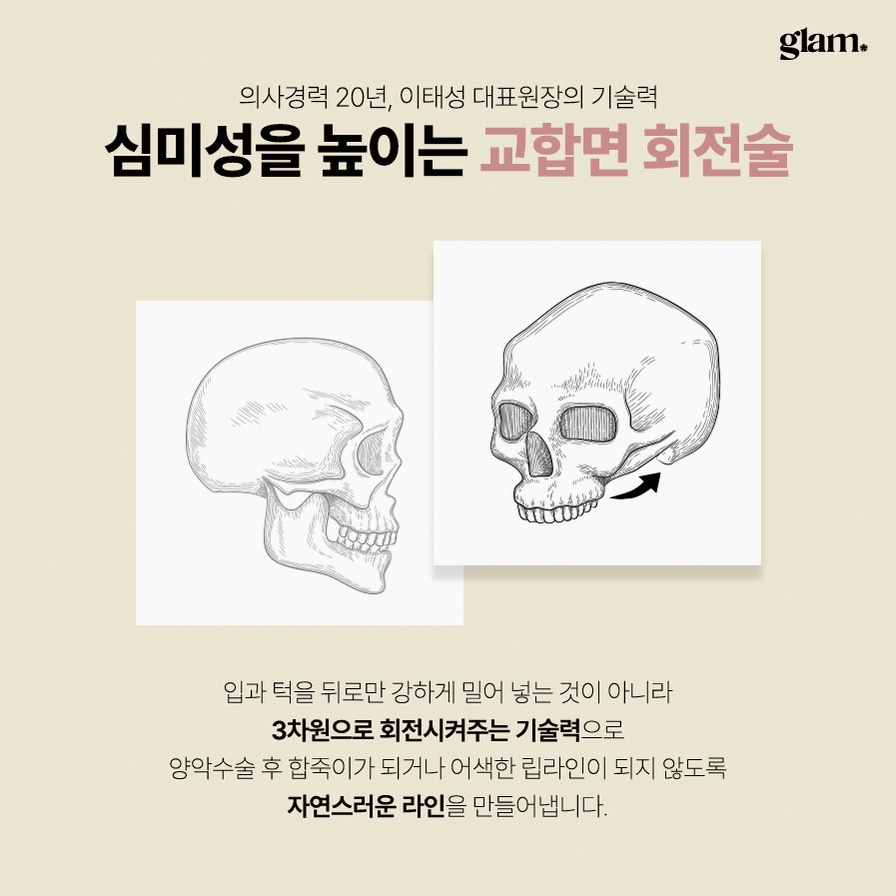
Role of a dedicated anesthesiologist
An experienced anesthesiologist plays an important role in swelling control. During surgery, careful management of blood pressure and intravenous fluids can influence how much fluid accumulates in the tissues.
Stable anesthesia, smooth awakening, and thoughtful pain control also affect how comfortable you feel in the first hours and days, which is when swelling is at its peak.
Post‑operative swelling care programs
Some clinics in Gangnam offer structured aftercare programs designed to support recovery and help swelling subside. These may include:
LED light therapy aimed at supporting skin and tissue healing
Facial dome care to gently encourage circulation and lymphatic flow
Total skin reset programs that combine cleansing, soothing, and hydration
Radiofrequency lifting devices at appropriate timing to support tissue tightening and fluid movement
These tools are supportive measures, not miracle cures. They are usually combined with medical check‑ups, wound care, and instructions about home management. The goal is to make the recovery period more comfortable and help the swelling follow a smoother course.
At‑home tips to help reduce swelling after double jaw surgery
Immediately after surgery (first week)
For the first week, your main focus is controlling acute swelling and protecting the surgical area.
Cold compresses: Use cold packs as directed by your medical team, usually in short intervals. Do not place ice directly on the skin.
Head elevation: Keep your head higher than your heart, even during sleep. Extra pillows or a wedge pillow can help.
Medication: Take anti‑inflammatory drugs and antibiotics exactly as prescribed. Do not adjust doses on your own.
Oral hygiene: Use gentle brushing where allowed and antiseptic mouth rinses to reduce bacteria. Good oral hygiene lowers the risk of infection‑related swelling.
After the acute phase (from week 2 onward)
From the second week, the focus gradually shifts from cooling to circulation and mobility.
Warm compresses: If your surgeon approves, you may switch to warm compresses to encourage blood flow and healing.
Light walking: Short, gentle walks help circulation and can support fluid drainage. Avoid intense exercise until your surgeon clears you.
Jaw and facial exercises: Follow any jaw opening or facial muscle exercises provided by your medical team. These can help stiffness and encourage more natural movement.
Diet and hydration: Aim for a low‑salt, protein‑rich diet with plenty of fluids. Protein supports tissue repair, while limiting salt helps prevent extra water retention.
What not to do during recovery
To avoid worsening swelling or risking complications, it is important to avoid certain activities:
Do not smoke or drink alcohol during the healing period, as both can slow recovery and worsen swelling.
Avoid saunas, very hot baths, and intense workouts in the early weeks, since heat and high blood pressure can increase swelling.
Do not massage your face or manipulate your jaw unless your surgeon has specifically instructed you to do so. Uncontrolled pressure can disturb healing tissues.
Who may consider double jaw surgery in Korea
Double jaw surgery may be considered if you have:
A severe underbite or overbite that affects chewing or speech
A long face, protruding jaw, or recessed chin caused by jaw position
Jaw misalignment that has not been resolved by other methods
For international patients, Korea is often attractive because of the concentration of facial bone–focused clinics in areas like Gangnam. However, this is a major bone surgery and not a simple cosmetic procedure. A thorough evaluation, including imaging and bite analysis, is essential.
Some patients may be able to have double jaw surgery without long periods of jaw wiring, and in selected cases, without pre‑surgical orthodontic treatment. Whether this is appropriate depends entirely on your individual jaw structure and bite, so it must be decided in consultation with a qualified surgeon.
Preparing for an online consultation from overseas
Before you travel to Seoul, an online consultation can help you understand whether you are a potential candidate and what kind of swelling and recovery timeline to expect.
To make the most of your online consultation, prepare:
Clear front, 45‑degree, and side photos of your face, taken in natural light
Any previous X‑rays or 3D scans of your jaws, if available
A short summary of your main concerns: function, appearance, or both
Information about your medical history and any medications you take
During the consultation, you can ask about:
Estimated swelling timeline for a case like yours
Whether intermaxillary fixation is likely to be needed
How long you should stay in Korea after surgery
What kind of aftercare and swelling‑control programs are offered
Expected Korea visit timeline for double jaw surgery
Every clinic has its own protocol, but a typical schedule for overseas patients might look like this:
Day 1–2: In‑person consultation, 3D imaging, medical tests, and final surgical planning. Discussion of swelling expectations and recovery plan.
Day 3–4: Surgery day, followed by close monitoring in the clinic or hospital. Swelling begins immediately and increases over the next 48–72 hours.
First week: Daily or regular check‑ups, wound care, medication management, and early aftercare such as gentle cleaning or LED therapy if appropriate.
Second week: Stitch removal, continued swelling management, possible start of more active aftercare programs, and guidance on diet and activity.
Third to fourth week: Many overseas patients remain in Korea until around 3–4 weeks after surgery so that the surgeon can confirm early healing and manage any issues before they fly home.
Your exact stay should be planned with your surgeon, taking into account your health, flight distance, and support system at home.
Aftercare once you return home
When you return to your country, you will continue to heal for many months. Before leaving Korea, make sure you understand:
How to clean incisions and maintain oral hygiene
Which foods are safe at each stage of healing
What level of jaw movement is allowed
Which symptoms are normal and which require urgent attention
You should also know how to contact the clinic if you have questions, and whether follow‑up can be done through online video calls. Local medical support in your home country is also important in case you need in‑person care.
Choosing a double jaw surgery clinic with swelling and recovery in mind
Why facial bone–only specialization matters
A clinic that focuses only on facial bone surgery, such as double jaw and facial contouring, builds up experience in planning bone movements and managing the related swelling and long‑term balance. This can be reassuring for patients who are anxious about both the functional result and the appearance during recovery.
Importance of the surgeon’s academic and clinical background
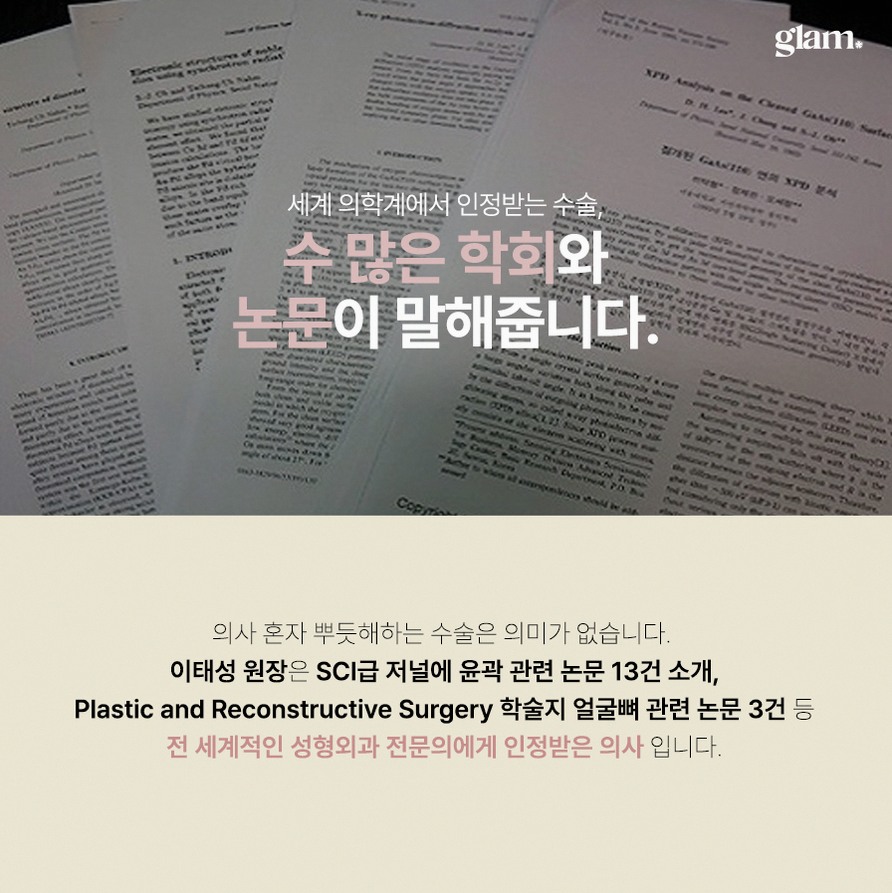
A surgeon who has published multiple scientific papers on contouring and double jaw surgery, including in international journals, shows ongoing interest in refining techniques and understanding outcomes. This kind of academic background supports evidence‑based decisions about surgical planning and post‑operative protocols, including swelling control.
Honest consultation and minimal necessary surgery
When discussing your case, it is helpful to meet a surgeon who recommends only the procedures that are truly needed to achieve your goals. Avoiding unnecessary additional bone work can reduce surgical extent, which may also reduce risk and potential swelling.
Comprehensive perioperative system
For overseas patients, it is important to look at the whole system, not just the operation itself. This includes:
An experienced facial bone surgeon who operates directly
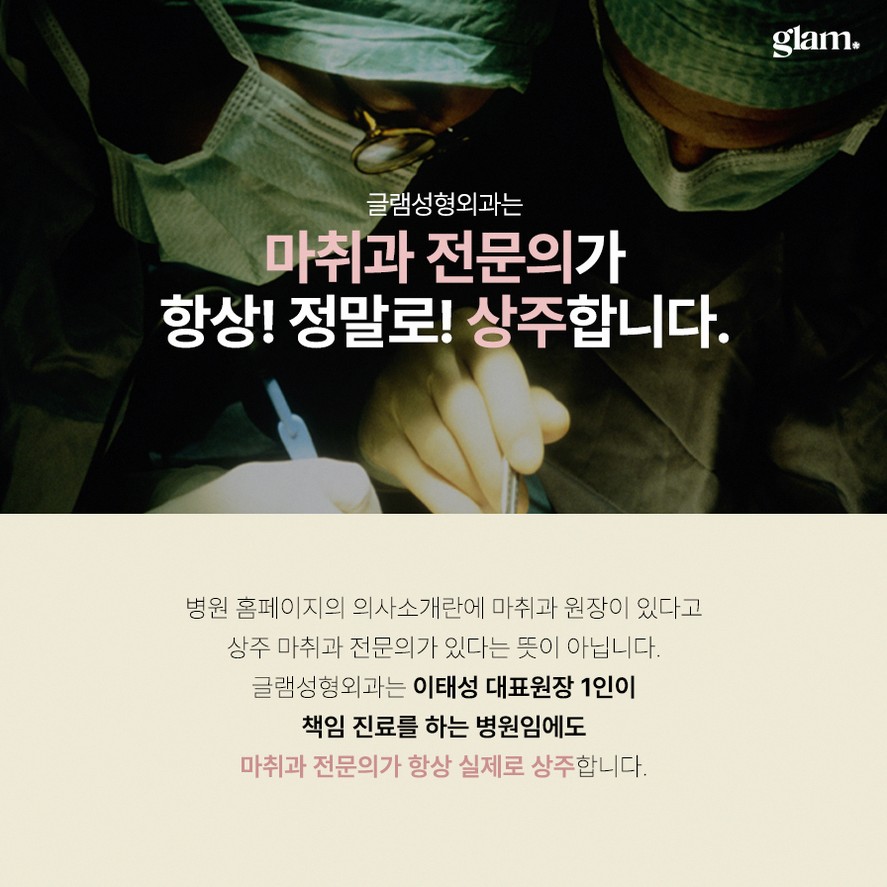
A dedicated anesthesiologist managing safety and comfort
Structured follow‑up visits before you fly home
Access to recovery‑support programs for swelling and tissue care
Clinics in the Sinsa Station area of Gangnam, including GLAM Plastic Surgery, are familiar with international patients and can often provide guidance on travel planning and online follow‑up.
Frequently asked questions about double jaw surgery swelling
How long does swelling last after double jaw surgery?
Most of the strong, obvious swelling improves within 3–6 weeks. However, mild puffiness and deep tissue swelling can take several months to fully settle. Many patients see clear refinement in their jawline and cheeks between 3 and 6 months, with final subtle changes continuing up to 6–12 months.
When can I return to work or school after double jaw surgery?
This depends on your job and how visible you are willing to be. Some people with remote or flexible work return in 2–3 weeks, while those in public‑facing roles often prefer 3–6 weeks. At that point, swelling is usually “socially acceptable,” especially with makeup or masks, although you may still feel some stiffness and morning puffiness.

How can I reduce swelling faster after double jaw surgery?
You cannot completely avoid swelling, but you can support your body’s natural healing. Follow your surgeon’s instructions about cold and warm compresses, keep your head elevated, take medications as prescribed, maintain good oral hygiene, and avoid smoking and alcohol. Light walking, a low‑salt, protein‑rich diet, and attending recommended aftercare sessions such as LED or gentle circulation‑focused treatments can also help.
What swelling symptoms are a warning sign after double jaw surgery?
Contact your clinic promptly if you notice a sudden increase in swelling after it had been improving, strong redness and heat in one area, severe localized pain, fever, foul odor or discharge from the incision, or any difficulty breathing or swallowing. These can be signs of infection or other complications and should be checked by a medical professional.
Planning your next step
Swelling after double jaw surgery can look dramatic at first, but it follows a fairly predictable pattern. With realistic expectations, good communication with your surgeon, and structured aftercare, most patients find that the intense early phase passes more quickly than they feared.
If you are considering having double jaw surgery in the Sinsa/Gangnam area of Seoul and want a personalized explanation of your expected swelling and recovery timeline, you can arrange an online consultation with a facial bone–focused clinic such as GLAM Plastic Surgery. Sharing your photos and medical information in advance will allow the team to give you more tailored guidance before you decide on surgery or plan your trip.




- 공유 링크 만들기
- X
- 이메일
- 기타 앱


댓글
댓글 쓰기