Double Jaw Surgery Swelling: Recovery Timeline and Care in Seoul
- 공유 링크 만들기
- X
- 이메일
- 기타 앱

Double Jaw Surgery Swelling: Direct Answer Summary
If you are planning double jaw surgery in Korea, it is important to know that swelling will be strong at first but it follows a fairly predictable pattern. The face usually looks most swollen around day 2–3, then slowly improves over several weeks. Many people feel socially presentable at about 3–4 weeks, while finer refinement continues for several months. Good surgical planning and structured aftercare can help the swelling go down more smoothly, but it cannot be completely avoided.
This guide explains what causes swelling after double jaw surgery, the usual recovery timeline, what is normal versus a warning sign, and how overseas patients can plan their visit to a facial bone specialty clinic near Sinsa Station in Gangnam, Seoul.
What Is Double Jaw Surgery And Why Swelling Matters
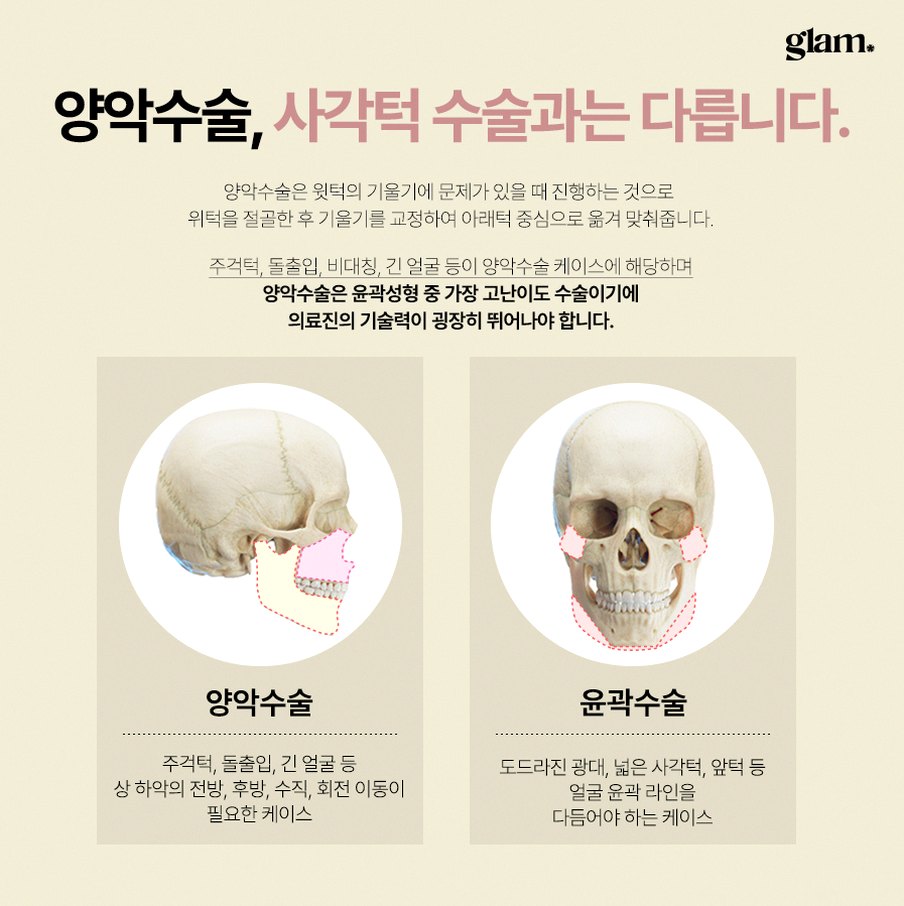
Double jaw surgery, also called orthognathic surgery, is a procedure that repositions both the upper and lower jaws. It is usually done to improve bite function, facial balance, or both. Because the surgeon works on bone and surrounding soft tissue at the same time, the body reacts with a strong inflammatory response. This is why swelling is more intense and lasts longer than after simple soft tissue procedures.
For many international patients, the biggest concern is how long the face will look swollen, and when it will be possible to return to work, school, or social activities. Understanding the normal course of swelling can reduce anxiety and help you plan your stay in Korea more realistically.
What Causes Swelling After Double Jaw Surgery
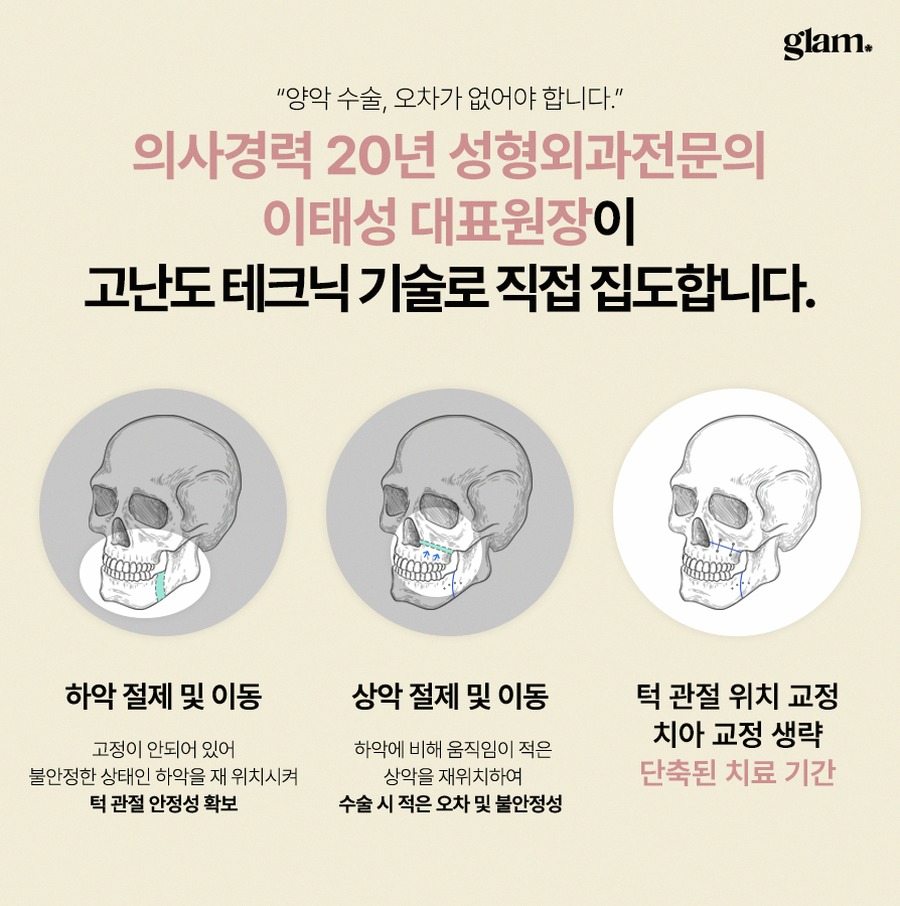
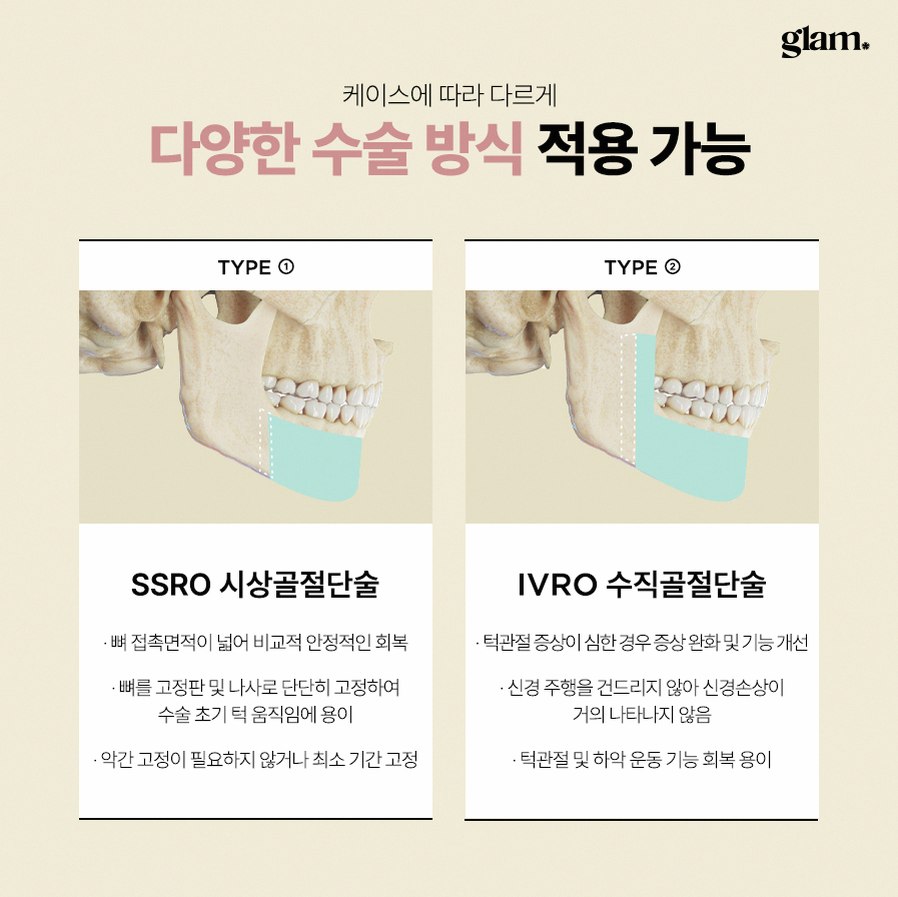
During double jaw surgery, the surgeon cuts and repositions the upper and lower jaw bones, then fixes them in the new position with plates and screws. To reach the bone, the soft tissues inside the mouth and around the jaws are gently separated. This process temporarily disturbs small blood vessels and lymphatic channels.
The body reacts to this controlled injury with an inflammatory response. Fluid and immune cells move into the area to start healing, which appears as swelling. Because both jaws and a wide area of soft tissue are involved, the swelling is more pronounced than after a single jaw operation or a minor facial procedure.
The degree and duration of swelling can vary from person to person. Factors include the exact surgical technique, total operation time, amount and direction of bone movement, your general health, and your individual healing capacity. Even with the same surgeon and similar plans, two patients can experience different levels of swelling.
Typical Swelling Timeline After Double Jaw Surgery
First 1–3 days: Peak swelling period
During the first few days, swelling increases rapidly and usually peaks around day 2 or 3. The face can look very round and enlarged, and many patients describe a feeling of tightness and heaviness. Bruising may appear around the cheeks, lower eyelids, or chin.
Breathing through the nose can feel stuffy, so mouth breathing is common in this period. Pain is usually manageable with prescribed medication, but pressure and discomfort are expected. Most patients stay in or near the clinic and focus on rest, medication, and basic hygiene.
Week 1–2: Visible but gradually improving swelling
After the peak, swelling starts to decrease slowly. The upper face and midface usually improve first, while the lower face and jawline remain puffy. Your profile may still look unfamiliar or unnatural, which can be emotionally challenging even though it is part of the normal process.
Stitches and wounds inside the mouth are healing, so talking and eating are still limited. Many patients can move around, shower carefully, and perform light daily activities. Early post‑operative care such as gentle cooling, head elevation, and clinic‑based therapies, if offered, can support this phase.
Week 3–4: Socially acceptable appearance for many patients
By the third and fourth week, major swelling continues to decrease and the face starts to resemble the planned final shape. From a distance, many patients look normal to others, although they still notice puffiness themselves.
Residual swelling often remains around the cheeks and jawline, and it may be more noticeable in the evening. Light work or school life is often possible at this stage, depending on your job type and your individual recovery speed.
1–3 months: Refinement phase
Between one and three months, the appearance usually refines further. In many cases, around 60 to 80 percent of the swelling has gone down by 1–2 months. Facial lines become clearer, and temporary asymmetries caused by uneven swelling gradually improve.
Numbness and stiffness can persist even after visible swelling has improved. Regular follow‑up visits and continued swelling‑care programs, when available, can help support this refinement phase and make the contour look more defined.
3–6 months and beyond: Near‑final result
Most patients see a near‑final facial shape by about six months after double jaw surgery. Very subtle residual swelling and tissue remodeling can continue up to one year. Nerve recovery, including numbness or tingling, may also continue over several months.
It is important to remember that early photos do not represent the final result. Comparing yourself to online images from different time points can be misleading and stressful.
Normal Versus Abnormal Swelling
After double jaw surgery, some degree of swelling is normal and expected. However, it is important to recognize warning signs that may indicate a complication such as infection or bleeding.
Features of normal post‑operative swelling
Normal swelling typically peaks within the first few days and then slowly decreases. It is usually fairly symmetrical on both sides, even if not perfectly even. The area may feel tight and heavy but tends to improve when you keep your head elevated and use cold or warm compresses as instructed by your surgeon.
Mild to moderate pain that responds to prescribed painkillers is common. Bruising may appear and then change color from red to purple to yellow‑green before fading over one to two weeks.
Red‑flag symptoms that need prompt evaluation
Certain symptoms require prompt contact with your surgical team or emergency care. These include a sudden increase in swelling after it had started to improve, severe throbbing pain that does not respond to medication, high fever, chills, or foul‑smelling discharge from the incision or mouth.
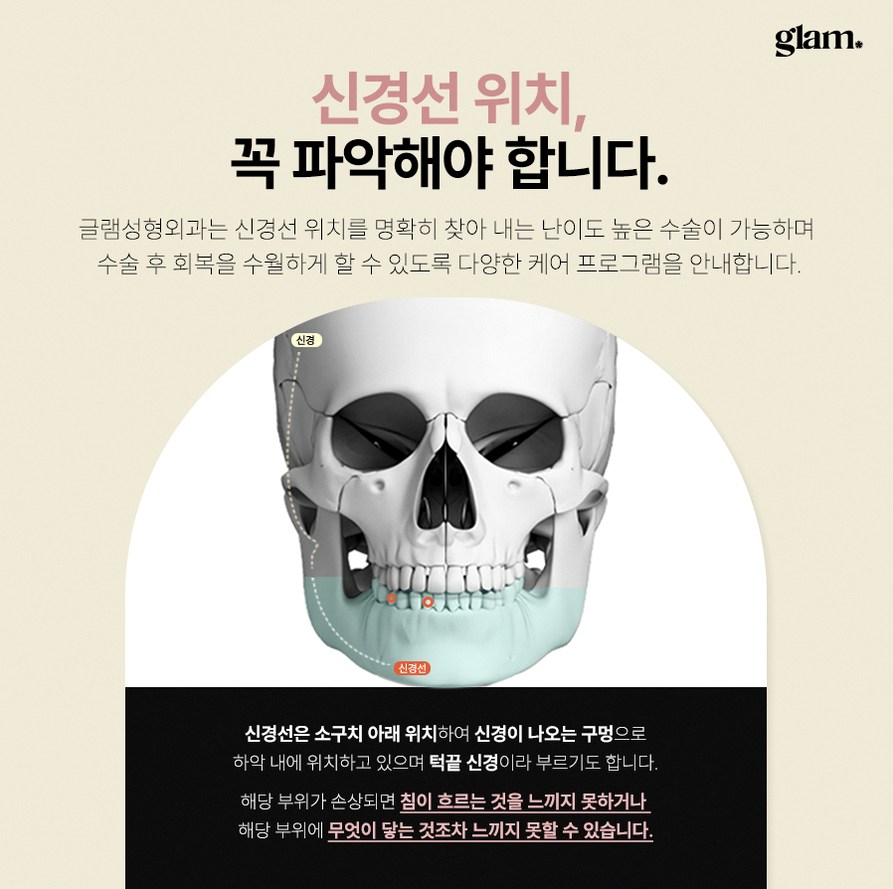
Marked asymmetry, where one side becomes very hard, hot, and significantly more painful than the other, can be a sign of infection or hematoma. Difficulty breathing, swallowing, or opening the mouth that worsens quickly is an emergency situation.
If you notice any of these red‑flag signs, do not rely on self‑diagnosis or online forums. Contact your clinic or seek urgent medical attention immediately.
How To Reduce Swelling After Double Jaw Surgery
While you cannot completely prevent swelling, you can support your body’s healing with practical steps. Always follow the specific instructions of your operating surgeon, as details may differ between clinics.
Head elevation
Keeping your head higher than your heart when resting or sleeping helps fluid drain away from the face. Many patients use extra pillows or a wedge pillow for the first few weeks.
Cold and warm compresses
In the very early phase, your clinic may recommend cold packs to reduce the initial inflammatory response. These are usually applied intermittently, with breaks in between, to avoid skin damage. After a few days, some clinics transition to warm compresses to promote circulation and help the remaining swelling move out more easily.
Gentle movement
After the initial rest period, short walks around your room or outside can improve blood and lymph circulation. This can help reduce stiffness and support swelling reduction, as long as you avoid overexertion.
Hydration and nutrition
Adequate fluid intake is important for healing. Follow the liquid or soft diet recommended by your surgeon, focusing on balanced nutrition with enough protein and calories. Poor nutrition can slow down recovery and prolong swelling.
Avoid smoking and alcohol
Smoking and alcohol can worsen swelling and delay wound healing. Most surgeons advise avoiding both before and after surgery for a certain period. Discuss the exact timing with your medical team.
Oral hygiene
Careful mouth rinsing and gentle brushing, as instructed, help reduce the risk of infection. Infections can increase swelling and pain, so maintaining oral cleanliness is an important part of swelling control.
Medication adherence
Take prescribed anti‑inflammatory drugs, antibiotics, and other medications exactly as directed. Do not adjust or stop medications on your own without consulting your surgeon.
Patience and realistic expectations
Even with perfect care, a significant part of swelling simply needs time to resolve. Understanding the normal timeline and reminding yourself that this is temporary can make the recovery period emotionally easier.
Clinic‑Based Swelling Care Programs In Seoul
In Seoul, especially in the Gangnam area near Sinsa Station, some clinics that focus on facial bone surgery offer structured post‑operative swelling‑care programs. These are designed to support your body’s natural healing, not to replace it.
Examples of such care may include LED light therapy devices to support skin recovery and circulation after surgery, and facial dome‑type treatments that combine light exposure with gentle care for post‑surgical skin. Some clinics also provide multi‑step skin reset programs aimed at calming irritation and supporting the skin barrier.
In later phases, after sufficient internal healing, radiofrequency lifting devices may be used to support skin tightening and contour refinement. These treatments are usually introduced only when the surgeon confirms that it is safe to do so.
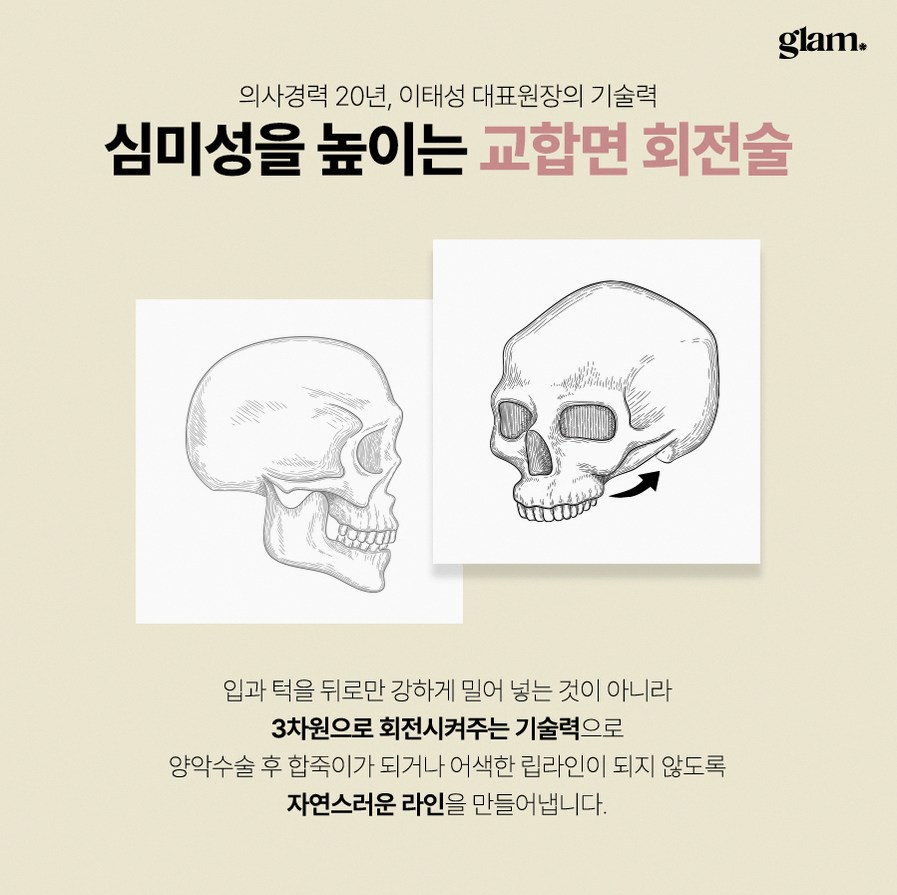
One facial bone specialty clinic near Sinsa Station focuses exclusively on procedures such as double jaw surgery and facial contouring, rather than offering a wide range of unrelated procedures. This single‑focus approach allows the team to build detailed protocols for bone surgery planning and recovery, including scheduled swelling‑care sessions after the operation.
Why Surgical Planning And Technique Matter For Swelling
Swelling is influenced not only by aftercare but also by how the surgery is planned and performed.
Precise pre‑operative analysis and planning can help minimize unnecessary tissue damage. When the surgeon has a clear, detailed plan, the operation can often be more efficient, which may reduce the burden on the body.
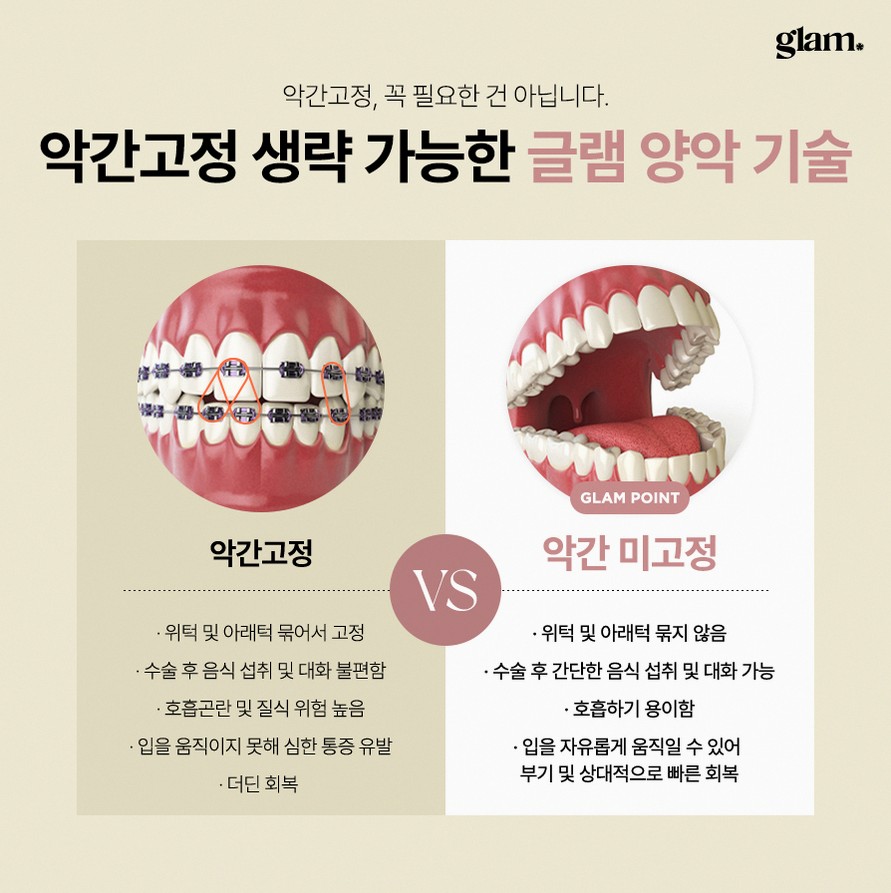
Shorter, well‑organized operation times generally place less stress on circulation and tissues. Techniques that avoid prolonged jaw wiring can make breathing, oral hygiene, and early movement easier, which indirectly supports smoother recovery.
Careful suturing around the nose and midface can help prevent unwanted widening or deformation, which some patients may mistake for persistent swelling. A philosophy of recommending only the minimum necessary procedures, rather than many combined operations at once, can also help limit excessive swelling and downtime.
At the featured clinic near Sinsa Station, double jaw operations are performed by a board‑certified plastic surgeon with around two decades of experience in facial bone surgery and multiple SCI‑level publications in orthognathic and contouring surgery as of early 2025. This academic background is presented as an objective indicator of expertise, not as a guarantee of results.
Safety And The Role Of Anesthesia In Swelling And Recovery
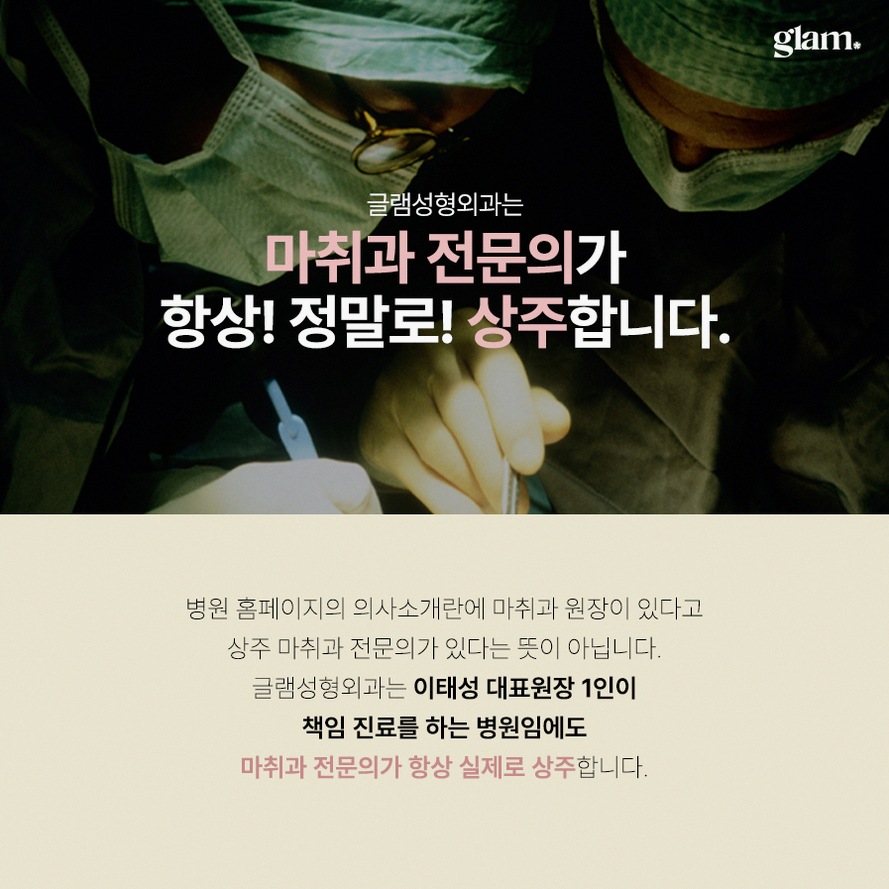
Double jaw surgery is a long and complex procedure that requires stable anesthesia management. Having a dedicated board‑certified anesthesiologist in the clinic is an important safety factor.
Continuous monitoring, tailored anesthesia depth, and careful fluid management can influence post‑operative comfort, nausea, and sometimes the degree of facial puffiness. While anesthesia itself does not remove swelling, safe and stable intra‑operative management supports overall recovery and reduces unnecessary stress on the body.
Who May Consider Double Jaw Surgery In Seoul
Double jaw surgery may be considered by people with significant bite problems, jaw asymmetry, or a facial profile that is strongly affected by jaw position. Some patients are referred by their local doctors, while others seek consultation directly with a facial bone specialty clinic in Korea.
International patients often choose Seoul for its concentration of experienced facial bone surgeons and structured post‑operative care systems. However, double jaw surgery is a major procedure, and it is essential to have a thorough consultation to understand whether it is appropriate for your specific condition.
Online Consultation And Pre‑Visit Preparation
Before traveling to Seoul, most overseas patients start with an online consultation. Clinics commonly use email, messaging apps, or social media channels such as Instagram and YouTube to communicate.
You may be asked to send facial photos from the front, side, and three‑quarter angles, as well as any previous imaging or reports you have. Some clinics may request a basic medical history, including current medications, allergies, and past operations.
During online consultation, it can be helpful to prepare a list of questions, such as the expected swelling timeline in your case, recommended length of stay in Korea, possible need for additional procedures, and the structure of follow‑up visits. Asking specifically about swelling‑care programs, emergency contact methods, and communication support in your language can also be useful.
Expected Korea Visit Timeline For Overseas Patients
The exact schedule varies by clinic and individual case, but many international patients plan to stay in Seoul for at least two to three weeks after double jaw surgery.
A typical flow might look like this:
Arrival and pre‑operative assessment: You arrive a few days before surgery for in‑person consultation, imaging, bite analysis, and medical tests. The surgeon confirms the plan and explains the swelling and recovery process again.

Surgery day and immediate post‑op: You undergo surgery under general anesthesia. After the operation, you stay in a recovery room or ward for monitoring. Swelling begins to build during this time.
First week: You return to the clinic for regular checks, dressing changes, and early swelling‑care sessions if they are part of the program. The team monitors your breathing, pain control, oral hygiene, and general condition.
Second and third week: Follow‑up visits continue, often with additional swelling‑care treatments and gradual adjustment of diet and activity. The clinic checks your healing, bite, and facial symmetry.
Return home: Once the surgeon confirms that your condition is stable and you understand the home‑care instructions, you can usually fly back. Long‑distance flights may temporarily increase facial puffiness, but this typically settles with rest and continued care.
Aftercare Once You Return Home
After you leave Korea, it is important to keep following the instructions given by your surgeon. This includes diet progression, oral hygiene, medication, and any recommended jaw exercises.
Some clinics provide online follow‑up options so you can send photos and ask questions about swelling or discomfort. If you need local medical support in your home country, it is helpful to share your operation summary and imaging with your local doctor.
If you notice any sudden change in swelling, pain, or function after returning home, contact your Seoul clinic as soon as possible and seek local medical evaluation if needed.
Choosing A Clinic In Seoul For Double Jaw Surgery And Swelling Care
When comparing clinics in Gangnam and the Sinsa area, you may find it helpful to use a simple checklist.
Consider whether the clinic specializes in facial bone surgery rather than offering every type of procedure. Ask if your operation will be performed by a board‑certified plastic surgeon with specific experience and publications in double jaw and contouring surgery.
Check whether there is a board‑certified anesthesiologist in charge of anesthesia and pain control. Look for clear, written explanations of the expected swelling timeline and recovery process.
Ask if the clinic provides structured post‑operative care programs, including in‑clinic therapies, a defined follow‑up schedule, and an emergency contact system. It is also important that the clinic is transparent about recommending only necessary procedures instead of pushing multiple add‑ons.
The featured clinic, located about 200 meters from Sinsa Station Exit 1 on Dosan‑daero, offers multilingual support including English, Japanese, and Thai. Overseas patients can use online channels such as Instagram, YouTube, and messaging apps to ask about swelling, recovery, and travel planning before making a decision.
FAQ: Common Questions About Double Jaw Surgery Swelling
How long until my face looks normal after double jaw surgery?
Many patients feel socially presentable in about three to four weeks, meaning that casual observers may not notice anything unusual. However, close friends and family can still see puffiness at this stage. Around two to three months, most of the swelling is gone and the facial line is much clearer. Fine details and subtle changes continue to refine up to six to twelve months.
Can I completely prevent swelling?
No. Swelling is a natural part of the healing process after bone surgery. The realistic goal is not to eliminate swelling but to keep it within a normal range and help it resolve as smoothly and quickly as possible. This is achieved through careful surgical technique, safe anesthesia, and systematic aftercare.
Is uneven swelling normal after double jaw surgery?
Mild asymmetry in swelling is common, especially if the jaw movement was different on each side. One side may look slightly more puffy or feel more stiff for a while. This usually improves over several weeks as the tissues settle. However, if one side suddenly becomes much more swollen, hot, and painful, or if you develop a fever, you should contact your clinic immediately.
Do post‑operative care programs really help with swelling?
Clinic‑based therapies such as LED treatments, gentle facial dome care, and later‑phase radiofrequency can support circulation, skin recovery, and comfort. They are not magic shortcuts, but they can make the recovery period more manageable and may help the swelling go down more smoothly when combined with proper home care and regular follow‑up.

I am an overseas patient. How long should I stay in Seoul after surgery because of swelling?
The ideal stay depends on your individual case and the clinic’s protocol. Many international patients remain in Seoul for at least two to three weeks after double jaw surgery. This allows time for early follow‑up visits, removal of any external stitches if present, and initial swelling‑care sessions. You should plan this schedule in detail with your surgical team before booking flights and accommodation.
Soft Call To Action
Swelling after double jaw surgery can look dramatic, but it is usually temporary and follows a predictable course. If you are considering having this procedure in Seoul and want to understand your personal swelling timeline, you can use the clinic’s online consultation channels to share your photos and questions. A tailored assessment based on your jaw condition, health status, and travel plan will give you a clearer idea of what to expect and how to prepare for a smoother recovery in Korea.




- 공유 링크 만들기
- X
- 이메일
- 기타 앱


댓글
댓글 쓰기