Double Jaw Surgery Review: From Consultation to Recovery in Seoul
- 공유 링크 만들기
- X
- 이메일
- 기타 앱

If you are searching for double jaw surgery reviews, you are probably trying to understand what the real experience is like: how serious the operation is, how long you will be swollen, and when life starts to feel normal again. This guide walks through a realistic, review-style journey of double jaw surgery in Seoul, from choosing a facial bone–focused clinic to the first year of recovery. It uses the system and approach of GLAM Plastic Surgery in Gangnam as an example, so you can better imagine your own path and prepare for a trip to Korea.
What double jaw surgery actually is
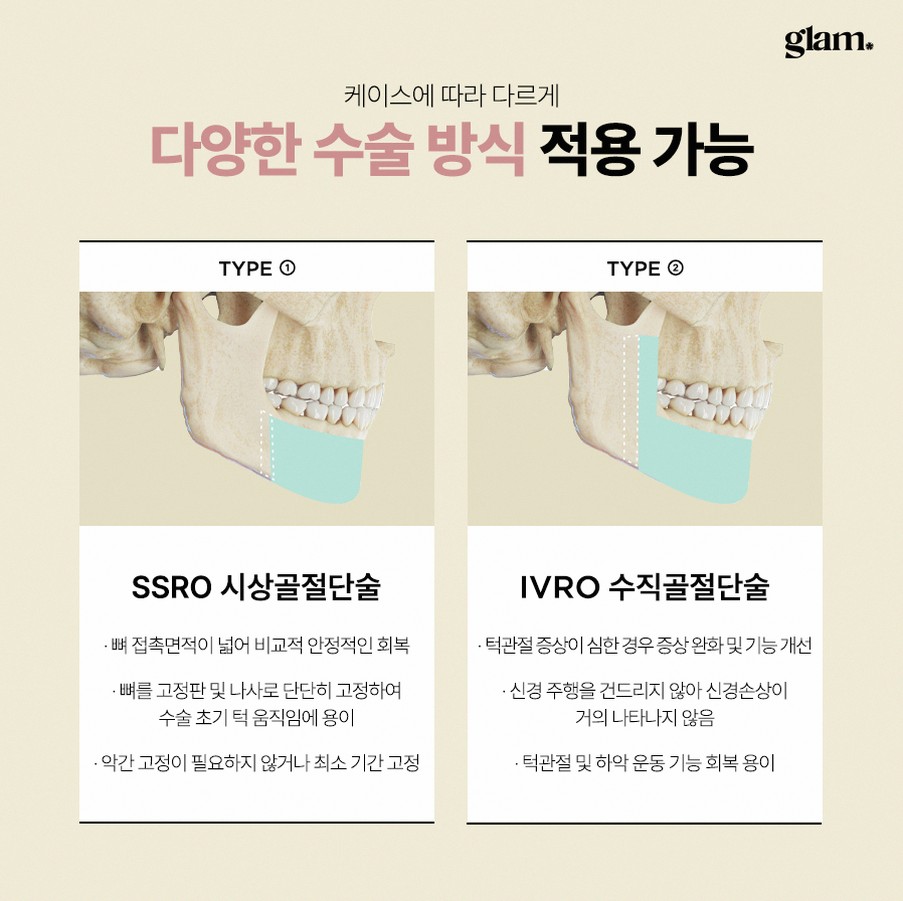
Double jaw surgery, also called orthognathic surgery, is an operation that repositions both the upper and lower jaws. The main goals are to improve bite alignment, facial balance, and in some cases breathing or jaw joint comfort. Unlike surface-level cosmetic procedures, this is deep bone surgery. The surgeon cuts the jaw bones in controlled ways, moves them into a planned position, and fixes them with plates and screws.
Because it changes both function and appearance, and because recovery takes months, people rarely decide based on photos alone. Detailed double jaw surgery reviews help you understand the day-by-day reality, not just the final look.
Why people search for double jaw surgery reviews
Many people start researching double jaw surgery because of long-standing concerns such as a very protruded or retruded jaw, facial asymmetry, difficulty chewing certain foods, or chronic jaw discomfort. Some are also unhappy with their side profile or feel that their face looks unbalanced in photos.
At the same time, there is a strong emotional side. Common worries include fear of pain, concern about long-term numbness, changes in appearance that feel too drastic, and the possibility of being recommended more procedures than are truly necessary. Reading honest reviews can make these fears more concrete and less mysterious.
When you read a detailed review, you see how someone managed the hospital stay, swelling, diet restrictions, and social life. You also see that recovery is not a straight line: some days feel encouraging, others frustrating. This helps you form realistic expectations instead of imagining either a nightmare or a miracle.
Choosing a clinic for double jaw surgery
For a major bone operation, the type of clinic you choose matters as much as the procedure itself. Many patients prefer a clinic that focuses on facial bone surgery rather than one that offers every possible cosmetic treatment. A focused clinic is more likely to have systems, staff routines, and equipment tailored to long, complex bone operations.
GLAM Plastic Surgery is an example of this kind of focused center. It concentrates on facial bone procedures such as double jaw surgery and facial contouring, rather than running separate lines for eye, nose, or body procedures. For patients, this can signal that the team’s daily work revolves around bone surgery cases rather than a mix of unrelated treatments.
Another point many patients look at is the lead surgeon’s background. A board-certified plastic surgeon with around two decades of facial bone experience and multiple SCI-level publications, including work in journals such as Plastic and Reconstructive Surgery (as of February 2025), indicates long-term involvement in the academic and practical side of this field. Academic output is not everything, but it is an objective marker that the surgeon engages with evidence and peer review.
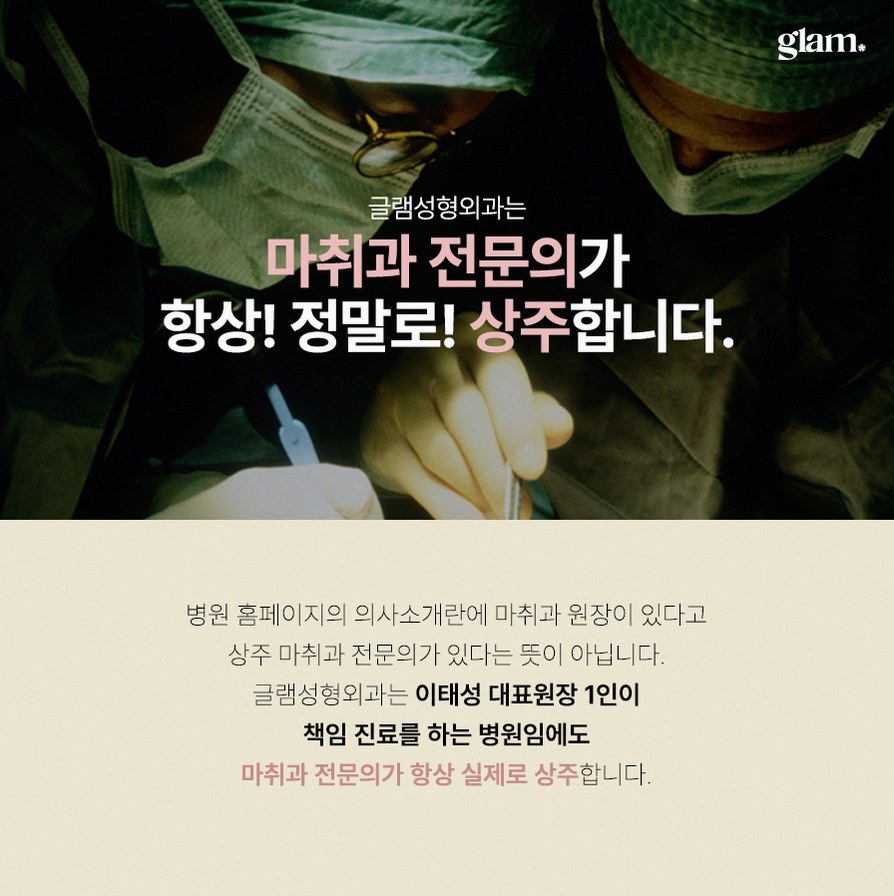
Safety during a long operation is also critical. Double jaw surgery is usually done under general anesthesia and can take several hours. Many patients feel more secure when the clinic has an on-site anesthesiology and pain medicine specialist whose primary focus is monitoring vital signs, adjusting anesthesia, and managing safety throughout the procedure.
Finally, the tone of the consultation is a key sign. Patients often feel more comfortable when the surgeon:
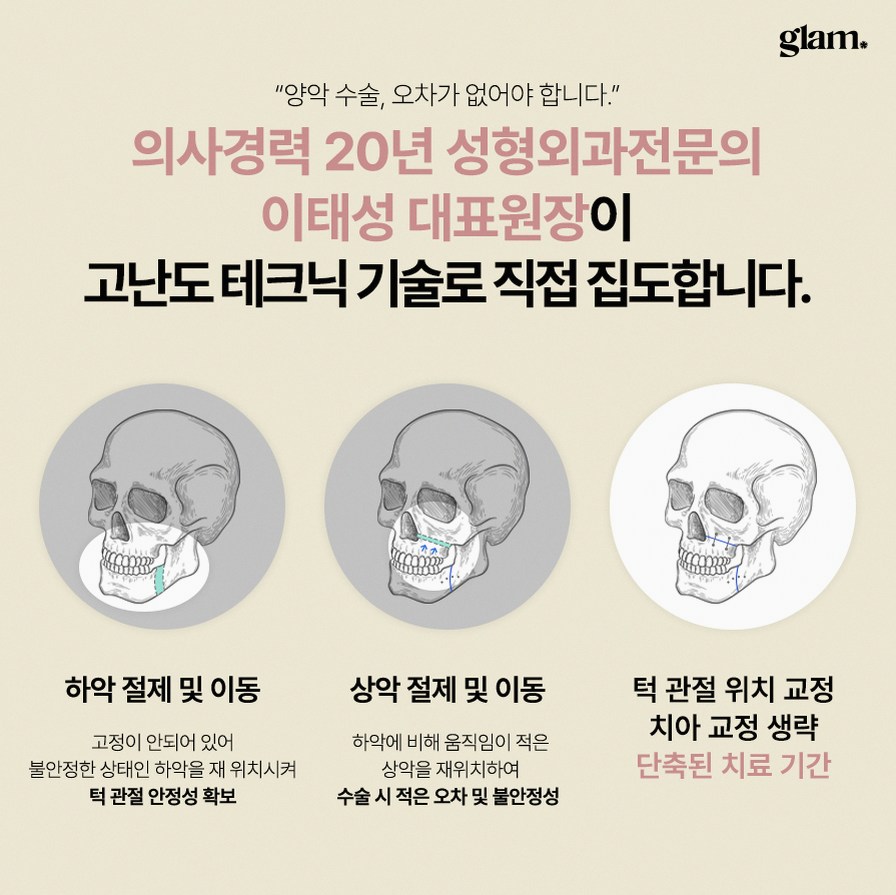
Explains the surgical plan in detail, including what will and will not be changed.
Discusses realistic outcomes, not perfection.
Is willing to recommend only the minimum necessary surgery instead of pushing multiple add-on procedures.
Answers questions about risks as openly as questions about benefits.
What a thorough pre-operative consultation feels like
A good double jaw surgery consultation feels structured, not rushed. It usually starts with a full facial and bite analysis. The surgeon and team look at your front view, side profile, and any asymmetry. They check how your upper and lower jaws meet, how your lips close, and how your chin and cheekbones relate to the rest of your face.
In many cases, there is also a discussion about whether you need treatment with appliances before or after surgery, or whether it can be reduced or omitted in your specific case. This is highly individual and depends on your bite, age, and goals.
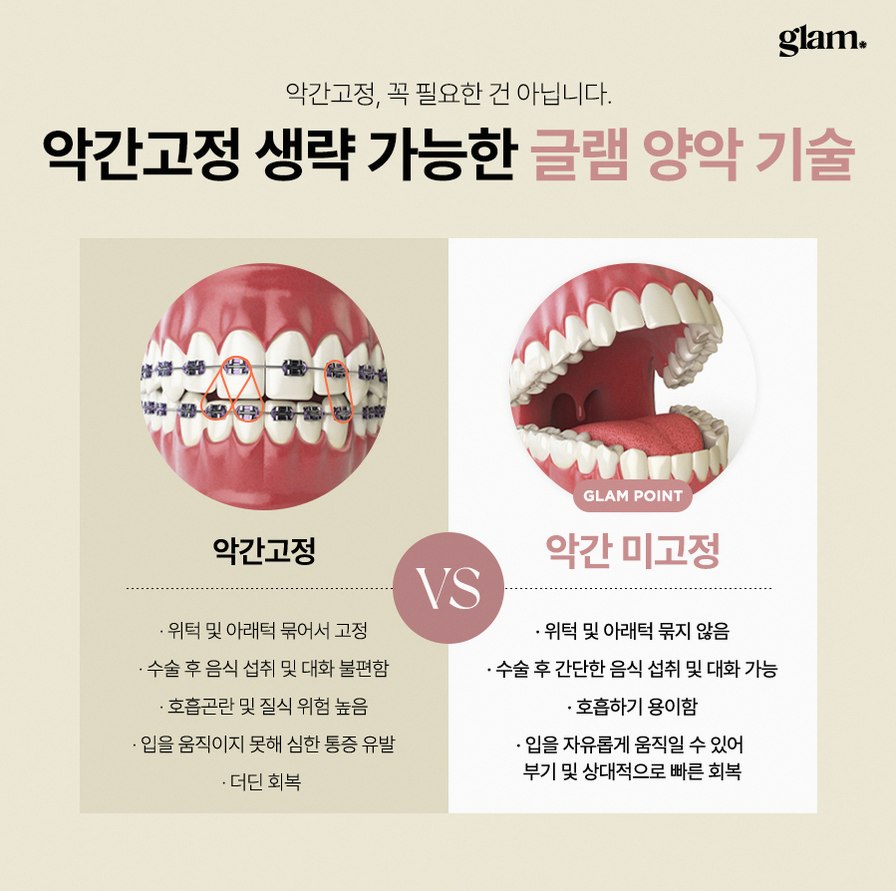
The surgeon should also explain how your jaws will be stabilized after surgery. Some clinics still use intermaxillary fixation, where the jaws are wired or tightly held together for a period. Others use techniques that can reduce or avoid long-term fixation in selected cases, relying more on plates, screws, and guiding elastics. Understanding this in advance helps you prepare mentally and practically.
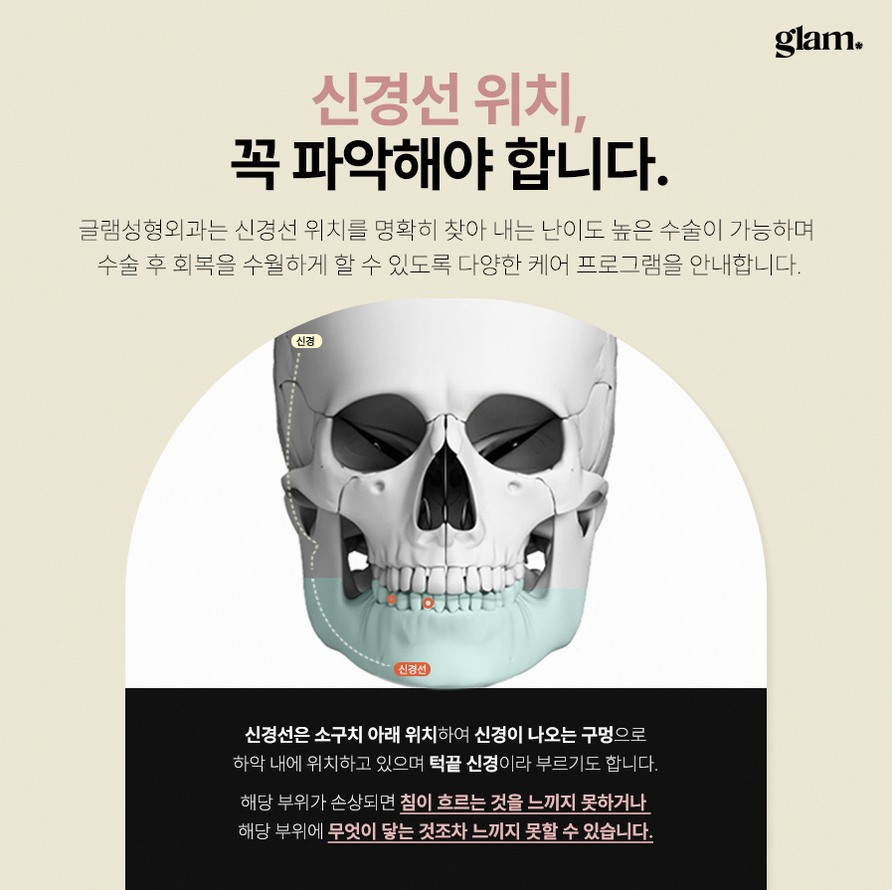
Another topic many patients do not expect is the effect on the nose. Moving the upper jaw can change the base of the nose, sometimes causing it to widen or the tip to droop. Some surgeons use specific suturing techniques or additional maneuvers to control these changes. During consultation, ask how your nose might be affected and what is planned to manage that.
Typical patient questions at this stage include:
How much pain will I feel, and for how long?
How long will the swelling last, and when will I look normal enough to go out?
What will I be able to eat, and for how many weeks?
How will speaking feel, especially if elastics are used?
How much time should I take off from work or school?
A clear, calm explanation of these points is often what turns a vague idea into a concrete decision.
The day of surgery and anesthesia experience
On surgery day, most patients arrive after fasting for several hours. The staff usually performs final checks such as blood tests, vital signs, and sometimes imaging. You may meet the surgeon again to review the plan, confirm the goals, and mark reference points on your face.
You also meet the anesthesiology specialist. This person explains how general anesthesia will be given, how you will be monitored, and what to expect when you wake up. Many patients feel nervous at this point, but it can be reassuring to hear that you will be continuously monitored for heart rate, blood pressure, oxygen levels, and more.
The surgery itself is done while you are fully asleep. In simple terms, the surgeon makes incisions inside the mouth, performs controlled bone cuts in the upper and lower jaws, repositions them according to the pre-planned measurements, and fixes them with titanium plates and screws. The bite is checked and adjusted during the procedure to match the planned alignment.
You do not feel pain during the operation. When you wake up in the recovery room, you may feel tightness, swelling, and grogginess, but not the cutting or drilling itself.
Immediate post-op period: first 1–2 weeks
Many patients describe the first two weeks in a diary-style way, because each day feels different.
Day 0 (surgery day)
You wake up with a heavy, swollen feeling in your face. Breathing may feel strange at first because of swelling and any packing or gauze. Nurses usually help you clear secretions and guide you on how to breathe calmly through your nose or mouth. Pain is typically controlled with intravenous medication, so the main sensation is pressure and tightness rather than sharp pain.
Days 1–3
Swelling usually increases over the first 48 to 72 hours, peaking around day 2 or 3. Bruising may appear around the cheeks and lower face. You may have elastics guiding your bite, which can make opening your mouth difficult. Talking is possible but often tiring and muffled.
Diet is usually limited to liquids such as broths, smoothies, and nutritional drinks. Drinking through a cup or small spoon is often easier than using a straw. Many patients are surprised by how quickly they feel hungry, so planning calorie-dense liquids in advance is helpful.
Nasal congestion and mouth dryness are common. Saline sprays, humidified air, and frequent small sips of water can make this period more tolerable, within the clinic’s guidelines.
Week 1–2
After the peak, swelling starts to slowly decrease. You may be discharged from the hospital and move to a nearby accommodation. Pain usually becomes more of a dull ache or tightness, manageable with oral medication.
Diet often progresses to very soft foods such as thin porridge, mashed foods, or blended meals, depending on your surgeon’s instructions. Brushing teeth or cleaning the mouth carefully becomes a daily routine to prevent infection.
Some clinics, including GLAM Plastic Surgery, offer early-stage recovery care like LED therapy or gentle facial treatments. These are designed to support circulation, reduce visible swelling, and help the skin adapt to the new bone structure. It is important to understand that such treatments are supportive; they do not replace the body’s natural bone healing process or the need for time.
Communication remains a bit awkward. Swelling, elastics, and stiffness make speech slower, but most patients can make themselves understood with patience and sometimes written notes or messaging.
Mid-term recovery: 1–3 months
Between one and three months after surgery, many patients start to feel more like themselves again, even though healing is still ongoing.
Swelling gradually decreases, especially in the upper face and cheeks. The lower face and jawline can stay puffy longer, so your profile may still look slightly round or firm. Each week, facial lines become more defined, and the new jaw position is easier to recognize.

Changes in sensation are common. You may notice numbness or tingling around the lips, cheeks, or chin. This is usually due to temporary nerve irritation from the surgery. Over time, many patients experience gradual improvement, with tingling often being a sign of nerves waking up. However, recovery speed varies, and some areas can remain altered for a long time.
Most people return to work or school in this period, often around four to six weeks after surgery, depending on their job and comfort level. Social interactions can feel strange at first. People may notice that you look different but cannot explain exactly why. Some patients choose to be open about having had jaw surgery; others simply say they had a medical procedure to fix their bite.
Follow-up visits are essential during this stage. The surgeon checks your bite, jaw movement, and healing on imaging. Elastics may be adjusted or removed, and you may be guided on gentle jaw exercises to improve opening and function.
Long-term results: 6–12 months and beyond
Final evaluation of double jaw surgery results usually happens between six and twelve months after the operation. By this time, most of the visible swelling has resolved, and the bone has consolidated in its new position.
Functionally, many patients report easier chewing, a more stable bite, and less strain when eating harder foods. If jaw discomfort or breathing issues were part of the original problem, there can be improvement, although this depends on the individual case and cannot be guaranteed.
Aesthetically, the face often looks more balanced from the front and in profile. The jawline may appear softer or sharper depending on the surgical plan. The relationship between nose, lips, and chin is usually more harmonious. Some patients need time to adjust emotionally to their new appearance, even when the change is positive.
In a review-style reflection, this is the stage where people tend to say whether the surgery met their expectations. Common comments include relief at being able to bite properly, surprise at how long swelling lasted, and a sense that the first three months were the hardest part.
Key points to evaluate in other patients’ reviews
When you read double jaw surgery reviews online, it helps to look beyond before-and-after photos. Useful reviews usually include:
A clear description of the original problem, both functional and aesthetic.
Details about the consultation: Did the surgeon explain risks, alternatives, and the exact plan?
Specific comments on pain, swelling, diet, and how long numbness lasted.
Photos or descriptions at multiple time points: early swelling, mid-term, and long-term.
Information on whether the clinic pushed extra procedures or focused on the minimum needed.
Reviews that only say “it was great” or “it was terrible” without context are less helpful. You want to see a timeline and concrete examples so you can compare them with your own situation.
Safety, risks, and realistic expectations
Double jaw surgery, like any major operation, carries risks. Commonly discussed risks include infection, bleeding, prolonged numbness or altered sensation, asymmetry, bite issues that may require further adjustment, and in some cases the need for revision surgery.
No clinic can promise zero risk or a perfect result. What you can look for instead is a transparent approach: clear explanations of possible complications, how the clinic monitors for them, and what support is available if something does not go as planned.
When evaluating clinics, many patients prioritize:
Surgeons with formal certification and substantial facial bone experience.
A clear, evidence-based explanation of why a certain plan is recommended.
A system that includes a dedicated anesthesiology specialist for long surgeries.
Follow-up protocols that extend beyond the first few weeks.
Who may consider double jaw surgery
Double jaw surgery is usually considered for people with significant jaw discrepancies that affect bite, facial balance, or function. Examples include a very protruded or retruded jaw, open bite, facial asymmetry, or long-standing difficulty chewing.

It is not a quick cosmetic tweak. Candidates need to be prepared for general anesthesia, hospital stay, several weeks of limited diet, and a recovery timeline measured in months. Emotional readiness is as important as physical suitability.
Online consultation and pre-visit preparation
For overseas patients, the process often starts with an online consultation. Clinics may ask you to send front and side photos, medical history, and information about any previous jaw or facial bone procedures.
A useful online consultation should give you:
A preliminary opinion on whether double jaw surgery is appropriate for your case.
A rough idea of which jaw movements might be needed.
An explanation of the expected stay in Korea and follow-up schedule.
An overview of potential risks and limitations.
Before you commit, it helps to prepare a list of questions, such as:
How many double jaw surgeries does the surgeon perform per year?
Is there a dedicated anesthesiology specialist present during surgery?
What is the typical hospital stay and how many follow-up visits are needed before flying home?
What kind of post-operative care (such as LED therapy or skin programs) is available, and what is optional?
Expected Korea visit timeline for overseas patients
While every case is different, a common visit structure for international patients might look like this:
First 2–3 days: In-person consultation, detailed imaging, final planning, and pre-operative tests.
Surgery day: Hospital admission, operation under general anesthesia, and immediate recovery.
Next 2–5 days: Inpatient stay, pain control, monitoring, and early mobilization.
Weeks 1–3: Outpatient follow-ups, suture checks, elastics adjustments, and optional early recovery care such as LED therapy or gentle facial treatments.
Weeks 3–4: Additional follow-up to ensure stable bite and healing before returning home.
Some patients stay longer if possible, especially if they want more in-person follow-ups during the early healing phase. When planning flights, it is important to discuss timing with the clinic to minimize risks related to swelling, sinus pressure, and general fatigue.
Aftercare and ongoing support
After you leave Korea, communication with the clinic remains important. Many patients send periodic photos and updates so the surgeon can monitor progress from a distance.
Typical aftercare advice includes:
Maintaining good oral hygiene with gentle cleaning methods.
Following diet progression instructions carefully.
Avoiding high-impact activities until cleared by the surgeon.
Attending local check-ups if recommended, especially if any concerns arise.
Some clinics provide structured aftercare programs, including skin reset or maintenance treatments, which can be helpful if you remain in Korea for a longer period. These focus on the soft tissues and skin quality around the newly positioned bones.
Why some patients choose a facial bone–focused clinic in Gangnam
Seoul, and particularly the Gangnam area, is known for high-volume facial bone surgery centers. For international patients, the concentration of experience and systems dedicated to these operations can be appealing.
GLAM Plastic Surgery, located on the 4th floor at 138 Dosan-daero in Gangnam, near Sinsa Station Exit 1, presents itself as a facial bone–only center with multilingual support in languages such as English, Japanese, and Thai. For overseas visitors, this combination of specialization and communication support can make the process smoother, from consultation to follow-up.
Even in a well-known area, it is still important to verify credentials, understand the surgeon’s experience, and check how the clinic handles aftercare once you return home.
FAQ about double jaw surgery
Is double jaw surgery very painful?
Most patients describe the experience as uncomfortable rather than extremely painful. The first days feel tight and swollen, with pressure and stiffness. Pain is usually managed with medication in the hospital and oral painkillers afterward. Discomfort tends to improve significantly after the first one to two weeks, though some stiffness and sensitivity can last longer.
How long does swelling last after double jaw surgery?
Swelling peaks around two to three days after surgery, then gradually decreases. Many patients feel presentable with makeup and a mask after about three to four weeks, but subtle swelling, especially in the lower face, can persist for several months. Final facial definition is often judged at six to twelve months.

When can I fly home after double jaw surgery in Korea?
The recommended timing depends on your healing and the clinic’s protocol, but many overseas patients stay in Korea for about three to four weeks after surgery. This allows for early follow-ups, management of swelling, and stabilization of the bite before a long flight. Always confirm your individual timeline with your surgeon before booking tickets.
Will my face change a lot after double jaw surgery?
Double jaw surgery can noticeably change your profile and facial balance, especially if your original jaw position was very protruded, retruded, or asymmetric. The goal is usually harmony and function, not an unrecognizable face. However, because bones are being repositioned, you should be prepared for a meaningful change and give yourself time to adapt emotionally as swelling goes down and the final shape appears.
Soft call to action
If you are seriously considering double jaw surgery in Seoul, use detailed reviews as a starting point, not the final answer. Collect your questions, gather your medical information, and schedule an online consultation with a facial bone–focused clinic such as GLAM Plastic Surgery to receive a personalized assessment. A clear discussion with an experienced team will help you understand whether this major but potentially life-changing procedure is appropriate for your situation and how to plan your journey to Korea and back home safely.




- 공유 링크 만들기
- X
- 이메일
- 기타 앱


댓글
댓글 쓰기