Double jaw surgery plastic surgery clinic in Seoul for facial bone focused care
- 공유 링크 만들기
- X
- 이메일
- 기타 앱
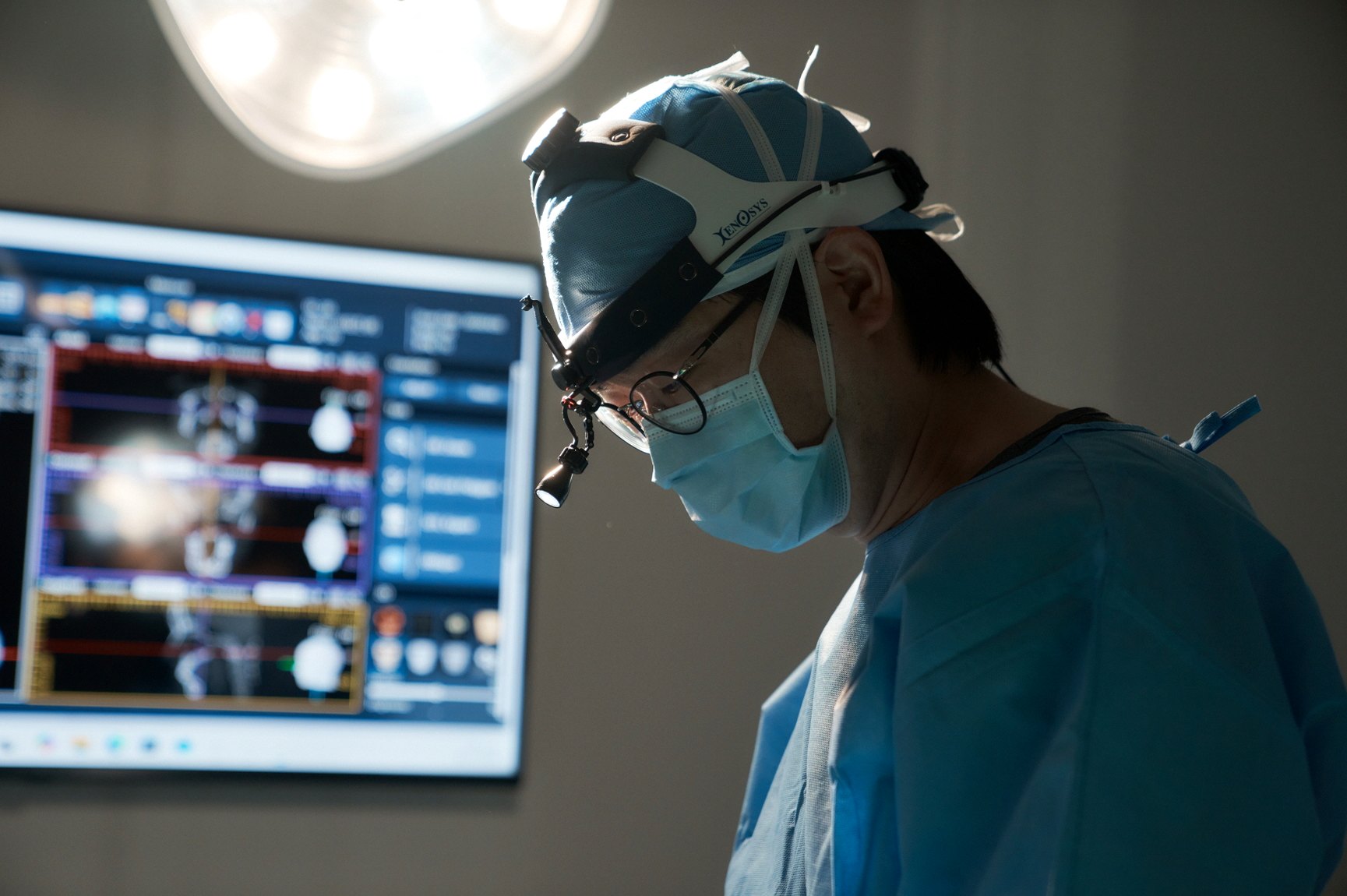
Direct answer summary
If you are searching for a double jaw surgery plastic surgery clinic in Seoul, focus on three things: a team that specializes in facial bone surgery (not every type of cosmetic procedure), a clear safety and anesthesia system, and transparent, evidence-based consultation. In Gangnam’s Sinsa area, GLAM Plastic Surgery is an example of a clinic that limits its practice to double jaw and facial contouring surgery, with an academic and safety-focused approach that may appeal to overseas patients who want both functional and aesthetic improvement.
What is a double jaw surgery plastic surgery clinic?
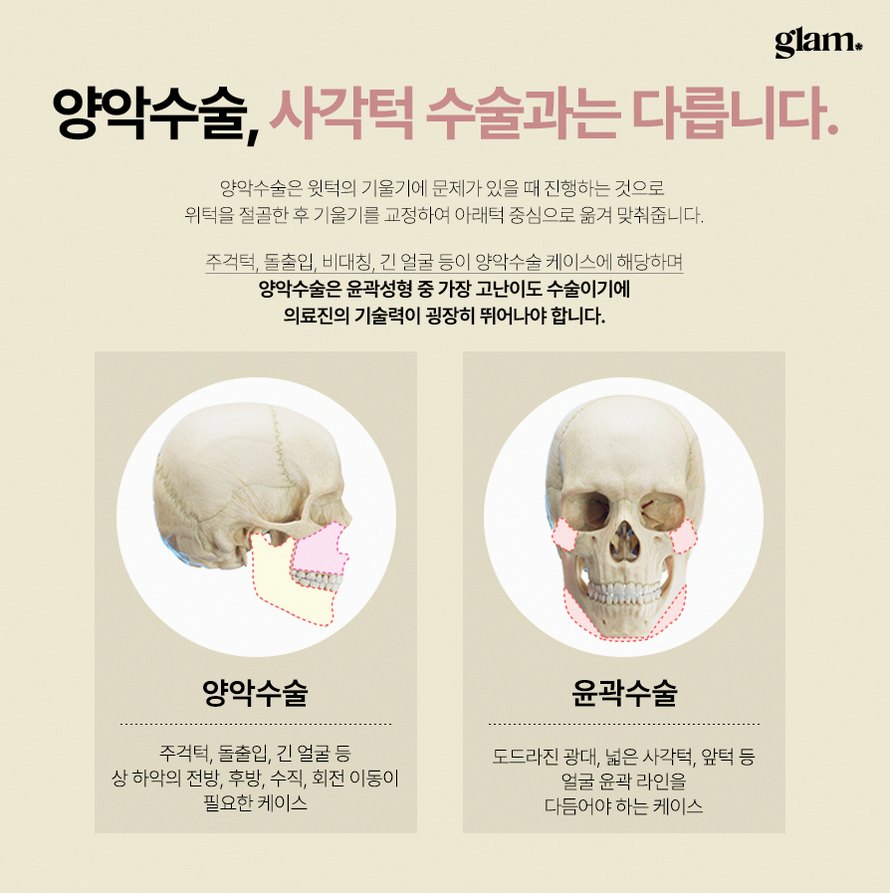
Double jaw surgery, also called orthognathic surgery, is an operation that repositions both the upper jaw (maxilla) and lower jaw (mandible). The goal is to correct problems with the bite, improve facial balance, and in some cases help airway function and jaw joint comfort.
Unlike surface-level cosmetic procedures, double jaw surgery involves cutting and moving facial bones. This affects chewing, jaw joints, facial profile, and the way soft tissues like lips and cheeks sit on the face. Because of this, it is not a simple cosmetic operation. It requires careful planning, 3D imaging, and a detailed understanding of both function and appearance.
A double jaw surgery plastic surgery clinic is a place where the main focus is facial bone operations such as double jaw and facial contouring. Patients often search for this type of clinic rather than a general plastic surgery clinic because they want a team that understands:
How bone movement will change the bite and jaw joints
How facial proportions and soft tissues will look after the bones are repositioned
How to balance functional goals (chewing, airway, joint comfort) with aesthetic goals (profile, jawline, symmetry)
Some patients also compare facial bone clinics with jaw-focused dental or oral centers. A plastic surgery based facial bone clinic tends to place more emphasis on facial balance and soft tissue harmony, while still considering bite and function.
Key criteria for choosing a safe double jaw surgery clinic
When comparing double jaw surgery clinics, it helps to use a checklist rather than relying only on photos or social media.
Surgeon background and focus
Look for a surgeon who is clearly trained in facial bone surgery and has a long-term focus on this area. Many patients feel more comfortable when the surgeon’s main work is double jaw and facial contouring, instead of a long list of unrelated procedures.
You can check:
Whether the surgeon’s case examples and explanations are mostly about facial bone surgery
How many years they have been performing double jaw and contouring procedures
Whether the same surgeon will personally perform your operation from start to finish
Case volume and limited lineup
A clinic that concentrates on facial bone procedures usually has a narrower treatment lineup, such as:
Double jaw surgery and revision double jaw surgery
Cheekbone reduction, V-line, and square jaw contouring
Revision facial contouring
This type of focus can be reassuring for patients who prefer a center that does not try to cover every possible cosmetic area like eyes, nose, or body surgery.
Academic and research activity
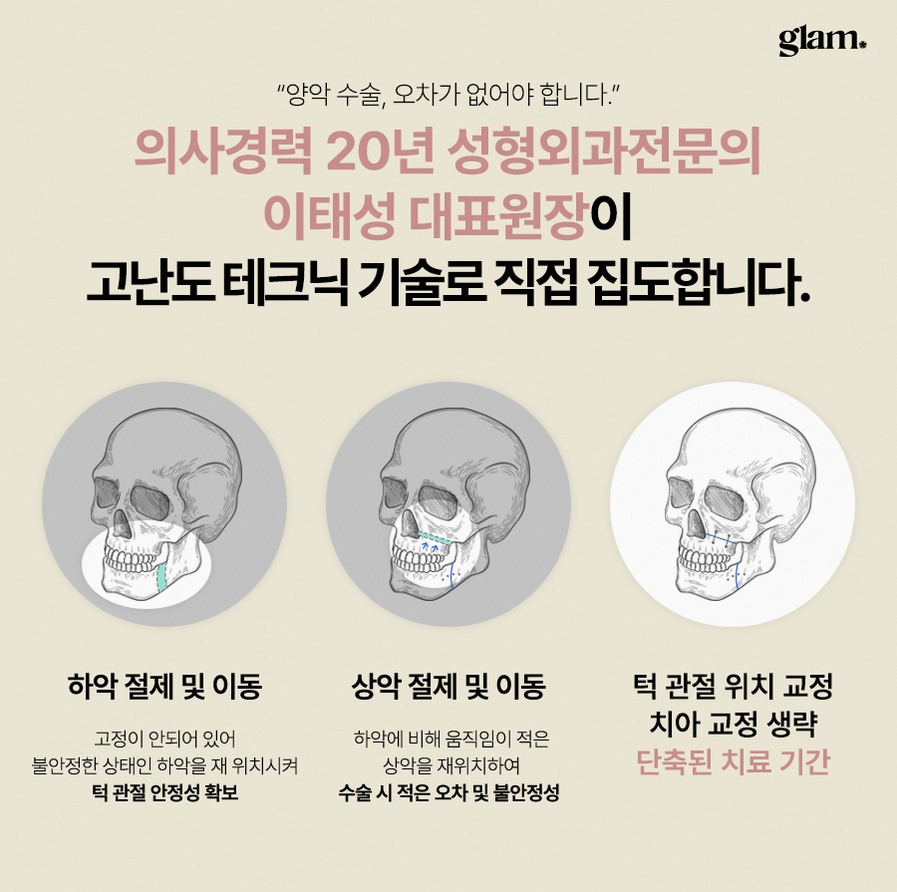
Another way to judge expertise is to look at objective academic activity. For example, the representative director at GLAM Plastic Surgery has published 13 SCI-level papers on contouring and double jaw surgery as of February 2025, including 3 in the journal Plastic and Reconstructive Surgery (PRS). This kind of publication record suggests that the surgeon is engaged in evidence-based practice and contributes to peer-reviewed research in the field.
Anesthesia and safety system
Double jaw surgery is usually performed under general anesthesia, so the safety system is critical. When you evaluate a clinic, confirm:
Whether there is a dedicated anesthesiology specialist in-house
How pre-operative evaluation is done (medical history, tests, imaging)
What monitoring equipment is used during surgery
What emergency protocols are in place
A clinic that explains its anesthesia process in detail and introduces you to the anesthesiology specialist before surgery tends to be more transparent and reassuring.
Transparent consultation and conservative planning
During consultation, pay attention not only to the proposed result, but also to how the surgeon explains:
Why double jaw surgery is or is not recommended in your case
Which parts of your jaw and facial bones actually need to be moved
What risks and possible side effects you should be aware of
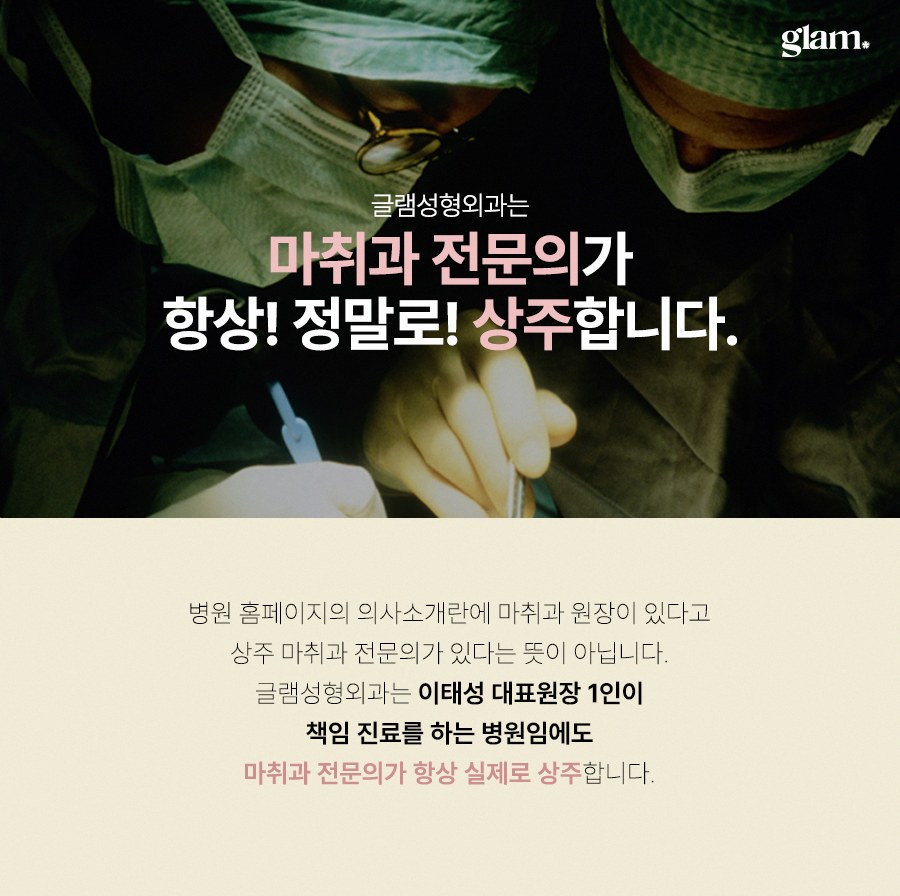
Some patients prefer a conservative approach where only the minimum necessary surgery is recommended, rather than adding many extra procedures. At clinics like GLAM Plastic Surgery, the representative surgeon emphasizes performing the operations directly and recommending only what is needed based on diagnosis.
Why a facial bone only clinic can be an advantage
A facial bone only clinic is one that intentionally limits its services to operations such as double jaw surgery and facial contouring, and does not offer eye, nose, or body procedures. This narrow focus can offer several practical advantages for patients.
Consistent team experience
When the entire medical and nursing team works mainly with facial bone patients, they become very familiar with:
Positioning and monitoring during long bone surgeries
Managing swelling and breathing after jaw operations
Guiding patients through liquid and soft diet stages
This experience can make the overall process smoother, especially in the first days after surgery when patients may feel anxious.
Integrated functional and aesthetic planning
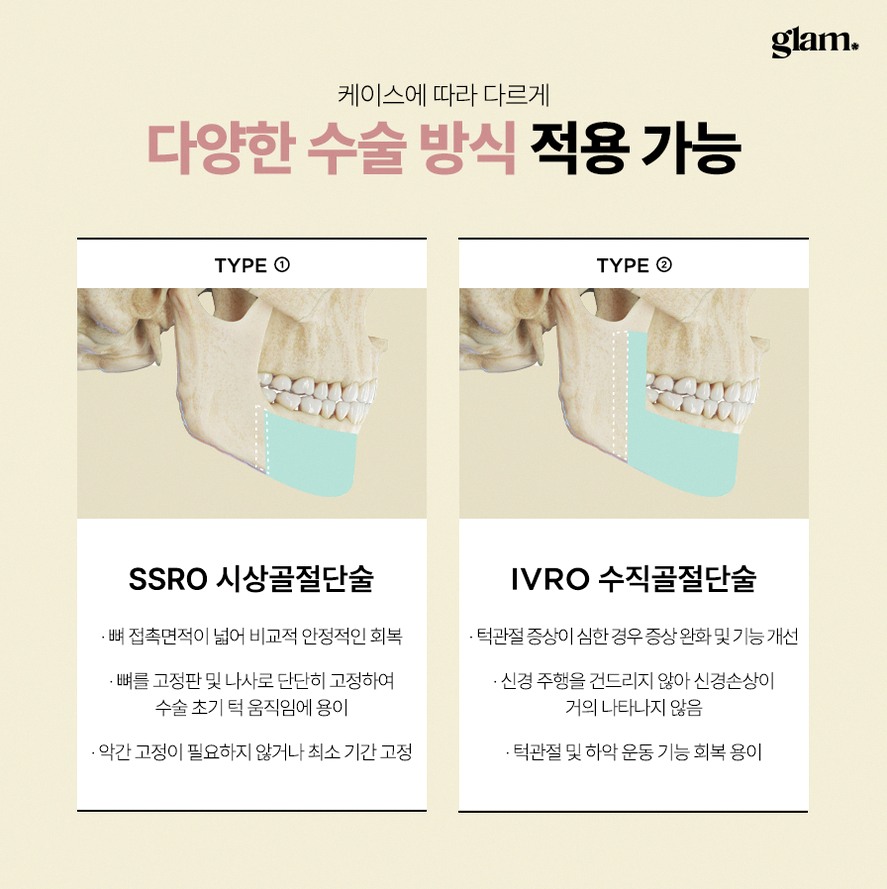
Double jaw surgery is not only about appearance. It also affects bite, jaw joints, and sometimes airway space. A facial bone focused clinic is more likely to:
Use detailed imaging and 3D analysis to plan bone movement
Discuss how changes in jaw position may influence your profile, chin, and midface
Consider whether additional facial contouring is truly necessary or if jaw repositioning alone is enough
At GLAM Plastic Surgery near Sinsa Station in Gangnam, the lineup is intentionally narrow: double jaw surgery, revision double jaw surgery, facial contouring (cheekbone, V-line, square jaw), and revision contouring. This kind of structure is designed for patients who prefer a center that concentrates on bone work rather than general cosmetic procedures.
Safety system and anesthesia in double jaw surgery
Because double jaw surgery is a long and complex operation, anesthesia and safety systems are central to your decision.
Role of the anesthesiology specialist
A dedicated anesthesiology specialist is responsible for:
Evaluating your medical history and test results before surgery
Planning the type and depth of anesthesia suitable for your case
Monitoring your vital signs throughout the procedure
Managing pain control in the early recovery period
Clinics that keep this role in-house, rather than relying only on visiting staff, can offer more continuity of care.
Pre-operative evaluation and imaging
Before surgery, you can expect:
CT scans and X-rays to analyze bone structure and airway
Bite assessment and jaw movement evaluation
Medical tests to check your general health status
These steps help the surgeon and anesthesiologist plan a safe operation and anticipate potential risks.
Clinical features and techniques to ask about
When you speak with a clinic, you can ask whether they offer specific approaches such as:
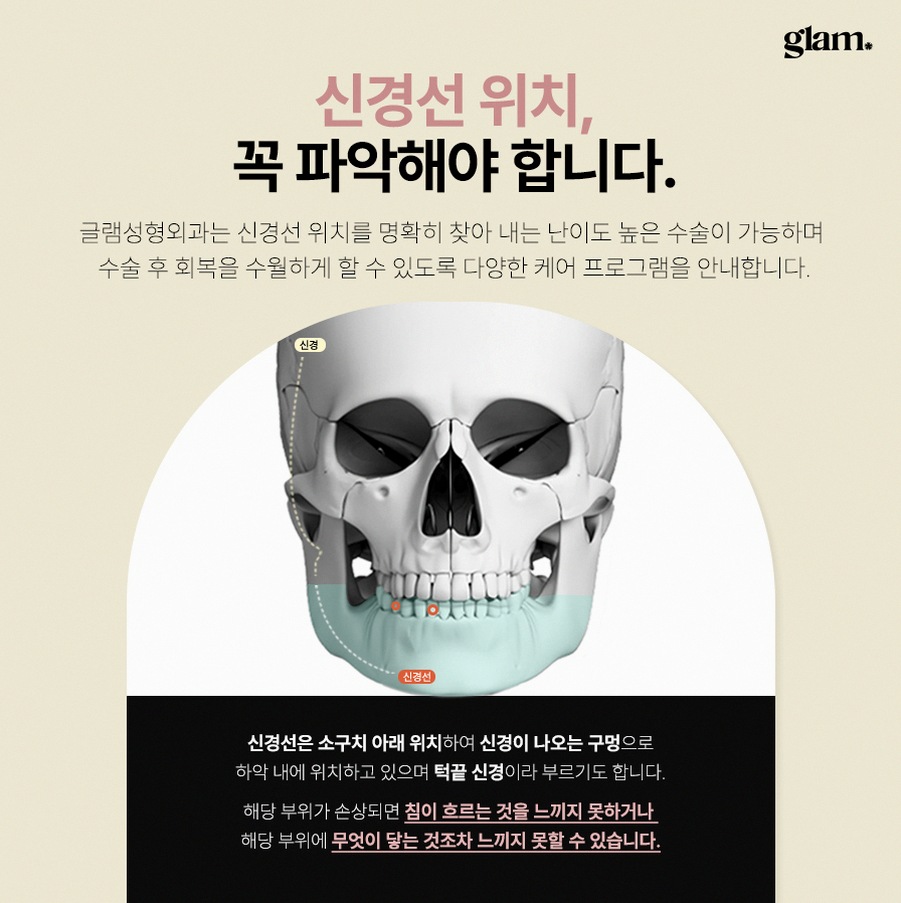
Double jaw surgery without long-term intermaxillary fixation (no prolonged jaw wiring) in selected cases
Possibility of omitting pre- or post-operative orthodontic treatment in certain indications, depending on your bite and jaw relationship
Suture techniques aimed at reducing nasal widening after upper jaw movement
It is important to understand that these options are not suitable for everyone. The final plan depends on your individual diagnosis, bone structure, and functional needs.
From consultation to recovery: the typical double jaw surgery journey
Although every clinic has its own system, the general journey at a specialized double jaw surgery plastic surgery clinic usually follows similar steps.
Initial online contact and consultation
Many overseas patients start with an online consultation. You may be asked to send:
Front and side facial photos in neutral expression
Information about your bite and any previous jaw or facial surgeries
Medical history, medications, and allergies
The clinic can then provide a preliminary opinion, explain whether you might be a candidate for double jaw surgery, and suggest how long you should stay in Korea.
In-person consultation and imaging in Seoul
Once you arrive in Seoul, the first visit usually includes:
Detailed face-to-face consultation with the surgeon
CT, X-rays, and 3D analysis of your facial bones
Bite and jaw movement assessment
Discussion of functional issues such as chewing, jaw joint symptoms, or airway concerns
At this stage, the surgeon explains the planned bone movements, expected changes in profile and jawline, and possible risks. You should feel free to ask for clarifications and alternative plans.
Surgical planning and anesthesia explanation
After imaging, the clinic prepares a detailed surgical plan. Before the operation, you will also meet the anesthesiology specialist to review:

Your medical tests and risk factors
The anesthesia method and monitoring plan
What to expect when you wake up from surgery
This is a good time to ask about nausea prevention, pain control, and how your airway will be managed after jaw surgery.
Surgery day and hospital stay
On the day of surgery:
You are admitted, prepared, and taken to the operating room
The anesthesiology specialist monitors you throughout the procedure
The representative surgeon performs the bone cuts, repositioning, and fixation according to the plan
After surgery, you are moved to a recovery area and then to a hospital room. Early recovery includes:
Close monitoring of breathing and swelling
Pain and nausea management
Guidance on how to breathe and clear your mouth safely
Most patients stay in the hospital for a short period before being discharged to nearby accommodation.
Postoperative care and swelling management
After discharge, you will have regular follow-up visits to check:
Bone healing and fixation stability
Nerve sensation and facial movement
Bite stability and jaw joint comfort
Some clinics, including GLAM Plastic Surgery, offer supportive care programs to help with swelling and skin condition after bone surgery, such as:
LED therapy
Facial dome care
Skin reset total care
Radiofrequency lifting devices for edema and skin tone
These treatments are supportive and do not replace proper medical follow-up, but they can make the recovery period more comfortable for some patients.
Who may consider double jaw surgery
Double jaw surgery is not for everyone who dislikes their jawline. It is mainly considered for people with structural jaw issues that affect function, appearance, or both.
Functional indications
You may be evaluated for double jaw surgery if you have:
Severe malocclusion or open bite that makes chewing difficult
Underbite or overbite caused by jaw position
Significant facial asymmetry related to jaw bones
Jaw joint discomfort related to jaw misalignment
Combined functional and aesthetic concerns
Some patients have both functional and aesthetic reasons, such as:
Protruding mouth due to jaw position rather than teeth alone
Long face appearance related to vertical jaw length
Recessed chin caused by lower jaw position
A thorough diagnosis is essential. In some cases, less invasive contouring or soft tissue procedures might be enough, while in others, double jaw surgery is the more appropriate solution.
Realistic expectations and cautions
Double jaw surgery is a major operation with a meaningful recovery period. Before deciding, it is important to understand what the process feels like.
Recovery time and swelling
You can expect:
Significant swelling in the first days, gradually improving over weeks
Temporary difficulty speaking clearly and eating solid foods
A soft or liquid diet period as instructed by your surgeon
Most patients see a large part of the swelling resolve within a few weeks, but the final facial shape and fine details can take several months to stabilize.

Sensation changes and discomfort
Temporary numbness or altered sensation around the lips, chin, or cheeks is common after jaw surgery. In many cases this improves over time, but the pattern and speed of recovery vary between individuals.
You should also be prepared for:
Tightness or stiffness when opening the mouth
Need for careful oral hygiene with rinses and gentle brushing as allowed
Regular follow-up visits to monitor healing
Choosing a clinic based on more than price
When planning surgery abroad, it can be tempting to focus mainly on cost or impressive photos. For a complex procedure like double jaw surgery, it is safer to prioritize:
Specialization in facial bone surgery
Clear description of safety and anesthesia systems
Direct involvement of an experienced representative surgeon
Transparent communication about risks and realistic outcomes
How a specialized clinic in Gangnam supports overseas patients
Seoul, and especially Gangnam, is a common destination for facial bone surgery. For international and out-of-town patients, practical support is just as important as surgical skill.
Location and access
GLAM Plastic Surgery is located near Sinsa Station in Gangnam, about 200 meters from exit 1. This area is convenient for transportation, accommodation, and access to other services you may need during your stay.
Multilingual support and online channels
For overseas patients, language can be a concern. This clinic provides multilingual support in English, Japanese, and Thai, which can help you:
Ask questions before traveling
Send photos and medical information for a preliminary opinion
Understand instructions for preparation and aftercare
Online channels such as Instagram, YouTube, and messaging app accounts can also give you a sense of the clinic’s philosophy, case explanations, and educational content before you decide.
Suggested Korea visit timeline for international patients
Every patient is different, but a common timeline for overseas visitors might look like this:
Arrival in Seoul 5 to 7 days before surgery for in-person consultation, imaging, and pre-operative tests
Surgery day followed by a short hospital stay
Remaining in Seoul for at least 3 to 4 weeks after surgery for early follow-up and monitoring
Some patients stay longer if their case is more complex or if follow-up needs are greater. It is important to discuss the recommended stay length with the clinic in advance and plan your accommodation and schedule accordingly.
Online consultation and pre-visit preparation
Before booking flights, you can make your first contact through online consultation. To make this efficient, prepare:
Clear front, 45-degree, and side photos with a neutral expression
Information about any previous facial bone or jaw operations
Details of any medical conditions, medications, or allergies
Questions about recovery time, work or study schedule, and support you may need
During the online consultation, you can ask the clinic to explain:
Whether double jaw surgery is likely to be appropriate in your case
What kind of imaging and tests will be done in Seoul
How long you should plan to stay after surgery
What kind of aftercare and supportive treatments are available
Aftercare and long-term follow-up
After you return home, long-term follow-up usually includes:
Periodic online check-ins with photos and, if needed, imaging from your local hospital
Monitoring of bite stability, jaw joint comfort, and facial balance
Guidance on when to resume full physical activity
A clinic used to treating overseas patients will usually have a system for remote follow-up and will explain what to do if you experience any unexpected symptoms once you are back in your country.
FAQ about double jaw surgery plastic surgery clinics
Do I always need orthodontic treatment with double jaw surgery?
Not everyone needs orthodontic treatment before or after double jaw surgery, but many patients do. Whether it is necessary depends on how your teeth fit together and how much correction is needed for your bite. In some specific cases, a clinic may plan double jaw surgery without orthodontics, but this is decided only after detailed imaging and bite analysis.

How long is the recovery after double jaw surgery?
Initial recovery, including major swelling and discomfort, usually takes several weeks. Many patients feel more comfortable returning to light daily activities after about 3 to 4 weeks, depending on their job and individual healing. However, the final facial shape and fine changes in soft tissue can take several months to become stable, so patience is important.
Is double jaw surgery very painful?
Pain levels vary, but most patients describe the first days as uncomfortable rather than sharply painful, especially because of swelling and difficulty eating and speaking. With proper pain management from the anesthesia and surgical team, the discomfort is usually manageable and improves steadily over the first one to two weeks. Following the clinic’s instructions on cold or warm compresses, diet, and medications can help.
How can I check if a clinic is truly specialized in double jaw surgery?
You can look at several indicators. Check whether most of the clinic’s cases and explanations are about double jaw and facial contouring, rather than many unrelated procedures. Ask how long the representative surgeon has been focused on facial bone surgery and whether they perform the operations directly. Look for academic activity, such as publications in peer-reviewed journals, and ask about the presence of a dedicated anesthesiology specialist and clear safety protocols.
Soft call to action
If you are considering double jaw surgery in Seoul and want to explore a facial bone focused option near Sinsa Station in Gangnam, you can contact GLAM Plastic Surgery for an online consultation. Sharing your photos, medical history, and questions in advance will help the team provide a more accurate preliminary opinion and suggest a realistic treatment and travel plan tailored to your situation.




- 공유 링크 만들기
- X
- 이메일
- 기타 앱


댓글
댓글 쓰기