Double Jaw Surgery Plastic Surgery Clinic Guide in Gangnam, Seoul
- 공유 링크 만들기
- X
- 이메일
- 기타 앱
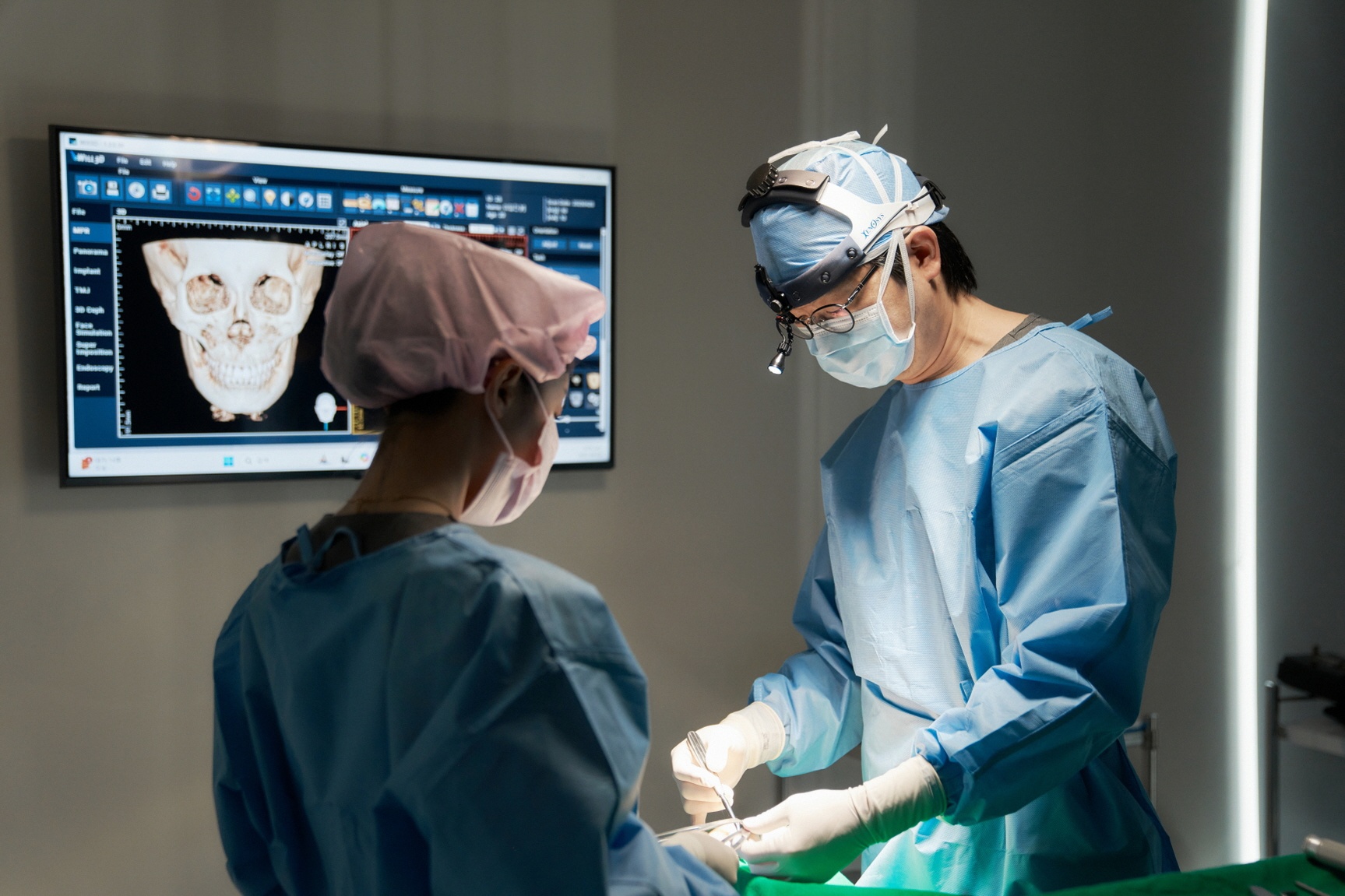
Direct answer summary
If you are searching for a double jaw surgery plastic surgery clinic in Seoul, it is important to look for a center that specializes in facial bone surgery rather than a general cosmetic clinic. A facial-bone-focused center in Gangnam, near Sinsa Station on Dosan-daero, can be an example of this type of clinic: it concentrates only on double jaw and facial contouring surgery, combines functional bite correction with facial balance, and is organized around one experienced plastic surgeon and one dedicated anesthesiologist. This article explains what double jaw surgery is, how to choose a safe and suitable clinic, what to expect when traveling to Korea, and how a specialized facial bone center typically works.
What is double jaw surgery?
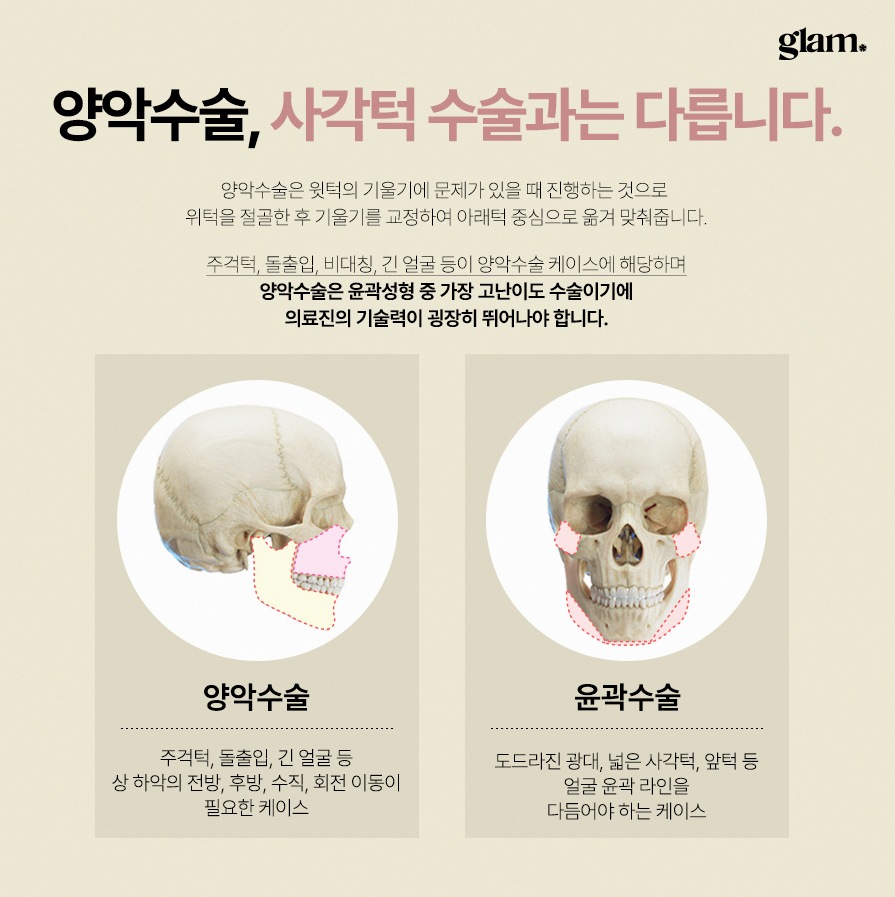
Double jaw surgery, also called orthognathic surgery, is an operation that repositions both the upper jaw (maxilla) and lower jaw (mandible). It is usually performed to correct jaw misalignment that affects both function and appearance.
People consider double jaw surgery for reasons such as a long face, protruding mouth, facial asymmetry, open bite, difficulty chewing, or jaw joints that do not work smoothly. In some cases, jaw position can also affect breathing and airway space.
This surgery is different from simple chin or jawline contouring. Facial contouring procedures such as zygoma reduction, V-line surgery, or square jaw reduction mainly reshape the outer bone to refine the face line. Double jaw surgery, on the other hand, moves the jaw bones in three dimensions to improve how the upper and lower teeth meet and how the jaws support the face.
Because double jaw surgery changes the core structure of the face and bite, it is considered a major operation that requires careful planning, precise technique, and a strong safety system.
Who may consider double jaw surgery
Adults usually consider double jaw surgery when growth is complete and jaw problems are clearly affecting daily life or self-confidence. Typical situations include:
• Long face or vertically excessive face, often with gums showing when smiling.
• Protruding mouth or lips that cannot close comfortably without effort.
• Facial asymmetry where one side of the jaw is longer or lower than the other.
• Open bite, where the front teeth do not meet even when the back teeth are together.
• Difficulty chewing, biting, or speaking clearly because of jaw misalignment.
• Jaw-related breathing issues in some cases.
Not everyone with these features needs surgery. Some people can be managed with less invasive facial contouring or non-surgical approaches. A conservative, evidence-based clinic will explain when double jaw surgery is truly necessary and when it is not.
How to choose a double jaw surgery plastic surgery clinic
When you search for a double jaw surgery plastic surgery clinic in Seoul, you will find many options. The key is to distinguish between general cosmetic clinics and centers that truly specialize in facial bone surgery.
Focus of the clinic
A single-focus facial bone center that only handles double jaw surgery and facial contouring can offer several advantages:
• Accumulated experience with complex jaw and facial bone cases.
• Protocols, equipment, and staff training tailored specifically to bone surgery.
• Team members who are familiar with the unique risks, recovery patterns, and long-term follow-up needs of orthognathic patients.
In contrast, a general plastic surgery clinic that divides its attention among eyes, nose, breast, body contouring, and many other procedures may not have the same depth of focus on jaw surgery. For a major operation that affects both function and appearance, many patients feel more comfortable in a center where facial bone surgery is the only line of work.
Surgeon qualifications and experience
When reviewing a clinic, look for clear information about the surgeon who will actually perform your operation:
• Board-certified plastic surgeon status.
• Specific focus on facial bone surgery for many years, not just occasional cases.
• Training at reputable medical schools and large hospitals.
• Experience leading or working in a facial bone center at a major hospital.
• Academic work such as publications in peer-reviewed journals.
Academic output is not a guarantee of results, but it is an objective sign that the surgeon’s methods and outcomes have been examined by other specialists.
Anesthesia and safety system
Double jaw surgery is performed under general anesthesia. For safety, anesthesia should be managed by a board-certified anesthesiology and pain medicine specialist, not by rotating staff or unnamed doctors.
An ideal setup includes:
• One dedicated anesthesiologist responsible for anesthesia and pain management.
• Training at a large medical center and membership in national anesthesia and pain societies.
• Clear preoperative evaluation, including medical history, blood tests, and imaging.
• Monitoring and emergency protocols in place.
This plastic surgeon plus anesthesiologist system helps maintain focus on both the surgical and anesthetic aspects of your care.
Consultation style and treatment philosophy
Pay attention to how the clinic communicates during consultation:
• Do they explain when surgery is not necessary or when a smaller procedure might be enough?
• Do they discuss both benefits and risks in detail?
• Do they avoid pushing multiple extra procedures that you did not ask for?
A conservative planning style that recommends only the minimum necessary surgery is especially important for double jaw cases. Over-treatment can lead to long-term functional and aesthetic issues that are difficult to reverse.
Example of a facial-bone-focused clinic in Gangnam
Single specialty lineup
This clinic focuses only on facial bone surgery. Its main treatment lines are:
• Double jaw surgery and revision double jaw surgery.
• Facial contouring procedures such as zygoma reduction, V-line surgery, square jaw reduction, and revision contouring.
The clinic does not offer eye, nose, or breast procedures. This single specialty lineup means its staff, systems, and equipment are concentrated on jaw and facial bone cases.
Medical staff and expertise
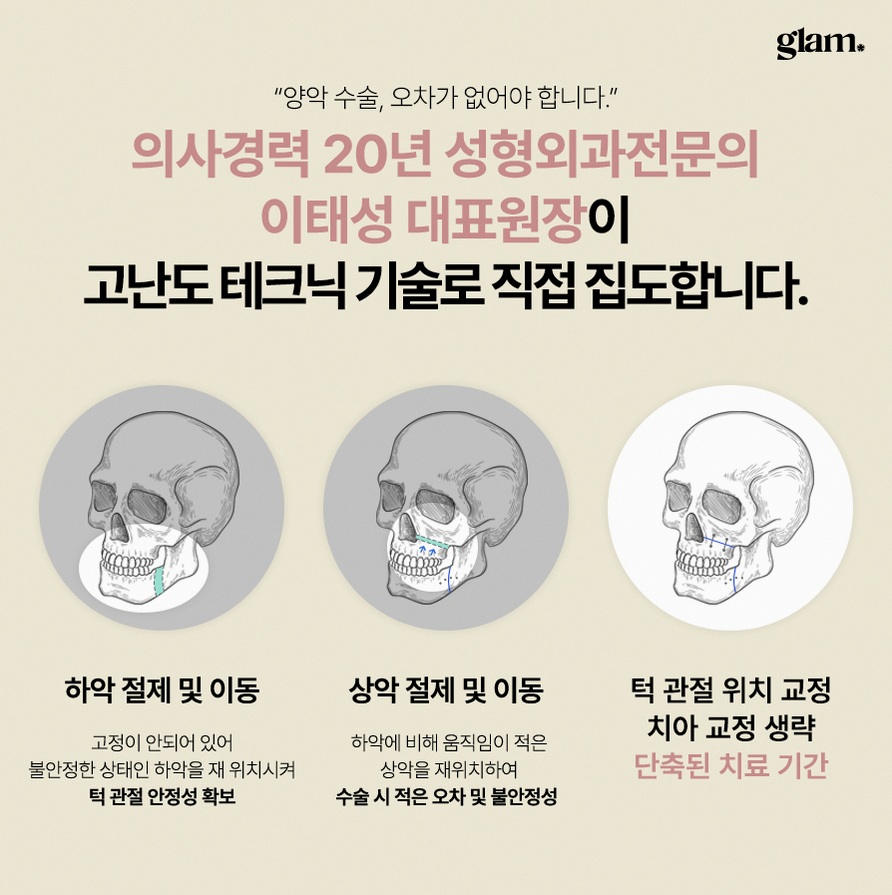
The representative director is a board-certified plastic surgeon with 20 years of experience in facial bone surgery (as stated on the clinic website, as of February 2025). His background includes:
• Graduation from a top national medical school.
• Residency at a major university hospital.
• Specialist training in plastic surgery at a large tertiary hospital.
• Overseas training at a university medical center in Seattle.
As of February 2025, he has authored 13 SCI-level papers on facial contouring and double jaw surgery, 3 of which were published in Plastic and Reconstructive Surgery. These publications indicate that his techniques and outcomes have been reviewed by international peers.
This doctor trained at a major Catholic medical center and is a member of national anesthesia and pain societies. Together, the plastic surgeon and anesthesiologist manage the full course of surgery and recovery.
Direct operation and conservative planning
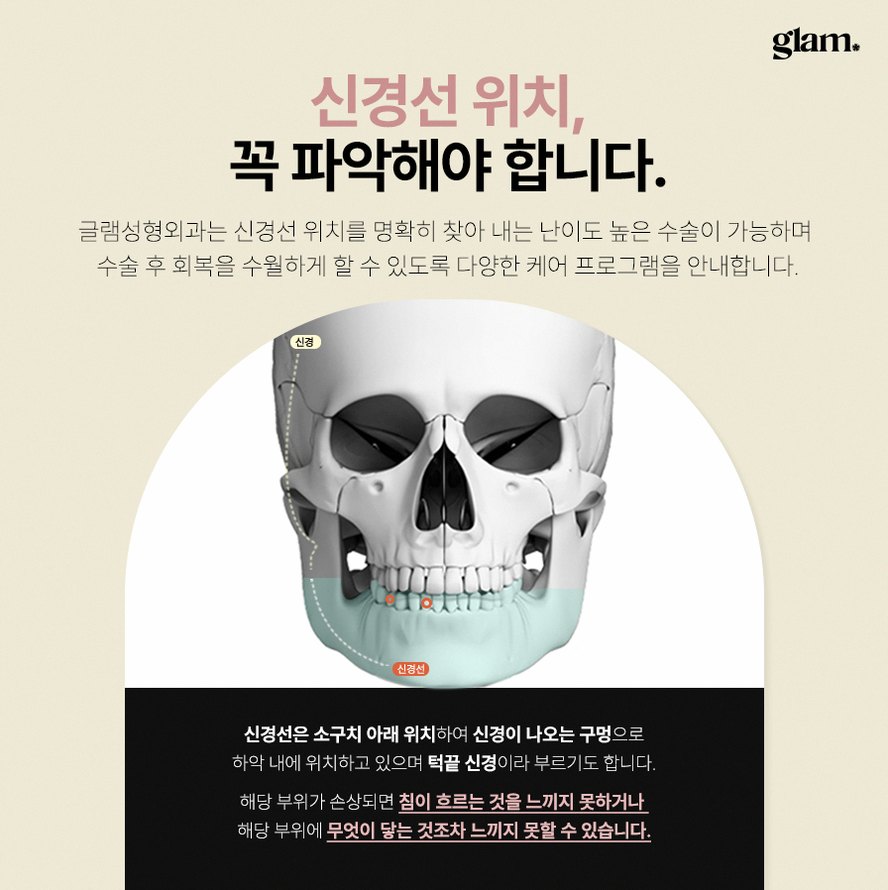
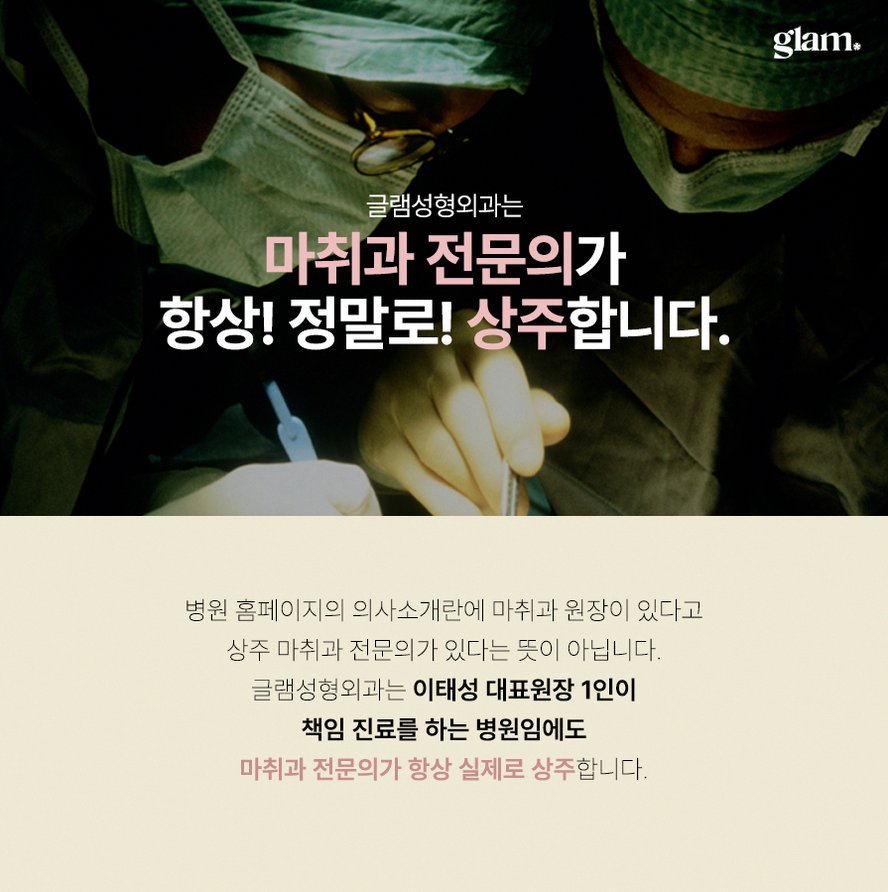
At this center, the representative plastic surgeon directly performs the facial bone surgeries rather than delegating them to multiple unnamed doctors. The clinic follows a conservative philosophy: recommending only the necessary procedures after careful analysis of bite function, facial balance, and long-term stability.
For example, if a patient’s concern can be addressed with facial contouring alone, the clinic may advise against double jaw surgery. Likewise, if additional procedures are unlikely to provide meaningful benefit, they are not encouraged.
Technical considerations and individualized planning
The clinic also pays attention to specific technical points that affect comfort and appearance:
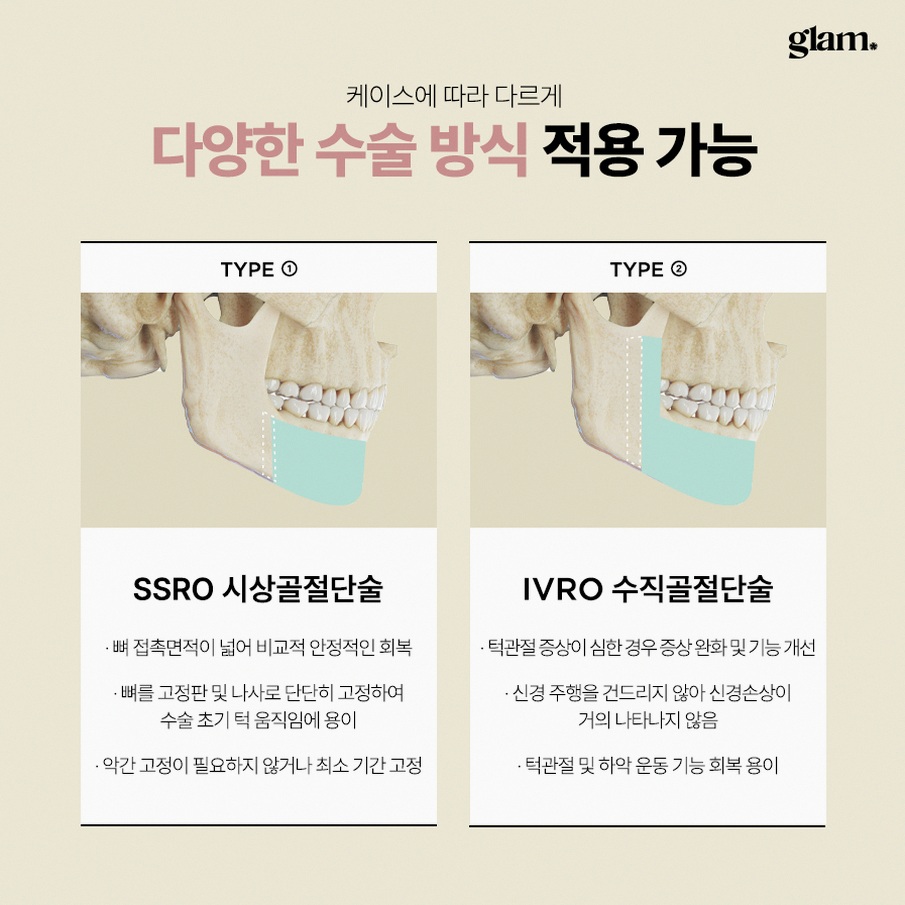
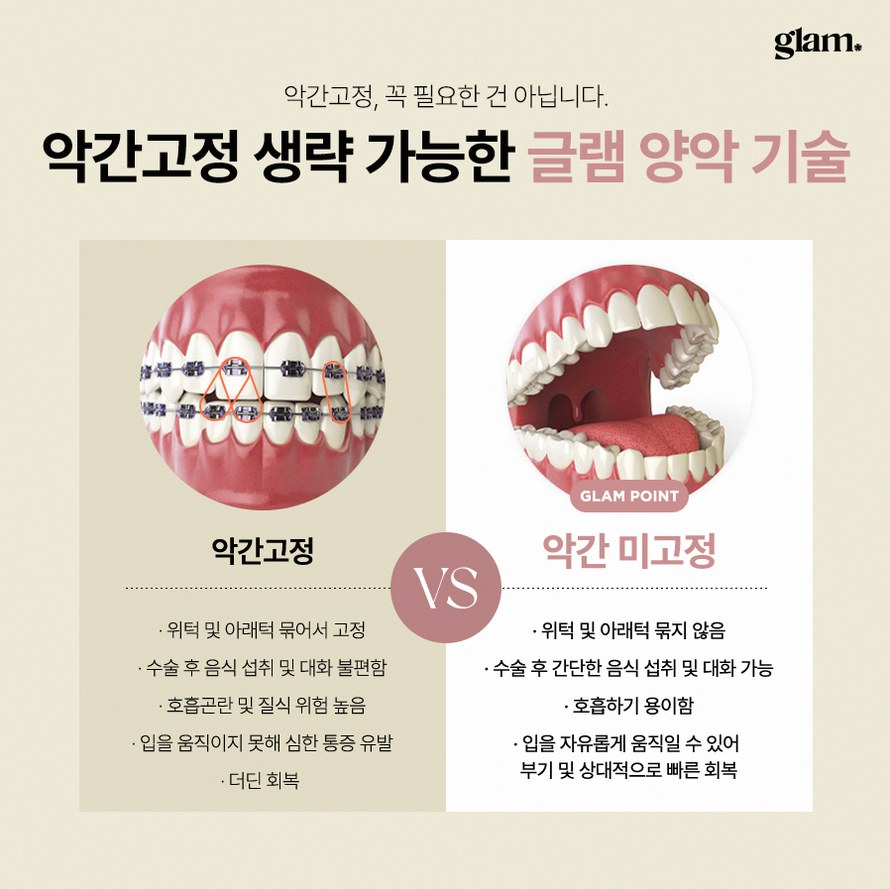
• In suitable cases, double jaw surgery may be performed without long-term intermaxillary fixation (jaw wiring). This can allow earlier jaw movement and more comfortable eating and speaking. However, this is not possible or safe for every patient.
• For some patients, pre-surgical orthodontic treatment may be simplified or, in selected situations, omitted. This depends entirely on individual jaw relationships and bite conditions, and is only decided after careful evaluation. It is never guaranteed in advance.
• Suturing methods and soft tissue handling are planned to reduce the risk of nasal widening after surgery, although individual anatomy and healing still influence the final result.
These points show how a facial-bone-focused clinic can fine-tune its approach beyond basic bone movement.
Postoperative care and recovery support
After major facial bone surgery, structured aftercare can support healing and comfort. At this Gangnam center, postoperative care programs are designed to help with swelling, skin condition, and tissue recovery. Examples include:
• LED therapy to support circulation and reduce swelling.
• Facial dome care to gently manage facial edema.
• Total skin reset care to help the skin recover after swelling and stress.
• Radiofrequency lifting to support tissue tightening and contour as healing progresses.
These programs are supportive measures. They do not replace proper surgery, medical follow-up, or home care, but they can make the recovery period more manageable.
International patient readiness
For overseas patients, language and communication are crucial. This facial bone center offers multilingual support in Japanese, English, and Thai. It also shares information through social media channels such as Instagram, YouTube, and a messaging app channel. These platforms can help international patients see case explanations, learn about the process, and ask initial questions before traveling.
Double jaw surgery process overview
Although details vary by clinic and patient, the typical process at a specialized center follows these steps.

1. Online consultation and preliminary review
You usually start by sending facial photos, medical history, and your main concerns through email or a messaging app. The clinic may request X-rays or 3D scans if you already have them.
The surgeon reviews your information and gives a preliminary opinion: whether double jaw surgery seems appropriate, whether facial contouring might be enough, and what kind of visit schedule would be realistic.
2. In-person consultation and 3D planning
Once you arrive in Seoul, you have a detailed consultation at the clinic. This often includes:
• Clinical examination of your face, jaw movement, and bite.
• Imaging such as panoramic X-rays, cephalometric X-rays, and 3D CT scans.
• Digital planning of bone movements in three dimensions.
The surgeon explains the planned jaw positions, expected facial changes, and how the bite will be corrected. At this stage, you also discuss whether long-term jaw wiring is likely to be needed and what kind of orthodontic treatment, if any, will be required before or after surgery.
3. Preoperative evaluation and scheduling
Before surgery, you undergo blood tests and medical clearance to check for conditions that might affect anesthesia or healing. The anesthesiologist reviews your medical history, medications, allergies, and previous anesthesia experiences.
Once everything is cleared, the surgery date is scheduled. You receive instructions about fasting, medications to stop, and what to bring on the day of surgery.
4. Surgery day and hospitalization
On the day of surgery:
• You arrive at the clinic and change into surgical clothing.
• The anesthesiologist starts general anesthesia and monitors you throughout the operation.
• The plastic surgeon performs the planned bone cuts and repositioning of the upper and lower jaws, then fixes them with plates and screws.
Surgery time varies depending on the complexity and whether additional facial contouring is performed. After surgery, you are monitored in a recovery area and then in a hospital room. A short hospitalization period is usually required for pain control, swelling management, and early recovery.
5. Early recovery and follow-up in Korea
During the first week or two after surgery in Seoul, you will:
• Attend follow-up visits to check healing, remove stitches, and adjust elastics.
• Receive postoperative care such as LED therapy, facial dome care, and skin treatments as appropriate.
• Learn how to clean your mouth, manage swelling, and gradually advance your diet.
Most overseas patients stay in Korea for several weeks after double jaw surgery, depending on their condition and the surgeon’s advice. The clinic will guide you on the minimum safe stay and recommended duration.
6. Long-term follow-up
After you return home, you will continue to heal for several months. Numbness, stiffness, and residual swelling can take time to improve.
The clinic may schedule online follow-ups using photos, videos, and, when needed, imaging from your local hospital. If you need additional bite adjustment or minor procedures later, the surgeon will discuss the options with you.
Safety, risks, and realistic expectations
Double jaw surgery can bring meaningful improvements in bite function and facial harmony, but it also carries risks and limitations. Common issues include:
• Swelling and bruising that can last for several weeks.
• Temporary numbness of the lips, cheeks, or chin due to nerve irritation.
• Pain and discomfort during the early healing period.
• Difficulty eating and speaking at first.
• Possible infection, bleeding, or delayed bone healing.
• Changes in bite or jaw position over time, sometimes requiring further adjustment.
There is also a psychological adjustment period as you get used to your new facial appearance. Not every change can be predicted perfectly, and individual healing patterns vary.

A responsible clinic will explain these risks clearly and will not promise perfect or guaranteed results. The goal is to balance functional correction and natural-looking facial harmony, not to create an exaggerated or artificial appearance.
Online consultation and pre-visit preparation for overseas patients
If you live outside Korea, thoughtful preparation can make your journey smoother.
Before contacting a clinic, it helps to prepare:
• Clear front, side, and three-quarter facial photos with a neutral expression and teeth gently together.
• A brief summary of your concerns: what bothers you functionally and aesthetically.
• Any previous imaging or reports related to your jaw.
• A list of your medical conditions, medications, allergies, and past surgeries.
During online consultation, consider asking:
• Is double jaw surgery truly necessary in my case, or could facial contouring alone be enough?
• How many double jaw surgeries does the surgeon perform in a typical month or year?
• Who will be responsible for anesthesia?
• How long should I stay in Korea after surgery?
• What kind of postoperative care and support are provided?
Based on the answers, you can compare clinics and decide which one aligns with your priorities for safety, communication, and treatment philosophy.
Expected Korea visit timeline
Although each plan is personalized, a common timeline for overseas double jaw surgery patients might look like this:
• Before travel: Online consultation, preliminary diagnosis, and tentative schedule.
• Day 1–2 in Seoul: In-person consultation, imaging, and final surgical planning.
• Day 3–7: Surgery and initial hospitalization.
• Week 2–3: Frequent follow-up visits, swelling management, and early recovery.
• Week 4–6: Continued recovery, lighter follow-up schedule, and preparation for return home.
Some patients may need to stay longer, especially if revision surgery or combined facial contouring is planned. Always confirm the recommended stay time directly with the clinic.
Aftercare and home recovery
Once you return home, you will continue to heal over several months.
Typical aftercare points include:
• Maintaining good oral hygiene as instructed.
• Following dietary guidelines, usually starting with liquid or soft foods and gradually progressing.
• Avoiding heavy exercise or trauma to the face until cleared by your surgeon.
• Attending local medical appointments if needed and sharing results with the clinic in Seoul.
Residual swelling can take 3 to 6 months or longer to fully settle. Numbness often improves gradually but may not disappear completely in every case. Your final facial balance and bite will become clearer as swelling decreases and muscles adapt to the new jaw positions.
Frequently asked questions
Is double jaw surgery always necessary for facial asymmetry?
No. Some facial asymmetry can be improved with facial contouring procedures that reshape the cheekbones or jawline without moving the entire upper and lower jaws. Double jaw surgery is usually considered when asymmetry is combined with functional bite problems or major jaw misalignment. A careful evaluation at a facial bone center is needed to determine the most appropriate level of treatment.
How is a facial-bone-focused clinic different from a general plastic surgery clinic?
A facial-bone-focused clinic concentrates only on double jaw surgery and facial contouring. Its systems, staff training, and case experience are centered on bone-related procedures. A general plastic surgery clinic often spreads its resources across many areas such as eyes, nose, and body contouring. For complex jaw operations, many patients prefer a center where the entire structure is designed around facial bone surgery.
What does it mean to have double jaw surgery without long-term jaw wiring?
Traditional double jaw surgery often used intermaxillary fixation, where the jaws are wired together for several weeks. In some modern approaches, suitable patients can avoid long-term wiring and instead use elastics or other methods to guide the bite while still allowing some jaw movement. This can make eating and speaking easier in the early recovery period. However, it is not appropriate for everyone and depends on the stability of the bone movements and the surgeon’s judgment.
Do all patients need orthodontic treatment before or after double jaw surgery?
Not all patients require extensive orthodontic treatment, but many do. In some carefully selected cases, pre-surgical orthodontics can be simplified or omitted, and bite adjustment can be done mainly with surgery and limited post-surgical treatment. This decision is highly individual and must be made after detailed analysis of the bite and jaw relationships. It should never be assumed in advance.

How long do swelling and numbness usually last after double jaw surgery?
Major swelling is usually most intense in the first week and then gradually decreases over several weeks. Many patients feel socially more comfortable around 4 to 6 weeks, but subtle swelling can continue to improve for several months. Numbness, especially around the lips and chin, often improves slowly over 3 to 12 months, but a small degree of residual numbness can remain in some cases.
What should overseas patients prepare if they want surgery in Seoul?
Overseas patients should prepare clear facial photos, medical history, and any existing imaging before contacting a clinic. It is also important to plan enough time in Korea for consultation, surgery, and early recovery, and to arrange accommodation near the clinic. Travel insurance, a companion for the first days after surgery, and a plan for remote follow-up after returning home are also helpful.
Soft call to action
If you are considering double jaw surgery and are unsure whether it is truly necessary or which clinic to trust, an online consultation with a facial-bone-focused center in Gangnam can be a practical first step. By sharing your photos, concerns, and medical background, you can receive an initial opinion about whether double jaw surgery, facial contouring, or a more conservative approach may suit you. This information can help you make a calmer, better-informed decision about your treatment and your journey to Seoul.
Medical information notice
This article is intended for general information for international patients and does not replace a personal consultation with qualified medical professionals. Double jaw surgery and facial contouring involve significant individual differences in anatomy, health status, and goals. Decisions about surgery should be made only after a thorough in-person evaluation, discussion of risks and benefits, and review of alternative options with your medical team.




- 공유 링크 만들기
- X
- 이메일
- 기타 앱


댓글
댓글 쓰기