Double jaw surgery methods and how they are planned in Gangnam, Seoul
- 공유 링크 만들기
- X
- 이메일
- 기타 앱

Quick answer: How double jaw surgery methods differ
e. In modern orthognathic double jaw surgery in Gangnam, Seoul, clinics that focus on facial bone surgery often use detailed 3D planning, internal plates and screws, and aim to avoid long periods of jaw wiring, but the exact method is chosen individually based on your jaw shape, bite, airway, and overall health.
This guide explains the main methods of double jaw surgery in clear, non-technical English, with a focus on planning and safety for overseas patients considering treatment in Korea.
What is double jaw surgery
Double jaw surgery, also called orthognathic double jaw surgery, is an operation to reposition both the upper and lower jaw bones. It is different from simple facial contouring, which usually reshapes only the outer angles or chin without changing the bite.
In double jaw surgery, the surgeon cuts and moves the jaw bones to improve how the upper and lower jaws meet, how you chew, and how your face is balanced from the front and side. It is performed under general anesthesia and usually involves cooperation with a specialist who manages your bite alignment before and after surgery.
Who may consider double jaw surgery
Double jaw surgery methods are considered when there are structural problems that cannot be solved with simple soft tissue procedures. Common reasons include:
- Severe malocclusion, where the upper and lower jaws do not meet properly
- Open bite, where the front teeth do not touch when you close your mouth
- Protruding or recessed jaws, giving a very forward or very sunken profile
- Facial asymmetry, where one side of the jaw is longer or lower than the other
- Difficulty chewing or biting food properly
- Jaw joint related problems such as pain or clicking that are linked to jaw position
- Airway or breathing problems related to jaw position, including some snoring or sleep apnea cases
Because this is bone surgery, it is a major procedure with a real recovery period. It is usually considered when functional or aesthetic problems are significant and have not been solved by less invasive options.
Overview of main double jaw surgery methods
When you search for double jaw surgery methods, you may see many brand names. In reality, the key method choices are more basic and can be grouped into four areas.
- With or without intermaxillary fixation (jaw wiring) after surgery
- Orthodontics-first versus surgery-first treatment sequence
- One-jaw versus double jaw surgery
- Open versus more minimally invasive approaches in terms of incision and bone handling
Each of these choices has advantages and limitations. A safe clinic will explain which combination is recommended for you and why. In consultation, ask to see specific supporting data — for example, 3D simulation images of the planned movement, cephalometric analysis printouts, or a written fixation plan showing where plates and screws would be placed — so you can compare options and understand the clinical reasoning.
Method 1: with vs. without jaw wiring
Traditional jaw wiring
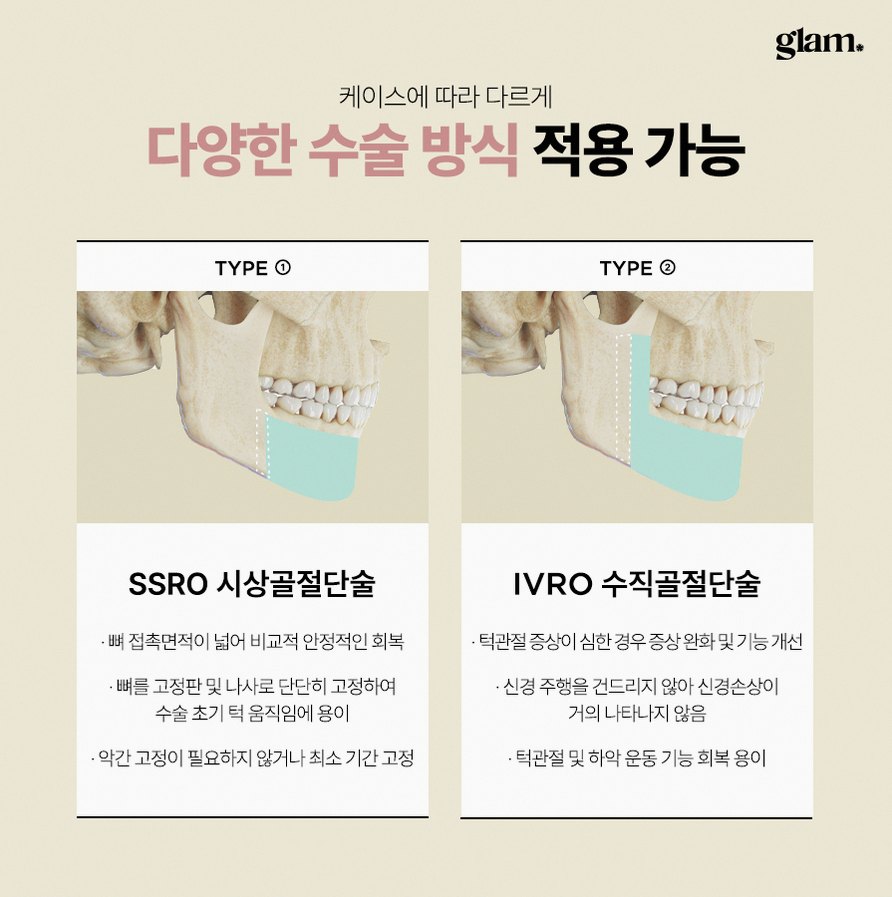
In traditional methods of double jaw surgery, the upper and lower jaws are wired or tightly banded together after surgery. This is called intermaxillary fixation. It keeps the new bite stable while the bones start to heal.
With this method, the mouth may be kept almost closed for a period, often several weeks in older protocols. During this time, patients may take only liquid or very soft food through a straw or syringe, and speaking can be difficult.
This approach can provide strong stability, especially when large movements are made or when bone quality is weak. However, it can be uncomfortable and stressful, especially for patients who feel anxious about breathing or who need to speak for work or family reasons.
Modern methods aiming to avoid long-term wiring
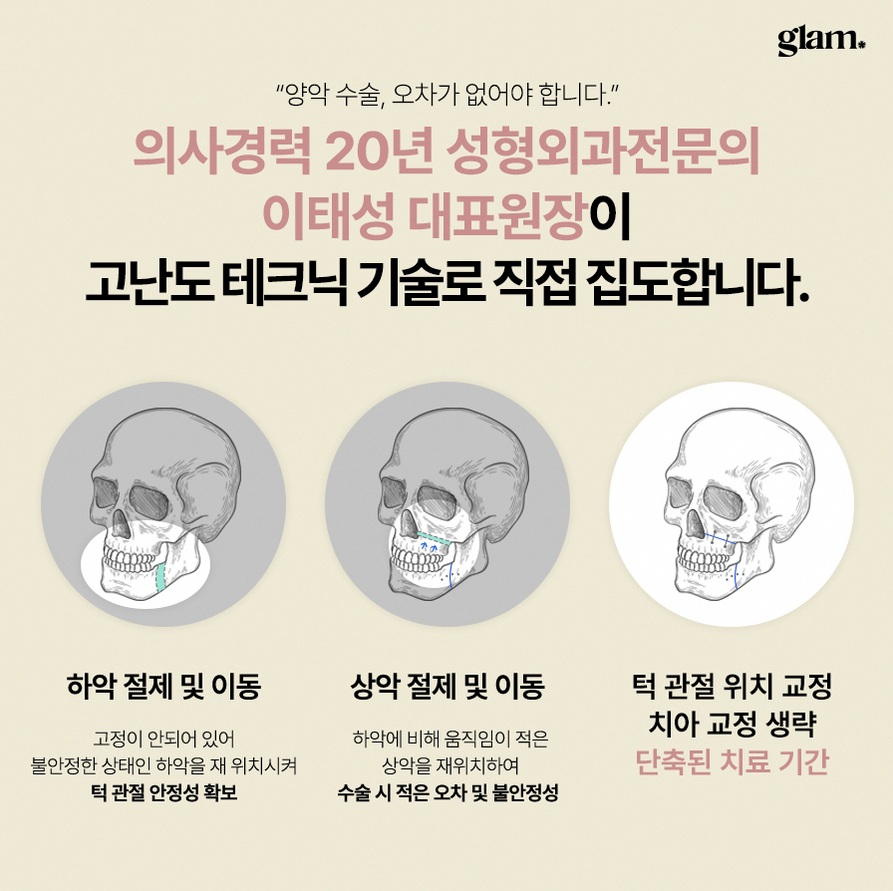
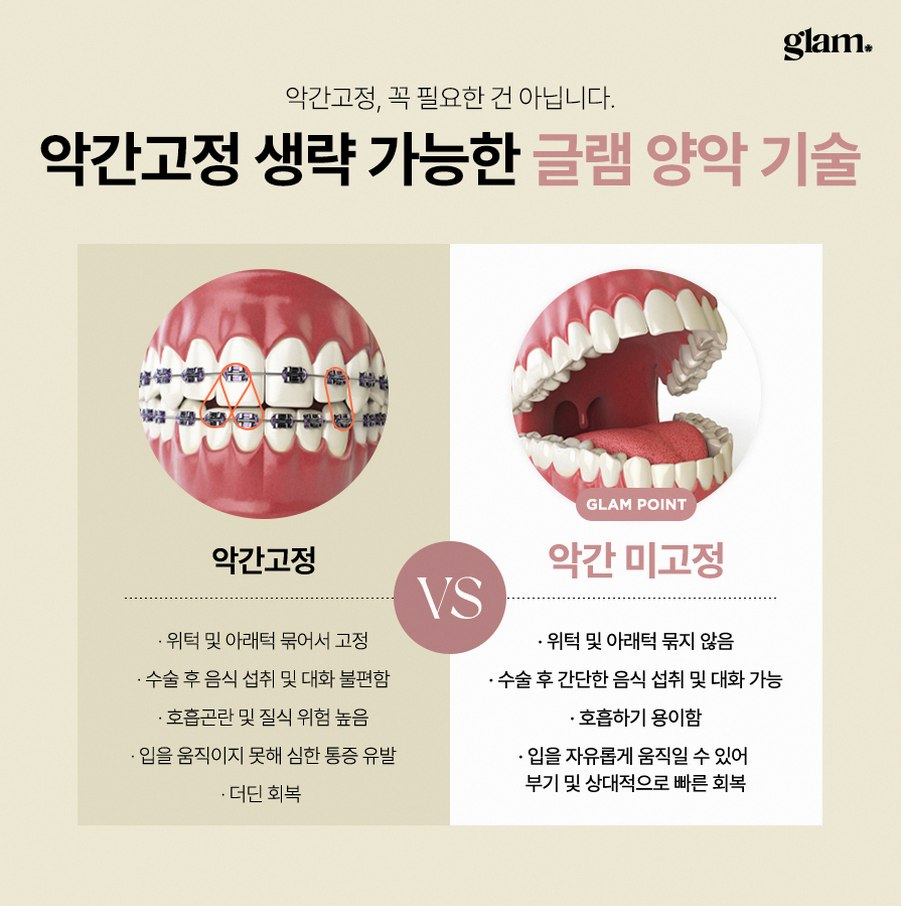
Modern double jaw surgery methods often use rigid internal fixation with titanium plates and screws to hold the bones in place. With detailed preoperative 3D planning and accurate surgery, the surgeon can aim to minimize or avoid long periods of rigid jaw wiring.
Instead of full wiring, many clinics use elastic bands between the upper and lower jaws. These elastics help guide the bite into the correct position but still allow some opening for speaking, drinking, and cleaning the mouth.
Benefits of avoiding prolonged jaw fixation include:
- Easier breathing and less feeling of suffocation
- Ability to speak more easily after the first few days
- Better oral hygiene, which may lower infection risk
- Less psychological stress for many patients
How the decision is made
Whether jaw wiring is needed, and for how long, is not a cosmetic preference. It is a safety decision based on:
- How far and in what direction the jaws are moved
- Bone quality and stability
- The condition of the bite during and after surgery
- The presence of any additional procedures
- The surgeon’s judgment and experience
In some cases, a short period of tighter fixation may still be safer. During consultation, you can ask how the clinic decides on fixation time and what they expect in your case.
Method 2: orthodontics-first vs. surgery-first
Orthodontics-first (conventional sequence)
In the orthodontics-first approach, the bite is aligned and prepared before double jaw surgery. Teeth are moved into a more natural position even if this temporarily makes the face look worse from the outside. This is called decompensation.
Pros of orthodontics-first include:
- Very predictable bite at the time of surgery
- Long history of use worldwide, with well-established protocols
- Often easier to fine-tune small details of the bite during surgery
Cons include:
Long total treatment time, sometimes two to three years from start to finish
Patients must live with their original facial imbalance, or even a temporarily worsened profile, for many months before surgery
Surgery-first approach
In the surgery-first method, the jaw position is corrected first. After the bones are moved and fixed, alignment is refined with bite alignment treatment.
Possible benefits of surgery-first include:
- Earlier improvement in facial balance and profile
- Sometimes shorter overall treatment time
- Psychological relief because the most visible change comes earlier
However, this method requires:
- Very detailed 3D analysis and simulation
- Close collaboration between the surgeon and the specialist managing your bite
- A surgeon experienced with surgery-first planning and execution
Not every case is suitable for surgery-first. Severe crowding, very complex tooth movements, or highly unstable bites may still need pre-surgical alignment. During your online consultation, you can ask whether surgery-first is realistic in your situation and what conditions would make it unsafe.
Method 3: one-jaw vs. double jaw surgery
When one jaw may be enough
Some patients can be treated by operating only on the upper or only on the lower jaw. For example, if the upper jaw position is normal and only the lower jaw is too long or too short, a single-jaw procedure may correct both function and appearance.
This can mean shorter operation time, potentially less swelling, and a simpler recovery. However, this is only appropriate when the other jaw and the facial balance are already within a safe and acceptable range.

Why double jaw surgery is often chosen
Double jaw surgery is chosen when both jaws contribute to the problem, or when moving only one jaw would require an excessive amount of movement.
Advantages of operating on both jaws can include:
- Better overall facial balance from the front and side
- Ability to distribute the correction between upper and lower jaws, avoiding extreme movement of a single bone
- More options to improve airway space in selected patients
- More precise control of the bite and midline alignment
More surgery is not always better
The goal is not to do as much surgery as possible, but to do the minimum necessary to achieve a stable, functional, and balanced result.
A careful clinic will perform full skeletal analysis, review your airway and soft tissue response, and then explain why they recommend one-jaw or double jaw surgery for you. If you receive very different suggestions from different clinics, it is reasonable to ask each one to show you their analysis and reasoning.
Open vs. more minimally invasive approaches
Incision placement
Most modern methods of double jaw surgery use incisions inside the mouth. This helps avoid visible facial scars. In some complex cases, small external incisions may be used for additional access, but this is less common.
Bone handling and tissue preservation
A more minimally invasive approach in double jaw surgery does not mean tiny keyhole cuts like some other operations. Instead, it usually means:
- Careful, limited soft tissue dissection around the bone
- Preservation of important nerves and blood vessels
- Using pre-planned cutting guides or navigation systems when available
- Minimizing unnecessary shaving or removal of bone
The aim is to reduce bleeding, protect sensation, and support smoother healing, while still achieving the planned jaw movements.

Surgical planning methods
Modern double jaw surgery methods rely heavily on detailed planning. A typical planning process includes:
Clinical examination and medical history, including breathing, jaw joint symptoms, and previous treatments
3D imaging such as CT or cone-beam CT, plus profile and front-view photographs
Cephalometric analysis, which measures angles and distances in your facial bones
Dental models or digital scans of your bite
3D simulation of jaw movements to predict changes in bite, profile, and airway
This planning helps the surgeon decide:
- Whether to operate on one or both jaws
- How far and in which direction to move each jaw
- How to position and shape the chin or jaw angle if needed
- Where to place fixation plates and screws
- Whether jaw wiring can likely be minimized
Clinics that focus on facial bone surgery, such as specialized centers in Gangnam, can invest more time and resources in this type of planning. At some clinics, the lead surgeon personally performs and reviews the 3D analysis instead of delegating it entirely.
Intraoperative technique in simple terms
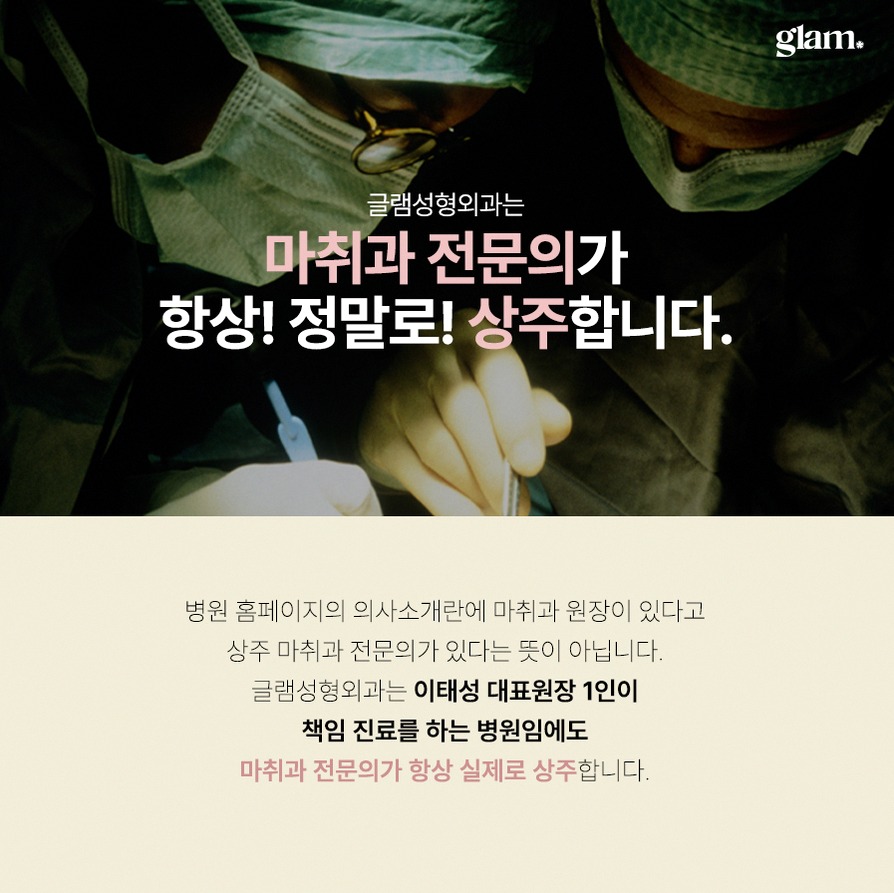
Double jaw surgery is performed under general anesthesia, managed by an anesthesiology specialist who monitors your breathing, heart, and blood pressure throughout the operation.
The general steps are:
Incisions are made inside the mouth, usually above the upper teeth and along the lower jaw.
The surgeon carefully exposes the jaw bones while protecting nerves, blood vessels, and the roots of the teeth.
The upper and lower jaws are cut along pre-planned lines.
The bones are moved into their new positions using guides or splints prepared during planning.
Titanium plates and screws are used to fix the bones securely.
If needed, additional contouring of the chin or jaw angle is done to harmonize the lower face.
The incisions inside the mouth are closed with sutures.
Throughout the operation, the anesthesia team continuously monitors your condition. Blood loss is controlled with careful technique and equipment. The overall operation time varies depending on complexity.
Postoperative management and recovery methods
Immediate care in hospital
After surgery, you are moved to a recovery area and then to a hospital room for monitoring. The length of hospital stay depends on the clinic and your condition, but many patients stay several days.
Typical early care includes:
- Pain control with medication
- Swelling management with cold packs and head elevation
- Intravenous fluids until you can drink enough by mouth
- Guidance on how to rinse your mouth and keep the surgical area clean
Elastic bands may be placed between the upper and lower jaws to guide the bite. Even if full wiring is avoided, these elastics can feel tight at first, but most patients adapt over a few days.
Recovery support options
Some clinics in Gangnam offer non-invasive therapies to support recovery, when medically appropriate. These may include:
LED therapy to support circulation and swelling reduction
Facial dome treatments that gently warm or cool the skin
Radiofrequency lifting devices used at low settings to support skin tone during healing
These are supportive options, not essential parts of the surgery itself. Their use depends on your condition and the clinic’s protocol.
General recovery timeline
Every person heals differently, but a broad outline is:
First week: swelling is at its peak, breathing through the nose can feel stuffy, and diet is usually liquid or very soft. You will need rest and help with daily tasks.
Two to four weeks: swelling gradually decreases, bruising fades, and you can usually move to a soft diet. Many patients can walk outside and do light activities.
One to three months: most daily activities feel more normal, but some stiffness and mild swelling may remain, especially in the morning.
Six to twelve months: bone healing and soft tissue settling continue. Final facial balance and sensation changes are evaluated over this period.
During follow-up visits, your surgeon checks bone healing, bite stability, nerve sensation, and any jaw joint symptoms.
Clinic focus and expertise in Gangnam
In Gangnam, Seoul, there are clinics that focus exclusively on facial bone surgery, including double jaw surgery and facial contouring, rather than offering a wide range of unrelated procedures.

At such a clinic, the lead surgeon may be a board-certified plastic surgeon with around two decades of experience in facial bone surgery and multiple publications in international plastic surgery journals as of early 2025. Surgery is performed directly by the lead surgeon, not passed to trainees, and the clinic states that it recommends only the minimum necessary procedures rather than adding extra operations.
A dedicated anesthesiology specialist is responsible for general anesthesia and perioperative safety. For international patients, multilingual support, including English, and a location near a major subway station in Gangnam can make the process more convenient.
Preparing for an online consultation
Before you travel to Korea, an online consultation can help you understand which double jaw surgery methods may suit you.
To prepare, it is helpful to gather:
- Front and side photos of your face in a natural position
- Any previous imaging reports if available
- Information about breathing problems, jaw joint pain, or past injuries
- A list of medications and health conditions
Questions you may want to ask include:
- Do you recommend one-jaw or double jaw surgery for my case, and why?
- Is an orthodontics-first or surgery-first approach more suitable for me?
- Will I likely need jaw wiring, or can elastics be used instead?
- How long do you expect my stay in Korea to be for surgery and early follow-up?
Expected Korea visit timeline for overseas patients
While each clinic has its own schedule, a common timeline for international patients is:
First 2 to 3 days: in-clinic examinations, 3D imaging, bite records, and final planning. Detailed explanation of the chosen method.
Surgery day: admission, operation, and early recovery in hospital.
First week after surgery: inpatient stay or nearby accommodation with frequent check-ups for swelling, pain control, and bite guidance.
Second to third week: suture checks, adjustment of elastics, and instruction on diet and mouth care. Some patients may be able to return home toward the end of this period if the surgeon agrees.
Your surgeon will advise how long you should remain in Korea before flying back, based on your healing and any risk factors.
Key decision factors when choosing a clinic
When comparing double jaw surgery methods and clinics, consider more than just photos or cost. Important points include:
Does the clinic specialize in facial bone surgery rather than offering it as one of many unrelated services?
What is the surgeon’s experience and academic background in double jaw and contouring procedures?
Is there a full-time anesthesiology specialist in the clinic?
Do they use 3D analysis and individualized planning for every case?
Do they clearly explain why they recommend a specific method for you, including fixation, sequence, and one-jaw vs. double jaw?
During consultation, you can also ask how the clinic minimizes risks such as nerve damage, relapse of jaw position, jaw joint issues, or unwanted changes like nasal widening.
Safety, risks, and realistic expectations
Double jaw surgery is a major operation. Potential risks include:
- Bleeding and infection
- Changes in nerve sensation such as numbness or tingling
- Asymmetry or irregularities in bone healing
- Relapse of jaw position over time
- Jaw joint discomfort or pain
- Need for revision surgery in some cases
Choosing a certain method, such as surgery-first or no jaw wiring, does not by itself guarantee safety. The surgeon’s planning quality, intraoperative judgment, and postoperative care are equally important.
It is important to maintain realistic expectations. Double jaw surgery methods can improve function and facial balance, but they cannot create a completely new face or solve every concern. Recovery takes months, and some changes in sensation may last a long time.
FAQ about double jaw surgery methods
Can double jaw surgery be done without jaw wiring?
In many modern cases, surgeons aim to avoid long-term rigid jaw wiring by using internal plates and screws plus elastic bands. However, some degree of fixation is still needed to protect the new bite while the bones heal. Whether full wiring can be avoided in your case depends on the amount of movement, bone quality, and the surgeon’s assessment of stability.
Is bite alignment always necessary with double jaw surgery?
Some form of bite management is almost always necessary, either before or after surgery, and often both. In an orthodontics-first plan, most alignment is done before surgery. In a surgery-first plan, more alignment is done afterward. The exact amount and timing depend on your starting bite and how complex the movements are.

How long is the recovery after double jaw surgery?
Initial recovery, including major swelling and discomfort, usually improves significantly within two to four weeks. Many patients return to light daily activities in this period. However, full bone healing and soft tissue settling take several months, and the final result is often evaluated around six to twelve months after surgery.
How should I choose a clinic for double jaw surgery in Korea?
When choosing a clinic in Gangnam or elsewhere in Korea, look for a team that focuses on facial bone surgery, has a clear explanation of their double jaw surgery methods, and provides detailed 3D planning. Check that there is an experienced lead surgeon, a dedicated anesthesiology specialist, and structured follow-up care. During consultation, ask directly which method they recommend for you and why, and how they plan to manage your recovery as an overseas patient.
Soft call to action
If you are considering double jaw surgery in Seoul and want to understand which methods may be suitable for your case, an online consultation with a specialized facial bone surgery clinic in Gangnam can be a practical first step. By sharing photos, medical history, and your concerns, you can receive a personalized explanation of possible approaches, expected timelines, and safety considerations before deciding whether to travel for treatment.




- 공유 링크 만들기
- X
- 이메일
- 기타 앱


댓글
댓글 쓰기